
Review · GREECE
Mykonos: Hands-On Cooking Class with a Professional Chef
Mykonos is famous for beach clubs and whitewashed lanes, but this three-hour class offers a more useful souvenir: the skill to make Greek food at home. You’ll work with a professional chef on gyros, fresh pita, tzatziki, pies, and dolmades, then sit down to enjoy what you made.
I like the small group of eight, which gives you a fair chance to handle the food and ask questions. I also like the relaxed, social format, with Chef Nikos explaining each step clearly and encouraging people to eat, talk, and learn as they cook.
The main drawback is the price: $140 per person is a serious spend for three hours. It makes the most sense if you value instruction, a full meal, recipes, and a personal cultural experience more than a quick restaurant lunch.
Key points at a glance
- Make gyros from the beginning: Prepare the seasoned meat and bake your own pita bread.
- Learn several Greek staples: The class can include tzatziki, cheese pies, spinach pies, and dolmades.
- Work with Chef Nikos: Instructions are in English and suited to beginners as well as confident home cooks.
- Expect a small, social class: The group is limited to eight people, allowing for hands-on participation.
- Leave with practical recipes: You receive recipes for all dishes prepared during the session.
- Plan around dietary needs: Tell the organizers about allergies or restrictions in advance.
Why this Mykonos cooking class is worth your afternoon
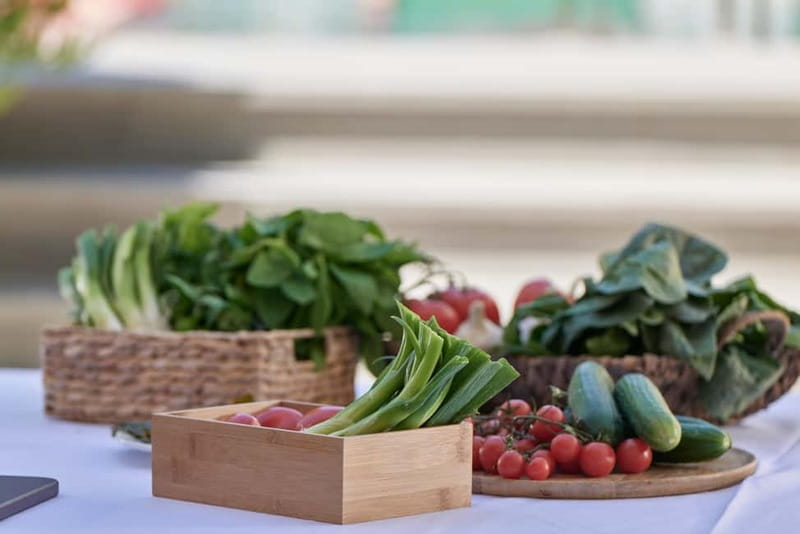
A good cooking class should do more than let you watch someone else chop onions. This one is built around participation. You prepare food yourself, follow the chef’s guidance, and see how several familiar Greek dishes come together into a meal.
That matters in Mykonos, where it is easy to spend your entire visit moving between restaurants, cafés, and beaches. A cooking class gives you a closer look at the everyday side of Greek food. You learn how ingredients are handled, how flavors are balanced, and why sharing food is such an important part of Greek hospitality.
The experience lasts three hours, long enough to cover several recipes without turning into an all-day commitment. You can fit it into a morning or afternoon, then still have time for Mykonos Town, the beach, or dinner elsewhere.
The class has a rating of 4.9 from 14 ratings, and the strongest praise focuses on the same qualities: clear instruction, friendly teaching, hands-on work, generous portions, and a relaxed atmosphere. That pattern is useful because these are exactly the details that can make or break a cooking class.
More Hands-On Workshops in Greece:
- Athens: Classic Cooking Class with Market Visit and Wine
★ 5.0 · 1,101 reviews - Athens: Food Market Visit and Cooking Class with Wine
★ 4.9 · 1,087 reviews - Greek Cuisine Cooking Class in Santorini with Recipes and Wine
★ 5.0 · 969 reviews
Starting with Greek flavors and simple techniques
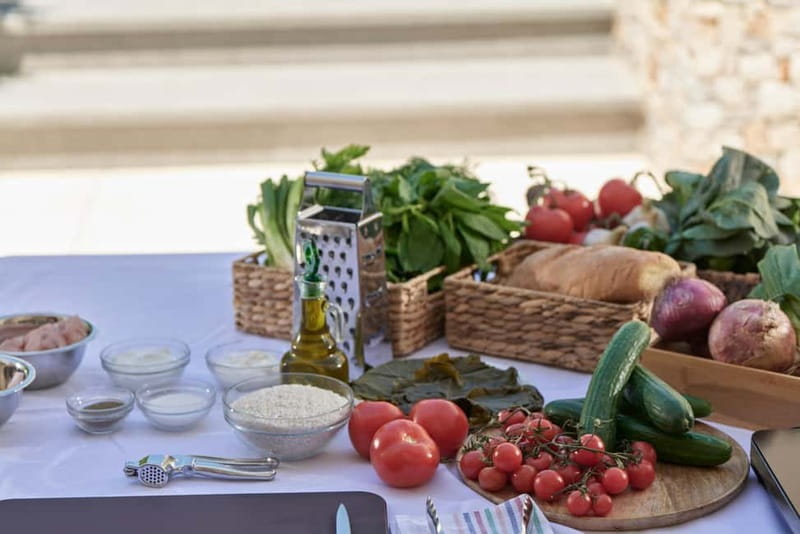
The class covers several dishes rather than focusing on one complicated recipe. You might begin with tzatziki, a cool yogurt-based dip flavored with cucumber, garlic, and herbs. It is a simple dish, but it teaches useful habits: how to balance sharp and creamy flavors, how to manage moisture, and how small adjustments change the final result.
Cheese pies and spinach pies bring pastry into the lesson. You learn how the filling is prepared and how the pastry is handled before baking. These are practical skills you can use beyond Greek food, especially if you enjoy making small savory snacks for a party or family meal.
Dolmades add another technique. Grape leaves need to be filled and rolled with care, since too much filling can split them and a loose roll can fall apart during cooking. The activity description does not give a fixed order for every recipe, so the chef may adjust the sequence based on the group and the pace of the class.
This range is one of the class’s strengths. You are not spending three hours repeating one task. You are learning several kinds of preparation, from mixing a dip to shaping pastry and rolling filled leaves.
Preparing gyros and baking your own pita
The gyros portion is likely the central attraction for many people. Instead of simply ordering a finished pita sandwich, you prepare the gyros meat and learn how the dish is assembled.
That distinction gives you more useful knowledge. You can taste the seasoning before the meal is complete, see how the meat is treated, and understand how the filling works with the bread and sauces. The class also includes baking your own pita, which turns a familiar street food into a complete cooking project.
Fresh pita can be the difference between a good gyros meal and a memorable one. The bread needs to be handled properly so it is flexible enough to hold the filling. Working with dough also adds variety to the class, since you move from chopping and mixing to shaping and baking.
You should not expect a professional kitchen apprenticeship in three hours. The value is more practical. You learn a home-cook version of gyros and pita that you can try again after returning home, using the recipes supplied at the end.
Learning with Chef Nikos in a group of eight
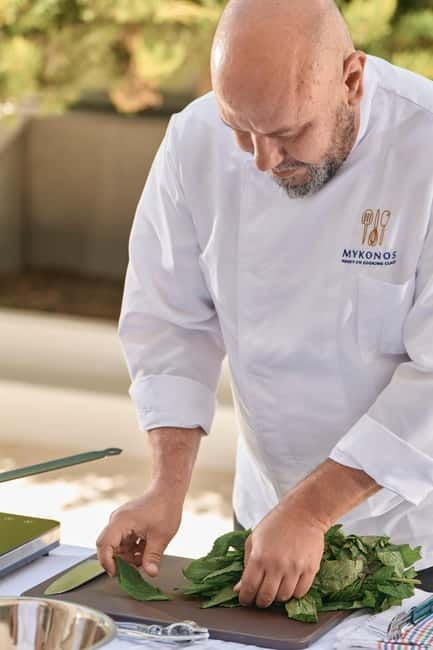
Chef Nikos is named as the instructor, and the teaching style is highly interactive. He explains the steps clearly, answers questions, and shares cooking tips and stories connected to Greek food and hospitality.
The small-group limit matters. With no more than eight participants, you should have a reasonable chance to take part rather than standing at the edge of a large demonstration. The format also makes it easier to ask about technique, seasoning, or substitutions.
Several people who took the class described it as friendly, engaging, and easy to follow. One especially useful point is that the session can work for beginners. You do not need to arrive with serious kitchen experience. At the same time, the variety of dishes and cooking tips gives more confident home cooks something to take away.
The atmosphere seems designed to be social rather than formal. Participants prepare food, eat along the way, talk with one another, and share the finished meal. That can be a plus if you want a friendly cultural activity. It may be less appealing if you prefer a quiet, highly structured lesson with no group interaction.
A few more cooking classes around Greece worth a look
- Naxos: Half-Day Cooking Class at Basiliko Family Tavern
★ 5.0 · 887 reviews - Greek Cooking Class in Athens Including Rooftop Dinner with Acropolis View
★ 5.0 · 826 reviews - Greek Small-Group Athens Cooking Class & Dinner
★ 5.0 · 574 reviews - Exclusive Cooking Experience in our Cave Home by Petra Kouzina
★ 5.0 · 572 reviews
The meal at the end, and what is included
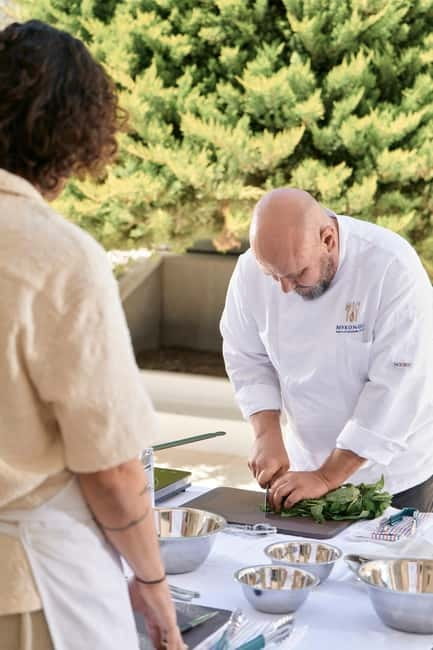
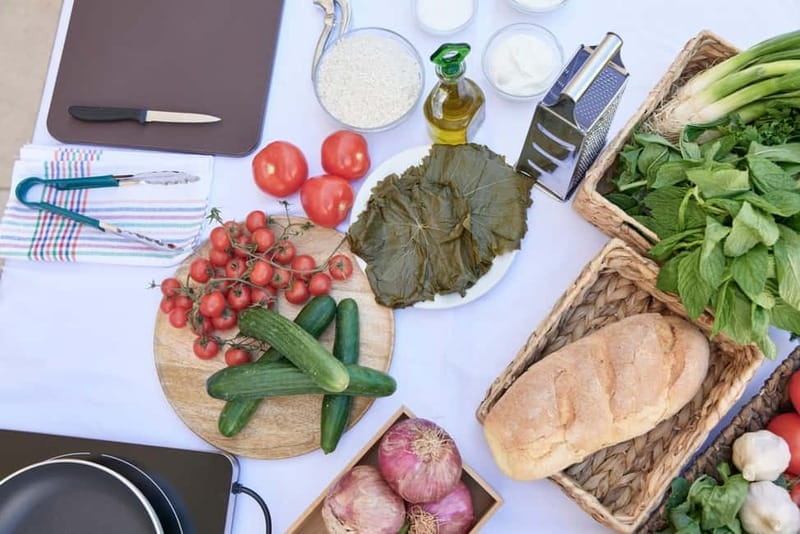
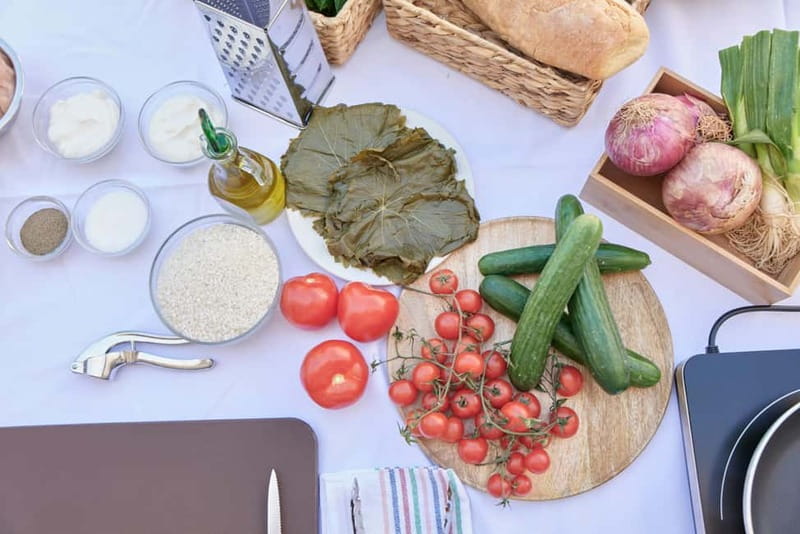
You receive all cooking ingredients and equipment, so you do not need to shop for supplies or bring kitchen tools. Water and refreshments are included, as are recipes for every dish prepared during the class.
The recipes are an important part of the value. A meal disappears quickly, but written instructions let you repeat the experience at home. If you are planning a Greek-themed dinner after your trip, the combination of pita, gyros, dips, pies, and dolmades gives you a useful starting menu.
The amount of food can also be generous. One participant said there was enough left over to take food home, though you should not treat leftovers as guaranteed. Portions depend on the group, the recipes, and how much everyone eats during the session.
Alcoholic beverages are not included. Some people may be interested in wine with a Greek meal, but you should factor that into the cost and confirm the current arrangements before booking. The listed inclusions promise water and refreshments, not alcohol.
What $140 per person really buys
At $140 per person, this is not the cheapest way to eat Greek food in Mykonos. You can find a restaurant meal for much less, and a gyros sandwich is a fraction of the price.
The comparison is not quite fair, though. The class includes three hours of instruction, food, ingredients, equipment, a small group, a professional chef, and recipes to take home. You are paying for a meal and an activity, not only for calories.
I would consider the price reasonable for someone who enjoys cooking and wants a personal experience with a clear take-home benefit. It is also easier to justify for couples, friends, or families with older children who would actually take part in the preparation.
For a person who simply wants a quick introduction to Greek food, the price may feel high. You will get more value if you ask questions, take notes, pay attention to technique, and plan to recreate at least one dish later.
Who should book, and who should think twice
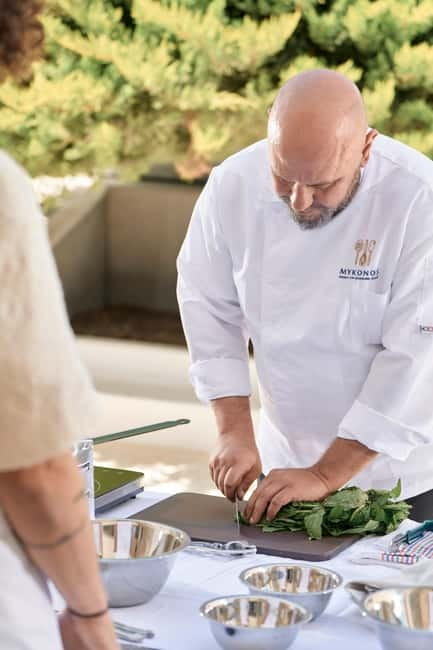
This class suits adults and children aged 12 or older who enjoy food, practical activities, and a social setting. Beginners are welcome, and the clear instruction makes it a good choice if you are nervous about joining a cooking class.
It also suits people who want a break from standard sightseeing. You spend time doing something rather than just looking at another church, windmill, or viewpoint. The finished meal adds a pleasant reward at the end.
I would be more cautious if you have a food allergy. The instructions say to notify the organizers in advance about dietary restrictions or allergies, but the experience is specifically listed as not suitable for people with food allergies. That is a serious limitation, not a minor footnote.
The class is also not suitable for children under 12. Pets are not allowed, and everyone should arrive 15 minutes early in comfortable clothes and shoes suitable for cooking. Bring a camera if you want photos, but keep clothing practical. Cooking can be messy.
Timing, language, and booking details
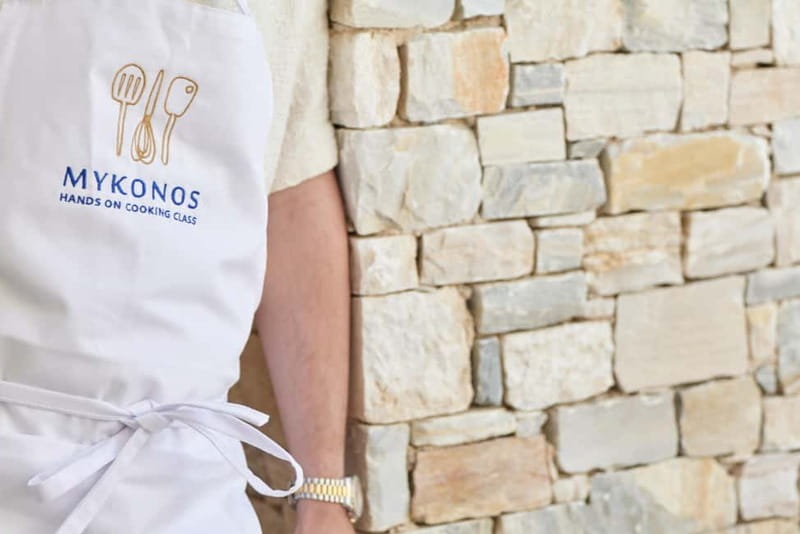
The activity lasts three hours, but starting times depend on availability. Check the schedule carefully so you do not place the class too close to a ferry, flight, or another fixed reservation.
Instruction is in English. That makes the class straightforward for English-speaking participants, especially when the lesson involves timing, dough, and food safety.
You can cancel up to 24 hours in advance for a full refund. The reserve-now-and-pay-later option also gives you some flexibility while your Mykonos plans are still taking shape. Even so, I would book early if the date matters to you, since the group is limited to eight participants.
Arrive 15 minutes early. That small buffer helps you settle in, hear the opening instructions, and avoid joining while the first recipe is already underway.
A relaxed alternative to a standard food tour
A food tour usually takes you from one place to another, with someone else doing the preparation. This class keeps you in one setting and puts the work in your hands.
That makes it less useful if you want to see several parts of Mykonos or sample food from multiple restaurants. It is more useful if you want to understand how Greek dishes are made and enjoy a meal with the people in your group.
The class also offers a different kind of cultural contact. You hear stories about Greek hospitality while sharing the work of preparing food. That connection between cooking and conversation is central to the experience, and it is one reason the class feels more personal than a simple meal.
The setting is described in one account as a shaded patio, which sounds well suited to Mykonos weather, though the exact setup can vary. In any case, wear comfortable clothes and shoes, and do not arrive dressed for a formal dinner.
Should you book this Mykonos cooking class?
Book it if you want a hands-on activity, enjoy Greek food, and like the idea of carrying home recipes rather than only photographs. The small group, English-speaking chef, broad menu, and relaxed meal make it a strong choice for couples, friends, and independent-minded food lovers.
Think twice if you are mainly looking for a low-cost lunch, dislike group activities, or have food allergies. The $140 price is easier to defend when you count the instruction, ingredients, meal, and recipes, but it remains a premium activity.
For most suitable participants, this is a good way to spend three hours in Mykonos. You learn how to make gyros and pita, gain several practical Greek recipes, and get a social experience that feels connected to the pleasures of the local table.
FAQ
How long does the Mykonos cooking class last?
The class lasts three hours.
How many people can join the class?
The group is limited to eight participants.
Is the class taught in English?
Yes. The instructor language is English.
Which Greek dishes will I learn to make?
The class covers dishes such as tzatziki, cheese pies, spinach pies, dolmades, gyros meat, and pita bread. The exact selection may vary.
Are ingredients and cooking equipment included?
Yes. All cooking ingredients and equipment are included.
Are alcoholic drinks included?
No. Alcoholic beverages are not included. Water and refreshments are provided.
Can children join the cooking class?
Children under 12 are not permitted. Participants must be at least 12 years old.
Just added around Greece
- Private Walking Meze Cooking Course★ 5.0 · 6 reviews
- Greek Cooking Class with Acropolis View★ 5.0 · 76 reviews
- Private Greek Cooking Class in Athens-Learn to Cook with Angelina★ 5.0 · 3 reviews
- Cook with Katerina: Authentic Greek Home Cooking Class in Athens★ 5.0 · 15 reviews
- Cooking Class in Athens: Learn the Art of Phyllo with Christina★ 5.0 · 24 reviews
- Hands On Greek Cooking Classes in Athens★ 5.0 · 7 reviews
- Athens: Traditional Vegan Cooking Class incl. Drinks★ 5.0 · 41 reviews
- Greek Meze Cooking class and dinner with an Acropolis view★ 5.0 · 41 reviews
Cooking Classes, compared.
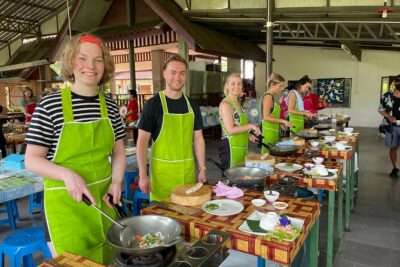
Half-Day Thai Cooking Class at Organic Farm in Chiang Mai
Read our review →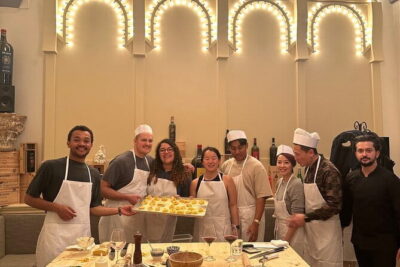
Florence: Pasta Cooking Class with Unlimited Wine
Read our review →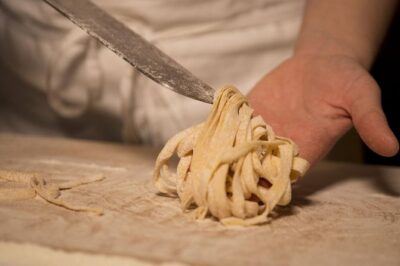
3 in 1 Cooking Class near Navona: Fettuccine, Ravioli & Tiramisu
Read our review →
Hanoi Cooking Class: Culture, Local Market & Meaning CSR Impact
Read our review →
5 Traditional Dishes Hanoi Cooking Class with Market Trip
Read our review →
Cooking Class and Lunch at a Tuscan Farmhouse with Local Market Tour from Florence
Read our review →
Chiang Mai: Cooking Class, Market & Thai Herbs Garden Tour
Read our review →Browse the lists this tour appears in