
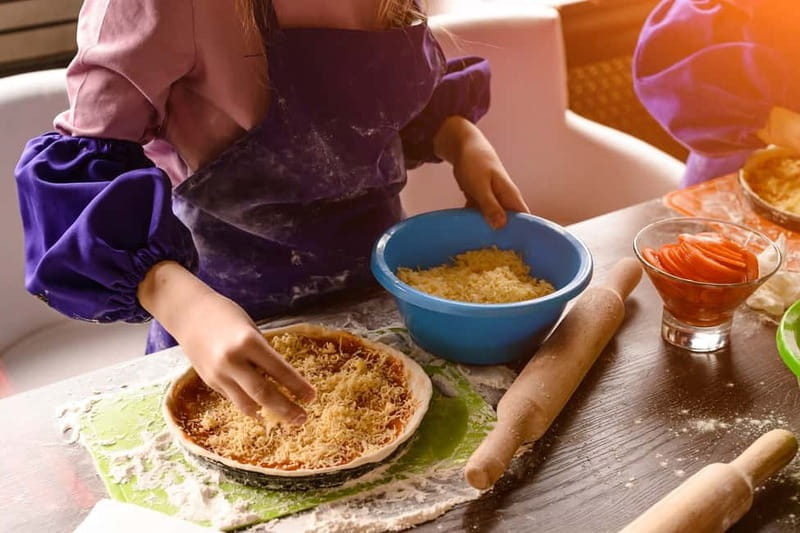
Review · NAPLES
Naples: Premium Pizza-Making Class at a Pizzeria
The real treat here is not simply eating pizza in Naples. You make it from four basics, water, flour, salt, and yeast, inside a 2017 World Pizza Champion pizzeria. Your own workstation lets you knead, divide, shape, top, and bake instead of watching a chef do all the work. I especially like the close look at staglio, the old technique used to form dough balls, and the bonus of sweet fried dough filled with chocolate spread.
I also like the friendly guide-and-chef setup. Guides such as Lucia, Francesca, and Sabrina explain the Italian instructions in English while the pizzaiolo demonstrates the hands-on work. The one drawback is the short two-hour schedule: dough made during class may not have enough time to rise fully, so part of it can become bread or fried dough rather than another classic pizza.
Key points to know before booking
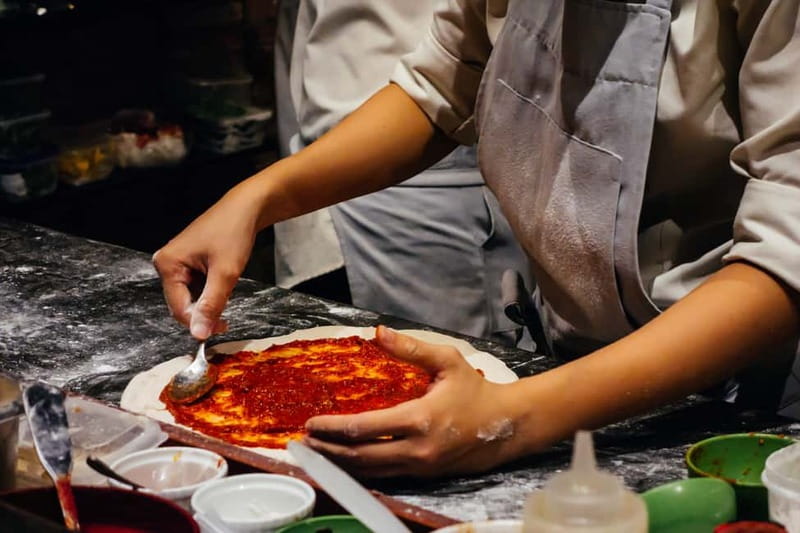
- You get your own workstation: This is practical, hands-on instruction rather than a demonstration from the sidelines.
- You learn staglio: The class covers how to divide and form dough into individual panetti, a key Neapolitan technique.
- You eat a complete meal: Your Margherita is followed by fried dough with a sweet chocolate filling, plus a drink and limoncello.
- English support is provided: The guide translates the pizzaiolo’s Italian instructions and adds background about Naples and pizza.
- Small groups are available: Groups can be private or small, with some sessions reported at only four people.
- The recipe comes home with you: A digital recipe is included, though it is wise to confirm that it has been sent after class.
Making pizza inside a real Neapolitan pizzeria
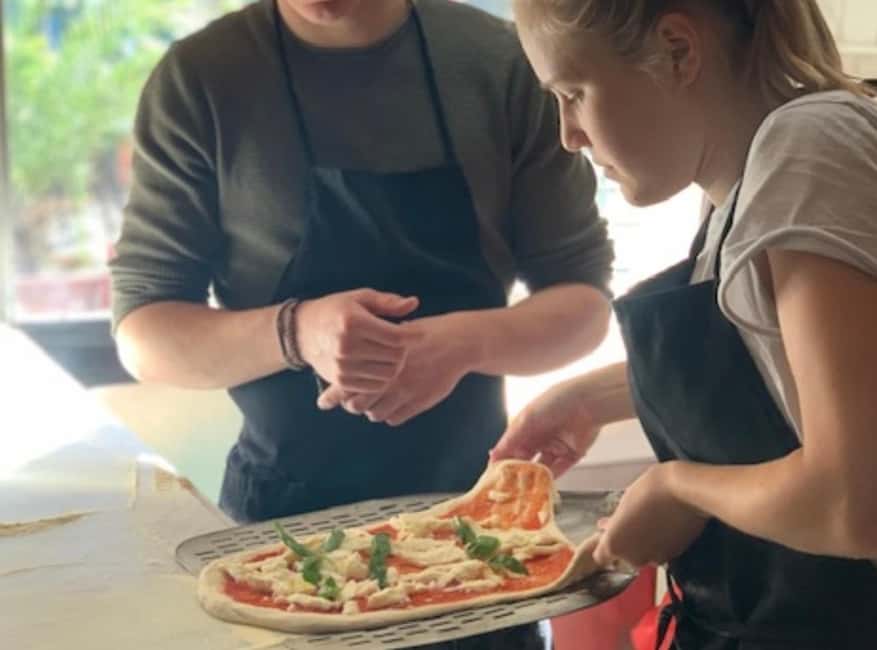
This class works because you are not placed in a generic cooking studio. You step into a working pizzeria with a wood-fired oven, a pizzaiolo, and the smells that make Naples hard to resist. The setting gives the lesson some purpose. You are learning a food in the place where it belongs, then eating the result while it is still hot.
The pizzeria won the World Pizza Championship in 2017. That does not mean you need professional kitchen skills. The class is built for beginners, and the instructor demonstrates each part before you try it. You can expect to make mistakes with the dough, and that is part of the point. A good pizzaiolo can rescue a sticky edge, a thick center, or a pizza that has stretched farther than planned.
The format is personal. Each participant receives an individual workstation, so you are not sharing one lump of dough with a partner or waiting for a turn at the counter. That matters most during kneading and shaping, when you need time to feel how the dough responds under your hands.
The class runs for about two hours. Starting times vary, so check the available session when you book. The meeting point can also vary by the option selected, and the activity finishes back there.
More Pizza Making Classes in Naples
- Naples: Pizza-Making Workshop with Drink and Appetizer
★ 4.9 · 5,411 reviews - Authentic Pizza Making Class in Naples with Appetizers and Drink
★ 5.0 · 3,178 reviews - Naples: Neapolitan Pizza and Tiramisù Making Class
★ 4.8 · 839 reviews
Four ingredients, many lessons
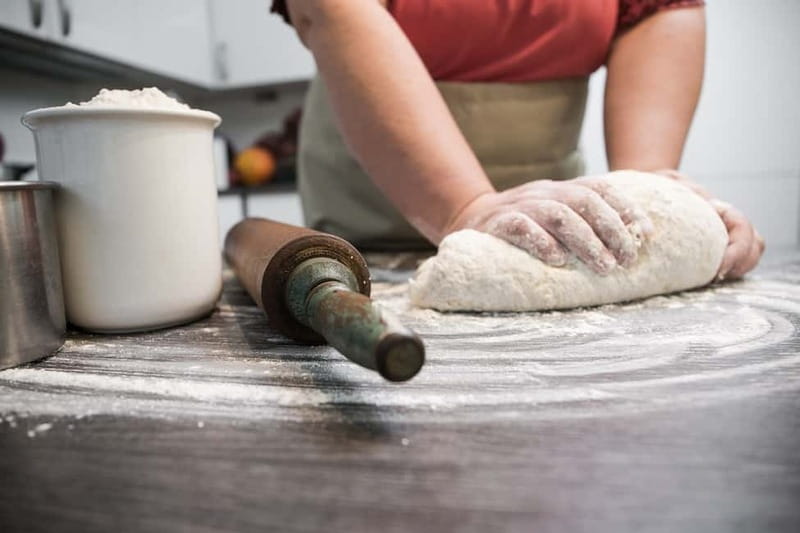
The dough lesson begins with four simple ingredients: water, flour, salt, and yeast. That short list is central to the Neapolitan approach. The flavor comes from handling, timing, heat, and ingredient quality rather than a crowded recipe.
Your pizzaiolo shows how to mix and knead the dough, then how to judge its texture. This is more useful than receiving a recipe alone. At home, you may have the same ingredients, but the dough can behave differently depending on flour, water, room temperature, and how firmly you work it.
You then learn how to divide the dough using staglio. The resulting portions are called panetti, or individual dough balls. This old technique helps create the portions needed for separate pizzas and gives you a better understanding of how dough is prepared before it reaches the oven.
The guides add context along the way. Francesca has explained the story of pizza in Naples and why the quantities and ingredients matter. Lucia has been especially good at taking questions and slowing down the process when someone needs another look. Sabrina has translated clearly between the English-speaking group and the Italian-speaking chef.
That two-person arrangement is worth noting. In some sessions, the master pizzaiolo does not speak English, but the guide translates the instructions and explains the finer points. You still see the chef’s hands at work, and you have someone to ask when a piece of dough refuses to cooperate.
Shaping, topping, and firing your Margherita
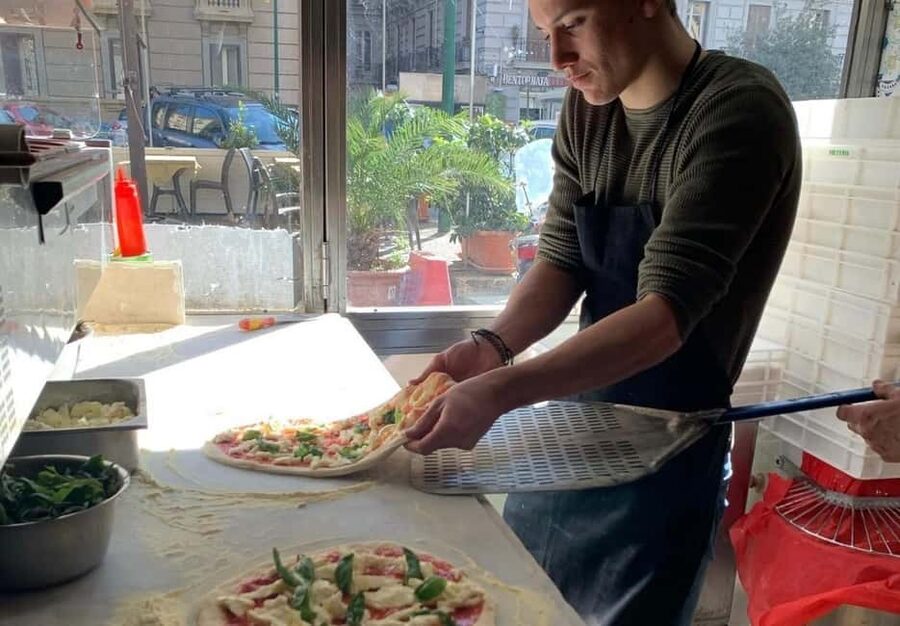
Once your dough is ready, you stretch it by hand. This is where the class becomes less about measuring and more about touch. You learn to form a thin center while leaving enough of a rim for the characteristic raised edge.
The topping is deliberately restrained. You use San Marzano tomatoes, buffalo mozzarella, basil, and DOP extra virgin olive oil. These ingredients show why Neapolitan pizza depends on quality and balance. The tomato supplies brightness, the mozzarella adds creaminess, the basil brings fragrance, and the oil ties it together.
You are not building a mountain of toppings. The goal is a Margherita that remains light enough to cook quickly and evenly. That simplicity can be a useful lesson if your home pizzas tend to become overloaded.
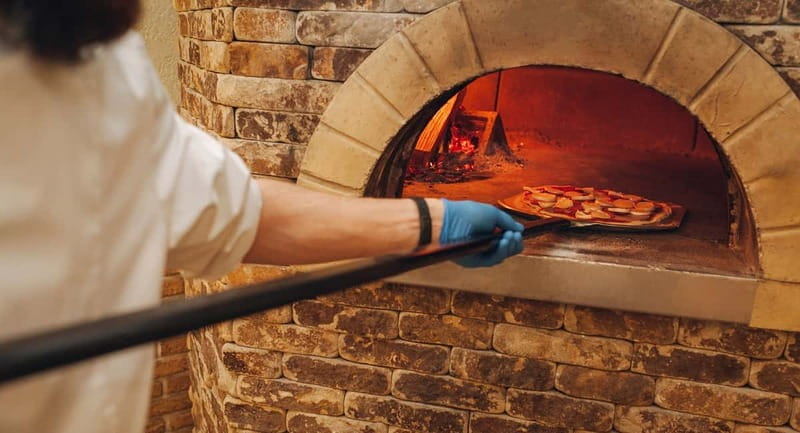
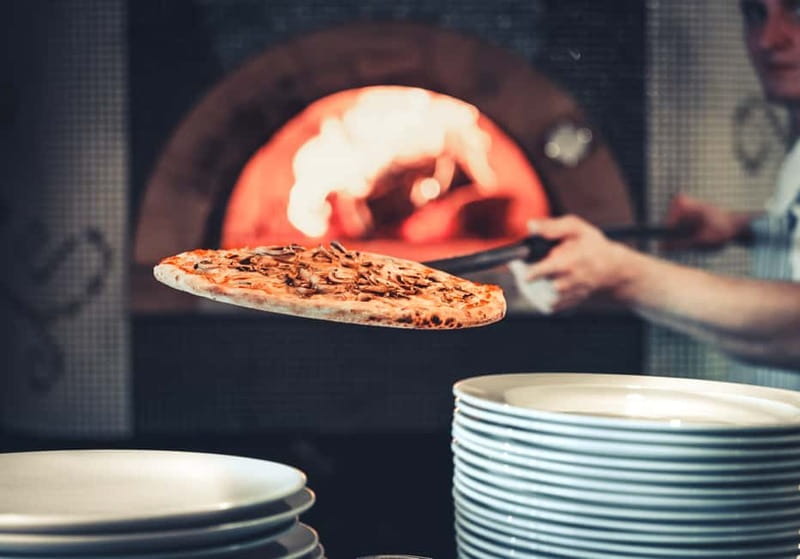
The pizzaiolo then handles the wood-fired oven. You watch your pizza go in and come out transformed, with a cooked center, bubbling cheese, and a browned edge. The class gives you the satisfaction of having made the pizza while still leaving the most demanding oven work to someone with decades of practice.
One chef, Alessandro, has been making pizza for 46 years, and other sessions feature pizzaioli such as Maurizio. The instructors differ by class, but the structure is similar: demonstration, translation when needed, individual practice, and help with shaping before the pizza goes into the oven.
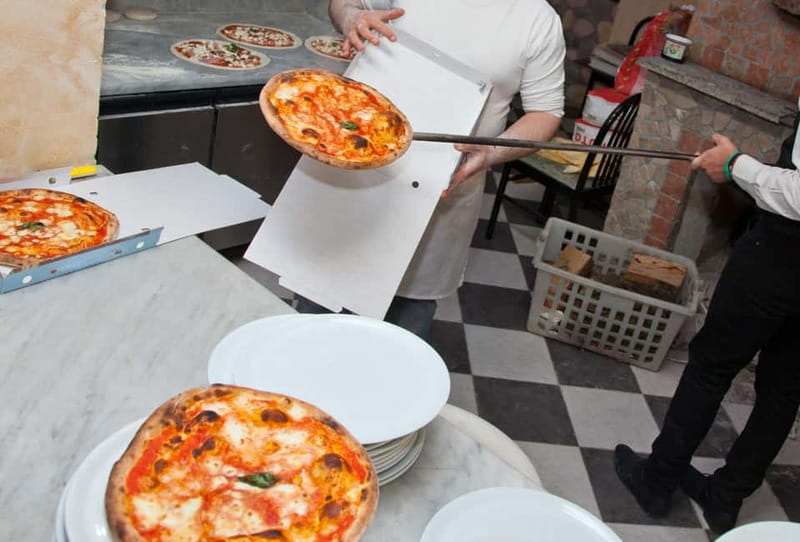
You then sit down and eat your own Margherita. This is not a tasting plate. It is a full savory portion, served as part of the class meal.
The sweet finish is made from pizza dough
The final course takes the same basic dough in a different direction. You try crispy fried pizza dough bites filled with the world’s most famous chocolate spread. It is a playful end to a lesson that has focused mostly on the savory side of Neapolitan food.
The fried dough is also a useful reminder that pizza in Naples is not limited to the round, wood-fired version. Pizza fritta is an important local preparation, and the class gives you a taste of that street-food tradition without requiring another stop.
You may find the sweet portion generous after a full Margherita. One session found the fried pizza a little heavy after the main meal and would have preferred a smaller dessert. If you have a small appetite, plan to pace yourself. If you like trying local specialties, the extra dish is a strong part of the experience.
Some pizzerias also serve savory fried pizza, including versions filled with ricotta, sausage, and cheese, but that is not the guaranteed class menu. The included sweet version is the one to expect.
Same place, a different menu:
- Naples: Pasta Making Class with Starter and Drink
★ 4.9 · 1,060 reviews - Naples: Pasta Cooking Class with Tiramisù and a Drink
★ 4.6 · 415 reviews - Semi-Private Pizza Making Experience in Naples with Drink
★ 5.0 · 324 reviews - Naples: Neapolitan Pizza and Tiramisu Cooking Class
★ 4.9 · 258 reviews
Wine, beer, water, and limoncello
Your meal includes one glass of local wine, water, or beer. You can choose the drink that suits you, and the relaxed table setting gives the class a social finish rather than sending you straight out after the oven work.
Limoncello comes at the end. It is a small but fitting close to a Neapolitan meal, especially after the fried dough. The class also includes water, so you are not dependent on the alcoholic options.
The atmosphere is warm and informal. Guides such as Francesca and Lucia help keep the group together, explain the steps, and make sure no one is left behind. That support matters in a cooking class, since the lesson can otherwise split into one confident cook, one confused cook, and several people trying to copy the nearest set of hands.
What the two-hour schedule really means
Two hours is enough to learn the method, make your pizza, eat, and sample the dessert. It is not enough for a long fermentation lesson or a complete study of every style of Neapolitan dough.
The timing affects the dough. A portion made during the class may not have time to prove fully before you need to cook. One practical solution has been to use that dough for bread rather than force it into a pizza before it is ready. This is not a failure, but it is worth understanding before you arrive expecting to make several perfectly risen pizzas.
The class focuses on technique you can repeat at home, not on producing a large number of pizzas. You will likely leave with one main pizza, a sweet dough preparation, and a better sense of how dough should feel at each stage.
If your main aim is to eat as much pizza as possible, a regular pizzeria meal will cost less and take less time. If you want to understand why Neapolitan pizza works, the hands-on format gives the price more value.
Is $67.19 a fair price?
At $67.19 per person, this is not the cheapest pizza meal in Naples. You are paying for instruction, an individual workstation, ingredients, a full meal, a drink, limoncello, and a digital recipe. The world-champion setting also adds appeal, though the title alone should not be the reason to book.
I think the price is reasonable for someone who values an activity as well as dinner. You get roughly two hours of organized instruction and food, and the recipe gives you something useful to take home. The value improves if you are traveling with family, interested in cooking, or hoping to recreate the meal later.
The price is less compelling if you want a long, technical baking course. This is an approachable introduction, not a professional certification or a fermentation workshop. You are paying for a social lesson with a meal at the end.
The small-group option also helps justify the cost. A class of four gives you more room to ask questions and more direct attention when shaping dough. Private and small-group formats are available, though the exact setup depends on the option you select.
Who will enjoy this most?

This is a strong choice for first-time cooks. You do not need prior experience, and the instructors show each stage before asking you to try it. The class also works well for families, couples, and friends who want a shared activity that ends with dinner.
Teenagers who already take pizza seriously should have plenty to enjoy. The process is active, and the reward arrives quickly. Younger children may need help with kneading and stretching, but the provided information does not specify age rules, so confirm any age requirements before booking.
You will also like it if you care about local food beyond restaurant ordering. The ingredients, wood-fired oven, fried dough, and limoncello connect the class to everyday Neapolitan eating rather than presenting pizza as a museum piece.
This may not suit you if you dislike group instruction, have a very limited appetite, or want a quiet meal. The class includes teaching, translation, shared conversation, and a full amount of food. It is lively in a practical way, not a formal cooking school.
Tips for getting the most from the class
Arrive on time, but contact the provider if you are delayed. A late arrival has sometimes been handled kindly, yet the dough work moves in stages and joining late can mean missing the key demonstration.
Ask questions while the dough is in your hands. The most useful information is not just the ingredient list. Pay attention to how the chef kneads, how much pressure is used, how the dough is divided, and how the rim is protected during stretching.
Watch the shaping demonstration closely. The pizzaiolo may make the process look easy, but small movements matter. If your dough tears or becomes uneven, ask for help rather than trying to repair it alone.
Keep room for the fried dough and limoncello. The Margherita is a complete meal, and the sweet course arrives after it.
Finally, check for the digital recipe after the class. It is included, and some participants received it the next day, while one person had not received it at the time of writing. A quick follow-up is sensible if it does not arrive.
Booking flexibility and language
You can cancel up to 24 hours before the activity for a full refund. A reserve-now-and-pay-later option is also available, which helps if your Naples schedule is still shifting.
Instruction is offered in English and Italian. Since the chef may speak Italian while the guide translates, the pace can vary slightly by group. The guide-and-pizzaiolo partnership has worked well in sessions led by Francesca, Lucia, Sabrina, and Federica.
The meeting point may change depending on the option booked, so read the confirmation carefully. The experience ends at the meeting point rather than including onward transportation.
Should you book it?
Book this class if you want more than a famous pizza meal. You will learn how dough is mixed, kneaded, divided, and shaped, then eat a Margherita baked in a traditional wood-fired oven. The fried sweet dough, drink, and limoncello make it feel like a complete Neapolitan food experience.
I would choose it for a first visit to Naples, especially if you have two hours free and enjoy practical activities. The main caution is the short rise time and the amount of food. If you expect a lengthy technical course or several fully fermented pizzas, choose a longer class instead.
For most visitors, the combination of individual workstations, friendly English support, a champion pizzeria, and food you make yourself makes the $67.19 worthwhile.
FAQ
How long does the pizza-making class last?
The activity lasts two hours. Starting times vary, so check availability for the date you want.
What ingredients do I use to make the dough?
The dough uses four basic ingredients: water, flour, salt, and yeast.
Do I make my own pizza?
Yes. Each participant has an individual workstation and takes part in kneading, shaping, stretching, topping, and preparing the pizza for the oven.
What food and drinks are included?
You receive a savory pizza, sweet fried dough filled with chocolate spread, one glass of wine, water, or beer, water, and limoncello.
Is the class offered in English?
Yes. The activity is available in English and Italian. An English-speaking guide translates and explains the pizzaiolo’s instructions when needed.
Can I cancel the booking?
You can cancel up to 24 hours in advance for a full refund. A reserve-now-and-pay-later option is also available.
More Hands-On Workshops in Naples
- Naples Pizza and Tiramisu Cooking Class
★ 5.0 · 173 reviews - Naples: Pizza Making Class with Local Pizzaiolo
★ 4.8 · 124 reviews - Naples: Traditional Italian Food Cooking Class at Restaurant
★ 4.8 · 106 reviews - Amazing Pizza and Pasta Class at Savio’s kitchen cooking school
★ 5.0 · 104 reviews
Just added around Naples
- Naples: Hands-On Pasta Class Making Gnocchi & Tagliatelle★ 5.0 · 18 reviews
- Pizza-Making Workshop by night with glass of wine★ 4.9 · 45 reviews
- Naples: Pizza Making Class with Neapolitan Chef and drink★ 4.6 · 25 reviews
- Naples: 3 Recipes Cooking Class at Local’s Home★ 4.8 · 5 reviews
- Naples: Small Group Pizza Making with Drink Included★ 5.0 · 39 reviews
- Naples: Pizza making class with a local pizza chef★ 4.8 · 4 reviews
- Master Authentic Neapolitan Pizza & Tiramisu at Home★ 4.8 · 75 reviews
- Naples: Pasta and Gelato Cooking Class★ 4.9 · 8 reviews
Pizza Making Classes, compared.
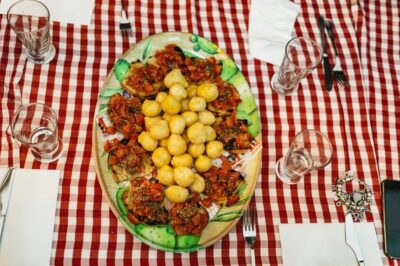
Naples: Pizza-Making Workshop with Drink and Appetizer
Read our review →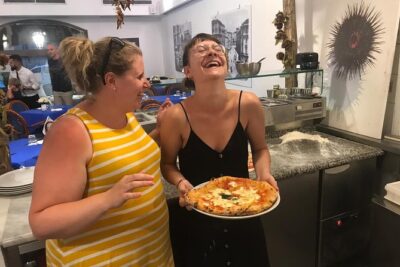
Authentic Pizza Making Class in Naples with Appetizers and Drink
Read our review →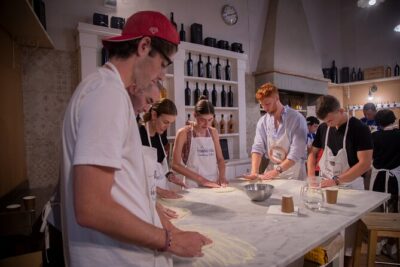
Florence Cooking Class The Art of Making Gelato & Authentic Pizza
Read our review →
Cooking Class in the Heart of Rome: Pizza and Tiramisu Making
Read our review →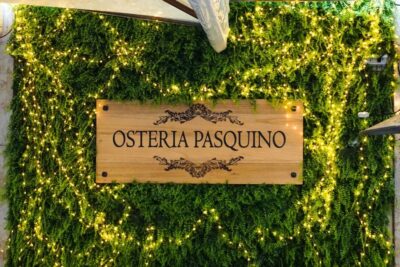
Rome: Traditional Pizza Cooking Class near Piazza Navona
Read our review →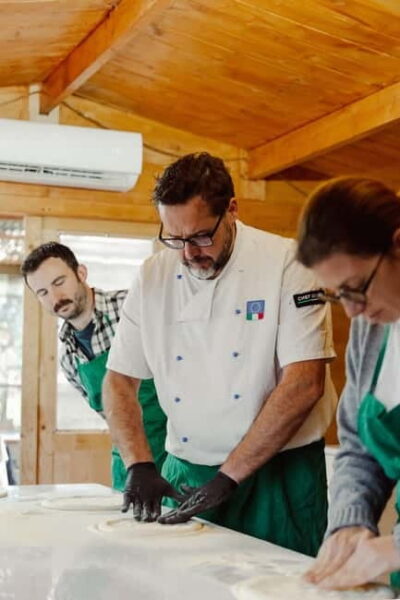
Rome: Combo Pizza and Pasta Cooking Class with Wine
Read our review →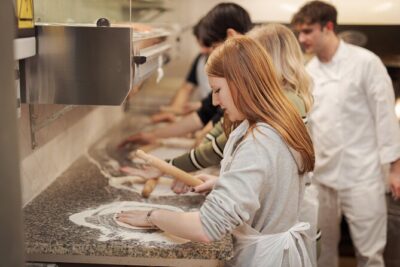
Pizza Cooking Class in Rome – Near Piazza Navona
Read our review →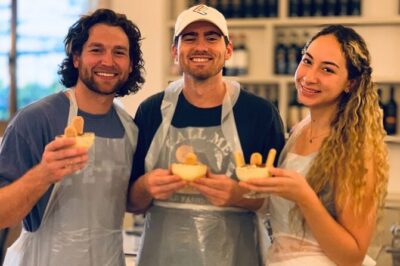
Rome: Pizza & Tiramisu Class with Free Flowing Fine Wine
Read our review →Browse the lists this tour appears in