
Review · BEIJING
Online Cooking Class Hand Pulled Noodles by Sunflower Li
Xi’an’s famous Biáng Biáng noodles are made for both eating and showing off. You stretch the dough by hand until it becomes a wide, belt-like noodle, then finish it with vegetables, garlic, chili, vinegar, sesame, and spices. Chef Sunflower Li teaches the process online in English, with plenty of room for questions and mistakes.
I like two things right away: the private format, which lets Li focus on your group, and the fact that the meal is made from scratch rather than assembled from a kit. The class also brings in Chinese culture and writing, not just a recipe. The main point to watch is the clock: booking times use Beijing time, so your chosen date and hour may differ from your local one.
Key points
- Xi’an’s belt noodles: Make wide Biáng Biáng noodles, an authentic specialty from the city associated with the Terra Cotta Army.
- Chef Sunflower Li: Learn in English from a lively teacher who guides each stage closely and shares cultural details along the way.
- Private group for up to five: The $99 price covers the whole group, making it useful for families, friends, parties, and work teams.
- A meal from basic ingredients: Prepare the dough, noodles, vegetables, sauce, and seasonings yourself rather than watching a demonstration only.
- Flexible online timing: Classes usually last 90 minutes to two hours and can be arranged for European or US lunch and dinner hours.
- Bring your own ingredients: The class is private, but you must shop for bean sprouts, bok-choy, green onion, garlic, spices, oil, salt, and other listed items.
Why Xi’an’s wide noodles make a good online class
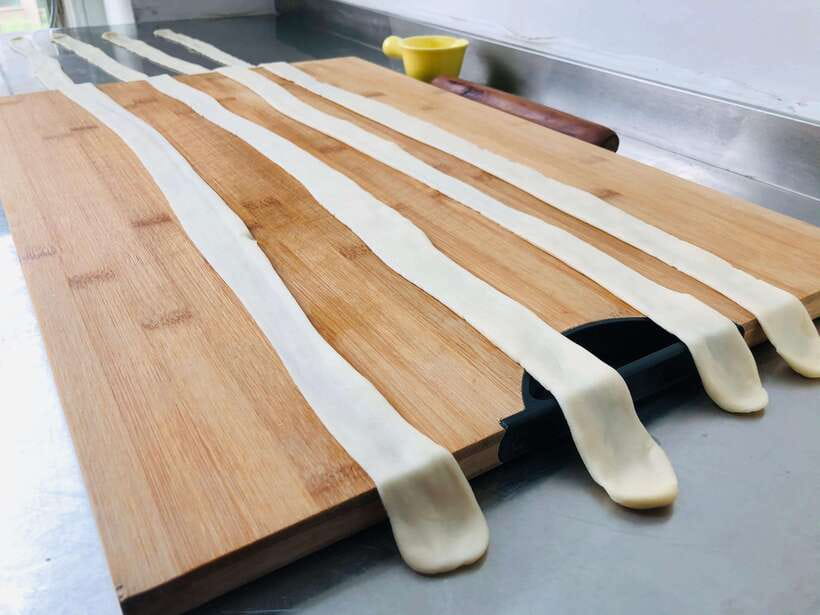
Many online cooking classes ask you to chop a few items while the instructor cooks the main dish. This one has a more satisfying centerpiece: you make the noodles themselves. The dough changes from a lump into long, broad strips, and the pulling motion is part technique, part kitchen theater.
These are not thin noodles from a packet. Biáng Biáng noodles are known for their width and are often called belt noodles. The name refers to the sound made as the dough is pulled and slapped against the work surface. That physical action gives the class a clear goal, and it means you can see your progress before the final bowl reaches the table.
The dish comes from Xi’an in northern China, a city closely linked with the Terra Cotta Army. Noodles have been part of Chinese food culture for more than 1,800 years, but this class keeps the history in proportion. You learn enough about the food and its home to understand what you are making, then get back to the practical work of stretching dough.
I like this balance. You are not sitting through a long lecture about Chinese cuisine. You are learning a dish with a strong local identity while your hands stay busy.
More Hands-On Workshops in China:
- Half-Day Chengdu Cooking Class with a Local Market Visit
★ 5.0 · 465 reviews - Beijing: Dumpling Making Workshop with Meal and Tea
★ 4.7 · 69 reviews - Online Cooking Class Beijing Dumplings and Cuisine by Sunflowerli Renowned Chef
★ 5.0 · 65 reviews
Meeting Chef Sunflower Li through Zoom
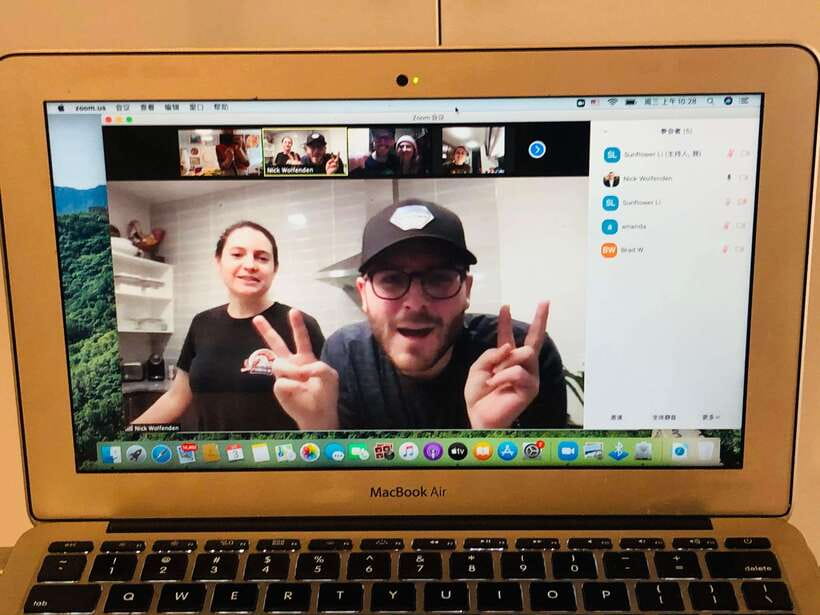
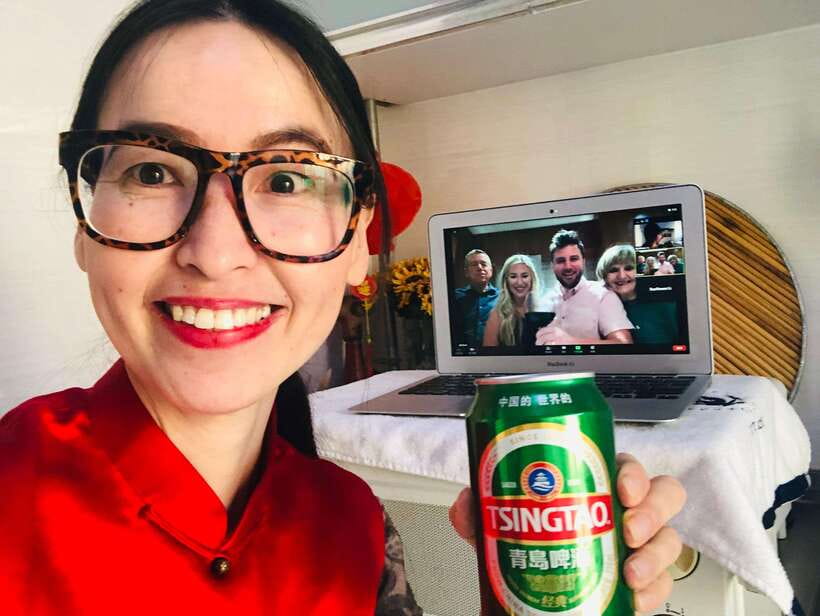
Chef Sunflower Li teaches the class in English and meets your private group through Zoom. After booking, you receive the meeting link through WhatsApp or iMessage, along with the ingredient list to prepare before class.
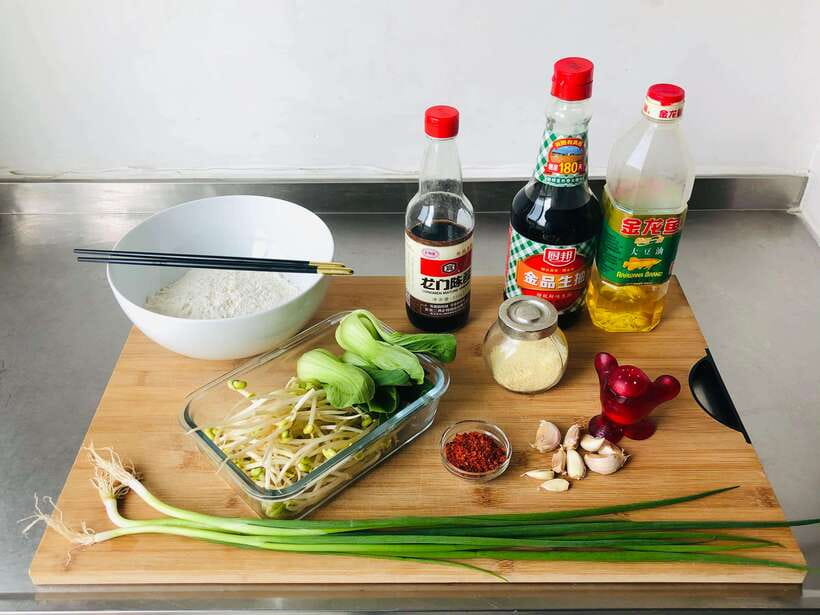
That preparation matters. Since this is a live cooking lesson, the class works best when your flour, vegetables, seasonings, and equipment are ready before Li appears on screen. The supplied list includes 4 ounces, or 112 grams, of bean sprouts; 4 ounces, or 112 grams, of bok-choy; 5 tablespoons of diced green onion; and 4 tablespoons of minced garlic.
You also need chili powder, which is optional, toasted sesame seeds, vinegar, 13 spice or a 5 spice substitute, olive oil, and salt. The class also supports a vegan option, so tell the organizer about that need when arranging your session.
The exact message and scheduling process is simple, but do not skim the time-zone details. The class uses Beijing time for its booking schedule. One US participant had to account for a different local date, so check both the hour and the day before confirming. Li can arrange the class for a suitable European or US lunch or dinner period, but you should still verify the conversion yourself.
Making the dough from scratch
The heart of the class is the noodle dough. Li demonstrates how to work it, then watches your group attempt the same process. This is where a private class earns its keep. If one person has a dough problem or cannot get the pulling motion right, Li can slow down and address it directly.
You should expect to handle the dough rather than simply watch a perfect demonstration. The pulling technique may take practice, especially if you have never made fresh noodles. That is also the fun of it. The finished result feels earned because you shaped the noodles with your own hands.
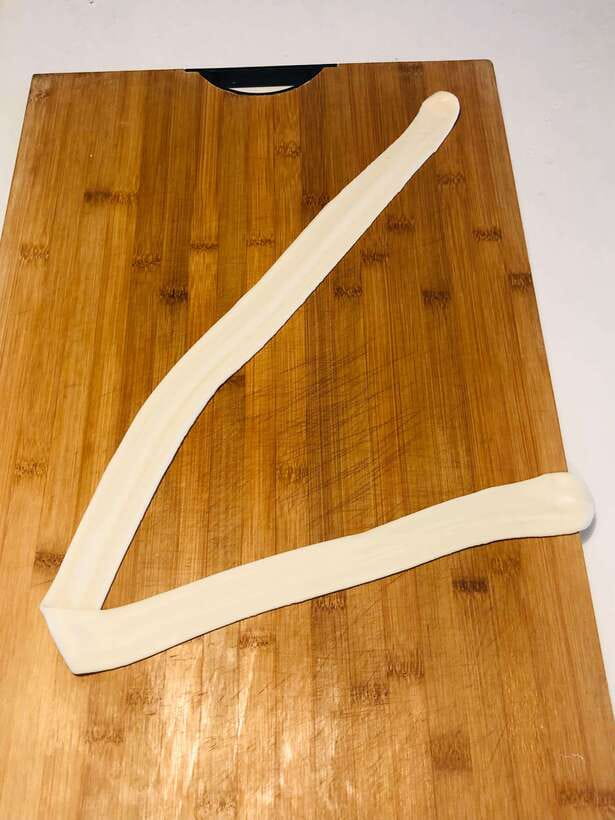
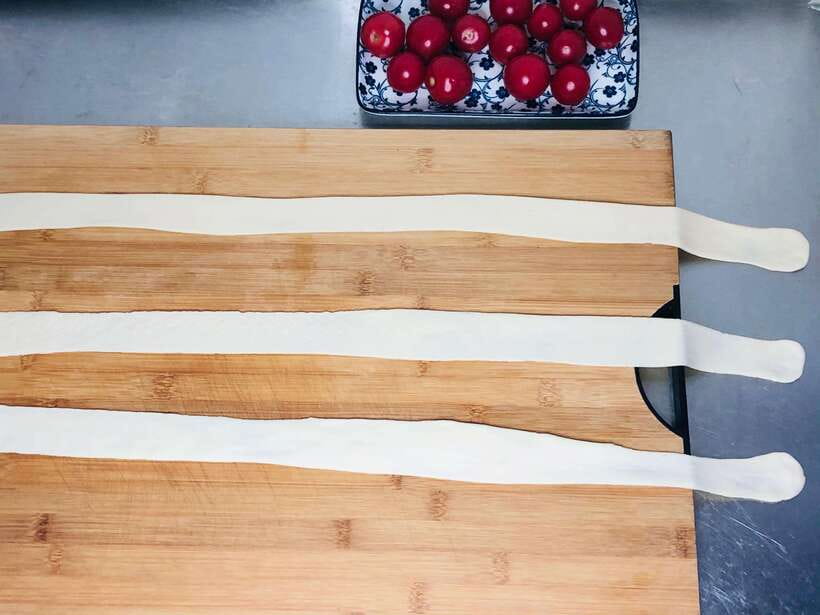
The wide strips are distinctive. They are closer to ribbons than ordinary noodles, which gives them a different feel when cooked and a generous surface for sauce. The class description calls them refreshing and particularly appealing in summer, though you can make them at any time of year.
Do not expect factory-level uniformity. Your noodles may vary in width or length. That is not a serious problem here. The dish is built around handwork, and the irregular shape is part of its character.
Pulling, cooking, and finishing the noodles
After the dough work comes the part that gives the dish its name. You pull and stretch the dough into broad noodles, using the motion Li demonstrates. The successful result is dramatic: a thick piece of dough becomes a long, flat strip in seconds.
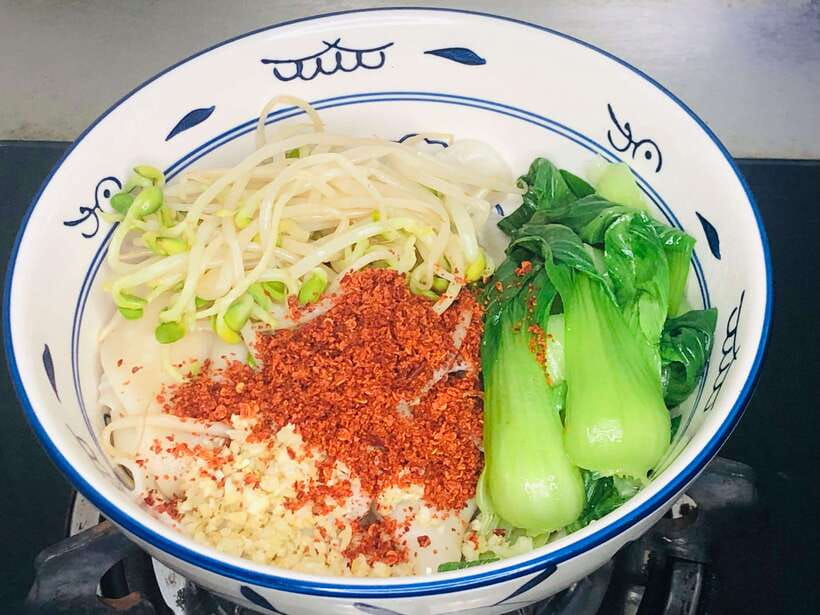
The noodles are then combined with the prepared vegetables and seasonings. The bean sprouts add crunch, while bok-choy brings a green vegetable element. Green onion and garlic give the bowl its main savory lift. Chili powder is optional, so you can keep the dish mild or add heat according to your taste.
The final sauce is a major reason to pay attention. It uses the listed vinegar, spices, sesame, olive oil, salt, and other flavorings to create a quick dressing for the noodles. The class also introduces a Chinese sauce that one participant found especially memorable and unlike the usual restaurant version. That detail is useful because it shows the lesson is not only about noodle shape. The seasoning is a real part of the meal.
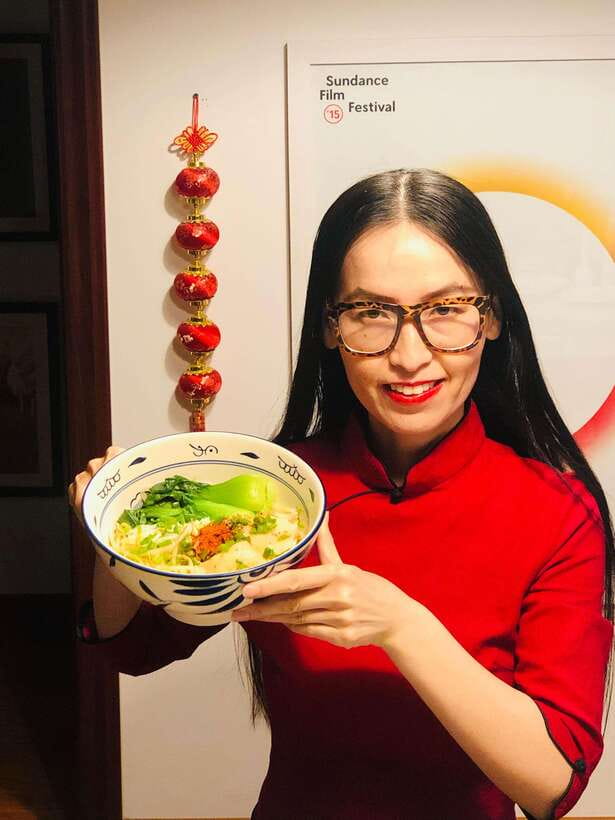
You will likely finish by mixing the noodles with the sauce and vegetables, then eating what you made. Since all recipes are made from scratch, the class gives you a complete dish to repeat later, not just a single dough trick.
A few more cooking classes around China worth a look
- Chengdu: Cooking Class with Fresh Market Half Day Experience
★ 5.0 · 42 reviews - Shanghai-Cooking Dumpling & Meal in Local Family-w/Vegan
★ 4.9 · 36 reviews - Private Cooking Class: Make Your Own Dim Sum In Shanghai
★ 5.0 · 27 reviews - Half-Day steamed Buns Cooking Class with a Local Market Visit
★ 5.0 · 26 reviews
A cooking class that includes Chinese culture
Li brings more than instructions. The class can include discussion of Chinese culture and writing, which adds a welcome sense of place to an online activity. You are not standing in Xi’an, but the food gives the lesson a direct link to northern China.
That cultural material is especially useful for children and groups who want more than a standard cooking demonstration. Kids can focus on the stretching and pulling, while adults can ask about the dish, the city, or Chinese characters. The activity has enough hands-on action to hold attention, yet enough conversation to make it feel like a cultural exchange.
The strongest praise for Li centers on her teaching style. She is described as enthusiastic, attentive, thorough, funny, and entertaining. Those traits matter in a noodle class because the process can feel uncertain at first. A patient instructor helps you understand that a misshapen noodle is part of learning, not a failed dinner.
One participant also noted that Li taught the group even though it was a very late hour in Beijing. That is a small but telling detail about the effort involved in arranging worldwide classes. Still, you should choose a time that works for you and confirm the schedule carefully rather than assuming your booking uses your home time zone.
The $99 group price and what it buys you
The cost is $99 per group of up to five people. That is not a per-person rate, so the value improves quickly when several people join. At five participants, the class works out to $19.80 per person before ingredients. For two people, the effective rate is much higher, but you still receive a private lesson rather than joining a large public session.
This pricing makes sense for a birthday, bridal shower, team-building event, or family activity. A work group can cook together without sharing a physical kitchen, and a private party can arrange a time that suits its members. The same format works for friends living in different cities.
You must supply the ingredients, and those costs are separate. That gives you control over brands and quantities, but it adds a shopping task. Read the list before booking and check that you can obtain the spices, vegetables, and seasonings. The 13 spice blend may require a substitution with 5 spice, which is helpful if the original blend is not available locally.
For a solo participant, $99 is harder to justify unless you place high value on private instruction. For a full group, the rate is more attractive, especially since the teacher can answer questions and watch your hands-on work.
Who will enjoy the two-hour format
The class is a good match for people who want to cook rather than watch. You need enough counter or table space for dough work, ingredients, and a computer or phone running Zoom. The supplied information does not specify the required cooking equipment, so confirm anything important with the organizer before class.
Families can use the activity as a shared project. Children and adults are both welcome, and the pulling motion gives younger participants a clear task. Adults may appreciate the cultural discussion and the chance to repeat the recipe later.
It also suits remote teams. The private group limit keeps the class manageable, and cooking gives a work gathering a shared focus without requiring everyone to be in one place. The activity has been arranged for organizations and companies, so it is a natural option for team-building.
A birthday party or bridal shower can work well too, provided the group is comfortable preparing ingredients in advance. This is not a passive party presentation. Each person needs to take part, and the kitchen work may be easier if one person organizes the ingredients before the Zoom call begins.
The class usually takes 90 minutes to two hours. Plan for the longer end if your group is new to fresh noodles or wants time for cultural questions. The flexible duration is useful, but do not schedule another fixed event immediately afterward.
Practical limits of an online noodle lesson
The obvious drawback is the screen. You do not visit Xi’an, walk through a market, or eat noodles prepared in a local restaurant. The cultural connection comes through Li and the food, not through being physically in China.
You also manage your own kitchen. If an ingredient is missing or your work surface is cramped, Li cannot hand you a replacement. That is why the ingredient list and timing deserve attention. Have everything measured or within reach before the class starts.
A second consideration is the technique. Hand-pulled noodles are fun, but they are not entirely effortless. Some people may find the dough stubborn or the pulling motion awkward. The private format helps because Li can give individual guidance, but the class still requires patience and willingness to try.
The upside is that the result can be unusually rewarding. Once the noodles work, you have learned a practical skill that can be repeated. You also leave with a sauce and seasoning method that can make the meal taste far more distinctive than a plain bowl of noodles.
Booking, cancellation, and access
The activity is fully online, with no in-person meeting point or local transportation. You meet Li virtually through Zoom, and the class is offered in English. It is listed as wheelchair accessible in the online activity format, though you should consider your own kitchen setup and contact the organizer if you need a specific accommodation.
You can reserve now and pay later, which helps if you are coordinating several people across time zones. Free cancellation is available up to 24 hours in advance for a full refund. Since private classes require coordination, giving more notice is sensible even though the stated cutoff is 24 hours.
The class receives a 5 out of 5 rating from three ratings, with the strongest praise focused on Li’s energy, careful instruction, successful noodle technique, and flavorful sauce. Those points line up with what matters most here: you want an instructor who can make a hands-on process clear and keep the group involved.
Should you book Sunflower Li’s noodle class?
Book it if you want a private, social cooking activity with a real skill at its center. The $99 group rate is fair for up to five people, and the class is especially well suited to families, remote teams, birthdays, and bridal showers. You will get the most from it if you enjoy active cooking and are willing to prepare the ingredients first.
Think twice if you want an in-person Chinese food tour, a restaurant meal, or a class where every ingredient and tool is provided. This is a Zoom lesson, and the shopping is your responsibility.
For most groups, the best reason to book is the combination of handmade noodles and personal instruction from Chef Sunflower Li. You learn a dish tied to Xi’an, make the wide noodles yourself, and finish with a flavorful sauce that you can prepare again at home. Just check Beijing time carefully and plan your ingredient shopping before the class.
FAQ
Is this an in-person cooking class?
No. This is a private online cooking class held through Zoom with Chef Sunflower Li. There is no in-person meeting point.
How many people can join for $99?
The $99 price covers one private group of up to five people.
How long does the class last?
Classes usually last between 90 minutes and two hours. The listed duration is two hours, and you should check availability for starting times.
What ingredients do I need?
You need bean sprouts, bok-choy, diced green onion, minced garlic, optional chili powder, toasted sesame seeds, vinegar, 13 spice or 5 spice, olive oil, and salt. The ingredient quantities are provided after booking.
Is there a vegan option?
Yes. A vegan option is available.
What language does Chef Sunflower Li speak during class?
The class is conducted in English.
Do I need to check the time zone before booking?
Yes. Booking times use Beijing time. Check the local time and date carefully, since the class may fall on a different date where you live.
Can I cancel for a full refund?
Yes. You can cancel up to 24 hours in advance for a full refund.
Just added around China
- Beijing: Dumpling-Making Class with wet Market visit★ 5.0 · 9 reviews
- Private Cooking Class: Make Your Own Dim Sum In Shanghai★ 5.0 · 27 reviews
- Vegan Soup Dumpling Making in Shanghai★ 5.0 · 17 reviews
- Private Home Cooking Class with Shanghai Mama★ 5.0 · 14 reviews
- Private Home Cooking Class:Dumpling Cooking Class Tour in Xi’an★ 5.0 · 7 reviews
- Beijing: Vegan Home Cooking & Local Market Tour with Sanxia★ 4.8 · 4 reviews
- Shanghai-Cooking Dumpling & Meal in Local Family-w/Vegan★ 4.9 · 36 reviews
- Half-Day Professional Mapo Tofu Cooking with a Local Market Visit★ 5.0 · 19 reviews
Cooking Classes, compared.
Half-Day Thai Cooking Class at Organic Farm in Chiang Mai
Read our review →
Florence: Pasta Cooking Class with Unlimited Wine
Read our review →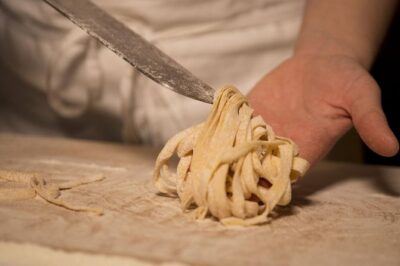
3 in 1 Cooking Class near Navona: Fettuccine, Ravioli & Tiramisu
Read our review →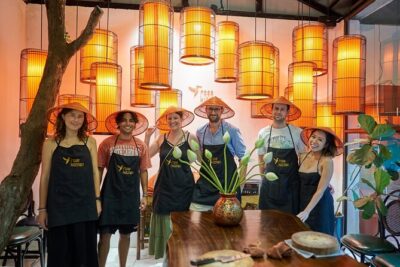
Hanoi Cooking Class: Culture, Local Market & Meaning CSR Impact
Read our review →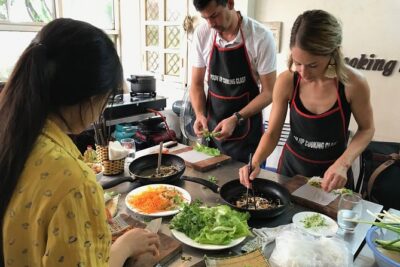
5 Traditional Dishes Hanoi Cooking Class with Market Trip
Read our review →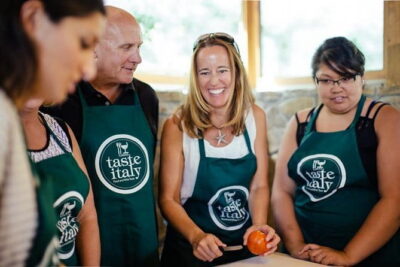
Cooking Class and Lunch at a Tuscan Farmhouse with Local Market Tour from Florence
Read our review →
Chiang Mai: Cooking Class, Market & Thai Herbs Garden Tour
Read our review →Browse the lists this tour appears in