Review · COOKING CLASSES
Pachamama – Argentine Cooking Experience in Buenos Aires
Pachamama turns Argentine food into a hands-on afternoon rather than a meal served from a distance. You’ll make empanadas, chipá, humita stew, and dulce de leche crepes, then sit down to eat what the group prepared with Mendoza wine. Chef Franco and his team guide the work in English and explain the customs behind each dish.
I like the friendly, social format and the useful mix of food and culture. The opening picada, mate conversation, homemade preserves, and chimichurri give you more than a cooking lesson, while the recipe PDF and city tips remain useful after you leave. The main consideration is that you work as a group, so you may assist with only some of the recipes rather than prepare every dish alone.
Key points at a glance
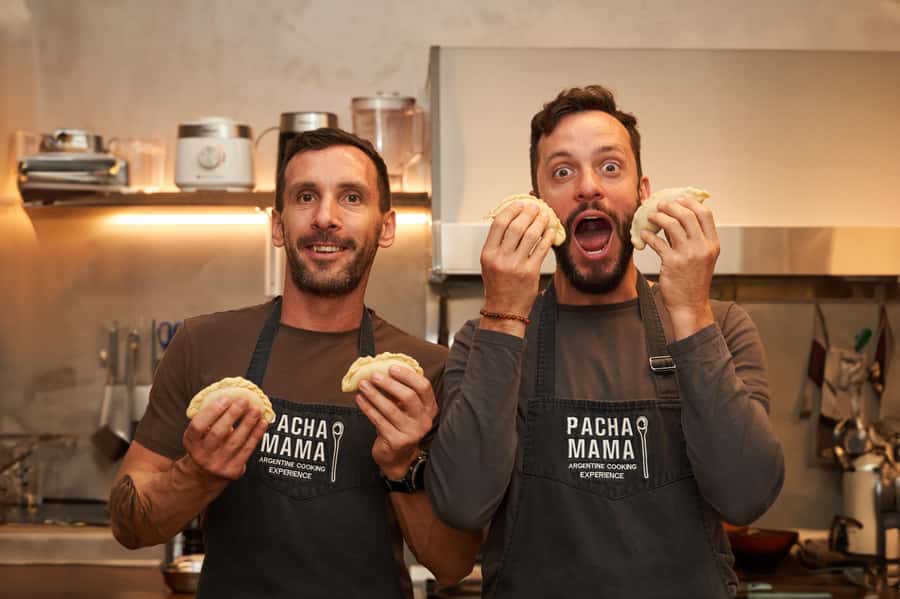
- Four Argentine recipes made by hand: Help prepare chipá, beef empanadas, humita stew, and flamed dulce de leche crepes.
- A full five-step meal: The menu begins with picada and a vermouth cocktail, then moves through snack, appetizer, main course, and dessert.
- Mendoza wine pairing: Durigutti wines from Las Compuertas accompany the meal, with water and homemade lemonade also available.
- Small and social setting: The experience is limited to 10 participants, though the wider venue can accommodate up to 14.
- Dietary flexibility: The menu can be adapted for vegetarian, gluten-free, and lactose-free diets.
- Useful take-home extras: You receive recipes by QR code, class pictures, and local Buenos Aires recommendations.
What Pachamama is really offering
Pachamama is best understood as a cultural meal with cooking built into it. You are not simply watching a chef prepare Argentine food, and you are not signing up for a technical culinary school session. You are joining a small group, handling ingredients, learning why certain dishes matter, and eating together at the end.
That distinction matters. Argentine cuisine is tied to family tables, shared plates, grilled meats, regional produce, sweet dairy flavors, and strong social customs. The class uses food to explain those links in a way that is easy to follow, even if you know little about Argentina before arriving.
The experience is listed as three hours, while the detailed description gives about three and a half hours for the standard session. Check the current start time and length when you book. Private groups can sometimes adapt the format to about two and a half hours.
A few more cooking classes around the world worth a look
- Half-Day Thai Cooking Class at Organic Farm in Chiang Mai
★ 5.0 · 19,087 reviews - Florence: Pasta Cooking Class with Unlimited Wine
★ 4.9 · 10,285 reviews - 3 in 1 Cooking Class near Navona: Fettuccine, Ravioli & Tiramisu
★ 5.0 · 7,376 reviews
Starting with picada, vermouth, and Argentine food customs
The afternoon begins with a homemade picada. Think of this as an Argentine spread for sharing, with local bread, homemade preserves, pickles, and a vermouth cocktail. It is a sensible beginning because it lets you settle in, meet the group, and taste before the cooking starts.
You also receive water and homemade lemonade. The drink setup is generous for a cooking class, especially since wine is served later with the meal. If you prefer to begin without alcohol, the nonalcoholic choices keep the opening relaxed.
This first stage also introduces Argentine food customs. You may hear about mate, taste or discuss chimichurri, and learn how regional spices shape empanadas. The point is not to overload you with food history. It is to give each recipe a place in everyday Argentine life.
I like this opening because it avoids rushing everyone straight to a work surface. The picada creates a natural pause, and the explanations give you something to notice as the meal develops. You can ask questions early, before the cooking becomes busy.
Making chipá with sauces from the region
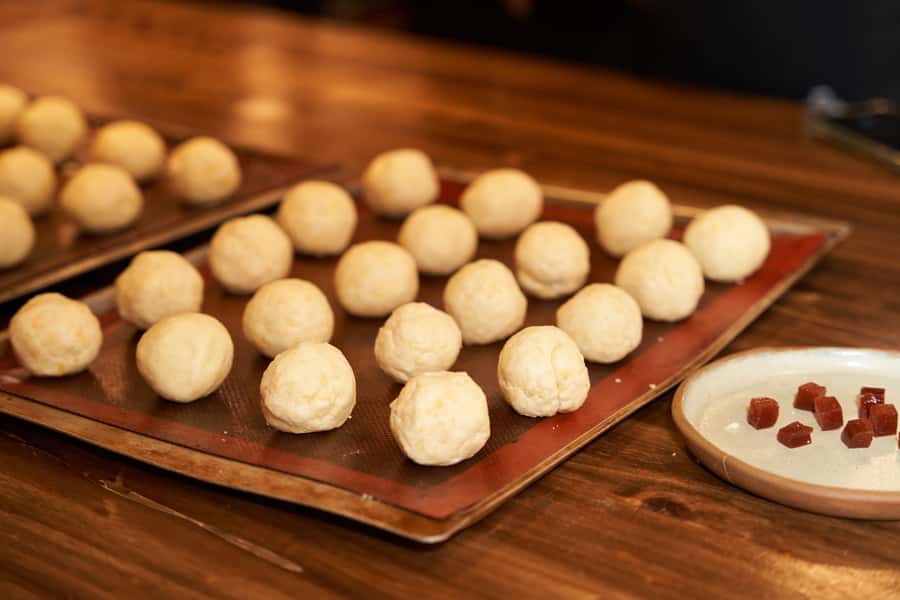
One of the first preparations is chipá, a small cheese bread associated with the northeastern parts of Argentina and neighboring areas. Here it is served with barbecue sauce and a fermented spicy sauce.
The chipá adds a different texture to the meal. It is not another pastry filled with meat or vegetables, so you get a broader sense of Argentina’s food traditions. The sauces also give the group a chance to compare smoky, sweet, sour, and spicy flavors.
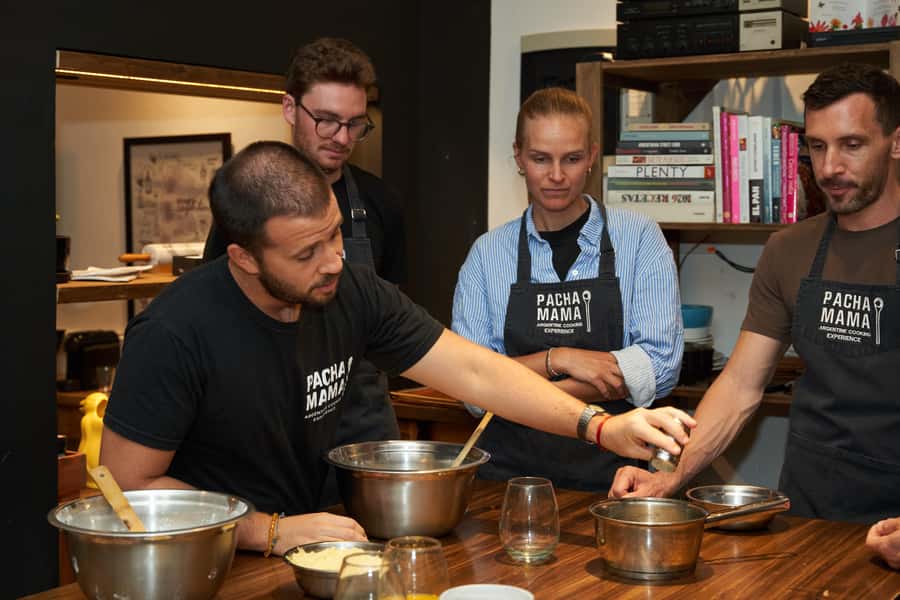
You should expect shared preparation rather than a private station where you make a complete batch alone. The class is interactive, but the work is divided among the group. That keeps the session moving and makes it easier to finish several courses in one afternoon.
This is one of the practical tradeoffs. If you want to master every technique by yourself, the group format may feel limited. If you want a social lesson with several tastes and dishes, the shared work makes good sense.
Rolling beef empanadas and mixing chimichurri
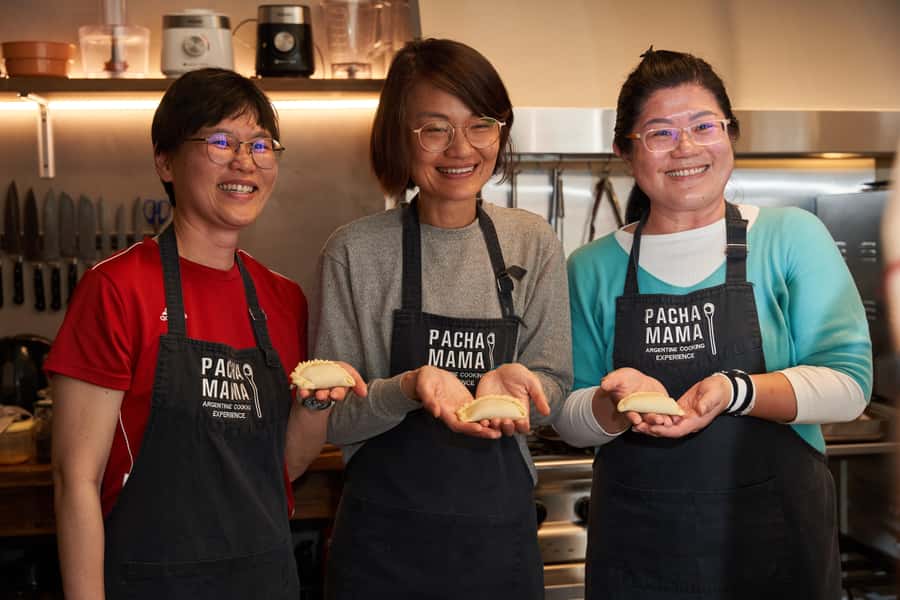
The empanada course gives you one of the clearest introductions to Argentine home cooking. The filling is beef, and the dish is paired with chimichurri, the sharp herb sauce that is closely linked with Argentine grilled food.
You’ll learn how the empanadas are assembled and how the chimichurri brings freshness and bite to the filling. The recipe also connects two familiar Argentine flavors in one course: the portable stuffed pastry and the herb-heavy sauce usually associated with meat.
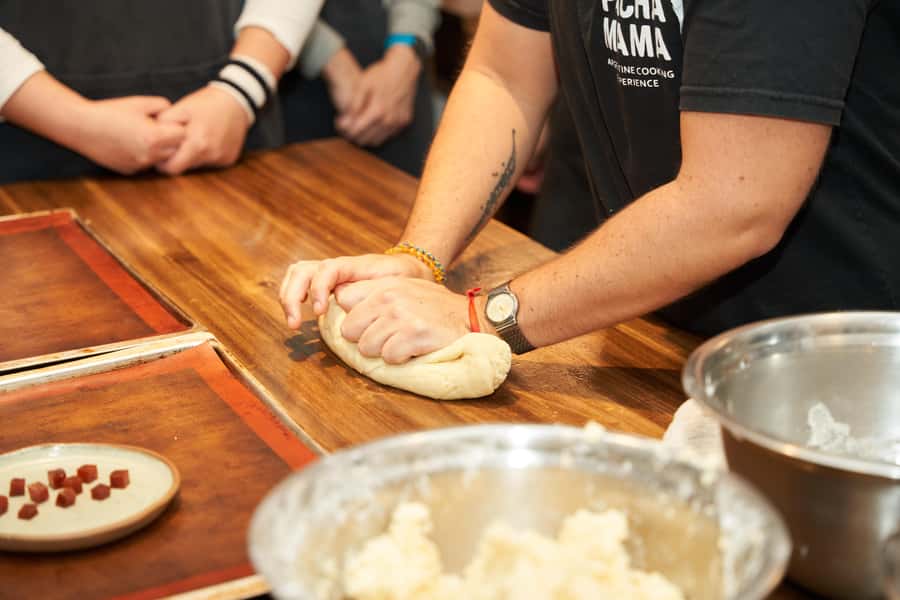
Empanadas are an especially useful recipe to learn because they are easy to recognize later in Buenos Aires. After the class, you’ll have a better idea of what the dough, filling, and sauce are meant to taste like. The PDF recipes sent by QR code make it easier to try the dishes again at home.
Do not expect each person to produce an individual plate from start to finish. The class works as a team, with participants taking turns helping with different preparations. That structure was the one clear limitation noted in the supplied feedback, but it still gives you plenty of contact with the food.
Same place, a different menu:
- Florence: Pasta & Tiramisu Cooking Class with Unlimited Wine
★ 4.9 · 6,708 reviews - Florence: Pasta Cooking Class with Unlimited Wine
★ 5.0 · 6,413 reviews - Hanoi Cooking Class: Culture, Local Market & Meaning CSR Impact
★ 5.0 · 5,147 reviews - 5 Traditional Dishes Hanoi Cooking Class with Market Trip
★ 5.0 · 4,890 reviews
Humita stew brings corn and regional flavor
The main course is a gratinated humita stew. Humita is a corn-based preparation with roots in the Andes and a strong place in Argentine regional cooking. In this format, it is served as a warm, baked dish with a browned top.
This course helps break the common idea that Argentine cooking is only about beef. Meat is important, but corn, cheese, spices, and vegetable-based dishes also belong to the country’s food traditions. The humita gives the menu a softer, more comforting center.
The class explains the origin and background of the recipes as you prepare them. That context is useful because it turns an unfamiliar dish into something you can place on a map and remember by its ingredients.
For vegetarians, this is one of the more important parts of the menu. The experience can be adapted for vegetarian, gluten-free, and lactose-free diets, but you should state your needs when booking so the kitchen can plan the changes.
Ending with flamed dulce de leche crepes
Dessert is made with dulce de leche crepes, ice cream, and homemade limoncello. The crepes are flamed as part of the final preparation, giving the last course a bit of theater without making the whole class feel like a performance.
Dulce de leche is one of Argentina’s best-known flavors, and this dessert lets you taste it in a warm, soft format rather than only from a jar or pastry. The ice cream balances the sweetness, while the limoncello adds a sharper finish for those who choose to try it.
This is a fitting end because the group has worked through savory dough, sauces, corn, meat, and regional seasonings before reaching one of Argentina’s most familiar sweet ingredients. You then eat the complete meal at the shared table instead of rushing away after the final recipe.
Sharing the finished meal with Durigutti wine
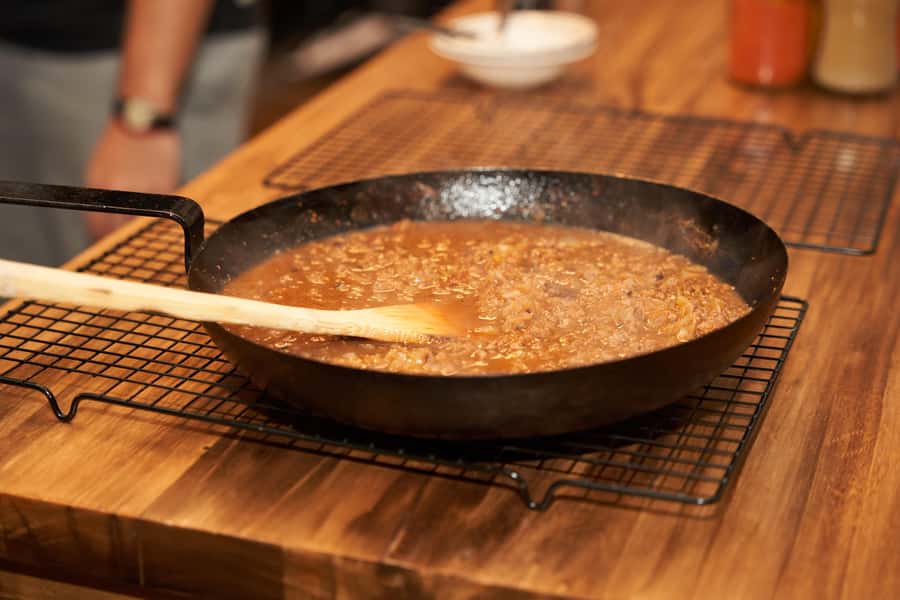
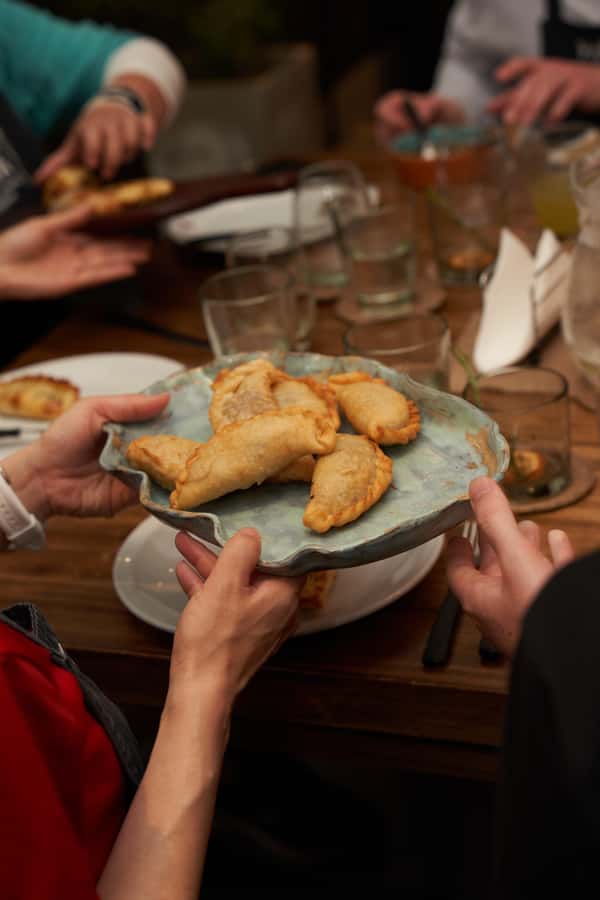
Once the cooking is done, the group sits down to eat. The five-step menu includes the opening picada, the chipá snack, beef empanadas, humita stew, and the dulce de leche crepes. Durigutti wines from Las Compuertas in Mendoza are paired with the meal.
The wine is not a minor extra. It changes the value of the class because you are receiving a guided food-and-wine experience, not just instruction and a small tasting. Mendoza is Argentina’s major wine region, so the pairing adds another part of the country’s food culture to the afternoon.
The setting is described as intimate and homey, with space for a small group. The capacity information gives two figures: the general venue can hold up to 14 people, while the activity details describe a small group limited to 10. For the most accurate expectation, check the group size attached to your selected date.
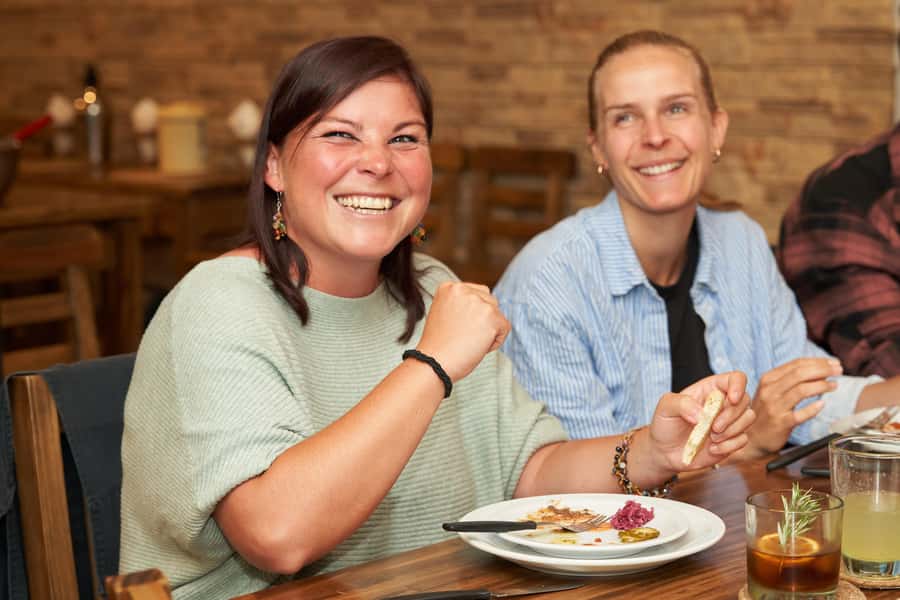
The social side is central. You’ll share the meal with people from different places, and the format gives you time to talk rather than simply eat at separate tables. If you prefer quiet, private dining, this may feel more communal than you want. If you enjoy meeting people over food, it is a strong part of the experience.
How the guides shape the afternoon
Chef Franco and his staff handle the class in English. The supplied feedback describes the team as organized, fun, and well prepared, with Franco making an effort to ensure the group had a good time.
That matters in a cooking class. Timing several recipes, explaining unfamiliar ingredients, managing drinks, and serving a complete meal requires good coordination. The class seems designed to keep the pace moving without turning the afternoon into a lecture.
The English-language format makes the experience practical for international visitors. Private groups can request Spanish, which may suit local families, Spanish-speaking friends, or anyone wanting more detailed culinary discussion in that language.
You should still expect different levels of participation. Some people may be confident in a kitchen, while others may be holding dough or chopping for the first time. A shared group format works best when you are willing to take turns and let the instructors divide the tasks.
What the $75 price includes
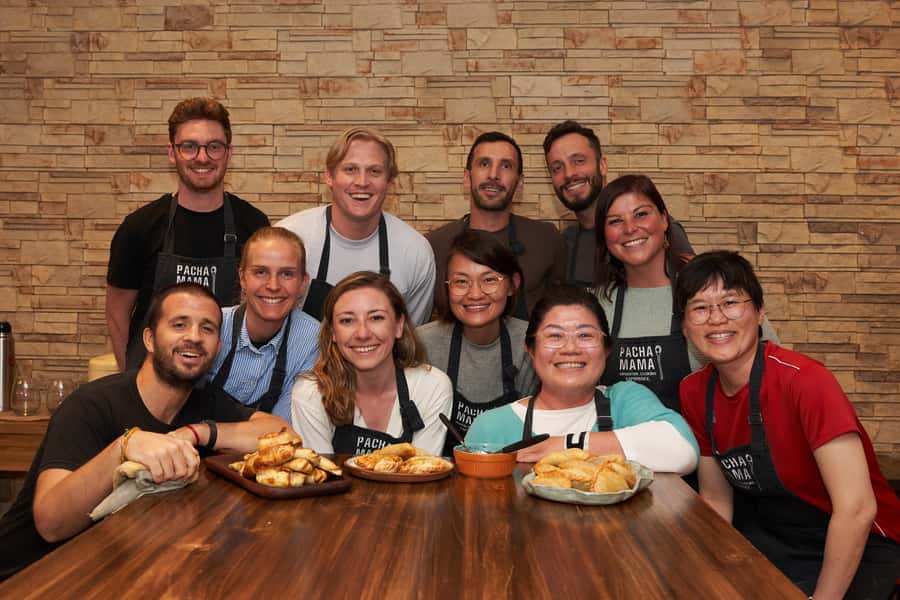
At $75 per person, the value depends on how much you want from the afternoon. You receive the cooking class, a five-step meal, a welcome picada, vermouth, Durigutti wines, water, homemade lemonade, recipe materials, pictures, and Buenos Aires suggestions.
That is a fair amount for a three-hour food experience, especially because the meal replaces a separate lunch or dinner. The wine pairing adds real value, and the recipe PDF gives you something practical rather than a souvenir that sits unused.
The price does not include hotel pickup or drop-off. You need to arrange your own way to the venue, and the meeting location should be checked carefully before the day of the class. Since the experience is centered on food and drink, allow enough time to arrive without rushing.
Free cancellation is available up to 24 hours before the start for a full refund, and you can reserve while paying later. Those terms help if your Buenos Aires schedule is still shifting.
Who will get the most from Pachamama
I would choose this experience if you want a social introduction to Argentine cuisine and prefer doing something active over sitting through a standard restaurant meal. It suits couples, solo visitors, families with older children, and small groups of friends who enjoy sharing food.
It is also a good choice early in your Buenos Aires stay. The local recommendations can help you plan later meals and outings, while the class gives you a first set of flavors to look for around the city.
Vegetarians and people with gluten-free or lactose-free needs can be accommodated. You should provide those details ahead of time rather than wait until the class begins.
You may want a different activity if your priority is advanced knife work, private instruction, or making every dish independently. Pachamama is a shared cooking experience, and the group contributes to a complete meal rather than producing four separate personal portions.
The class is wheelchair accessible according to the activity information. Hotel transportation is not included, so accessibility planning should also include your route to and from the venue.
My call: book it if you want food with a social side
I recommend Pachamama for anyone who wants to understand Argentine food through cooking, conversation, and a shared table. The strongest parts are the small-group format, the mix of recipes, the Mendoza wine, and the useful follow-up material.
Go in expecting teamwork, not four private cooking lessons. You may help with only part of a dish, but you will still taste the full menu and leave with recipes, pictures, and a clearer sense of how Argentine food fits into daily life.
At $75, the experience makes the most sense when you count the meal, drinks, instruction, and cultural context together. If that sounds like your kind of Buenos Aires afternoon, Pachamama is a well-balanced choice.
FAQ
How long does the Pachamama cooking experience last?
The activity is listed as three hours, while the detailed description gives about three and a half hours for the standard experience. Private groups can adapt it to about two and a half hours.
What language is the class taught in?
The experience is given in English. Private groups can request Spanish.
What food will I prepare?
The menu includes chipá with barbecue and fermented spicy sauces, beef empanadas with chimichurri, gratinated humita stew, and flamed dulce de leche crepes with ice cream and homemade limoncello.
What is included before the cooking begins?
You receive a homemade picada with preserves, pickles, local bread, and a vermouth cocktail. Water and homemade lemonade are also included.
Is wine included?
Yes. The five-step menu is paired with Durigutti wines from Las Compuertas in Mendoza.
Can the menu accommodate dietary restrictions?
Yes. The experience can be adapted for vegetarian, gluten-free, and lactose-free diets.
How many people are in the group?
The activity information describes a small group limited to 10 participants. The general capacity is listed as up to 14 people, so check the details for your selected booking.
Is hotel transportation included?
No. Hotel pickup and drop-off are not included.
Is the experience wheelchair accessible?
Yes. The activity information states that it is wheelchair accessible.
What do I receive after the class?
You receive the class recipes in PDF format through a QR code, class pictures, and local Buenos Aires recommendations.
Just added around the world
- Private Cape Malay Cooking Class in Cape Town with a Local Family★ 5.0 · 24 reviews
- Private Moroccan Cooking Class in Casablanca with a Local Expert★ 5.0 · 12 reviews
- Cooking Class and Wine Pairing in Capri★ 5.0 · 57 reviews
- South African Cooking in Cape Town with Local Chef Richard★ 4.5 · 10 reviews
- Langa Township and Bokaap Cooking Class Half Day Tour★ 5.0 · 4 reviews
- Cape Town Shore Excursion| South African Cooking & Port Transfers★ 5.0 · 3 reviews
- Private Authentic Mexican Cooking Class in Cancun with Alberto★ 5.0 · 3 reviews
- Private Authentic Cape Malay Cooking Class in Manenberg with Locals★ 5.0 · 5 reviews
Cooking Classes, compared.
Half-Day Thai Cooking Class at Organic Farm in Chiang Mai
Read our review →
Florence: Pasta Cooking Class with Unlimited Wine
Read our review →
3 in 1 Cooking Class near Navona: Fettuccine, Ravioli & Tiramisu
Read our review →
Hanoi Cooking Class: Culture, Local Market & Meaning CSR Impact
Read our review →
5 Traditional Dishes Hanoi Cooking Class with Market Trip
Read our review →
Cooking Class and Lunch at a Tuscan Farmhouse with Local Market Tour from Florence
Read our review →