
Review · SPANISH & PAELLA
Paella & Sangria Class with Tapas and Market Visit
Alicante’s best food lesson begins before you reach the stove. You meet Federico, also known as Fred, at the Central Market, choose ingredients with him, then walk a few blocks to a real restaurant kitchen. I like the market shopping and the fact that you cook paella from its stock and salmorreta base, rather than simply watching a chef perform.
I also like the choice of seafood, meat, or vegetarian paella, plus tapas and homemade sangria while the rice cooks. The main consideration is group size: the class may feel wonderfully personal with five to eight people, but it can include up to 15 or 16, so hands-on time may vary.
Key points to know
- Market first: Meet at Plaza 25 de Mayo and shop inside Alicante’s Central Market for the ingredients used in class.
- Three paella choices: Select seafood, meat, or vegetarian paella when the cooking begins.
- A real kitchen: The class takes place in a working local restaurant, not a staged demonstration room.
- More than paella: You prepare sangria and share tapas, tomato salad, olives, cured meats, and other small bites.
- Friendly instruction: Federico, or Fred, leads the class with support from a professional chef such as Maria.
- Plan for an afternoon: Allow about three and a half hours, with the activity ending where it began.
Starting at Alicante’s Central Market
Your meeting point is Plaza 25 de Mayo, outside the Mercat Central d’Alacant. This is a useful place to begin because you are not dropped straight into a cooking room with a pile of anonymous ingredients. You first see where Alicante’s cooks buy food and how local products are presented.
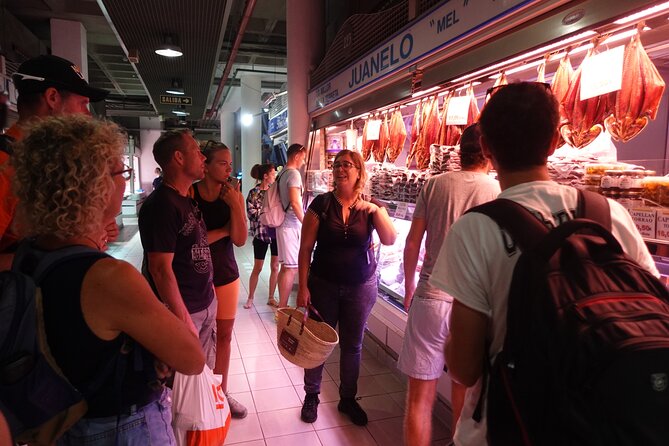
The market stop takes about an hour in the fuller versions of the experience. Federico guides you through the stalls and explains what you are buying for the paella, along with foods that appear during the tapas course. You might learn about Iberian ham, mountain sausage, olives and their brines, shrimp, squid, cuttlefish, tomatoes, fish, fruit, and wine.
I especially like this part for cooks who want to understand Spanish food beyond a recipe card. The market teaches you that an ingredient’s size is not always a mark of quality. Local Mediterranean shrimp can be smaller than ocean shrimp, while sepionet, a small squid, can be prized for its flavor and price. That context helps you understand the dish you later eat instead of judging it by the size of the seafood pieces.
The market also gives you a practical introduction to Alicante’s food culture. You see the ingredients as separate products before they become a shared meal. It is a better way to understand paella than simply being told that rice is important.
The only caution is that the market portion involves walking and standing among other shoppers. If you prefer a quiet, seated class from the first minute, this is not that sort of activity. For me, the movement is part of the point.
More Market Tour Cooking Classes in Spain
- Barcelona: Paella Cooking Experience & Boqueria Market Tour
★ 4.8 · 3,661 reviews - Barcelona Paella Cooking Class with Market Visit, Tapas & Sangria
★ 5.0 · 2,531 reviews - Paella Cooking Class, Wine Tasting & Central Market in Valencia
★ 5.0 · 1,150 reviews
Walking to a working restaurant kitchen
After shopping, the group walks roughly three blocks to the restaurant kitchen. The setting matters. You are not in a classroom designed only for tourists, but in a local restaurant where people eat. That gives the lesson a more useful feel, even though the format is organized for visitors.
Federico leads the group, while a professional chef helps with the cooking. Chef Maria has also been part of the instruction. Federico’s role is more than reading steps from a recipe. He explains the food, keeps the group moving, switches between English and Spanish when needed, and gives everyone a job.
The best group size appears to be around five to eight people. With fewer cooks, it is easier to follow the preparation and get your hands on the ingredients. The advertised maximum is 15, while the additional booking information gives a maximum of 16, so you should ask ahead if group size is central to your decision.
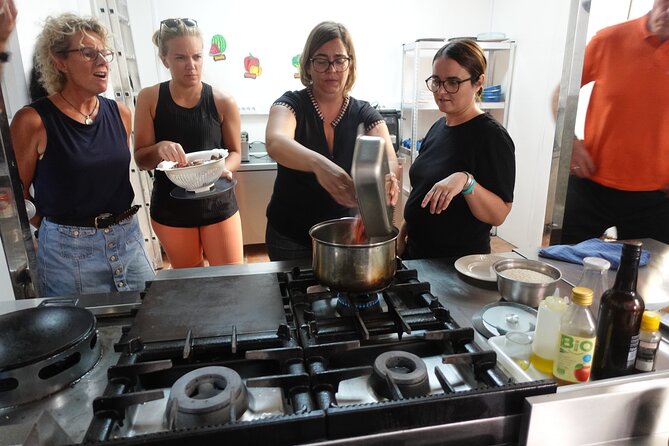
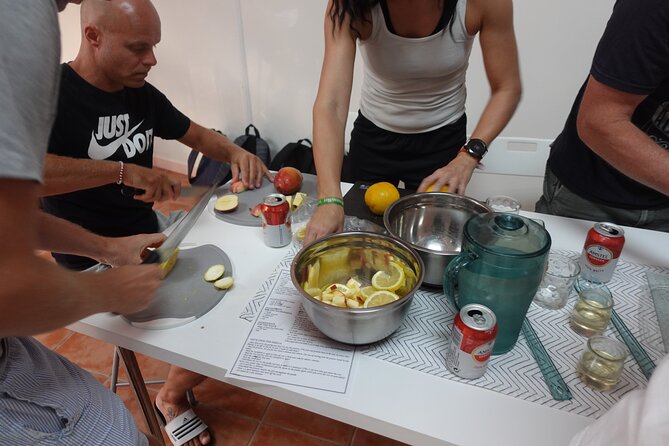
Even with a larger class, the design is interactive. You may chop, prepare seafood or vegetables, help with the sangria, work on the salad, or take a turn at the pan. The exact division of tasks can change with the group and the chosen paella.
Building paella from the stock up
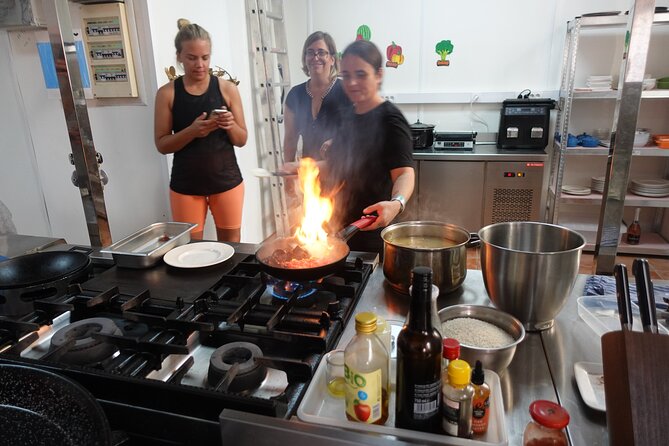
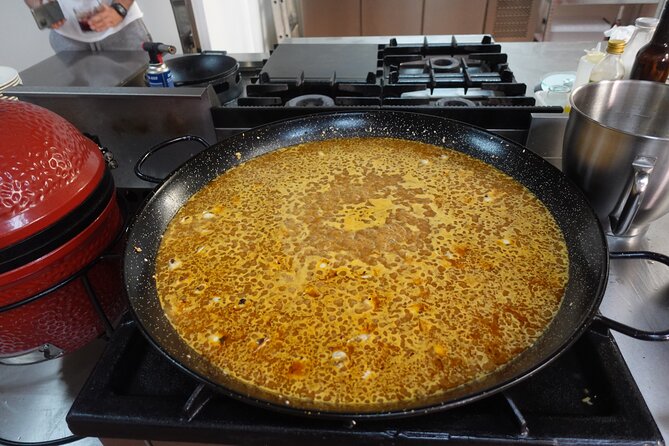
This is not a shortcut class where cooked rice is dressed with toppings. You work through the foundations, including the broth and salmorreta, the sofrito base that gives the rice its depth.
That order is important. Alicante-style paella depends on the rice absorbing the flavor of the stock. The seafood, meat, or vegetables have a role, but the broth and seasoning do much of the work. I appreciate that the class explains this instead of treating paella as a large pan filled with every ingredient in sight.
A seafood paella can include local shrimp, fish, and squid or cuttlefish. The ingredients may look modest in size, but the emphasis is on freshness and the flavor carried by the stock. A meat version gives you another way to see how the same rice technique changes with different ingredients. The vegetarian choice makes the class useful for people who do not eat seafood or meat.
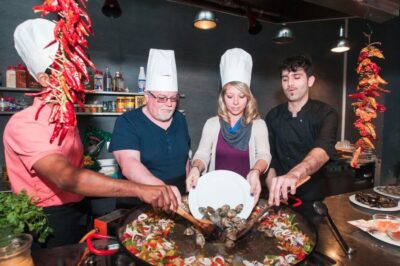
The cooking is shared rather than completely individual. You may help prepare the ingredients and take turns at the pan, but you should not expect your own private paella. That is part of the social design. You cook one or more pans as a group, then sit together and eat what you made.
A memorable detail from the kitchen is the use of a blowtorch while preparing fish. It adds a bit of fun, but the class remains focused on traditional preparation rather than kitchen theatrics.
Sangria, tapas, and the waiting time
While the paella cooks, you make fresh sangria. The recipe uses wine, orange juice, soda, syrup, liqueur, and fruit. If you prefer straight wine, the finished drink may seem light or sweet. But this is meant to be sangria, not a glass of undiluted wine, and the ingredients follow the traditional style described for the class.
The group also shares tapas before the paella. These can include Iberian ham, cold sausage from the surrounding mountains, olives, crisps, and tomato salad with salted fish. Fresh fruit may appear at the end. The exact selection can change with market availability.
These extras improve the value of the experience. You are not paying only for a lesson that ends with one spoonful of rice. You get a broad taste of local food, and the small dishes give you something to eat while the main pan finishes.
I would not book this expecting a formal tasting menu. The atmosphere is friendly and informal. You are helping prepare food, passing ingredients, talking with the people at your table, and learning as you go. The social side is a major part of the experience.
More Paella and Spanish Classes in Spain:
- Barcelona Interactive Spanish Cooking Experience
★ 4.5 · 2,155 reviews - Spanish Cooking Class Paella Tapas and Sangria in Madrid
★ 5.0 · 1,340 reviews - Paella Cooking Class in Madrid with Bottomless Wine Pairing
★ 5.0 · 985 reviews - Seville: Spanish Cooking Class with Dinner
★ 4.9 · 900 reviews
Federico and the teaching style
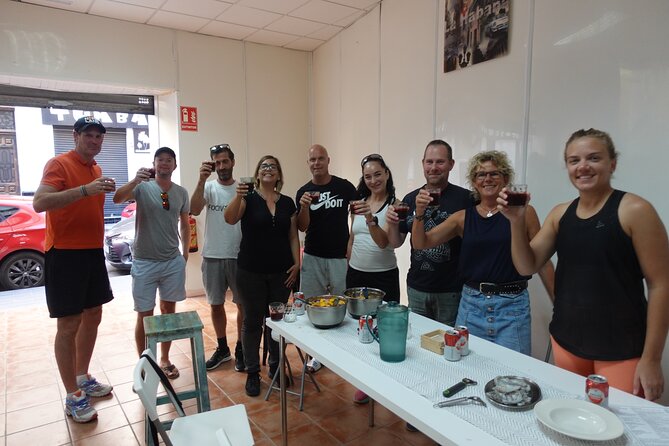
Federico, often called Fred, receives the strongest praise in the information provided. He is described as warm, funny, patient, and clear, with strong English and the ability to move between English and Spanish. That matters in a cooking class, where unclear instructions can leave half the group watching from the side.
His market explanations also appear to be a major part of the value. He can discuss Iberian ham, shrimp, olives, squid, cuttlefish, fish, and the local traditions behind them. He also keeps the work moving so the class does not become a long lecture.
The best guide-led food experiences make you feel capable without pretending that paella is effortless. This class seems to take that middle path. You receive recipes and step-by-step guidance, but you also take part in the less glamorous jobs, such as cleaning and preparing seafood.
The teaching is likely to feel strongest in a small group. With only five or seven people, everyone can ask questions and get a turn. In a group near the stated maximum, you may spend more time watching someone else prepare a particular ingredient.
What the meal is really like
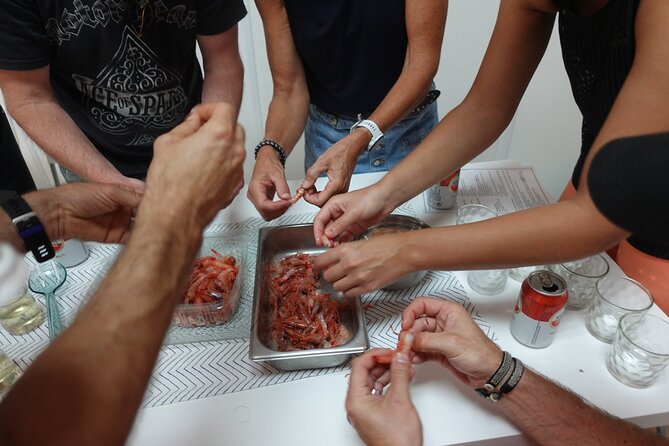
The paella is designed around the rice. That can surprise anyone expecting a pan piled high with seafood, meat, vegetables, or chorizo. In Alicante, the flavor is meant to come from the stock, salmorreta, and careful cooking of the rice, not from adding as many toppings as possible.
This point is worth keeping in mind before booking. If you want large seafood portions, this may disappoint you. Mediterranean shrimp can be smaller than the large shrimp sold in other parts of the world, and the class uses local products. The seafood quantity is not presented as the main event. The rice is.
The food also reflects the class’s regional focus. You may taste local shrimp from Alicante Bay and sepionet, a small squid considered a quality ingredient. These are details you might miss in a standard restaurant meal, where the menu rarely explains why one type of seafood is chosen over another.
The sangria is similarly traditional rather than wine-focused. It is mixed with fruit, juice, soda, syrup, and liqueur. You should expect a refreshing shared drink, not a serious wine tasting.
Price and the three-and-a-half-hour value
The price is $59.26 per person. I consider that fair if you value the full package: a guided market visit, ingredient shopping, roughly three and a half hours of activity, instruction from a guide and chef, tapas, sangria, and the paella meal.
The price is less compelling if you judge it only by the amount of seafood or meat on your plate. This is a food lesson and social meal, not simply a restaurant lunch. You are paying for the explanation of ingredients, the preparation, the kitchen time, and the chance to make the dish yourself.
The value also improves if you want a practical memory to take home. Recipes are provided, so you can try the paella and sangria again. You may not reproduce every market ingredient exactly, but you will understand the method and the importance of the stock.
At roughly 3.5 hours, this is not a quick activity to squeeze between two museum stops. Schedule it when you can relax. It begins at the market and ends back at the meeting point, so you do not need to arrange a separate return transfer.
Who should book this Alicante cooking class
I would recommend it to you if you enjoy food, like meeting other people, and want more context than a restaurant meal provides. It suits beginners because the guide and chef lead each stage, but it also gives experienced home cooks useful information about stock, salmorreta, local seafood, and regional paella.
It is especially good for couples, families with adult children, and small groups of friends. It can also work well for a solo visitor because the shared table and group cooking create an easy way to meet people.
Keep the alcohol rule in mind. You must be at least 18 to drink the sangria. Anyone under that age may still be part of the activity only if the booking arrangements allow it, but the supplied information confirms the minimum age for alcohol consumption, not a separate general age limit.
I would think twice if you dislike group participation, standing at a market, or shared cooking. You also may not enjoy it if your ideal paella is loaded with large seafood pieces. The class is about local ingredients, technique, and the importance of rice, not abundance for its own sake.
Practical details before you reserve
The experience is offered in English and includes a mobile ticket. It starts at Plaza 25 de Mayo, Alicante 03004, outside the Central Market, and ends at the same meeting point. The location is near public transportation.
Confirmation is provided when you book. Free cancellation is available if you cancel at least 24 hours before the start time. Cancellations or changes made inside that window are not refunded or accepted, and the activity may be moved or refunded if its minimum number of participants is not reached.
The class is often reserved around 19 days ahead, so I would not leave it until the final day of a short Alicante visit. The exact group size can vary, and the supplied details give both 15 and 16 as the maximum, so contact the provider if that difference matters to you.
Should you book it?
Book this class if you want to understand Alicante through its food, not just eat a plate of paella. The market visit, local ingredient lessons, hands-on preparation, tapas, and sangria make it a fuller experience than a standard cooking demonstration.
Skip it if you want a quiet private lesson or a seafood-heavy meal with large portions. For most visitors who enjoy cooking and conversation, the combination of Central Market shopping and a real restaurant kitchen offers strong value at $59.26.
FAQ
Where does the paella and sangria class begin?
It begins at Plaza 25 de Mayo, outside the Mercat Central d’Alacant in Alicante.
Where does the activity finish?
The activity ends back at the meeting point.
How long does the experience last?
The activity lasts approximately three hours and 30 minutes.
Is the class offered in English?
Yes. The experience is offered in English.
What types of paella can I choose from?
You can choose seafood, meat, or vegetarian paella.
Is the market visit included?
Yes. The group visits Alicante’s Central Market and selects fresh ingredients for the cooking session.
What else is included besides paella?
You prepare sangria and enjoy tapas. The food can include Iberian ham, sausage, tomato salad with salted fish, crisps, olives, and fruit.
How many people can join the class?
The experience is described with a maximum of 15 participants in its main details, while the additional information gives a maximum of 16 travelers.
How old must I be to drink the sangria?
You must be at least 18 years old to consume alcohol.
Can I cancel for a full refund?
Yes, if you cancel at least 24 hours before the experience begins. Cancellations made less than 24 hours before the start time are not refunded.
More Hands-On Workshops in Spain
- Barcelona: Paella Cooking Class with Market Visit and More
★ 4.9 · 711 reviews - Málaga: Spanish Cooking Workshop with Paella and Sangria
★ 4.9 · 613 reviews - Paella Cooking Class with Professional Chef: Four Course Dinner
★ 5.0 · 561 reviews - Taste of Spain: Tapas Cooking Class with Bottomless Wine Pairing
★ 5.0 · 414 reviews
More Shopping Trips in Spain
- Valencian paella cooking class, tapas and visit to Ruzafa market.
★ 5.0 · 828 reviews - Spanish Cooking Class & Triana Market Tour in Sevilla
★ 5.0 · 760 reviews - Seville: 3.5-Hour Spanish Cooking Class & Triana Market Tour
★ 4.9 · 751 reviews - Valencia: Paella Cooking Class with Central Market Tour
★ 5.0 · 721 reviews
Just added around Spain
- Modern Spanish tapas cookery classes★ 3.5 · 6 reviews
- Spanish Paella Private Online Cooking Class★ 4.0 · 4 reviews
- Cooking with us: Pasta Cooking Class in Alicante★ 5.0 · 5 reviews
- Evening Spanish Tapas Cooking Class with Live Guitar Music★ 4.5 · 20 reviews
- Tapas Cooking Workshop & Market Visit★ 4.8 · 10 reviews
- Seville: Paella Cooking Class & 30-Min Local Expert Q&A★ 4.8 · 37 reviews
- Seville: Paella-Cooking Experience with Sangria & Full Meal★ 4.9 · 42 reviews
- San Sebastián: Market Tour and Basque Cooking Class English★ 5.0 · 5 reviews
Spanish & Paella Cooking Classes, compared.
Barcelona: Paella Cooking Experience & Boqueria Market Tour
Read our review →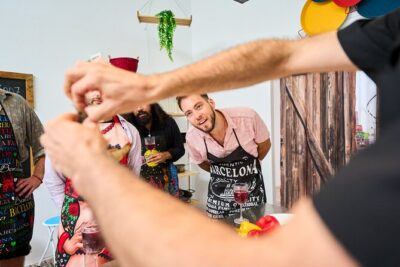
Barcelona Paella Cooking Class with Market Visit, Tapas & Sangria
Read our review →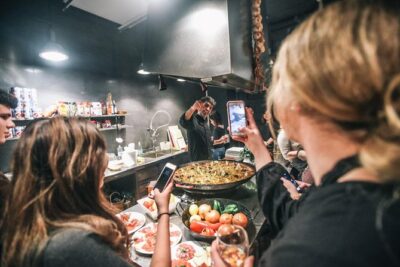
Barcelona Interactive Spanish Cooking Experience
Read our review →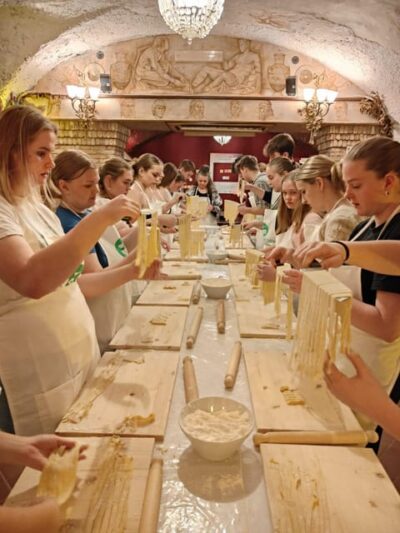
Rome: Pasta & Tiramisu Cooking Class near the Spanish Steps
Read our review →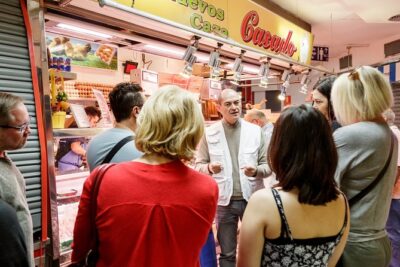
Spanish Cooking Class Paella Tapas and Sangria in Madrid
Read our review →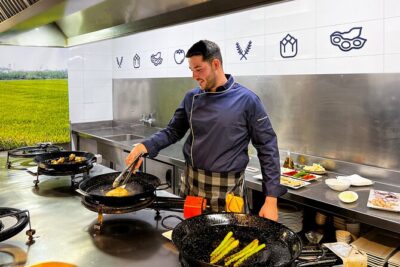
Paella Cooking Class, Wine Tasting & Central Market in Valencia
Read our review →
Paella Cooking Class in Madrid with Bottomless Wine Pairing
Read our review →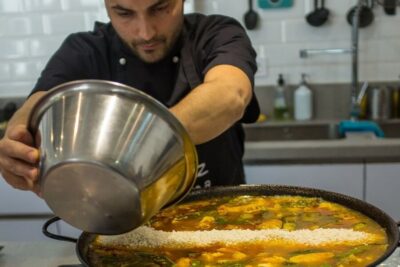
Browse the lists this tour appears in