Review · COOKING CLASSES
Penang Cooking Class:Dive into Malaysian Cuisine with PenangChiak
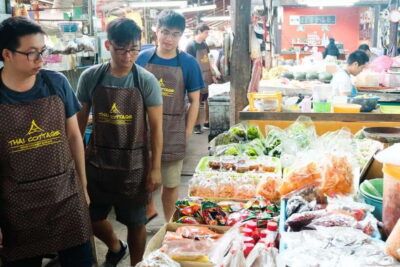
Penang Chiak’s cooking class starts where Penang food begins: Chowrasta Market, with its spice stalls, fresh produce, handmade wrappers, fish sellers, sweets, and breakfast stands. You eat first, then head to the kitchen to prepare several local dishes with a small private group and instructors such as Amy, Mok, Simon, Santi, or Jenny.
I like the market visit because it gives you useful context before you cook. I also like the hands-on format, with recipes explained step by step and adjusted for preferences such as a lower level of chili. The main consideration is timing: only the 8:00 AM morning class includes the market tour and breakfast, and the whole session can sometimes run longer than four hours.
Key points to know before booking
- Chowrasta Market comes first: You shop, taste, and learn about ingredients before entering the kitchen.
- Breakfast is part of the morning class: Arrive hungry, since the food walk may include white coffee, local noodles, pastries, and other market dishes.
- Several cuisine choices are available: Depending on your booking, you may cook Nyonya, Chinese, Malay, or Indian dishes.
- The class is private: Only your own group takes part, which allows more questions and more direct help.
- The recipes are practical: You learn methods for handling spice pastes, slicing ingredients, frying, steaming, and balancing heat.
- Pickup can be arranged: The stated meeting point is Pasar Chowrasta Market, though pickup has been organized for some bookings.
Starting with Penang’s morning market
The class begins at Pasar Chowrasta Market, also called Chowrasta Market, at Lot 124 on Jalan Penang in George Town. For the morning session, meet at 8:00 AM. That early start matters. The market is at work, not dressed up for sightseeing, and local shoppers are buying ingredients for the day.
Your guide may be Mok, Santi, Simon, or another member of the Penang Chiak team. Mok has been especially involved in explaining the market, local produce, Penang customs, and the food you will later prepare. He may point out seasonal fruit such as mangosteen, longan, mango, jicama, and fresh coconut.
This part is more than a quick walk past stalls. You may stop at spice sellers, a fish market, fresh produce stands, and vendors making spring roll wrappers by hand. The guides explain what ingredients are used for and how they appear in Penang cooking. You also get a look at the social side of the market, where sellers and regular customers know one another and negotiate over the morning shop.
The market is a strong reason to choose the morning option. If you book an afternoon class, you may still receive the cooking lesson, but the market tour and breakfast are specifically included with morning classes.
More Hands-On Workshops in the world:
- Half-Day Thai Cooking Class at Organic Farm in Chiang Mai
★ 5.0 · 19,087 reviews - Florence: Pasta Cooking Class with Unlimited Wine
★ 4.9 · 10,285 reviews - 3 in 1 Cooking Class near Navona: Fettuccine, Ravioli & Tiramisu
★ 5.0 · 7,376 reviews
Breakfast before the cooking lesson
Penang Chiak tells you not to eat breakfast before arriving, and that is sensible advice. The food walk can include a local breakfast at a hawker center or market stall, along with samples of pastries, colorful kueh, coffee, and noodle dishes.
Examples from the experience include Penang white coffee, crispy peanut crepes, and stir-fried rice noodles. The exact breakfast may depend on the day and the class arrangement, so do not treat every item as a fixed menu. Still, the meal gives you a useful introduction to the balance of sweet, salty, spicy, fragrant, and savory flavors found across Penang.
This is also a chance to ask questions before the kitchen work begins. You can ask about the difference between Nyonya and Malay flavors, how spice mixtures are prepared, or why Chinese hawker-style Char Koay Teow often tastes different from a Malay version. Pork lard may be used in some Chinese dishes, while Malay cooking follows halal rules and excludes pork and its derivatives. That distinction is useful if you have dietary restrictions or want to understand the food more clearly.
The practical tip is simple: drink water, wear light clothing, and save room. The cooking and eating can continue for several hours.
Inside the cooking kitchen
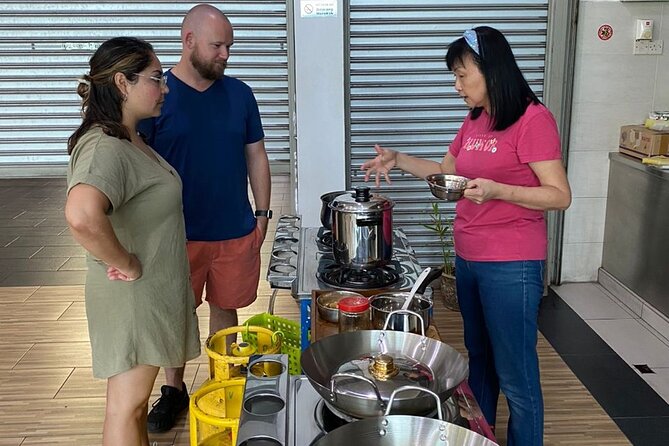
After the market and breakfast, you move to the cooking facility. It is inside a shopping center, and the entrance can be difficult to spot without help. If you are meeting at the market, the team can guide you there. Filtered drinking water, toilets, hand-washing facilities, and space for bags are available.
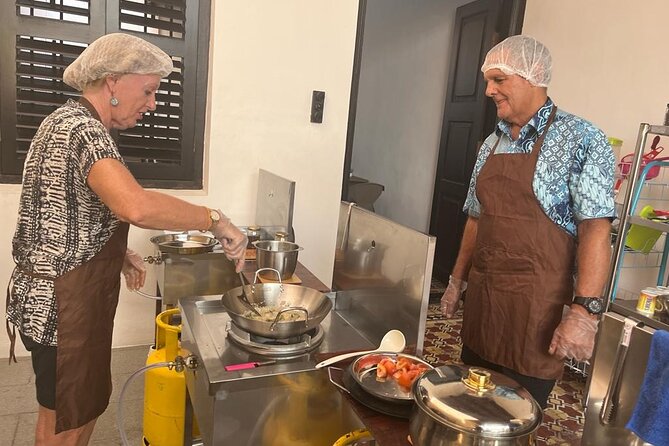
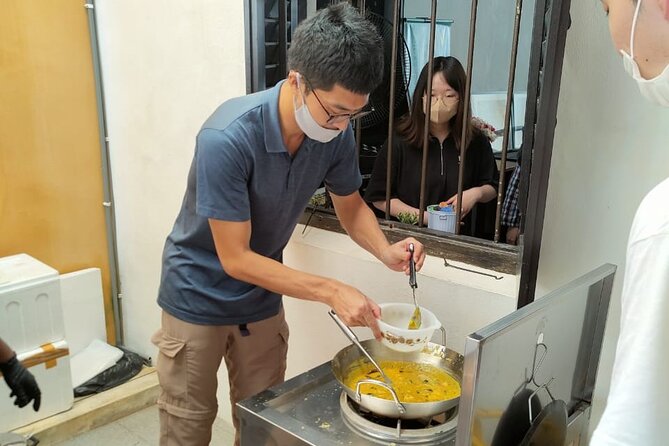
The kitchen is clean and set up with the ingredients and utensils you need. You do not need to bring cooking equipment. Your job is to arrive ready to ask questions, handle ingredients, and take part.
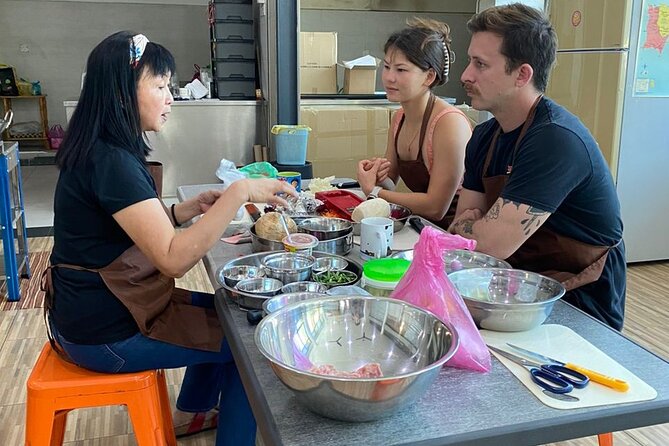
The class is designed to be hands-on, though the balance can vary. With a small group, you may take turns preparing parts of each dish while the chef demonstrates technique. A solo booking can be especially useful if you want close instruction. One participant described having much more time to practice because she was the only student in the session.
Instructors include Amy, Santi, Jenny, and other Penang Chiak staff. Amy teaches Chinese and Nyonya cooking and shares family methods. Jenny leads Indian cooking sessions and explains practical points such as slicing cabbage and building an Indian meal. Santi has also led hands-on lessons and helped solo participants work through each stage.
The teaching is not limited to reading a recipe. You learn how to handle spice pastes, judge cooking stages, manage heat, and prepare ingredients in the right order. These details are what make the recipes more useful at home.
What you may cook
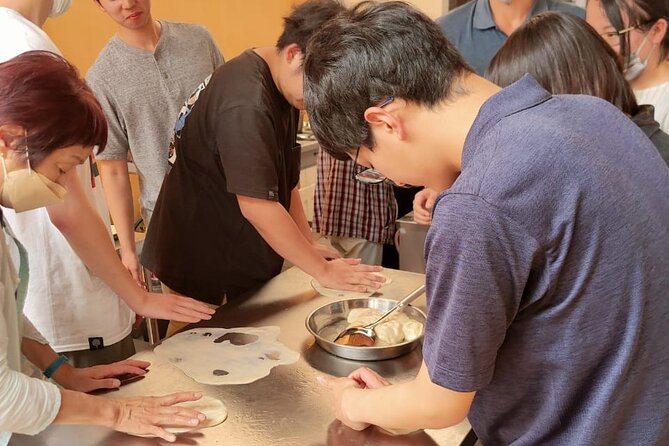
The advertised dishes include Kueh Pie Tee, Char Kway Teow, Choon Piah, Masala Chicken, and other Penang favorites. Other classes have included spring rolls, Roti, rendang chicken, Lor Bak, pandan rice cake, chrysanthemum tea, and Indian dishes.
The menu is not one fixed promise for every booking. Penang Chiak offers different cuisine themes and can tailor sessions to booking requests or private reservations. Ask in advance which four or more dishes your class will cover, particularly if you want Nyonya, Indian, Chinese, or Malay food.
A few more cooking classes around the world worth a look
- Florence: Pasta & Tiramisu Cooking Class with Unlimited Wine
★ 4.9 · 6,708 reviews - Florence: Pasta Cooking Class with Unlimited Wine
★ 5.0 · 6,413 reviews - Hanoi Cooking Class: Culture, Local Market & Meaning CSR Impact
★ 5.0 · 5,147 reviews - 5 Traditional Dishes Hanoi Cooking Class with Market Trip
★ 5.0 · 4,890 reviews
Nyonya and Chinese dishes
A Nyonya or Chinese class may focus on the flavors that make Penang cooking distinctive. You might prepare Char Koay Teow with shrimp, sausage, and egg, fry vegetable spring rolls, make Lor Bak, or steam a pandan rice cake.
Kueh Pie Tee is another appealing choice. These crisp pastry cups are filled with a savory mixture and are a good lesson in texture and assembly. Choon Piah, another local specialty, brings pastry and filling together in a fried snack.
You may also work with fresh coconut milk, pandan, herbs, and spice mixtures. The recipes are useful for home cooks because they are broken into manageable steps rather than presented as a long list of unexplained ingredients.
Indian dishes
The Indian cooking class is led by Jenny in some sessions. Her instruction covers a complete meal, with practical advice that applies beyond the dishes on the table. Chai and a dessert may also be included, depending on the booking.
This option suits you if you want more than a single hawker dish. It gives you a chance to understand how several items fit together, how spices are used, and how preparation choices affect the final taste. If you dislike very hot food, tell the team ahead of time. The class has accommodated guests who needed less chili.
Malay and broader Malaysian dishes
Masala Chicken, Roti, and rendang-style preparations may appear in a Malay-focused or broader Malaysian class. The exact dishes depend on your arrangement, but the common thread is spice handling.
The instructors show you how to work with spice pastes and fragrant ingredients rather than simply handing you a finished mixture. That makes the lesson more valuable if you plan to recreate the food at home. You learn what to look for in smell, color, texture, and cooking time.
Why the private format matters
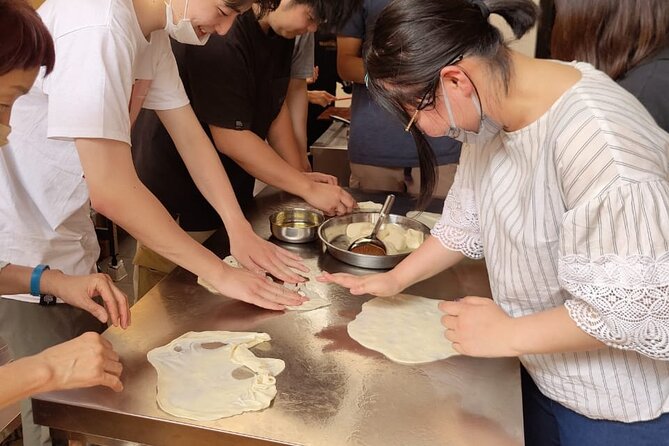
This is a private activity, so only your group takes part. That can make a big difference in a cooking class. You can ask about substitutions, dietary needs, cooking equipment, and the differences between Malaysian cuisines without waiting for a large group to move along.
It also allows the teaching to match your level. If you cook often, you can ask about technique and regional differences. If you rarely cook, the instructor can slow down and explain basic preparation. One participant who described limited cooking experience received patient help with knife work and preparation.
The private setup does not guarantee that every minute will be spent cooking. Some sessions include a fair amount of explanation, especially during the market tour and when discussing cultural background. If you want nonstop hands-on work, say so at the beginning. One longer session felt more like a lecture at times, and the participant suggested clearer recipe displays and a better balance between watching and doing.
That is a fair point. The cultural explanations add value, but the cooking class works best when you also get to chop, stir, fold, fry, and taste.
How long the experience really takes
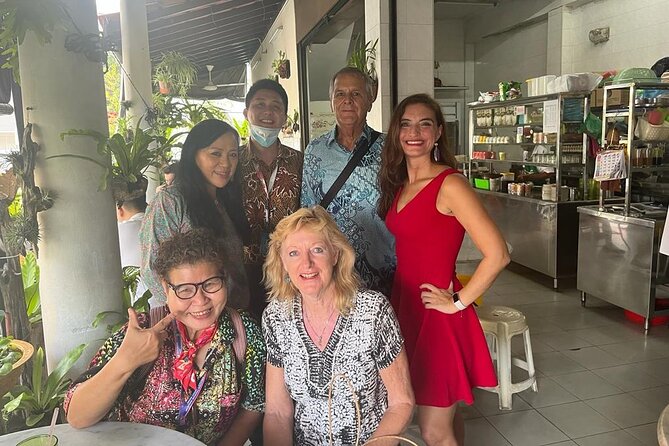
The stated duration is about four hours, while the full description allows four to five hours. Some arrangements have taken longer, especially when the market visit, breakfast, cooking, and eating all run at a relaxed pace.
Plan your morning around the activity rather than trying to squeeze another fixed appointment immediately afterward. This is especially important if you are arriving from a cruise ship or arranging transport across George Town.
The class ends back at the meeting point unless another drop-off has been arranged. Pickup is offered, and the team has helped arrange transport from accommodation or the cruise port in some cases, but confirm the details when booking. The standard meeting point remains Chowrasta Market.
Is the $116 price good value?
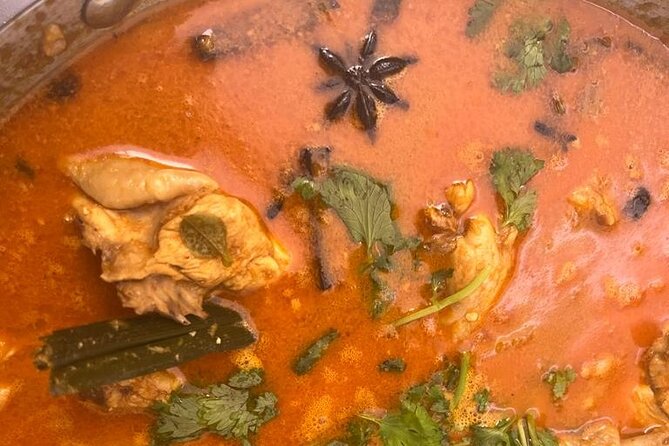
At $116, this is not the cheapest way to eat in Penang. You can buy excellent hawker food for very little money. The price makes more sense when you count the market walk, breakfast, private instruction, ingredients, kitchen equipment, and the meal you prepare.
You are also paying for access to local explanations that are hard to get from a restaurant table. The guide can show you raw ingredients, explain spice combinations, discuss religious and cultural differences, and then connect those details to the food in front of you.
The value is strongest for a couple, family, or small group that wants personal instruction. A solo visitor may still find it worthwhile, especially if the booking remains private and the instructor gives plenty of direct cooking time. If your only goal is to eat Penang food cheaply, spend the money on hawker stalls instead. If you want to understand how to make it, the class earns its price more easily.
Recipes are provided for some classes, and the experience has included takeaway food or extra portions in certain sessions. These details may vary, so confirm what your booking includes rather than assuming you will leave with leftovers or a souvenir. Souvenirs are not included and are subject to availability.
Who will enjoy this class most
I would choose this for you if food is a major part of your trip and you want a lesson connected to real local life. It suits curious home cooks, families, couples, solo visitors, and anyone who wants a structured introduction to Nyonya, Chinese, Indian, or Malay food.
It is also a good choice for people who prefer a personal experience over a large group demonstration. The instructors are warm and generous with their time, and the private format leaves room for questions.
You should think twice if you dislike early starts, warm kitchens, or long explanations. The burners can make the room hot, so loose, light clothing is a smart choice. Afternoon classes may fit your schedule better, but they do not include the morning market tour and breakfast.
You should also state dietary restrictions before booking. The class themes differ, and some Chinese dishes may use pork or pork lard. Malay cooking follows halal rules, but you should still explain your needs clearly so the team can guide you toward the right session.
Should you book Penang Chiak?
Book it if you want to bring home more than a list of restaurant names. The best part is the chain from market stall to kitchen: you see the ingredients, taste local food, learn the background, and then use those same ideas at the stove.
Choose the 8:00 AM class for the full experience. Arrive hungry, leave time for a session that may run past four hours, and ask which dishes and cuisine theme are planned. For food lovers who value personal instruction and cultural context, this is a strong use of half a day in George Town.
FAQ
Where does the cooking class begin?
The activity begins at Pasar Chowrasta Market, Lot 124, Jalan Penang, George Town, Penang.
What time does the morning class start?
The morning class starts at 8:00 AM.
Does every class include the market tour?
The market tour is included for morning classes at 8:00 AM. Afternoon classes do not list the market tour as included.
Is breakfast included?
Breakfast is included with the morning food tour for morning classes. The food may include local market specialties such as white coffee, pastries, or noodles.
How long does the experience last?
The activity lasts about four hours, while the full sessions are described as taking four to five hours. Some arrangements may run longer.
What dishes might I cook?
Possible dishes include Kueh Pie Tee, Char Kway Teow, Choon Piah, Masala Chicken, spring rolls, Roti, rendang chicken, Lor Bak, and pandan rice cake. The menu depends on the class and booking request.
Is this a private activity?
Yes. Only your group participates in the private tour and cooking class.
Are ingredients and utensils provided?
Yes. All ingredients and kitchen utensils are provided.
Is pickup available?
Pickup is offered, but the stated meeting point is Chowrasta Market. Confirm pickup arrangements when you book.
Can I cancel for a full refund?
You can cancel at least 24 hours before the start time for a full refund. Cancellations or changes made less than 24 hours before the start time are not accepted for a refund.
Just added around the world
- Cooking class in Umbria in any location AT YOUR PRIVATE VILLA★ 4.5 · 13 reviews
- Chef Samuel’s Private Malaysian Cooking Class with Wet Market Tour★ 5.0 · 92 reviews
- Malay Culinary Journey Cooking Class for the Adventurous Foodie★ 5.0 · 11 reviews
- Thai Cooking Class in Pattaya★ 5.0 · 26 reviews
- Small Group Market tour and Cooking class in Parma★ 4.5 · 10 reviews
- Cooking Class Sunset Dinner and Tour in Paros Farm★ 5.0 · 5 reviews
- Paros: Cooking Class with Greek Meal & Wine★ 5.0 · 116 reviews
- Private Cooking Class in Wonderful Villa With Lunch or Dinner (Parma)★ 5.0 · 8 reviews
Cooking Classes, compared.
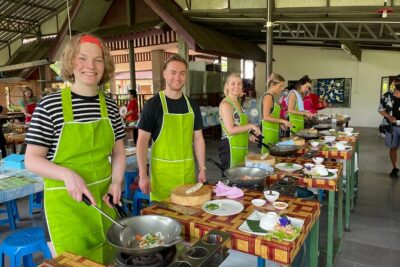
Half-Day Thai Cooking Class at Organic Farm in Chiang Mai
Read our review →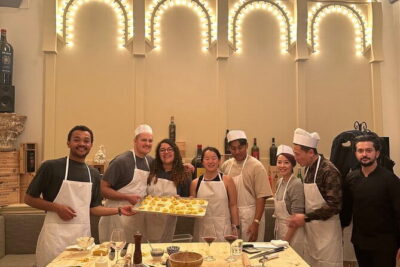
Florence: Pasta Cooking Class with Unlimited Wine
Read our review →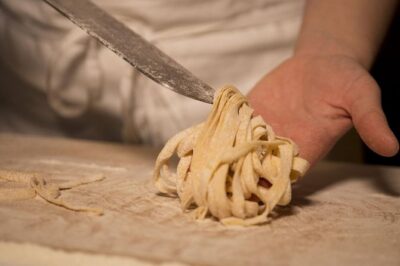
3 in 1 Cooking Class near Navona: Fettuccine, Ravioli & Tiramisu
Read our review →
Hanoi Cooking Class: Culture, Local Market & Meaning CSR Impact
Read our review →
5 Traditional Dishes Hanoi Cooking Class with Market Trip
Read our review →
Cooking Class and Lunch at a Tuscan Farmhouse with Local Market Tour from Florence
Read our review →