
Review · ROME
Rome: Fresh Pasta Making and Tiramisu Dessert Master Class
Rome’s best cooking lesson may be the one that leaves flour on your sleeves. In 2.5 hours at Osteria San Giorgio, you make tonnarelli, the thick Roman pasta, from basic dough, then prepare tiramisu with espresso, ladyfingers, mascarpone, and cocoa.
I like the hands-on format: you do the kneading, rolling, cutting, whipping, and layering yourself. I also like the small maximum of 10 people, which gives the instructor room to help beginners. The main consideration is the menu’s limits: this class is not suitable for vegans or anyone avoiding gluten or lactose.
Key points at a glance
- Make Roman tonnarelli from scratch: Work the dough by hand, then roll and cut it into the thick pasta style associated with Rome.
- Prepare tiramisu step by step: Build the dessert with espresso, ladyfingers, mascarpone, and cocoa.
- Eat what you make: The class ends with your own pasta and dessert, plus wine and water.
- Learn in English: Instructors including Christian and Shula have led classes, with clear guidance for first-time cooks.
- Keep the group small: The class is limited to 10 participants, though it may be smaller if fewer people book.
- Meet at a real Roman restaurant: Enter Osteria San Giorgio at Via Luca della Robbia 3a in Rome.
Making Roman pasta with flour on your hands
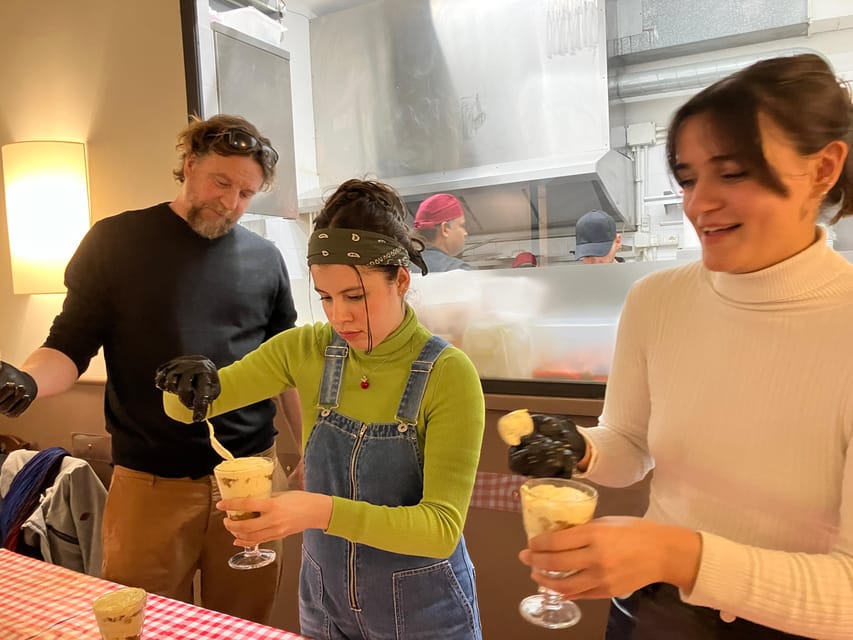
The lesson centers on a simple but satisfying idea: instead of watching a chef prepare pasta, you make the dough yourself. You roll up your sleeves, combine and work the ingredients, then knead until the dough takes shape.
That matters because fresh pasta is not magic. It is a short list of ingredients handled with care. The value of a class like this is learning the feel of the dough, not simply receiving a plate of pasta at the end. You get a practical skill you can try again at home.
The pasta here is tonnarelli, a Roman favorite with a thicker, square-cut shape. It is more substantial than delicate strands and gives the finished dish a firm, satisfying bite. The available information does not specify the sauce, so do not book this expecting a full lesson in several Roman sauces. The class focuses on the pasta itself, along with tiramisu.
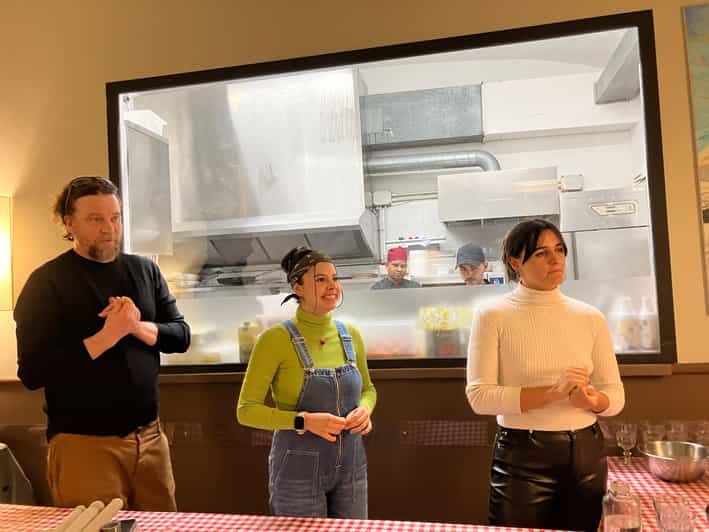
Your instructor guides the process in English. Past classes have been led by Christian and Shula, and the format is designed to keep everyone involved. If you have little cooking experience, that should not stop you. The teaching style is aimed at putting beginners at ease, while still giving more confident cooks something useful to practice.
More Dessert Classes in Rome
- 3 in 1 Cooking Class near Navona: Fettuccine, Ravioli & Tiramisu
★ 5.0 · 7,376 reviews - Rome: Pasta Making Class with Wine, Limoncello, and Dessert
★ 4.9 · 3,177 reviews - Rome: 3-in-1 Fettuccine, Ravioli, and Tiramisu Cooking Class
★ 4.9 · 2,704 reviews
Rolling and cutting tonnarelli
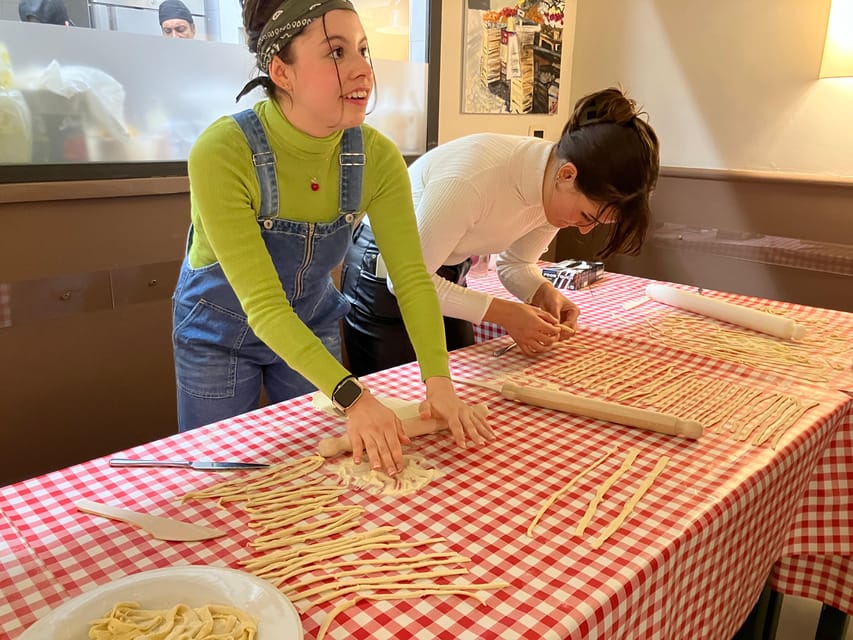
The rolling stage is where the class becomes more tactile. You shape the dough, flatten it, and cut it into tonnarelli. It is the sort of work that rewards patience rather than speed.
I like this part because it gives you a better sense of why handmade pasta varies from batch to batch. Your strands may not all look identical, and that is part of the point. The goal is not factory-perfect pasta. You are learning how a Roman pasta shape is formed and how a few small choices affect the result.
One practical note: you should expect to work at a shared station rather than receive a private cooking setup. The group limit is 10, which is small enough for personal guidance but not necessarily quiet or private. On some dates, the class may have only a few people. Two separate bookings had a private-class feel because the participants were the only ones booked at the time.
That smaller setting can make a real difference. You can ask for help without holding up a large room, and the instructor has more time to watch your technique. If the class fills to 10, you will still be part of a compact group, but the experience will have more of a social cooking-party feel.
Building tiramisu one layer at a time
The dessert portion shifts from pasta dough to a softer set of tasks. You prepare tiramisu using espresso, ladyfingers, creamy mascarpone, and cocoa powder.
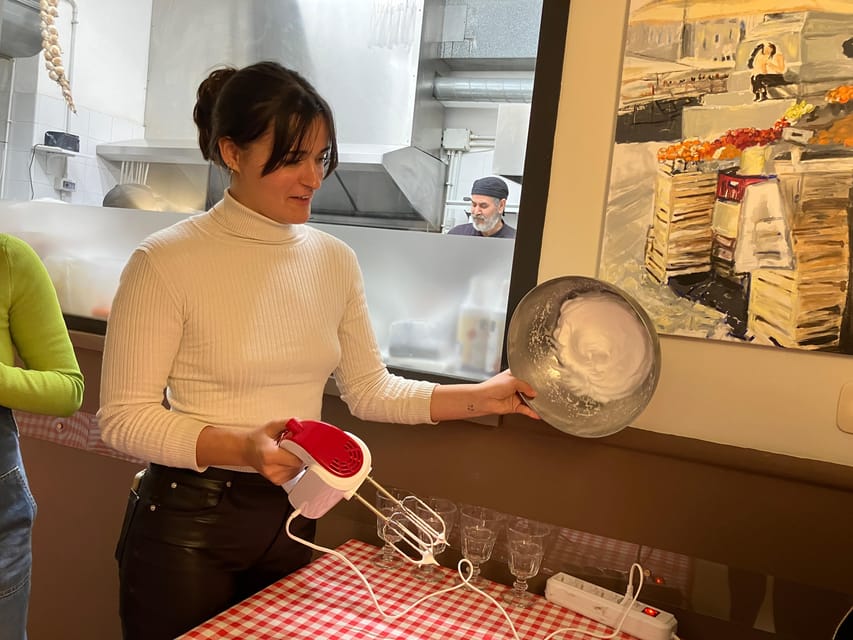
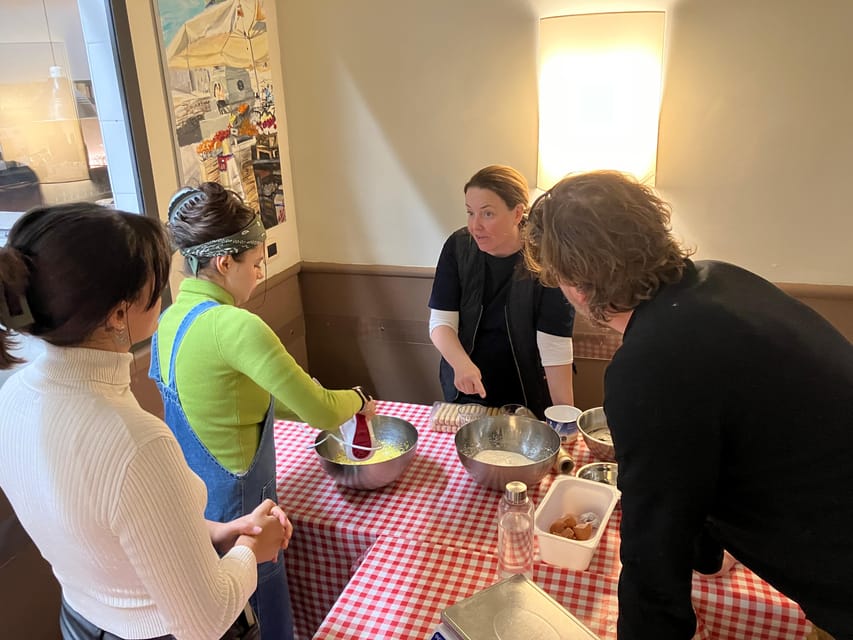
The method is hands-on: whip, layer, and assemble. That is useful for anyone who has always enjoyed tiramisu but never made it. You see how the components come together instead of treating the dessert as a mysterious restaurant finish.
Tiramisu is also a good partner for a pasta class. The pasta work is floury and physical, while the dessert requires a lighter touch. You move from kneading and cutting to arranging and layering. The change of pace keeps the 2.5-hour session from feeling like one long repetition.
The class does not suit anyone with lactose intolerance, since mascarpone is central to the dessert. It also is not suitable for people with gluten intolerance, because both the fresh pasta and ladyfingers involve gluten. Vegans will need to choose another activity.
You should also note that the class is not presented as a broad Italian pastry course. You make one well-known dessert rather than a range of sweets. For most people, that is a strength: the lesson stays focused, and you have enough time to make and eat what you prepare.
Sitting down to eat your own work
The class finishes with the part everyone has been waiting for: you sit down and eat the pasta and tiramisu you made. Water and wine are included, so the meal has a relaxed restaurant finish rather than ending at the kitchen counter.
That final meal is a key part of the value. You are not paying only for instruction or ingredients. You also receive a prepared meal made through your own effort, along with time to talk with the other participants.
The wine is included, but additional food and drinks are not. That distinction is worth noting if you arrive very hungry or want more than the planned meal. The information provided does not specify the quantity of wine or whether other drinks are included beyond water, so treat the included wine as part of the class meal, not an open-ended bar service.
The social side can be just as important as the recipes. One group of seven used the meal to chat and get to know one another, while another small booking enjoyed what felt like a private session. This makes the class a good choice if you want a shared activity rather than a formal demonstration.
More Pasta Making Classes in Rome
- Rome Cooking Class: Make Pasta and 3 Spritz Cocktails
★ 5.0 · 2,937 reviews - Rome: Fettuccine Pasta Cooking Class in Rome’s City Center
★ 4.8 · 2,414 reviews - Fettuccine & Tiramisù: Cooking Class with Wine & Limoncello
★ 4.9 · 2,103 reviews - Pasta Cooking Class Near the Colosseum with 3 Spritz Cocktails
★ 5.0 · 1,686 reviews
What the 2.5-hour schedule feels like
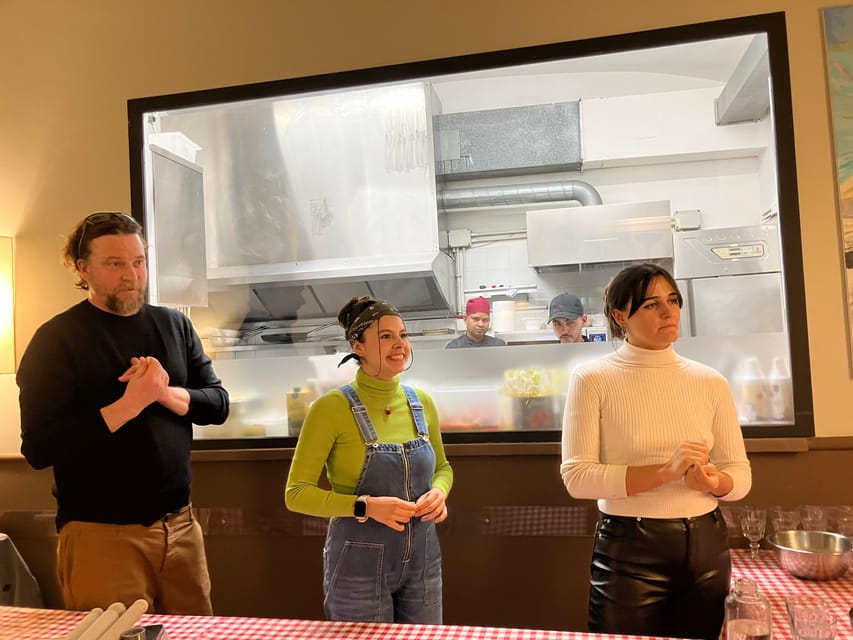
Two and a half hours is a sensible length for this menu. It gives you time to make fresh pasta, prepare tiramisu, receive instruction, and eat without turning the activity into a full-day commitment.
The exact order may vary, but you should expect a sequence along these lines:
- Arrival at Osteria San Giorgio and introduction to the instructor
- Hands-on pasta dough preparation
- Kneading, rolling, and cutting tonnarelli
- Tiramisu preparation and assembly
- Cooking and serving the pasta
- Sitting down to eat with tiramisu, water, and wine
The schedule works especially well in the afternoon, when a cooking activity gives you a break from Rome’s monuments and churches. You are doing something active, but you are not rushing from one sight to another.
A past participant suggested that the chefs could demonstrate other pasta sauces. That is a fair expectation to manage. If you want a lesson on multiple sauces or a wide survey of Roman cooking, this may feel narrow. If you want to learn one pasta shape and one famous dessert, the focused format is a better match.
Osteria San Giorgio and the meeting point
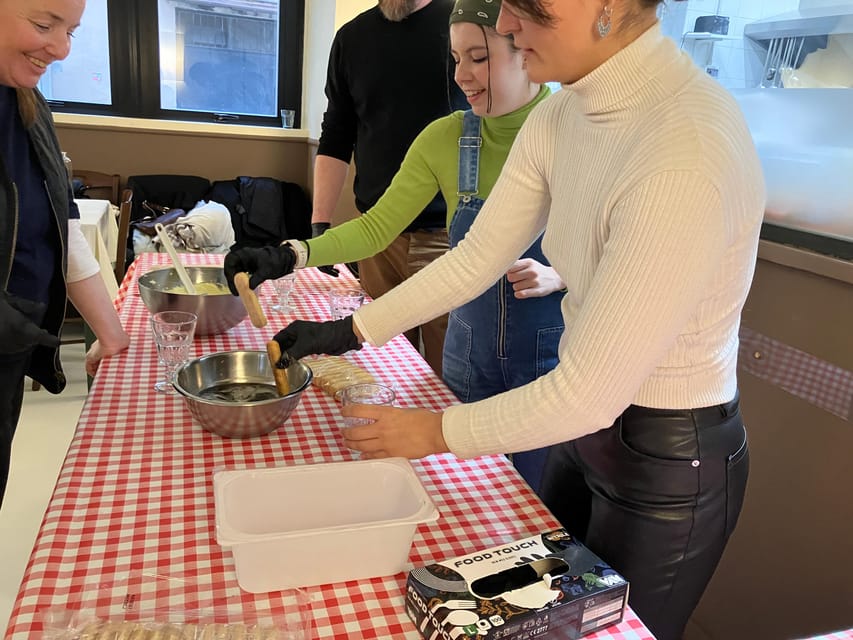
The meeting point is Osteria San Giorgio, at Via Luca della Robbia 3a in Rome. You enter the restaurant at that address rather than meeting at a generic street corner.
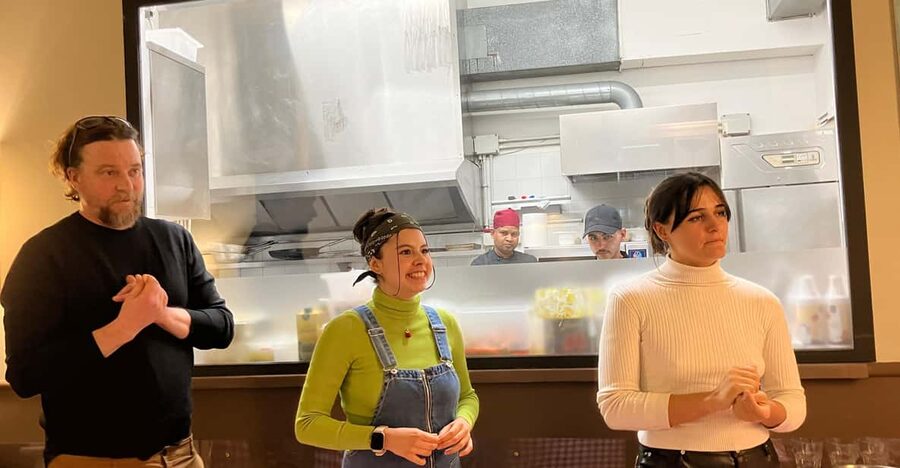
The venue is part of the experience because you can see the kitchen where the pasta is cooked. That connects the preparation stage with the meal at the end. It also gives the class a more grounded setting than a purely instructional studio.
You are responsible for getting there, since transportation is not included. Plan enough time to find Via Luca della Robbia 3a and enter the Osteria San Giorgio directly. The venue has been described as easy to locate, but you should still check your route before the start time, especially if you are crossing Rome from another neighborhood.
The activity is wheelchair accessible. If you have specific access needs, it is still sensible to confirm the arrangements when booking, but the stated activity information supports wheelchair access.
Is the $57 price good value?
At $57 per person, the price is reasonable for a 2.5-hour class that includes ingredients, an English-speaking instructor, water, wine, and the meal you prepare.
I would compare it with what you want from the experience. If your main aim is a cheap plate of pasta, you can eat for less elsewhere. If you want instruction, a social setting, two recipes, and dinner, the price makes more sense.
The value improves if you are a beginner. You are not expected to bring equipment or buy ingredients, and you get guidance as you work. It is also good value for a pair of friends or a family group that wants a shared activity with a clear result at the end.
The price may feel less attractive if you are already an experienced pasta maker or if you want advanced Roman cooking techniques. The lesson is designed around accessible, enjoyable preparation rather than technical chef training.
The reservation terms also help with planning. You can reserve and pay later, and cancellation up to 24 hours before the activity allows a full refund. That is useful in Rome, where weather, train delays, and a crowded sightseeing schedule can force changes.
Who will enjoy this cooking class most?
I would choose this class for several kinds of visitors:
- First-time cooks: The instructor explains each stage and helps you work through the dough and dessert.
- Couples and friends: You get a shared task, then sit down for the meal together.
- Solo visitors: The small group gives you an easy way to meet people during the class.
- Families with suitable diets: Children or teens may enjoy the hands-on work, though the supplied information does not state a minimum age.
- Food-focused Rome visitors: You learn two recognizable Italian dishes instead of only sampling them.
- People with an interest in cooking at home: The pasta method is simple enough to inspire another attempt after your trip.
I would skip it if you need vegan, gluten-free, or lactose-free food. I would also look elsewhere if your priority is a detailed tour of Roman culinary history, several pasta sauces, or a professional cooking qualification.
Useful details before you book
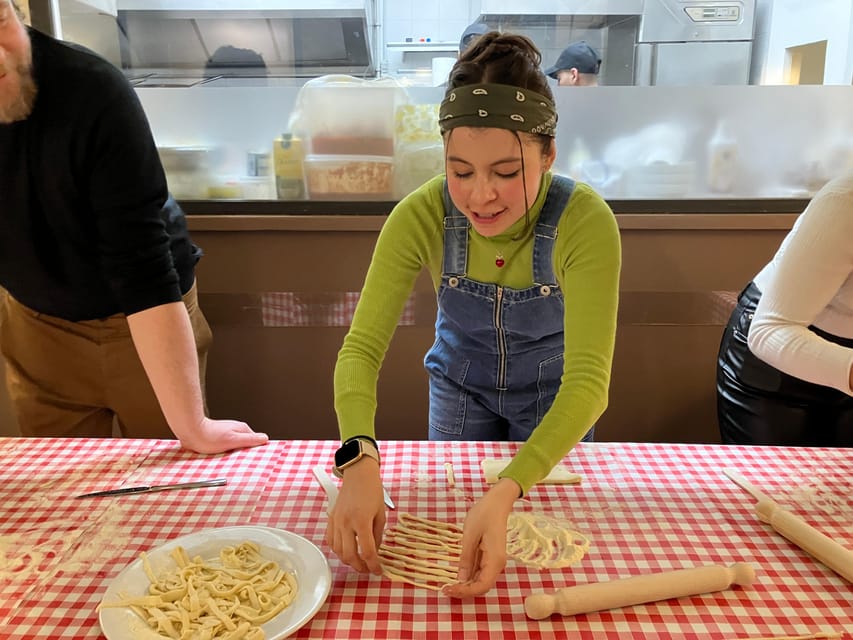
The class is conducted in English, and the maximum group size is 10. Ingredients, expert instruction, water, and wine are included. Transportation, extra food, and additional drinks are not.
Wear something you can work in comfortably. The activity specifically involves flour, kneading, rolling, and cutting, so this is not a sit-back demonstration. You should expect to get your hands involved.
The lesson is available at set starting times, so check availability for the date you want. Since the duration is 2.5 hours, leave room before and after it rather than booking a major attraction with a tight entry time.
The instructor names associated with past sessions include Christian and Shula. The exact instructor can vary, but the teaching is offered in English. One especially useful feature is the chance to ask questions during the preparation instead of trying to remember a demonstration later.
Should you book this Roman pasta and tiramisu class?
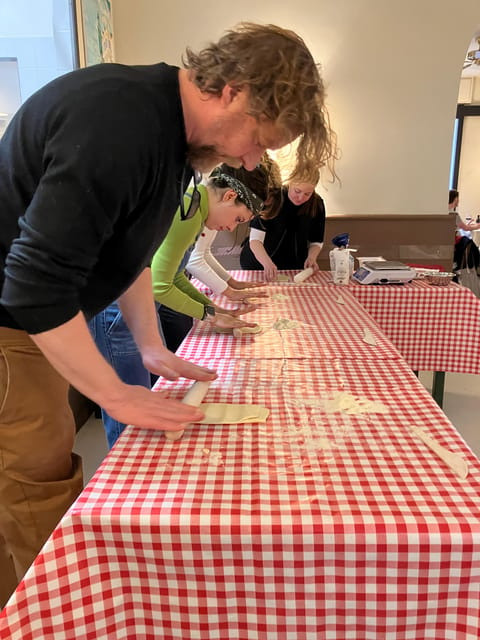
Book it if you want a small, practical cooking lesson with a meal at the end. The strongest points are the hands-on pasta work, the focused tiramisu session, the English instruction, and the chance to eat what you prepared with wine.
Do not book it for dietary flexibility or a wide-ranging cooking curriculum. The menu is firmly built around wheat, dairy, and traditional ingredients, and the lesson does not promise several sauces or a large selection of dishes.
For $57, I think it offers solid value for beginners, couples, friends, and solo visitors who want an easy social activity in Rome. The flour, the imperfect pasta strands, and the final plate are the whole charm. You leave with a meal in you and, ideally, enough confidence to make fresh pasta again.
FAQ
Where does the pasta and tiramisu class take place?
The class takes place at Osteria San Giorgio, located at Via Luca della Robbia 3a in Rome.
How long does the activity last?
The class lasts 2.5 hours.
How much does the class cost?
The listed price is $57 per person.
Is the class taught in English?
Yes. The instructor language is English.
How many people can join the class?
The class is limited to 10 participants.
What food will I make?
You will make fresh Roman tonnarelli pasta and tiramisu.
What is included in the price?
Ingredients, an expert instructor, water, and wine are included. You also eat the pasta and tiramisu you prepare.
Is transportation included?
No. You need to make your own way to Osteria San Giorgio.
Can I join if I am vegan or avoid gluten or lactose?
No. The activity is not suitable for vegans or people with gluten intolerance or lactose intolerance.
More Hands-On Workshops in Rome
- Rome: Pasta & Tiramisu Cooking Class near the Spanish Steps
★ 4.8 · 1,395 reviews - Rome Tipsy Cooking Class: Make Pasta and Mix 3 Spritz Cocktails
★ 5.0 · 1,357 reviews - Cooking Class in the Heart of Rome: Pizza and Tiramisu Making
★ 5.0 · 1,330 reviews - Rome Cooking Class: Make Pasta, Dine & Drink Wine With Local Chef
★ 5.0 · 1,263 reviews
More Dessert Tours in Rome
- Rome Cooking Class: Make Pizza and Pasta with Wine & Dessert
★ 4.5 · 651 reviews - Rome: Cooking Class of fresh Pasta and Tiramisu Cake
★ 5.0 · 8 reviews - Mekong Delta 4 Islands, TukTuk, Boat, Try Khot Cake Local Cooking
★ 5.0 · 1,148 reviews - Florence: Handmade Pasta & Dessert Class with Unlimited Wine
★ 4.8 · 788 reviews
Just added around Rome
- Testaccio: Home Cooking Cacio e Pepe, Amatriciana, Carbonara★ 4.9 · 57 reviews
- Super Fun Pasta and Gelato Cooking Class by the Vatican★ 5.0 · 6 reviews
- Spritz and Spaghetti Traditional Cooking Class in Rome★ 4.9 · 30 reviews
- Rome: Vatican Food Tours, Cooking classes & Free Tours★ 4.9 · 11 reviews
- ROME:Hands-On Lasagna & Marsala Tiramisu Cooking Experience”★ 5.0 · 3 reviews
- Rome: Small Group Pasta cooking class near Piazza Navona★ 4.9 · 8 reviews
- Rome: Trastevere Pasta Making Class★ 4.9 · 33 reviews
- Rome: Traditional Pasta and Tiramisu Cooking Class★ 5.0 · 4 reviews
Pasta Making Classes, compared.

Florence: Pasta Cooking Class with Unlimited Wine
Read our review →
3 in 1 Cooking Class near Navona: Fettuccine, Ravioli & Tiramisu
Read our review →
Rome: Pasta Making Class with Wine, Limoncello, and Dessert
Read our review →
Rome Cooking Class: Make Pasta and 3 Spritz Cocktails
Read our review →
Rome: 3-in-1 Fettuccine, Ravioli, and Tiramisu Cooking Class
Read our review →
Rome: Fettuccine Pasta Cooking Class in Rome’s City Center
Read our review →Browse the lists this tour appears in