Review · ROME
Rome: Pasta Cooking Class, Dinner & Wine in Authentic Restaurant
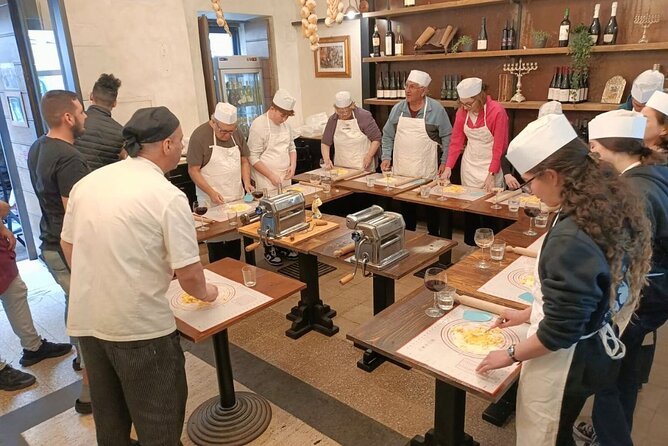
The best part of this Rome cooking class is that you do not simply watch a chef toss pasta in a pan. You make the dough, prepare seasonal vegetables, cook the sauces, and sit down to eat the meal you helped create. The setting is an old restaurant in a 12th-century building in the Jewish Ghetto, a place also featured in Stanley Tucci’s Searching for Italy.
I like the small maximum of 10 people, which gives the chef and host room to help each person. I also like the generous format: fried zucchini flowers or artichokes, several Roman pasta styles, dessert, wine, water, an apron, and a cookbook are all part of the evening.
The main caution is dietary. This is not a kosher class, and gluten, milk, eggs, soya, mustard, and nuts may be present. Vegans and vegetarians are welcome, but the provider cannot guarantee special food requirements, so serious allergies need careful thought before booking.
Key points at a glance
- A hands-on Roman dinner: Make fresh pasta, prepare two sauces, cook your own dish, and eat it at the restaurant.
- A historic Jewish Ghetto setting: Meet in Piazza Mattei and learn about the district’s food traditions along the way.
- A tiny class of up to 10: The format allows close help from the chef and the English-speaking host.
- Seasonal fried specialties: Expect zucchini flowers in summer or fried artichoke in winter.
- Wine and practical extras included: Free-flowing Italian wine, water, a cotton apron, and a cookbook come with the meal.
- A strong choice for families: Children can join, and vegetarian options are provided, though the kitchen is not kosher or allergy-safe.
Starting in Piazza Mattei and Rome’s Jewish Ghetto
You meet your host at Piazza Mattei, one of Rome’s most attractive small squares. It is in the center of the Jewish Ghetto, so the location gives the evening a sense of place before the cooking even begins.
Your host accompanies you to the restaurant and helps explain the chef’s instructions in English. Hosts named in the experience include Lisa, Daniela, Benedetta, Eleanor, and Anastasia. The exact host may vary, but the role is important: translating, keeping the class moving, and adding stories about the district and Roman food.
The Jewish Ghetto is not just a backdrop for this meal. Its cooking traditions are part of what makes the class different from a standard pasta workshop. Fried artichoke is a well-known Roman Jewish specialty, and the class connects local food with the neighborhood where it developed.
Allow yourself enough time to reach Piazza Mattei without rushing. The meeting point is listed at Via del Portico d’Ottavia, 8, and the activity ends back there. Public transportation is nearby, but no hotel pickup or drop-off is offered.
More Cooking Classes with Wine Tasting in Italy
- Rome: Pasta Making Class with Wine, Limoncello, and Dessert
★ 4.9 · 3,177 reviews - Fettuccine & Tiramisù: Cooking Class with Wine & Limoncello
★ 4.9 · 2,103 reviews - Pasta Making & Wine Tasting with Dinner in Frascati from Rome
★ 5.0 · 1,326 reviews
Cooking inside a 12th-century restaurant
The class takes place in an ancient eatery set inside a building dating from the 12th century. The setting gives the activity more character than a modern cooking studio, though it also means you are working in a functioning restaurant rather than a purpose-built school.
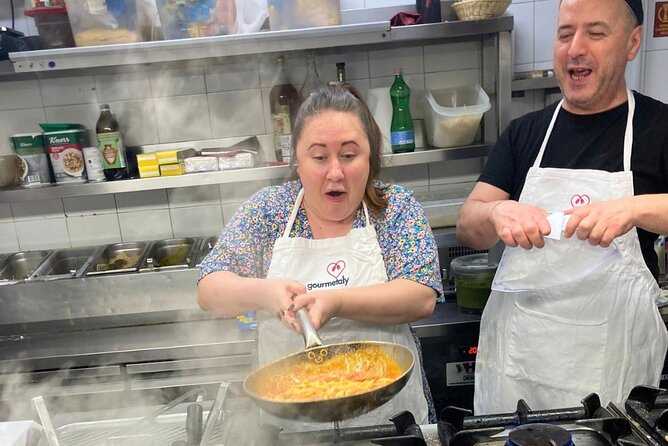
Chef Gabriele leads the cooking. His style is informal and playful, and he learned to cook with his grandmother. That detail matters because the food here is based on familiar Roman home cooking rather than restaurant tricks designed only to look impressive.
The host translates between you and the chef, so you can focus on the work instead of worrying about missing instructions. You can ask questions, watch techniques closely, and get corrections while you are cooking. With no more than 10 people, the class should feel personal, although the amount of direct attention can still depend on the final group size.
You receive the equipment and ingredients needed for the class. You do not need to bring cooking tools. Dress for an active kitchen session, and remember that the class runs in all weather conditions.
Making pasta from scratch
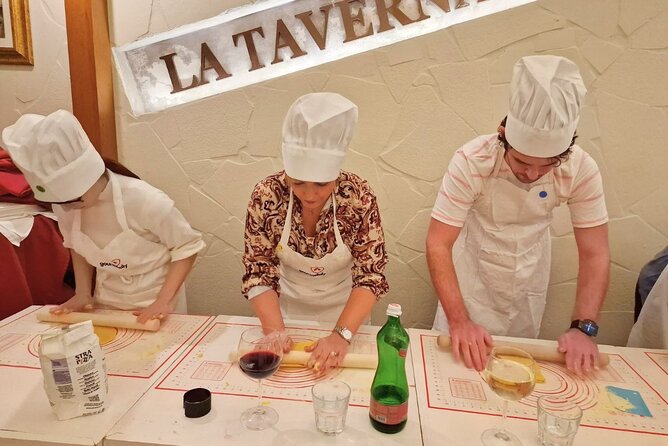
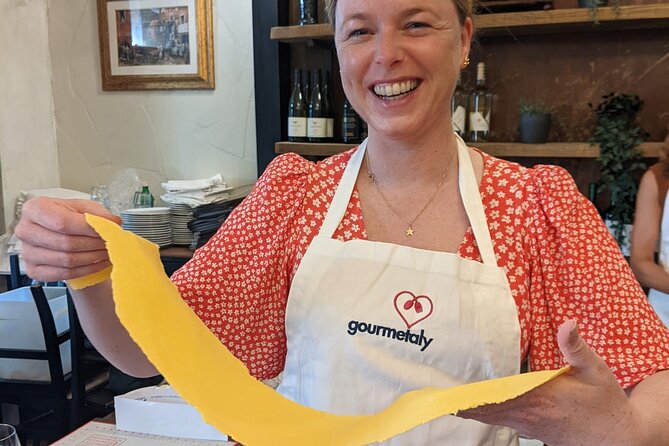
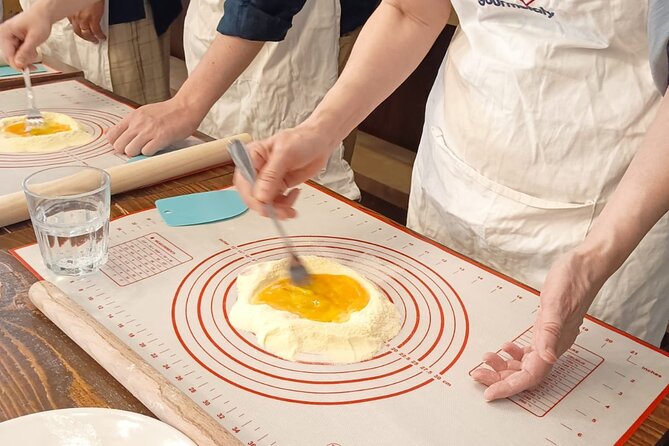
The heart of the evening is fresh pasta. You learn how to combine and work the dough, then shape it under the chef’s direction. This is the part where the class earns its value: you are not only eating Roman food, you are learning a method you can try at home.
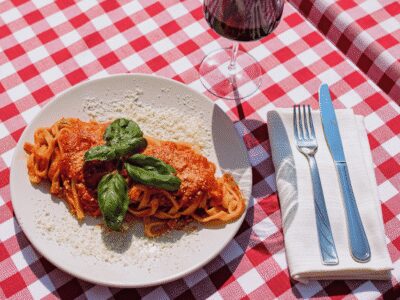
The cooking focuses on classic Roman sauces. Cacio e pepe uses pecorino Romano and black pepper, while amatriciana combines pecorino, guanciale, and tomato sauce. The class also includes tonnarelli all’amatriciana and a vegetarian tomato, chili, and parsley sauce called all’arrabbiata.
The details are simple, which is exactly why technique matters. Cacio e pepe can turn clumpy if the cheese and pasta water are handled poorly. Amatriciana depends on the balance between salty pork, tomato, and pecorino. Under the chef’s supervision, you get to see how those ingredients come together rather than receiving a polished plate with no explanation.
The class description refers to a signature cacio e pepe and amatriciana, while the sample menu also lists tonnarelli all’arrabbiata for people who do not eat pork. Ask your host about the exact preparation on your date, especially if you are vegetarian or avoiding meat.
Fried artichoke or zucchini flower
Before the pasta, you help clean and prepare a seasonal vegetable for frying. In summer, this may be a stuffed zucchini flower with mozzarella and anchovy. In winter, it is usually fried artichoke.
This is a useful touch because it shows another side of Roman cooking. Pasta gets most of the attention, but fried vegetables are central to the city’s food culture. The seasonal change also means the meal is not identical all year.
The zucchini flower contains anchovy, so it is not vegetarian as described. The other ingredients listed include mozzarella, which makes dairy part of the dish. The winter artichoke may suit some diets better, but you should confirm the details with the host if this matters to you.
You will be working with hot oil and restaurant equipment. The chef supervises the process, but this is still a real kitchen task, not a staged demonstration. Children can attend, though parents should judge how suitable the cooking setup is for their own children.
More Cooking Classes with Wine Tasting in Rome
- Rome Cooking Class: Make Pasta, Dine & Drink Wine With Local Chef
★ 5.0 · 1,263 reviews - Rome: Combo Pizza and Pasta Cooking Class with Wine
★ 4.6 · 1,180 reviews - Rome: Pasta Making with Wine Tasting and Dinner in Frascati
★ 4.9 · 979 reviews - Rome: Pizza & Tiramisu Class with Free Flowing Fine Wine
★ 5.0 · 973 reviews
A full dinner, not just a cooking lesson
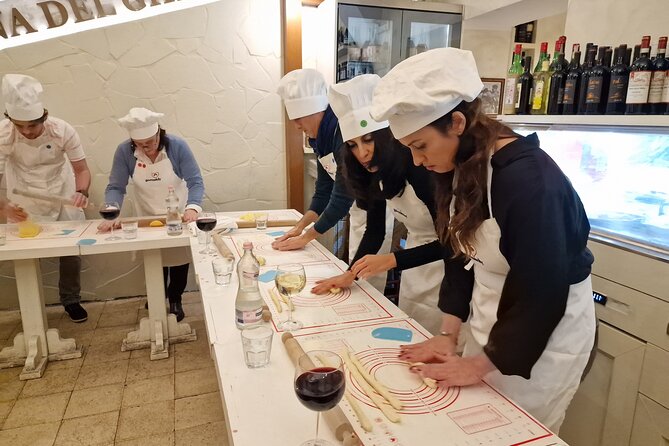
Once the food is ready, you sit down and eat what you prepared. The meal is designed to cover dinner, so you should not expect this to be a brief tasting followed by a separate restaurant meal.
The listed menu includes a fried starter, homemade pasta, and a tasting of ricotta e visciole tart. This Roman Jewish dessert combines ricotta with sour cherry jam. It is described as a gift from the chef, and the portion is a tasting rather than a full dessert course.
Italian wine and water are served throughout the class. The wine is free-flowing, which adds a relaxed dinner feel, but it also means the activity may not suit someone who prefers a dry or alcohol-free evening. Bottled water is included as well.
The food is the main value here. At $104.25 per person, you are paying for instruction, a meal, drinks, ingredients, equipment, and a small group rather than for pasta alone. A regular Roman dinner can cost less, but it will not include hands-on teaching or the social part of preparing the food.
Why the small group matters
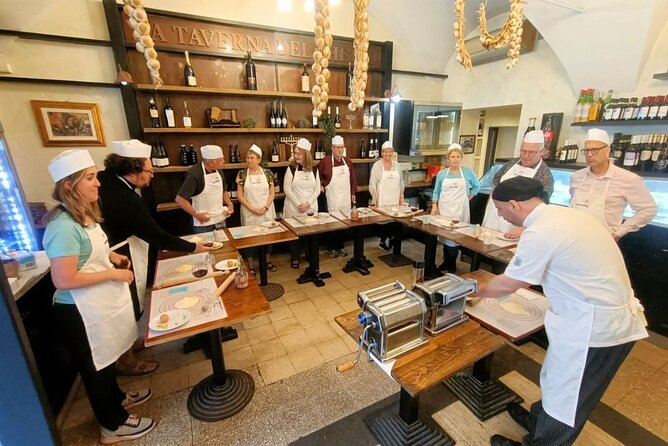
A group limit of 10 is one of the strongest features. Pasta dough is easier to learn when the chef can see what you are doing. You can also ask about sauce consistency, shaping, and substitutions without competing with a large crowd.
The experience can be especially enjoyable for couples, families, and solo participants who like meeting people around a table. One family of five used the class as a shared evening, while another small group described it as a personal experience with plenty of time for conversation.
The class has a social side that you cannot fully measure from the menu. You may cook beside people from different countries, then share the finished meal. Singing and birthday celebrations have even become part of some evenings, but you should treat that as a possibility, not a promised feature.
The guide makes a big difference. Lisa has been praised for her care and for explaining the Jewish Ghetto. Anastasia has been singled out for her translation and extra information about Rome. Daniela is described as personable and particularly good with families. These names give you a sense of the host’s role, though your assigned guide may be someone else.
What you receive for $104.25
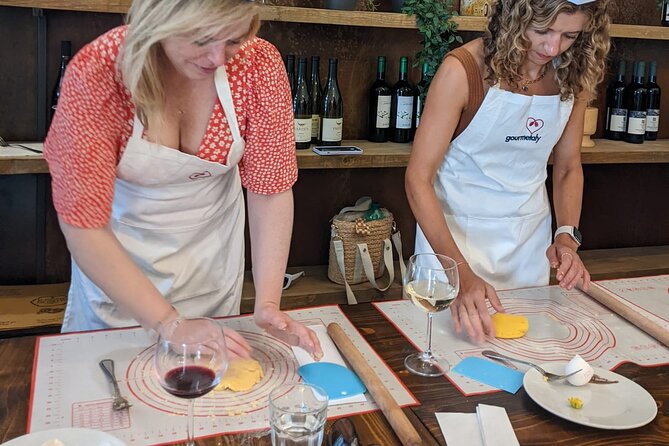
The price is not cheap, but the package is fairly broad. It includes:
- Fresh homemade pasta and a seasonal fried starter
- Cacio e pepe, amatriciana, and a vegetarian pasta option
- Ricotta and sour cherry tart
- Italian wine and water throughout the class
- Kitchen equipment and ingredients
- A 100 percent cotton apron
- A cookbook and guides to recommended restaurants
The apron is a practical souvenir, not just a token certificate. Several people have enjoyed taking it home, and the cookbook gives the evening some value after you leave Rome. The restaurant guide is another useful extra if you still have meals to plan.
The price makes more sense if you want an evening activity that combines food, instruction, local context, and dinner. It makes less sense if you only want a quick pasta demonstration or if you already have several food tours booked.
The class lasts about two and a half hours. That is long enough for the cooking and meal without taking your entire day. Since it ends at the starting point, you can continue your evening in the Jewish Ghetto afterward.
Dietary details you should not overlook
Vegetarians are welcome, and the sample menu includes all’arrabbiata, a tomato, chili, and parsley sauce without pork. People who avoid pork can also ask about this option.
Vegans may be accommodated, but the wording is not a guarantee of a fully vegan menu. The standard food includes cheese, eggs, and possibly anchovy, so you need to state your requirements clearly when booking and confirm them with the host.
This is not a kosher cooking class, even though it takes place in Rome’s Jewish Ghetto. The restaurant and food do not follow kosher requirements.
Gluten-sensitive diners should be cautious. Gluten may be present, and the class is not recommended for people with a gluten allergy. Milk, eggs, soya, mustard, nuts, and gluten can all be present in the tastings. The provider says it cannot guarantee special food requirements, so this is not the right choice for anyone who needs a strictly controlled kitchen.
Who should book this Rome cooking class?
I would choose this experience if you want a relaxed evening built around food rather than a formal lesson. It suits people who enjoy learning by doing, families with children, couples looking for a shared activity, and solo participants who like a small social group.
It is also a good choice if the Roman Jewish Ghetto interests you. The short food and neighborhood commentary adds meaning to the meal, and the fried artichoke or zucchini flower gives you a taste tied to local tradition.
You may want a different class if you need strict dietary control, a kosher kitchen, or a quieter wine-free setting. It may also disappoint you if you expect advanced culinary training. The focus is on approachable Roman dishes, good company, and a satisfying dinner.
The experience is recommended by 97 percent of participants and carries a 4.9 rating from 38 reviews. Those figures suggest a very dependable evening, but the strongest praise centers on the hosts, Chef Gabriele, the hands-on cooking, and the meal itself. If your host is warm and attentive, the class has all the pieces for a memorable night.
Should you book it?
Book this class if you want to make real pasta in a historic Roman setting and eat a full meal afterward. The small group, English translation, seasonal fried dish, wine, apron, and cookbook make the $104.25 price reasonable for a two-and-a-half-hour evening.
Skip it if allergies, kosher requirements, or strict vegan needs are central to your plans. For everyone else, this is a practical and enjoyable way to connect Rome’s food, neighborhood traditions, and people around one table.
FAQ
How long does the pasta cooking class last?
The experience lasts approximately 2 hours and 30 minutes.
Where does the class meet?
You meet at Via del Portico d’Ottavia, 8, in Rome’s Jewish Ghetto, near Piazza Mattei.
Where does the activity end?
The class ends back at the meeting point.
How many people can join?
The class has a maximum of 10 participants.
Is the class offered in English?
Yes. The experience is offered in English, and the host translates the chef’s instructions.
Is dinner included?
Yes. The meal includes fresh homemade pasta, a seasonal fried specialty, and a tasting of ricotta and sour cherry tart. The food is intended to cover dinner.
Are wine and water included?
Yes. Italian wine and water are served throughout the cooking class.
Can children join the class?
Yes. Children are welcome to participate.
Is the class suitable for vegetarians, vegans, or people with allergies?
Vegetarians and vegans are welcome, but special requirements cannot be guaranteed. The kitchen may contain milk, eggs, soya, mustard, nuts, and gluten. This is not a kosher class and is not recommended for people allergic to gluten.
More Dinner Experiences in Rome
- Rome: Pizza-Making Course with Dinner
★ 4.8 · 96 reviews - Authentic Cooking Class in Rome with Lunch or Dinner
★ 4.0 · 80 reviews - Typical Dining & Cooking Demo at Local’s Home in Rome
★ 4.5 · 13 reviews - Gnocchi and meatballs | Cooking class and dinner at my house in Rome
★ 5.0 · 7 reviews
More Pasta Making Classes in Rome
- 3 in 1 Cooking Class near Navona: Fettuccine, Ravioli & Tiramisu
★ 5.0 · 7,376 reviews - Rome Cooking Class: Make Pasta and 3 Spritz Cocktails
★ 5.0 · 2,937 reviews - Rome: 3-in-1 Fettuccine, Ravioli, and Tiramisu Cooking Class
★ 4.9 · 2,704 reviews - Rome: Fettuccine Pasta Cooking Class in Rome’s City Center
★ 4.8 · 2,414 reviews
Just added around Rome
- Rome Trastevere: Tiramisù & Gelato Class with Savoiardo Baking★ 5.0 · 14 reviews
- Authentic Pasta and Tiramisù cooking class at spanish steps★ 4.5 · 14 reviews
- Rome For Kids: Small Group Pizza Making Class★ 4.5 · 49 reviews
- Rome: Private Cooking Class with Market Shopping Tour★ 5.0 · 3 reviews
- Devour Rome Wine & Pizza Making Class in Trastevere Neighborhood★ 5.0 · 75 reviews
- Rome Cooking Class★ 5.0 · 4 reviews
- Roma Foodie Experience: Cooking Class★ 5.0 · 16 reviews
- Pizza, Gelato & Suppli Cooking Class by Colosseum★ 5.0 · 79 reviews
Pasta Making Classes, compared.
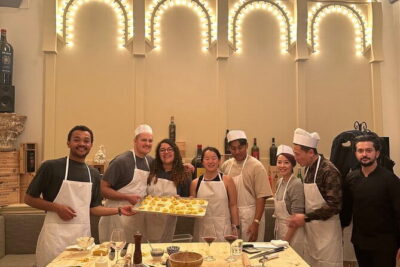
Florence: Pasta Cooking Class with Unlimited Wine
Read our review →
3 in 1 Cooking Class near Navona: Fettuccine, Ravioli & Tiramisu
Read our review →
Rome: Pasta Making Class with Wine, Limoncello, and Dessert
Read our review →
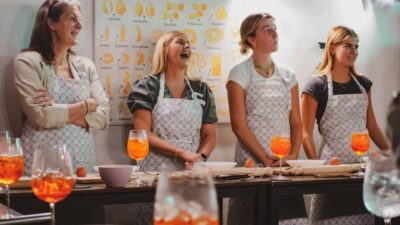
Rome Cooking Class: Make Pasta and 3 Spritz Cocktails
Read our review →
Rome: 3-in-1 Fettuccine, Ravioli, and Tiramisu Cooking Class
Read our review →