
Review · VIETNAM
Sapa: Bun Cha Cooking Class
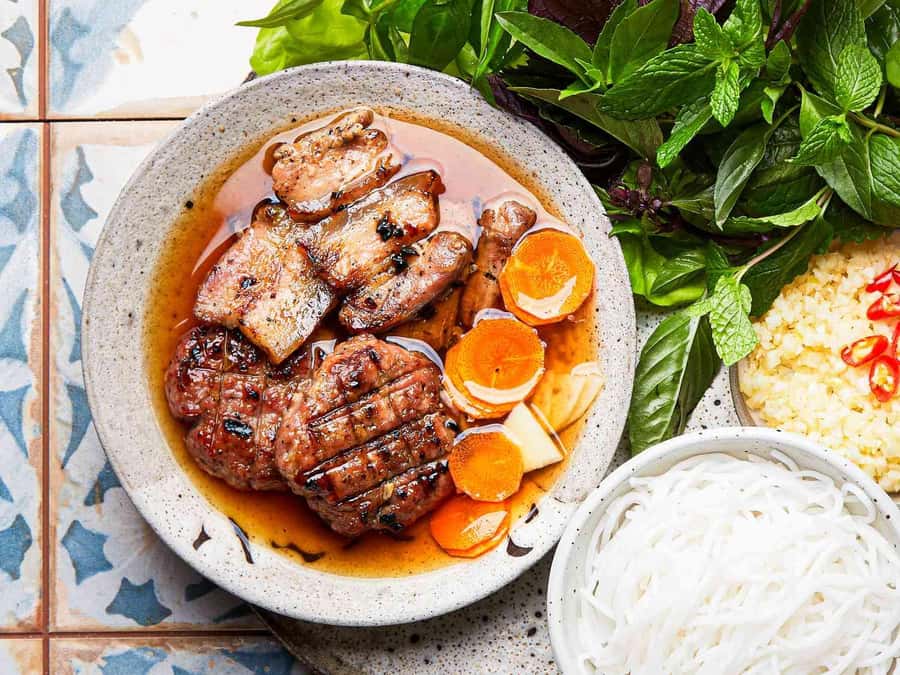
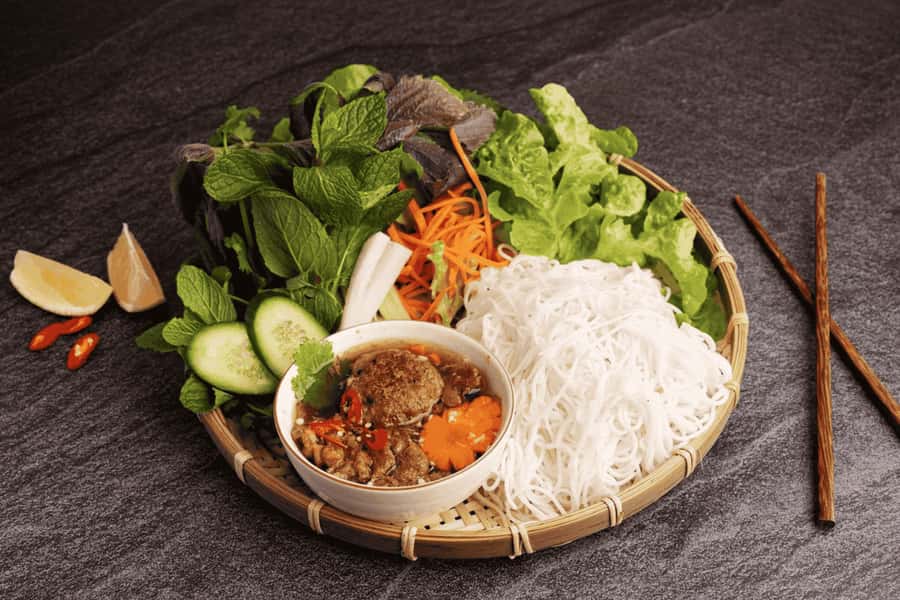
Bun cha is a lesson in why Vietnamese food works so well: smoky pork, cool herbs, soft rice noodles, and a sharp sweet-sour sauce all meet in one bowl. In Sapa, this hands-on cooking class gives you a useful way to connect with Vietnamese food beyond ordering it in a restaurant.
I like the charcoal grilling and the clear, step-by-step guidance. I also like that you eat the meal you prepare, rather than simply watching a demonstration. The main consideration is simple: pork is central to the class, so it is not suitable for vegetarians or anyone who does not eat pork.
Key points at a glance
- Grill pork over charcoal: Learn the part of bun cha that gives the meat its smoky flavor.
- Make the sweet-sour sauce: Prepare the dipping sauce that brings the pork, noodles, and herbs together.
- Cook in a small group: The class is limited to 10 participants, allowing room for questions.
- Eat your own finished meal: Sit down in a warm, home-style setting after the cooking.
- Take the recipes home: You receive the recipes, along with the ingredients and cooking tools used in class.
- Pay $25 for two hours: The price includes instruction, ingredients, equipment, and the meal you make.
Why bun cha makes a good Sapa cooking class
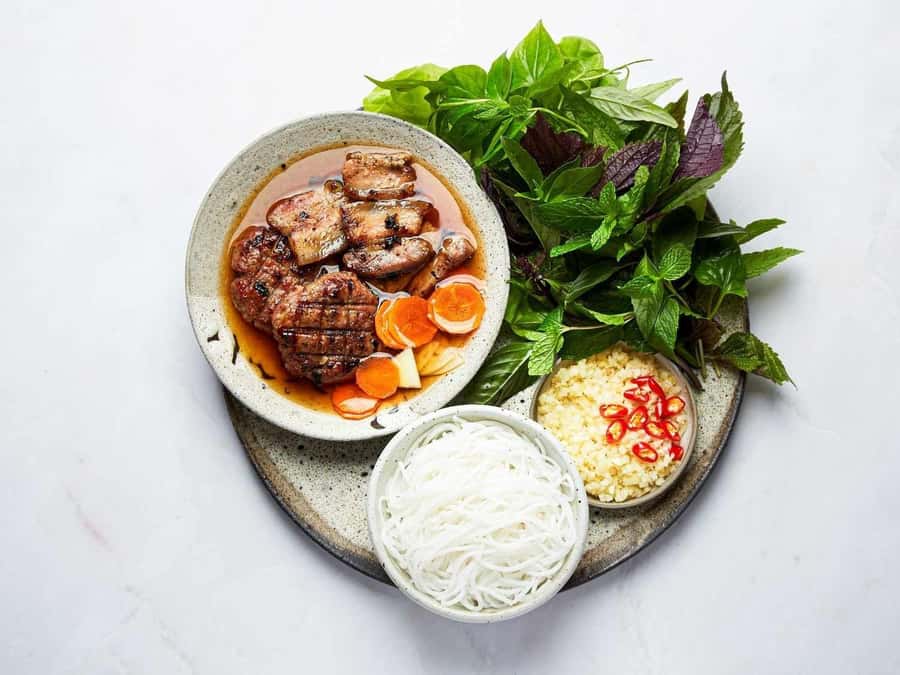
Bun cha is closely linked with Hanoi, but you do not need to be in the capital to understand its appeal. The dish is built from familiar parts, yet the balance matters. Grilled pork supplies smoke and salt. Rice vermicelli keeps the dish light. Fresh herbs add coolness. The dipping sauce brings sweetness, sourness, and savory depth.
That balance gives you something useful to learn. You are not just following a recipe with a long list of difficult ingredients. You are seeing how Vietnamese cooks build flavor by combining contrasting tastes and textures.
I also like the fact that the class focuses on the complete dish. You prepare the meat, sauce, noodles, and accompaniments rather than learning one isolated technique. By the end, you have a better sense of how bun cha is assembled and eaten.
The class lasts about two hours. That is enough time for a proper lesson and a relaxed meal without taking over your day in Sapa. You can fit it between other plans, though you should allow extra time to find the meeting point at 02 Nguyen Chi Thanh.
More Hands-On Workshops in Vietnam:
- Hanoi Cooking Class: Culture, Local Market & Meaning CSR Impact
★ 5.0 · 5,147 reviews - 5 Traditional Dishes Hanoi Cooking Class with Market Trip
★ 5.0 · 4,890 reviews - Cooking Class Hoi An:Local Market, Basket Boat, Fishing & Cooking
★ 5.0 · 3,660 reviews
Starting at 02 Nguyen Chi Thanh
The meeting point is the provider’s office at 02 Nguyen Chi Thanh, Sapa. You can search for the address directly on Google Maps. Transportation is not included, so you arrange your own way to the venue.
This is worth noting when you plan your day. The cooking fee covers the class itself, not a pickup from your hotel or another part of town. If you are staying outside central Sapa, check the route before booking and give yourself enough time to arrive.
The class begins with a welcome and a short introduction to Vietnamese cuisine and ingredients. This opening matters because it gives you the basic context before the practical work starts. You are not expected to arrive with cooking experience or a working knowledge of Vietnamese food.
The instructor speaks English and Vietnamese. That makes the class accessible to English-speaking visitors, while the Vietnamese setting keeps the lesson connected to local cooking traditions.
Marinating the pork, the first real lesson
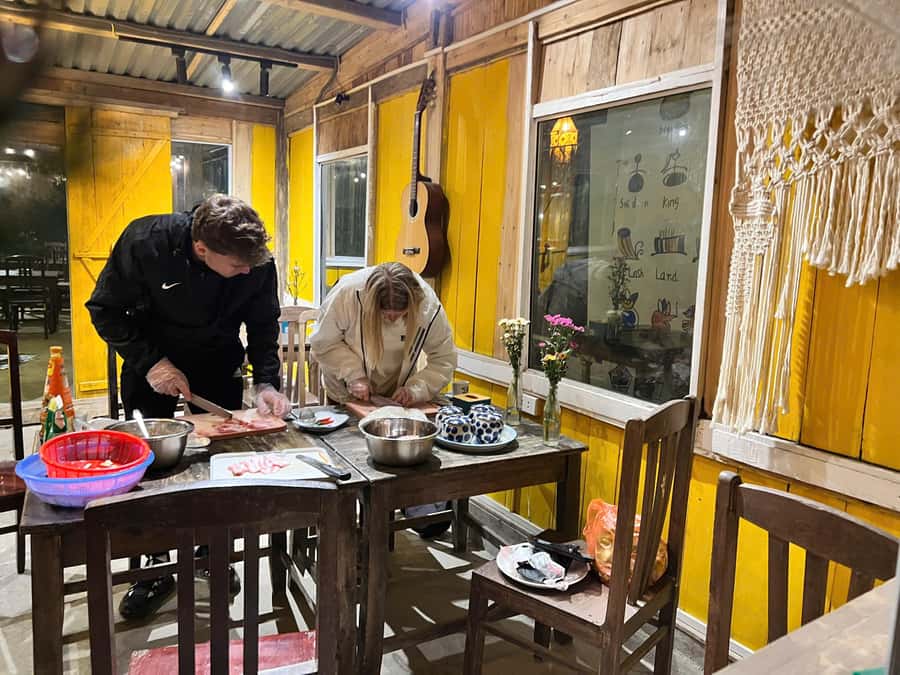
The pork is the heart of bun cha, and marinating it is where the class begins to show how the final flavor is built. The chef guides you through the process step by step, explaining what to do and sharing tips intended to help you succeed.
The information provided does not specify the exact marinade ingredients or cuts of pork, so you should not expect a fixed list here. What you can count on is practical instruction rather than a recipe handed over without explanation.
This is one of the strongest reasons to choose a cooking class instead of simply eating bun cha in a restaurant. A finished bowl tells you what the dish tastes like. Preparing the meat gives you a better idea of how that taste develops.
I would pay close attention during this part and make notes on proportions and timing. Small details in a marinade can affect the final result, and the chef’s tips may be the most useful part of the lesson when you try the recipe at home.
Charcoal grilling and the smoky center of the dish
The most memorable practical part is likely the charcoal grilling. You learn to cook the pork over charcoal, which gives the meat the smoky character associated with classic bun cha.
This is also the part that requires the most attention. Grilling is not just a matter of putting meat over heat and waiting. The chef can show you how to handle the pork and help you avoid common mistakes. Clear guidance matters here, especially if you have little cooking experience.
The class description specifically emphasizes success in the kitchen. That is good news for beginners. You do not need to know how to manage a charcoal grill before you arrive, and you are not expected to figure out the cooking time alone.
The practical setting also makes the lesson more memorable. You can smell the pork as it cooks and see the color change. Those physical cues are often easier to remember than written instructions.
A few more cooking classes around Vietnam worth a look
- Hoi An Cooking Class(Market,BasketBoat Crabfishing&Cooking Class)
★ 5.0 · 3,386 reviews - From Hoi An: Market Tour, Basket Boat Ride and Cooking Class
★ 4.8 · 2,208 reviews - Cai Be Mekong Delta Tour: Cooking Class, Cycling & Craft Villages
★ 5.0 · 1,881 reviews - Hoi An: Basket Boat with Lantern-Making & Cooking Class Tour
★ 4.9 · 1,444 reviews
Mixing the sweet-sour dipping sauce
The sauce may look like a small part of the meal, but it does a lot of work. Bun cha can feel unbalanced without the right mix of sweet, sour, salty, and savory flavors. The class teaches you how to prepare the traditional sweet-sour dipping sauce that ties the dish together.
This is a particularly useful skill because the sauce can be adjusted to taste. The chef shares tips and tricks for making the dish superb, according to the specific feedback from the class. Sissy is named as an instructor who explained the different parts of bun cha and offered practical advice.
I like this focus on the sauce because it gives you a technique you can use beyond this one dish. Once you understand the basic balance, you can better judge Vietnamese sauces in other meals and make adjustments when cooking at home.
The class includes the ingredients and tools you need, so you do not have to bring special equipment. Recipes are also provided to take home, giving you a written reference after the flavors and instructions are no longer fresh in your mind.
Noodles, herbs, and putting the dish together
Bun cha is more than grilled pork. Rice vermicelli, fresh herbs, and the dipping sauce complete the meal. The class covers the different parts of the dish, so you learn how they work together rather than treating the pork as a stand-alone barbecue lesson.
The precise herb selection is not specified, so I would treat the class as an introduction to the basic structure of bun cha rather than a promise of a particular garnish list. The important point is learning the contrast between the warm grilled meat, soft noodles, fresh herbs, and bright sauce.
Assembly is where the dish becomes easy to understand. You can taste how each component changes the others. The noodles soften the smoky meat. Herbs freshen each bite. Sauce provides the main seasoning.
That makes this a good class for people who enjoy learning through eating. You are not preparing food simply to photograph it or watch someone else serve it. You are making a complete meal and then sitting down to judge the result yourself.
A home-style meal after the cooking
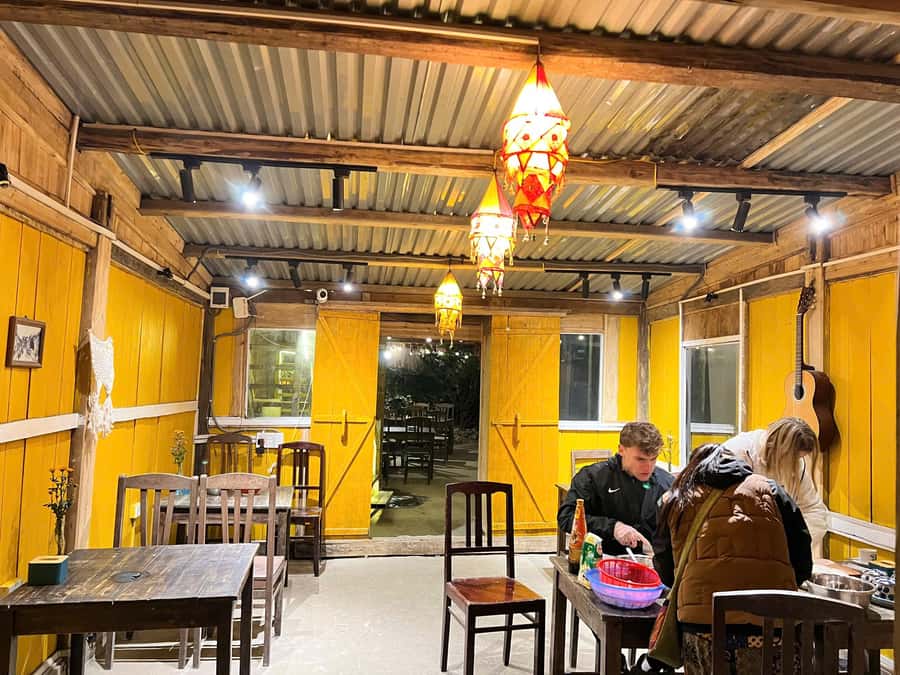
After the preparation, you eat your creations in a cozy, authentic home-style setting. This is an important part of the experience. A cooking lesson can feel rushed if the meal is treated as an afterthought, but here the food you make is the main reward.
The setting also suits the dish. Bun cha is casual food, and it makes sense to enjoy it in a warm, informal environment rather than a formal dining room. You get time to appreciate what you cooked and to compare the finished flavors with what you expected.
The meal of your creations is included in the $25 price. Additional food and drinks are not included, so budget separately if you want anything beyond the class meal.
The class has earned a 4.8 rating from six reviews, with especially strong praise for the fun, informative teaching and the authentic method. One participant described the chef as excellent, while another highlighted the help with every part of the bun cha. That pattern points to the instruction as the main strength, not just the final plate.
What $25 buys you
At $25 per person, this is a fair price for a two-hour food activity. You receive local chef guidance, all ingredients, cooking tools, the meal you prepare, and recipes to take home. The value improves if you want more than a single restaurant meal and plan to use what you learn later.
You are also paying for participation. Someone else is not doing the difficult work while you watch. You marinate the pork, grill it, prepare the sauce, and put together the finished dish.
The price may feel less attractive if you only want to eat bun cha and have no interest in cooking. A local restaurant will probably be a simpler choice for that. This class makes the most sense if you want an activity that combines a meal with practical instruction.
The group limit is 10 people. That is small enough to keep the class personal, though the exact feel will depend on how many people book your session. A full group may be more social, while a smaller group could allow more direct time with the chef.
Who should book this class
I would recommend this class to food lovers, first-time cooks, and anyone who wants a low-pressure cultural activity in Sapa. You do not need prior cooking experience, and the chef guides you through each stage.
It is also a good choice for people who enjoy useful souvenirs. The recipe is more practical than another shop-bought trinket, especially if you plan to recreate the meal at home.
Families and small groups may like the format, but the available information does not specify an age policy. If you are booking for children, confirm that the activity suits your group before reserving.
This is not the right class for vegetarians because pork is the main ingredient and cannot be replaced. It is also not a good match if you want a broad survey of Vietnamese cuisine. The focus is one dish, prepared in detail.
Booking details that matter
You can cancel up to 24 hours before the class for a full refund. The reserve-now-and-pay-later option lets you hold a place without paying at the time of booking, which is useful when your Sapa schedule may change.
Starting times vary, so check availability for your chosen date. The duration is approximately two hours, and the class is offered in English and Vietnamese.
Remember that transportation is not included. The meeting point is 02 Nguyen Chi Thanh, and the provider recommends searching the address on Google Maps. Additional food and drinks are also separate from the class fee.
Should you book the Sapa bun cha class?
Book it if you want to understand a famous Vietnamese dish by making it yourself. The charcoal grilling, sweet-sour sauce, practical tips, and sit-down meal give the two hours a clear purpose.
I would especially choose it if you are new to Vietnamese cooking. The small group, English-language instruction, included equipment, and recipes to take home remove much of the guesswork.
Skip it if you do not eat pork, if you want an entirely vegetarian activity, or if you would rather spend your time simply eating in restaurants. For everyone else, $25 buys a useful, focused food experience with a meal at the end, and the cooking skills can travel home with you.
FAQ
How long does the bun cha cooking class last?
The class lasts approximately two hours.
How much does the class cost?
The price is $25 per person.
Where is the meeting point?
The office is at 02 Nguyen Chi Thanh, Sapa, Vietnam. You can search the address directly on Google Maps.
Is transportation to the venue included?
No. Transportation to the venue is not included.
Is prior cooking experience required?
No. The chef provides step-by-step guidance, so no previous cooking experience is required.
Is the class suitable for vegetarians?
No. Pork is the main ingredient in bun cha and cannot be replaced in this workshop.
What languages are available?
The class is offered in English and Vietnamese.
What is included in the price?
The price includes the bun cha cooking class, guidance from a local chef, ingredients, cooking tools, the meal you prepare, and recipes to take home. Additional food and drinks are not included.
Just added around Vietnam
- Tam Coc Cooking Class with Unique Experience★ 4.3 · 13 reviews
- Street Food Walking Tour with a Cooking Instructor★ 5.0 · 5 reviews
- M.O.M COOKING CLASS★ 4.8 · 6 reviews
- Sapa: Local Hmong Cooking Class★ 5.0 · 6 reviews
- Mama Lan’s Home Cooking Class with 30+ Years of Experience★ 5.0 · 3 reviews
- Rural Cycle, Market Tour, Basket Boat & Organic Farm Cooking★ 5.0 · 64 reviews
- Private cooking class tour with Master Chef★ 5.0 · 5 reviews
- Ninh Binh: Half-Day Cooking Class at a Local Home★ 5.0 · 26 reviews
Cooking Classes, compared.
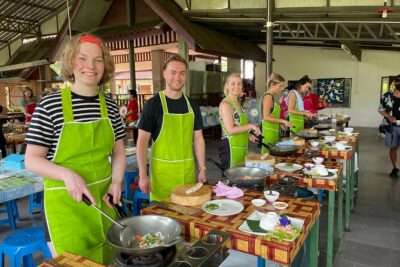
Half-Day Thai Cooking Class at Organic Farm in Chiang Mai
Read our review →
Florence: Pasta Cooking Class with Unlimited Wine
Read our review →
3 in 1 Cooking Class near Navona: Fettuccine, Ravioli & Tiramisu
Read our review →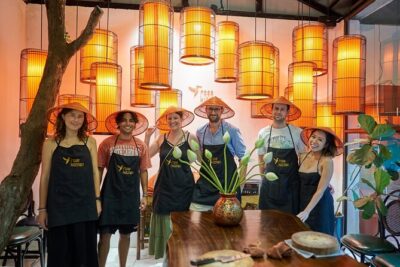
Hanoi Cooking Class: Culture, Local Market & Meaning CSR Impact
Read our review →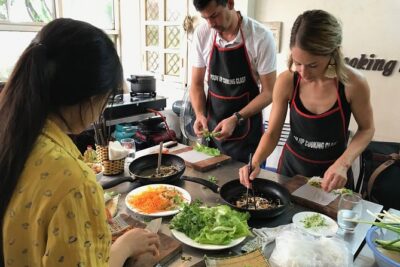
5 Traditional Dishes Hanoi Cooking Class with Market Trip
Read our review →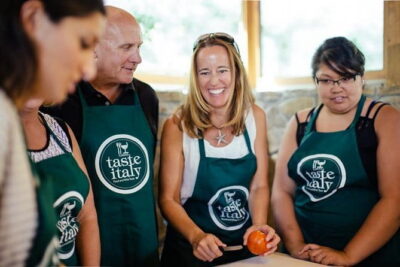
Cooking Class and Lunch at a Tuscan Farmhouse with Local Market Tour from Florence
Read our review →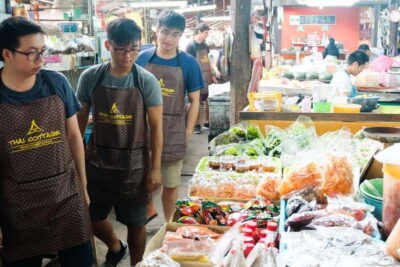
Chiang Mai: Cooking Class, Market & Thai Herbs Garden Tour
Read our review →Browse the lists this tour appears in