
Review · VIETNAM
Sapa: Local Hmong Cooking Class
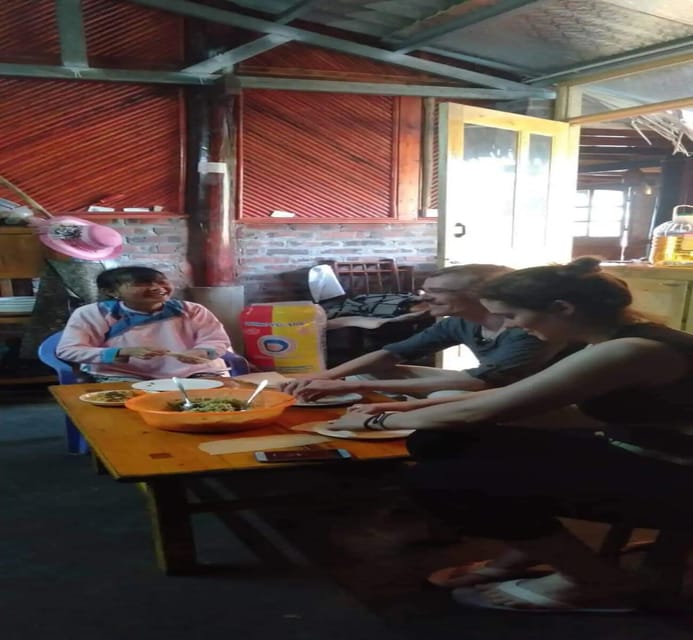
The best part of this Sapa cooking class is that the food comes with a story. At Sapa Tour Indigo Homestay in Tả Van, Sung teaches you how local Hmong families prepare everyday ingredients, from mountain mushrooms and rice to free-range chicken and pork. You cook, eat, and learn beside rice terraces rather than in a city kitchen.
I like the hands-on menu, which includes spring rolls, bamboo, tofu with tomato, sticky rice, chicken, pork, and dessert. I also like the chance to hear about Hmong culture, family life, and farming from an English-speaking local guide. The main drawback is practical: the small-road meeting point may be hard to spot, and hotel transfer is not included.
Key points to know before booking
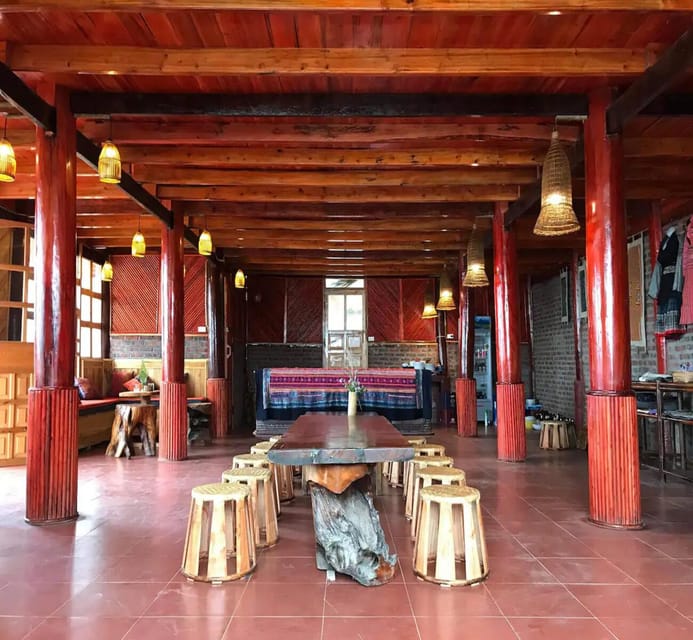
- Sung leads the class in English, sharing Hmong culture and family traditions as you cook.
- You prepare around eight dishes, including spring rolls, tofu with tomato, chicken, pork, mushrooms, rice, and dessert.
- Rice terraces surround the cooking location, giving the class a strong sense of place.
- Local ingredients shape the lesson, including wild black mushrooms, homegrown rice, free-range chicken, and seasonal produce.
- Some ingredients depend on availability, especially bamboo and naturally colored red and yellow sticky rice.
- The $36 price includes food, tools, a welcome drink, and a recipe book, but not hotel transport or extra drinks.
Cooking beside the rice terraces in Tả Van
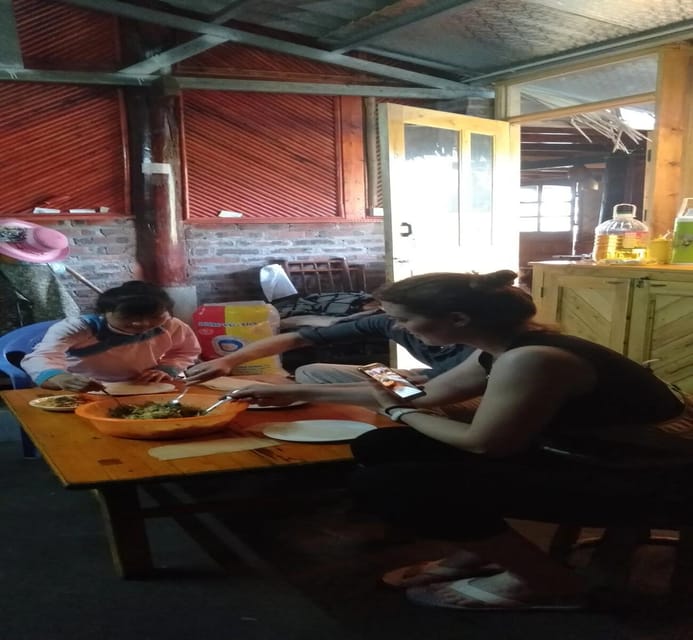
This is a small-scale food experience in Dong Bac, with the meeting point at Sapa Tour Indigo Homestay in Tả Van, Sa Pa. The activity lasts 3.5 hours and ends where it begins, so you need to arrange your own way there and back.
That location matters. You are not simply following a recipe in a restaurant kitchen. The class connects food to the surrounding farms and terraces. The chef can explain how rice is planted, grown, and harvested because the terraces are part of daily life here. You may also see some stages of rice production up close.
The setting adds value without turning the class into a sightseeing tour. Your main activity is cooking, but the views and farming context give the meal a clear local connection. If you want a class in central Sapa with easy hotel pickup, this may feel less convenient. If you are already visiting Tả Van, the location makes much more sense.
One practical warning: the meeting point is on a small road, and clear signage may be limited. Give yourself time to find Sapa Tour Indigo Homestay, especially if you are arriving independently. The booking information does not include hotel transfer, so do not assume a vehicle will collect you.
More Hands-On Workshops in Vietnam:
- Hanoi Cooking Class: Culture, Local Market & Meaning CSR Impact
★ 5.0 · 5,147 reviews - 5 Traditional Dishes Hanoi Cooking Class with Market Trip
★ 5.0 · 4,890 reviews - Cooking Class Hoi An:Local Market, Basket Boat, Fishing & Cooking
★ 5.0 · 3,660 reviews
Meeting Sung and learning through family stories
Sung is the English-speaking guide for the class. Her role goes beyond showing you how to chop and roll. She talks about Hmong culture, history, family, and the way cooking skills pass from one generation to the next.
That personal element is one of the strongest reasons to choose this experience. Recipes can be found in cookbooks, but the connection between food and household life is harder to get on your own. Here, you learn why local ingredients matter and how families use what grows around them.
The class also brings in knowledge from nearby communities. The local Dzay people are known for making tofu from scratch, and the class uses tofu obtained from them. That gives you a small but useful look at the food network around Sapa, where households and nearby communities contribute different specialties.
You should expect a teaching style based on participation. You will help prepare the ingredients, follow the techniques, and take part in the meal afterward. This is not a demonstration where you sit back and watch someone else do all the work.
Spring rolls and the first kitchen lesson
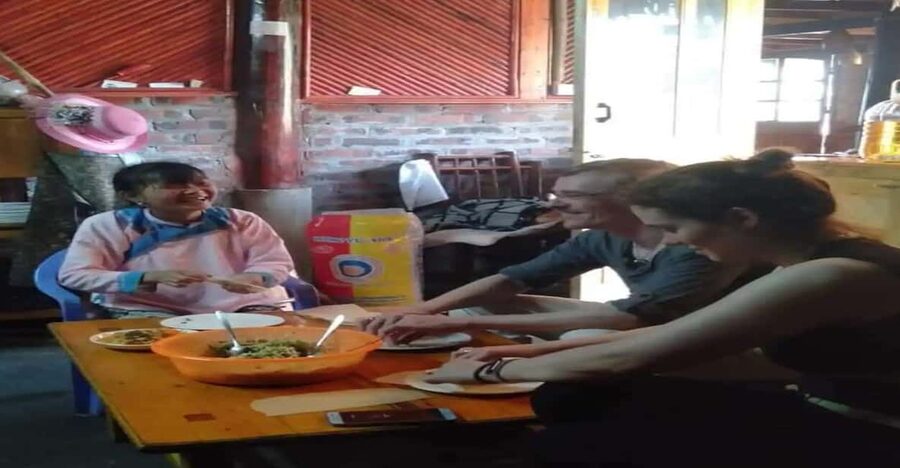
Spring rolls are part of the opening menu. You learn how to prepare the filling and roll them properly, which sounds simple until you try to keep each roll even and secure.
This is a good first dish because it teaches a basic kitchen technique you can repeat at home. The class is not only about tasting unfamiliar food. You leave with methods you can use again, backed by the recipe book included in the price.
The exact filling is not specified, so you should tell the guide about allergies or food restrictions before the class. This is especially important because the menu includes several meats, mushrooms, tofu, herbs, and rice preparations.
Bamboo, herbs, and ingredients from the mountains
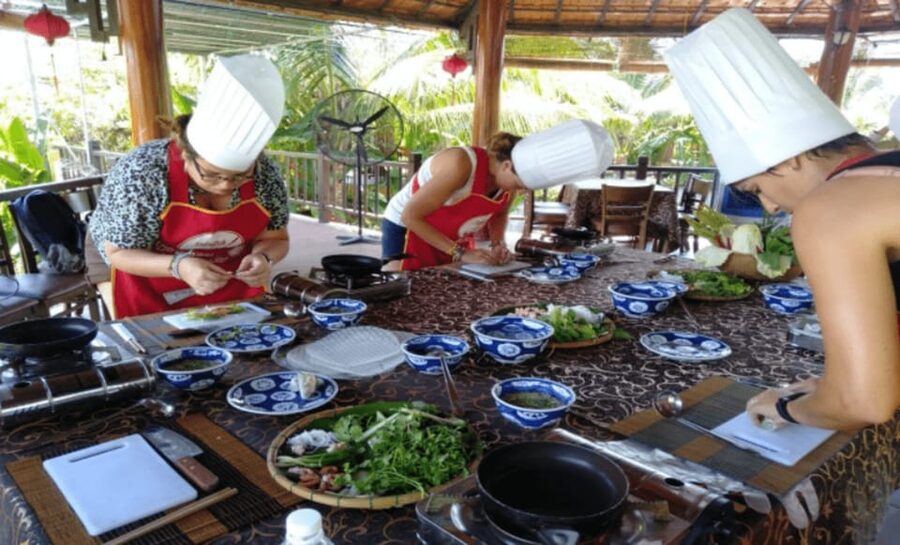
The bamboo portion focuses on peeling and preparing bamboo with fresh herbs and onion leaf. This is one of the more distinctive parts of the class because bamboo is not just a decorative plant in the region. It becomes a food ingredient that needs careful preparation before it reaches the plate.
Bamboo is listed as subject to availability. That means the dish may not appear every time, depending on what is available that day. The same condition applies to some of the rice preparations, so treat the menu as a guide rather than a fixed restaurant order.
The class also includes Chinese black mushrooms, a type of mushroom that grows wild in the cool forests around Sapa. This gives you a chance to work with an ingredient tied directly to the local climate. You are not simply learning a generic mushroom recipe. You are seeing how cool mountain conditions influence what people cook.
A few more cooking classes around Vietnam worth a look
- Hoi An Cooking Class(Market,BasketBoat Crabfishing&Cooking Class)
★ 5.0 · 3,386 reviews - From Hoi An: Market Tour, Basket Boat Ride and Cooking Class
★ 4.8 · 2,208 reviews - Cai Be Mekong Delta Tour: Cooking Class, Cycling & Craft Villages
★ 5.0 · 1,881 reviews - Hoi An: Basket Boat with Lantern-Making & Cooking Class Tour
★ 4.9 · 1,444 reviews
Tofu with tomato and the Dzay connection
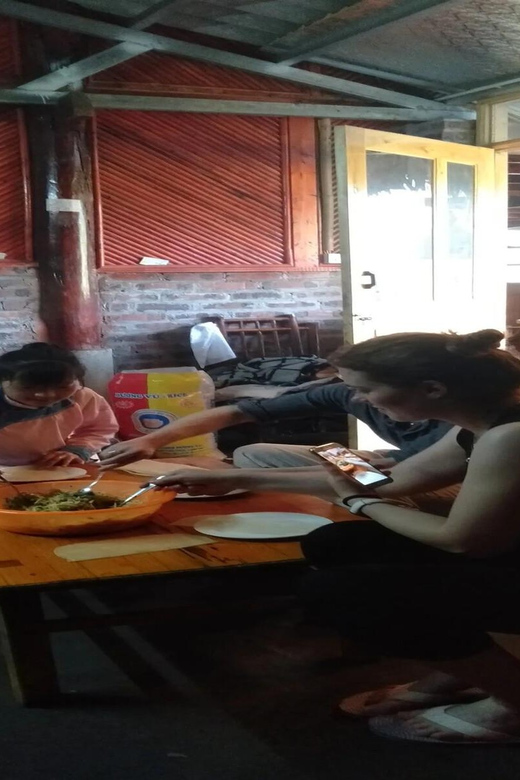
The tofu with tomato dish introduces a different local specialty. The tofu comes from the nearby Dzay community, which is known locally for making it from scratch. During the class, you learn how to prepare the tofu and give it a flavorful tomato-based finish.
I like this part because it shows that local food culture is not limited to one ethnic group or one household. The Hmong cooking class also reflects the surrounding communities and the ingredients they are known for.
Tofu is also a useful dish for people who want a break from meat. The overall menu includes chicken and pork, but this preparation gives the meal some variety. If you have dietary restrictions, still speak with the guide in advance rather than assuming the tofu dish can replace everything else.
Red, yellow, and fresh rice from Sapa terraces
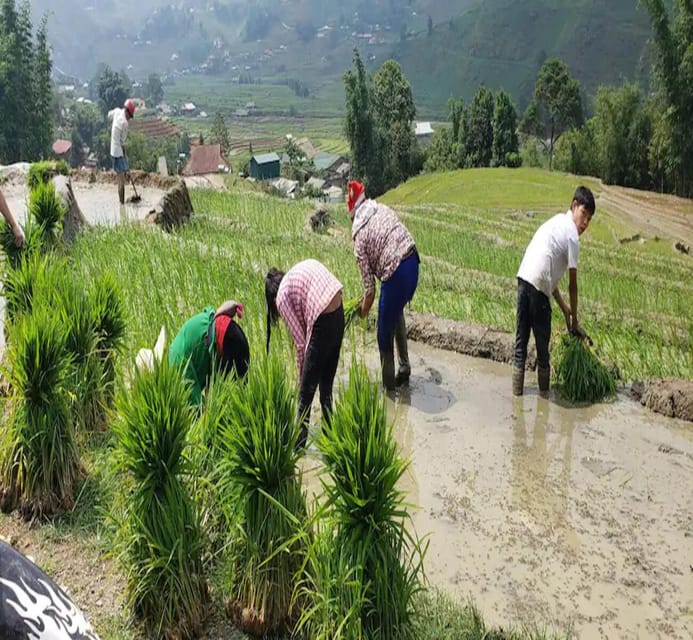
Rice gets more than a passing mention here. You learn how red and yellow sticky rice are colored naturally using a mountain leaf and flower. This is a practical lesson in local food coloring, with plants providing the color rather than packaged additives.
The red and yellow sticky rice preparations depend on availability. If the required flower or leaf is not available, the dish may change. That uncertainty is worth accepting because it reflects the season and the ingredients rather than a fixed commercial menu.
Fresh rice is also part of the experience. The chef explains the planting, growing, and harvesting process, drawing on the rice terraces around the homestay. For you, this adds context to a staple that can otherwise appear on the table without much thought.
The rice lesson may be the most valuable part for anyone interested in farming and food systems. You see how a regional dish connects to soil, weather, labor, and time. It turns lunch into a lesson about how food reaches the table.
Free-range chicken, traditional pork, and dessert
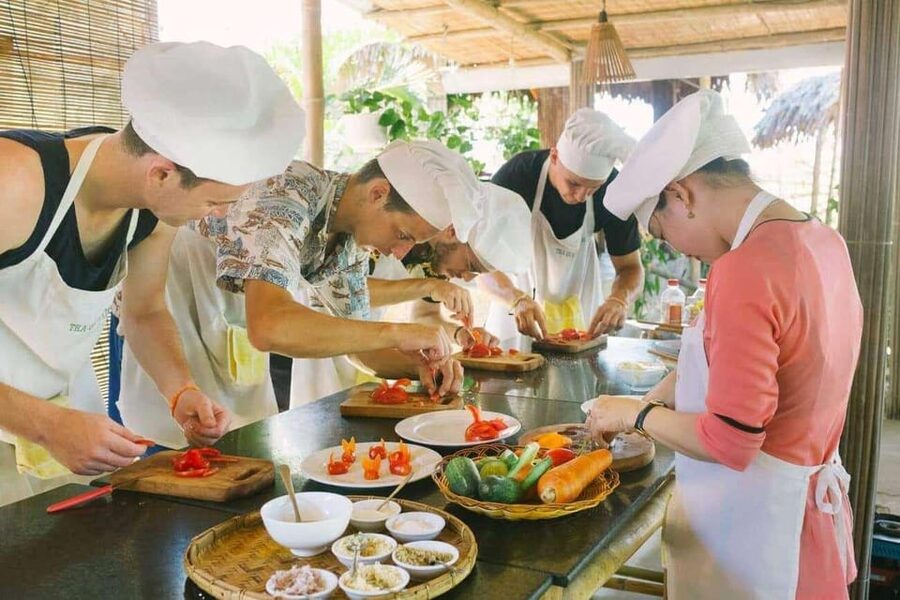
The class includes fried chicken prepared with birds raised free range at the family home. You help season and prepare the chicken for frying, so the dish has a clear beginning-to-end process rather than arriving as a finished plate.
Pork is another major part of the menu. You learn how it is prepared in the local traditional way, though the specific technique is not detailed in advance. This is a useful point to clarify if you have dietary restrictions or simply want to know how much meat the meal will include.
Dessert is simple: watermelon or cucumber. That may sound modest next to a long list of savory dishes, but it suits a substantial home-style meal. Do not book this expecting a formal dessert course or elaborate sweets.
The cooking class is built around sharing what you prepare. Once the work is done, you eat the dishes as a local lunch or dinner. The food is the reward, but the shared meal also gives you time to talk with Sung and the family.
What the $36 price includes
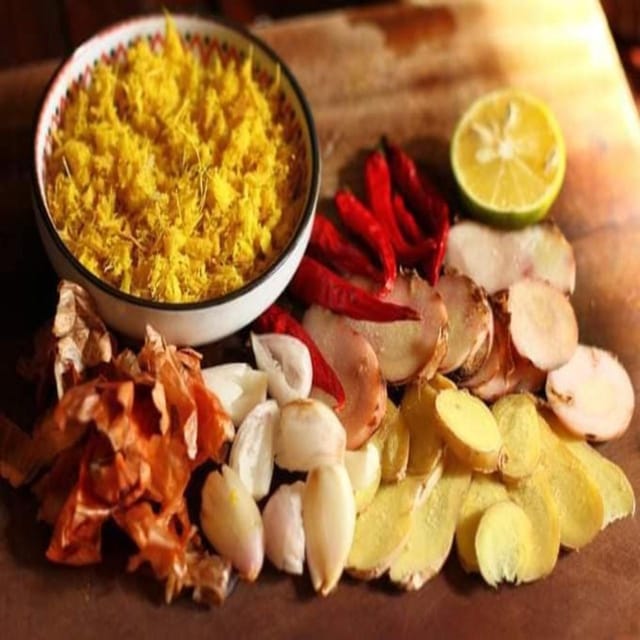
At $36 per person, the class offers solid value if you want both a meal and cultural explanation. The price includes:
- A welcome drink
- All cooking ingredients
- Kitchen tools
- A local lunch or dinner
- A recipe book
- An English-speaking guide
The recipe book makes the price more useful after your trip. You are not paying only for a one-time meal. You get a reference for trying some of the dishes at home, although the exact contents of the book are not specified.
Drinks beyond the welcome drink are not included. Other personal expenses are also separate. Since hotel transfer is not part of the package, add the cost and time of reaching Tả Van when comparing this class with activities closer to central Sapa.
The menu is large for a 3.5-hour session, with around eight dishes listed in the experience details. You should expect a busy class rather than a slow, restaurant-style cooking lesson. That is good news if you like to keep your hands moving, but less ideal if you want a quiet, highly polished culinary workshop.
Who will enjoy this class most
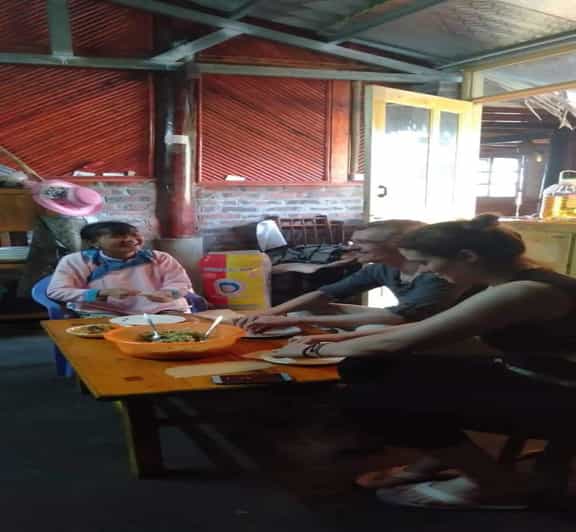
I would recommend this class to you if food is your way into local culture. You get recipes, but you also hear about Hmong family life, local farming, and traditions passed from one generation to the next.
It is a particularly good fit for:
- Couples and families who want a shared activity
- Visitors interested in Hmong culture and food
- People who prefer small, personal experiences to formal tours
- Anyone already spending time in Tả Van
- Cooks who want a recipe book and practical techniques
- Visitors who enjoy eating the meal they helped prepare
The class may not suit you if you need wheelchair access, since it is not suitable for wheelchair users. It may also be less appealing if you dislike pork, chicken, or uncertain menus. The guide should know about allergies and food restrictions in advance, but the class is not presented as a fully customizable dietary program.
The setting is also worth considering. A small-road homestay in Tả Van has more local character than a central Sapa venue, but it requires more attention to directions. You should confirm the starting time and plan your route before leaving.
Timing, cancellation, and practical planning
The class runs for 3.5 hours, with starting times available when you check your preferred date. It can be arranged as a local lunch or dinner, depending on the selected time.
You can cancel up to 24 hours in advance for a full refund. The reserve-now, pay-later option lets you hold a place without paying immediately, which is useful if your Sapa plans depend on weather or transport.
Bring an appetite and wear clothes suitable for cooking. The activity details do not specify a dress code, so I would keep it simple and comfortable. Most important, tell the guide about allergies or food restrictions before you arrive.
The activity has a 5.0 rating from six reviews, and the strongest praise centers on Sung’s English, the Hmong culture and history she shares, the eight dishes prepared, and the rice terrace setting. The warm welcome from the family is another appealing detail. The one clear practical complaint concerns signage at the corner of the small road, so navigation deserves attention.
Should you book the Hmong cooking class?
Book it if you want a personal food lesson tied to Hmong culture, farming, and family life. The $36 cost is fair when you count the meal, ingredients, tools, guide, welcome drink, and recipe book. The rice terrace setting and local stories give it more character than a standard cooking demonstration.
Skip it if you need hotel pickup, wheelchair access, or a guaranteed fixed menu. Also think twice if you want a polished kitchen in central Sapa. For everyone else, this is a worthwhile half-day activity, especially if you can find your way to Tả Van and enjoy learning by doing.
FAQ
Where does the cooking class begin?
It begins at Sapa Tour Indigo Homestay in Tả Van, Sa Pa, Lào Cai, Vietnam.
Where does the activity end?
The class ends back at the meeting point at Sapa Tour Indigo Homestay.
How long does the cooking class last?
The activity lasts 3.5 hours. Starting times are available when you check the date.
What language does the guide speak?
The live guide speaks English.
What food will I prepare?
The menu includes spring rolls, bamboo with herbs and onion leaf, Chinese black mushrooms, tofu with tomato, red and yellow sticky rice, fresh rice, fried chicken, pork, and watermelon or cucumber for dessert. Bamboo and naturally colored sticky rice depend on availability.
Is food included in the price?
Yes. The price includes a local lunch or dinner, all ingredients, cooking tools, a welcome drink, and a recipe book.
Are hotel transfers included?
No. Hotel transfer is not included, and the activity begins and ends at the stated meeting point.
Can I cancel the booking?
Yes. You can cancel up to 24 hours in advance for a full refund. You can also reserve now and pay later.
Just added around Vietnam
- Tam Coc Cooking Class with Unique Experience★ 4.3 · 13 reviews
- Street Food Walking Tour with a Cooking Instructor★ 5.0 · 5 reviews
- M.O.M COOKING CLASS★ 4.8 · 6 reviews
- Sapa: Bun Cha Cooking Class★ 4.8 · 6 reviews
- Mama Lan’s Home Cooking Class with 30+ Years of Experience★ 5.0 · 3 reviews
- Rural Cycle, Market Tour, Basket Boat & Organic Farm Cooking★ 5.0 · 64 reviews
- Private cooking class tour with Master Chef★ 5.0 · 5 reviews
- Ninh Binh: Half-Day Cooking Class at a Local Home★ 5.0 · 26 reviews
Cooking Classes, compared.
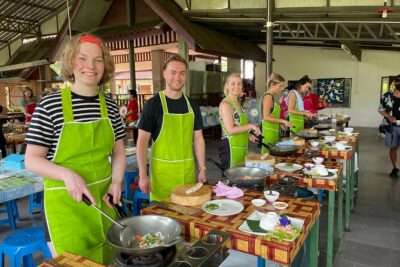
Half-Day Thai Cooking Class at Organic Farm in Chiang Mai
Read our review →
Florence: Pasta Cooking Class with Unlimited Wine
Read our review →
3 in 1 Cooking Class near Navona: Fettuccine, Ravioli & Tiramisu
Read our review →
Hanoi Cooking Class: Culture, Local Market & Meaning CSR Impact
Read our review →
5 Traditional Dishes Hanoi Cooking Class with Market Trip
Read our review →
Cooking Class and Lunch at a Tuscan Farmhouse with Local Market Tour from Florence
Read our review →
Chiang Mai: Cooking Class, Market & Thai Herbs Garden Tour
Read our review →Browse the lists this tour appears in