
Review · MARRAKECH
Shared 4 Hours Cooking Class in Marrakesh
This class takes you beyond restaurant tables and into a Moroccan family home, where Zohra teaches the cooking and her daughter Fatim Zahra helps bring the session to life. You’ll make bread, mint tea, salads, and a tagine, then eat what you prepared for lunch.
I like the hands-on format, especially the chance to knead bread and work with preserved lemon, saffron, olives, and Moroccan spices. I also like the small maximum of 10 people, which gives the class a more personal feel than a large kitchen demonstration.
The main consideration is that this is a home-based cultural visit as much as a cooking lesson. If you want precise restaurant-style instruction or a tightly timed professional kitchen, this relaxed family setting may feel less formal.
Key points to know before booking
- Cook with Zohra and Fatim Zahra: The mother-and-daughter team brings together traditional cooking and warm English or French guidance.
- Make a full Moroccan meal: The session can include bread, mint tea, zaalouk, taktouka, tomato salad, and a choice of tagine.
- Choose your main dish: Options include chicken, lamb, beef, fish, vegetables, and, in some examples, turkey with dried fruit.
- Eat lunch at home: Your four-hour experience ends with the meal you helped prepare, served in Moroccan style.
- Small group setting: The class accepts a maximum of 10 people, helping keep the cooking personal.
- Pickup is offered: Transport is provided in an air-conditioned vehicle, and the activity returns to the meeting point.
A Moroccan kitchen instead of a cooking school
The most important thing to understand is the setting. You are not entering a commercial cooking studio with rows of identical workstations. You are being welcomed into a family home in Marrakech, where the lesson takes place around everyday Moroccan food and hospitality.
Zohra leads the cooking, while Fatim Zahra helps with conversation and guidance in English and French. That pairing matters. You get the practical side of preparing food, but you also get a window into how a Moroccan family shares recipes, organizes a meal, and welcomes people into the home.
The tone is friendly and informal. You may hear family stories, share jokes, and find that the class feels more like cooking with an aunt than attending a formal course. That is the main attraction, but it also means the experience may not follow the exact rhythm of a professional culinary workshop.
The group limit of 10 is helpful. It is small enough for you to take part instead of simply watching someone else cook, though the amount of individual attention can still depend on the final group size.
More Hands-On Workshops in Marrakech:
- Marrakech: Moroccan Cooking Class with Pickup
★ 4.6 · 1,862 reviews - Marrakech: Traditional Moroccan Cooking Class & Market Visit
★ 4.8 · 1,861 reviews - Marrakesh: Moroccan Dishes Cooking Class with a Local Chef
★ 5.0 · 1,615 reviews
The first tastes: mint tea and Moroccan bread
The class usually begins with two basics that tell you a lot about Moroccan food culture: bread and mint tea.
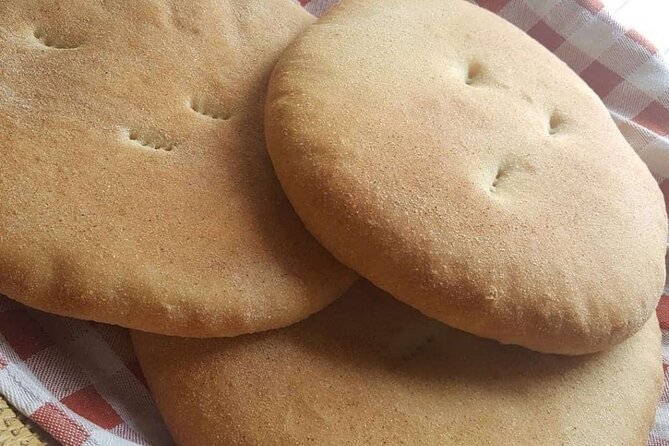
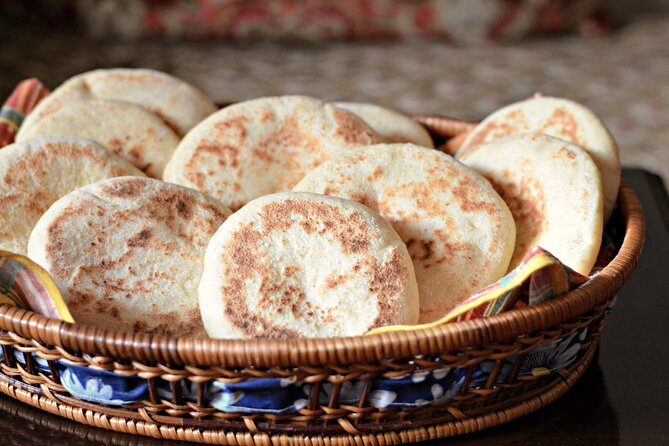
Moroccan bread is not just a side item. It is part of the meal and often helps scoop up sauces and salads. You’ll work the dough by hand, learn how it is shaped, and take part in baking it. Some sessions may use a traditional clay oven, adding a memorable link between the food and the home where it is prepared.
This is a good early task because it is practical and tactile. You are not simply being told that bread matters in Morocco. You are handling the dough and seeing how a simple staple is made.
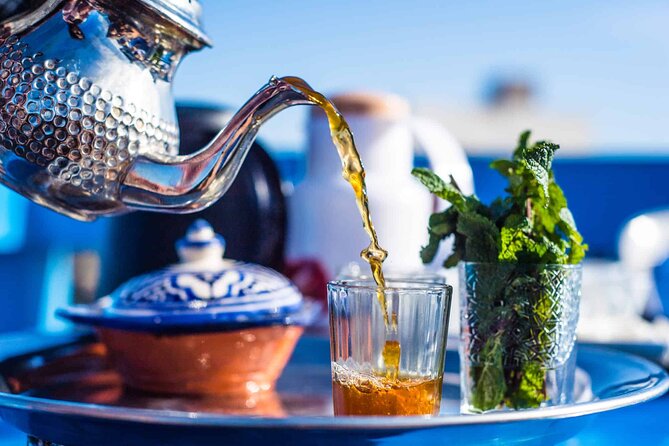
Mint tea brings a different lesson. You’ll learn how the tea is prepared and why it is tied so closely to Moroccan welcome. The ritual is part of the meal, not a decorative extra. Pay attention to the way it is poured and served, since tea often sets the social tone of a Moroccan visit.
Neither activity is likely to satisfy someone looking for advanced culinary technique. That is not really the point. Bread and tea give you useful cultural context, and they make the opening of the class feel connected to daily life.
Salads with smoke, peppers, and fresh tomatoes
Before the tagine, you’ll prepare a selection of Moroccan salads. The named choices include zaalouk, taktouka, and tomato salad.
Zaalouk is an eggplant salad with a smoky, savory character. Taktouka combines peppers and tomatoes for a sharper, more seasoned dish. The tomato salad provides a fresh contrast. Together, they show how a Moroccan meal builds variety through small plates rather than relying on one large main course.
I like this part of the class because it gives you several techniques in a short time. You may work with roasting, chopping, seasoning, and balancing spices, rather than spending the whole session waiting for a tagine to cook.
These salads also help you understand why Moroccan food can feel generous without being heavy at every stage. A meal can begin with several modest dishes, each with its own flavor and texture, before the main course arrives.
The exact recipes can vary according to the family and the ingredients available. That flexibility is worth accepting. You are learning family methods, not receiving a laboratory-measured formula. If you want to recreate the dishes at home, make notes about the spices and ask questions while you cook.
Choosing your tagine and building the flavor
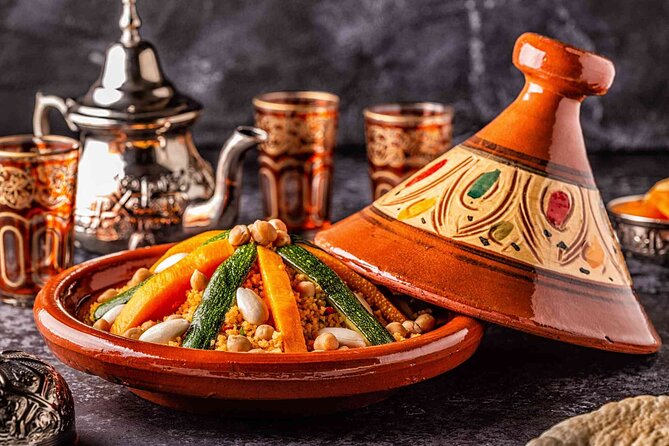
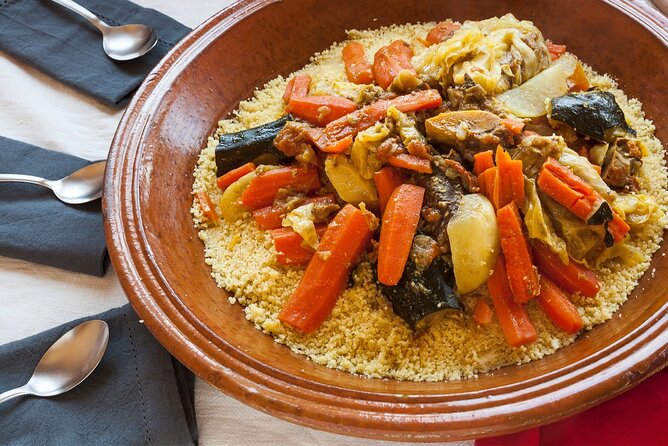
The tagine is the main event. You may prepare chicken, lamb, beef, fish, or vegetables, with the choice depending on the session and available ingredients. Couscous is also mentioned as an option, so confirm the main dish when booking if that choice matters to you.
The cooking process teaches more than the name of the dish. You’ll see how Moroccan cooks layer ingredients, use spices, and build a sauce for slow cooking. Common combinations in the prepared meals include chicken with preserved lemon and green olives, lamb with prunes and toasted almonds, beef with artichokes and peas, fish with tomatoes, garlic, and green peppers, and vegetables with saffron and preserved lemon.
Those combinations show the range of Moroccan cooking. Preserved lemon and olives give chicken a salty, bright finish. Prunes and almonds bring sweet and nutty notes to lamb. Fish with tomato and green pepper feels lighter, while beef with artichokes and peas makes a more substantial meal.
You may also encounter turkey with cinnamon and dried fruit. That is a useful reminder that a tagine is a cooking method and a style of dish, not one fixed recipe.
The best part is that you are involved in the preparation. You are not just handed a tagine after it has cooked out of sight. You can see how ingredients are arranged and how the seasoning changes as the dish comes together.
One practical point: tagine is slow food. Some of the four-hour session will naturally involve waiting while the dish cooks. That is not wasted time, since it allows room for tea, salads, conversation, and bread. Still, if you expect nonstop chopping and instruction, the pace may feel leisurely.
A few more cooking classes around Marrakech worth a look
- Moroccan Cooking Class & Marrakech Market Visit with Chef Khmisa
★ 5.0 · 1,504 reviews - Half-Day Cooking Class with Local Chef Laila in Marrakech
★ 5.0 · 952 reviews - Marrakech: Moroccan Cooking Class with a Local Family
★ 4.9 · 668 reviews - Marrakech: Moroccan Cuisine Cooking Class in Local Home
★ 4.8 · 508 reviews
Lunch around the family table
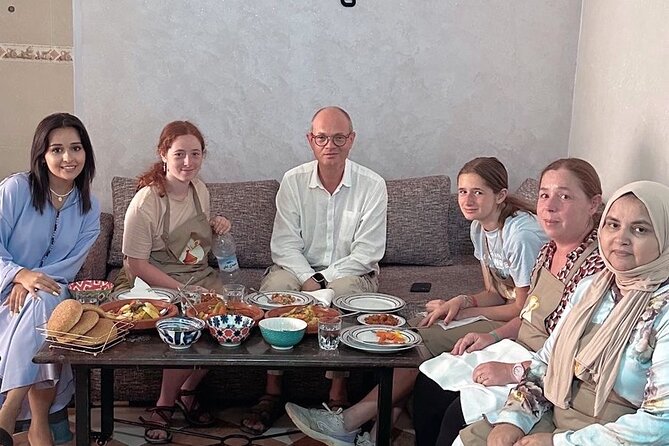
The meal is included, so you eat the food prepared during the class. This gives the experience a satisfying shape: you start with ingredients and techniques, then finish around the table with bread, salads, tea, and the main dish.
Eating at home changes the mood. It is less about tasting a polished restaurant plate and more about sharing food in the place where the cooking takes place. You’ll get a better sense of how Moroccan hospitality works when the meal is served as part of a family welcome.
Portions, presentation, and the exact menu can vary. The key value is not a guaranteed restaurant menu. It is the chance to understand the food by preparing it and then eating it in the setting where it belongs.
The menu can also work well for different tastes. Chicken, lamb, beef, fish, and vegetable choices cover several preferences, though you should communicate any food restrictions or special needs before the class because the supplied details do not confirm how dietary requests are handled.
Why the four-hour length works
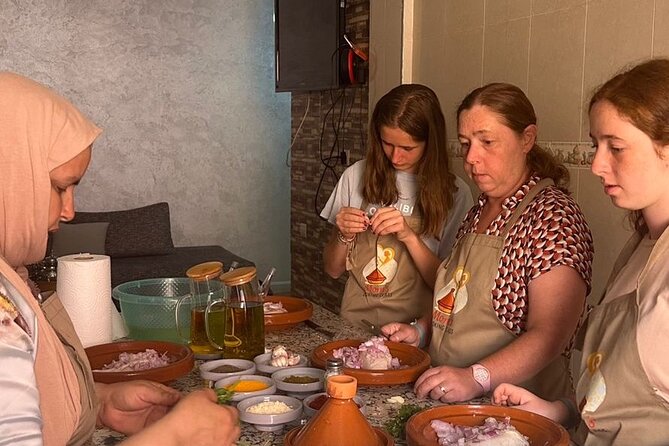
Four hours is enough time for the session to feel substantial without taking up an entire day in Marrakech. You have room for several dishes, a proper meal, and conversation with the family.
The length also gives the tagine time to cook properly. A shorter class might rush the bread, salads, and main dish into a quick demonstration. Here, the slower pace is part of the appeal.
You should plan this as a half-day commitment. Pickup is offered, and the activity uses an air-conditioned vehicle, which is useful in Marrakech. The tour begins in Marrakech and ends back at the meeting point. Since the exact pickup arrangements are not detailed, check the meeting instructions carefully after booking.
The activity is near public transportation, so you may have another way to reach the starting point if pickup does not suit your plans. A mobile ticket is provided, and confirmation arrives when you book.
What the $81.30 price includes
At $81.30 per person, this is not the cheapest way to eat lunch in Marrakech. You can find a less expensive meal in the city. The question is what you are paying for beyond the food.
The price includes a four-hour class, lunch, an English and French guide, and an air-conditioned vehicle. You are also paying for access to a family setting, instruction, ingredients, and the time spent preparing several dishes.
I see the strongest value for people who want cultural contact along with their meal. If you only want to sample Moroccan food, a restaurant will cost less and take less time. If you want to learn how bread, tea, salads, and tagine fit together, the class offers more substance.
The maximum group size of 10 supports the price because the experience is not designed as a large-scale food show. Still, the final value depends on your priorities. A serious home cook may appreciate the hands-on work, while a casual eater may care more about the family welcome and lunch than exact technique.
Tips are not included and are left to your discretion. Keep that extra cost in mind when setting your budget.
The personal touch from Zohra and Fatim Zahra
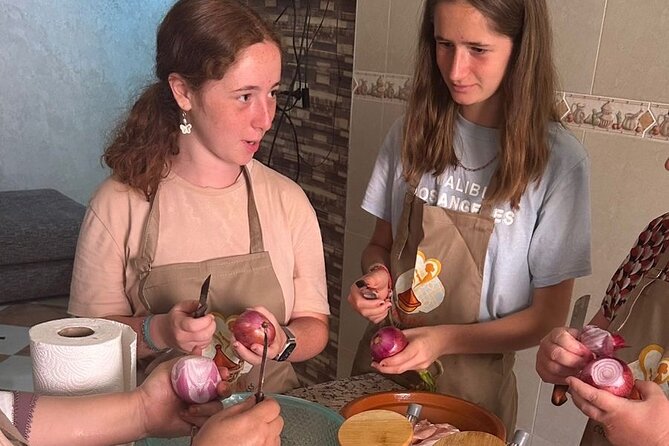
The strongest theme of this experience is the relationship between the two hosts. Zohra brings the family cooking and traditional methods. Fatim Zahra adds a lively, approachable presence and helps make communication easier.
That mother-and-daughter setup gives the class a warm rhythm. One person can focus on the cooking while the other helps explain, answer questions, and keep the group involved. The result should feel more personal than a lesson taught by a guide who simply follows a script.
You’ll likely appreciate this most if you enjoy conversation while cooking. The class is built around hospitality, not just instruction. You may hear about family recipes and see how techniques have been passed through generations.
The personal setting also requires a little flexibility from you. A family home has its own pace and character. The class may not look exactly like a polished food program, and that is part of what makes it different.
Should you book this Marrakech cooking class?
Book it if you want to cook Moroccan food in a real home, enjoy a small group setting, and value conversation as much as technique. It is especially well suited to couples, families, and curious eaters who want a break from sightseeing and a more personal connection with Marrakech.
I would choose it for the chance to make bread by hand, prepare several salads, learn the mint tea ritual, and build a tagine from the start. The lunch is a bonus, but the real value comes from understanding the food through the people who cook it every day.
Think twice if you need a strict professional curriculum, guaranteed menu choices, or a highly formal kitchen class. Also check the dish options and pickup details before confirming.
With a 5.0 rating from 49 ratings and 100 percent recommendation shown for the experience, demand appears strong, so booking around 19 days ahead is sensible. Free cancellation is available up to 24 hours before the start time. Canceling or changing later does not qualify for a refund.
FAQ
How long is the cooking class?
The class lasts about four hours.
Where does the cooking class take place?
The experience takes place in a Moroccan family home in Marrakech.
Who leads the cooking class?
The class is led by Zohra and her daughter Fatim Zahra. English and French guidance is included.
What dishes will I prepare?
You’ll prepare Moroccan bread, mint tea, salads such as zaalouk, taktouka, and tomato salad, plus a tagine or possibly couscous. Tagine choices can include chicken, lamb, beef, fish, or vegetables.
Is lunch included?
Yes. Lunch is included, and you eat the meal prepared during the class.
Is transportation included?
Pickup is offered, and an air-conditioned vehicle is included. The activity ends back at the meeting point.
What is the cancellation policy?
You can cancel up to 24 hours before the experience start time for a full refund. Cancellations or changes made less than 24 hours before the start time are not accepted for a refund.
Just added around Marrakech
- Moroccan Cooking Class with Market Visit and Meal★ 4.5 · 18 reviews
- Moroccan cooking class with maket in the Medina of Marrakech★ 5.0 · 173 reviews
- Morocco’s Top Cooking Classes For Authentic berber Cuisine in the Atlas Mountain★ 3.5 · 8 reviews
- Cooking class with transfer★ 5.0 · 22 reviews
- Cooking course with genuine Berber Family at Atlas Mt★ 5.0 · 10 reviews
- Moroccan Cooking Class with chef Mama Nouzha★ 5.0 · 4 reviews
- 3 Hour Moroccan Cooking Class in Marrakech★ 5.0 · 41 reviews
- Moroccan Cooking Classes★ 5.0 · 46 reviews
Cooking Classes, compared.
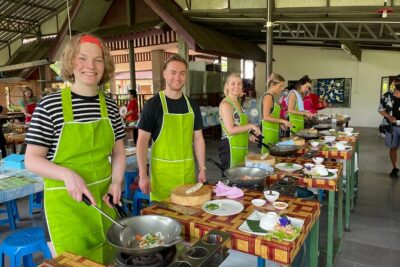
Half-Day Thai Cooking Class at Organic Farm in Chiang Mai
Read our review →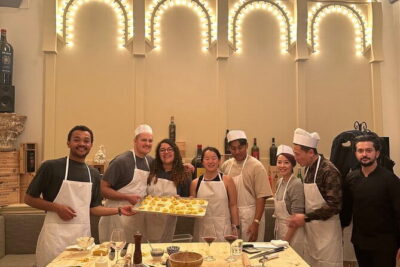
Florence: Pasta Cooking Class with Unlimited Wine
Read our review →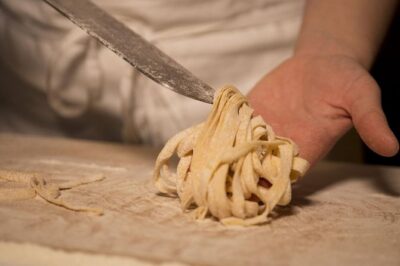
3 in 1 Cooking Class near Navona: Fettuccine, Ravioli & Tiramisu
Read our review →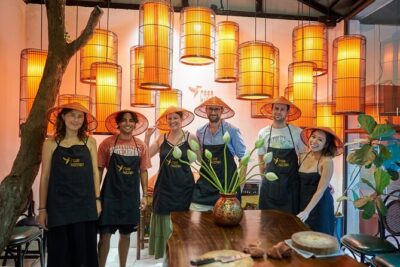
Hanoi Cooking Class: Culture, Local Market & Meaning CSR Impact
Read our review →
5 Traditional Dishes Hanoi Cooking Class with Market Trip
Read our review →
Cooking Class and Lunch at a Tuscan Farmhouse with Local Market Tour from Florence
Read our review →
Chiang Mai: Cooking Class, Market & Thai Herbs Garden Tour
Read our review →Browse the lists this tour appears in