Review · COOKING CLASSES
Slovenia: Belokranjska Pogača Cooking Class
Belokranjska Pogača is more than a round loaf of bread. In this two-hour class, you learn how a simple Slovenian specialty carries the customs of Bela Krajina into a small kitchen in central Slovenia. Luka guides you through kneading, rolling, shaping, and baking, then helps you enjoy the finished bread while talking about Slovenia.
I like the hands-on format and the small group limit of 10, which gives you room to ask questions and work at your own pace. I also like the cultural side: Luka explains Slovenian food, people, history, and local places in clear English, and wine is offered while you wait for the dough and bread.
The main consideration is timing. This is a focused bread-making class, not a full meal or a broad Slovenian cooking course. The meeting point can also take a little patience to find, since it is tucked beside a small square with a broken concrete fountain.
Key points to know before you book
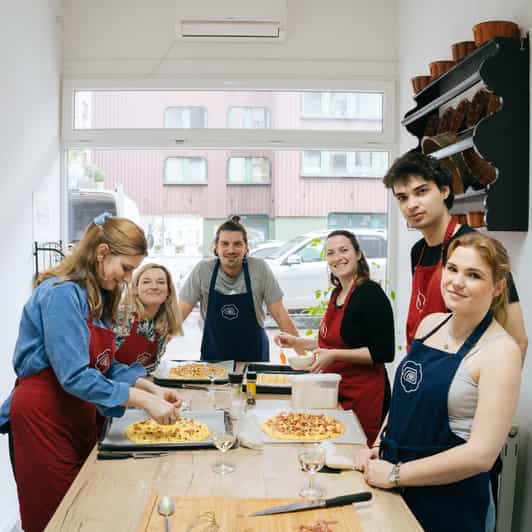
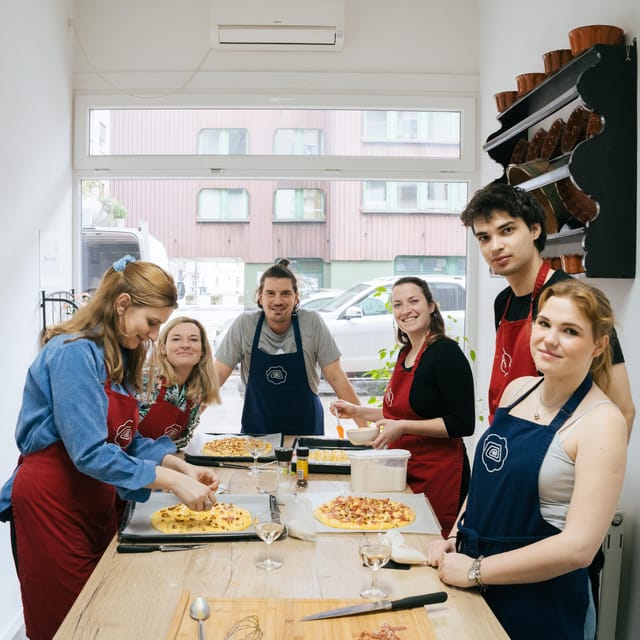
- You make the bread yourself: Knead, roll, shape, bake, and taste your own Belokranjska Pogača.
- Luka leads the class: He teaches in English and Slovenian and adds plenty of conversation about Slovenia and its people.
- Small groups matter: The class accepts no more than 10 participants, and it can sometimes operate as a private lesson.
- The class lasts two hours: That includes the preparation, waiting time, baking, and tasting.
- The location takes some searching: Look for the square, broken fountain, large clear shop window, and nearby passageways.
- The price is $53 per person: For a guided class with ingredients, equipment, drinks, baking, and tasting, that is a fair price for a personal cultural activity.
Why this Slovenian bread matters
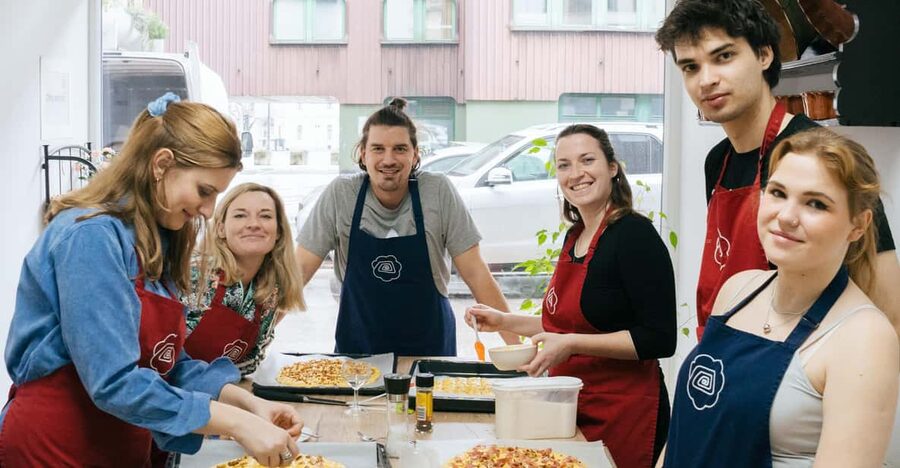
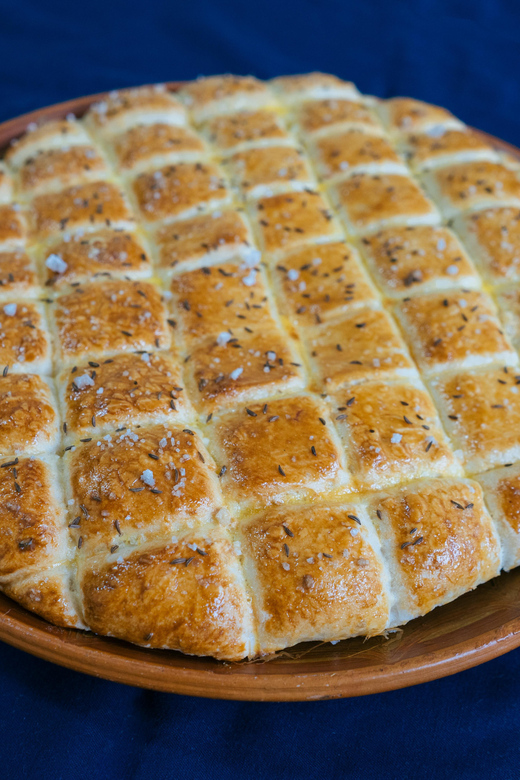
Belokranjska Pogača comes from Bela Krajina, a region in southeastern Slovenia. It is a savory bread with a soft center and a browned top, made for sharing rather than quietly eating one slice at a time.
The appeal of this class is that you do not simply hear the name of the bread and move on. You handle the dough and learn the method that gives the bread its character. The recipe becomes easier to remember because you have worked through each stage with your own hands.
The lesson also gives the bread a place in Slovenian life. Pogača is presented as food tied to family, celebration, hospitality, and community. That context matters. A cooking class is more rewarding when the dish has a story, and here the story is built into the lesson rather than added as a quick speech at the end.
You should not expect a museum-style lecture. The cultural information comes through conversation at the kitchen table. Luka discusses Slovenia, its people, its past, and its physical setting while the bread is being prepared. That makes the class feel social and relaxed, especially if you enjoy asking questions.
More Hands-On Workshops in the world:
- Half-Day Thai Cooking Class at Organic Farm in Chiang Mai
★ 5.0 · 19,087 reviews - Florence: Pasta Cooking Class with Unlimited Wine
★ 4.9 · 10,285 reviews - 3 in 1 Cooking Class near Navona: Fettuccine, Ravioli & Tiramisu
★ 5.0 · 7,376 reviews
Arriving at the small square
Finding the meeting point is the least polished part of the experience. Once you reach the area, look for a small square surrounded by buildings. A broken concrete fountain sits in the middle, which is the main landmark.
You can reach the spot by passing a Chinese restaurant near the old church, or by using a narrow passage through a building near the bus stop. The shop has a large clear window, so look for that rather than relying only on a street number.
This is a useful place to slow down and check your surroundings. The directions are specific, but they are not the kind you want to read for the first time while standing in a hurry with a phone battery running low. Give yourself extra time, especially for a morning appointment.
Parking advice is also quite particular. In the morning, free spaces may be available on the platform behind the building. In the afternoon, you can call Luka, who uses WhatsApp, for help with parking. If you are arriving by bus, the location is described as easy to reach from the city centre.
The first part of class: bread, place, and people
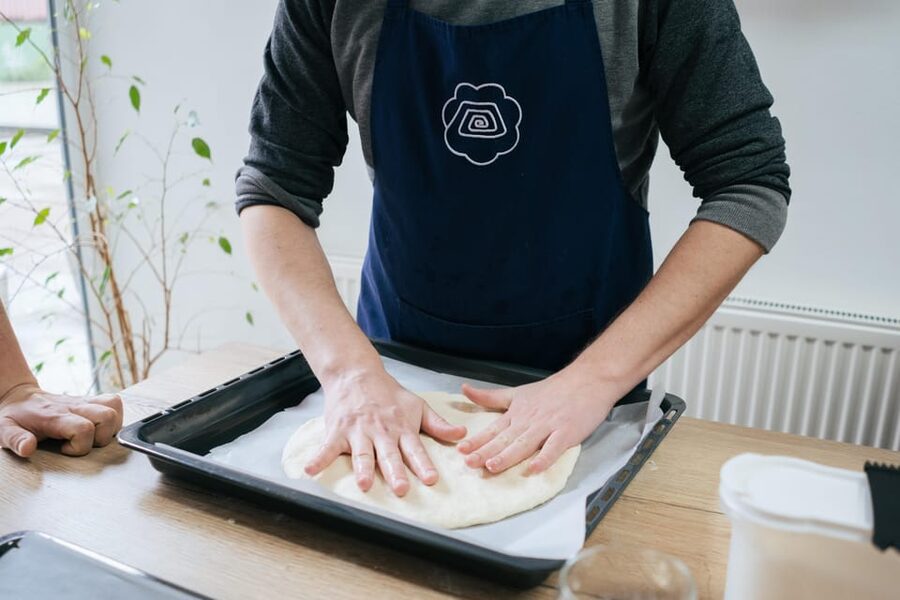
The class begins around a large kitchen table, where Luka introduces Belokranjska Pogača and explains why it matters. This opening gives you a useful frame before the practical work starts.
I particularly like this approach for visitors who want more than a recipe. You learn the name of Bela Krajina, the region connected to the bread, and the role of traditional food in Slovenian homes. You also get a chance to ask about everyday life in Slovenia rather than only hearing a fixed presentation.
The instructor’s English is strong enough for extended conversation. One participant described being able to discuss a wide range of topics with Luka, including Slovenia’s past and its physical setting. That is important because a cooking class often works best when the instructor can respond to curiosity instead of rushing through prepared lines.
Families should also take note. The experience is suitable for children and teenagers, with specific praise for Luka’s ability to work well with younger participants. The dough work gives them something real to do, and the class has a clear result at the end.
Kneading and shaping your Pogača
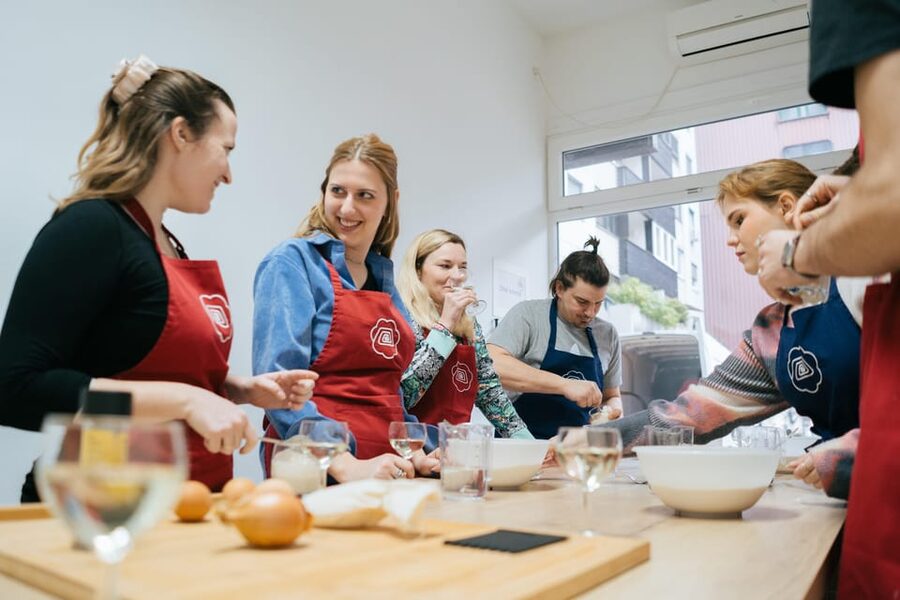
Once the introduction is over, you put on an apron and begin the practical work. The class covers the basic stages of kneading, rolling, and shaping the dough, with Luka explaining what to do as you go.
This is not a demonstration where you watch one perfect loaf appear. You take part in the process. That means your bread may not look exactly like Luka’s, but that is part of the fun. You learn how the dough feels, how to handle it, and how small changes in shape affect the finished loaf.
The instructions are explained step by step, which helps if you do not bake often. You do not need to arrive with professional kitchen skills. The focus is on following the method, working carefully, and understanding why each stage matters.
The ingredients and equipment are supplied, so you do not have to bring baking tools or shop for anything in advance. The class also includes the chance to bake and taste your own bread, which gives the two hours a satisfying arc from raw ingredients to finished food.
A few more cooking classes around the world worth a look
- Florence: Pasta & Tiramisu Cooking Class with Unlimited Wine
★ 4.9 · 6,708 reviews - Florence: Pasta Cooking Class with Unlimited Wine
★ 5.0 · 6,413 reviews - Hanoi Cooking Class: Culture, Local Market & Meaning CSR Impact
★ 5.0 · 5,147 reviews - 5 Traditional Dishes Hanoi Cooking Class with Market Trip
★ 5.0 · 4,890 reviews
Waiting time becomes part of the experience
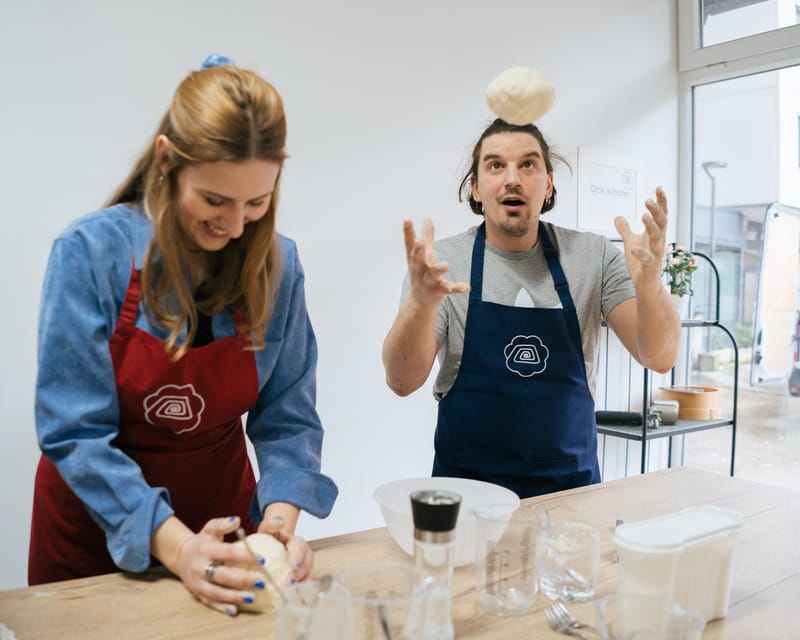
Bread needs time. While the yeast proves, the dough rises, and the Pogača bakes, Luka uses the pauses for conversation. A waiting period that could otherwise feel like dead time becomes part of the class.
Wine is offered during this stage, along with more discussion about Slovenia. If you do not drink alcohol, the activity information does not specify alternatives, so you may want to ask ahead of time. The important point is that the tasting and conversation are included while the bread is in the oven, not treated as an extra formal course.
This rhythm makes the class feel less hurried. You work, pause, talk, check the bread, and wait for the final result. It also gives you time to compare your shaping with other participants’ work if the class is not private.
The group size is limited to 10. That is small enough to keep the class personal while still allowing a social atmosphere. On quieter dates, you may even have the instructor to yourself. One participant had a private class because nobody else had booked that session, which turned the lesson into a one-on-one experience.
Tasting the warm bread
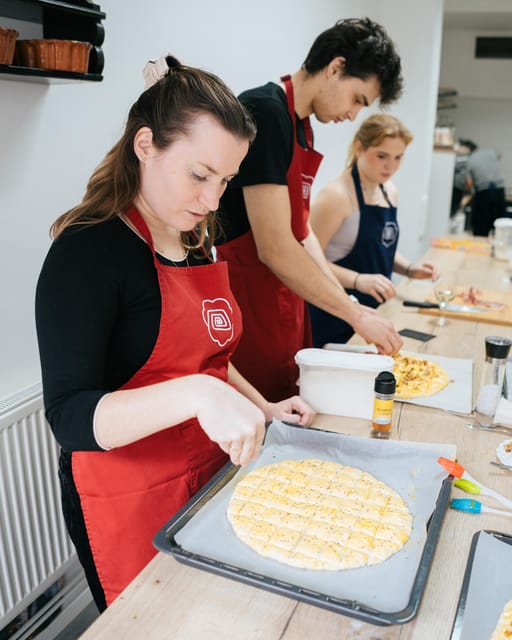
The final stage is the payoff: you taste the Belokranjska Pogača while it is fresh. The bread is described as soft inside with a crust that browns in the oven, and herbs add an earthy flavor.
You are not merely handed a sample prepared earlier. You taste the loaf you helped make. That makes the final bite more memorable, even if your shaping was not perfectly even.
The class is best understood as a light food experience rather than a full lunch. The supplied information promises the chance to bake and taste your own bread, but it does not describe a larger meal or a set menu. If you need a substantial meal afterward, plan for one separately.
Still, the portion of the experience devoted to tasting feels important. Bread is a shared food, and eating it after working together gives the class a natural ending. You leave with a recipe skill, a cultural reference point, and the memory of a warm loaf made during your visit.
What the $53 price includes
At $53 per person, the class sits above a casual bakery stop but offers much more than buying a finished loaf. The fee includes the hands-on instruction, ingredients, cooking equipment, cultural introduction, baking, and tasting.
I see the value in the personal attention. You are paying for two hours of an instructor’s time, not just for food. The conversation with Luka adds another layer, especially if you want to understand Slovenia through its daily cooking traditions.
The small group limit also helps justify the cost. A large class could still teach the basic recipe, but it would give you less space to ask questions or get help with the dough. If you book on a quiet date and receive a private class, the value is even stronger.
The price may feel high if your only goal is to eat Belokranjska Pogača. It makes better sense if you want to learn the method, meet a local instructor, and spend part of your day doing something connected to Slovenian culture.
Who will enjoy this class most
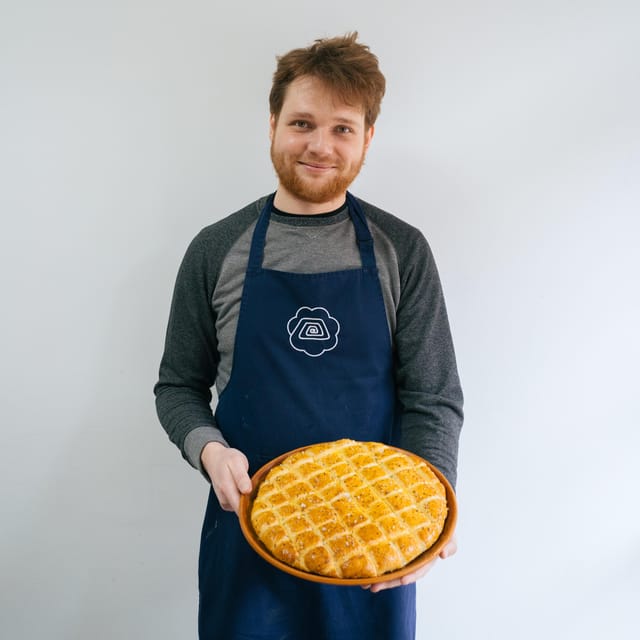
I would recommend this experience to several types of visitors:
- Food-focused visitors who want to make a local specialty rather than only photograph it.
- Families with children or teenagers who prefer a practical activity with a clear finished product.
- Couples and birthday groups looking for a relaxed activity during a city break.
- Solo visitors who like conversation and may appreciate the chance of a private lesson.
- Bakers of all skill levels who want to learn a regional bread without bringing equipment.
- Visitors staying in central Slovenia who can spare two hours for a local food experience.
It may be less suitable if you want a packed culinary itinerary with several dishes, a market visit, or a long professional cooking session. This class has one main subject: Belokranjska Pogača. That narrow focus is its strength, but it also sets a clear limit.
Practical details that affect your day
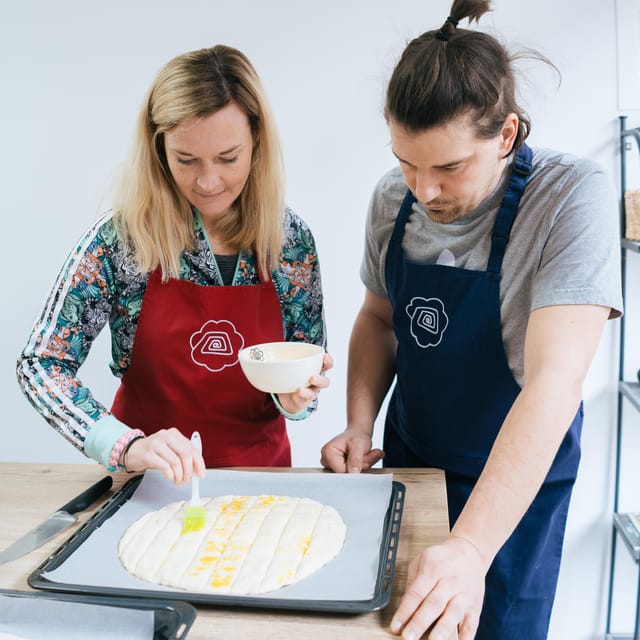
The class lasts two hours, though the pace includes waiting for the yeast, dough, and baking. Starting times vary, so check availability before planning the rest of your day.
Instruction is available in English and Slovenian. The English is strong enough for detailed conversation, which makes the activity accessible to international visitors who want more than basic cooking directions.
The location is wheelchair accessible. The meeting point itself can be tricky to identify, so use the broken fountain, old church, bus stop passage, and large clear window as your visual clues.
Cancellation is free up to 24 hours before the start time for a full refund. You can also reserve now and pay later, which is useful if your route through Slovenia is still changing.
The experience is offered by Polak Tomaž. Luka is the host and instructor named in the practical details and personal accounts of the class.
My honest take on the experience
The strongest part of this class is the combination of making and talking. You do not simply learn that Belokranjska Pogača is traditional. You work the dough, wait for it to rise, hear about Slovenia, and then taste the result.
Luka’s role matters. The class depends on an instructor who can explain the bread clearly and keep conversation moving during the pauses. His warm manner, strong English, and ability to work with children make the lesson easier for mixed groups.
The location instructions are the weak spot. The meeting point is recognizable once you know what to look for, but the route involves a small square, a passageway, and several nearby landmarks. Arrive early and keep Luka’s WhatsApp contact available for parking or directions.
I also would not book this expecting a full Slovenian feast. You get bread, tasting, and drinks, with the main value coming from instruction and cultural conversation. For that purpose, the two-hour format is well judged.
Should you book the Belokranjska Pogača class?
Book it if you want a friendly, practical introduction to Slovenian food and you like leaving an activity with something you actually learned. The class works especially well for families, couples, solo visitors, and anyone interested in regional bread traditions.
I would skip it only if you want a large meal, several recipes, or a formal tour of Bela Krajina itself. For a focused two-hour class with ingredients, equipment, a small group, cultural conversation, wine, and your own freshly baked bread, $53 is a reasonable price.
Give yourself extra time to find the square, contact Luka if parking is unclear, and arrive ready to work with your hands. That is where the class earns its keep.
FAQ
How long does the Belokranjska Pogača cooking class last?
The class lasts two hours, including instruction, preparation, waiting for the dough, baking, and tasting.
How much does the class cost?
The price is $53 per person.
What will I make during the class?
You will make Belokranjska Pogača, a traditional savory bread associated with Slovenia’s Bela Krajina region.
Do I bake and taste my own bread?
Yes. The class includes the opportunity to bake and taste the Belokranjska Pogača you make.
Who teaches the class?
Luka leads the class. The experience provider is listed as Polak Tomaž.
What languages are available?
The class is offered in English and Slovenian.
How many people can join?
The group is limited to 10 participants.
Is the class wheelchair accessible?
Yes, the activity is wheelchair accessible.
Where is the meeting point?
Look for a small square surrounded by buildings with a broken concrete fountain in the middle. The shop has a large clear window and can be reached near the old church, a Chinese restaurant, or a passageway near the bus stop.
Can I cancel the booking?
Yes. You can cancel up to 24 hours in advance for a full refund. You can also reserve now and pay later.
Just added around the world
- Sorrento: Hands-on Cooking Class★ 4.7 · 43 reviews
- Positano: Pasta & Tiramisu Cooking Class at a Local’s Home★ 4.6 · 45 reviews
- Skiathos: Dog Shelter Visit, Hike & Cooking Class with Lunch★ 4.7 · 40 reviews
- Small Group Cozy Cooking Class in a Typical Milanese Home★ 4.8 · 27 reviews
- Siracusa: Pasta & Tiramisu Cooking Class at a Local’s Home★ 4.7 · 9 reviews
- Singapore: Market-to-Table Experience and Cooking Class★ 5.0 · 17 reviews
- Singaporean Cooking Class With A Professional Chef★ 4.1 · 5 reviews
- Siena: Cooking Class with Cristiana and Mamma Nora★ 5.0 · 4 reviews
Cooking Classes, compared.
Half-Day Thai Cooking Class at Organic Farm in Chiang Mai
Read our review →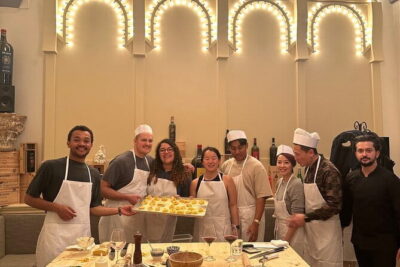
Florence: Pasta Cooking Class with Unlimited Wine
Read our review →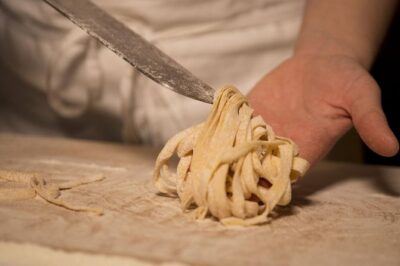
3 in 1 Cooking Class near Navona: Fettuccine, Ravioli & Tiramisu
Read our review →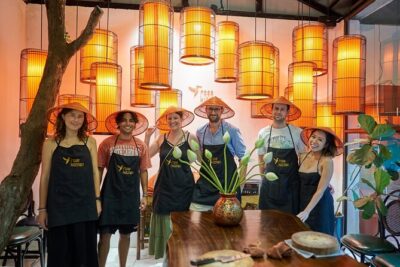
Hanoi Cooking Class: Culture, Local Market & Meaning CSR Impact
Read our review →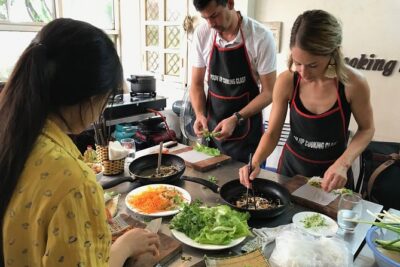
5 Traditional Dishes Hanoi Cooking Class with Market Trip
Read our review →
Cooking Class and Lunch at a Tuscan Farmhouse with Local Market Tour from Florence
Read our review →