
Review · CROATIA
Traditional Dalmatian Cooking Class from Dubrovnik
The best part of this experience is that the cooking happens in a real rural home, not a polished studio. You help pick vegetables, handle bread dough, and prepare dishes with a local family before sitting down to eat what you made. The farm-to-table setting and the warm family welcome are the main reasons I would choose this over another restaurant meal.
I also like the mix of food and daily life. You might milk a goat, taste fresh cheese, hear family stories, and cook beside the household matriarch, known as Ba Ba. Guides such as Marija and Oliver add useful context on the drive from Dubrovnik. The main consideration is that this is not a tightly scripted chef-led class, and it is not suitable for vegans, wheelchair users, or people with mobility impairments.
Key points at a glance
- Cook in a family home: Prepare a seasonal four-course meal at a rural country estate.
- Pick ingredients from the garden: Help gather fresh vegetables and fruit before cooking.
- Learn open-fire cooking: Possible dishes include peka, stews, meat skewers, bread, dumplings, and desserts.
- Meet the people behind the food: Family history, farming, goat milking, and local customs are part of the day.
- Enjoy more than the meal: Wine, brandy, liquor, juice, and water are included, along with transport from Dubrovnik.
- Expect a relaxed format: The emphasis is on participation and conversation rather than a formal lesson with measured recipes.
Leaving Dubrovnik for a rural kitchen
This experience begins with transportation in an air-conditioned vehicle, taking you away from Dubrovnik and into the countryside. The ride matters because the guide can add a useful introduction to the area, local food, and points of interest along the way. Marija and Oliver are named as guides associated with different departures, while other guides, including Miho, have also led the trip.
I like this opening because it gives the day a clear change of pace. Dubrovnik is full of stone lanes, cruise-day crowds, and restaurant menus aimed at short-term visitors. A country estate offers a different view of the region, one based on gardens, family cooking, animals, and food preserved through habit rather than trend.
The precise route and stops can vary. One account describes a visit to an old olive mill before continuing to the family property. That should be treated as a possible addition rather than a guaranteed stop. The cooking and family meal are the central parts of the day.
More Hands-On Workshops in the world:
- Half-Day Thai Cooking Class at Organic Farm in Chiang Mai
★ 5.0 · 19,087 reviews - Florence: Pasta Cooking Class with Unlimited Wine
★ 4.9 · 10,285 reviews - 3 in 1 Cooking Class near Navona: Fettuccine, Ravioli & Tiramisu
★ 5.0 · 7,376 reviews
Arriving at the family estate
On arrival, you receive a welcome drink and get set up with cooking equipment and instructions. The setting is a typical country house outside Dubrovnik, with the family property providing the kitchen, garden, and dining space.
This is where the experience differs from a standard cooking class. You are not simply handed a recipe and placed at a counter. You may walk through the garden, choose seasonal produce, and learn how the household uses what it grows. The family also shares its history and way of life, making the meal feel connected to the property around you.
The hosts mentioned in the experience include Nike, Ivo, Marija, and their relatives. The family matriarch, called Ba Ba, is described as a skilled cook who guides guests through traditional dishes. The names and roles may vary by departure, but the family-led format is consistent with the activity description.
Expect an informal atmosphere. You may be asked to work with your hands, taste ingredients as you go, and take part in several small tasks rather than spend the whole time watching one demonstration. That is a strength if you want contact with local life. It is less ideal if you want a formal lesson with exact measurements, individual workstations, and a recipe booklet.
Picking vegetables and tasting the farm
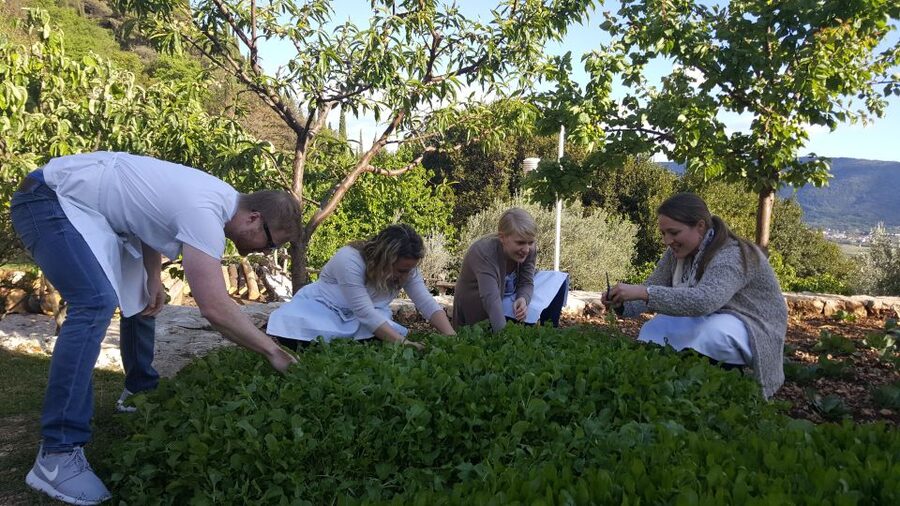
The garden visit gives the cooking a useful sense of place. Rather than hearing a general explanation about fresh ingredients, you can pick vegetables and fruit from the property and then use them in the meal.
I especially like this part for families and curious cooks. Children and adults can see how a simple ingredient moves from garden to plate. You might also taste wild spices, sample local sweets, or handle ingredients before they are cooked. The activity description specifically encourages you to get your fingers into bread mixtures, so this is a hands-on session in the most literal sense.
A farm visit can also involve activities not found in every standard departure. You may learn how to milk a goat and receive fresh cheese from the farm. These details add value because they connect the meal to household skills that are easy to miss when you only eat in restaurants.
The trade-off is that seasonal cooking means you cannot count on one fixed menu. The dishes depend on what is fresh and available at the property. I see that as a plus for authenticity, but it is worth knowing if you are booking with a particular recipe in mind.
Making a four-course Dalmatian meal
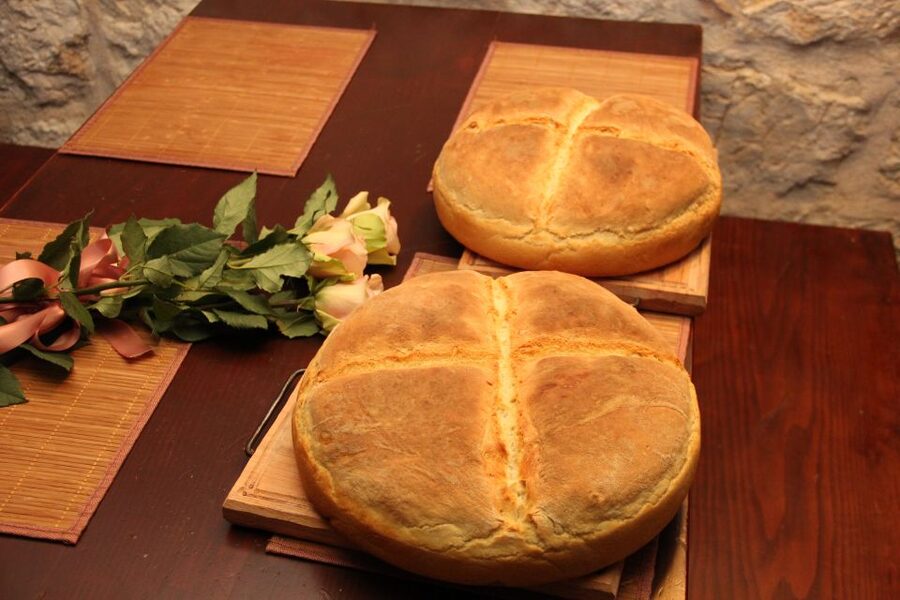
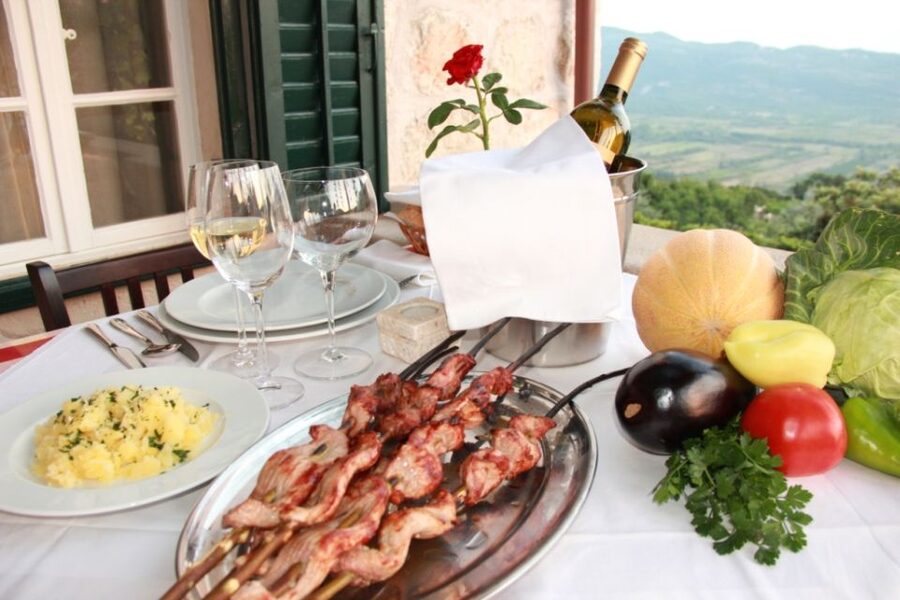
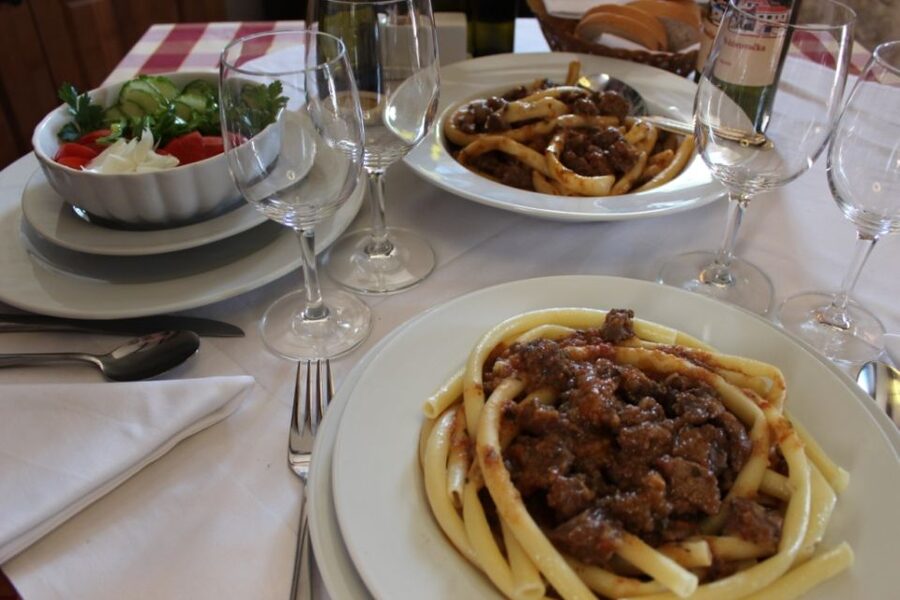
The class centers on a seasonal four-course menu. Possible dishes include Dalmatian peka made with lamb or veal, menestra made with cabbage and potatoes, meat skewers, chicken stew, rustic bread, dumplings, and dessert.
Peka is one of the most distinctive possibilities. Meat and vegetables are cooked under a heavy iron bell, producing a slow-cooked dish with a hearty, smoky character. You may not prepare every possible dish listed, since the menu changes, but the cooking process gives you a better sense of how rural Dalmatian meals are built around time, fire, and available produce.
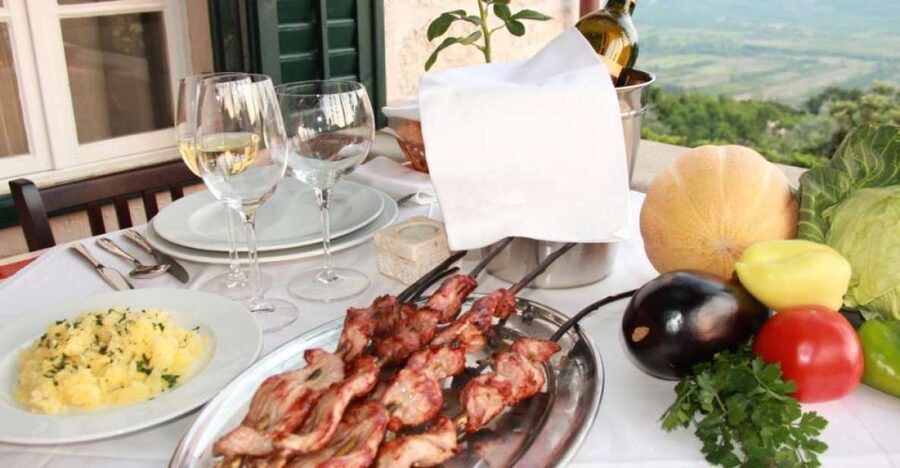
Menestra offers a different lesson. This cabbage and potato stew is plain in appearance but shows how satisfying local food can be without elaborate presentation. Meat skewers cooked over an open fire and pork threaded onto bay-leaf branches have also been part of the meal. Those small details make the cooking feel tied to local practice rather than adapted for tourists.
Bread is another hands-on element. You may mix and shape rustic dough, and the process can be messy. That is part of the fun, but wear clothes and shoes you do not mind using around food, soil, and an outdoor cooking area.
The class is led by the host family, with the guide helping the day run smoothly and translating cultural details. Nike is named as a cooking-class leader, while guides such as Oliver, Marija, and Miho have been praised for adding information during transport and throughout the visit. Do not expect a celebrity-chef performance. Expect instruction from people who cook these foods as part of family life.
A few more cooking classes around the world worth a look
- Florence: Pasta & Tiramisu Cooking Class with Unlimited Wine
★ 4.9 · 6,708 reviews - Florence: Pasta Cooking Class with Unlimited Wine
★ 5.0 · 6,413 reviews - Hanoi Cooking Class: Culture, Local Market & Meaning CSR Impact
★ 5.0 · 5,147 reviews - 5 Traditional Dishes Hanoi Cooking Class with Market Trip
★ 5.0 · 4,890 reviews
Sitting down to the meal you helped make
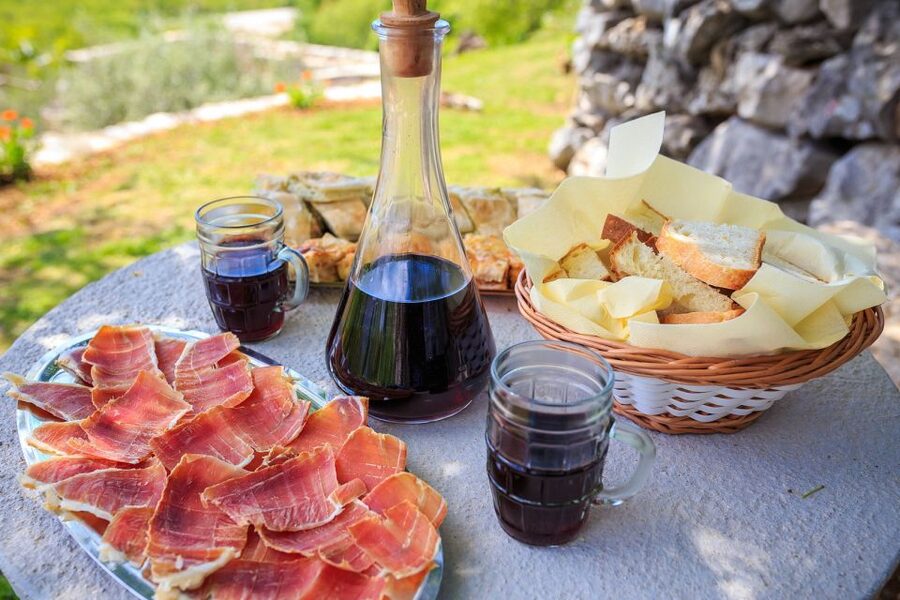
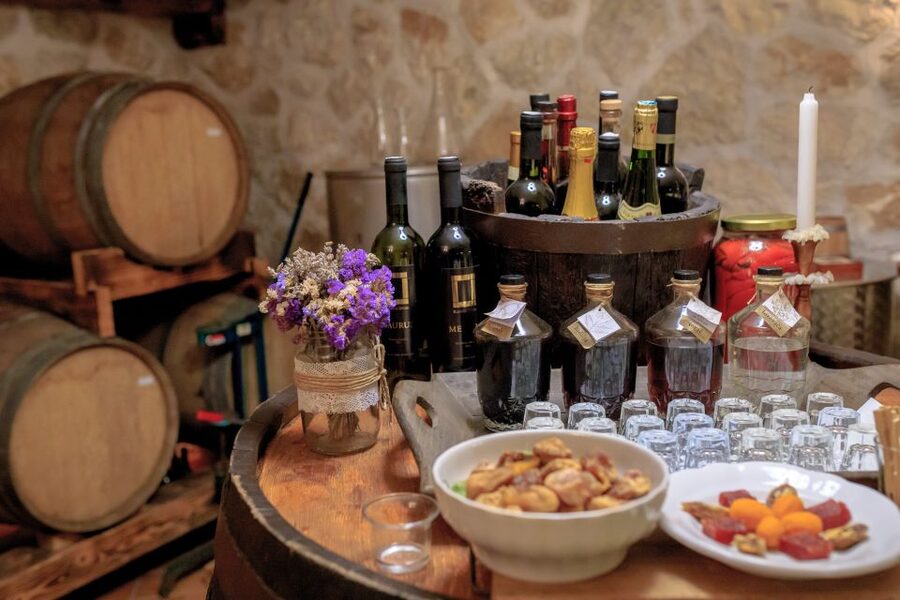
Once the food is ready, you sit down at the estate for a substantial four-course meal. Wine, brandy, other liquors, juice, and water are included, so the meal is not an extra-cost tasting with a small plate at the end.
This shared table is the emotional center of the day. You have seen the garden, helped prepare the food, and spent time with the family, so the meal carries more meaning than a dish ordered from a menu. The food is described as plentiful, and one account even wished there had been more room for dessert. Plan accordingly and pace yourself.
The drink selection also gives you a chance to try local household products. Homemade wine, brandy, olive oil, and regional sweets have been part of the welcome and meal experience. Since alcohol is included, tell the guide if you prefer juice or water, both of which are available.
There is one practical point here: the meal is centered on meat, dairy, bread, and traditional home cooking. The experience is specifically not recommended for vegans. If you have other dietary restrictions, the supplied information does not confirm how they are handled, so you should ask before booking rather than assume substitutions are available.
What the guide adds to the day
The guide is more than a driver. On the way out of Dubrovnik, you can expect commentary about points of interest, Croatian history, food, and the countryside. Oliver, Marija, and Miho are among the guides named in connection with the experience.
That guiding role matters because a rural visit can otherwise feel pleasant but disconnected. The guide helps explain what you are seeing and keeps the transport, arrival, cooking, and return journey organized. The family then supplies the personal side of the experience, sharing its property, food, and daily routines.
The balance between guide and host is one of the strongest features. You get an introduction to the wider area in the vehicle, followed by a closer look at one family’s way of living. I would value that combination more than a class held in central Dubrovnik, especially if you have already spent time seeing the Old Town.
Names and roles may differ on your date. The important point is to expect a team effort rather than one person delivering every part of the program.
How much value do you get for $235?
At $235 per person, this is a costly day compared with a simple Dubrovnik meal or a short market visit. The price includes transport, a licensed guide, equipment, drinks, and a seasonal four-course meal, so you are paying for a full outing rather than only an instructional session.
I think the price makes the most sense if you value time with a local family and want transportation handled for you. A private rural visit, a long meal, several drinks, and a guide can add up quickly if arranged independently. The experience also combines several activities in one day: countryside transport, gardening, food preparation, cultural conversation, and dining.
The value is weaker if you only want technical cooking instruction. You may spend as much time collecting ingredients, talking, and eating as you do learning specific methods. Since the menu changes and the class is family-led, you should not book this expecting a standardized culinary school course.
For me, the strongest value is the access. You are not just eating Dalmatian food. You are seeing where some ingredients come from, learning how a family prepares them, and sharing the finished meal in the same setting. That is a fair reason to spend more than you would on dinner alone.
Who will enjoy this most?
I would recommend the experience to you if you:
- Want a break from Dubrovnik’s historic center
- Enjoy eating family-style meals
- Like cooking with your hands instead of only watching
- Are curious about farming, gardens, and rural customs
- Appreciate flexible, seasonal menus
- Want a full-day cultural outing with transport included
- Enjoy wine, brandy, and homemade food
It is particularly suitable for people who see food as a way to understand a place. It also works well for couples, families, and small groups who enjoy sharing tasks and sitting at a long meal.
I would hesitate if you need wheelchair access, have significant mobility limitations, dislike outdoor or informal cooking, or follow a vegan diet. High heels are not allowed, and comfortable shoes and clothes are essential. The rural property and hands-on work call for practical clothing.
Useful planning details before you book
The activity is offered in English. Transportation is by air-conditioned vehicle, cooking equipment is supplied, and the seasonal four-course menu is included.
Bring comfortable shoes and clothes. You may work in a garden, handle dough, taste ingredients, and spend time around an outdoor cooking area, so this is not the day for delicate footwear or formal clothes.
Souvenirs and food or drink products bought to take home are not included. The included wine, spirits, juice, and water are for the experience itself.
You can reserve and pay later, which helps if your Dubrovnik schedule is still taking shape. Cancellation is allowed up to 24 hours in advance for a full refund. That is useful for a day trip plan, especially when weather or cruise schedules may affect your time in the area.
Should you book this Dalmatian cooking class?
Book it if you want the human side of Croatian food: a family kitchen, garden produce, shared work, local drinks, and stories about life outside Dubrovnik. The strongest part is not mastering a perfect recipe. It is helping create a meal and understanding why these dishes belong to this family and place.
Skip it if you want a polished, recipe-focused cooking school or if you need a fully accessible activity. At $235, the experience demands more than a casual booking, but the price is easier to justify when you treat it as a full cultural day with transport, food, drinks, and personal hospitality included.
FAQ
Where does the cooking class take place?
The class takes place at a typical country house and family estate in the rural area outside Dubrovnik, in the Dalmatian region of Croatia.
What food might I prepare?
The seasonal menu can include Dalmatian peka with lamb or veal, menestra made with cabbage and potatoes, meat skewers, chicken stew, rustic bread, dumplings, and desserts.
Is a meal included?
Yes. A seasonal four-course menu is included, and you eat the food prepared during the experience.
Are drinks included?
Yes. Wine, liquors, brandy, juice, and water are included. Food and drinks purchased as souvenirs are not included.
Is the class suitable for vegans?
No. The experience is not recommended for vegans and is centered on traditional dishes that can include meat, dairy, bread, and other animal products.
What should I wear and bring?
Bring comfortable shoes and comfortable clothes. High-heeled shoes are not allowed.
Is the experience accessible for wheelchair users?
No. It is not suitable for wheelchair users or people with mobility impairments.
Just added around the world
- Private Cape Malay Cooking Class in Cape Town with a Local Family★ 5.0 · 24 reviews
- Private Moroccan Cooking Class in Casablanca with a Local Expert★ 5.0 · 12 reviews
- Cooking Class and Wine Pairing in Capri★ 5.0 · 57 reviews
- South African Cooking in Cape Town with Local Chef Richard★ 4.5 · 10 reviews
- Langa Township and Bokaap Cooking Class Half Day Tour★ 5.0 · 4 reviews
- Private Authentic Mexican Cooking Class in Cancun with Alberto★ 5.0 · 3 reviews
- Private Authentic Cape Malay Cooking Class in Manenberg with Locals★ 5.0 · 5 reviews
- Cape Town Shore Excursion| South African Cooking & Port Transfers★ 5.0 · 3 reviews
Cooking Classes, compared.
Half-Day Thai Cooking Class at Organic Farm in Chiang Mai
Read our review →
Florence: Pasta Cooking Class with Unlimited Wine
Read our review →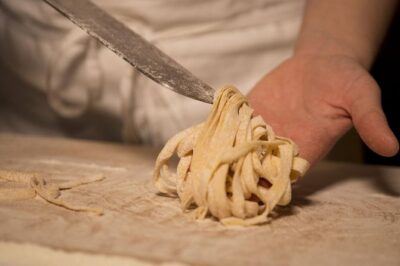
3 in 1 Cooking Class near Navona: Fettuccine, Ravioli & Tiramisu
Read our review →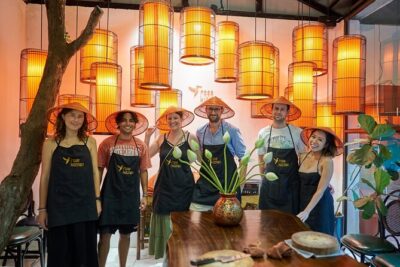
Hanoi Cooking Class: Culture, Local Market & Meaning CSR Impact
Read our review →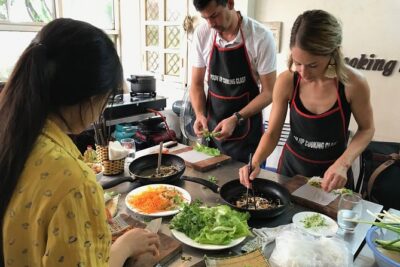
5 Traditional Dishes Hanoi Cooking Class with Market Trip
Read our review →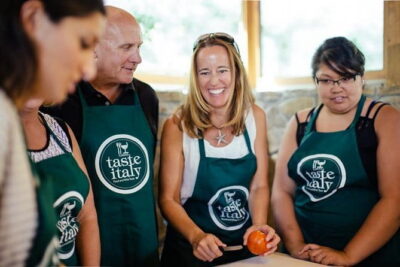
Cooking Class and Lunch at a Tuscan Farmhouse with Local Market Tour from Florence
Read our review →
Chiang Mai: Cooking Class, Market & Thai Herbs Garden Tour
Read our review →Browse the lists this tour appears in