
Review · ITALIAN
Tuscan Pasta Masterclass Small-Group Cooking Experience
The best part of this Florence cooking class is that you do not simply watch a chef make pasta. You get your own workstation, knead dough, shape several kinds of pasta, prepare sauces, and then sit down to eat what you made. The class is led in English, and the chef brings food knowledge to the table along with a fair bit of humor.
I like the hands-on format, which suits both first-time pasta makers and home cooks who already know their way around a rolling pin. I also like the small maximum group of 12, plus the convenient location near St Trinity Bridge. The main drawback is the firm dietary rule: the class does not accept minors under 16 or people requiring gluten-free, egg-free, or lactose-free food.
Key points at a glance
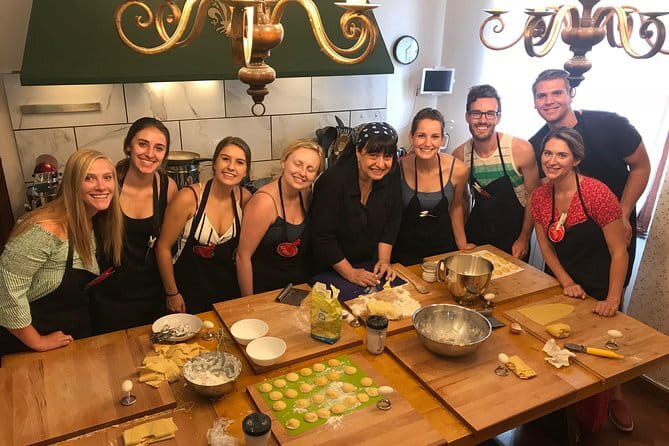
- Your own workstation: You actively mix, knead, roll, cut, and fill pasta rather than standing at the back of a demonstration.
- Tuscan specialties: Possible dishes include pici from Siena, Florentine gnudi, potato ravioli, pappardelle, and even old-style chocolate ravioli.
- Modern kitchen: The professional cooking space uses practical tools such as a gnocchi board and chitarra.
- Meal at the end: You sit down with your freshly prepared food, bottled water, and included wine.
- English instruction: Chef Vary, Roberto, or Julio may lead the session, depending on the class.
- Two and a half hours: The timing gives you enough room to cook several items without turning the class into a full-day commitment.
Cooking Tuscan pasta near St Trinity Bridge
The class meets at Via Romana 41r, a short walk from Florence’s St Trinity Bridge. That puts you in a handy part of the city, close enough to combine the class with a day of sightseeing without arranging a special trip across town.
You arrive at a modern, professional kitchen and get settled at your personal work area. The setting matters. A cramped counter or a chef working at the front while everyone watches can make a cooking class feel passive. Here, the aim is participation from the start.
The chef first works with the group to decide the menu. That means the exact dishes can vary. Possible choices include several traditional pasta shapes, sauces, and Tuscan starters, rather than one fixed recipe repeated at every sitting.
The chef also explains some of the food traditions behind the dishes. One unusual detail is the lead chef’s background as an archaeologist with a doctorate focused on the evolution of food. That gives the class a wider angle than simple recipe instruction. You learn not only what to do, but why certain ingredients, doughs, and methods matter.
More Pasta Making Classes in Florence
- Florence: Pasta Cooking Class with Unlimited Wine
★ 4.9 · 10,285 reviews - Florence: Pasta & Tiramisu Cooking Class with Unlimited Wine
★ 4.9 · 6,708 reviews - Florence: Pasta Cooking Class with Unlimited Wine
★ 5.0 · 6,413 reviews
Kneading, cutting, and shaping from scratch
The working section is the heart of the experience. You learn how to prepare ingredients, clean and cut them, knead dough, shape pasta, and cook the finished dishes. The class uses easy, specific tools that help beginners get a feel for the process.
You might work with several dough styles. One session included semolina dough, egg pasta with spinach, and egg pasta colored with charcoal. The menu can include cavatelli, linguine, and ravioli, giving you different lessons in shaping and handling dough.
The tools are part of the fun. A gnocchi board creates ridges and texture, while a chitarra, a traditional pasta-cutting tool, helps produce a different style of noodle. These are useful details to learn because they change how sauce clings to the pasta. You are not just making food that looks Italian. You are seeing how shape, texture, and sauce work together.
Ravioli brings another skill into play. You prepare filling, place it carefully, seal the dough, and cut the pieces without trapping too much air. The class may use potato, mushroom, or meat fillings, depending on the menu chosen. You may also make ravioli with spinach and ricotta, or try the less common cacao ravioli, described as an old recipe with a sweet and savory character.
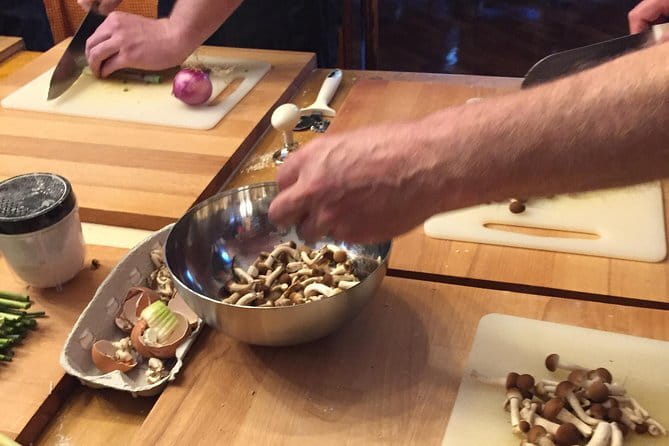
The work is meant to be social and light. You may find yourself crying over onions, laughing at an unfamiliar local pasta shape, and trading tips with the people at nearby workstations. The group format is part of the appeal, but it also means the pace is shared. If you want private instruction focused only on your technique, a one-to-one lesson would suit you better.
Tuscan dishes you may prepare
The possible menu gives this class more range than a basic tagliatelle lesson. Your food may include:
- Pici: Thick, hand-rolled spaghetti associated with Siena. It is rustic, simple, and a good introduction to shaping pasta without relying on a machine.
- Ravioli with potatoes: A traditional filling that may be served with butter and cheese, mushrooms, or meat.
- Pappardelle: Broad ribbons that can be paired with tomato, local pesto, meat sauce, garlic and cheese, or pancetta with leek.
- Spinach and ricotta crepes: A softer dish that adds variety to a meal otherwise centered on pasta.
- Gnudi: A Florentine specialty made with ricotta and spinach, not potatoes. Think of it as a tender, nearly naked filling served in dumpling form.
- Cacao ravioli: An older and unusual recipe that adds a surprise to the menu.
- Tagliatelle with chickpeas: A hearty combination that shows how simple Tuscan ingredients can make a satisfying dish.
Do not expect to prepare every item listed above in one two-and-a-half-hour session. The menu is selected with the chef when you arrive, and the class has to balance several recipes with the available time. That flexibility is useful for the group, but it means you should not book expecting one exact dish unless it has been confirmed ahead of time.
Tuscan cooking often depends on restraint. The food does not need a long list of ingredients when the dough, sauce, cheese, herbs, and vegetables are handled well. The class places weight on that idea of simplicity and taste, which is valuable for home cooks. You leave with methods you can repeat, not just a single complicated recipe.
From workstations to a shared meal
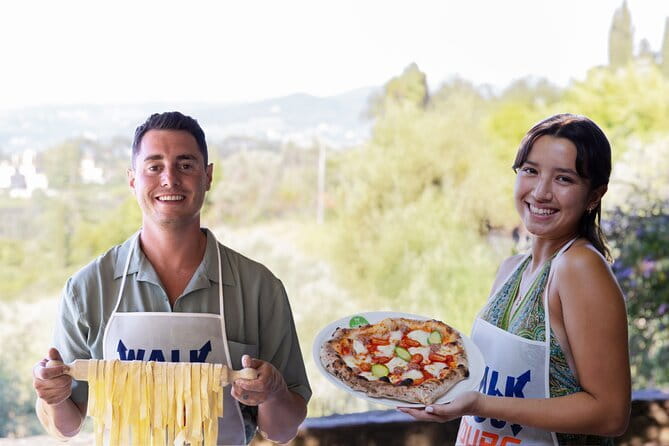
Once the pasta and sauces are ready, you sit down and eat what you made. This closing meal is more than a convenient way to finish the class. It lets you judge the dough, sauce, seasoning, and texture after doing the work yourself.
The meal also gives the class a natural social finish. A mother and daughter, couples, friends, and solo participants can end up sharing the same table and comparing their results. The included wine helps mark the transition from cooking lesson to lunch or dinner.
The package includes two glasses of wine per person, or one bottle for every four people. Bottled water is also included. Extra wine can be purchased at a discount from the associated wine store.
One practical point: the wine arrangement is limited. Red wine is included, while one participant specifically wished white wine had been an option. If you have a strong preference, ask before booking rather than assuming the beverage selection can be changed.
The food is generally the reward for the effort, but the class is not a restaurant meal where every dish arrives perfectly plated by a professional kitchen. You help make it, and that means the shapes and portions may have the pleasing irregularity of handmade pasta. For many people, that is the point.
Same place, a different menu:
- Cooking Class and Lunch at a Tuscan Farmhouse with Local Market Tour from Florence
★ 5.0 · 4,831 reviews - Pastamania – Florence Pasta Making Class
★ 5.0 · 3,050 reviews - Florence: Cooking Class Pasta & Tiramisu Making Unlimited Wine
★ 5.0 · 2,234 reviews - Florence Cooking Class The Art of Making Gelato & Authentic Pizza
★ 5.0 · 2,053 reviews
A class for beginners and serious home cooks
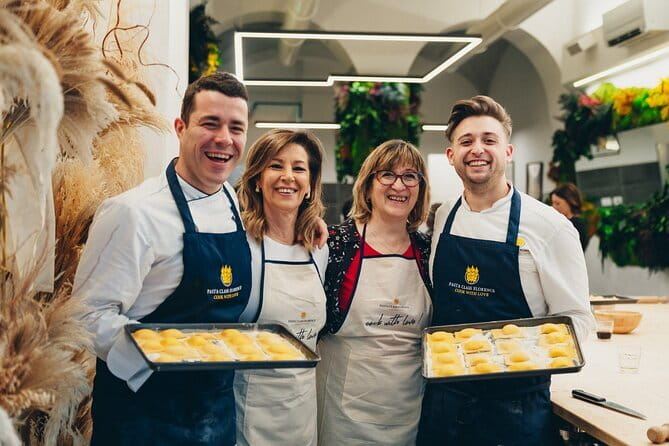
You do not need previous experience. The steps are broken down as you go, and the tools make unfamiliar techniques easier to try. Beginners can learn the basic feel of dough, while intermediate cooks can pay attention to hydration, kneading, shaping, and sauce balance.
The class also appears to offer enough practical work for people who already make pasta at home. One session included several dough varieties and pasta shapes, with participants mixing and kneading their own dough rather than simply watching a demonstration.
The chef may cook some sauces while the group continues rolling, cutting, or filling pasta. That is efficient, but it means not every part of the meal is prepared entirely by each person. You take an active role in the main techniques, while the chef handles some timing and cooking tasks to keep the meal on track.
Chef Vary is described as direct and frank, with a strong personality. Some people will appreciate that clear style, especially when learning a technical skill. If you prefer a very gentle, formal teaching approach, you should know that the tone may be more blunt and humorous.
Chef Roberto has been praised for being kind and attentive, including handling a booking mix-up by finding room for an unexpected couple. Chef Julio has also led an organized, enjoyable class and shared recipes afterward. The exact instructor depends on the date, so do not assume you will meet a particular chef unless the operator confirms it.
What the $156.20 price gets you
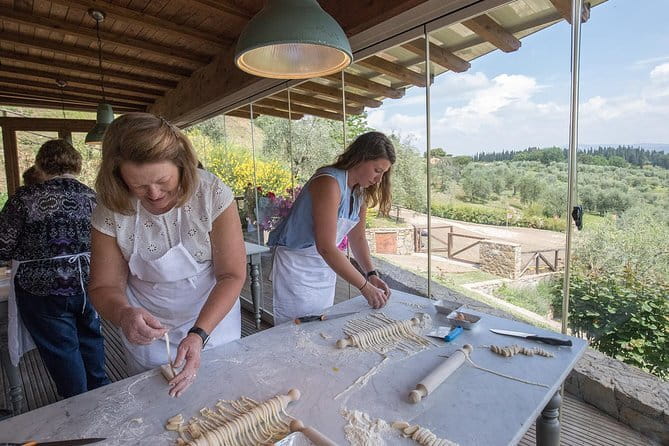
At $156.20 per person, this is not a cheap meal. You are paying for roughly two and a half hours of instruction, ingredients, use of a modern kitchen, a personal workstation, bottled water, wine, and the meal you prepare.
The value improves if you want more than a plate of pasta. You learn several techniques, use tools you may not have at home, hear about Tuscan food traditions, and eat the results. A restaurant meal at this price could offer more courses and service, but it would not teach you how to make pici, ravioli, gnudi, or fresh pasta dough.
The small group also matters. With a maximum of 12 people, the chef can move around the room and see how you are working. That does not guarantee private coaching every minute, but it is a better setup than a large class where you may only see the demonstration.
I would consider the price fair for visitors who value a practical cultural activity and expect to use the recipes again. It is less attractive if you mainly want an inexpensive lunch or if you are not interested in cooking. The class is an experience first and a meal second.
Timing, age rules, and food restrictions
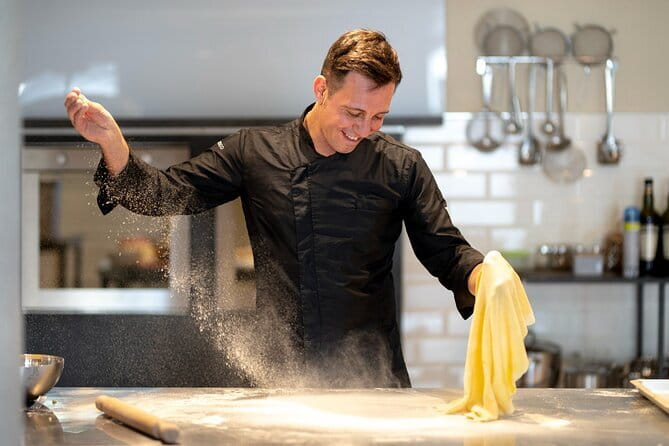
The class lasts about two hours and 30 minutes. That is long enough for multiple pasta shapes and sauces, but short enough to fit into a busy Florence schedule. You may want to avoid booking it immediately before a timed museum entry, since cooking pace can vary and the sit-down meal comes at the end.
The minimum age is 16. The restriction is firm, so this is not a family activity for younger children.
The class does not accept gluten-free, egg-free, or lactose-free requirements. The supplied information also lists cheese-free restrictions as not permitted. That is important because eggs, cheese, and wheat are central to many of the possible dishes.
The menu can be adjusted with the chef to suit the group in some cases. One class made mostly vegan pasta to accommodate participants. Still, you should not count on a safe substitute for a medical allergy or a strict dietary requirement. If you need gluten-free, egg-free, lactose-free, or cheese-free food, choose another cooking activity.
You receive booking confirmation at the time of reservation. The experience is non-refundable and cannot be changed after booking, so make sure your date, age requirements, and food needs are correct before paying. The operator requires a minimum number of participants, and if that minimum is not reached, you are offered another date or experience, or a full refund.
Who should book this Florence cooking class?
This class suits couples, friends, solo food lovers, and older teenagers aged 16 or above. It is especially good for people who want to take home a skill, not just a souvenir. Beginners should feel comfortable, while intermediate home cooks can focus on the finer points of dough and shape.
It is also a strong choice for a rainy afternoon or evening in Florence. The activity is indoors, practical, and centered on food that connects directly to Tuscany.
I would skip it if you dislike group activities, have strict food restrictions, want a fixed menu, or prefer a polished restaurant meal with no kitchen work. I would also avoid it if you are looking for a quiet private lesson. The humor and direct teaching style may not suit everyone, though many people will find it lively and easy to remember.
FAQ
Where does the Tuscan pasta class meet?
The meeting point is Via Romana, 41r, 50125 Florence, Italy. The kitchen is a short walk from St Trinity Bridge.
How long does the cooking experience last?
The class lasts approximately two hours and 30 minutes. It ends back at the meeting point after the meal.
What is the maximum group size?
The class accepts a maximum of 12 participants.
Is the class taught in English?
Yes. The chef speaks English, and the experience is offered in English.
What age do you need to be to attend?
Participants must be at least 16 years old. Minors under 16 are not allowed.
Is wine included?
Yes. The package includes two glasses per person, or one bottle for every four people. Bottled water is also included. Extra wine may be purchased at a discount from the wine store.
Can I attend if I need gluten-free, egg-free, lactose-free, or cheese-free food?
No. The stated restrictions exclude gluten-free, egg-free, lactose-free, and cheese-free requirements. The chef may adjust a menu for some preferences, but the class is not suitable for strict dietary needs.
Should you book it?
Book this class if you want a real cooking session with several pasta techniques, a small group, and a meal made by your own hands. The strongest reasons are the personal workstations, the variety of Tuscan recipes, the English-speaking chefs, and the chance to learn tools such as the chitarra and gnocchi board.
At $156.20, it makes sense for you if the lesson matters as much as the food. Confirm the dietary rules, accept that the chef and menu may vary, and keep the rest of your schedule flexible. For pasta lovers who want to bring a piece of Tuscan cooking home, this is a worthwhile Florence activity.
More Italian Cooking Classes in Florence
- Tuscan Cooking Class and Dinner in Florence
★ 4.5 · 732 reviews - Florence: Cooking Class at a Tuscan Farm & Local Market Tour
★ 4.9 · 354 reviews - Florence: Tuscan cooking class with handmade pasta and wine
★ 4.7 · 316 reviews - Small Group Pasta Making Class Wine Tasting in a Tuscan Castle
★ 5.0 · 142 reviews
Just added around Florence
- MaMa Florence- Tuscan Cooking Class in Florence★ 5.0 · 41 reviews
- Traditional Cooking Class in Florence Countryside with Fabio★ 5.0 · 62 reviews
- The Cooking Lab – Authentic Food Experience★ 5.0 · 113 reviews
- 5 Hours Truffle Hunt Experience with Cooking Class★ 5.0 · 54 reviews
- Florence Pizza & Tiramisù Cooking Class: Small Group Experience★ 5.0 · 10 reviews
- Cooking class and home made pasta in Florence with LA VIVANDIERA!★ 5.0 · 5 reviews
- Vegetarian cooking class in the Florentine Hills 6 guests max★ 5.0 · 21 reviews
- Semi Private Cooking Class in Private Villa with Optional Market Visit and Transfer from Florence★ 5.0 · 4 reviews
Pasta Making Classes, compared.
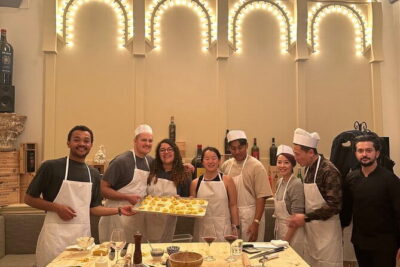
Florence: Pasta Cooking Class with Unlimited Wine
Read our review →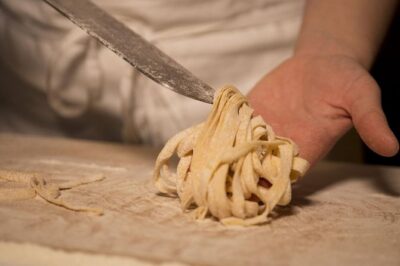
3 in 1 Cooking Class near Navona: Fettuccine, Ravioli & Tiramisu
Read our review →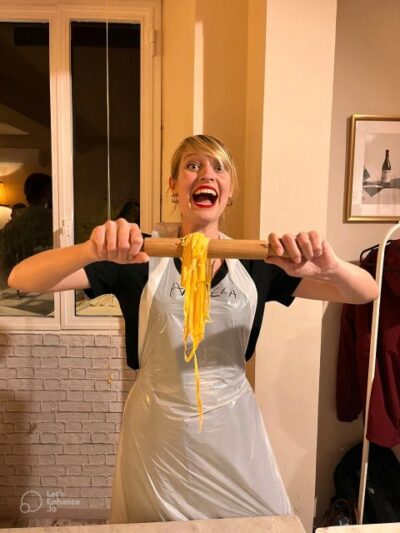
Rome: Pasta Making Class with Wine, Limoncello, and Dessert
Read our review →
Rome Cooking Class: Make Pasta and 3 Spritz Cocktails
Read our review →
Rome: 3-in-1 Fettuccine, Ravioli, and Tiramisu Cooking Class
Read our review →
Rome: Fettuccine Pasta Cooking Class in Rome’s City Center
Read our review →Browse the lists this tour appears in