
Review · KATHMANDU
Kathmandu: Local Women-Lead Nepali Cooking & Momo Class
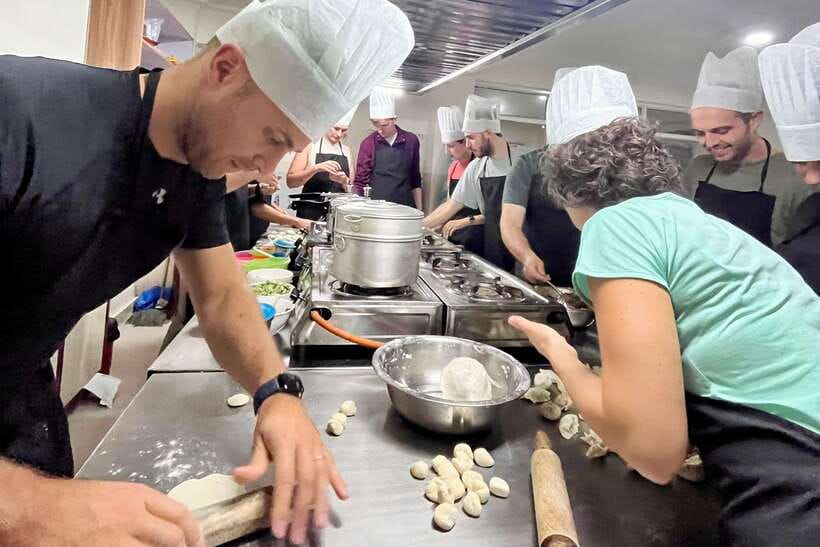
The best part of this Kathmandu class happens before the first dumpling is folded: you visit a nearby market and help choose the ingredients that will become your meal. I like that the cooking is genuinely hands-on, and I like the small group size, limited to 10 people. You are not simply watching a chef stir a pot.
I also like the chance to shape the menu. Along with dal bhat and, when the group chooses it, momo, you can often select a starter, main course, and dessert. The one thing to clarify at booking is the menu: momo is a key focus, but one class had to agree as a group before making it.
The class lasts about three hours, sometimes closer to four, and the food is plentiful. That makes it a fine afternoon plan, but hotel transport may take longer than expected in Kathmandu traffic. If you choose pickup, allow some slack in your schedule.
Key points at a glance
- A market visit comes first: Shop for fresh ingredients near the school before cooking.
- Momo is popular but menu choice is shared: Confirm that your group plans to make it if dumplings are your main goal.
- You cook a full Nepali meal: Dal bhat, a chosen starter or main, and dessert can make for a very filling finish.
- Small groups keep you involved: The class is limited to 10, and solo participants can join a small group or sometimes receive a private-style lesson.
- Local instruction is a strong point: Nish and Nishma have been singled out for patient explanations, clear English, and friendly teaching.
- The price is unusually low: At $5 per person, this is remarkable value if the listed rate applies to your booking option.
Starting in Thamel with a short market visit
Your meeting point is Kathmandu Cooking Academy in Thamel. You can find it on Google Maps, or select hotel pickup if that option is offered with your booking. Pickup and drop-off cover locations within Kathmandu Valley, but transport is not automatic, so check that you have selected it.
Arrive at least 15 minutes early. That matters here because the class is tied to a market stop, preparation, and cooking time. A late arrival could mean missing the ingredient shopping or making the group wait.
The market visit is more useful than a quick photo stop. You help buy the important ingredients for the dishes, then see how a Nepali meal begins with ordinary local produce and spices. The exact shop or market details are not fixed in the information provided, but it is described as being close to the cooking school.
I like this opening because it gives you a little context before the cooking starts. You are not handed a premeasured box of ingredients with no explanation. At the same time, keep your expectations sensible. This is a practical shopping visit, not a long guided food tour through Kathmandu.
More Hands-On Workshops in the world:
- Half-Day Thai Cooking Class at Organic Farm in Chiang Mai
★ 5.0 · 19,087 reviews - Florence: Pasta Cooking Class with Unlimited Wine
★ 4.9 · 10,285 reviews - 3 in 1 Cooking Class near Navona: Fettuccine, Ravioli & Tiramisu
★ 5.0 · 7,376 reviews
Choosing between momo, dal bhat, and other dishes
The class centers on two famous Nepali foods. Momo are filled dumplings, usually shaped by hand, while dal bhat combines lentil soup with rice and accompanying dishes. Together, they give you two very different lessons: one about careful folding and filling, the other about building a complete everyday meal.
The menu has some flexibility. You may choose a starter, a main course, and a dessert from the options available that day. Past menu choices have included chicken momo, aloo chop, mushroom choila, barra, and other Nepali dishes. The exact choices are not guaranteed, so consider the class a guided menu selection rather than a fixed recipe demonstration.
This flexibility is useful for mixed groups. One person can favor dumplings, another can choose a vegetarian dish, and the group can work toward a shared meal. It also means you should speak up at the beginning. If momo are your priority, ask whether the group can include them before the shopping starts.
That point is worth taking seriously. One participant expected momo but found that the class first required the group to choose what to cook. Fortunately, the small group agreed to make them. For a solo booking, your preferences may carry more weight, but the class is still organized around shared choices.
Learning from Nish, Nishma, and the kitchen team
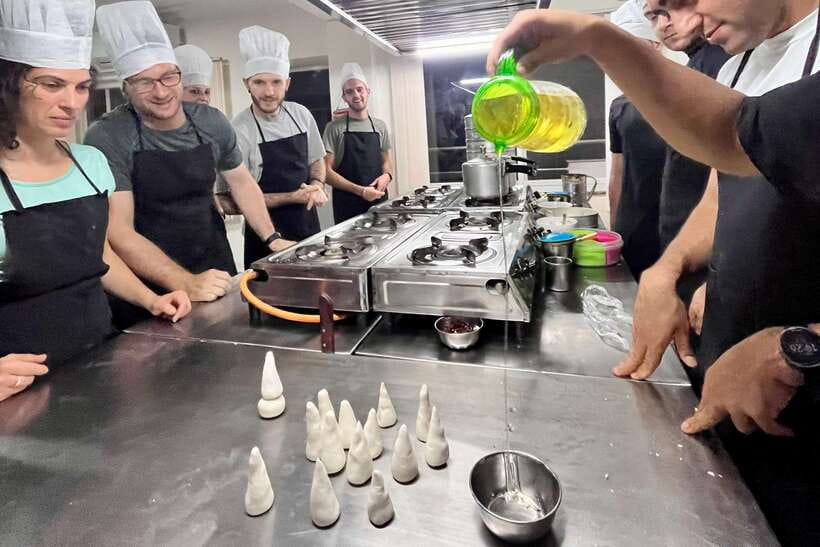
The instruction is in English, and the class is led by an experienced local chef. Specific instructors can vary, but Nish has been praised for being thorough and informative, while Nishma has been described as patient, friendly, and especially clear in English.
That teaching style suits beginners. You receive step-by-step instructions, use the provided equipment, and take part in preparation rather than watching from the side. One solo participant received what felt like a private lesson, with the teacher patiently helping despite limited kitchen skills.
The tone also seems relaxed. Several classes included humor and conversation about Nepali food and Kathmandu. That is important in a cooking class because the pace can otherwise feel mechanical. Here, you are learning food customs as well as kitchen steps.
Still, this is a small cooking school class, not a professional culinary course. You should expect practical guidance and a good meal, not a certificate or advanced chef training. The most useful result is that you can take the recipes home and try them again.
One particularly handy touch is the recipe PDF sent after the class. A cookbook has also been available for 400 NPR in at least one class. If you want to recreate the dishes, ask about the recipe material before leaving.
Folding momo and preparing a full meal
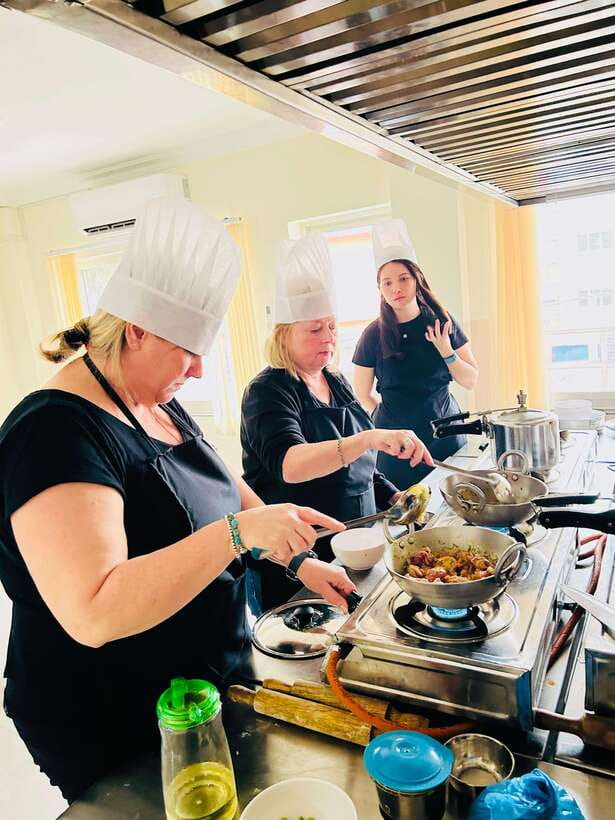
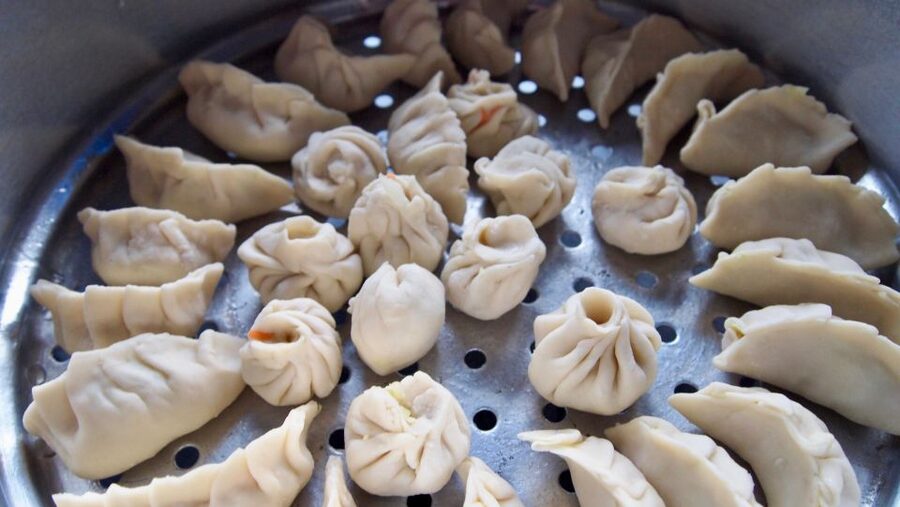
Momo making is the hands-on highlight for many people. You help prepare the filling, work with the dough, and learn how to shape the dumplings under instruction. The exact method depends on the recipe selected, but the format gives you time to practice instead of watching a single perfect demonstration.
Do not worry if your first momo looks uneven. The point is to learn the process and enjoy the meal. The class is suitable for people with little kitchen experience, and the instructors have been patient with beginners.
Dal bhat offers a different kind of lesson. It is Nepal’s staple meal, so making it helps you understand a dish you are likely to see throughout the country. The class presents it as part of a larger meal rather than as an isolated recipe, which makes the cooking useful for everyday home meals.
Your additional dish may be a starter or dessert, depending on the group’s choice. Aloo chop, barra, choila, and other options have appeared in previous menus. The range is helpful if you have already eaten plenty of dal bhat during your stay and want to try something less familiar.
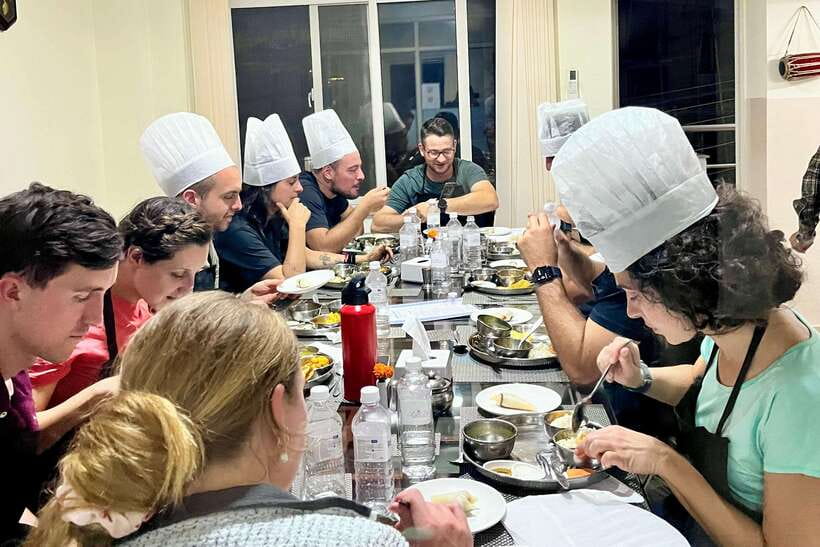
The meal at the end is not a small tasting plate. You prepare and eat the food you have made, and portions can be generous. Come hungry, especially if the group chooses several dishes. The class can easily become a substantial lunch or dinner.
A few more cooking classes around the world worth a look
- Florence: Pasta & Tiramisu Cooking Class with Unlimited Wine
★ 4.9 · 6,708 reviews - Florence: Pasta Cooking Class with Unlimited Wine
★ 5.0 · 6,413 reviews - Hanoi Cooking Class: Culture, Local Market & Meaning CSR Impact
★ 5.0 · 5,147 reviews - 5 Traditional Dishes Hanoi Cooking Class with Market Trip
★ 5.0 · 4,890 reviews
Adapting the class for vegetarian diets and spice levels
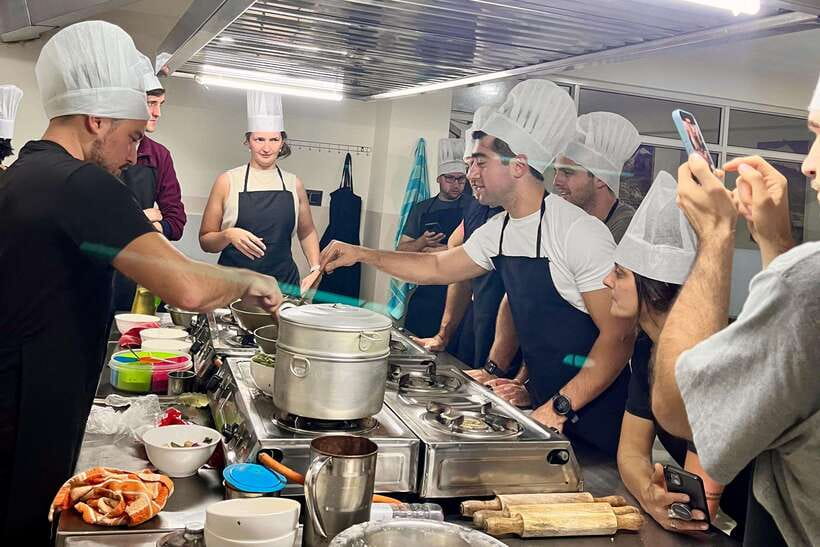
Tell the school about allergies, dietary restrictions, and spice preferences in advance. The class has adjusted for vegetarian needs and different spice levels, but you should not wait until the chopping begins to explain your requirements.
This is also the right time to discuss meat choices. Past dishes have included chicken momo, but vegetarian options have also been used. Since the menu is selected with the group, early notice gives the chef more room to plan.
Nepali food can include heat, but you do not need to treat spice as a test of courage. If you prefer mild food, say so. The class has been able to adjust spice levels, which makes it more approachable for families and people new to South Asian cooking.
Nepali masala tea is served during the lesson. It is a simple but welcome part of the class, giving you something warm to sip while the food is being prepared. Specialty and alcoholic drinks are not included, so plan to pay separately if you want anything beyond the provided tea.
Small groups, solo bookings, and family suitability
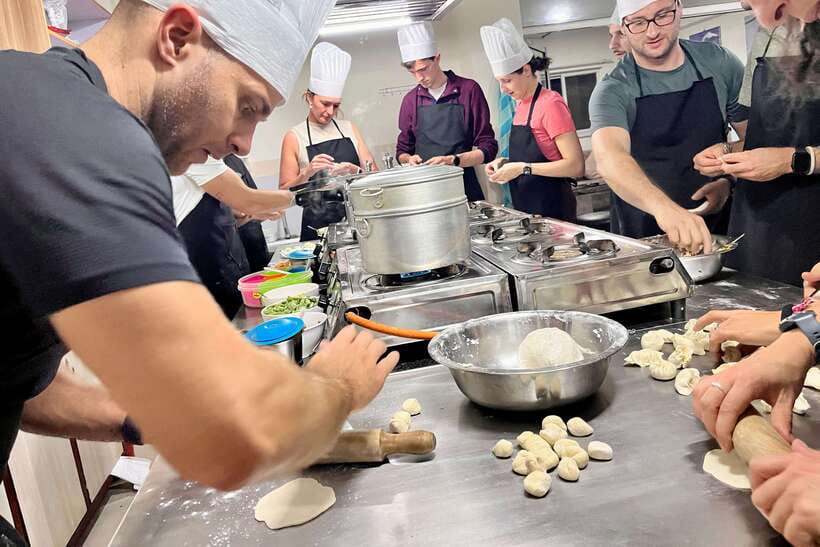
The maximum group size is 10, which keeps the session personal enough for hands-on work. In practice, groups may be much smaller. Some sessions have had only one student, while others joined a solo participant with a few other people.
A small booking can be an advantage. One person received a private-style class when no other student joined, and the school ran the session anyway. That is not something you should assume will happen every time, but the minimum requirement may be two participants. If that minimum is not met, you will be offered another date or a full refund.
Children older than 7 can take part with adult supervision. Children under 5 are not suitable, and the information does not clearly confirm arrangements for children aged 5 to 7, so ask before booking if that applies to your family.
The activity is wheelchair accessible. You should still mention any access needs when arranging pickup or confirming the venue, since the class involves a nearby market visit and active kitchen work.
Is the $5 price good value?
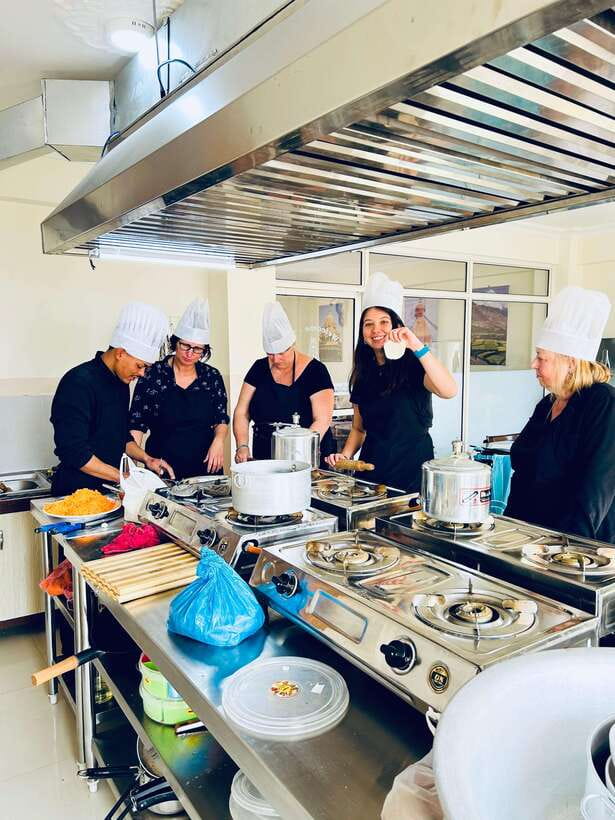
At $5 per person, this is exceptional value on paper. You get a market visit, instruction from a local chef, use of kitchen equipment, masala tea, and the food you prepare. For a visitor who wants a cultural activity that also covers a meal, it is hard to find much downside at that rate.
Check the exact booking option before assuming the final cost. Hotel pickup and drop-off are optional, and specialty or alcoholic drinks are not included. The low listed price may apply to the class itself rather than every transport arrangement.
The value is not just the number of dishes. You learn methods you can repeat at home, and the recipe PDF can extend the experience beyond one afternoon. If a cookbook is available, it may be a worthwhile small extra for anyone serious about cooking Nepali food later.
Transport deserves a practical warning. One class had late pickup and drop-off, with Kathmandu traffic given as the reason. If you arrange transport, avoid placing the class immediately before a flight, long-distance bus, or fixed evening booking.
What the three to four hours feel like
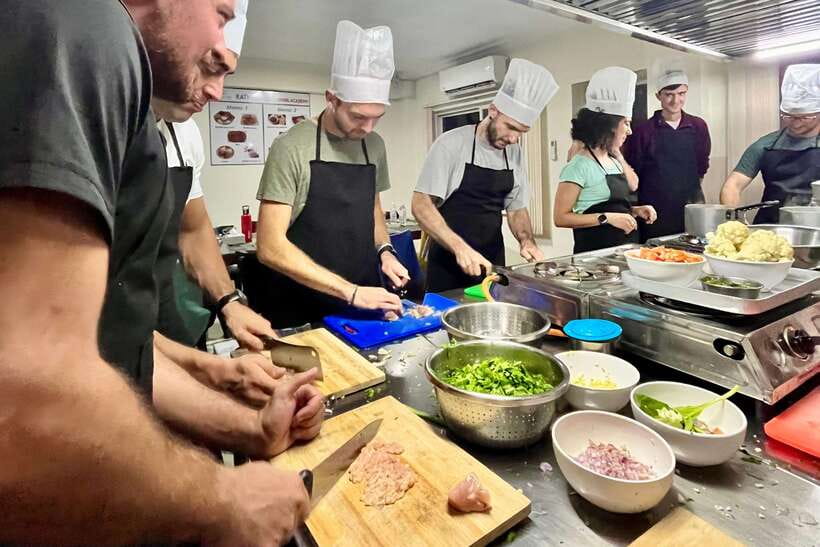
Allow three hours as a normal estimate, with some sessions running closer to four. The time includes pickup if selected, the market visit, ingredient preparation, cooking, eating, and cleanup or final explanations.
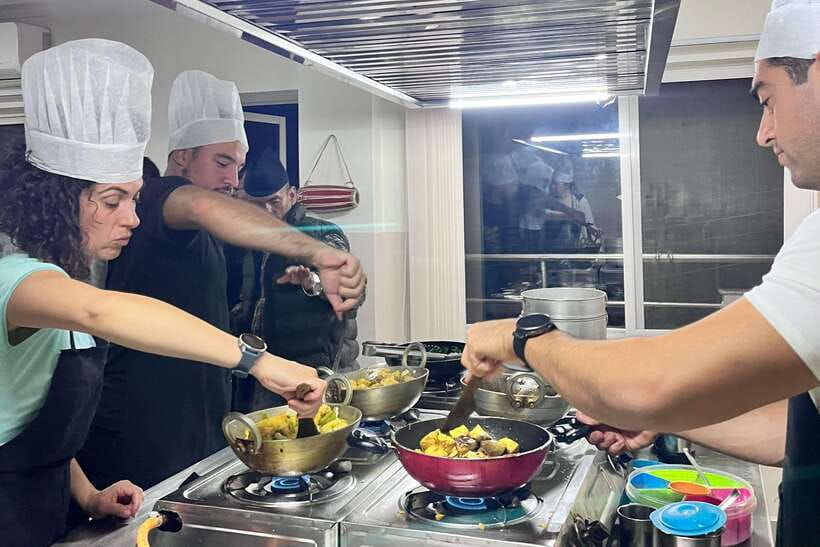
The market portion starts the process. Back at the school, the chef explains the menu and takes you through each recipe. You then prepare the food with the group, using the school’s cooking equipment and accessories.
The pace should feel active rather than rushed. There is enough time to shape momo, work through dal bhat, and prepare the extra dishes. You will also have time to eat what you made, which is a major part of the appeal.
Wear comfortable clothing. You will be standing and working with food, and the class is not designed as a passive demonstration. Bring a camera if you want photos, but keep it out of the way while handling ingredients.
The class finishes with the meal and a chance to leave with practical recipes and new ideas. Since food portions can be large, do not schedule it after a heavy meal.
Hotel pickup or meeting in Thamel
Meeting at the cooking academy is the simplest option if you are already in Thamel. The school is described as being centrally located in Thamel and easy to find, but use the supplied Google Maps location rather than relying on a general search for the name.
Pickup is useful if you are staying elsewhere in Kathmandu Valley or would rather not navigate the city. It is only included when you select that option, so read the booking choice carefully.
Kathmandu traffic can slow the vehicle in both directions. The service received a strong transport score overall, but late collection and return have happened. I would choose pickup for convenience, not for precise timing.
If you are meeting at the academy, arrive early and allow time to locate the entrance. The class needs to begin on schedule because the market stop comes first.
Who should book this Kathmandu cooking class?
I would choose this for a food-focused visitor who wants to do more than eat momos in a restaurant. It works especially well during a first Kathmandu visit because you learn about dal bhat, see ingredients being bought locally, and get a meal at the end.
It also suits solo visitors. You may join a small group, and the school has run a class for a single participant when circumstances allowed. Families with children over 7 can consider it too, provided an adult takes part and the child is comfortable with hands-on cooking.
Vegetarians should feel encouraged to ask about the menu. The class has adjusted dishes and spice levels, but advance notice remains important.
I would be more cautious if you need a tightly timed activity, dislike shared menu decisions, or want guaranteed momo without checking first. The class is flexible, and that is part of its charm, but flexibility means the final menu can depend on the group.
Cancellation is free up to 24 hours before the activity, and you can reserve now and pay later. The class is offered in English and is limited to 10 participants.
Should you book it?
Yes, if you want a low-cost, practical introduction to Nepali food. The strongest reasons are the nearby ingredient shopping, patient instruction, small groups, and the chance to eat a full meal you helped make.
Before booking, confirm three things: that momo can be included, that your dietary needs are understood, and whether you need hotel pickup. If you can accept a flexible menu and possible Kathmandu traffic delays, this is one of the better ways to turn an ordinary afternoon in Thamel into something useful, social, and delicious.
FAQ
Where does the cooking class take place?
The class takes place at Kathmandu Cooking Academy in Thamel, Kathmandu. The supplied meeting point is available through Google Maps.
How long does the activity last?
The class lasts about three to four hours. This includes the market visit, ingredient preparation, cooking, and eating.
Is hotel pickup included?
Hotel pickup and drop-off are available only if you select that option when booking. Pickup is offered from locations within Kathmandu Valley.
What food will I cook?
The class focuses on momo and dal bhat. You can also choose an additional starter, main course, or dessert from the options available for the session.
Is momo guaranteed?
Momo are a main focus, but the group may need to choose the menu together. Confirm your preference before the class if making momo is your main reason for booking.
Is the class suitable for vegetarians?
The class can adjust to vegetarian preferences. Tell the provider about dietary restrictions, allergies, or spice requirements in advance.
Is the class taught in English?
Yes. The instructor language is English.
Can children join the activity?
Children over 7 can participate with adult supervision. Children under 5 are not suitable for the class.
Just added around the world
- Montreal: Cooking Class & Lunch with Michelin-Trained Chef★ 4.4 · 32 reviews
- Mojo Workshop Cooking Class in Ancient Canarian Village★ 4.9 · 127 reviews
- MoMo or Dal Bhat Cooking Class at Aama Kitchen in Pokhara★ 4.9 · 28 reviews
- Mirissa: Cooking Class with Beer and Meal★ 3.3 · 4 reviews
- Modena: Home Cooking Class Tagliatelle and Ragu and Tiramisu★ 5.0 · 23 reviews
- Moires: Cooking Class and Olive Oil Tasting at a Family Farm★ 5.0 · 93 reviews
- Milan: Private Cooking Class at a Local’s Home★ 5.0 · 9 reviews
- Rome Pizza & Gelato Cooking Class★ 4.6 · 49 reviews
Cooking Classes, compared.
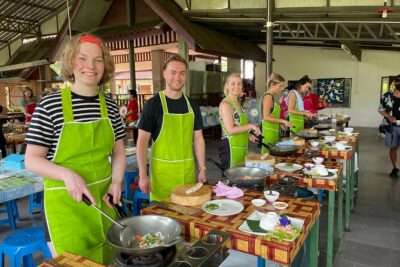
Half-Day Thai Cooking Class at Organic Farm in Chiang Mai
Read our review →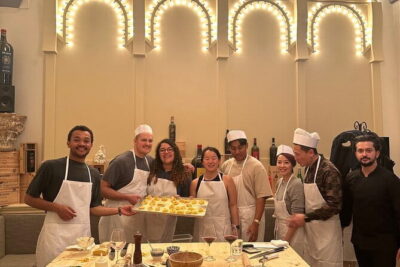
Florence: Pasta Cooking Class with Unlimited Wine
Read our review →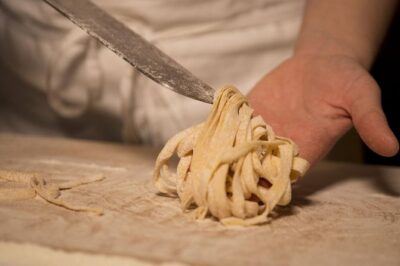
3 in 1 Cooking Class near Navona: Fettuccine, Ravioli & Tiramisu
Read our review →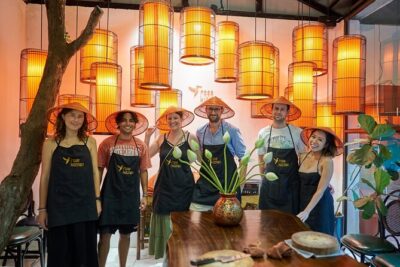
Hanoi Cooking Class: Culture, Local Market & Meaning CSR Impact
Read our review →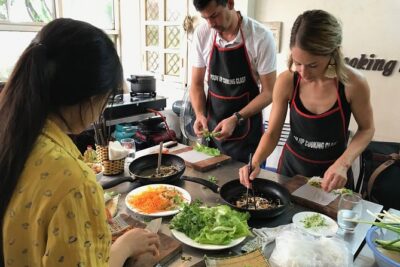
5 Traditional Dishes Hanoi Cooking Class with Market Trip
Read our review →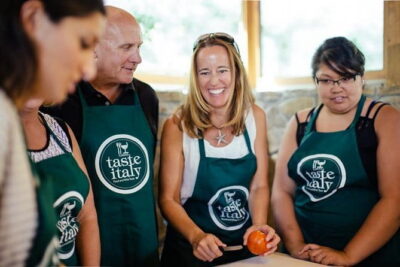
Cooking Class and Lunch at a Tuscan Farmhouse with Local Market Tour from Florence
Read our review →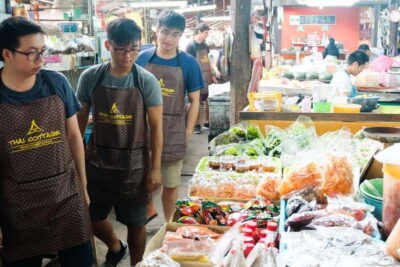
Chiang Mai: Cooking Class, Market & Thai Herbs Garden Tour
Read our review →Browse the lists this tour appears in