
Review · KATHMANDU
Kathmandu: Local Lead Nepali Cooking & Momo Making Class
The best part of this Kathmandu cooking class happens before you reach the stove. You walk to a nearby market with your chef, choose fresh ingredients, then return to the Kathmandu Cooking Academy to turn them into momo, dal bhat, and other Nepali dishes. It is a practical way to understand what people cook, not just what appears on a restaurant menu.
I like the small groups of up to 10 and the patient, step-by-step teaching. I also like that you are not locked into one fixed menu. The class centers on momo and dal bhat, but you may help prepare other dishes such as bara or yomari. The main consideration is timing: the market visit, cooking, and meal can take about three to four hours, so this is not a quick stop between sightseeing plans.
Key points at a glance
- Market first, kitchen second: Walk with the chef to choose fresh ingredients before cooking.
- Momo takes practice: Learn to fill and fold the dough, with patient help when the pattern proves tricky.
- More than dumplings: Momo and dal bhat are central, but other traditional dishes may be available.
- A proper meal at the end: Prepare two main courses, a dessert, and enjoy complimentary Nepali masala tea.
- Good value at $4 per person: The price includes instruction, ingredients bought for the class, equipment, cooking, and tasting.
- Easy from Thamel: The academy is about a 10 to 15 minute walk from Thamel, with optional pickup in Kathmandu Valley.
Starting with a Kathmandu market walk
You begin at the Kathmandu Cooking Academy, or choose pickup from an address within Kathmandu Valley if that option is selected. The academy is about a 10 to 15 minute walk from Thamel, so you can reach it on foot if you prefer to avoid arranging a vehicle.
Allow a little extra time for the first meeting. You are asked to arrive at least 15 minutes before the start, and the building has a signboard outside. Staff meet you at the entrance and guide you to registration.
The market visit gives the class its local flavor. Instead of receiving a tray of anonymous ingredients, you see what the chef selects and learn how those ingredients fit into Nepali cooking. You may visit a nearby market or shop, depending on the arrangements for the day.
This part is short, but useful. It connects the food on your plate with everyday shopping in Kathmandu. You also get a chance to ask questions before the kitchen work begins. Bring a camera if you want pictures, but wear clothing you do not mind cooking in.
More Hands-On Workshops in the world:
- Half-Day Thai Cooking Class at Organic Farm in Chiang Mai
★ 5.0 · 19,087 reviews - Florence: Pasta Cooking Class with Unlimited Wine
★ 4.9 · 10,285 reviews - 3 in 1 Cooking Class near Navona: Fettuccine, Ravioli & Tiramisu
★ 5.0 · 7,376 reviews
Three hours of cooking at Kathmandu Cooking Academy
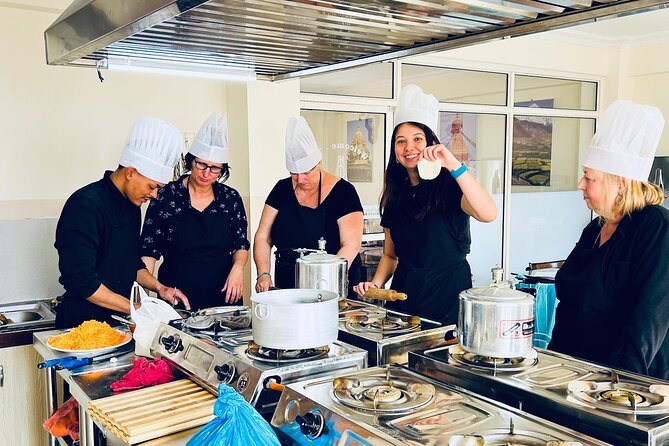
Back at the academy, the class moves into preparation. The kitchen is described as clean and well equipped, with the cooking tools and accessories provided. That matters if you want to focus on learning rather than worrying about what equipment you need to use.
The teaching is in English. Instructors explain each stage, demonstrate techniques, and let you take part rather than simply watching. The pace is meant to be comfortable, with enough time to prepare, cook, and ask questions.
The class is limited to 10 people. That is still large enough for a social meal, but small enough to give you access to the chef. Several people have found the instructors patient and clear, including Vikram, who has been praised for encouraging beginners and explaining recipes in simple steps. Another instructor named Niche has been described as funny, energetic, and good at connecting the food with Nepali culture.
Instructor names can vary, so do not book expecting a particular chef unless the academy confirms it. The useful point is the teaching style: the class is designed around active participation and personal guidance.
Learning to fold momo without losing your patience
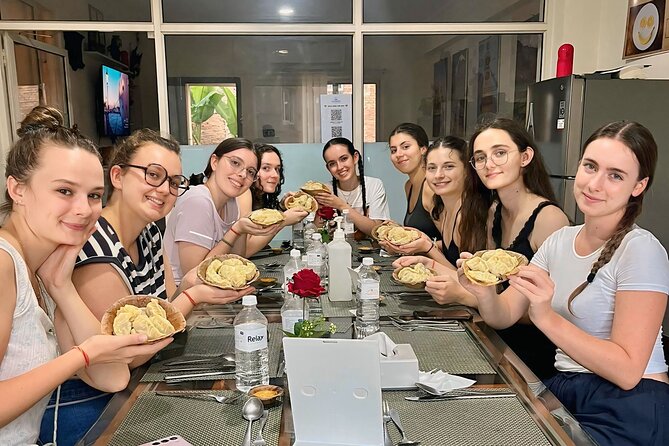
Momo is the headline dish, and for good reason. These Nepali dumplings look simple until you have to fill and fold one yourself. The dough must be handled carefully, the filling needs the right amount, and the final shape takes practice.
You will get instruction on preparing the filling and working with the wrappers. The folding is hands-on, so your first few momos may look less tidy than the chef’s. That is part of the fun. Patient guidance is especially valuable here, and past classes have included direct help with getting the correct pastry pattern.
The class is not just a demonstration of a finished dish. You make the dumplings yourself, then cook and eat them. If you already enjoy cooking, you may appreciate the chance to take home a technique you can repeat. If you rarely cook, the clear stages make the process manageable.
The class centers on momo, but it does not treat Nepali food as a one-dish cuisine. You may also prepare dal bhat and choose from additional traditional dishes. Past menus have included bara and yomari, and some participants have prepared three dishes of their choice.
Because the menu can vary, tell the academy about dietary restrictions or food preferences in advance. The information provided does not promise a fixed substitute for every need, so early notice is the sensible approach.
Dal bhat and the wider Nepali menu
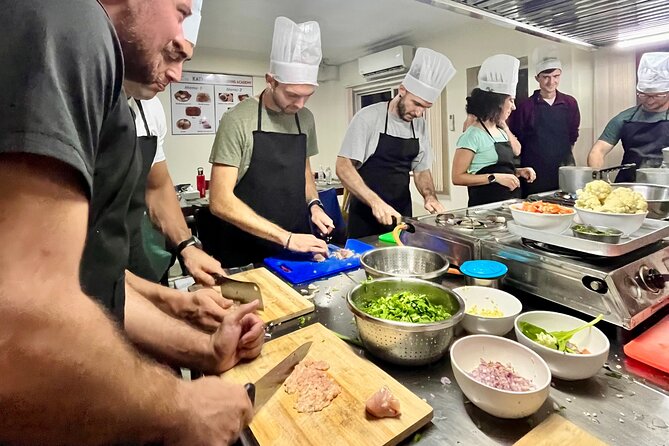
Dal bhat is one of Nepal’s best-known meals, and learning it here gives you a useful base for understanding Nepali home cooking. The class presents it as one of the two main dishes, alongside momo.
The attraction is not simply eating dal bhat once. You learn the steps behind a meal you are likely to encounter throughout Nepal. The class also gives you room to compare dal bhat with other dishes, rather than treating it as the only traditional option.
The additional menu is one of the strongest features for repeat visitors to Nepal or anyone who wants more than a standard dumpling lesson. Bara and yomari have both appeared in past classes, and the available choices can make the session feel more personal.
There is a small tradeoff. Since the menu may be decided by the class or shaped by the choices available that day, you should not assume every listed dish will be offered at every session. If you have one particular dish in mind, ask before booking.
A few more cooking classes around the world worth a look
- Florence: Pasta & Tiramisu Cooking Class with Unlimited Wine
★ 4.9 · 6,708 reviews - Florence: Pasta Cooking Class with Unlimited Wine
★ 5.0 · 6,413 reviews - Hanoi Cooking Class: Culture, Local Market & Meaning CSR Impact
★ 5.0 · 5,147 reviews - 5 Traditional Dishes Hanoi Cooking Class with Market Trip
★ 5.0 · 4,890 reviews
Eating what you prepared
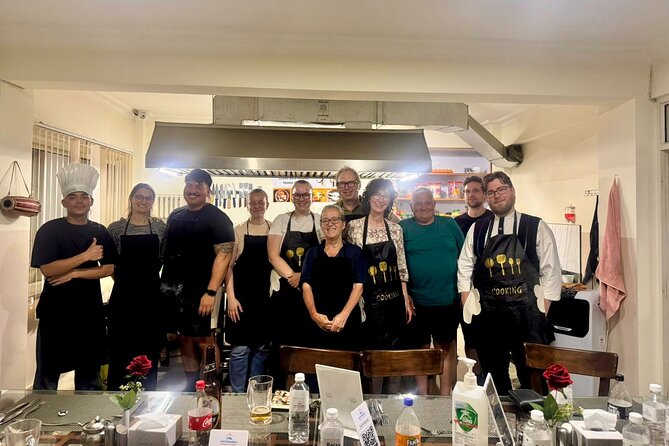
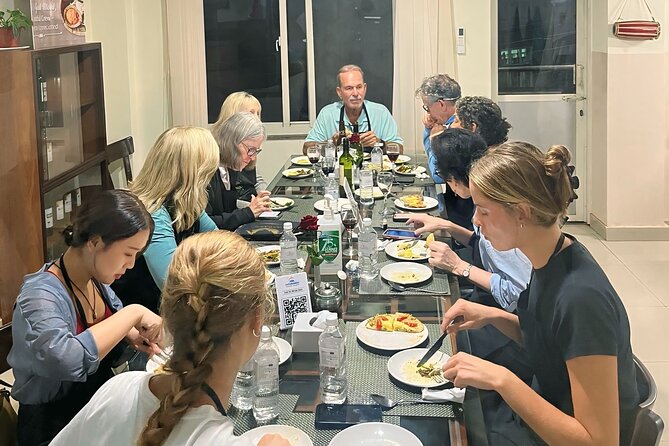
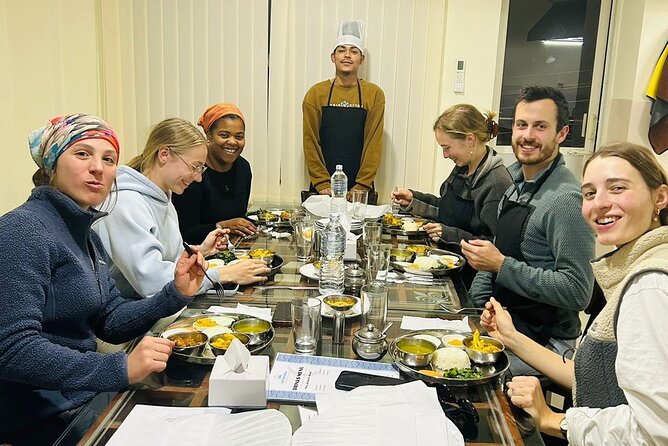
After roughly three hours of market shopping, preparation, and cooking, you sit down to eat. The experience generally includes two main courses, a dessert, and Nepali masala tea. Specialty and alcoholic drinks are not included.
This final meal is more than a tasting stop. It lets you see how the dishes came together and gives you a chance to compare your finished food with the chef’s guidance. The setting is described as a welcoming kitchen and dining room, rather than a formal restaurant.
Portions have been described as plentiful, so arrive hungry. One useful tip from a past participant was to go with an empty stomach, especially if you are preparing several dishes. You should also expect the meal to take time, since the food is made during the class rather than prepared in advance for a quick tasting.
The masala tea is a nice finishing touch. It is included, and it gives the group a relaxed moment after the work is done. If you want wine, beer, soft drinks, or another specialty beverage, plan to pay separately.
Why the $4 price deserves a closer look
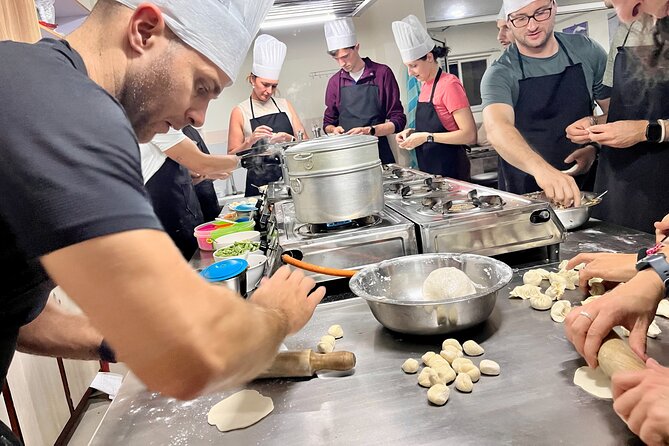
At $4 per person, this is unusually inexpensive for a three to four hour activity that includes instruction, ingredients, kitchen equipment, prepared food, and masala tea. Even after allowing for the low advertised rate, it offers strong value if the class runs as described.
The value comes from the amount of time and participation. You are not paying only for a meal. You are also getting a market visit, cooking instruction, use of the kitchen, and a chance to make several dishes.
Hotel pickup and drop-off are optional. If you choose that service, provide your hotel details and your address within Kathmandu Valley. The academy is easy to reach from Thamel on foot, so many people may prefer to save the transfer cost and walk.
The advertised price does not include professional photos or videos. Those are available for an additional fee. A camera is listed as something to bring, so you can also take your own pictures if permitted during the session.
Group size, accessibility, and practical comfort
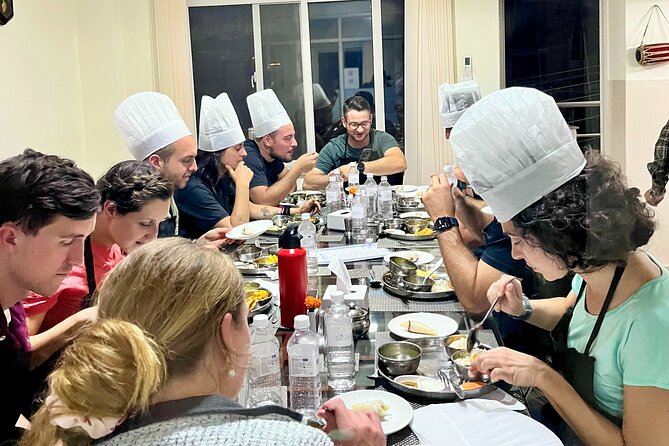
A maximum of 10 participants keeps the class fairly personal. One past session had a group of nine, with a chef and two assistants helping with the cooking. That kind of staffing can make a difference when everyone is trying to fold momo at the same time.
The academy is wheelchair accessible. Still, cooking involves active participation, standing, moving around the kitchen, and handling ingredients, so you may want to confirm the setup directly if you have specific mobility needs.
Comfortable clothing is important. You will be preparing food, handling dough, and working around cooking equipment. The class is not suitable for children under five or people over 95, according to the activity information.
A minimum of two participants may be required. If that number is not reached, you can be offered another date or a full refund. Free cancellation is available up to 24 hours before the class, and the reserve-now-pay-later option helps if your Kathmandu schedule is still changing.
Who will enjoy this class most
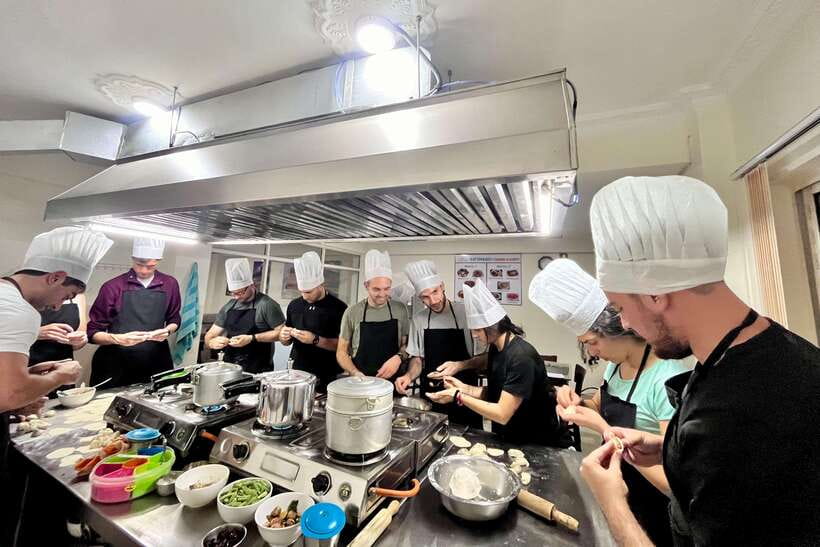
I would recommend this class to anyone who wants a useful food memory from Nepal rather than another restaurant meal. It works especially well if you enjoy learning by doing and want recipes or techniques you can try at home.
It also suits people who have already eaten momo and dal bhat and now want to understand how they are made. The ability to choose additional dishes makes the class more appealing to repeat visitors and adventurous eaters.
The activity is a good fit for solo participants, couples, and small groups. The group size gives solo participants a natural social setting, while friends or families can work through the recipes together. Children under five are not suitable, and the active kitchen format may not appeal to anyone looking for a quiet, passive demonstration.
I would be more cautious if your Kathmandu plans are tightly packed. The class lasts three to four hours once you include the market and meal, and the schedule may not suit a morning trek, a long sightseeing day, or a fixed airport transfer.
Should you book the Kathmandu cooking class?
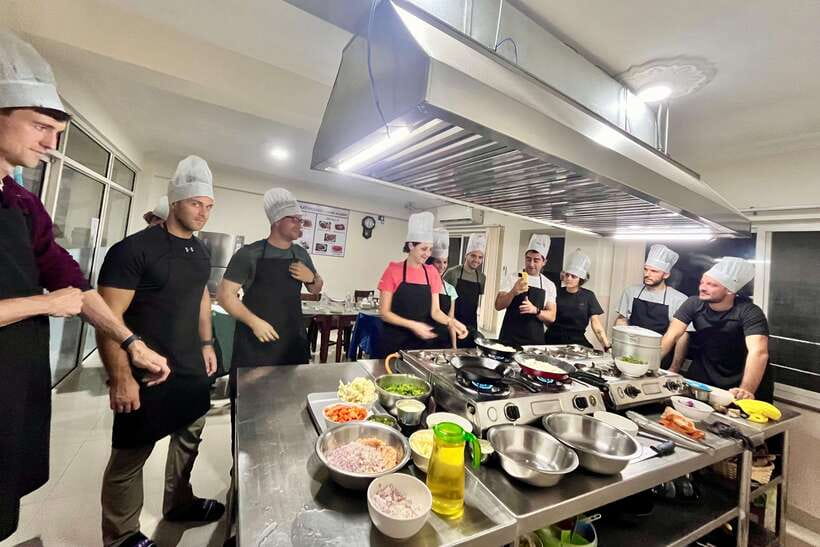
Book it if you want to learn the food rather than simply eat it. The strongest reasons are the market visit, the hands-on momo folding, the flexible menu, and the chance to prepare a full Nepali meal with an English-speaking chef.
The $4 price makes it an easy choice for most budgets, though you should confirm the exact menu and pickup cost when booking. Tell the academy about dietary needs in advance, arrive 15 minutes early, and leave enough time for the class to run at its natural pace.
Skip it only if you dislike active cooking, have less than half a day available, or want a fixed menu guaranteed in advance. For everyone else, this is a practical, affordable way to leave Kathmandu with more than a full stomach. You may also leave knowing how to fold a momo well enough to make one for friends at home.
FAQ
Where does the cooking class begin?
The class begins at Kathmandu Cooking Academy in Kathmandu. The academy is about a 10 to 15 minute walk from Thamel.
Is hotel pickup available?
Yes. Optional pickup and drop-off are available from locations within Kathmandu Valley. You need to provide your hotel or address details when booking.
How long does the activity last?
The full experience lasts about three to four hours. This includes the market or shop visit, cooking, and tasting session.
What dishes will I learn to cook?
The main focus is momo and dal bhat. You may also choose from other traditional Nepali dishes, depending on the class menu. Past classes have included bara and yomari.
Is the class taught in English?
Yes. English is the listed language for instruction.
How many people are in each group?
The class is limited to 10 participants. A minimum of two participants may be required for the class to operate.
Are ingredients and cooking equipment included?
Yes. The experience includes the market or shop visit for ingredients, cooking equipment, accessories, and tasting of the prepared meals.
Is Nepali masala tea included?
Yes. Complimentary Nepali masala tea is included. Specialty and alcoholic drinks are not included.
Can I cancel the booking?
You can cancel up to 24 hours in advance for a full refund. A reserve-now-pay-later option is also available.
Just added around the world
- Montreal: Cooking Class & Lunch with Michelin-Trained Chef★ 4.4 · 32 reviews
- Mojo Workshop Cooking Class in Ancient Canarian Village★ 4.9 · 127 reviews
- MoMo or Dal Bhat Cooking Class at Aama Kitchen in Pokhara★ 4.9 · 28 reviews
- Mirissa: Cooking Class with Beer and Meal★ 3.3 · 4 reviews
- Modena: Home Cooking Class Tagliatelle and Ragu and Tiramisu★ 5.0 · 23 reviews
- Moires: Cooking Class and Olive Oil Tasting at a Family Farm★ 5.0 · 93 reviews
- Milan: Private Cooking Class at a Local’s Home★ 5.0 · 9 reviews
- Rome Pizza & Gelato Cooking Class★ 4.6 · 49 reviews
Cooking Classes, compared.
Half-Day Thai Cooking Class at Organic Farm in Chiang Mai
Read our review →
Florence: Pasta Cooking Class with Unlimited Wine
Read our review →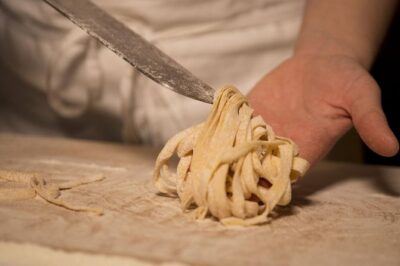
3 in 1 Cooking Class near Navona: Fettuccine, Ravioli & Tiramisu
Read our review →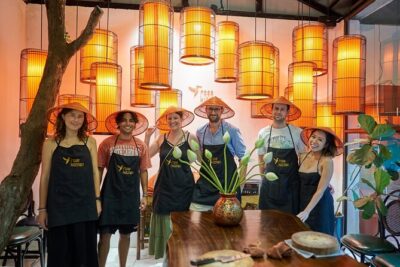
Hanoi Cooking Class: Culture, Local Market & Meaning CSR Impact
Read our review →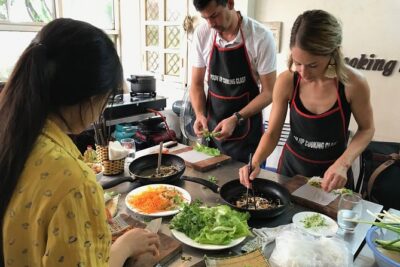
5 Traditional Dishes Hanoi Cooking Class with Market Trip
Read our review →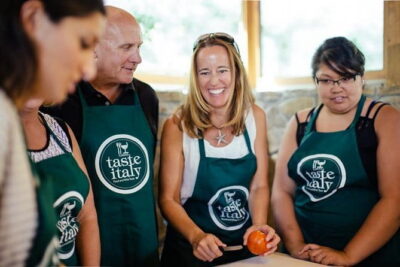
Cooking Class and Lunch at a Tuscan Farmhouse with Local Market Tour from Florence
Read our review →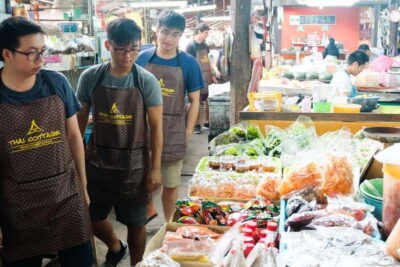
Chiang Mai: Cooking Class, Market & Thai Herbs Garden Tour
Read our review →Browse the lists this tour appears in