
Review · KATHMANDU
Kathmandu: Women-Led Cooking Class & Momo Making-Local Taste
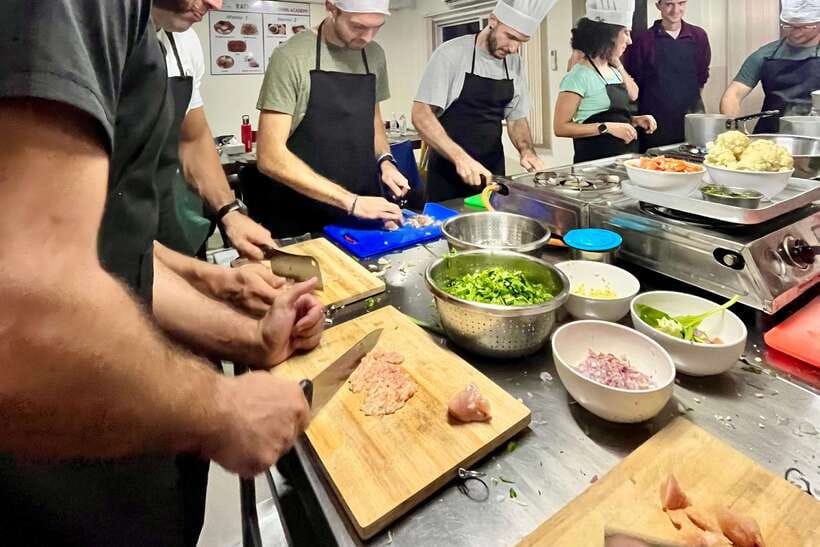
Kathmandu’s best food lesson may begin before you reach the stove. This small-group cooking class takes you shopping for vegetables, spices, and meat, then guides you through a Nepali meal you prepare yourself. I like that you get both the market view and the kitchen work, not just a demonstration.
I also like the choice of three menus and the unusually low $11 price. You can make dal bhat, momo, Newari bara, chatamari, thukpa, or desserts such as yomari and carrot halwa. The main caution is that folding momo takes practice, and one participant found the chef a little impatient when the technique proved tricky.
Key points at a glance
- Shop before you cook: Visit local shops or markets to choose vegetables, spices, and meat for the lesson.
- Three menus offer variety: Pick from Newari dishes, momo and chatamari, or a potato snack with thukpa and dessert.
- You eat your own work: The class ends with a tasting session featuring the food you prepared.
- A genuinely small group: With no more than eight participants, you should get useful hands-on time at the counter.
- Masala tea is included: Sip spiced Nepali tea while learning about local ingredients and cooking customs.
- Good value at $11: The price covers instruction, ingredients bought for the class, equipment, tea, and the meal.
From Kathmandu market shelves to the cooking counter
The class lasts about two to three hours and begins with an ingredient-shopping visit. The exact market or shop route is not specified, but the purpose is clear: you learn to recognize the vegetables, spices, and meat that give Nepali food its character.
I find this a useful part of the lesson because ingredients make more sense when you see them in their everyday setting. A spice jar in a kitchen tells you little. Seeing how the ingredients are selected and then using them minutes later gives the cooking a practical link to daily life in Kathmandu.
The market portion also helps you understand that Nepali food is not one single style. The menus draw from Nepali, Newari, and Tibetan-Nepali cooking. You may work with lentils and rice for a classic dal bhat, rice flour for chatamari or yomari, or noodles and broth for thukpa.
The shopping stop is not a sightseeing tour with a long list of landmarks. It is a working part of the class. You are there to buy what you will cook, so expect a modest, useful introduction rather than a full market tour of Kathmandu.
More Hands-On Workshops in the world:
- Half-Day Thai Cooking Class at Organic Farm in Chiang Mai
★ 5.0 · 19,087 reviews - Florence: Pasta Cooking Class with Unlimited Wine
★ 4.9 · 10,285 reviews - 3 in 1 Cooking Class near Navona: Fettuccine, Ravioli & Tiramisu
★ 5.0 · 7,376 reviews
Three menus, from dal bhat to yomari
The biggest choice comes when you select one of three menu sets. Each gives you a different picture of Nepali food.
Menu 1: Bara, dal bhat, and yomari is the most traditional-feeling option. Bara is a Newari lentil pancake made from ground black gram, seasoned with spices, and fried until firm outside and tender inside. It may be served plain or prepared with egg, minced meat, or vegetables.
Dal bhat is Nepal’s familiar rice-and-lentil meal. The dal brings a soft, soupy texture, while rice, vegetables, curry, and pickles create a fuller plate. This is a useful dish to learn because it is both culturally important and practical to recreate at home.
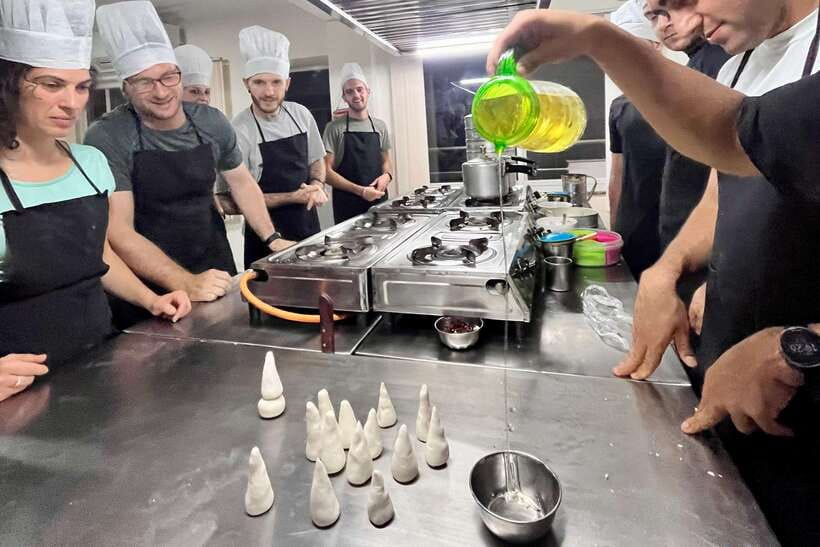
Yomari gives this menu a sweet finish. The rice flour dumpling is filled with molasses, known as chaku, and sesame, with coconut sometimes added. It is a very different kind of dumpling from momo, and comparing the sweet filling with the savory dishes makes this menu especially interesting.
Menu 2: Chatamari, momo, and kheer is likely the best choice if dumplings are your main reason for booking. Chatamari is a thin Newari rice flour crepe, often topped with egg, minced meat, vegetables, and spices. Calling it a Nepali pizza is a useful shortcut, though the rice flour base and toppings give it its own identity.
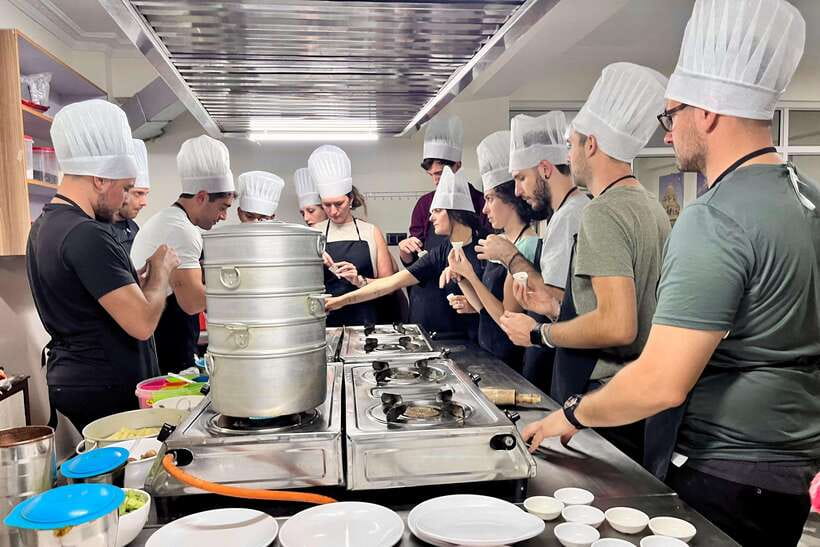
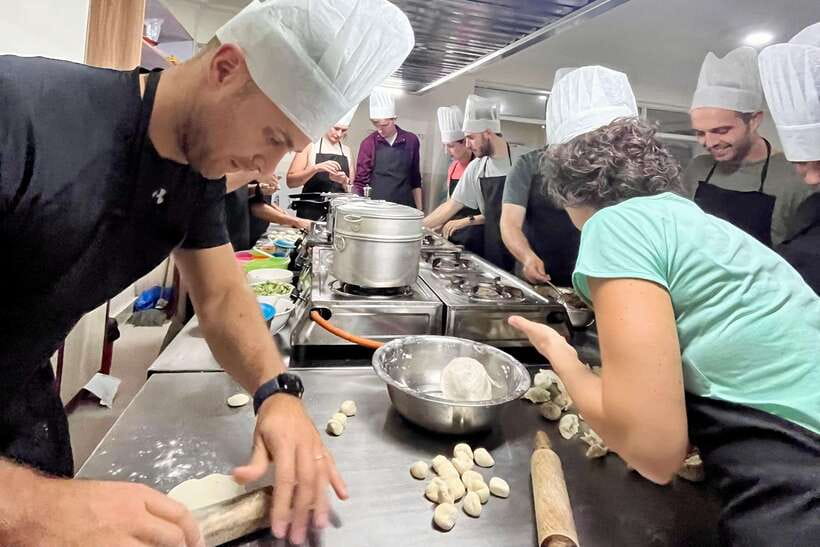
Momo is the class favorite for many people, but it is also the dish most likely to test your patience. You roll thin dough, add the filling, and fold the edge into a neat shape before steaming or cooking it. The filling can be chicken, buff, pork, or vegetables, depending on the class choice.
Kheer is a rice pudding cooked with milk, sugar, and cardamom. Nuts and raisins may be used as garnish. It is simple food, but the slow cooking and gentle spice show how much Nepali sweets rely on texture and aroma rather than heavy decoration.
Menu 3: Aloo chop, thukpa, and carrot halwa gives you a heartier combination. Aloo chop is made from mashed potato mixed with spices, shaped, and deep-fried. It is crisp outside and soft inside, making it a good introduction to Nepali snack food.
Thukpa is a Tibetan-Nepali noodle soup. The broth can include vegetables, chicken, buff, or mutton, along with wheat or hand-pulled noodles and aromatic spices. This menu may suit you if you prefer a warm bowl of soup to a plate of dumplings.
Carrot halwa rounds out the meal. Grated carrots are slow-cooked with milk, sugar, ghee, and cardamom, then finished with nuts and raisins. It takes longer than a quick stovetop dessert, but the process shows how basic ingredients become something soft, sweet, and fragrant.
Learning beside a local chef
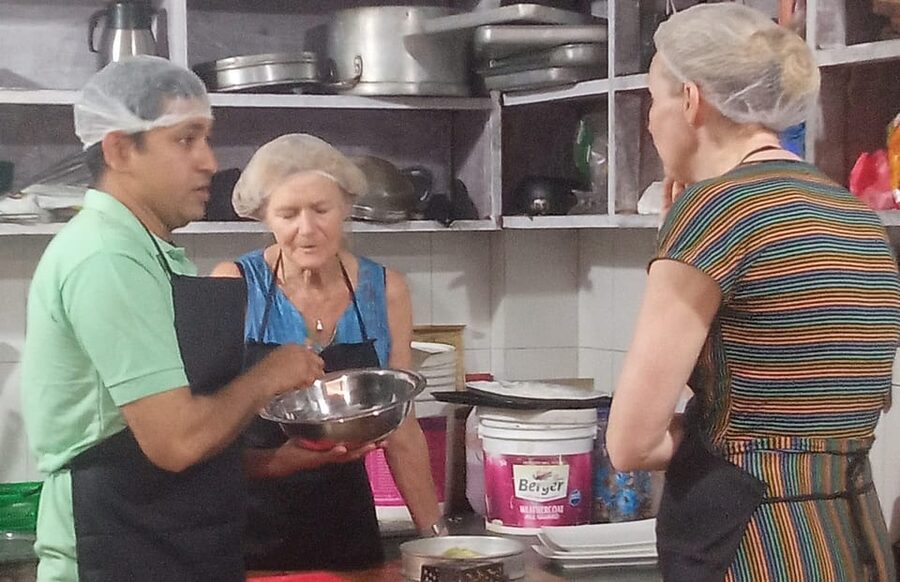
The instruction is in English, and the class is limited to eight people. That number matters. Cooking is much more useful when you can handle the dough, stir the pot, season the filling, and ask questions without waiting behind a large crowd.
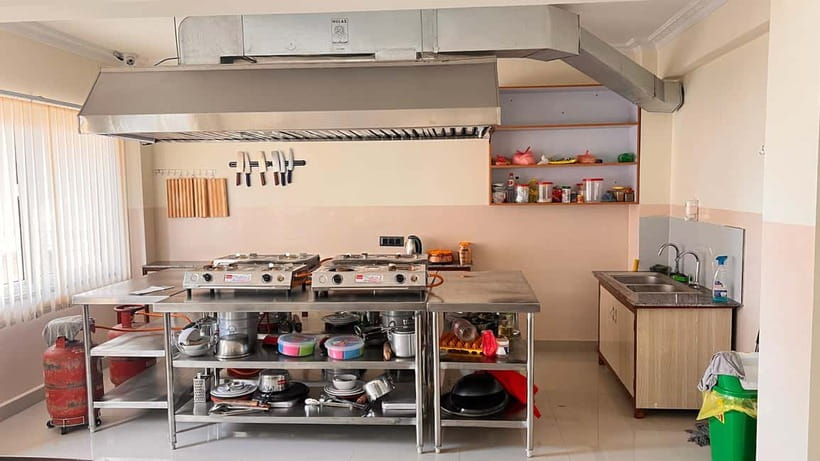
The chef provides step-by-step guidance and explains the methods behind the dishes. You should expect help with selecting ingredients, preparing spices, shaping dough, cooking lentils, making fillings, and assembling the final meal. The equipment and cooking accessories are included, so you do not need to bring anything special.
The strongest part of the class is the hands-on format. You are not simply watching a chef make momo while holding a camera. You take part in the work, and that means your first dumpling may look less tidy than your last one.
Momo folding deserves a realistic warning. It can be harder than it looks, especially if you have never worked with thin dough. A participant found the chef somewhat irritated when the folding technique was difficult to grasp. I would treat that as a reason to ask for a slower demonstration early on, not as a reason to avoid the class entirely.
If you want a relaxed social activity, bring patience and a sense of humor. The class is better suited to people who are happy to learn by doing, including a few imperfect folds along the way.
What the meal teaches about Nepal
This cooking session is useful because each dish carries a small piece of cultural context. Dal bhat shows the everyday importance of rice, lentils, vegetables, and pickles. Bara and chatamari connect the class with Newari food from the Kathmandu area.
Momo points to the close relationship between Nepali and Tibetan food traditions. The dumpling has become a favorite across Nepal, but its preparation still depends on details such as the dough thickness, filling texture, seasoning, and fold.
Thukpa offers another view of the region. It is a complete bowl of noodles, broth, vegetables, and sometimes meat. Learning it alongside a fried snack and a sweet dessert gives you a broader meal than a class devoted only to momo.
The class also explains Nepali masala tea. Black tea is combined with spices to create a warm drink served during the lesson. The tea is included, and it gives you a pleasant pause while the cooking moves from preparation to eating.
A few more cooking classes around the world worth a look
- Florence: Pasta & Tiramisu Cooking Class with Unlimited Wine
★ 4.9 · 6,708 reviews - Florence: Pasta Cooking Class with Unlimited Wine
★ 5.0 · 6,413 reviews - Hanoi Cooking Class: Culture, Local Market & Meaning CSR Impact
★ 5.0 · 5,147 reviews - 5 Traditional Dishes Hanoi Cooking Class with Market Trip
★ 5.0 · 4,890 reviews
Eating what you have made
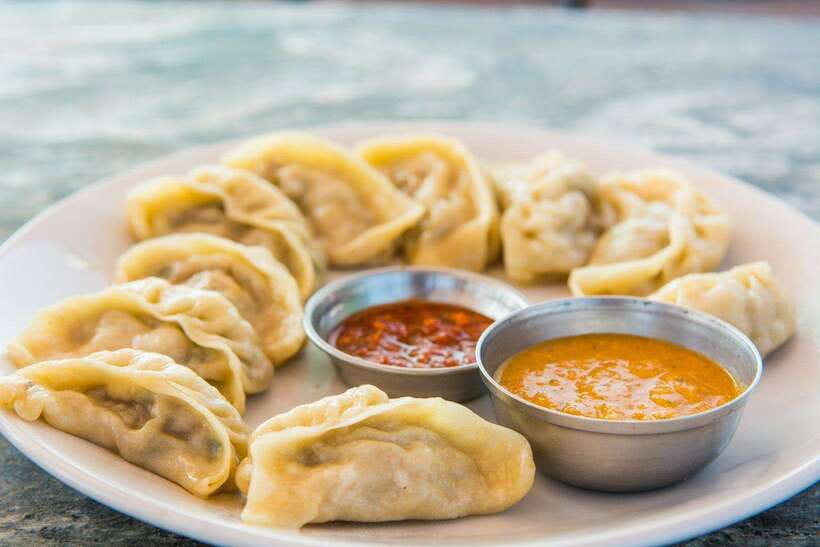
The final tasting session is more than a free meal. It lets you see how each technique affected the result. A momo with a loose fold, a bara with uneven thickness, or a dal that needs more seasoning becomes easier to understand when you made it yourself.
One of the strongest reasons to book this class is the amount of food covered for the price. At $11 per person, you receive the lesson, ingredients, kitchen equipment, masala tea, and the meal you prepare. Specialty drinks and alcohol are not included, and professional photos or video cost extra.
For a budget-conscious day in Kathmandu, this is excellent value if the class runs as described. You get a meal and a cultural activity in one booking. The low price also makes it easier to choose the class as a break from temple visits, walking tours, or mountain planning.
Do keep your expectations sensible. This is not a private chef lesson with a long culinary lecture, nor is it a professional photography session. The focus is on cooking together, learning basic methods, and eating the results.
Location, timing, and group size
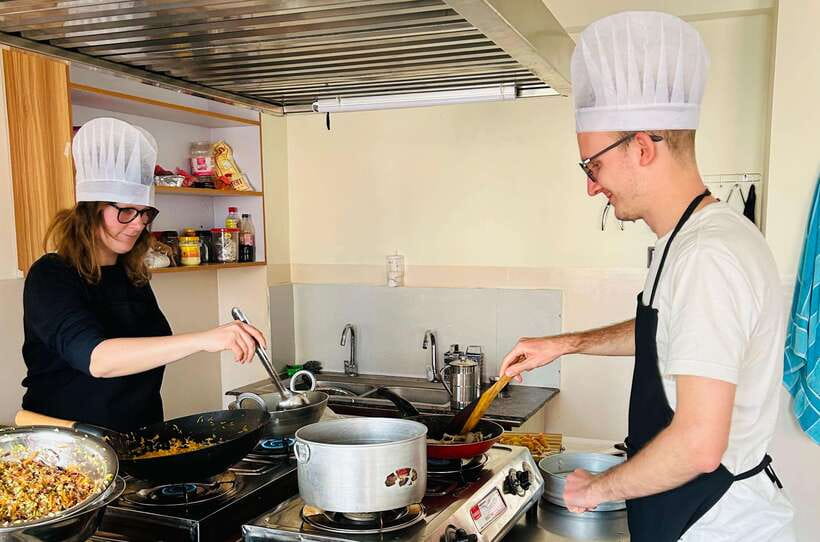
The workshop is accessible from Thamel and other parts of the Kathmandu Valley. The exact meeting point should be checked when you book, especially if you are arranging your day around a hotel or another tour.
The class takes two to three hours. That is enough time for shopping, preparation, cooking, and eating, but not so long that the lesson takes over your whole day. Starting times vary, so check availability before planning transport or another activity afterward.
The small group limit of eight is one of the more important practical details. A class with eight people can still feel active, but it should give you more direct access to the chef than a large cooking school. If you are traveling with children, the activity is suitable for ages eight and above, provided they are interested in learning to cook.
The workshop has skip-the-line access, though this is less important here than it would be at a major attraction. The real advantage is having a reserved place in a small class.
Who will enjoy this Kathmandu cooking class
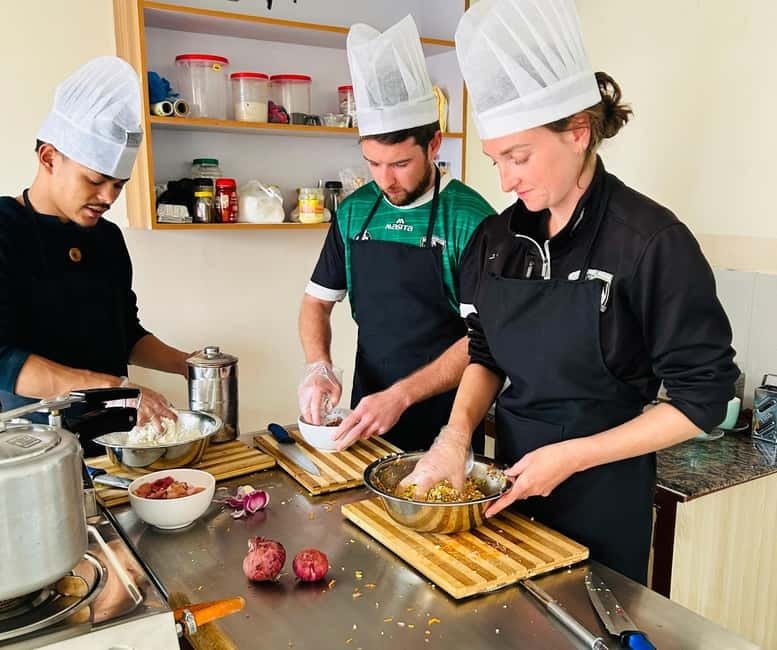
I would recommend it to food-focused visitors, couples, families with older children, and solo visitors who want an easy way to meet people. The format gives you a shared task, and the food creates an obvious subject for conversation.
It is also a good choice if you are unsure what to order in Nepal. You will learn the difference between a lentil pancake, a rice flour crepe, a dumpling, a noodle soup, and a full rice-and-dal meal. That knowledge can make later restaurant visits much easier.
Vegetarians have choices, though meat may be part of some menu variations. Ask about the available filling or topping before the class if you need a strictly vegetarian meal.
I would be more cautious if you want a quiet, highly polished lesson or if you dislike repeating a technique. Momo folding involves manual work, and the chef’s teaching style may feel brisk if the group needs several attempts. The class is a better fit for someone who can accept a little kitchen confusion.
Booking flexibility and what to remember
You can cancel up to 24 hours before the activity for a full refund, and the reserve-now, pay-later option lets you hold a place without paying immediately. Those policies are useful in Kathmandu, where weather, transport, and changes to a larger Nepal itinerary can affect your plans.
The instructor language is English. Equipment and accessories are provided, as are the ingredients used in the class. Specialty drinks, alcohol, professional photos, and video are extra.
The most important tip is to choose your menu with care. Pick Menu 2 if momo and Newari crepes appeal to you. Pick Menu 1 for a classic rice-and-lentil meal with two Newari specialties. Pick Menu 3 if you prefer soup, fried potato snacks, and a carrot dessert.
Should you book it?
At $11, this is an easy recommendation for anyone who wants a practical taste of Nepal rather than another sightseeing stop. The market visit, small group, hands-on work, and shared meal give the class real value, especially when you choose a menu that matches your interests.
Book it if you like learning by doing and do not mind a few imperfect dumplings. Choose another activity if you want a polished demonstration with no participation. For most food lovers in Kathmandu, the chance to make momo, dal bhat, bara, chatamari, or thukpa and then eat it is a smart use of two to three hours.
FAQ
How much does the Kathmandu cooking class cost?
The listed price is $11 per person. It includes the cooking lesson, ingredients, equipment, masala tea, and tasting session.
How long does the cooking class last?
The activity lasts about two to three hours. Starting times vary, so check availability when booking.
What dishes can I learn to cook?
You can choose from three menu sets: bara, dal bhat, and yomari; chatamari, momo, and kheer; or aloo chop, thukpa, and carrot halwa.
Is the class suitable for vegetarians?
Vegetarian options are available. Some dishes also have meat versions, so ask about the available ingredients when selecting your menu.
Is the class taught in English?
Yes. The instructor language is English.
How many people can join the class?
The class is limited to eight participants. It is suitable for people aged eight and above who are interested in learning to cook.
Just added around the world
- Montreal: Cooking Class & Lunch with Michelin-Trained Chef★ 4.4 · 32 reviews
- Mojo Workshop Cooking Class in Ancient Canarian Village★ 4.9 · 127 reviews
- MoMo or Dal Bhat Cooking Class at Aama Kitchen in Pokhara★ 4.9 · 28 reviews
- Modena: Home Cooking Class Tagliatelle and Ragu and Tiramisu★ 5.0 · 23 reviews
- Mirissa: Cooking Class with Beer and Meal★ 3.3 · 4 reviews
- Moires: Cooking Class and Olive Oil Tasting at a Family Farm★ 5.0 · 93 reviews
- Milan: Private Cooking Class at a Local’s Home★ 5.0 · 9 reviews
- Rome Pizza & Gelato Cooking Class★ 4.6 · 49 reviews
Cooking Classes, compared.
Half-Day Thai Cooking Class at Organic Farm in Chiang Mai
Read our review →
Florence: Pasta Cooking Class with Unlimited Wine
Read our review →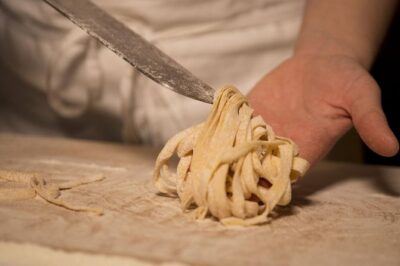
3 in 1 Cooking Class near Navona: Fettuccine, Ravioli & Tiramisu
Read our review →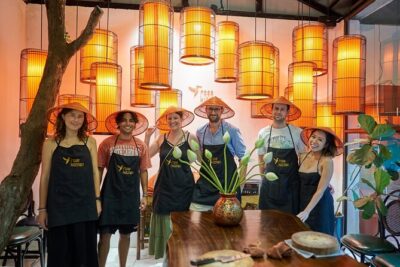
Hanoi Cooking Class: Culture, Local Market & Meaning CSR Impact
Read our review →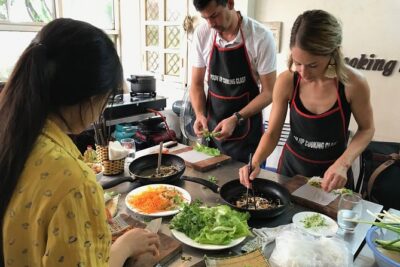
5 Traditional Dishes Hanoi Cooking Class with Market Trip
Read our review →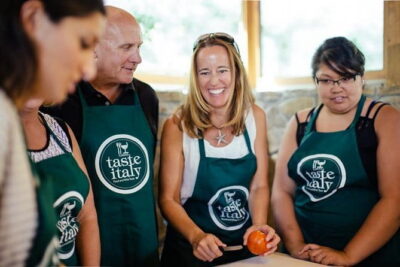
Cooking Class and Lunch at a Tuscan Farmhouse with Local Market Tour from Florence
Read our review →
Chiang Mai: Cooking Class, Market & Thai Herbs Garden Tour
Read our review →Browse the lists this tour appears in