
Review · KANDY
Authentic Sri Lankan Cooking Class in Kandy by Local Family
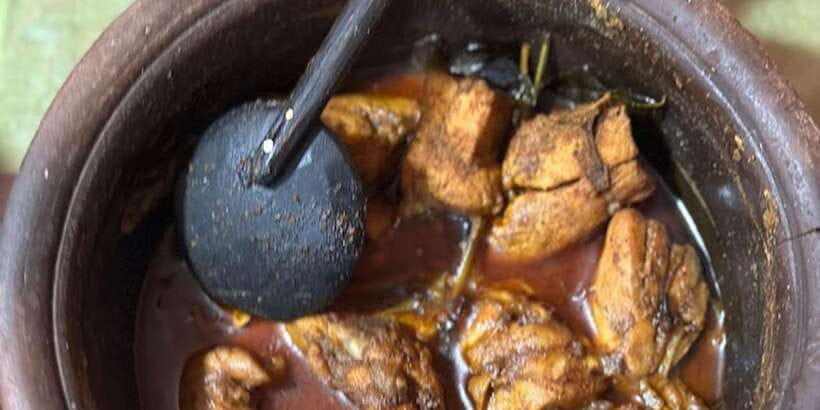
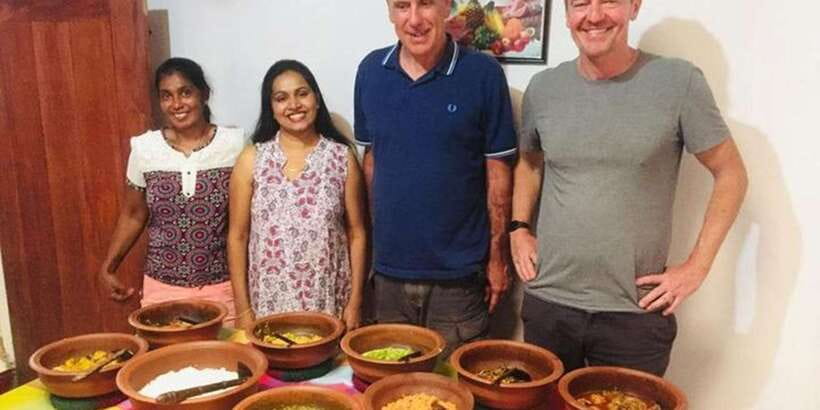
The real draw here is not a polished cooking studio. It is a working family kitchen near Kandy’s Bahirawakanda Buddha statue, where Dinesha, her sister, and her mother teach the food they cook at home. I like the market option, which helps you see the spices and vegetables before they reach the cooking pot. I also like the old sambol stone board, said to be 100 years old, and the chance to learn how coconut sambol is made in the traditional way.
The main thing to consider is the sheer amount of food. Ten vegetable dishes, plus fish or chicken, sambol, and coconut roti, is a lot for three hours. You will season and learn plenty, but the family may handle some of the chopping and cooking to keep the meal moving. This suits you if you want a warm, home-based experience more than a slow, highly structured chef’s lesson.
Key points to know before booking
- A real Kandy family home: The class takes place in the family kitchen, not a restaurant or purpose-built school.
- Dinesha and her family teach: Her wife, sister, and mother lead the cooking, with the children sometimes joining in.
- Market visit available: You can arrange a visit to a local market to learn about Sri Lankan spices and vegetables.
- A full Sri Lankan meal: Expect ten vegetable dishes, fish or chicken, coconut sambol, and coconut roti.
- Small-group format: The price is $99 for up to two people, with a three-hour duration.
- Hotel transport around Kandy: Pickup and drop-off are included for hotels around Kandy town.
A home kitchen near Bahirawakanda
This cooking class begins with a setting that feels very different from a commercial food tour. The family home is close to the large Buddha statue on Bahirawakanda Mountain, yet the setting is described as calm and green. You are not being seated in a classroom with rows of burners. You are entering a family kitchen and learning in the place where these dishes belong.
That difference matters. Sri Lankan cooking is not just a list of curry recipes. It is a daily household skill, with vegetables, coconut, spices, and rice shaped into meals several times a day. The teachers here are the wife, sister, and mother of the host, and the family explains that the women have learned these dishes through everyday cooking rather than through restaurant training.
That can be a strength. You get the practical knowledge of home food: how the family seasons dishes, how several curries fit together, and how a meal is built from many small preparations. It also means the class may feel informal. If you want a precise demonstration from a formally trained chef, this is not that kind of experience.
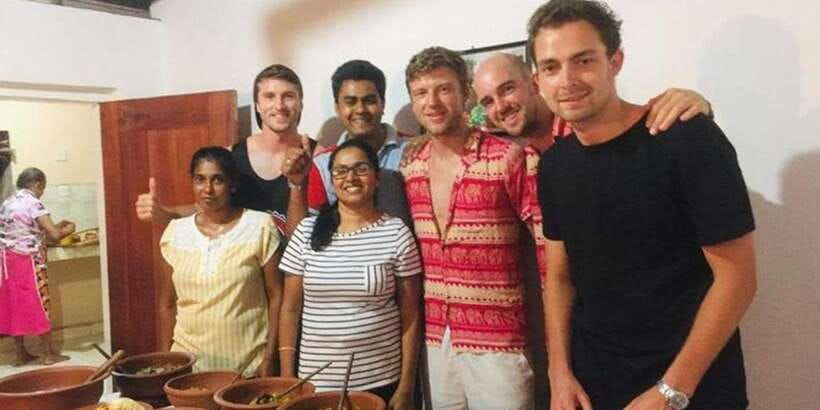
The children sometimes join the class, adding to the sense that you are sharing time with a family rather than attending a staged performance. For some people, this will be the best part. Others may prefer a quieter, more controlled lesson. The small group limit of two helps keep the setting personal.
More Home Cooking Classes in Sri Lanka:
- Organic Cooking Class sigiriya home Kitchen(Kumara & family)
★ 5.0 · 116 reviews - Galle: Cooking Class at a Local Home and Market Tour
★ 5.0 · 47 reviews - Khmer Cooking Class at a Local’s Home in Krong Siem Reap
★ 5.0 · 2,731 reviews
Optional market time before the cooking
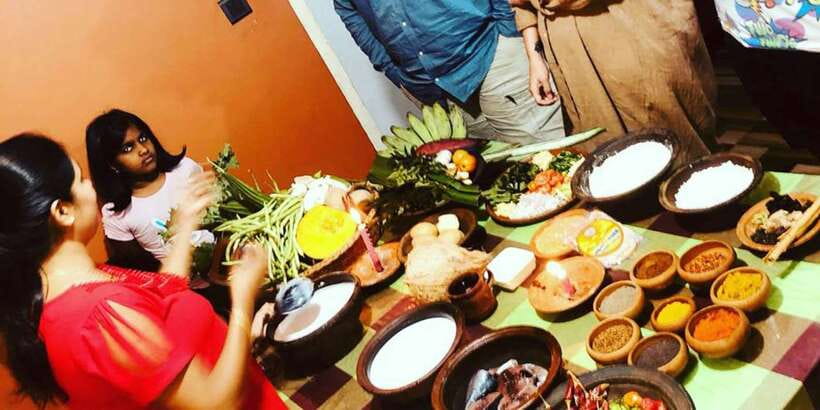
You can ask the family to guide you through a local market before the class. This is an important option, not just a pleasant extra. Sri Lankan cooking depends on knowing the raw ingredients, and the market gives you a chance to see the vegetables and spices before they are chopped, ground, and cooked.
At the market, the family can explain what you are buying and how those ingredients are used. You might learn why a certain vegetable works in a curry, how spices differ, or which ingredients are common in a Sri Lankan household. The available information does not set out a fixed market route or a separate duration, so you should confirm the plan when arranging your booking.
The market visit also gives the class a useful beginning. Instead of seeing a prepared pile of ingredients, you connect the finished dishes with the food culture around Kandy. If your schedule is tight, you can focus on the kitchen class itself. If you have room for the extra outing, I would choose the market option because it adds context without changing the basic three-hour format.
What you cook during the three hours
The menu is generous. You prepare ten types of vegetable dishes, choose either fish or chicken, and make coconut sambol and coconut roti. That is a proper Sri Lankan spread, not one curry served with a token side dish.
The vegetable courses are the heart of the meal. A table with many vegetable preparations shows how Sri Lankan cooking creates variety from plant-based ingredients. Each dish can carry a different spice balance, texture, or level of heat, and the range helps you understand why a Sri Lankan meal feels bigger than a single main course.
Fish or chicken gives you a choice based on preference. If you do not eat one of those foods, make your preference clear when booking. The provided details do not list a vegetarian-only menu, so you should not assume that a replacement protein is available unless the family confirms it.
Coconut sambol is another key part of the lesson. One of the most memorable tools is the family’s old stone board, described as 100 years old, used for making sambol. This is the kind of detail that gives the cooking a sense of place. You are not simply mixing grated coconut in a modern bowl. You are seeing an older household method still used as part of the meal.
Coconut roti adds a different skill. It gives you a simple, filling bread to eat with the curries and shows how coconut appears in more than one form across the table. Water bottles are included, and the meal is served at the end of the class.
How hands-on is the lesson?
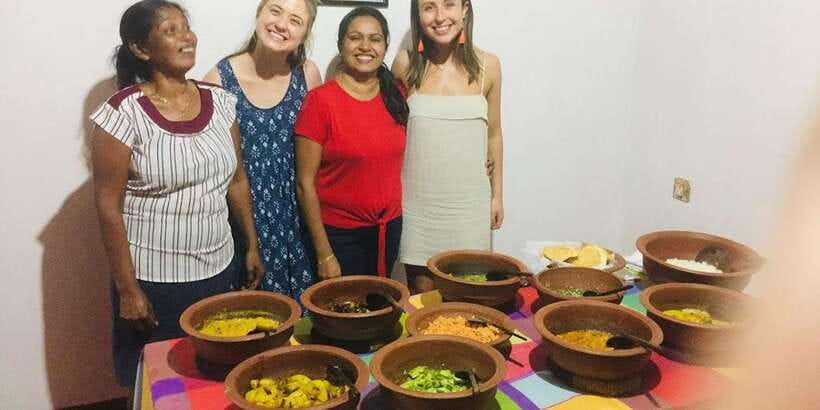
You should expect a balance between participation and demonstration. You will be able to ask questions, season dishes, and learn techniques, but the family may take over some of the preparation because the menu is so large.
One account of the class describes the family preparing much of the cooking while the participants seasoned everything themselves. That is a useful expectation to set. Making ten vegetable dishes, a protein, sambol, and roti in three hours would be difficult if every chopping and cooking step were handed over to two visitors.
This does not make the experience less worthwhile. It means the class is closer to a guided family meal than an intensive professional workshop. You get to taste, season, watch, and ask questions while the family keeps the many dishes moving. If you want to recreate the food at home, pay close attention to the spice explanations and ask about quantities as you go.
You receive the recipes at the end. That makes the class more useful after your trip, especially since the menu includes several separate dishes rather than one recipe. A camera and charged smartphone are listed among the things to bring, so you can record ingredients or preparation steps if the family allows it.
More Hands-On Workshops in Sri Lanka:
- Ella: Traditional Sri Lankan Cooking Class
★ 4.9 · 788 reviews - Organic cooking class sigiriya (kumara & family)
★ 5.0 · 650 reviews - Sri Lanka Cooking Class with Granny
★ 5.0 · 587 reviews - Kandy Village Cooking Class
★ 5.0 · 536 reviews
The meal at the end is part of the lesson
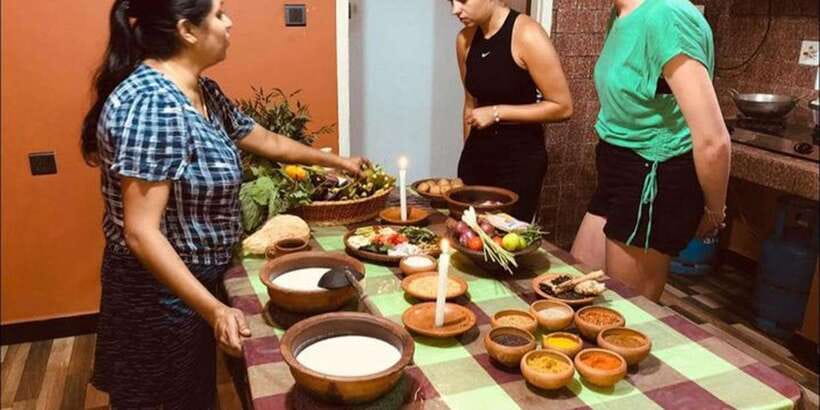
The final meal is not an afterthought. It is where the separate preparations make sense together. Curries, sambol, roti, and the chosen fish or chicken dish are meant to be eaten as a group, so you can compare the different flavors and textures in one sitting.
Several dishes have received special praise, including eggplant and mushroom curry. Those are worth noting if they appear in your menu, although the exact vegetables may vary. The large number of dishes also means you should arrive hungry. One practical suggestion is to keep lunch light, since the finished meal can be substantial.
The family may offer a snack or drink while ingredients are being prepared. Tea and pancakes were part of one evening visit, but this should not be treated as a guaranteed menu item. The confirmed meal is the listed set of vegetable dishes, fish or chicken, coconut sambol, coconut roti, and water.
The shared meal also gives you time to ask questions about daily food habits and family life. Since the class is held inside the home, conversation is part of the experience. You may learn as much from how the family eats and organizes the meal as from the written recipes.
Price, transport, and the value for two
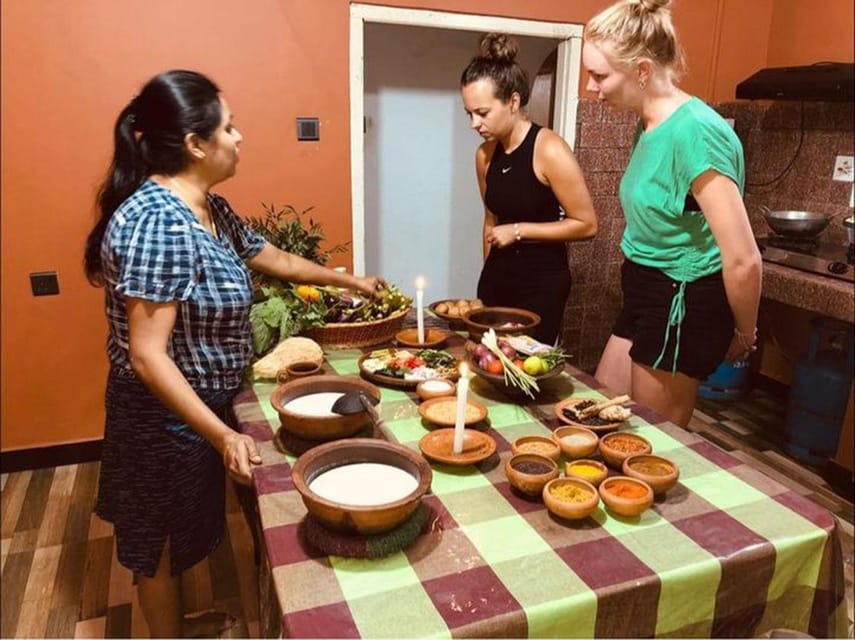
The cost is $99 per group of up to two people. That works out to $49.50 each when two people share the booking. For a three-hour private-style home visit with a large meal, recipes, and transport around Kandy, I see solid value, especially if you use the market option.
The value is less clear for a solo visitor, since the price is still set per group rather than per person. You would receive the same attention, food, and family setting, but you would not be splitting the cost with a second participant.
Pickup and drop-off are included around Kandy town. You should wait in your hotel lobby ten minutes before the scheduled pickup time and provide your pickup details when confirming the booking. The available information does not promise transport from locations far outside Kandy, so ask before booking if your hotel is beyond the central area.
The activity lasts three hours, but the meal itself may make the visit feel longer in a pleasant way. You are not paying only for instruction. You are also paying for ingredients, a cooked feast, the family’s time, and access to a household setting that a standard restaurant meal cannot provide.
Free cancellation is available up to 24 hours in advance, and you can reserve while paying later. Those terms are useful if your Kandy plans are still shifting.
Who will enjoy this most?
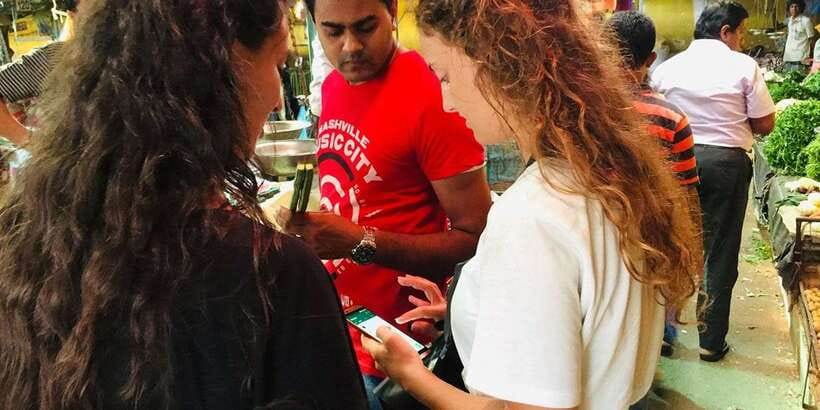
I would recommend this class to couples, friends, and solo visitors who want personal contact with a local family. It is also a good choice if food is one of the main ways you understand a place. The market option makes it stronger for curious eaters who want to learn what they are seeing in Sri Lankan shops and kitchens.
You should also enjoy conversation and a relaxed home setting. The family’s English is the teaching language, and the class is limited to two participants. That gives you room to ask questions, but the experience is still family-led and informal.
This may not suit you if you need wheelchair access. The activity is not suitable for wheelchair users. It is also not intended for people bringing pets, although assistance dogs are allowed.
You should tell the family about your food preferences before arrival. The listed protein choice is fish or chicken, and the information does not confirm allergy handling or substitutions. Do not assume that every dietary need can be accommodated without asking first.
Small details that make the experience memorable
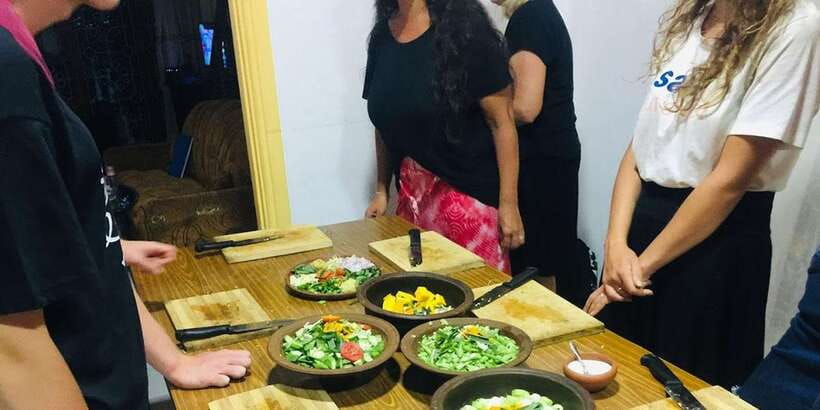
The best parts are the details that cannot be reproduced by a generic cooking school. The old stone board used for sambol connects the dish to an older style of household preparation. The family’s children may join you, and the cooking takes place in the same home where the teachers live.
The setting near the Buddha statue on Bahirawakanda Mountain adds a useful Kandy reference point. You are close to the city center but in a quieter, green residential setting. Pickup and drop-off also remove some of the fuss of finding the home yourself.
The menu is another strong point. Ten vegetable dishes might sound excessive, but it gives you a wider look at Sri Lankan food than a class built around one curry. The tradeoff is that not every step can be fully hands-on. You will learn by seasoning, tasting, watching, and asking as the family completes the meal.
The experience has a 4.9 rating from 15 evaluations, with repeated praise for the warm family welcome, clear communication, generous food, and explanations of spices. The strongest pattern is simple: people value the human side of the class as much as the cooking itself.
Should you book the Best Kandy Kitchen?
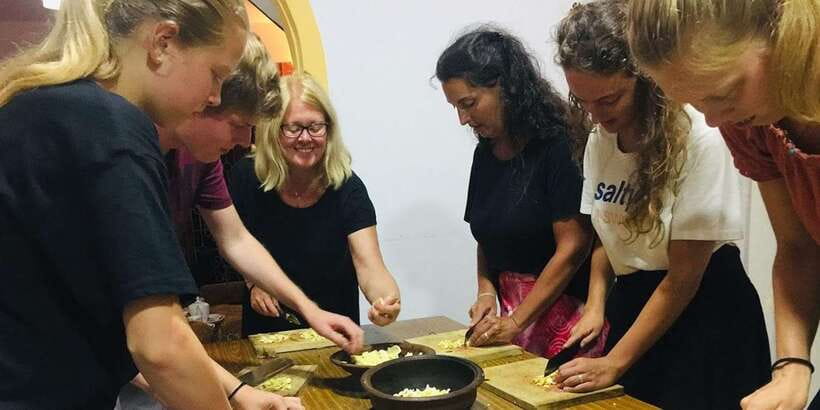
Book it if you want a home-cooked Sri Lankan feast and a close look at family food culture. The market visit, old sambol board, recipe handout, hotel transport, and small group size give the experience more substance than a basic demonstration.
Think twice if you want a formal chef-led course where you personally prepare every dish from start to finish. The large menu means the family will handle some of the work, particularly when time is short.
For two people staying in Kandy, the $99 group price is sensible, especially if you arrive hungry and make use of the market visit. Bring a charged phone, wear something suitable for cooking, and confirm your pickup details and food needs in advance. If your ideal Sri Lankan experience includes real people, a crowded table, and more curries than you planned to eat, this is a strong choice.
FAQ
How long does the cooking class last?
The class lasts three hours.
How many people can join?
The group is limited to two participants.
What food is included?
The meal includes ten types of vegetable dishes, your choice of fish or chicken, coconut sambol, and coconut roti. Water bottles are also included.
Is hotel pickup available?
Yes. Pickup and drop-off are available around Kandy town. You should wait in your hotel lobby ten minutes before the scheduled pickup time and provide your pickup details when confirming.
Can I visit a local market before cooking?
Yes. The family can guide you to a local market and explain the spices and vegetables. Confirm this option when booking.
Is the activity suitable for wheelchair users?
No. The activity is not suitable for wheelchair users. Pets are not allowed, but assistance dogs are permitted.
Just added around Sri Lanka
- Galle: Cooking Class at a Local Home and Market Tour★ 5.0 · 47 reviews
- Vegan Cooking Class Colombo with Market Tour★ 5.0 · 9 reviews
- Private Traditional Sri Lankan Cooking Class in Kandy with Hotel Transfers★ 5.0 · 115 reviews
- Sri Lanka Cooking Class with Granny★ 5.0 · 587 reviews
- Cooking With Village Family★ 5.0 · 104 reviews
- Organic Cooking Class sigiriya home Kitchen(Kumara & family)★ 5.0 · 116 reviews
- Colombo Cooking Experiance with Explore Market★ 4.7 · 33 reviews
- Colombo Cooking Class★ 5.0 · 151 reviews
Home Cooking Classes, compared.
Khmer Cooking Class at a Local’s Home in Krong Siem Reap
Read our review →
Local Home Korean Cooking Class & Market Adventure in Seoul
Read our review →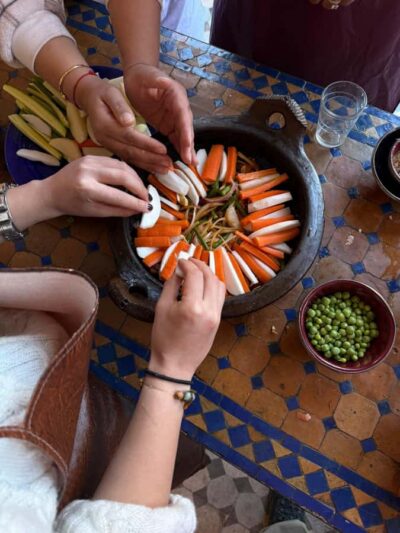
Marrakech: Moroccan Cooking Class with a Local Family
Read our review →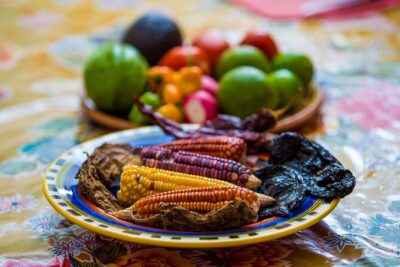
Mexican Cooking from Scratch in a Local Home in Tulum
Read our review →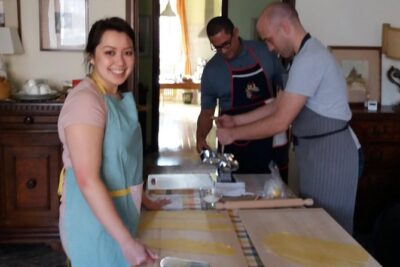
Pastamama, Home Cooking Classes at Grace’s Home
Read our review →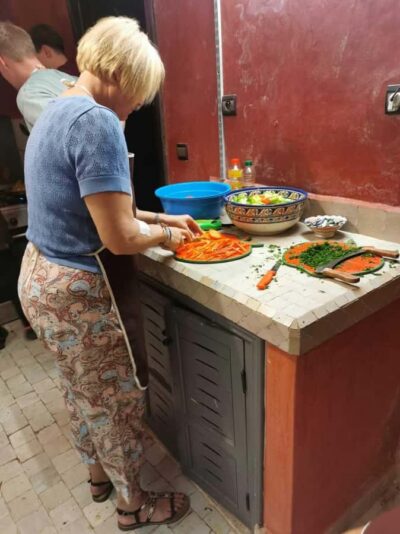
Marrakech: Moroccan Cuisine Cooking Class in Local Home
Read our review →
Hoi An: Traditional Cooking Class & meal with Local Family
Read our review →
Browse the lists this tour appears in