
Review · COOKING CLASSES
Malindi : Kenyan Cooking Class with Campfire Meal
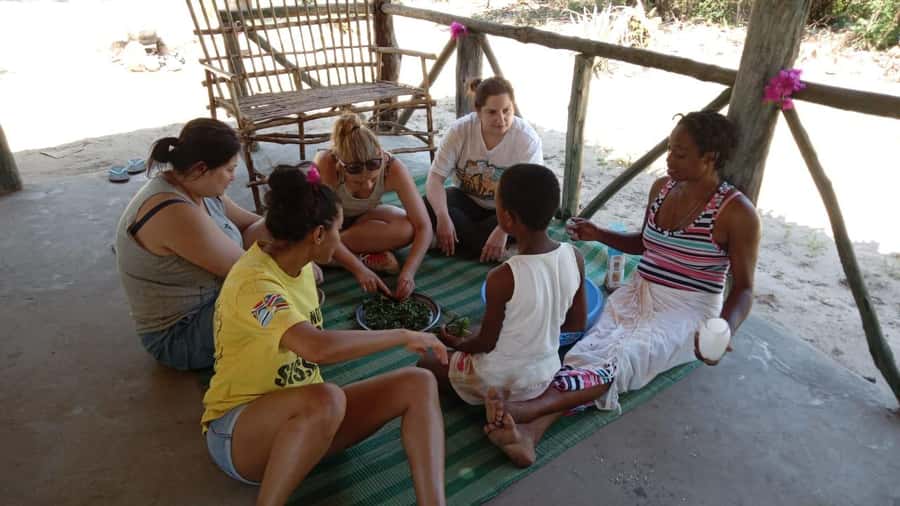
Cooking over a wood fire at Mida Creek Nature Camp gives this two-hour class more character than a standard kitchen lesson. You work with local ingredients, traditional tools, and recipes from coastal Kenya, guided in English by Harrison and his family. I like the personal setting and the chance to share the finished meal instead of simply watching a demonstration.
I also like the value: at $25 per person, ingredients, instruction, and a meal are included. The main consideration is that this is a simple camp-based experience, not a polished culinary school. Starting times depend on the group, and the experience is not suitable for people with food allergies, even though you are asked to report allergies and intolerances ahead of time.
Key details at a glance
- Campfire cooking in nature: Prepare food at Mida Creek Nature Camp with traditional techniques and tools.
- Harrison leads the class: Expect clear English instruction and a host who takes time to explain the food and its cultural setting.
- Recipes change: Possible dishes include Kenyan pilau, ugali, githeri, wali wa nazi, sukuma wiki, mandazi, and nyama choma.
- Eat or take it home: Share the meal with the group once cooking is finished, or bring your creations with you.
- Small-group format: The class is limited to 10 people, which allows for hands-on work rather than a demonstration from a distance.
- Flexible mealtime: Choose a lunch or dinner session, with the exact starting time set according to availability and group preference.
Why a campfire class works so well in Malindi
Many food classes focus on recipes alone. This one adds the setting. Mida Creek Nature Camp places you in a leafy, sandy area away from the feel of a busy resort kitchen. You cook outdoors, tend the fire, handle the ingredients, and watch a meal come together at a measured pace.
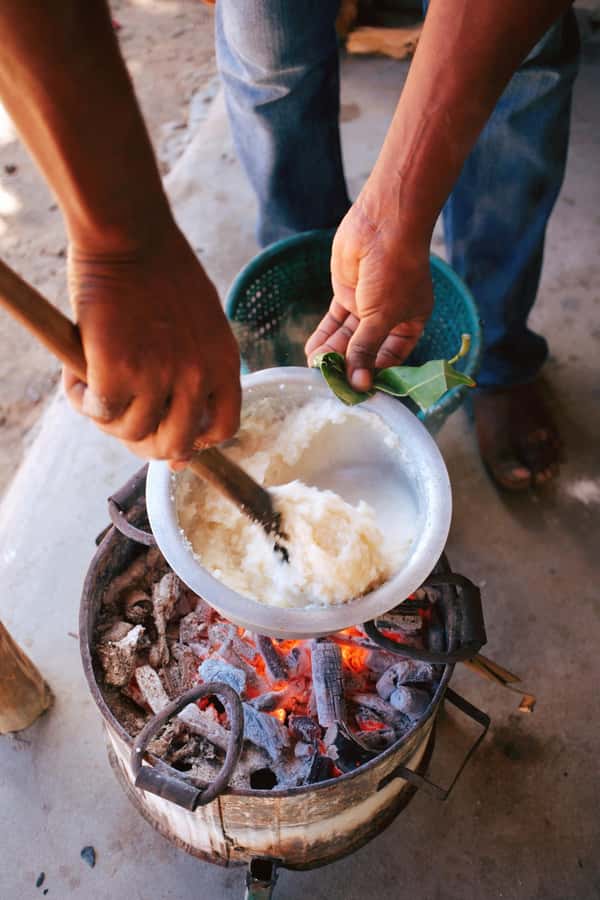
That setting matters because Kenyan cooking is often tied to the fire, the family table, and the use of simple ingredients. Here, the method is part of the lesson. You are not only learning what goes into pilau or sukuma wiki. You are also seeing how food can be prepared with basic tools and a steady cooking fire.
I would choose this experience if you want an activity that feels connected to local life rather than designed only for quick sightseeing. It is especially useful on a day when you want to slow down, meet a local family, and do something practical with your hands.
The camp also offers a quieter contrast to Malindi’s main tourist areas. The supplied information describes a family-run place with tents and treehouses, plus small activities connected to the village, mangroves, and nature. Those extras are not part of this cooking class, but they help explain why the location feels like more than a temporary cooking venue.
More Cooking Classes with Lunch in the world:
- New Orleans Demonstration Cooking Class with Meal
★ 5.0 · 3,000 reviews - New Orleans Hands-On Cooking Class with Meal
★ 5.0 · 1,183 reviews - Palermo: Pizza and Gelato Cooking Class with Dinner and Wine
★ 4.9 · 951 reviews
From local ingredients to a shared meal
The class begins at Mida Creek Nature Camp, with the start time set for a lunch or dinner session. You meet a couple of hours before the planned meal, depending on the group’s preference and the available schedule. Since the activity itself is listed as two hours, check the exact starting time when booking.
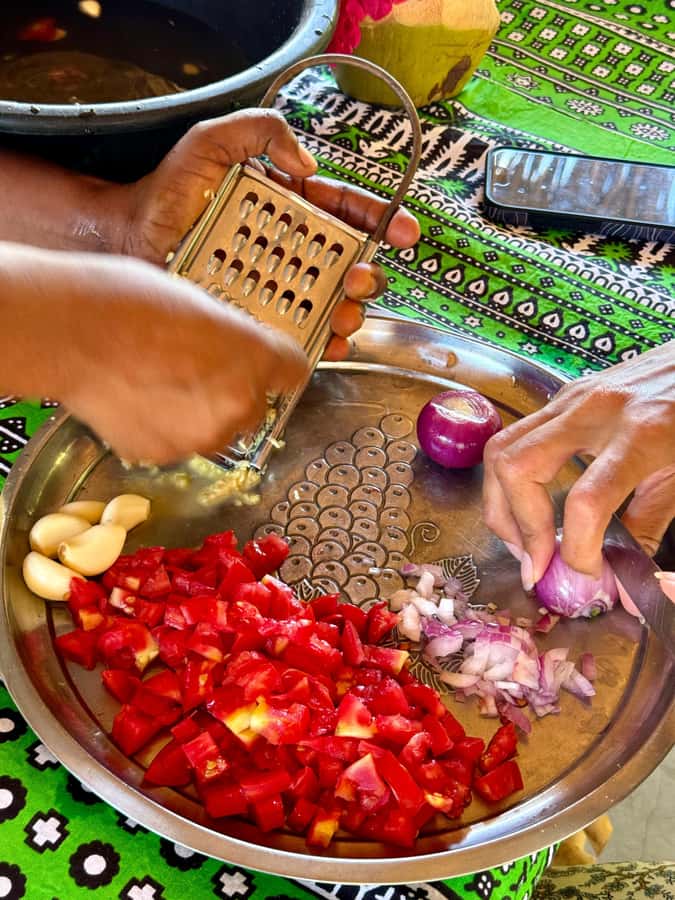
The first part is preparation. You learn how to work with the ingredients and help prepare the selected dishes. Some ingredients are homegrown, and the camp has a small shop for anything still needed. That detail gives the class a practical quality. You are working with what is available rather than being presented with a carefully staged cooking kit.
The menu is not fixed. You might prepare Kenyan pilau, a spiced rice dish, or wali wa nazi, rice cooked with coconut. You could also work on ugali, githeri, sukuma wiki, mchicha, Kenyan stew, matoke, grilled maize, mandazi, or nyama choma.
Because the class is open to requests, contact the provider before the session if there is a particular dish you want to learn. You should not assume every item will be prepared on every date. The changing menu is part of the appeal, but it also means you need to communicate your preferences in advance.
The Kenyan dishes you may prepare
The range of recipes gives you a useful introduction to different parts of Kenyan home cooking. Ugali is a staple made from maize flour, and it is commonly served with vegetables, stew, or meat. Learning it in a camp setting helps you understand the texture and technique, not just the name on a menu.
Githeri combines maize and beans. It is simple, filling food and a good reminder that Kenyan cooking does not depend on a long list of expensive ingredients. Sukuma wiki and mchicha bring cooked greens to the table, while Kenyan stew adds a more substantial centerpiece.
Pilau and wali wa nazi offer a taste of coastal influence. Pilau uses spice in a way that gives the rice its character, while coconut rice reflects the connection between the Kenyan coast and the ingredients grown or traded around the Indian Ocean.
Matoke, grilled maize, and nyama choma add more variety. Mandazi gives the class a sweet finish, though the exact mix of dishes depends on the session. One recent class prepared seven dishes in less than two hours, so you may cover a surprising amount of ground. The pace can be lively, especially when several people are helping at once.
You should expect a working class rather than a private cooking lesson built around one elaborate recipe. The advantage is variety. The tradeoff is that you may not spend a long time perfecting every dish.
Harrison and the family setting
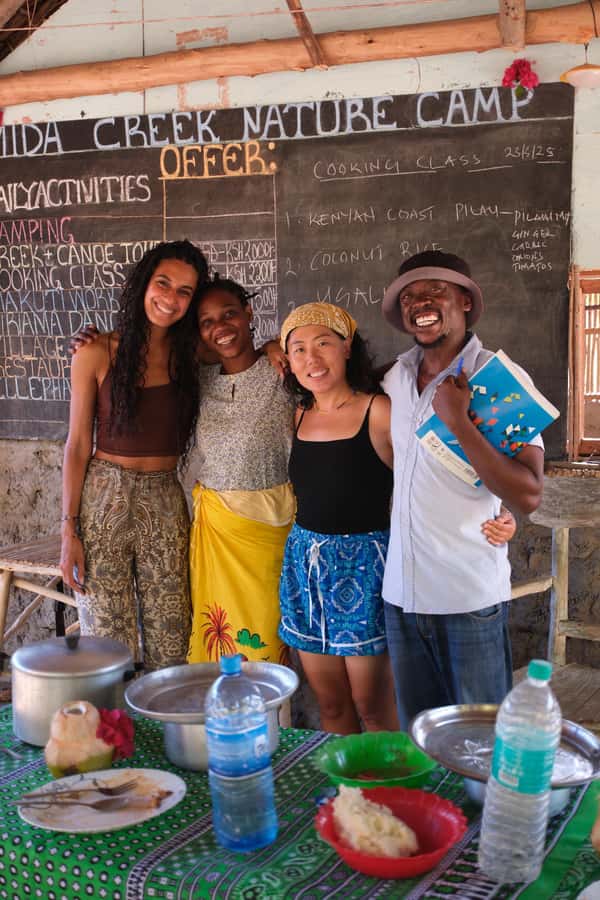
Harrison is the English-speaking guide for the activity. His role is not limited to giving instructions. He explains the food, shares the local tradition behind it, and takes time with the process. That matters for beginners, since campfire cooking can feel less familiar than using a modern stove.
The family setting is another strong part of the experience. Cooking alongside Harrison and his family creates room for conversation and cultural exchange without turning the meal into a formal performance. You can ask about the ingredients, request a dish, and see how the food fits into everyday life.
The group limit of 10 participants is helpful here. Ten people is still enough for a social meal, but small enough for you to take part in chopping, stirring, shaping, or tending the cooking process. If the group is full, expect a shared activity rather than constant one-on-one instruction.
The guide speaks English, so you can ask questions and follow the steps without relying only on watching. Comfortable clothes are the only specific item listed to bring. I would wear something you do not mind wearing around smoke, ash, or food preparation.
More Hands-On Workshops in the world:
- Half-Day Thai Cooking Class at Organic Farm in Chiang Mai
★ 5.0 · 19,087 reviews - Florence: Pasta Cooking Class with Unlimited Wine
★ 4.9 · 10,285 reviews - 3 in 1 Cooking Class near Navona: Fettuccine, Ravioli & Tiramisu
★ 5.0 · 7,376 reviews - Florence: Pasta & Tiramisu Cooking Class with Unlimited Wine
★ 4.9 · 6,708 reviews
Eating together, or taking your food home
Once the food is ready, you have two choices. You can eat with the group at the camp, or take your creations home. I would choose to eat there if your schedule allows. The shared meal is where the class comes together, and it gives you a chance to taste the results while the cooking is still fresh.
Eating on site also lets you continue talking with the hosts and other cooks. The meal is included in the $25 price, so there is no need to arrange a separate lunch or dinner after the class.
Taking the food home makes sense if you are staying nearby, have another appointment, or prefer a quieter meal later. Just remember that the group meal is part of the social side of the experience. If you leave immediately, you will miss some of that connection.
One practical point is timing. Since the class can be held for lunch or dinner, do not treat the two-hour duration as a rigid universal schedule until you confirm the start time. Group preferences affect when the cooking begins, and the meal may naturally encourage people to linger.
What the $25 price delivers
At $25 per person, the price covers the cooking class, ingredients, and meal. That is strong value if you want both an activity and food in the same outing. You are also paying for a small group, a local instructor, and a setting that uses traditional cooking methods instead of a standard commercial kitchen.
The value is greatest for people who care about participation. If you only want to eat Kenyan food, a restaurant may be faster. If you want to understand how several dishes are prepared and take part in the work, this class offers more for the money.
The low price also reflects the nature of the venue. Do not expect restaurant service, a printed tasting menu, or a fully equipped teaching kitchen. The campfire, basic tools, and changing menu are central to the experience. For me, that is a fair trade if you want a grounded activity rather than a polished production.
The food itself is designed around local and homegrown ingredients when possible. That keeps costs sensible and makes the lesson more relevant. It also means the final menu may respond to what is available, your requests, and the group’s choices.
Food allergies and other practical limits
The activity information says it is not suitable for people with food allergies. You are still asked to contact the provider before the experience to discuss allergies and intolerances, but that should not be read as a guarantee that the meal can be safely adapted.
If you have a serious allergy, I would not book this class unless the provider gives you clear confirmation that your needs can be handled. Cross-contact and shared ingredients can be difficult to control in a campfire setting.
Pets are not allowed. Comfortable clothes are recommended, and the meeting point is Mida Creek Nature Camp, with directions available through Google Maps. The instructor language is English, and the group is limited to 10 participants.
You can cancel up to 24 hours before the experience for a full refund, and the reserve-now, pay-later option keeps your plans flexible. Those terms are useful if your Malindi schedule may change, but the more important step is confirming the meeting point and start time before the day of the class.
Who will enjoy this most
I would recommend the class to you if you enjoy food, conversation, and hands-on activities. It suits couples, families with older children, solo visitors who want a social outing, and anyone curious about Kenyan home cooking.
It is also a good choice if you have already seen Malindi’s main sights and want something slower. The camp setting and family connection make the experience feel different from a quick restaurant meal or a standard sightseeing stop.
You may want to skip it if you need exact timing, dislike smoke or outdoor cooking, or want a formal chef-led lesson. The menu changes, the pace depends on the group, and the setting is deliberately simple.
I would also allow extra time if possible. Two hours is enough for the class and meal, but the camp’s relaxed setting may tempt you to stay longer. The family also organizes other village, mangrove, and nature activities, though those are separate from the cooking session.
Should you book the Mida Creek cooking class?
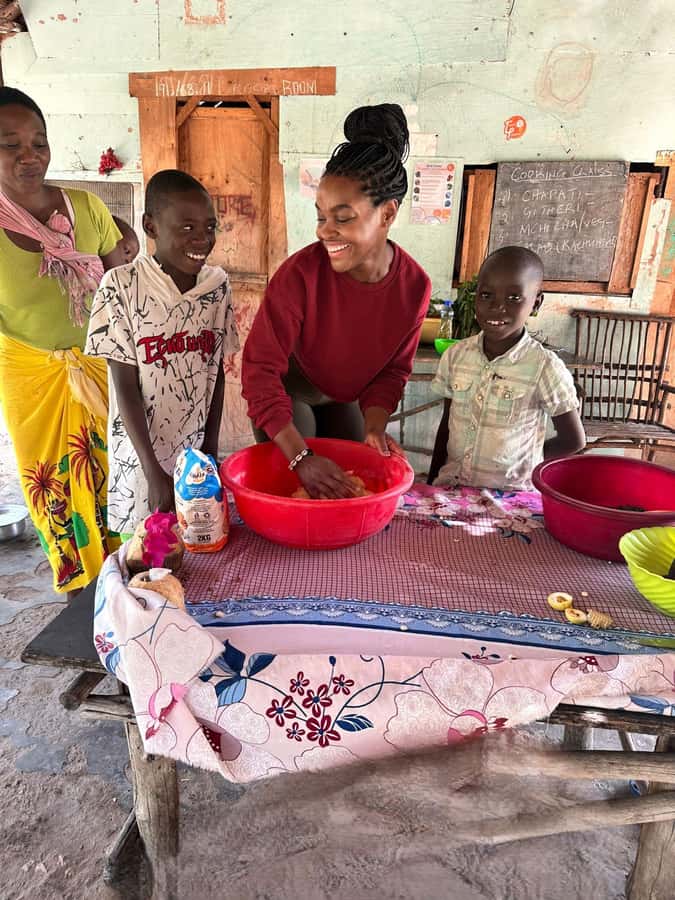
Book it if you want to learn several Kenyan dishes, cook with local people, and eat in a natural camp setting for a modest price. The combination of Harrison’s patient English instruction, a family-led atmosphere, and a changing menu gives the class a personal feel that a standard food tour may not provide.
Before booking, confirm the date’s menu, lunch or dinner timing, and your allergy needs. If you are comfortable with basic outdoor cooking and value genuine participation over polished presentation, this is an easy experience to recommend. If you want a controlled kitchen, fixed recipes, or a carefully timed meal, choose something more formal.
FAQ
How long does the Kenyan cooking class last?
The cooking class lasts two hours. The starting time depends on whether you choose a lunch or dinner session and on the group’s preferences.
How much does the experience cost?
The price is $25 per person. Cooking instruction, ingredients, and the meal are included.
Where does the class take place?
The class takes place at Mida Creek Nature Camp in Kenya’s Coast Province. Google Maps provides directions to the meeting point.
Who teaches the cooking class?
Harrison leads the class in English, with his family involved in the cooking and hosting.
What Kenyan dishes might I prepare?
Possible dishes include ugali, githeri, Kenyan pilau, wali wa nazi, sukuma wiki, mchicha, Kenyan stew, nyama choma, matoke, mandazi, and grilled maize. The selection changes for each lesson, and you can request special dishes in advance.
Can I choose lunch or dinner?
Yes. The experience can be arranged as either a lunch or dinner activity, depending on your preference and the group’s schedule.
Can I take the food home instead of eating at the camp?
Yes. Once the food is ready, you can eat with the group or take your creations home.
Is the class suitable for people with food allergies?
The experience is listed as not suitable for people with food allergies. You should contact the provider before booking to discuss allergies or intolerances.
Just added around the world
- Montreal: Cooking Class & Lunch with Michelin-Trained Chef★ 4.4 · 32 reviews
- Mojo Workshop Cooking Class in Ancient Canarian Village★ 4.9 · 127 reviews
- MoMo or Dal Bhat Cooking Class at Aama Kitchen in Pokhara★ 4.9 · 28 reviews
- Mirissa: Cooking Class with Beer and Meal★ 3.3 · 4 reviews
- Modena: Home Cooking Class Tagliatelle and Ragu and Tiramisu★ 5.0 · 23 reviews
- Moires: Cooking Class and Olive Oil Tasting at a Family Farm★ 5.0 · 93 reviews
- Milan: Private Cooking Class at a Local’s Home★ 5.0 · 9 reviews
- Rome Pizza & Gelato Cooking Class★ 4.6 · 49 reviews
Cooking Classes with Lunch or Dinner, compared.
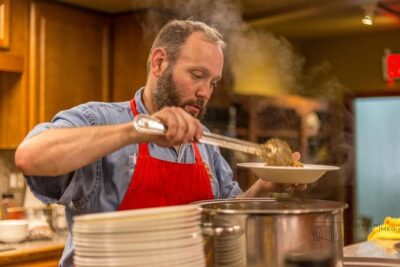
New Orleans Demonstration Cooking Class with Meal
Read our review →
Pasta Making & Wine Tasting with Dinner in Frascati from Rome
Read our review →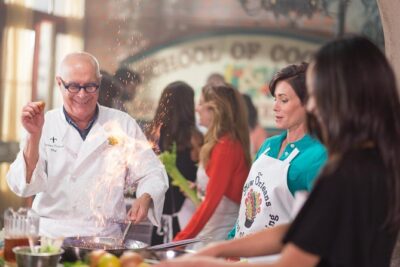
New Orleans Hands-On Cooking Class with Meal
Read our review →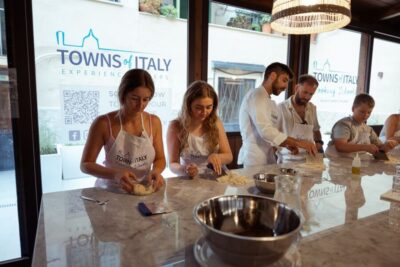
Palermo: Pizza and Gelato Cooking Class with Dinner and Wine
Read our review →
Krabi: Cooking Class at Thai Charm Cooking School with Meal
Read our review →
Paris Evening Cooking Class French Dinner and Market Visit Option
Read our review →
Hanoi: 5 Local Dishes Cooking Class with Meal & Market Visit
Read our review →Browse the lists this tour appears in