
Review · NEPAL
MoMo or Dal Bhat Cooking Class at Aama Kitchen in Pokhara
Pokhara’s Aama Kitchen puts you in a real family home, not a polished restaurant classroom. You choose between momos and Dal Bhat, then learn by chopping, folding, stirring, and tasting beside an experienced Nepali home cook.
I like the warm, personal setting, and I like that the class gives you practical skills you can use after Nepal. The 25-minute ride from Lakeside also takes you beyond the tourist strip. The main consideration is that this is a working home kitchen, so it suits you best if you enjoy hands-on cooking rather than simply watching a chef.
I also like the patient teaching. Kayla struggled with momo folding but found the host encouraging, while Thomas praised the clean facilities and friendly instruction. The possible drawback is food allergies: the activity is not suitable for people with allergies, and large bags or luggage are not allowed.
Key points to know before booking
- Choose one signature dish: Select momos or Dal Bhat when you book.
- Cook in a family home: The setting is a private apartment kitchen rather than a commercial school.
- Allow three hours: Hotel pickup, the drive, cooking, eating, and return transfer are all part of the experience.
- Expect active participation: You will prepare ingredients and take part in the cooking.
- Best for curious eaters: You’ll learn about spices, vegetables, food customs, and everyday Nepali cooking.
- Good transport value: Round-trip pickup is included for hotels within Pokhara’s Lakeside area.
Aama Kitchen puts you inside everyday Nepali cooking
The appeal here is simple: you get to cook food that people in Nepal actually eat, in a home with the people who know it best. Aama means mother, and the family head leads the lesson with years of home-cooking experience.
That family setting changes the mood. You are not sitting at a desk copying a recipe while a chef performs at the front. You are working in a kitchen, asking questions, and learning through the small details that rarely appear in a printed recipe.
The class is operated by Crystal Holidays Adventure Pvt Ltd, but the experience itself centers on the Aama and her family. Past sessions have included hosts named Shanta and Sadaha, and one family class met Aama and her two sons. Names and family members may vary, but the key point remains the same: you cook with local people in their own home.
The class is private, which matters if you want to ask questions without holding up a large group. It also gives you room to work at your own pace. If your momo folds look more like small parcels than neat dumplings, you can keep practicing without feeling rushed.
More Hands-On Workshops in the world:
- Half-Day Thai Cooking Class at Organic Farm in Chiang Mai
★ 5.0 · 19,087 reviews - Florence: Pasta Cooking Class with Unlimited Wine
★ 4.9 · 10,285 reviews - 3 in 1 Cooking Class near Navona: Fettuccine, Ravioli & Tiramisu
★ 5.0 · 7,376 reviews
Picking momos or Dal Bhat
You choose your dish at booking. Put your choice in the booking comments so the kitchen can prepare for the right lesson.
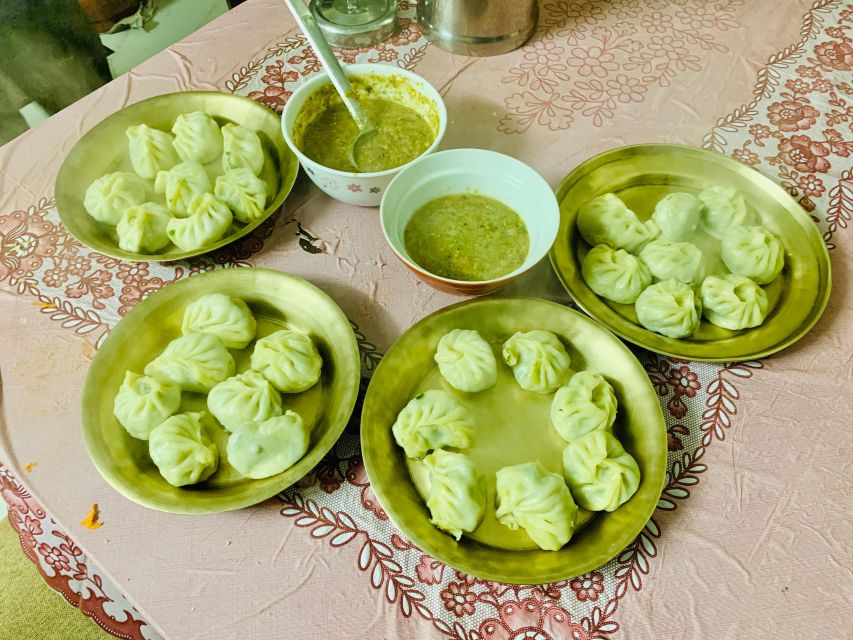
Momos are the more focused option. You learn to prepare the filling, work with the dough, shape the dumplings, and cook them. Folding is often the tricky part. One participant described being poor at the technique but appreciated the host’s patience and encouragement.
That is useful to know before you arrive. Do not expect perfect dumplings on your first try. The fun is in learning the hand movement, and the finished food tastes better because you made it yourself. The class also suits solo visitors. One person who attended alone said the family atmosphere made the experience feel sociable rather than lonely.
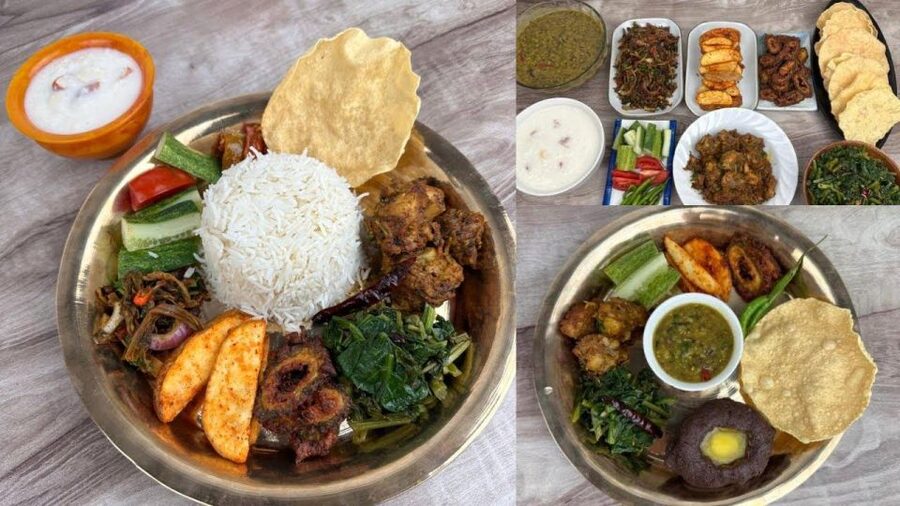
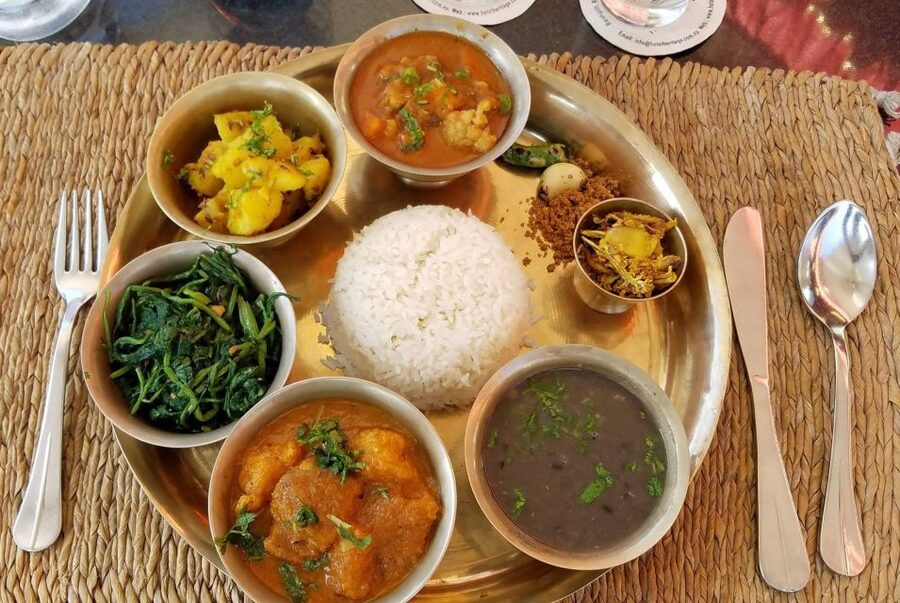
Dal Bhat gives you a broader lesson in Nepali home cooking. The meal usually brings together rice, lentils, vegetables, spices, and curry-style preparations, and this class covers the elements of the dish. You get more than one recipe to remember. You also learn how several parts of a traditional meal fit together.
The Dal Bhat choice may be best if you want to understand the structure of Nepali food. A past class covered the origins and harvest seasons of spices and vegetables, along with the cultural role of the meal. One participant attending during a festival also received a tika and took part in a small ceremony.
You should not book both dishes expecting a full lesson in each. The activity asks you to choose one option, and three hours is a sensible length for learning one meal properly.
The 25-minute ride from Lakeside
Pickup is included from hotels within the Lakeside area of Pokhara. You should wait in your hotel lobby 10 minutes before the scheduled pickup time.
The drive to Aama’s home takes about 25 minutes. That transfer is useful for two reasons. First, you do not need to arrange a taxi or work out directions to a private home. Second, the class feels different from a food activity that takes place among the cafes and shops of Lakeside.
You are visiting a family apartment, so keep your expectations practical. This is not a large cooking studio with rows of workstations. The home setting is part of the point, but it also means the facilities are domestic in scale.
Round-trip transport adds real value to the $28 price. You receive the ride to the home, the cooking lesson, ingredients, equipment, instruction, the meal you prepare, and the return to your hotel. For a private three-hour activity, that is a fair price, especially if you would otherwise pay separately for transport and a meal.
The transport service has also been rated highly, with 93 percent of users giving it a perfect score. That does not remove the need to be ready on time. Pickup from the wrong part of Pokhara is not included, so check that your accommodation is in Lakeside.
What happens when you arrive
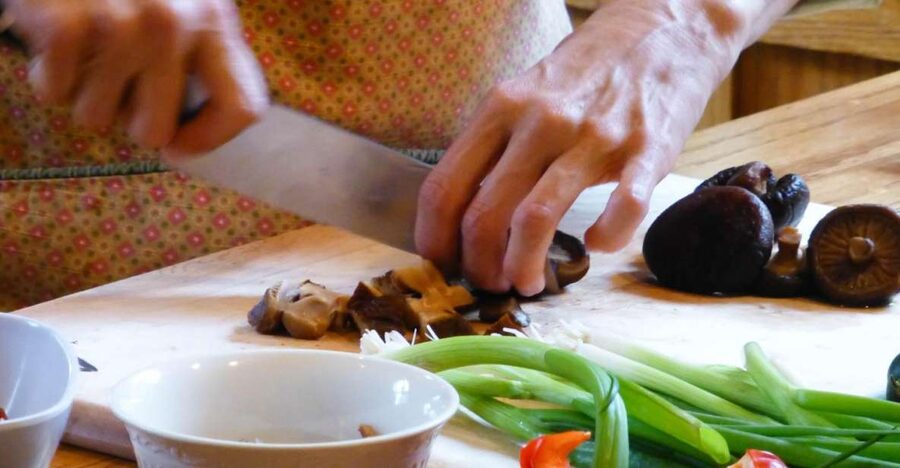
The class begins in the family’s home kitchen. You meet the Aama and receive guidance on the dish you selected.
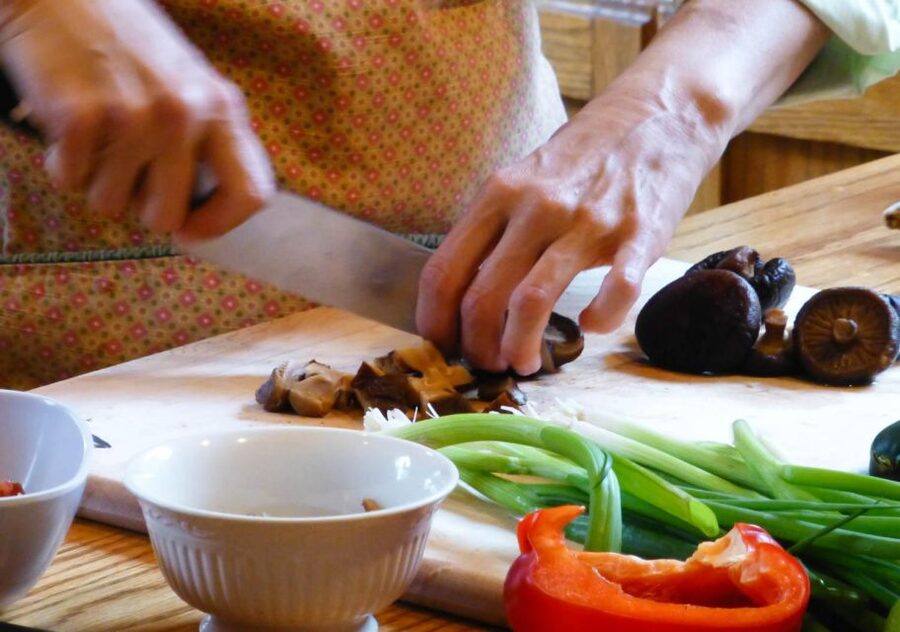
The instruction is step by step. You can expect to help prepare the ingredients, handle the cooking equipment, and ask questions as you work. The class includes the necessary ingredients and tools, so you do not need to shop before arriving.
For a momo class, the hands-on work is likely to take center stage. You may spend time preparing the filling, shaping dough, and learning to fold the dumplings. The folding lesson is not just a quick demonstration. It is the part where your own hands need to learn the technique.
For Dal Bhat, the class covers the different components of the meal. You can expect more attention to spices, vegetables, lentils, rice, and the way these items are combined. The experience can help you understand why Dal Bhat is more than a bowl of rice and lentils. It is a complete meal with several textures and flavors working together.
The family also provides cultural context. You can ask about ingredients, cooking habits, Nepali food, and local traditions. English and Hindi instruction are available, making the class accessible to a wider range of visitors.
A few more cooking classes around the world worth a look
- Florence: Pasta & Tiramisu Cooking Class with Unlimited Wine
★ 4.9 · 6,708 reviews - Florence: Pasta Cooking Class with Unlimited Wine
★ 5.0 · 6,413 reviews - Hanoi Cooking Class: Culture, Local Market & Meaning CSR Impact
★ 5.0 · 5,147 reviews - 5 Traditional Dishes Hanoi Cooking Class with Market Trip
★ 5.0 · 4,890 reviews
The meal is part of the lesson
Once the cooking is finished, you eat what you made. This is an important part of the experience. A recipe can seem clear on paper, but tasting the final dish helps you understand balance, texture, and seasoning.
The food has drawn some of the strongest praise. One person called the Dal Bhat the best meal they had eaten in Nepal, while another described the momo as delicious after learning to make it from scratch. Those comments point to the value of cooking rather than simply ordering a plate in a restaurant.
You also get a chance to slow down and talk with the family. The meal is not an extra rushed onto the end of the class. It is the natural finish to the preparation. You have handled the ingredients, watched the dish change, and then sat down to eat it.
If you are traveling with children or relatives, this shared meal gives everyone a clear role. Adults can focus on spices and technique, while younger participants can help with simple preparation or momo folding, depending on the family’s instructions and the kitchen space.
What the reviews reveal about the teaching style
The most consistent strength is the welcome. The family home is described as cozy, friendly, and comfortable, with several people feeling included even when attending alone.
Patience is another repeated strength. Momo folding takes practice, and the teaching style appears to allow mistakes. That matters because a cooking class can become frustrating if the instructor rushes through the difficult parts.
The experience also works for different types of visitors. Couples and families can cook together, solo visitors can have direct contact with the host, and food-focused visitors can ask about spices and local ingredients.
The class has received a 4.9 rating from 28 reviews, with both momo and Dal Bhat sessions receiving strong praise. That rating suggests reliable satisfaction, but you should still book with the right expectations. You are choosing a cultural home visit with cooking, not a formal culinary qualification.
Practical limits of a home kitchen
The homely atmosphere is the main attraction, but it is also the main limitation. Space may feel more compact than in a purpose-built school. You will be involved in cooking, so you should wear comfortable clothes and shoes.
Do not bring luggage or large bags. A small personal item is more sensible, especially since you are entering a family apartment and working around kitchen equipment.
Food allergies are a serious concern. The activity is listed as unsuitable for people with food allergies, so you should not treat this as a safe choice if you need strict ingredient control. The supplied information does not promise allergy-free preparation or substitutions.
The class is wheelchair accessible, which is useful information when comparing Pokhara activities. Still, because the session takes place in a family home, you may want to confirm the practical arrangements at booking if you have specific mobility needs.
The instructor languages are English and Hindi. If you need another language, this class may not be the right fit.
How the $28 price measures up
At $28 per person, the price covers more than instruction. You receive hotel pickup and return within Lakeside, a 25-minute ride each way, ingredients, equipment, a private class, cultural conversation, and the food you prepare.
The value is strongest if you care about personal contact. A restaurant meal would cost less in some cases, but it would not teach you how the dish is made or bring you into a family home. A standard cooking school might offer more polished facilities, but it may not provide the same direct connection to everyday Nepali food.
For a solo visitor, the price also buys a structured way to meet a local family. For families, it creates a shared activity that does not depend on sightseeing weather. For anyone already planning to eat momos or Dal Bhat during a Nepal trip, the lesson gives the meal more meaning.
The value is weaker if you dislike cooking, prefer a large professional kitchen, or want to sample several dishes in one sitting. This is one dish choice, prepared through active work.
Who should book this class
I would choose Aama Kitchen if you want an experience that feels personal and practical. It is especially well suited to:
- Solo visitors who want a friendly local encounter
- Couples looking for a relaxed food activity
- Families who enjoy working together
- Home cooks who want recipes they can recreate
- Visitors interested in spices, vegetables, and Nepali food customs
- People with an open schedule for a three-hour activity
I would skip it if you want to stay in central Lakeside, avoid hands-on work, or have food allergies. The class requires you to participate, and the setting is a real home rather than a restaurant or hotel kitchen.
If you are unsure between the two dishes, choose momos for a tactile, focused lesson with a clear technique to practice. Choose Dal Bhat if you want a wider look at the structure of Nepali meals and the role of spices and vegetables.
Booking and cancellation details
You can reserve now and pay later, which helps if your Pokhara schedule may change. Free cancellation is available up to 24 hours before the activity for a full refund.
The class lasts three hours, but allow a little extra flexibility around pickup and return. Starting times depend on availability, so check the schedule before booking.
Tell the operator your momo or Dal Bhat choice in the booking comments. Wear comfortable clothing, arrive in the lobby 10 minutes early, and leave large luggage at your hotel.
Should you book Aama Kitchen?
Yes, if you want to do more than eat Nepali food. The strongest reason to book is the combination of real family contact and useful cooking skills. You leave with a recipe, a better feel for local ingredients, and a meal you helped create.
Choose momos if you want a fun, hands-on challenge. Choose Dal Bhat if you want a broader lesson in Nepali cooking and food culture. At $28, the included transport and private family setting make this a solid value for the right kind of visitor.
Skip it only if allergies, limited mobility needs, or a dislike of cooking make the home-kitchen format unsuitable. For everyone else, Aama Kitchen offers a warm, grounded way to understand Pokhara through food.
FAQ
Where does the cooking class take place?
The class takes place in Aama’s family home, about 25 minutes by car from Pokhara’s Lakeside area.
Can I choose between momos and Dal Bhat?
Yes. You should choose either momos or Dal Bhat and note your preference in the booking comments.
Is hotel pickup included?
Yes. Round-trip transfer is included for hotels within the Lakeside area of Pokhara. You should wait in the hotel lobby 10 minutes before pickup.
How long does the activity last?
The cooking class lasts three hours. This includes the activity and the associated pickup and return arrangements.
What languages are available?
Instruction is available in English and Hindi.
Is the class suitable for people with food allergies?
No. The activity is listed as unsuitable for people with food allergies.
Just added around the world
- Montreal: Cooking Class & Lunch with Michelin-Trained Chef★ 4.4 · 32 reviews
- Mojo Workshop Cooking Class in Ancient Canarian Village★ 4.9 · 127 reviews
- Mirissa: Cooking Class with Beer and Meal★ 3.3 · 4 reviews
- Modena: Home Cooking Class Tagliatelle and Ragu and Tiramisu★ 5.0 · 23 reviews
- Moires: Cooking Class and Olive Oil Tasting at a Family Farm★ 5.0 · 93 reviews
- Milan: Private Cooking Class at a Local’s Home★ 5.0 · 9 reviews
- Rome Pizza & Gelato Cooking Class★ 4.6 · 49 reviews
- Mindelo: creol cooking with Catia★ 4.8 · 70 reviews
Cooking Classes, compared.
Half-Day Thai Cooking Class at Organic Farm in Chiang Mai
Read our review →
Florence: Pasta Cooking Class with Unlimited Wine
Read our review →
3 in 1 Cooking Class near Navona: Fettuccine, Ravioli & Tiramisu
Read our review →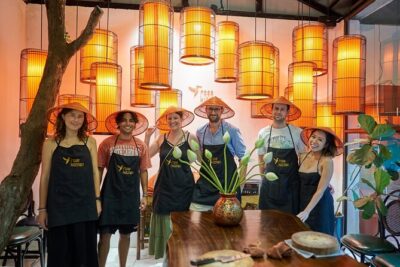
Hanoi Cooking Class: Culture, Local Market & Meaning CSR Impact
Read our review →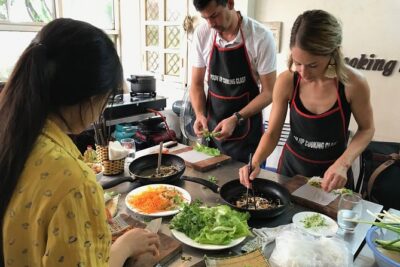
5 Traditional Dishes Hanoi Cooking Class with Market Trip
Read our review →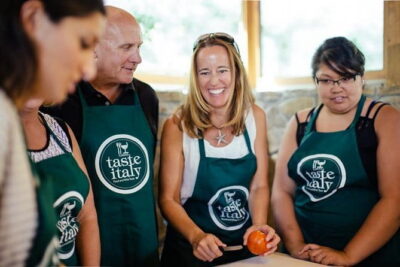
Cooking Class and Lunch at a Tuscan Farmhouse with Local Market Tour from Florence
Read our review →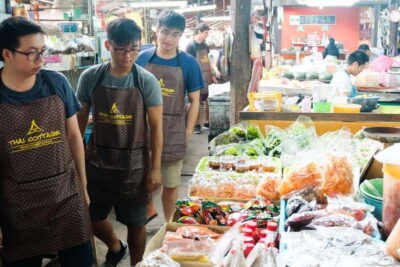
Chiang Mai: Cooking Class, Market & Thai Herbs Garden Tour
Read our review →Browse the lists this tour appears in