
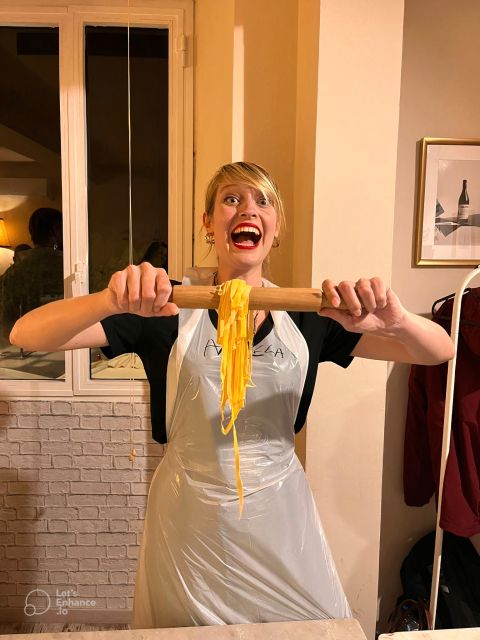
Review · ROME
Rome: Pasta Making Class with Wine, Limoncello, and Dessert
Three kinds of fresh pasta, a plate at the end, and a glass of organic Tuscan wine: that is the appealing heart of this Rome cooking class. You work with eggs and flour, shape ravioli, tortelli, and fettuccine, then sit at a communal table to eat what you made.
I like the small groups of up to 10, which give instructors such as Fabrizio, Giorgio, Olga, and Christian time to correct your technique. I also like the recipe booklet, since the class does not end when you leave Rome. The main consideration is dietary: vegan, gluten-free, lactose-free, and nut-free visitors cannot be accommodated.
Key points to know
- Three pasta shapes: Make ravioli, tortelli, and fettuccine from a simple egg-and-flour dough.
- Central Rome setting: The school is on Via della Gatta, a few minutes on foot from the Pantheon and Piazza Venezia.
- Hands-on instruction: You knead, roll, fill, and shape the pasta instead of watching a chef do all the work.
- A complete meal: Your pasta is cooked and served with tomato, butter, and sage sauces, Tuscan wine, dessert, and limoncello.
- Friendly English instruction: The named chefs include Fabrizio, Olga, Giorgio, Christian, Marco, Martina, Roberto, and Noemi.
- Good value at $48: Three hours of tuition, food, wine, dessert, and a recipe booklet are included.
Pasta making in Palazzo Grazioli
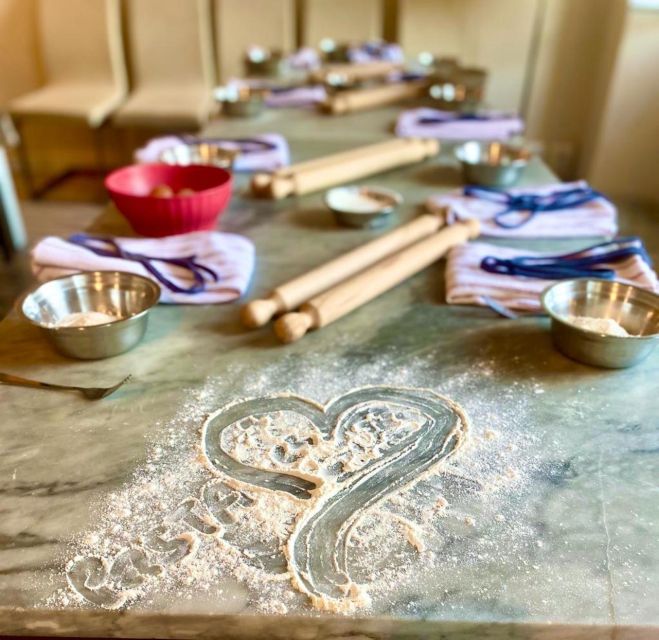
This experience begins in central Rome, inside Palazzo Grazioli on Via della Gatta 14. The location matters. You can pair the class with a walk around the Pantheon, Piazza Venezia, or the narrow streets of the historic center without spending part of your day traveling across the city.
The entrance is at the back corner of the palazzo. Look for the Pastamania bell. On the street, you can also see the marble cat statue that gives Via della Gatta its name. It is a small detail, but useful when you are trying to find the door in an old Roman quarter where addresses and entrances are not always obvious.
The class lasts about three hours. That is long enough to learn the basic method, make several shapes, eat a proper meal, and talk with the people at your table. It is not a quick demonstration squeezed between sightseeing stops. Plan to give the experience a full part of your day, especially if you choose an evening starting time.
The cooking school uses English instruction. The instructors vary, but the named chefs include Fabrizio, Olga, Giorgio, Christian, Marco, Martina, Roberto, and Noemi. Several of these teachers are repeatedly praised for being patient, funny, and attentive. That matters in a class where dough can turn from sticky to dry in a matter of minutes.
More Cooking Classes with Wine Tasting in Italy
- Fettuccine & Tiramisù: Cooking Class with Wine & Limoncello
★ 4.9 · 2,103 reviews - Pasta Making & Wine Tasting with Dinner in Frascati from Rome
★ 5.0 · 1,326 reviews - Rome Cooking Class: Make Pasta, Dine & Drink Wine With Local Chef
★ 5.0 · 1,263 reviews
Kneading, rolling, and shaping three pastas
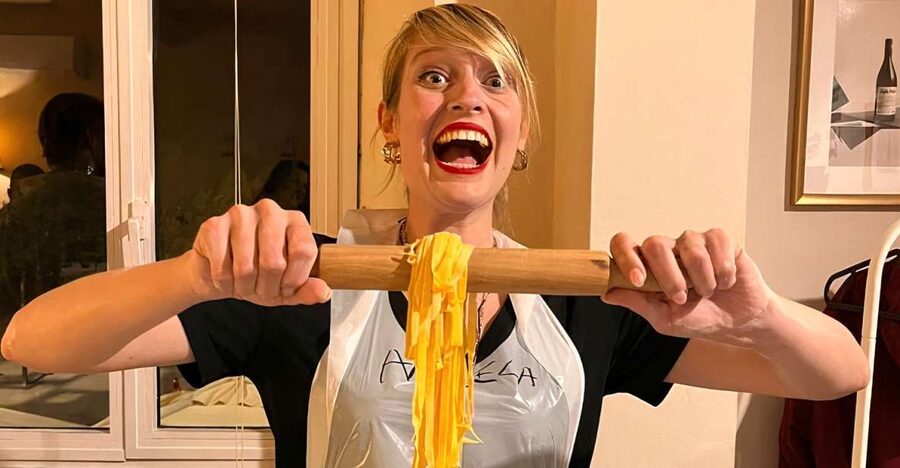
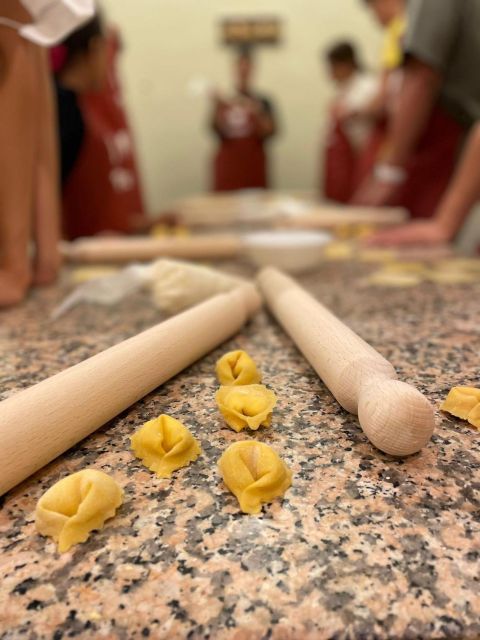
The practical work starts with the traditional combination of flour and eggs. You put on an apron, take up a rolling pin, and prepare the dough with your own hands. This is not a class where a finished sheet of pasta appears for you to decorate.
The instructor explains the steps, then moves around the table to check each person’s dough and shaping. Fabrizio is noted for spending time with each participant, while Olga is described as clear and patient. Christian and Giorgio are often praised for keeping the class light and social while still answering questions carefully.
You make three different pastas:
- Ravioli, filled pasta that receives a butter and sage sauce.
- Tortelli, another filled shape with its own folding and sealing work.
- Fettuccine, long ribbons that give you practice cutting and handling fresh dough.
The two filled pastas are the more demanding part. You need to place enough filling inside without leaving air pockets or allowing the edges to split. The instructor helps you move at the right pace, which is especially useful if you have never worked with fresh pasta.
Fettuccine is more forgiving. Rolling and cutting it gives you a clear sense of how a single sheet becomes a pile of noodles. You will also learn why fresh pasta needs careful cooking. It cooks far faster than dried pasta, so timing becomes part of the lesson.
The process is hands-on, but it is not a professional chef’s training course. You will learn a reliable home method rather than every regional variation in Italian pasta. For most people, that is the right balance. You get enough technique to repeat the recipes without sitting through a long culinary lecture.
Two sauces and a meal made from your work
Once the pasta is shaped, everything is cooked together in the same pot and shared at the table. This family-style approach gives the meal a social feel. You are not simply handed a plate made separately in the kitchen. You see the food go from your work surface to the cooking water and then to the table.
The tomato sauce is prepared in advance and allowed to simmer for hours. That preparation is practical, since a good tomato sauce needs more time than the class itself allows. The instructor prepares the butter and sage sauce for the ravioli and tortelli during the class, so you can watch how a simple sauce is put together just before serving.
This division of labor is worth understanding. The class teaches fresh pasta, not an elaborate restaurant menu. The sauces are deliberately simple because they let the pasta do the work. Fresh filled pasta with butter and sage is a classic combination for a reason: it is light enough to show the filling and rich enough to feel like a proper Roman meal.
The class includes the food you make, so you should arrive ready to eat. One participant noted that you should come hungry, and that is sensible advice. The meal is followed by dessert, and some sessions also include small appetizers or accompaniments. The exact dessert can vary, but chocolate salami and cake are among the sweets described.
Tuscan wine, limoncello, and the communal table
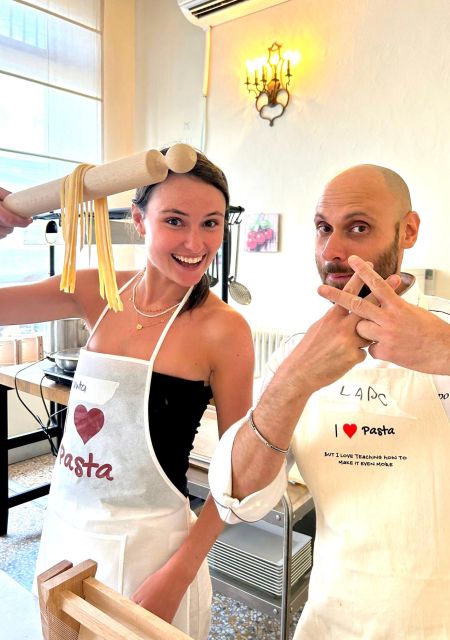
The meal includes Dalle Nostre Mani Tuscan wine, produced organically on the provider’s own farm. It is a useful regional touch. The class takes place in Rome, but the wine introduces another part of Italian food culture without turning the experience into a formal tasting.
Wine is served while the pasta is prepared and eaten. The shared table encourages conversation with people from different countries, and that social part is central to the format. You can expect a friendly, informal atmosphere rather than a quiet lesson with everyone focused only on their own dough.
Alcohol is served only to people of legal drinking age. If you do not drink, ask about alternatives when booking. One session provided nonalcoholic choices, but the listed inclusion is wine, not a guaranteed substitute.
Dessert and a shot of limoncello finish the class. Limoncello is sweet, cold, and strongly flavored, so it makes a lively ending after a filling meal. Again, only participants of legal drinking age are served alcohol.
I like this ending because it gives the class a clear rhythm: learn, make, cook, eat, and linger. You are not rushed out as soon as the last forkful is gone. The final drink and dessert help turn the class into a social evening rather than a lesson followed by an ordinary dinner elsewhere.
More Cooking Classes with Wine Tasting in Rome
- Rome: Combo Pizza and Pasta Cooking Class with Wine
★ 4.6 · 1,180 reviews - Rome: Pasta Making with Wine Tasting and Dinner in Frascati
★ 4.9 · 979 reviews - Rome: Pizza & Tiramisu Class with Free Flowing Fine Wine
★ 5.0 · 973 reviews - Rome: Fresh Pasta-Making Class with Wine and Gelato
★ 4.9 · 813 reviews
Why the $48 price can make sense
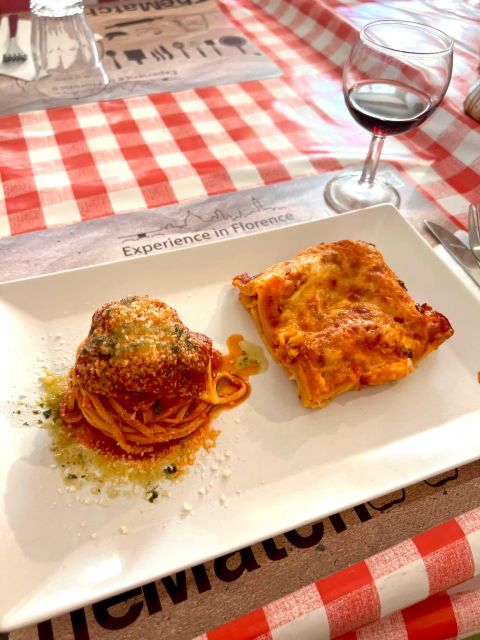
At $48 per person, this is not the cheapest meal in Rome. You could buy a bowl of pasta for much less. But the price includes three hours of instruction, ingredients, your meal, Tuscan wine, dessert, limoncello, and an English recipe booklet.
The value improves if you are looking for an activity as well as food. A normal restaurant meal may last an hour or two. Here, you spend an afternoon or evening learning a skill and meeting people, then eat the result. The recipe booklet adds lasting value if you actually make the pasta at home.
The group limit of 10 is another reason the price is fair. A large cooking demonstration can leave beginners guessing while the instructor works at the front. With a small group, the chef can check your dough, show you how to seal the filling, and help before a mistake spreads through the whole batch.
The experience is also convenient for a short Rome visit. No hotel pickup is provided, but you do not need transport once you are in the historic center. If your sightseeing route already includes the Pantheon or Piazza Venezia, the class is easy to fit into the day.
What the best instruction looks like
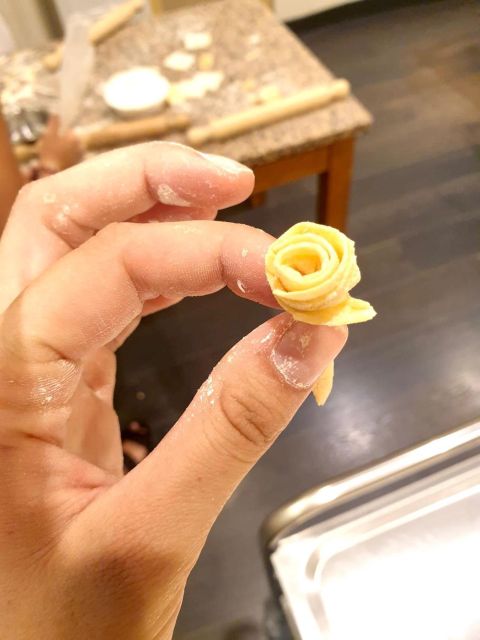
The strongest part of this experience is the teaching. Fabrizio is described as helpful, fun, and attentive to each person. Olga is praised for explaining pasta clearly and cooking it to the right point. Giorgio brings humor and patience, while Christian is often singled out for his warm, interactive style.
Those details tell you what to expect from the class format. You are not left to copy a recipe silently. The instructor gives a step, watches the group try it, and moves around to help. If you are a complete beginner, this reduces the worry that you will ruin the dough or seal the ravioli badly.
The tone is lively. There is joking, conversation, and time to ask questions about pasta and sauces. That may not suit someone seeking a serious technical workshop with detailed measurements for every possible dough variation. For a first pasta lesson, though, the relaxed approach is likely to help you remember the method.
Families can also fit into the class. The minimum age is 8, and a family ranging from age 20 to 75 enjoyed the activity together. Older children will need to handle rolling pins, flour, and hot cooking equipment responsibly, but the format gives them a real task rather than asking them to sit and watch.
The class works well for couples and groups of friends, too. You can share the experience without needing everyone to have the same cooking ability. Beginners are welcome, and the communal meal gives solo participants a natural way to meet others.
Important limits for diets and mobility
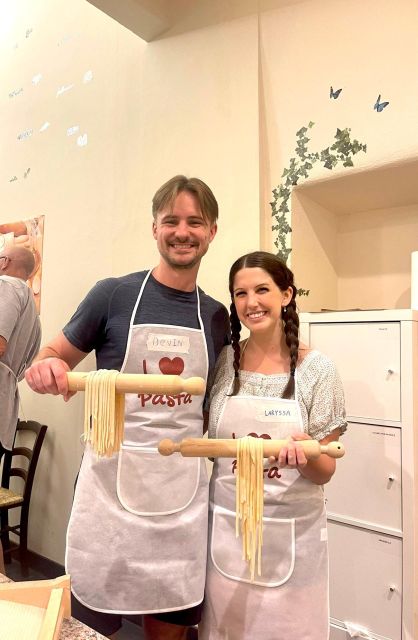
Read the food restrictions before booking. Vegetarian options and some other dietary requests are supported if you provide notice. The school cannot accommodate vegans, people with gluten sensitivity, lactose intolerance, or nut allergies.
That list is not a minor footnote. Egg pasta contains both flour and eggs, and the sauces and dessert may include dairy or other ingredients. If you have a serious allergy, ask the provider before paying rather than assuming a substitution will be possible.
The experience is not suitable for wheelchair users or people with mobility impairments. You will work at a cooking station, move between preparation and dining areas, and spend part of the class handling dough. Wear comfortable clothing suitable for cooking, and expect flour to be part of the day.
Smoking is not allowed. The provider also requires a minimum number of participants. If that number is not reached, you will be contacted with another time, another date, or a full refund.
Cancellation is flexible up to 24 hours before the activity for a full refund. You can also reserve now and pay later, which is useful if your Rome schedule is still shifting.
Who should book this Rome pasta class?
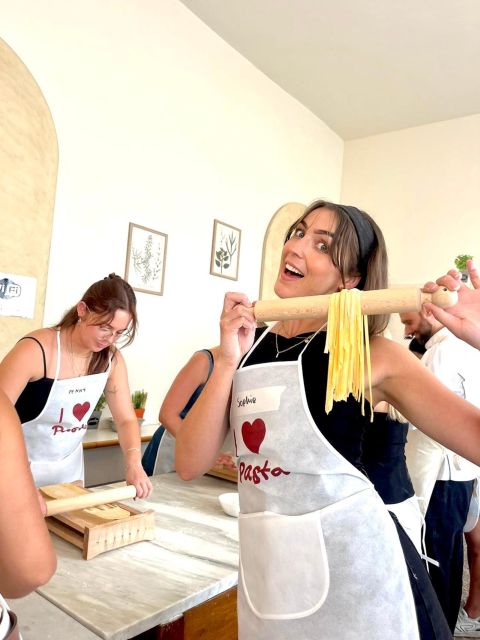
I would choose this class if you want a hands-on food activity in the center of Rome, especially if you have already seen the major monuments and want something more participatory. It is also a strong choice for a rainy afternoon, a family outing, or a group that wants one shared activity rather than another restaurant reservation.
You should book it if you enjoy meeting people at a communal table. The social side is not an optional extra. Pasta is made together, cooked together, and eaten together, with wine and conversation in between.
I would skip it if you need a specialized diet, cannot manage a cooking session physically, or want an advanced culinary course. The class is designed for beginners and fun, not for professional certification.
For most visitors who can eat the menu and comfortably take part, $48 is a sensible price. You get a full meal, a central location, personal guidance, and a skill you can try again at home. Bring an appetite, arrive with the Pastamania bell in mind, and leave room for dessert and limoncello.
FAQ
Where does the pasta-making class meet?
Meet directly at the cooking school at Via della Gatta 14, 00186 Roma. Ring the bell marked Pastamania. The entrance is at the back corner of Palazzo Grazioli.
How long does the experience last?
The class lasts three hours. Starting times vary, so check availability when booking.
Which kinds of pasta will I make?
You will make three fresh pasta types: ravioli, tortelli, and fettuccine. The class covers kneading, rolling, filling, shaping, and cooking.
Is the class taught in English?
Yes. The listed instruction language is English. Instructors can include Fabrizio, Olga, Giorgio, Christian, Marco, Martina, Roberto, and Noemi.
What is included in the price?
The $48 price includes the pasta-making class, instructors, the meal made during the class, Tuscan wine, dessert, limoncello, and an English recipe booklet.
Can children join the class?
Participants must be at least 8 years old. Alcohol is served only to participants of legal drinking age.
Can the class accommodate dietary restrictions?
Vegetarian and some other dietary options are available if you give notice when booking. Vegan, gluten-free, lactose-free, and nut-free requirements cannot be accommodated.
More Pasta Making Classes in Rome
- Rome Cooking Class: Make Pasta and 3 Spritz Cocktails
★ 5.0 · 2,937 reviews - Rome: Fettuccine Pasta Cooking Class in Rome’s City Center
★ 4.8 · 2,414 reviews - Pasta Cooking Class Near the Colosseum with 3 Spritz Cocktails
★ 5.0 · 1,686 reviews - Enjoy Spritz and Pasta Making in Piazza Navona
★ 5.0 · 1,681 reviews
More Dessert Classes in Rome
- 3 in 1 Cooking Class near Navona: Fettuccine, Ravioli & Tiramisu
★ 5.0 · 7,376 reviews - Rome: 3-in-1 Fettuccine, Ravioli, and Tiramisu Cooking Class
★ 4.9 · 2,704 reviews - Rome: Pasta & Tiramisu Cooking Class near the Spanish Steps
★ 4.8 · 1,395 reviews - Cooking Class in the Heart of Rome: Pizza and Tiramisu Making
★ 5.0 · 1,330 reviews
Just added around Rome
- Kitchen of Mamma: Pasta Cooking Class with market visit in Rome★ 5.0 · 140 reviews
- Farmers’ Market Shopping with Cooking Class and Pasta Making★ 5.0 · 91 reviews
- Rome Cooking Class 2-in-1: Make Fresh Pasta and Tiramisu Together★ 5.0 · 198 reviews
- Rome: Hands-on Fettuccine, Ravioli & Tiramisu Cooking Class★ 5.0 · 204 reviews
- Pasta Making and Tiramisù Cooking Class in Rome★ 5.0 · 217 reviews
- Rome: Pasta-Making Class with Italian Spritzes★ 4.8 · 229 reviews
- Cook With Us in Rome: A Hands-On Cooking Experience 09:20AM class★ 5.0 · 234 reviews
- Pasta and tiramisù Cooking class with Wine at Piazza Navona★ 4.8 · 235 reviews
Pasta Making Classes, compared.
Florence: Pasta Cooking Class with Unlimited Wine
Read our review →
3 in 1 Cooking Class near Navona: Fettuccine, Ravioli & Tiramisu
Read our review →
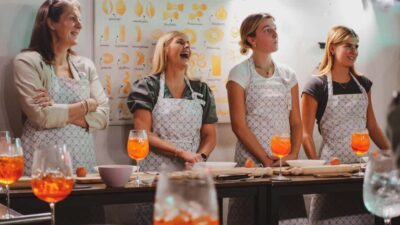
Rome Cooking Class: Make Pasta and 3 Spritz Cocktails
Read our review →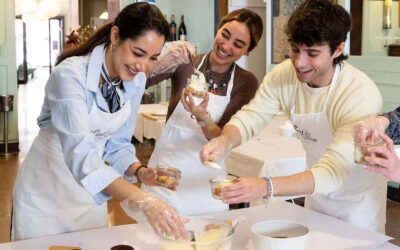
Rome: 3-in-1 Fettuccine, Ravioli, and Tiramisu Cooking Class
Read our review →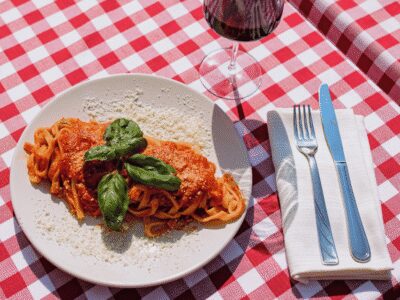
Rome: Fettuccine Pasta Cooking Class in Rome’s City Center
Read our review →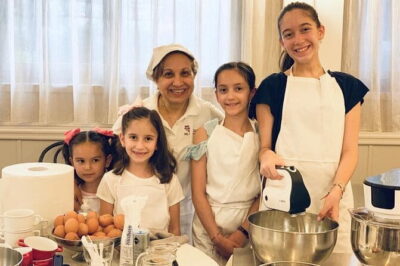
Florence: Cooking Class Pasta & Tiramisu Making Unlimited Wine
Read our review →Browse the lists this tour appears in