
Review · PRAGUE
Prague: Traditional Czech Baking Class
The unusual twist here is that your Czech baking class includes five interactive ball pits downstairs. While your dough rests or pastries bake, you can trade the oven mitts for a little playful time. It is an offbeat Prague activity that mixes local sweets, hands-on cooking, and a setting you will not confuse with a standard culinary school.
I like the clear format: a 25-minute introduction, followed by two hours of baking with measured ingredients, equipment, aprons, and printed recipes. I also like the small group limit of 10, plus the included specialty coffee and homemade lemonades. The main drawback is timing: classes are offered on weekday mornings, so this will not suit every Prague schedule. The ball pits may also appeal more to families and playful adults than to anyone seeking a quiet pastry lesson.
Key points to know before booking
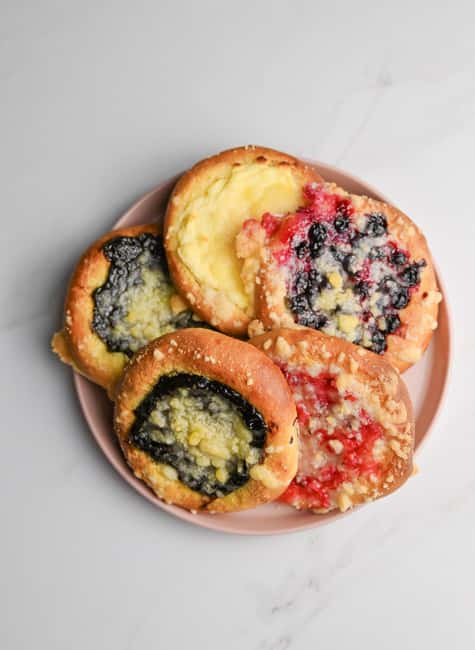
- Make two Czech favorites: Prepare apple strudel with homemade puff pastry and seasonal fruit cakes with handmade dough.
- Expect a small, guided class: Groups are limited to 10 people, with instruction in English or Czech.
- Use the waiting time well: Five ball pits downstairs offer something to do while dough proofs and pastries bake.
- Everything is supplied: Ingredients, equipment, aprons, packaging, and printed recipes are included.
- Plan for a weekday morning: The class lasts three hours, and transportation to the venue is not included.
- Pay attention to the price difference: The listed local price is 1,650 Kč per person, while the advertised price is about $80.
Why this Prague baking class is different
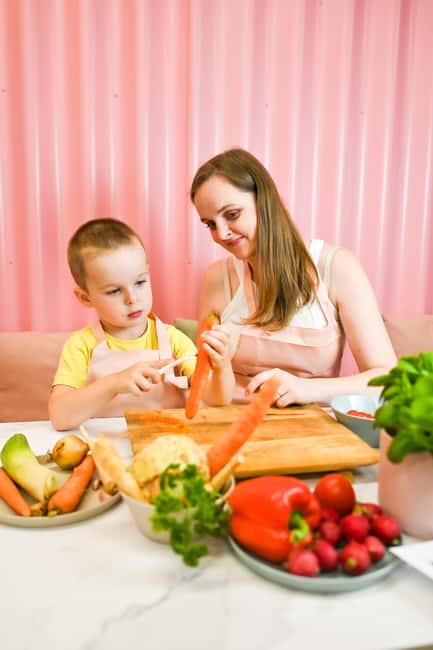
Many cooking classes give you a recipe, a work surface, and a few hours in a kitchen. This one adds a playful venue and a short cultural introduction, so the outing feels less formal. You are not simply watching an instructor assemble a pastry. You are mixing, shaping, baking, and taking the finished food with you.
The two recipes give you a useful look at Czech home baking. Apple strudel is familiar across Central Europe, but making the pastry yourself shows you more than ordering a slice in a café. Seasonal fruit cakes offer a second style of dough and let the class adjust to available fruit.
I find the pairing smart. Strudel gives you a classic filled pastry, while the fruit cake gives you a softer, more everyday bake. You get variety without trying to cram too many recipes into three hours.
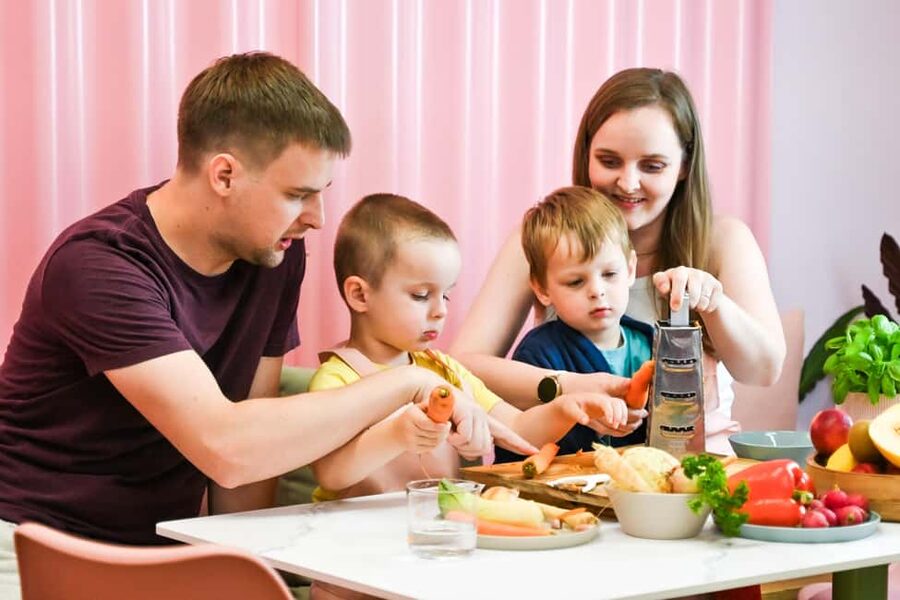
The venue is easy to recognize because it is described as a very pink place. That is practical in a city where meeting points can otherwise be easy to miss. Once inside, the ball pits downstairs give the class a playful edge. They are not a traditional part of Czech baking, of course, but they make the waiting periods more entertaining.
More Baking Classes in the world:
- Paris Croissant Small-Group Baking Class with a Chef
★ 5.0 · 910 reviews - Paris: French Croissant Baking Class with a Chef
★ 4.9 · 712 reviews - Paris Macarons Small-Group Baking Class with a Chef
★ 5.0 · 316 reviews
The 25-minute introduction to Czech sweets
The class begins with a 25-minute introduction to Czech baking traditions. This matters because it gives the recipes some context before you start handling flour and dough.
You can expect an explanation of the secrets behind authentic Czech sweets and a few facts about Czech culture. The introduction is short enough not to delay the practical work, but long enough to explain why these pastries belong in a Czech kitchen.
I prefer this kind of opening to a long lecture. You get a sense of the food tradition, then move quickly to the worktable. If you are mainly interested in baking technique, the 25-minute length should feel reasonable. If you want a full food history lesson, this class is not designed for that.
The instructor speaks English or Czech. That makes the activity accessible to many international visitors, though the supplied information does not name the individual instructor. Clear guidance is especially useful when working with pastry, where small mistakes in mixing or shaping can affect the final result.
Making apple strudel from homemade pastry
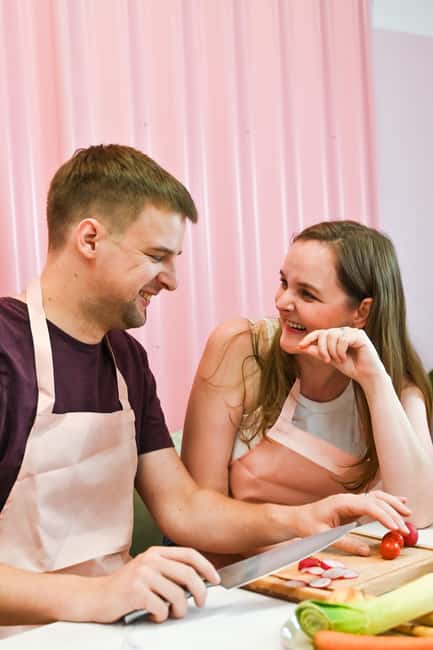
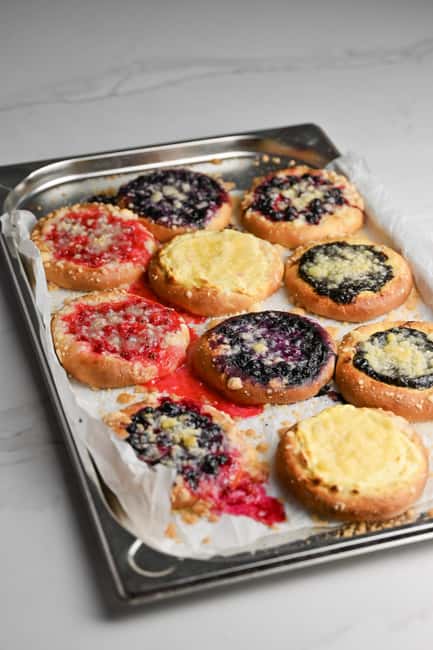
The first major project is apple strudel with homemade puff pastry. The important detail is that you are not starting with a ready-made sheet from a shop. You make the pastry as part of the class.
That gives you a better understanding of the work behind a good strudel. You will handle the dough, follow the stages of preparation, and build the pastry rather than simply filling and baking it. The precise method and timing come from the instructor, so you do not need to arrive with baking experience.
One practical benefit is that the ingredients are pre-measured. This keeps the class moving and reduces the chance of confusion, especially in a small group where several people are working at once. It also means you can focus on technique instead of weighing every ingredient from scratch.
Your finished strudel is packaged for you to take away. Printed recipes are provided afterward, so the class can continue in your own kitchen. The recipe handout adds real value for anyone who wants to recreate the pastry after returning home.
You should keep expectations sensible. A class teaches you the method, but your first home attempt may not look exactly like the one made under instruction. Still, learning the process from scratch is far more useful than simply eating a prepared pastry.
Seasonal fruit cakes with handmade dough

The second bake is seasonal fruit cake made with handmade dough. The use of seasonal fruit gives this part of the class a changing character, although the exact fruit is not specified.
That uncertainty is not a problem, but it is worth knowing before you book. You are signing up for a seasonal preparation rather than a fixed cake with one permanent list of ingredients. The exact result can depend on the time of year.
The fruit cake balances the strudel nicely. After working with a filled pastry, you get to prepare a different dough and see how fruit works in another Czech sweet. The class therefore teaches more than one basic pattern, without becoming an all-day baking marathon.
Again, you receive the ingredients and equipment you need. Aprons are supplied, which keeps the class practical and saves you from packing special clothing. Finished products are placed in packages for the trip back to your accommodation.
If you are staying in Prague for several days, this can also become a useful food stop during the trip. You can enjoy the pastries later instead of trying to eat both immediately after class.
More Hands-On Workshops in the world:
- Half-Day Thai Cooking Class at Organic Farm in Chiang Mai
★ 5.0 · 19,087 reviews - Florence: Pasta Cooking Class with Unlimited Wine
★ 4.9 · 10,285 reviews - 3 in 1 Cooking Class near Navona: Fettuccine, Ravioli & Tiramisu
★ 5.0 · 7,376 reviews - Florence: Pasta & Tiramisu Cooking Class with Unlimited Wine
★ 4.9 · 6,708 reviews
What happens during the two-hour hands-on session
The hands-on portion lasts two hours. That is enough time for instruction, preparation, shaping, baking, and cleanup-related transitions, though the exact pace can vary depending on the group.
The small-group limit of 10 is helpful here. Baking involves shared attention, and a very large class can leave you waiting for help. With fewer participants, you have a better chance of following each step and asking questions when the dough feels unfamiliar.
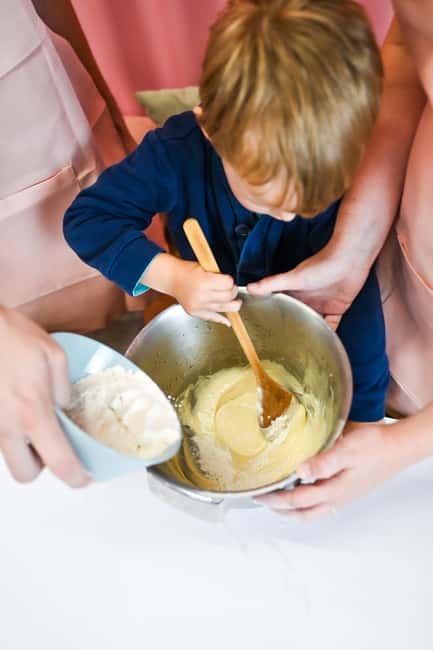
You should be ready to participate. This is not a demonstration where you sit back while someone else does the work. Roll up your sleeves, follow the instructions, and expect to handle the ingredients yourself.
The clear setup also helps beginners. You do not need to bring flour, bowls, tools, or an apron. That makes the class a good fit if you want to try Czech baking without committing to a full cooking kit or buying ingredients you cannot take home.
The supplied information does not give a detailed minute-by-minute schedule for the two-hour session. That is useful to remember if you need to catch a train, reserve lunch, or plan another fixed-time attraction immediately afterward. Allow the full three hours, not just the time spent actively mixing dough.
Ball pits, coffee, and the waiting periods
The five ball pits are the class’s most unexpected feature. Dough needs time to rest, and pastries need time in the oven. Instead of standing around the worktable, you can use the downstairs play area during those pauses.
This makes the outing especially appealing if you enjoy unusual activities or want something lighter than a formal cooking lesson. It may also work well for a mixed group, where some people want to bake and others appreciate a playful break.
I would not book this solely for the ball pits unless that is a major priority for your group. The heart of the activity remains the baking. The play area is an extra feature that fills waiting time and gives the venue its own personality.
Specialty coffee and homemade lemonades are included. They are useful additions because the class takes three hours and includes active work. Alcohol is not included, and the activity does not present itself as a meal, so plan to eat elsewhere if you need lunch or a substantial breakfast.
The included drinks also improve the value of the price. You are receiving more than ingredients and instruction, though you should still view the beverages as refreshments rather than a full café visit.
Is 1,650 Kč, or about $80, good value?
The listed local price is 1,650 Kč per person, while the advertised price is about $80. Currency values change, so check the amount shown when you book.
At that price, the value depends on what you want from a Prague activity. If you only want to eat a pastry, this is expensive compared with visiting a bakery. You are paying for instruction, ingredients, equipment, aprons, drinks, packaging, recipes, a cultural introduction, and a three-hour activity.
The printed recipes matter. They give you something practical to use after your trip, and the pre-measured ingredients and guided method make the lesson approachable for beginners. The small-group format also supports the price better than a large demonstration would.
The ball pits make the value harder to compare with a standard culinary class. They are a fun extra, but not everyone will care about them. I would recommend the price most strongly to people who want an activity, not just a meal, and who enjoy taking home a skill as well as a sweet.
A pair or small group may get more from the visit than a solo baker, since the social and playful parts are built into the format. The minimum group size is two people, so solo booking may not be possible unless another participant joins.
Who should book this activity?
I would point this class toward several types of Prague visitors:
- First-time bakers: The ingredients are prepared, equipment is supplied, and the instructor guides each stage.
- Small groups of friends: The baking and ball pits give you something active to do together.
- Families with older children: The venue has a playful side, but children under 2 are not permitted.
- Food-focused visitors: You learn two Czech-style sweets and receive recipes for later use.
- People seeking an unusual morning: The weekday schedule works well before an afternoon of sightseeing.
It is less suitable if you want an evening activity, a full meal, or a quiet, serious pastry workshop. The class is available on weekday mornings only, and alcohol is not part of the offering.
The stated restrictions also exclude wheelchair users, babies under 1 year, children under 2, and people over 95. These rules may feel broad, so check your group carefully before booking. The supplied information does not provide further accessibility details.
Practical planning for your Prague morning

The class lasts three hours, including the introduction and hands-on baking. Starting times vary, so check the available weekday morning slot before arranging the rest of your day.
Transportation to the venue is not included. The meeting point is a very pink place, which should make it easy to identify once you arrive, but you still need to plan your own route through Prague.
I would avoid scheduling a major attraction immediately afterward. Baking has several stages, and the class includes time in the ball pits, drinks, and packaging your food. A relaxed afternoon plan gives you room if the class runs at a slightly different pace.
Wear something you can work in comfortably. Aprons are supplied, but baking involves flour, dough, and fruit. You will want to be ready for hands-on work rather than dressed as if you were heading straight to a formal dinner.
Free cancellation is available up to 24 hours before the activity for a full refund. You can also reserve now and pay later, which helps if your Prague plans are still changing.
My recommendation: book it for the right kind of fun
I would book this if you want a hands-on Czech food activity with a playful setting and something tangible to take away. The combination of apple strudel, seasonal fruit cake, printed recipes, coffee, lemonade, and a small group gives you a full three-hour outing rather than a quick tasting.
The strongest reasons to choose it are the homemade pastry work, clear preparation, and unusual ball-pit break. The main reasons to skip it are the weekday morning schedule, the price compared with simply buying pastries, and the fact that the playful venue may not suit someone looking for a quiet baking studio.
For a couple, friends, or a family group that enjoys trying something different, this is a sensible Prague pick. Book it when you can give the full morning to the activity, and plan a proper meal separately.
FAQ
How long does the traditional Czech baking class last?
The activity lasts three hours. This includes a 25-minute introduction to Czech baking traditions and a two-hour hands-on baking class, with additional time connected to the baking process.
What will I bake?
You will make apple strudel with homemade puff pastry and seasonal fruit cakes with handmade dough.
Are ingredients and equipment included?
Yes. Ingredients, baking equipment, and aprons are provided. You also receive packaging for your baked products and printed recipes.
Is the class available in English?
Yes. Instruction is available in English and Czech.
Are drinks included?
Specialty coffee and homemade lemonades are included. Alcoholic drinks are not included.
When is the class offered, and who can attend?
The class is available on weekday mornings, with starting times shown during availability checks. The minimum group size is two people, and groups are limited to 10 participants. Children under 2, babies under 1, wheelchair users, and people over 95 are not eligible according to the stated restrictions.
Just added around the world
- Private Cape Malay Cooking Class in Cape Town with a Local Family★ 5.0 · 24 reviews
- Private Moroccan Cooking Class in Casablanca with a Local Expert★ 5.0 · 12 reviews
- Cooking Class and Wine Pairing in Capri★ 5.0 · 57 reviews
- South African Cooking in Cape Town with Local Chef Richard★ 4.5 · 10 reviews
- Langa Township and Bokaap Cooking Class Half Day Tour★ 5.0 · 4 reviews
- Private Authentic Mexican Cooking Class in Cancun with Alberto★ 5.0 · 3 reviews
- Private Authentic Cape Malay Cooking Class in Manenberg with Locals★ 5.0 · 5 reviews
- Cape Town Shore Excursion| South African Cooking & Port Transfers★ 5.0 · 3 reviews
Baking & Bread Classes, compared.

Group Tour: Garni, Symphony of Stones, Geghard, Lavash Baking
Read our review →
Paris Croissant Small-Group Baking Class with a Chef
Read our review →
Garni & Geghard Small-Group Day Trip with Lavash Baking
Read our review →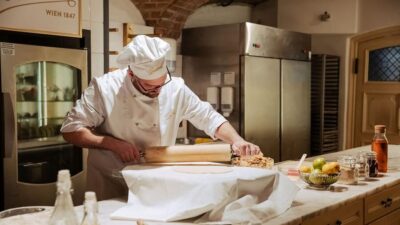
Vienna: Gerstner KuK Hofzuckerbäcker Baking Show & Tasting
Read our review →
Yerevan: Garni, Geghard, Symphony of Stones & Lavash Baking
Read our review →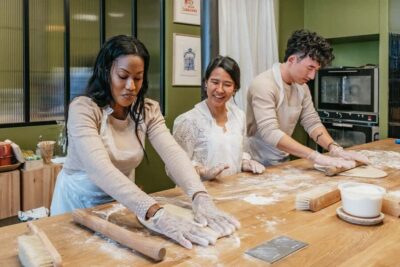
Paris: French Croissant Baking Class with a Chef
Read our review →
Laugarvatn Fontana: Geothermal Bread-Baking Experience
Read our review →Browse the lists this tour appears in