
Review · CAPE TOWN
South African Cooking in Cape Town with Local Chef Richard
South African cooking takes on a different meaning when it is prepared in a private home rather than served from a restaurant menu. In Wynberg, chefs and restaurant owners Richard and Gillian welcome you into their kitchen, explain how several dishes are made, then sit down with you for a meal shaped by Cape Malay, Afrikaans, English, and African traditions.
I like the personal menu planning, since Richard and Gillian contact you ahead of time to ask about likes, dislikes, and dietary needs. I also like the chance to learn about the braai, South Africa’s much-loved barbecue tradition, while talking with Richard about local wine. The main drawback is that this is an interactive demonstration, not a formal, hands-on cooking class, and Wynberg can take much longer to reach from the V&A Waterfront during rush hour.
Key points to know before booking
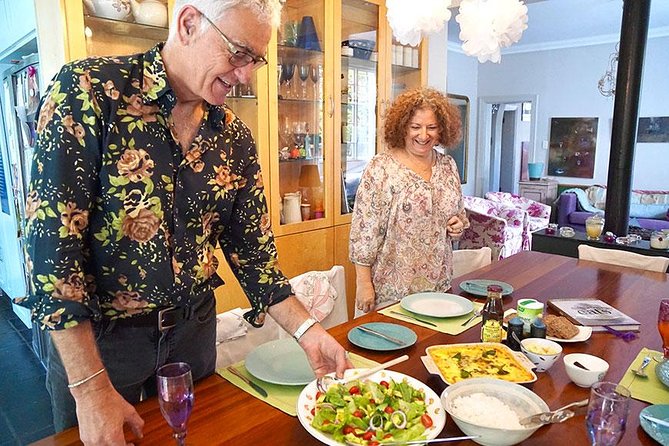
- Richard and Gillian host in their own home: You get a private meal and cooking experience in a real South African household, not a standard culinary studio.
- The menu can reflect your preferences: Tell the hosts in advance if you want vegetarian food, have allergies, or hope to learn a certain dish.
- Braai may be part of the meal: Seasonal outdoor cooking can include rump steak or other grilled dishes, with Richard leading the way.
- The demonstration lasts about 1.5 hours: The full experience runs roughly three hours, including the meal and conversation.
- Wynberg affects the schedule: The trip can take about 25 minutes from central Cape Town by taxi or Uber, but one party reported a 1.5-hour ride from the waterfront in rush-hour traffic.
- This suits private groups: Only your party takes part, and wine, bottled water, lunch or dinner, and gratuities are included.
A home kitchen instead of a cooking school
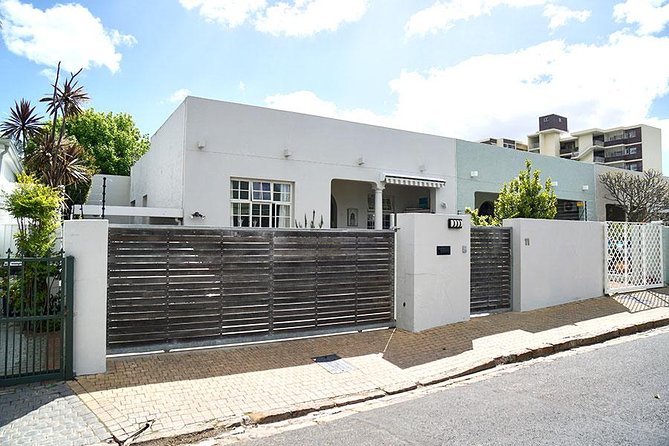
The heart of this experience is the setting. You meet Richard and Gillian at their home in Wynberg, where cooking is part of daily life and social time. The house has indoor and outdoor dining tables, a kitchen, and a braai area, giving the visit a relaxed rhythm that a restaurant cannot easily copy.
You are not arriving for a polished stage show with rows of burners and a chef barking instructions. You are entering a home where the hosts cook, explain, answer questions, and share a meal with you. That distinction matters. If you want a certificate, strict recipes, or several hours of chopping, this may feel too informal. If you want a personal introduction to food and family life in Cape Town, the format makes good sense.
Richard and Gillian are both chefs and restaurant owners, so the cooking is not casual in the sense of being careless. They place importance on good ingredients and know how to explain the food clearly. At the same time, they want you to feel like a visitor at their table rather than a student in a classroom.
The experience is private, so the tone can follow your group. You may ask many questions, focus on wine, help with a few kitchen tasks, or simply watch and talk. The hosts can also place their pet dog in another room during the visit if needed.
A few more cooking classes around South Africa worth a look
- Cape Town: Malay Cooking Class and Lunch in Bo-Kaap
★ 4.8 · 515 reviews - Authentic African Cuisine Cooking Experience
★ 5.0 · 236 reviews - Cape Town: Cape Malay Cooking Class in Bo-Kaap
★ 4.8 · 120 reviews
What happens during the 1.5-hour demonstration
The cooking portion lasts about an hour and a half. Richard and Gillian prepare two or three South African dishes while explaining the ingredients, methods, and cultural background behind the food.
The exact menu is not fixed, which is one of the better features here. Possible dishes include bredie, a stew; curry; braai-style meats; chicken stuffed and braised in fresh tomato sauce; and malva pudding. You might learn to grill rump steak outdoors, or you might spend more time with a simmered dish and dessert.
The menu reflects the many communities that have shaped South African food. Cape Malay cooking brings spice and curry traditions. Afrikaans, English, and African food customs contribute other methods, ingredients, and ways of serving a meal. You will not get a full survey of every regional cuisine in three hours, but you can see how several traditions meet on one table.
I would email your food preferences before arriving. The hosts specifically invite you to suggest dishes you want to learn, and they can accommodate vegetarian diets and other dietary restrictions when told in advance. This is much more useful than waiting until the first course is already on the table.
The level of participation is flexible. The experience is described as a cooking demonstration rather than a professional class, but you can ask for a more hands-on role. One person in your group might help in the kitchen while another joins Richard outside at the grill. That flexibility works well for couples or families with different ideas about what cooking experience means.
Why the braai matters
For many South Africans, the braai is more than a barbecue. It is a way to gather, cook slowly, talk, and enjoy the meal as a shared activity. Richard and Gillian count it among their favorite ways to eat and socialize, so the braai is an important part of the experience when the season and menu allow it.
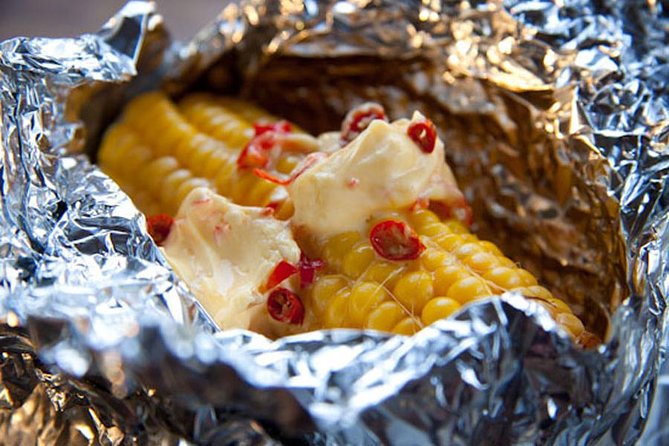
You may watch Richard prepare rump steak or another roast for the grill. The outdoor setting also changes the pace of the visit. Instead of standing over one indoor dish, you can move between the kitchen and the braai area, following the food and conversation.
The word seasonal is important. A braai is not guaranteed as a specific course on every visit. Ask ahead if it is the part of South African cooking you most want to learn. If it is not on the menu, the hosts can still introduce you to other dishes that show the country’s food traditions.
Sitting down to a South African meal
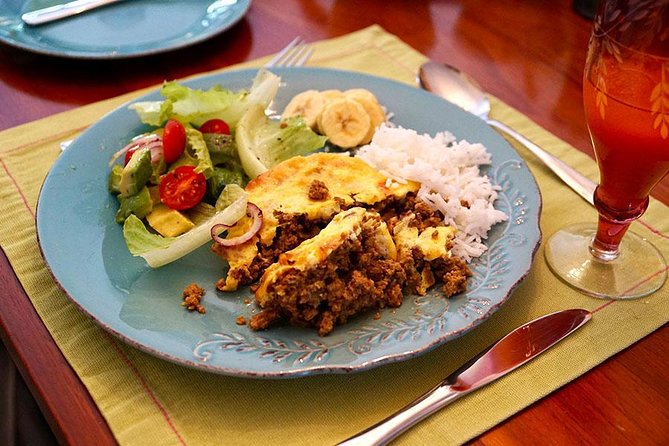
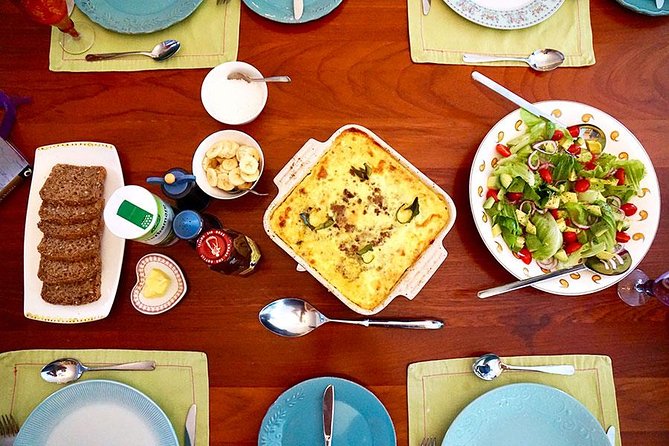
After the demonstration, you eat the two or three dishes prepared during the visit. Lunch or dinner is included, along with wine and bottled water, so you are not paying separately for the meal or drinks.
The food is intended to represent several South African traditions rather than one narrow regional style. A meal might combine a stew or curry with grilled meat and malva pudding. That variety gives you a better sense of how South African cooking is shaped by both local ingredients and cultural exchange.
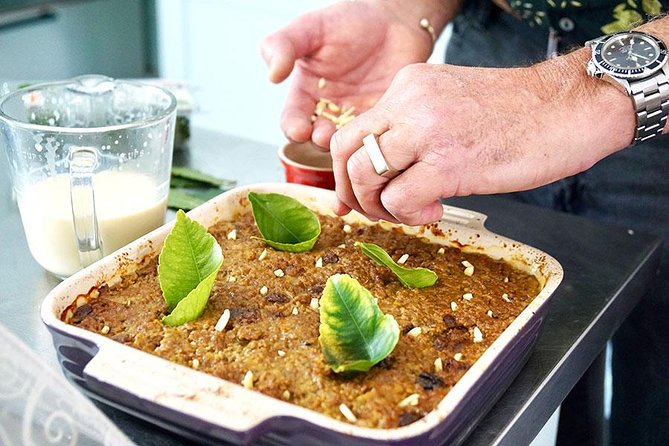
Malva pudding is a particularly useful dessert to encounter here. It gives the meal a sweet finish and shows a different side of South African home cooking from braai meat or curry. If dessert matters to you, ask if it can be included when the menu is arranged.
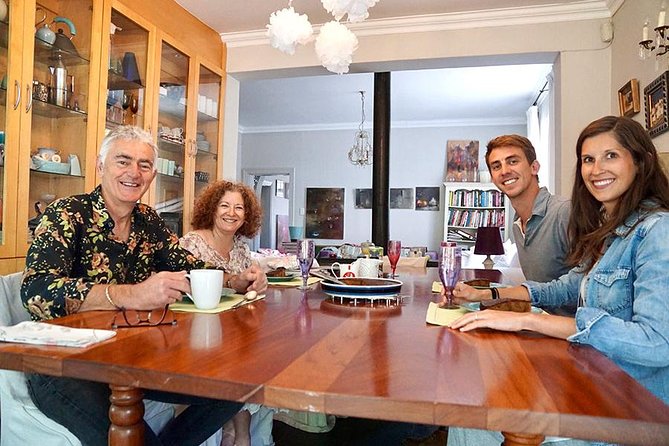
The dining room experience is as important as the plate. The hosts sit and talk with you, and the meal can feel more like a shared evening than a timed restaurant booking. Several strong experiences came from the friendly atmosphere, excellent food, and the sense of leaving as friends rather than simply finishing a reservation.
That warmth is a major reason to choose this activity. It also means the evening depends partly on how much you enjoy conversation with your hosts. If you prefer to eat quietly and keep your interaction brief, a restaurant may suit you better.
Same place, a different menu:
- Cape Town: Bo-Kapp Walking Tour and Malay Cooking Class
★ 4.7 · 105 reviews - Cape Town: Authentic African Cuisine Cooking Experience
★ 4.9 · 31 reviews - Private Cape Malay Cooking Class in Cape Town with a Local Family
★ 5.0 · 24 reviews - GQ: City Walking Tour & African Cuisine Cooking Class
★ 4.6 · 11 reviews
Richard’s local wine knowledge
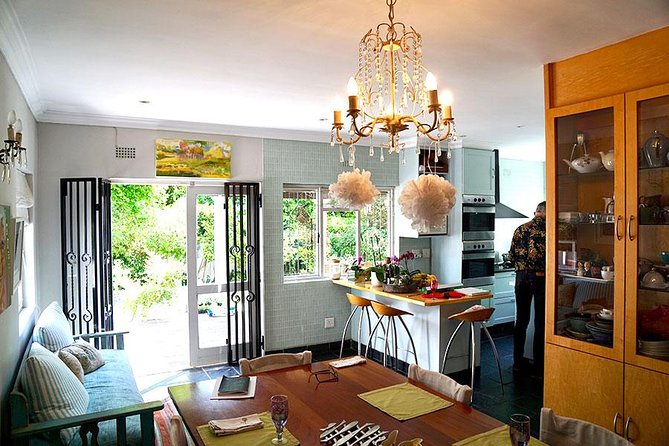
Richard is also a winemaker, and wine is part of the visit. He can discuss South African wines while you eat, adding useful context to the meal rather than treating the wine as a simple included beverage.
You should not think of this as a separate wine tasting with a long list of formal pours. The wine supports the dinner and conversation. Still, it is a welcome addition if you want to connect South African food with the country’s winemaking culture.
Because the hosts plan the menu around your preferences, tell them if wine or food pairing interests you. The supplied information does not promise a set number of wines, so I would not book this expecting a full winery-style tasting.
Getting to Wynberg without losing half the evening
The meeting point is in Wynberg, Cape Town, and the experience ends back there. Hotel pickup and drop-off are not included, so you arrange your own taxi or Uber.
From central Cape Town, the ride can be around 25 minutes in normal conditions and may be reasonably priced by taxi or Uber. From the V&A Waterfront during rush hour, though, the trip can be far longer. One party spent about 1.5 hours on the road because of traffic.
This is the most important practical warning. Do not schedule the experience with a tight connection afterward, and allow extra time if you are staying near the waterfront. A private home visit loses some of its charm if you arrive stressed after watching the traffic crawl.
Wynberg also gives the experience a different feel from the main tourist areas. You are going to a residential part of Cape Town for a meal in a local home, not staying within the restaurant and hotel circuit. That is part of the appeal, but it requires more planning than an activity that starts at the waterfront.
Is $76 a fair price?
At $76 per person, the price includes a private demonstration, a two or three-dish meal, wine, bottled water, local hosting, and gratuities. The value is strongest for couples, families, or small private groups who would rather pay for time with local hosts than for a standard group cooking class.
You are also paying for the setting and conversation. A restaurant meal may cost less, depending on where you eat, but it will not give you the same access to a local household, the menu discussion, or the chance to ask Richard and Gillian about Cape Town while they cook.
The price is less compelling if you mainly want a technical cooking lesson. Since the format is a demonstration, you may do little actual preparation unless you ask for more hands-on work. In that case, compare it with a dedicated cooking school before booking.
Group discounts are available, which can improve the value for a larger private party. Since this is not a shared group activity, you also avoid being paired with strangers. That privacy makes the price easier to justify for a special evening.
Who will enjoy this most?
I would choose this for people who like food as a way to meet people. It works especially well for couples, families, and small groups who want a relaxed evening with local conversation and a meal that has some cultural background.
It is also a good fit if you are curious about the braai, want to try malva pudding, or would like a menu shaped around your preferences. Vegetarians and people with other dietary restrictions can be accommodated when they give notice.
You may want to skip it if your priority is a formal class with individual workstations and printed instruction. The hosts can make the experience more hands-on, but the basic format remains a demonstration in a private home.
The dog is another small consideration. Richard and Gillian can keep the dog in a separate room, but you should mention any concern before you arrive. Service animals are allowed.
Booking, timing, and cancellation details
Confirmation is provided at booking, and the activity is available with a mobile ticket. Since the experience is often booked about 61 days ahead, reserve early if your Cape Town schedule is fixed or if you have a strong menu preference.
You can cancel for a full refund up to two full days before the start time. Cancellations or changes made within two days are not refunded or accepted, and the cut-off follows local time in Cape Town.
The activity lasts about three hours. That includes roughly 1.5 hours of cooking demonstration and time for the meal, wine, and conversation. Build in extra transport time on both ends, especially if you are coming from the waterfront.
My call: book it for the people as much as the food
Book this experience if you want a private South African meal with friendly hosts, flexible menu planning, and a look at home cooking that you cannot get from a standard restaurant. The combination of Richard’s wine background, Gillian and Richard’s cooking, the braai setting, and the chance to talk about Cape Town gives the evening real character.
I would not book it expecting a rigorous cooking course. You may chop, grill, or help with another task, but you are mainly watching, asking questions, and sharing a meal. For me, that is the right choice when the goal is connection and local food culture rather than culinary certification.
Plan the ride carefully, give the hosts your food preferences in advance, and leave the rest of the evening open. At $76, this is a solid value for a private home visit with dinner and drinks, especially if you see the meal as the beginning of a conversation rather than the final course of a tour.
FAQ
Where does the cooking experience begin?
It begins in Wynberg, Cape Town, at the home of hosts Richard and Gillian. The activity ends back at the same meeting point.
How long does the experience last?
The full activity lasts about three hours. The cooking demonstration itself takes about 1.5 hours, followed by the meal and conversation.
Is this a hands-on cooking class?
It is mainly an interactive cooking demonstration rather than a professional cooking class. You can ask the hosts for a more hands-on role if that is what you prefer.
What dishes might I learn to prepare?
Possible dishes include braai-style rump steak, chicken stuffed and braised in fresh tomato sauce, bredie, curry, and malva pudding. The menu can change based on your preferences and the season.
Are vegetarian meals and other dietary restrictions possible?
Yes. A vegetarian option is available, and the hosts can accommodate other dietary restrictions when you advise them at the time of booking.
Is transportation from my hotel included?
No. Hotel pickup and drop-off are not included. You arrange your own transportation to and from the Wynberg meeting point.
What is included in the price?
The price includes lunch or dinner, the private cooking demonstration with Richard and Gillian, local hosting, gratuities, wine or other alcoholic beverages, and bottled water.
Just added around South Africa
- Private Cape Malay Cooking Class in Cape Town with a Local Family★ 5.0 · 24 reviews
- Langa Township and Bokaap Cooking Class Half Day Tour★ 5.0 · 4 reviews
- Private Authentic Cape Malay Cooking Class in Manenberg with Locals★ 5.0 · 5 reviews
- Cape Town Shore Excursion| South African Cooking & Port Transfers★ 5.0 · 3 reviews
- Koeksister and Samoosa Class by the Malay Cook Up★ 4.8 · 9 reviews
- Johannesburg: Pan-African Cooking & Dinning Experience★ 4.5 · 6 reviews
- GQ: City Walking Tour & African Cuisine Cooking Class★ 4.6 · 11 reviews
- Cape Town: Authentic African Cuisine Cooking Experience★ 4.9 · 31 reviews
Cooking Classes, compared.
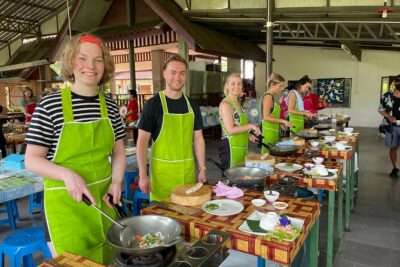
Half-Day Thai Cooking Class at Organic Farm in Chiang Mai
Read our review →
Florence: Pasta Cooking Class with Unlimited Wine
Read our review →
3 in 1 Cooking Class near Navona: Fettuccine, Ravioli & Tiramisu
Read our review →
Hanoi Cooking Class: Culture, Local Market & Meaning CSR Impact
Read our review →
5 Traditional Dishes Hanoi Cooking Class with Market Trip
Read our review →
Cooking Class and Lunch at a Tuscan Farmhouse with Local Market Tour from Florence
Read our review →
Chiang Mai: Cooking Class, Market & Thai Herbs Garden Tour
Read our review →Browse the lists this tour appears in