

Review · SOUTH AFRICA
GQ: City Walking Tour & African Cuisine Cooking Class
Gqeberha’s best introduction may happen on foot, followed by a meal you help prepare. This experience pairs a two-and-a-half-hour city walk with an optional African cooking class, moving from Campanile views and Donkin Reserve stories to Sadza, stews, greens, and communal dining.
I like the personal scale, with groups limited to 10, and the chance to meet people along the way rather than simply photograph monuments. I also like the practical pickup and drop-off service around Port Elizabeth. The main caution is simple: confirm which option you are booking, since the walking tour and the combined tour are sold separately, and one booking record reports that the cooking portion did not take place.
At a glance
- Choose your format: Book the walking tour alone, or add the cooking class for a fuller cultural outing.
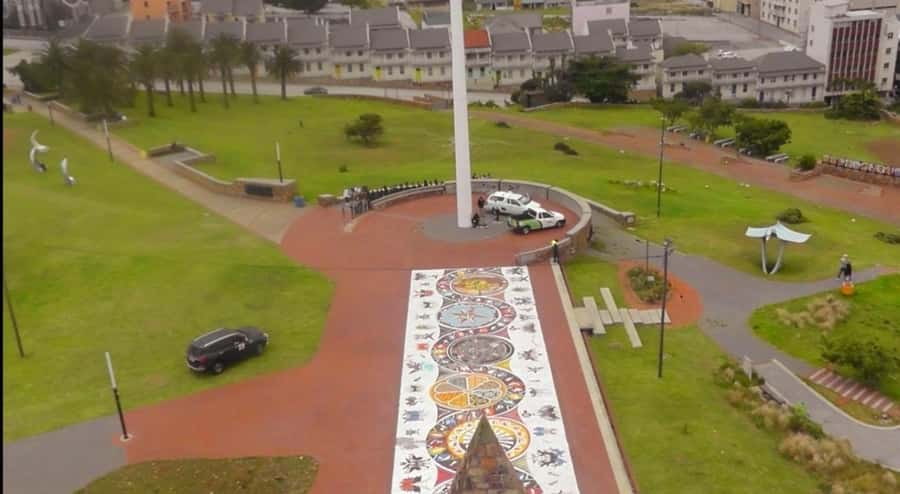
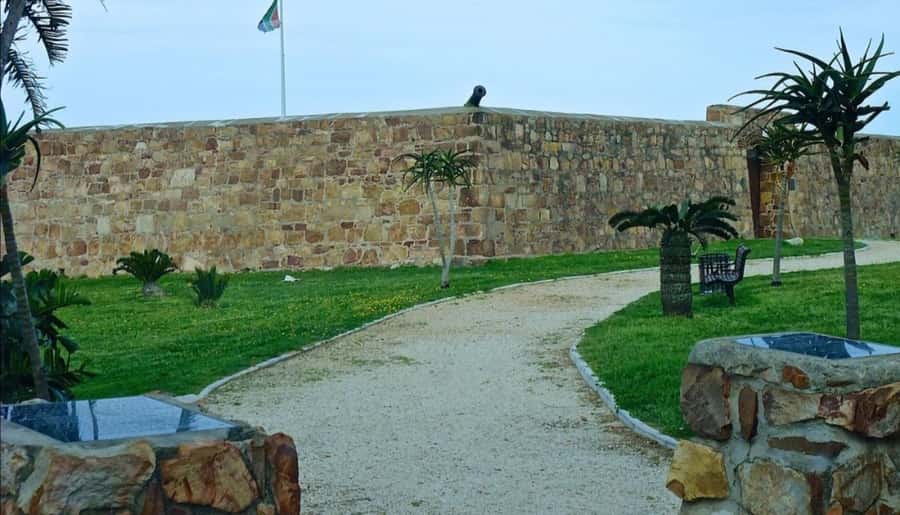
- See Gqeberha on foot: Visit the Campanile Memorial, Donkin Reserve, markets, arts and crafts areas, historic streets, and street art.
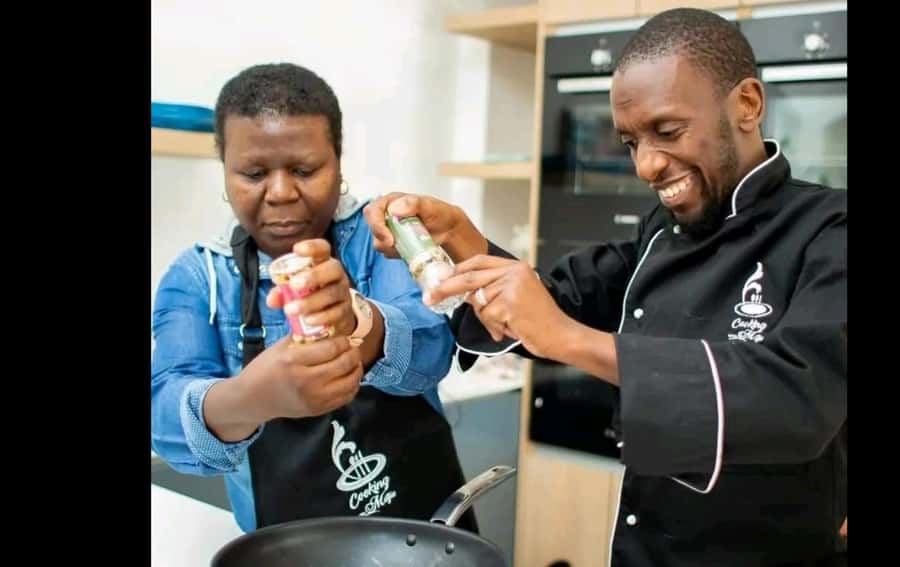
- Cook a full meal: Help prepare Sadza, beef bones with greens, chicken stew, chakalaka, and sugar beans.
- Meet a local guide: Rawson, also spelled Rowson in booking details, is the guide named most often in the feedback.
- Keep the group small: No more than 10 participants makes conversation and questions easier.
- Plan for flexible timing: The published duration ranges from two hours to 210 minutes, so confirm the exact length for your chosen option.
Starting with Gqeberha’s city story
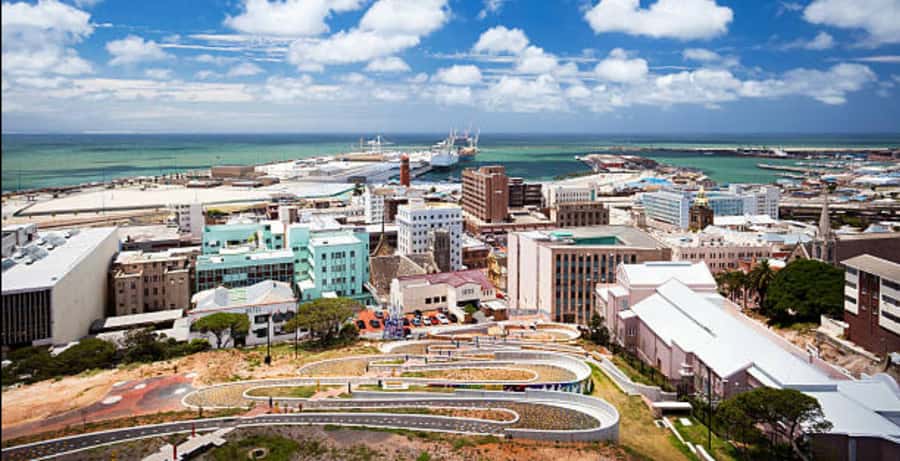
The walking tour begins by placing you in the center of Gqeberha, formerly known as Port Elizabeth. The city is often called the Friendly City, and this outing gives that label a human meaning through local stories, casual greetings, and contact with people along the route.
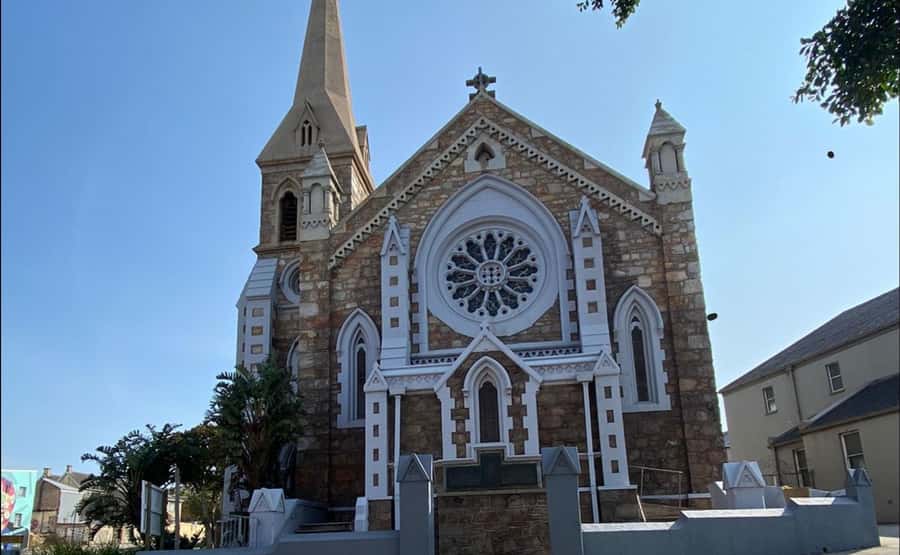
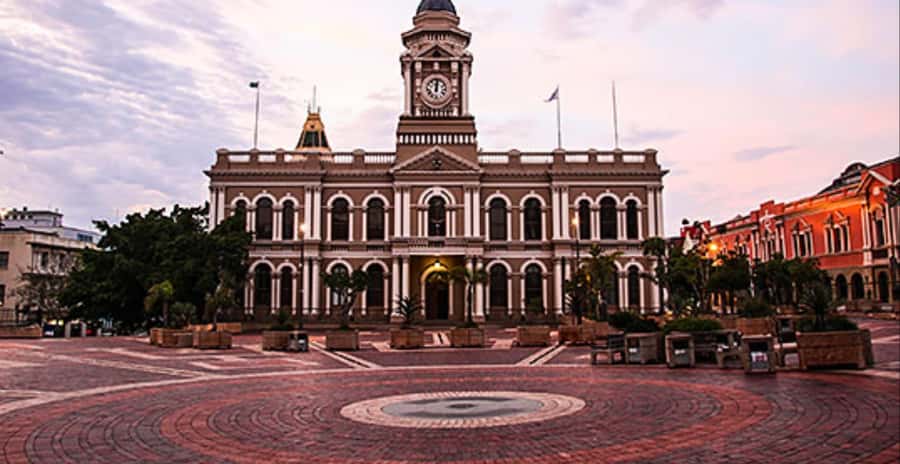
You are not simply driven past a list of sights. You walk through older streets, look at Victorian buildings, and hear about the settlers, struggles, and changes that shaped the city. One of the strongest parts of the experience is the guide’s local viewpoint. Rawson, also written as Rowson in the booking information, is praised for showing more than the polished photo stops and for pointing out places that are easy to miss on your own.
That matters in Gqeberha, where a short walk can shift between formal memorials, ordinary city life, public art, and local shopping. The tour gives you a way to connect those pieces instead of treating them as separate attractions.
The pace should suit anyone who prefers to see a city at street level. You can stop for photographs, ask questions, and take in the ocean air around Algoa Bay. A walking tour also means you should wear sensible shoes and be ready to spend much of the outing outdoors, although the supplied details do not specify the exact route or walking surface.
More Hands-On Workshops in the world:
- Half-Day Thai Cooking Class at Organic Farm in Chiang Mai
★ 5.0 · 19,087 reviews - Florence: Pasta Cooking Class with Unlimited Wine
★ 4.9 · 10,285 reviews - 3 in 1 Cooking Class near Navona: Fettuccine, Ravioli & Tiramisu
★ 5.0 · 7,376 reviews
Campanile views and the Donkin Reserve
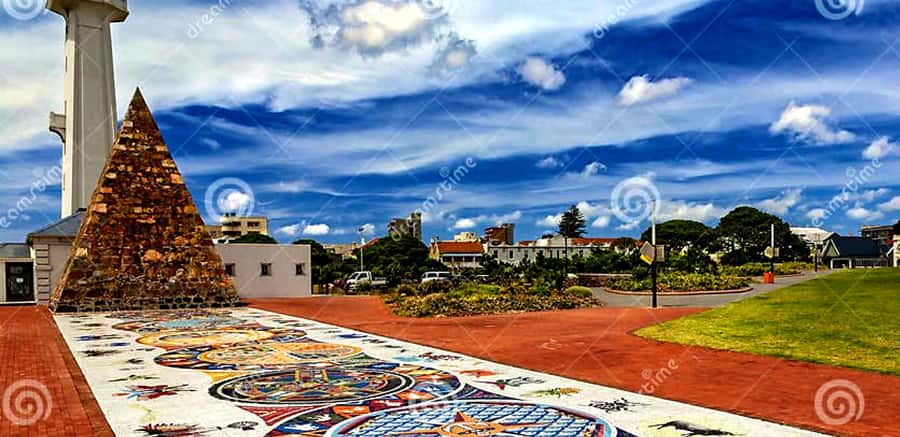
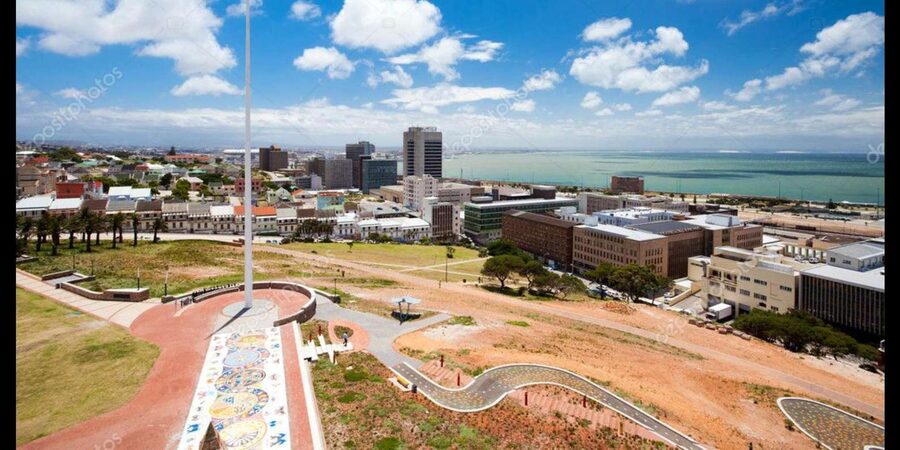
The Campanile Memorial is one of the key sights on the route. Its height gives you broad views over Gqeberha and Algoa Bay, making it a useful early stop for understanding the city’s position on the coast.
The memorial also gives the guide a natural point for explaining the city’s past. You can expect more than a quick photograph, since the tour is built around stories connected to the buildings and landmarks. Still, do not expect a full museum visit unless your guide confirms one. The activity description presents the Campanile as a sightseeing stop within a walking tour.
Donkin Reserve adds another layer. This public space is associated with the city’s founding story and includes colorful mosaics and memorial features. It is a good place to pause, look across the city, and consider how public spaces preserve both proud and difficult parts of local history.
The combination of Campanile and Donkin Reserve works well because the first gives you a broad view, while the second brings you closer to the city’s symbols and public art. I would value this pairing more than a quick drive-by sightseeing circuit.
Markets, crafts, and street art
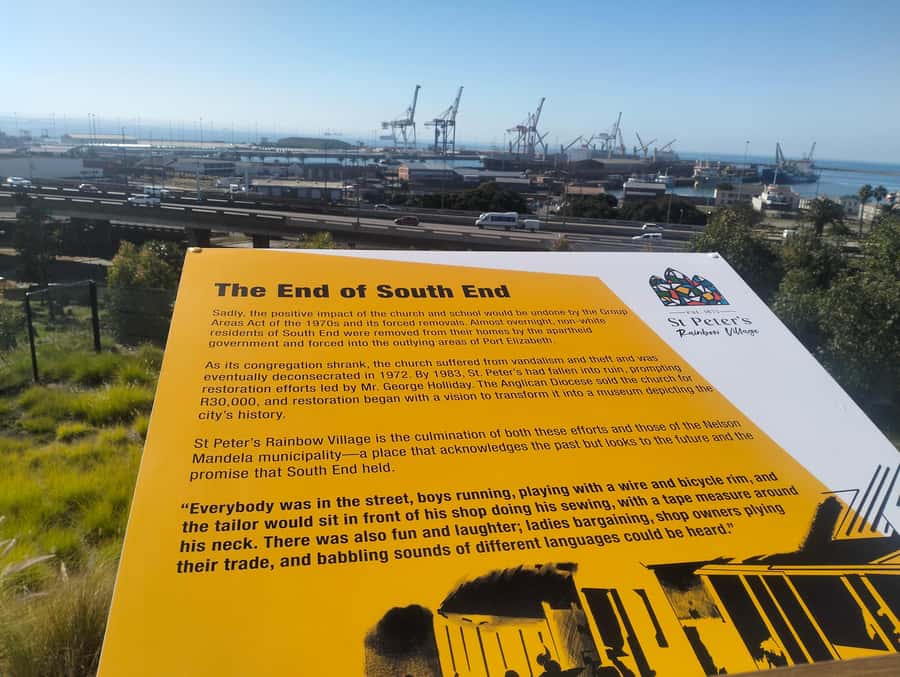
The route also includes local markets, an arts and crafts market visit, and street art. These parts can be the most useful for you if you want a feel for present-day Gqeberha rather than only its older monuments.
Markets show how a city works now. You may find local flavors, handmade items, and crafts, though the supplied information does not promise particular stalls or products. The right approach is to browse, ask your guide questions, and allow a little time for an unhurried look.
Street art adds a modern note to the older architecture. It helps show how local artists respond to the city and its communities. The contrast is valuable: Victorian buildings tell one story, while public art offers a newer voice.
The itinerary includes a very short four-minute listing for beer, lunch, wine tasting, and the arts and crafts market. That timing is too brief to describe as a separate meal or tasting session, so I would not book this expecting a formal wine experience. Treat it as a possible pause or itinerary label, and ask the operator how it fits into your selected option.
What the cooking class adds
The optional cooking class changes the nature of the outing. Instead of only hearing about African food, you take part in preparing it and then eat with your hosts.
You begin with traditional drinks and starter snacks. The host explains the ingredients and the way recipes have been passed down through families. That background is important because the class is not presented as a restaurant demonstration. You take part in the work, learning each stage before sitting down to share the finished food.
The planned menu gives you a useful introduction to staple dishes:
- Sadza: A ground-maize staple that forms the base of the meal.
- Beef bones with greens: A hearty dish pairing meat with cooked greens.
- Chicken stew: A familiar home-style dish prepared as part of the group meal.
- Chakalaka: A seasoned vegetable relish with a strong place in South African food culture.
- Sugar beans: A filling bean dish that helps round out the meal.
You should expect to roll up your sleeves and help with preparation rather than simply watch a host cook. The class is designed for shared participation, so it suits curious eaters and people who enjoy learning by doing.
Vegetarian and vegan choices are available, which makes the cooking option more practical for mixed groups. You should state your needs when booking or before the class, since the supplied information does not explain how far substitutions can go.
More Walking Tours in the world:
- Tokyo: Tsukiji Market Walking Tour & Sushi Cooking Class
★ 4.6 · 122 reviews - Cape Town: Bo-Kapp Walking Tour and Malay Cooking Class
★ 4.7 · 105 reviews - Japanese Home Cooking Class & Walk in Todoroki Temple Tokyo
★ 5.0 · 88 reviews - Naxos: Food Walking Tour & Cooking Class with Meal & Drinks
★ 4.9 · 86 reviews
Sharing the meal in an African home
The meal is served communally, following the home-style spirit of the class. That shared table is the most personal part of the experience. You are not just tasting a finished dish in an unfamiliar dining room. You have helped prepare it and can ask about the ingredients while eating with the hosts.
The cooking class also gives food a social context. Sadza, beans, stews, greens, and chakalaka are not presented as isolated menu items. Together, they show how a meal can be filling, shared, and shaped by family practice.
The class ends with an African hot beverage. It is a small detail, but it gives the meal a proper finish and allows the group to slow down before the return transfer.
One important practical point: the published duration is inconsistent. It is described as lasting from two hours to 210 minutes, while the walking section alone is listed at about two and a half hours. The combined option clearly requires more time than the walk alone, so confirm the start and end times before arranging a flight, airport transfer, or other fixed appointment.
What the feedback tells me about the guiding
The strongest pattern is the quality of the personal guiding. Several bookings praise Rawson, also spelled Rowson, for being good company, explaining the sights clearly, and knowing the city’s worthwhile stops.
One particularly useful detail is that he is happy to take photographs along the way. That helps solo visitors, who often have to choose between being in the picture and taking it. The walk is also described as suitable for a group or a solo booking.
The best sign is that the guiding is not limited to polished landmarks. The route includes everyday contact, local greetings, and small moments with people along the way. Those interactions cannot be guaranteed in exactly the same form on every departure, but they fit the personal style of the outing.
The overall score is 4.6 from 11 ratings, with most of the published comments giving the experience the highest mark. One German-language booking describes the combination of a personal city tour and cooking in a South African household as especially memorable. A Japanese-language comment places particular value on the greetings, photographs, and small human encounters along the route.
There is also a useful warning. One booking gave the walking portion full credit but said the cooking class was missing. I would treat that as a reason to confirm the combined option directly, not as proof that the class is routinely absent. Make sure your booking clearly says city tour plus cooking class and ask where the cooking portion takes place.
Price and overall value at $56
At $56 per person, the combined option can offer good value if you use both parts. You are paying for a local guide, city sightseeing, pickup and drop-off within the Port Elizabeth area, and a hands-on meal. A comparable city walk followed by a cooking activity would often involve separate bookings and extra transport.
The value is strongest for a first visit. You receive an overview of Gqeberha, learn where its main landmarks fit, and then spend time with a local host over food. That is more useful than paying only for a quick landmark loop if you want context and conversation.
The walking-only option may be the better buy if you have limited time, have already arranged meals, or mainly want to learn the city’s story. The cooking class adds time and a social element, but it will not suit someone who prefers a private restaurant meal or a tightly timed sightseeing schedule.
Pickup is included from your location around Port Elizabeth, with drop-off to an area within Port Elizabeth. Addo is listed among the pickup and drop-off choices, but the included transport wording focuses on Port Elizabeth. If you are staying in or returning to Addo, confirm the exact transfer arrangement before paying.
Who should book this experience
I would recommend the walking tour to solo visitors, couples, small families, and anyone with a spare morning or afternoon before a flight. The guide’s willingness to take photographs is useful for solo visitors, while the small group cap keeps the walk from feeling like a large procession.
The combined tour is best for people who want food to be part of the sightseeing. It suits friends, families, colleagues, and anyone who likes a practical activity more than a lecture. Vegetarian and vegan diners can take part, though you should give advance notice.
This is less suitable if you dislike walking, need a precise end time, or are looking for a formal restaurant tasting. Pregnant women are listed as not suitable for the activity, so take that restriction seriously.
Free cancellation is available up to 24 hours before the start, and you can reserve now and pay later. Those policies make it easier to fit the outing into a changing South Africa itinerary, but they do not remove the need to confirm the option, pickup point, and length.
Should you book the Gqeberha city walk and cooking class?
Book it if you want a friendly, personal look at Gqeberha and like the idea of learning through food. The best reasons are the small group, local guiding, Campanile and Donkin Reserve stops, and the chance to prepare a meal with hosts rather than simply order one.
Choose the walking option alone if your schedule is tight. Choose the combined option if the cooking class is the main attraction, and confirm that it is included before the day begins. At $56, the full experience is good value when both the city walk and kitchen session happen as planned.
FAQ
Where does the tour take place?
The experience takes place in Gqeberha, formerly Port Elizabeth, in South Africa’s Eastern Cape.
Can I choose only the city walking tour?
Yes. You can choose the normal city tour, or select the combined option with the cooking class.
How long does the experience last?
The published duration ranges from two hours to 210 minutes. The walking portion is listed at about two and a half hours, so confirm the exact schedule for your chosen option.
Is pickup included?
Yes. Pickup is included from the location provided at booking, with pickup described as being around Port Elizabeth. Drop-off is available within Port Elizabeth.
Is the cooking class suitable for vegetarians and vegans?
Yes. Vegetarian and vegan options are available for the cooking class.
What language is the tour offered in?
The live tour guide speaks English, and English is the listed activity language.
How large is the group?
The experience is limited to 10 participants, making it a small-group tour.
Just added around the world
- Cooking, Farming and Waterfall In Vietnam Countryside★ 3.0 · 6 reviews
- Busan Tailored Korean cooking class (Vegan OK)with market tour★ 5.0 · 66 reviews
- Korean cooking class in Haeundae, Busan★ 5.0 · 92 reviews
- Private Argentine Cooking Class and Tango Lesson in Buenos Aires★ 5.0 · 37 reviews
- Hungarian Home Cooking Class with Chef Marti★ 5.0 · 30 reviews
- Cooking Class with dinner/lunch in Ulcinj Montenegro★ 5.0 · 8 reviews
- BA: Empanadas and Alfajores Cooking Experience in Palermo★ 5.0 · 112 reviews
- Budapest Market Tour & Home Cooking Class with local Chef & Guide★ 5.0 · 23 reviews
Cooking Classes, compared.
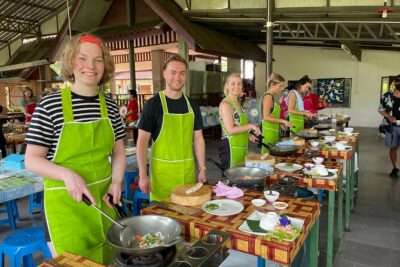
Half-Day Thai Cooking Class at Organic Farm in Chiang Mai
Read our review →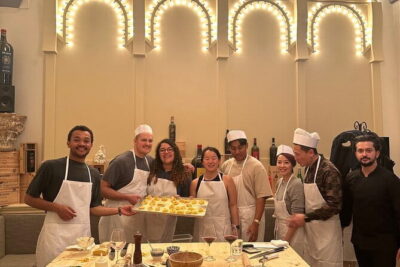
Florence: Pasta Cooking Class with Unlimited Wine
Read our review →
3 in 1 Cooking Class near Navona: Fettuccine, Ravioli & Tiramisu
Read our review →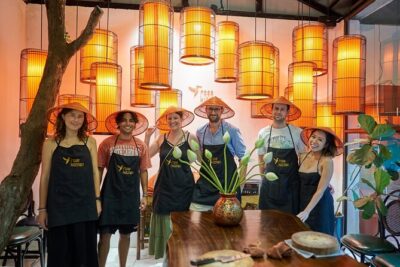
Hanoi Cooking Class: Culture, Local Market & Meaning CSR Impact
Read our review →
5 Traditional Dishes Hanoi Cooking Class with Market Trip
Read our review →
Cooking Class and Lunch at a Tuscan Farmhouse with Local Market Tour from Florence
Read our review →
Chiang Mai: Cooking Class, Market & Thai Herbs Garden Tour
Read our review →Browse the lists this tour appears in