
Review · CAPE TOWN
Koeksister and Samoosa Class by the Malay Cook Up
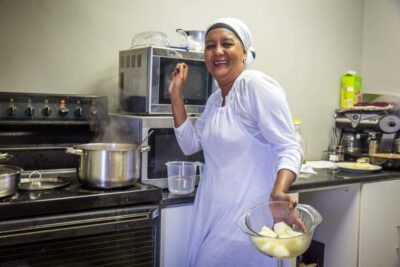
Cape Malay cooking makes the Bo-Kaap’s food traditions easy to understand: you work with your hands, follow a family-style recipe, and sit down to eat what you made. This two-hour class focuses on two local favorites, savory samoosas and sweet-spicy koesisters, in a home kitchen with an experienced Cape Malay cook.
I like the warm, informal setting and the smart balance of sweet and savory. I also like that local history comes with the cooking, rather than being tacked on as a formal lecture. One point to keep in mind is that the samoosa pastry and filling may be prepared ahead of time, so the class may not be fully from scratch.
Key points
- Two Cape Malay staples: Learn about samoosas and koesisters in one compact cooking session.
- Home-kitchen setting: The class takes place in Bo-Kaap, giving the experience a personal, local feel.
- Hands-on koesister making: The sweet-spicy doughnut section offers the most direct work with the ingredients.
- Food and conversation together: Sit down with the host to eat your finished snacks and talk.
- English and Afrikaans: The class is offered in both languages.
- Flexible booking: You can reserve now and pay later, with a full refund available if you cancel at least 24 hours ahead.
Two Cape Malay classics in one sitting
This class is built around a simple but appealing idea: make two foods that belong together on a Cape Malay table, then eat them while the cooking is still fresh in your mind.
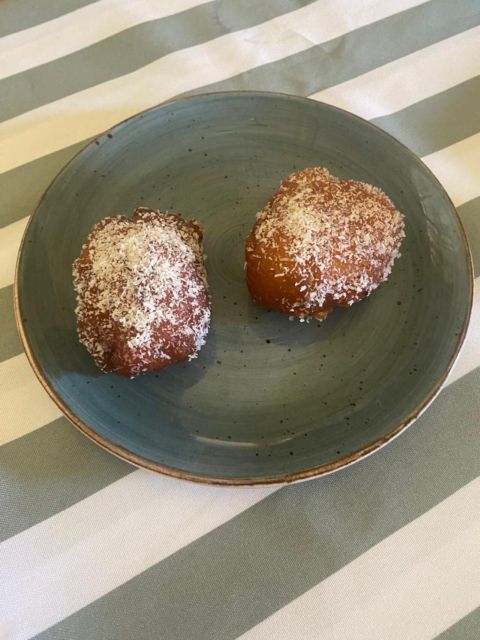
The samoosa brings the savory side. It is a pastry triangle filled with a seasoned mixture, then cooked until crisp. The koesister supplies the sweet finish. It is a doughnut-like treat with a sweet, spicy character that gives the class a different flavor and texture from the samoosa.
I like this pairing because it gives you more than one recipe without stretching the session into an all-day workshop. In two hours, you get a look at savory pastry, sweet dough, cooking methods, local ingredients, and the social part of Cape Malay food.
The class is not presented as a formal restaurant demonstration. You work through the process with a Cape Malay cook in a home kitchen in the Bo-Kaap, then sit down together at the end. That change from preparation to conversation is important. Food here is not just a finished product. It is also a reason to share time and stories.
More Hands-On Workshops in the world:
- Half-Day Thai Cooking Class at Organic Farm in Chiang Mai
★ 5.0 · 19,087 reviews - Florence: Pasta Cooking Class with Unlimited Wine
★ 4.9 · 10,285 reviews - 3 in 1 Cooking Class near Navona: Fettuccine, Ravioli & Tiramisu
★ 5.0 · 7,376 reviews
Arriving in the Bo-Kaap home kitchen
The location gives the class much of its character. The Bo-Kaap is closely linked with Cape Malay culture, and the samoosa and koesister remain part of everyday South African food across cultural and religious lines.
You are not simply being shown two fashionable local snacks. You are learning foods tied to the area’s earliest inhabitants and to traditions that are still used today. The local setting helps explain why these recipes matter.
The cooking takes place in a home kitchen, not a large commercial school. I see that as a strength if you prefer personal contact and a relaxed setting. Several points in the experience are designed around comfort and conversation, and the host is described as welcoming and easy to spend time with.
A home kitchen can also mean less standardization than a professional cooking studio. You may not have a polished workstation or a highly produced demonstration. For me, that is part of the appeal, but you should book this class for its local atmosphere and personal exchange, not for a slick culinary performance.
The samoosa section: useful, but check your expectations
The samoosa portion introduces you to the savory snack and the basic process of assembling and cooking it. You can expect instruction step by step, with equipment and ingredients supplied.
This is the area where I would set your expectations carefully. The class description says you learn to make the samoosa from scratch, but one participant found that the pastry was store bought and the filling had already been prepared. That meant there was less work with the dough, spices, smells, and filling than expected.
This does not make the session pointless. You can still learn how the pastry is shaped, filled, folded, and prepared for cooking. But if you are specifically looking for a full pastry lesson, ask for clarification before booking. The most important question is whether you will make the dough and filling yourself or mainly assemble the samoosas.
That distinction matters. A class that starts with ready-made pastry can still teach a useful home method, especially if your goal is to repeat the recipe without a long preparation time. But the experience is less hands-on than the phrase from scratch suggests.
I would describe the samoosa section as a practical introduction rather than a full pastry apprenticeship. The class may suit you well if you want to understand the form and flavor of the dish. It may disappoint you if you want every ingredient weighed, mixed, and rolled in front of you.
The koesister section brings more hands-on work
The koesister portion appears to offer the more interactive part of the class. You work with the sweet-spicy doughnut mixture and get a clearer sense of how the dough is handled and prepared.
This section matters because koesisters are not simply generic doughnuts with sugar added afterward. Their appeal comes from the combination of sweetness and spice, along with the texture created during cooking. Making them yourself helps you notice how the dough behaves and how the flavor develops.
The finished koesisters are served as part of the tasting at the end. This gives you a useful moment to compare the two foods. The samoosa is crisp, savory, and filled. The koesister is softer and sweet-spicy. Together they make a satisfying small meal or substantial snack.
If you enjoy learning by doing, I would focus your attention on this part. Ask questions as you go, pay attention to the texture of the dough, and note the balance of spice. The class works best when you treat the cooking as a shared process rather than waiting for a demonstration to finish.
Same place, a different menu:
- Florence: Pasta & Tiramisu Cooking Class with Unlimited Wine
★ 4.9 · 6,708 reviews - Florence: Pasta Cooking Class with Unlimited Wine
★ 5.0 · 6,413 reviews - Hanoi Cooking Class: Culture, Local Market & Meaning CSR Impact
★ 5.0 · 5,147 reviews - 5 Traditional Dishes Hanoi Cooking Class with Market Trip
★ 5.0 · 4,890 reviews
Local history served with the food
The class includes local history, but the available details do not describe a separate lecture or fixed talk. I would expect the historical context to come through during the cooking and conversation.
That informal approach can work well. You learn why samoosas and koesisters are linked with the Bo-Kaap, and you hear how they remain part of South African diets across different communities. The information has a clear connection to what is on the table, so it should not feel like a detached history lesson.
I like this kind of food context because it gives the recipes a place and a reason. You are not only memorizing ingredients. You are learning why these foods have lasted and why they still matter.
The limitation is that the amount of history may depend on the conversation and the questions you ask. If cultural background is a major reason for booking, come prepared to ask about the dishes, the neighborhood, and how the recipes are used at home. English and Afrikaans are spoken, which gives you two language options for the discussion.
Sitting down to taste what you made
At the end, you sit with the host and eat the samoosas and koesisters you prepared. This is a small but important part of the experience. A cooking class can feel rushed if it ends the moment the food is ready. Here, the tasting becomes time to relax and talk.
The food is the best proof of what you learned. You can judge the seasoning, texture, and sweetness for yourself. You also have a natural chance to ask about substitutions, preparation methods, or ways to repeat the recipes at home.
The social side has been a strong point for this experience. The setting is described as informal, relaxed, and comfortable, and the host’s welcoming manner is repeatedly emphasized. One person even went on to buy the ingredients and repeat the cooking at home with friends.
That detail tells me who will get the most from the class. You do not need to be a serious cook. You only need enough interest to listen, participate, and perhaps try the recipes again later.
What the $23 price gets you
At $23 per person, the class is reasonably priced for a two-hour food experience that includes ingredients, equipment, instruction, local background, and tasting.
The value depends on what you expect to learn. If you want a fully detailed pastry workshop, the price may feel less convincing if the samoosa pastry and filling are prepared in advance. If you want a friendly introduction to two Cape Malay foods in a local home, the package makes better sense.
You are paying for more than the food itself. The fee also covers the host’s time, the setting, the cooking guidance, and the chance to eat with someone who understands the dishes from a local perspective. That is a fair exchange for a compact cultural activity in Cape Town.
I would not compare this directly with a long professional culinary course. Compare it instead with a short food walk or a tasting session. The class gives you more participation than a tasting, while keeping the time and price modest.
Who will enjoy this class most
I would recommend the experience to you if you enjoy food, conversation, and local culture in equal measure. It is especially suitable if you want a short activity that fits neatly into a Cape Town schedule.
It also suits families and small groups looking for something relaxed. The informal format makes it less intimidating than a technical cooking school, and the two recipes give different people something to enjoy.
You should consider it if you want to recreate Cape Malay snacks at home. You receive a useful starting point, especially for koesisters, and all equipment and ingredients are supplied during the class.
I would be more cautious if your main goal is to make pastry completely from scratch. The samoosa section may not provide enough dough work for you. Contact the provider before booking if that detail will determine your decision.
The class is also a poor fit if you want alcohol included, since alcohol and drugs are not allowed. That is unlikely to matter for most people, but it is part of the stated house rules.
Practical details before you book
Plan on two hours, including the tasting. That is long enough for a meaningful cooking session but short enough to fit around other Cape Town plans.
English and Afrikaans are available. All equipment and ingredients are included, so you do not need to bring cooking supplies. Authentic ingredients are used, which matters when the point is to understand the flavor of the dishes rather than make a simplified version.
You can reserve your place and pay later, which helps if your schedule is still changing. Cancellation is free up to 24 hours before the class for a full refund.
I would also keep the wording around from scratch in mind. The koesister activity is more hands-on, while the samoosa work may center on assembly rather than making pastry and filling from the beginning. That is the one practical question I would settle before paying.
Should you book the Koeksister and Samoosa Class?
Book it if you want a friendly Bo-Kaap home-kitchen experience, enjoy learning through food, and like the idea of tasting two Cape Malay staples after preparing them. The host’s warm approach, the local setting, and the sweet-and-savory format give the class a clear identity.
Book with more caution if you expect every component to be made entirely from raw ingredients. The koesister section should satisfy that desire for participation more than the samoosa section, but the pastry and filling may be ready beforehand.
For $23, I think this is good value for a relaxed cultural cooking session, especially if you care as much about conversation and context as technical instruction. Ask one question before booking: how much of the samoosa pastry and filling will I make myself? If the answer suits your expectations, this is a personable way to spend two hours with Cape Malay food in the Bo-Kaap.
FAQ
Where does the class take place?
The class takes place in a home kitchen in Bo-Kaap, in the Western Cape of South Africa.
How long does the cooking class last?
The class lasts two hours, including the tasting at the end.
What will I learn to make?
You will learn to prepare samoosas, which are savory pastry triangles, and koesisters, which are traditional sweet-spicy doughnuts.
Are ingredients and cooking equipment included?
Yes. All equipment and ingredients are provided, and authentic ingredients are used.
What languages are available?
The class is offered in English and Afrikaans.
Can I pay later?
Yes. You can reserve your place and pay later, so you do not need to pay at the time of booking.
What is the cancellation policy?
You can cancel up to 24 hours in advance for a full refund.
Just added around the world
- Cooking, Farming and Waterfall In Vietnam Countryside★ 3.0 · 6 reviews
- Busan Tailored Korean cooking class (Vegan OK)with market tour★ 5.0 · 66 reviews
- Korean cooking class in Haeundae, Busan★ 5.0 · 92 reviews
- Private Argentine Cooking Class and Tango Lesson in Buenos Aires★ 5.0 · 37 reviews
- Hungarian Home Cooking Class with Chef Marti★ 5.0 · 30 reviews
- Cooking Class with dinner/lunch in Ulcinj Montenegro★ 5.0 · 8 reviews
- BA: Empanadas and Alfajores Cooking Experience in Palermo★ 5.0 · 112 reviews
- Budapest Market Tour & Home Cooking Class with local Chef & Guide★ 5.0 · 23 reviews
Cape Town Cooking Classes, compared.
Cape Town: Malay Cooking Class and Lunch in Bo-Kaap
Read our review →
Cape Town: Bo-Kapp Walking Tour and Malay Cooking Class
Read our review →
Cape Town: Authentic African Cuisine Cooking Experience
Read our review →Browse the lists this tour appears in