
Review · CAPE TOWN
Cape Town: Malay Cooking Class and Lunch in Bo-Kaap
The best part of this Cape Town experience is not simply learning to cook curry. It is being welcomed into Faldela’s home in Bo-Kaap, where cooking becomes a relaxed lesson in Cape Malay food, family customs, and everyday life. You help prepare the meal, then sit down with the group to eat what you made.
I like the warm, funny teaching style and the chance to work with spices such as turmeric, ginger, fennel, star anise, and tamarind. I also like the setting: you meet at 109 Wale Street, walk among Bo-Kaap’s brightly painted houses, and spend time in a real local home rather than a restaurant kitchen. The main consideration is that a large class can mean less individual cooking time, so this suits you best if you enjoy learning as part of a group.
Key points to know before you book
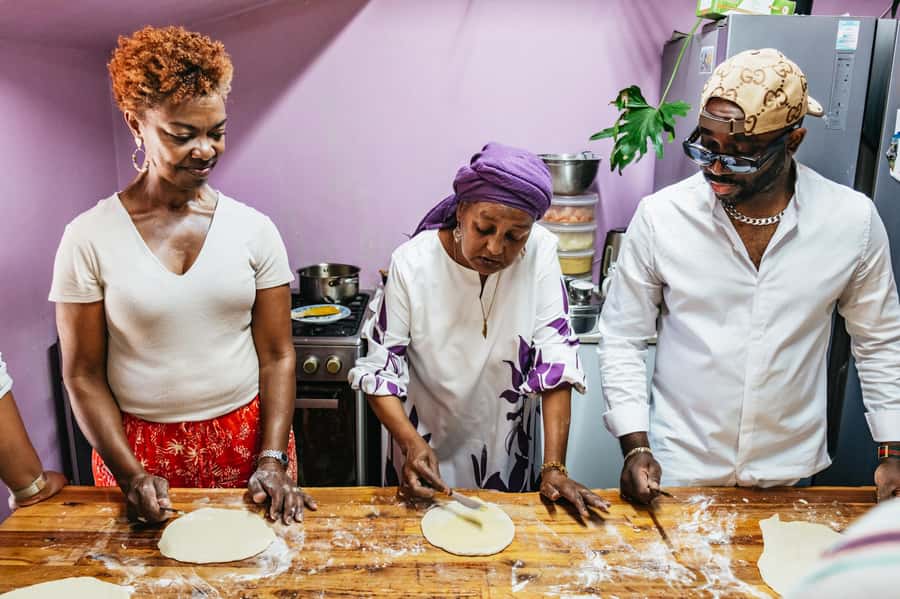
- Faldela leads a personal Cape Malay cooking lesson in her Bo-Kaap home, often with help from family members.
- The meal is made and eaten together, with lunch and soft drinks included in the $49 price.
- Expect spices with a story, including turmeric, ginger, fennel, star anise, and tamarind.
- No cooking experience is needed, and the class is designed to be social, relaxed, and hands-on.
- Bo-Kaap is part of the experience, with colorful homes on the lower slopes of Signal Hill.
- A larger group may reduce your time at the stove, though it can also make the meal more social.
Why this Bo-Kaap cooking class feels different
Cape Town has no shortage of food tours, but this one puts the meal in the middle of a neighborhood and a home. You are not just shown a finished plate. You take part in preparing it, hear why certain spices are used, and then eat lunch with the people who cooked beside you.
The food tradition here is generally called Cape Malay cuisine. It grew from African cooking traditions mixed with Malaysian and Indonesian influences brought to the Cape by people enslaved by the Dutch during the 17th and 18th centuries. That background gives the class more weight than a basic recipe demonstration. You are learning how food carries family memory and community identity.
Faldela is the key to the experience. Her teaching is described as warm, humorous, and easygoing, with plenty of personal stories. She explains the purpose of ingredients rather than treating spices as a mysterious checklist. The class can include talk about their health uses and other ways they are used in cooking.
That personal touch matters. You may remember the reason for adding turmeric or tamarind because it came with a story or a joke, not because you copied it from a recipe card.
More Lunch Experiences in the world:
- Cooking Class and Lunch at a Tuscan Farmhouse with Local Market Tour from Florence
★ 5.0 · 4,831 reviews - Paris Cooking Class and Lunch with Wine plus Market Visit Option
★ 5.0 · 1,024 reviews - Austrian Apple Strudel Cooking Class including Lunch in Salzburg
★ 5.0 · 929 reviews
Starting at 109 Wale Street in Bo-Kaap
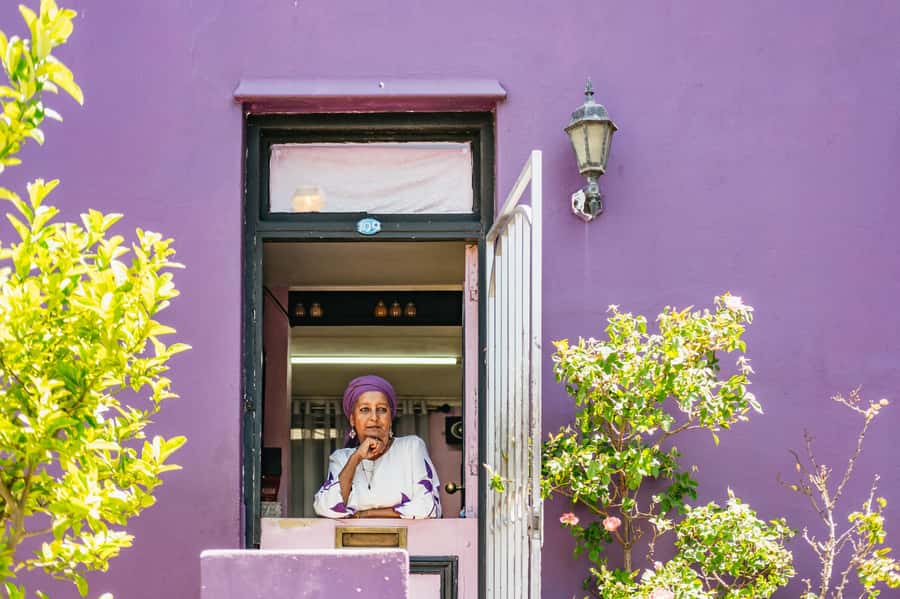
The meeting point is 109 Wale Street, Schotsche Kloof, in the Bo-Kaap area of Cape Town. The neighborhood is known for its pink, orange, blue, and other brightly painted homes climbing toward Signal Hill, with Table Mountain forming part of the wider setting.
Allow a little time to find the address, but do not arrive far too early. One person who arrived 30 minutes ahead had to wait outside, so this is a home-based experience rather than a tour office with a reception desk. Arriving close to the stated start time is the sensible plan.
The colorful houses are not just a photo backdrop. Bo-Kaap is central to the story of Cape Malay food and identity. You have a chance to take photographs among the painted homes before or around the cooking session, but remember that people live here. Keep your camera respectful and avoid turning private doorways into props.
You do not need to arrange transport as part of the activity. Transportation is not included, so you are responsible for reaching Wale Street. The activity itself is wheelchair accessible, though you should still confirm any personal access needs when booking.
Meeting Faldela in her home kitchen
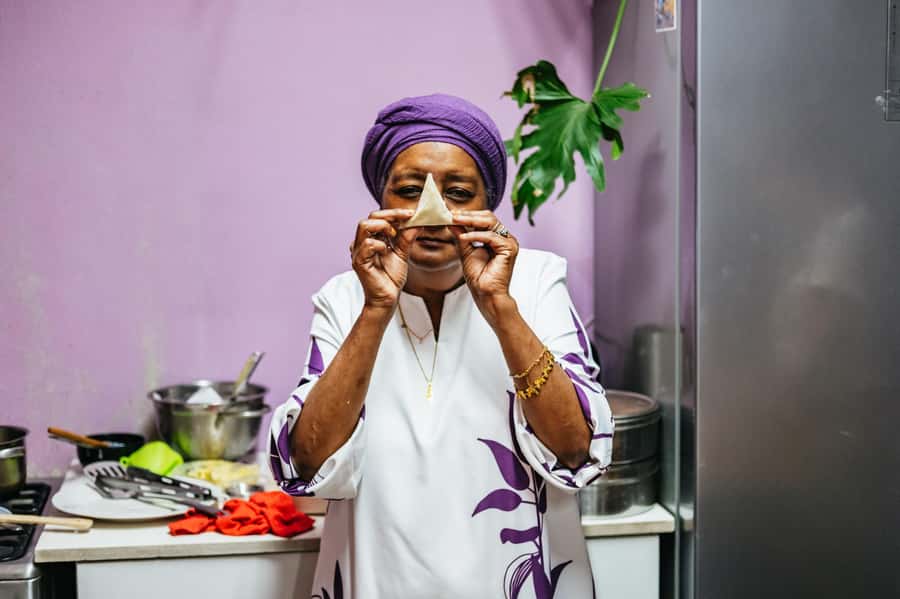
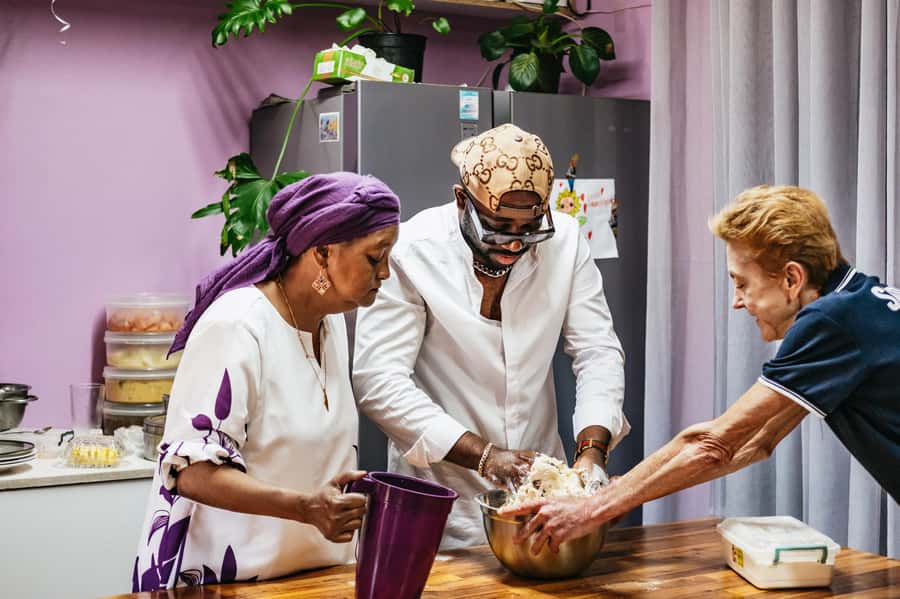
Once inside, the mood is informal. Faldela welcomes the group, introduces the cooking plan, and begins to connect the food with local life. Her humor helps take the pressure off, especially if you rarely cook or are unsure about unfamiliar spices.
This is not a silent demonstration where you stand at the back and watch a chef work. The format is interactive, with participants helping prepare the food. Still, the amount of individual work depends on the group. A bigger class can mean shared tasks rather than every person making every part from start to finish.
That is worth knowing before you book. If you want a private, detailed lesson with one-on-one correction, this may not be the right fit. If you like cooking in company, meeting people from different countries, and learning through conversation, the group setup works well.
The class attracts a mix of ages and nationalities. That gives lunch a pleasant social side, but it also means the pace is shaped for a broad range of cooking abilities. You are not expected to arrive with knife skills or curry-making experience. The teaching is patient, and the emphasis is on joining in rather than producing restaurant-perfect food.
The spices behind Cape Malay cooking
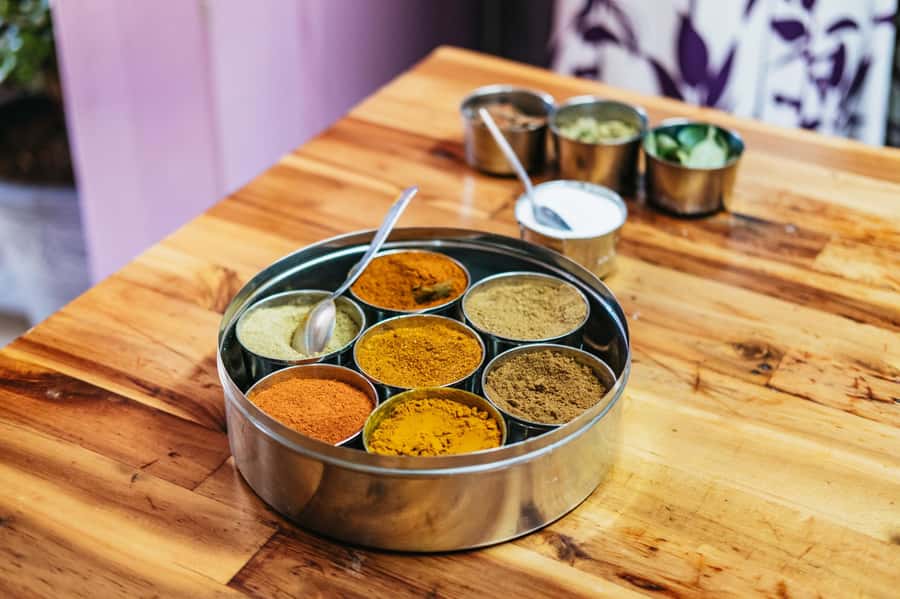
The ingredient list gives you a clear idea of what makes the class useful. You may work with ginger, fennel, star anise, tamarind, and turmeric, along with other spices used in stews, roasts, and sauce-heavy curries.
Turmeric is especially important for the golden color and fragrant quality associated with many dishes. Fennel and star anise bring a sweet, aromatic note, while tamarind adds a sharp sourness. Ginger gives warmth and freshness. The point is not simply to make the food hot. Cape Malay cooking builds flavor through balance.
I like that the class explains what the spices do instead of asking you to add them blindly. That makes it easier to recreate the food at home. Several people found the spice information useful enough to plan a trip to an Indian grocery store after returning home, though you should remember that the exact ingredients and quantities depend on the day’s menu.
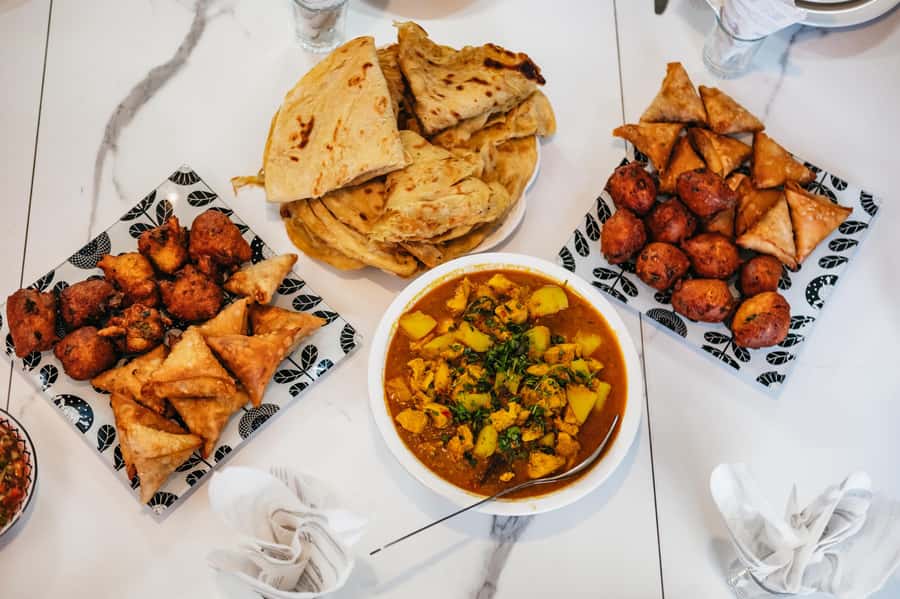
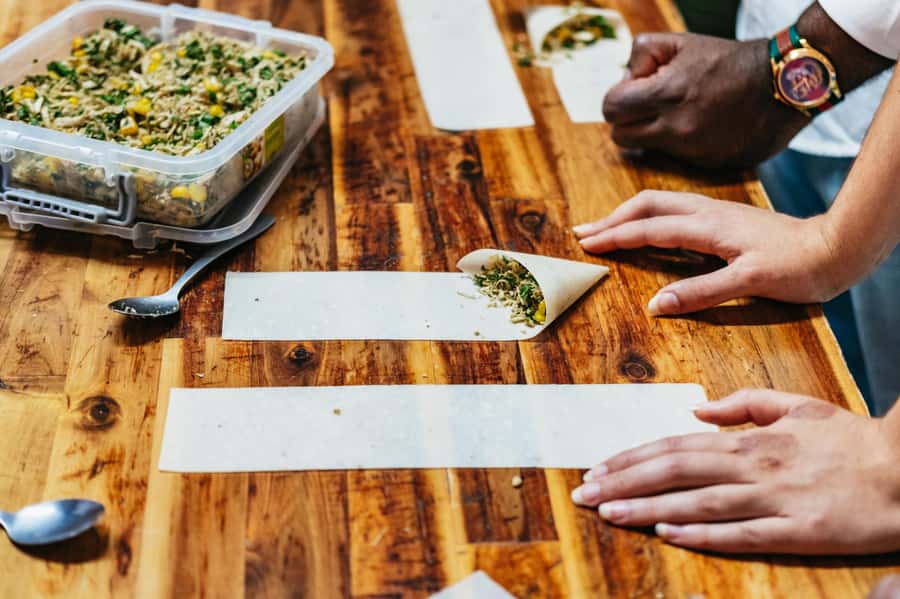
The food can include a Cape Malay curry, roti, samosas, salad, juice, and a dessert treat. The official description also notes that dishes may include stews and roasts. The precise menu can vary, so do not book expecting one fixed set of dishes unless the provider confirms it.
More Hands-On Workshops in the world:
- Half-Day Thai Cooking Class at Organic Farm in Chiang Mai
★ 5.0 · 19,087 reviews - Florence: Pasta Cooking Class with Unlimited Wine
★ 4.9 · 10,285 reviews - 3 in 1 Cooking Class near Navona: Fettuccine, Ravioli & Tiramisu
★ 5.0 · 7,376 reviews - Florence: Pasta & Tiramisu Cooking Class with Unlimited Wine
★ 4.9 · 6,708 reviews
From preparation to a proper homemade lunch
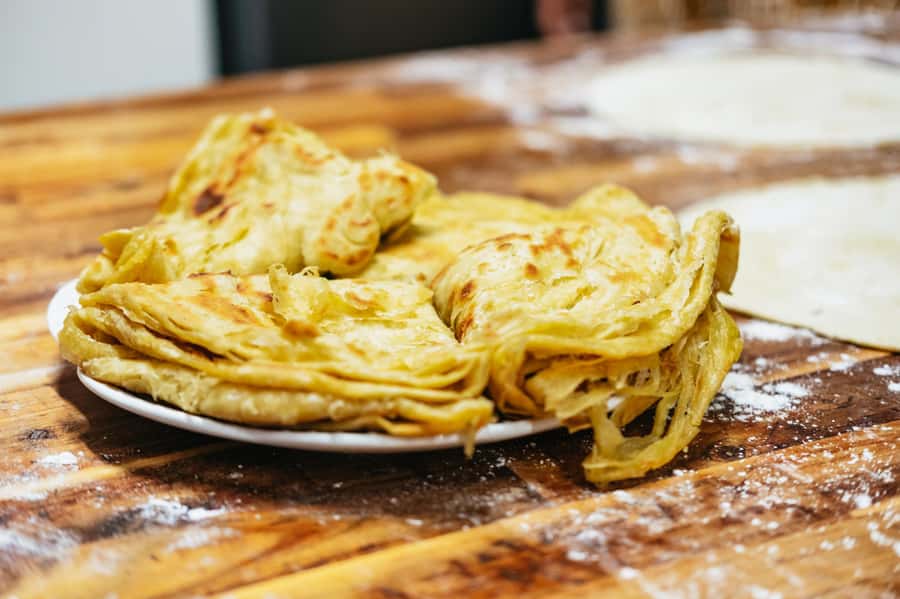
The best payoff comes when the cooking ends and everyone sits down together. You eat the food you helped prepare, rather than rushing off to the next stop or receiving a small tasting portion.
The meal is intended to be generous. People have described leaving full and happy, and the class includes soft drinks. Alcohol is not included, and alcohol and drugs are not allowed during the activity. If you want wine or a beer with lunch, this is not that kind of experience. The focus is on the food, conversation, and home setting.
Eating together also gives you time to talk with Faldela and the other participants. The meal becomes a shared table rather than a final course tacked onto a lesson. That is where the cultural side feels most natural. You are not being given a formal lecture about Cape Town. You are hearing stories while eating a dish prepared by the group.
Dietary requirements can be accommodated, according to the experience details, but tell the provider in advance. Do not wait until you are already in the kitchen. The class works best when the chef can plan the ingredients and cooking steps before you arrive.
Recipes, practical skills, and taking the meal home
One especially useful feature is that recipes are shared after the class. That turns the afternoon into something you can continue using after Cape Town.
You will not simply leave with a pleasant memory and a vague idea that there was turmeric in the curry. You can try to make the dishes again for family or friends. The recipes also help you remember the order of preparation, which can be harder than remembering a list of ingredients.
Still, home results will depend on finding suitable spices and taking your time. Cape Malay cooking rewards patience, and the food you produce in your own kitchen may not taste exactly like the meal prepared in Bo-Kaap. That is part of the fun. The class gives you a starting point, not a guarantee that your first curry will match Faldela’s.
If cooking is not your usual holiday activity, this is a good low-pressure introduction. You can learn a few methods, taste the results, and ask questions without committing to a full professional cooking course.
Is $49 a fair price?
At $49 per person, the price covers the cooking class, ingredients, equipment, chef instruction, lunch, and soft drinks. Transportation and alcoholic drinks are extra, but neither is needed for the core experience.
I consider the price fair because you are paying for several things at once: a 150-minute activity, a meal, local instruction, access to a home, and a chance to learn recipes you can use later. A standard restaurant lunch might cost less, but it would not give you the same participation or personal contact. A private cooking lesson might offer more individual attention, but would likely cost more.
The value is strongest if you take part fully. Arrive ready to chop, stir, shape, taste, and ask questions. If you only want to watch a chef cook, part of what you are paying for will go unused.
The class also makes sense for solo visitors. The shared table and mixed group give you an easy way to meet people without needing to arrange a separate food outing. Couples and friends will enjoy it too, but you do not need a built-in group to feel comfortable.
Who will enjoy this experience most?
I would recommend it to you if you want food to explain a place. It suits curious eaters, first-time cooking students, solo visitors, and anyone who prefers a personal neighborhood experience to a large sightseeing bus.
It is also a good choice for people who have already seen Cape Town’s major sights and want an activity with a slower pace. You spend time in one area, talk with a local host, and leave with practical recipes.
Families and mixed-age groups can work well, since no previous cooking skill is required. The class is conducted in English, so you should be comfortable following an English-speaking instructor.
You may want to choose another activity if you dislike group participation, need a highly structured professional lesson, or want a private table with a fixed menu. The home setting is friendly and informal, but it is not designed around silence or personal cooking stations for every person.
Booking details that matter
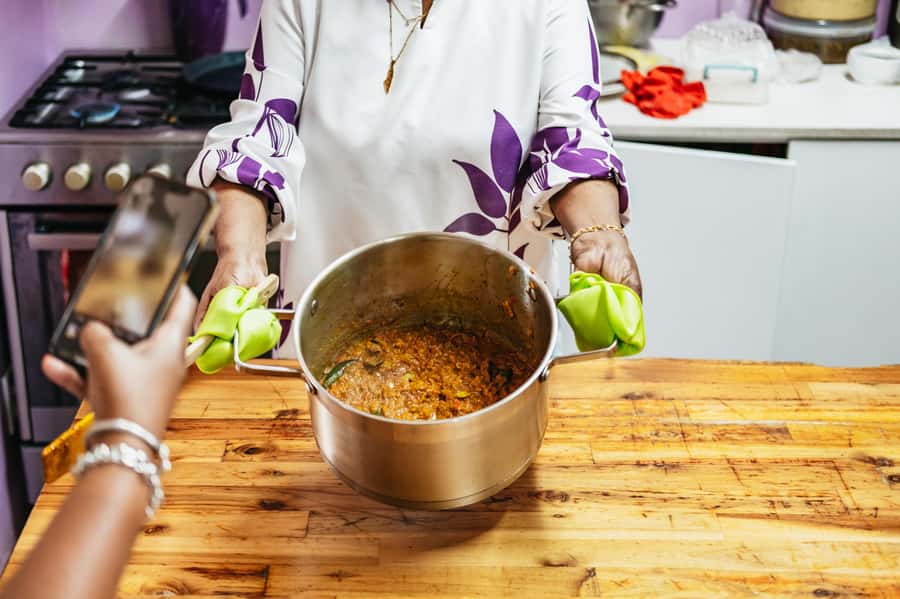
The experience lasts 150 minutes, or two and a half hours. That is long enough for cooking and lunch without taking up your entire day, so you can pair it with other Cape Town plans.
The meeting and return point is 109 Wale Street. You arrange your own transportation to and from the address. The activity is offered in English and is wheelchair accessible.
You can cancel up to 24 hours before the start time for a full refund, and the reserve-now, pay-later option lets you hold a place without paying immediately. Pets and smoking are not allowed.
Because the class takes place in a home, arrive on time but not excessively early. Wear something comfortable and expect to participate around food, spices, and cooking equipment. If you have dietary needs, share them ahead of time so the host can prepare properly.
Should you book the Bo-Kaap cooking class?
Book it if you want a warm, food-centered look at Cape Town. Faldela’s humor, the home setting, the colorful Bo-Kaap location, and the chance to eat your own work make this more personal than a standard food tasting.
The main trade-off is group size. You may not get constant hands-on time, particularly when the class is full. But you do get a social meal, clear instruction, recipes to take home, and an introduction to Cape Malay cooking that reaches beyond the plate.
At $49, it is a sensible choice for a half-day activity that combines cooking, lunch, local stories, and time in one of Cape Town’s most recognizable neighborhoods. Come hungry, arrive close to the start time, and be ready to share the kitchen.
FAQ
Where does the Cape Town Malay cooking class meet?
The meeting point is 109 Wale Street, Schotsche Kloof, Cape Town, in the Bo-Kaap area.
How long does the activity last?
The cooking class and lunch last 150 minutes, or two and a half hours.
What food might I learn to prepare?
The menu may include Cape Malay stews, roasts, curries, roti, samosas, salad, juice, and dessert. The exact dishes can vary.
Is lunch included?
Yes. Lunch made during the class is included, along with soft drinks.
Are ingredients and cooking equipment provided?
Yes. The price includes the ingredients, equipment, cooking class, and chef instructor.
Is previous cooking experience required?
No. The class is suitable for beginners and does not require previous cooking experience.
What language is the class taught in?
The live instruction is in English.
Can I cancel or pay later?
You can cancel up to 24 hours in advance for a full refund. A reserve-now, pay-later option is also available.
Just added around the world
- Cooking, Farming and Waterfall In Vietnam Countryside★ 3.0 · 6 reviews
- Busan Tailored Korean cooking class (Vegan OK)with market tour★ 5.0 · 66 reviews
- Korean cooking class in Haeundae, Busan★ 5.0 · 92 reviews
- Private Argentine Cooking Class and Tango Lesson in Buenos Aires★ 5.0 · 37 reviews
- BA: Empanadas and Alfajores Cooking Experience in Palermo★ 5.0 · 112 reviews
- Hungarian Home Cooking Class with Chef Marti★ 5.0 · 30 reviews
- Cooking Class with dinner/lunch in Ulcinj Montenegro★ 5.0 · 8 reviews
- Budapest Market Tour & Home Cooking Class with local Chef & Guide★ 5.0 · 23 reviews
Cooking Classes, compared.
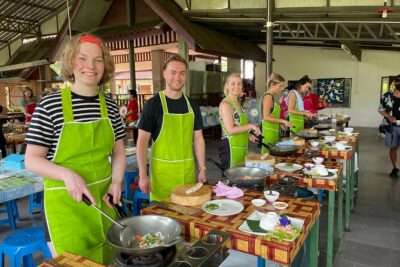
Half-Day Thai Cooking Class at Organic Farm in Chiang Mai
Read our review →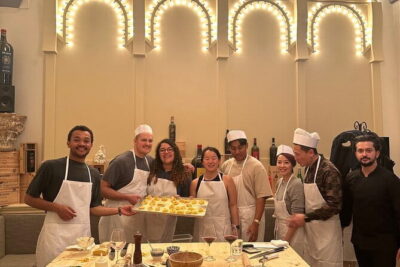
Florence: Pasta Cooking Class with Unlimited Wine
Read our review →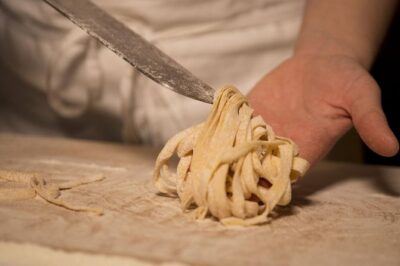
3 in 1 Cooking Class near Navona: Fettuccine, Ravioli & Tiramisu
Read our review →
Hanoi Cooking Class: Culture, Local Market & Meaning CSR Impact
Read our review →
5 Traditional Dishes Hanoi Cooking Class with Market Trip
Read our review →
Cooking Class and Lunch at a Tuscan Farmhouse with Local Market Tour from Florence
Read our review →
Chiang Mai: Cooking Class, Market & Thai Herbs Garden Tour
Read our review →Browse the lists this tour appears in