
Review · CAPE TOWN
Authentic African Cuisine Cooking Experience
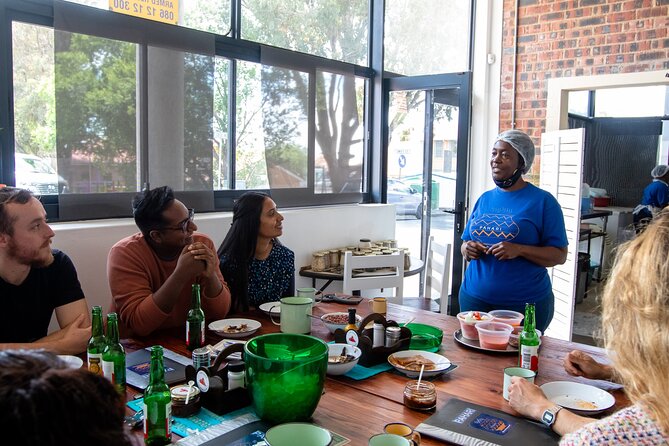
This is a hands-on meal in Salt River, not a quick demonstration followed by a plate of food. At Pahari African Restaurant, Caleb and Florence explain the background of African cooking, then put you to work preparing sadza, chicken stew, chakalaka, sugar beans, vegetables, and more. You finish by eating together in the communal style of an African home.
I like the small maximum of 10 people, which gives the cooking a personal feel. I also like that the menu can include vegan and vegetarian choices, so you are not pushed toward a meat-heavy meal simply because you are taking a South African food class.
The main consideration is that this suits beginners more than serious home cooks looking for advanced knife skills or complicated techniques. One past participant found the food excellent but the cooking side fairly basic. If you want cultural context, friendly hosts, and a shared meal, that is likely a fair trade.
Key points to know before you book
- Caleb leads the food and cultural introduction, while Florence helps guide the cooking and makes the kitchen feel welcoming.
- You help prepare several dishes, including sadza, chicken stew, chakalaka, sugar beans, and greens with peanut butter.
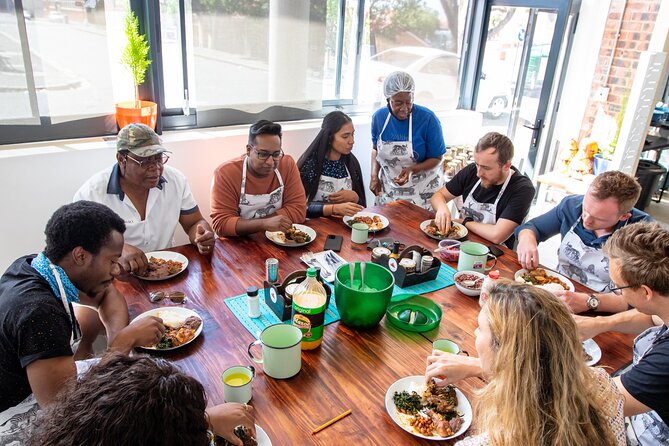
- The meal is served communally, reflecting the way food is shared in many African homes.
- Vegetarian and vegan options are available, but you should make your needs clear when booking.
- The class lasts about two and a half hours and includes snacks, drinks, the meal, and tea or coffee.
- Pahari African Restaurant is in Salt River, with public transportation nearby. If you take an Uber, give the restaurant name and address clearly.
What this Cape Town cooking class is really about
Many food classes give you a recipe, a chopping board, and a finished dish. This one puts equal weight on the story behind the food and the pleasure of eating together.
Caleb begins with an explanation of African cuisine, its ingredients, and the way recipes have changed as they passed through generations. That introduction matters because the menu is not presented as a random collection of unfamiliar dishes. You get some context for why these foods belong together and how they fit into home cooking.
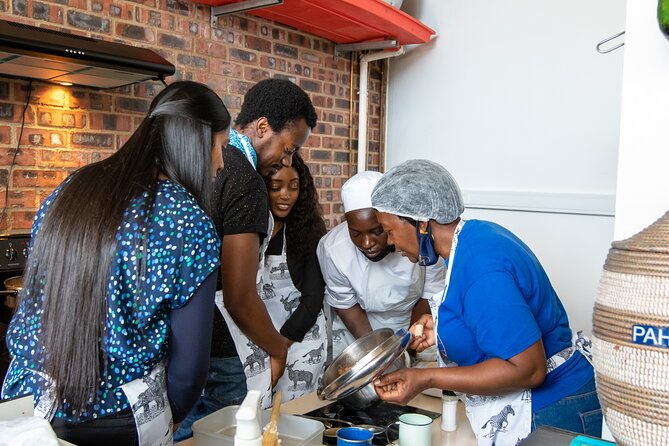
Then Florence takes you through the kitchen work. You contribute to the dishes rather than simply watching a chef do everything. The level of participation can vary, but the format is designed to let each person take part.
At the end, everyone sits down to eat the food prepared during the class. This communal finish is one of the most appealing parts of the experience. It changes the mood from lesson to shared dinner, with time to talk, laugh, and compare the dishes you helped make.
A few more cooking classes around the world worth a look
- Half-Day Thai Cooking Class at Organic Farm in Chiang Mai
★ 5.0 · 19,087 reviews - Florence: Pasta Cooking Class with Unlimited Wine
★ 4.9 · 10,285 reviews - 3 in 1 Cooking Class near Navona: Fettuccine, Ravioli & Tiramisu
★ 5.0 · 7,376 reviews
Arriving at Pahari African Restaurant in Salt River
The meeting point is Pahari African Restaurant at 121 Cecil Road, Salt River, Cape Town. The activity begins and ends at the restaurant, so you do not need to arrange a separate ride between multiple stops.
Public transportation is nearby, and the restaurant is known well enough that an Uber driver may recognize the name. Still, I would enter the full address into your booking app and tell the driver you are going to Pahari African Restaurant. That simple step can prevent confusion, especially if you are unfamiliar with Salt River.
The location also gives this activity a useful sense of place. You are not being taken to a staged cooking venue built only for visitors. You are meeting at an African restaurant where these dishes are part of the food business. That does not make the class automatically better, but it does help keep the meal connected to everyday cooking.
Once you arrive, expect a warm welcome, African drinks, and starter snacks. The drinks may include alcoholic options, and coffee or tea is also included later. Since the exact drink selection is not fixed in the details provided, do not book this expecting one particular beverage.
Caleb’s introduction to African food
The first part of the class is led by Caleb, who sets out the food traditions and ingredients used in the meal. His presentation covers the background of African cooking and the way recipes have been handed down and adapted over time.
That opening is especially useful if you are new to the cuisine. The menu includes foods that may be familiar by name but less familiar in preparation, such as mealie pap, peanut-based vegetables, chakalaka, and sugar beans. Hearing how the ingredients are used before you start cooking gives the meal more meaning.
Caleb also discusses starters and their nutritional value. This is a small detail, but it shows that the class is not limited to instructions such as stir this or boil that. You get a broader view of how the food is eaten and valued.
The strongest part of the introduction is likely the connection between food and family tradition. Recipes are not treated as fixed museum pieces. They have been passed down, adjusted, and kept alive through home cooking. That is a good reason to take this class early in your Cape Town visit, when it can help you understand other dishes you may encounter.
Cooking sadza, stews, greens, and beans
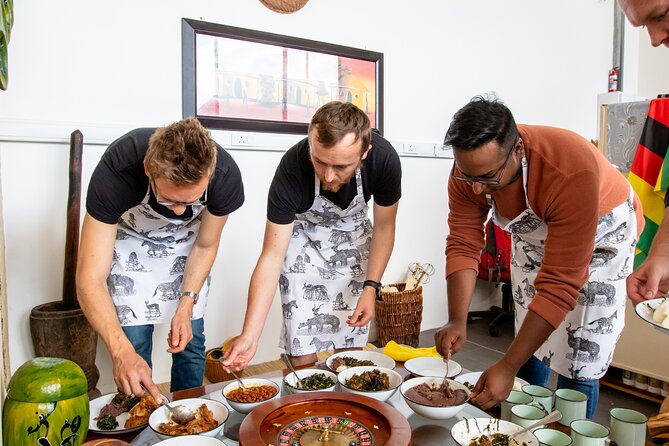
The cooking portion covers several dishes rather than one single recipe. That gives you a broad taste of the meal, though it also means the class is more about shared preparation than mastering every technique in detail.
Same place, a different menu:
- Florence: Pasta & Tiramisu Cooking Class with Unlimited Wine
★ 4.9 · 6,708 reviews - Florence: Pasta Cooking Class with Unlimited Wine
★ 5.0 · 6,413 reviews - Hanoi Cooking Class: Culture, Local Market & Meaning CSR Impact
★ 5.0 · 5,147 reviews - 5 Traditional Dishes Hanoi Cooking Class with Market Trip
★ 5.0 · 4,890 reviews
Sadza, also called mealie pap
Sadza is a staple made from maize meal, known here as mealie pap. It is often served as a filling base for stews and vegetables, and learning to prepare it gives you a useful introduction to the structure of the meal.
This is not likely to be a complicated dish for an experienced cook, but the value is in seeing how it fits with the rest of the plate. You are not just making a starch on its own. You are preparing the food that will be eaten with saucy meats, vegetables, and beans.
Meaty beef bones with green vegetables
The beef bone dish brings a hearty, home-style element to the table. It is paired with green vegetables, giving the final meal a mix of meat, starch, and produce rather than a single heavy main course.
You should note that the menu includes meat and bone-based dishes, so this is not the class for someone seeking an entirely plant-based menu unless the available vegan option is arranged in advance. The experience does provide vegan and vegetarian choices, but the standard menu is broad rather than exclusively plant-based.
Chicken stew
Chicken stew is one of the more approachable dishes on the menu. You will see how a familiar ingredient becomes part of a larger African meal, served alongside sadza and vegetables.
The class does not promise advanced culinary training. Instead, it gives you the chance to participate in preparation, ask questions, and understand the role of each dish. That makes it a good fit if you cook at a basic level or simply want to learn by doing.
Greens with peanut butter
The green vegetables with peanut butter may be the most distinctive dish for many people. The combination offers a different way to use vegetables, and the class includes an explanation of traditional peanut butter preparation.
That detail adds something special to the cooking. You are not only tasting a finished sauce. You are also seeing how an ingredient can be made and used in a traditional way. If you enjoy discovering unfamiliar flavor combinations, this is likely one of the more memorable parts of the menu.
Chakalaka and sugar beans
Chakalaka adds another vegetable-based dish to the meal, while sugar beans provide a filling, plant-based element. Together with the greens and sadza, they keep the spread from feeling like a meat course with side dishes added at the last minute.
The range of foods also helps explain why the class lasts around two and a half hours. You are preparing several components, not racing through one recipe before sitting down.
You get your hands involved
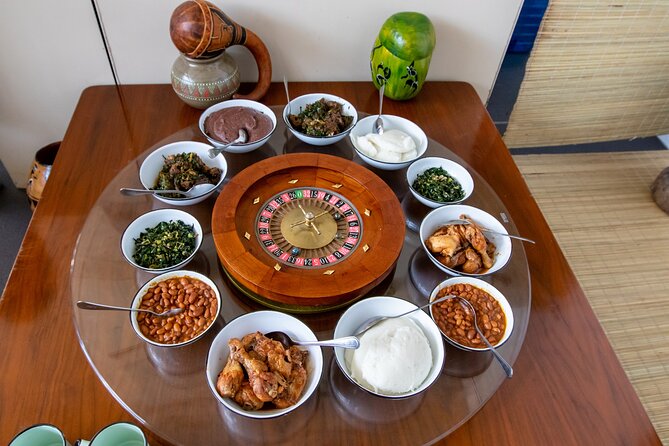
Each person has an opportunity to contribute. Depending on the group, you might prepare one or two dishes, help with ingredients, or take part in another step of the cooking.
The small group limit of 10 is important here. With a much larger class, participation could shrink to watching one person stir a pot. A group of this size gives you a better chance to ask questions and handle the food yourself.
The activity is especially suitable for beginners. One assessment found the cooking side quite basic, and that is useful information rather than a criticism for everyone. If you are nervous around a kitchen, you can learn without feeling pressured. If you already cook often, you may find the techniques simple, but the ingredients, food history, and meal structure still offer something new.
You may also eat with your hands, as one family group did during the class. The communal style encourages you to experience the meal as it is commonly shared, rather than treating it as a formal restaurant tasting.
The communal meal is the payoff
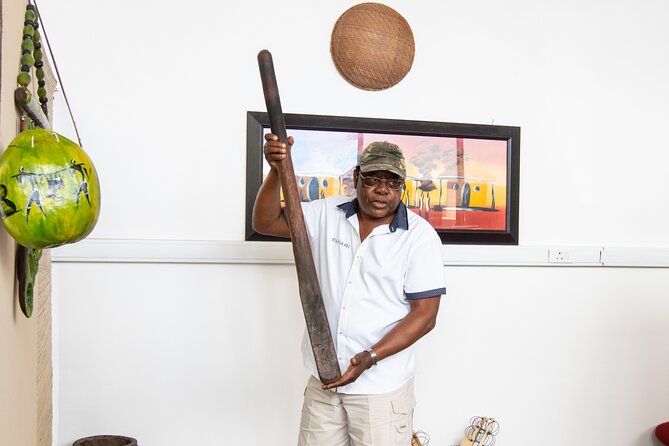
After the cooking, everyone eats together. This is not simply the moment when the class ends and plates appear. It is part of the experience’s purpose.
The food is served communally, in the manner of an African home. You share the meal with your own group and with the people taking part in the class. That format makes the experience social without requiring you to be an outgoing person. Conversation develops naturally because everyone has just worked on the same dishes.
I also like the way this finish brings the class back to its central idea: cooking is not only about technique. It is about hospitality, family, and making enough food to share. The hosts, Caleb and Florence, are repeatedly described as warm and welcoming, and that personal quality seems to be one of the main reasons the class feels more like an invitation into someone’s home than a standard lesson.
The food itself is clearly a strength. The menu includes several dishes, and the meal lets you try the results of the group’s work side by side. If you are unsure about peanut-based vegetables, chakalaka, or sadza, tasting them as part of the full meal gives you a better idea of how they work together.
Drinks, snacks, and the final cup of tea
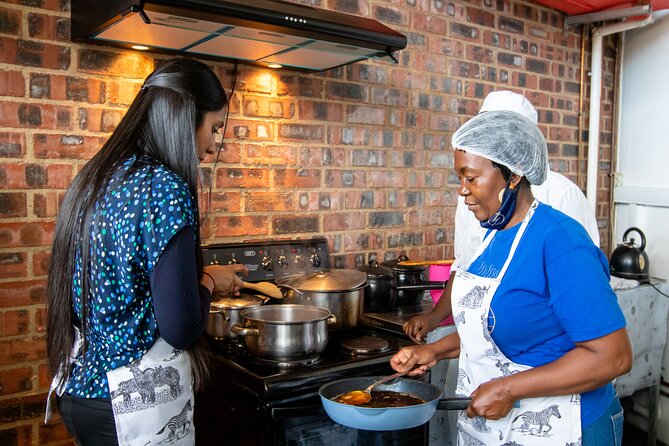
You are welcomed with a choice of African drinks and starter snacks. Alcoholic beverages are included, though you should not assume that alcohol is required or that a particular drink will be served.
Lunch and dinner are both listed as included, which reflects the flexible timing of the class. You receive the food prepared during the activity, rather than paying extra for a separate meal afterward.
The experience ends with an African hot beverage, either tea or coffee. It is a modest finish, but a sensible one after a long shared meal. It also gives you a final chance to talk with the hosts and ask about the dishes or recipes.
For some groups, recipes and photos have been shared after the class. That has not been promised as a formal inclusion, so I would treat it as a possible extra rather than something to book solely for that reason.
Is the $57.51 price fair?
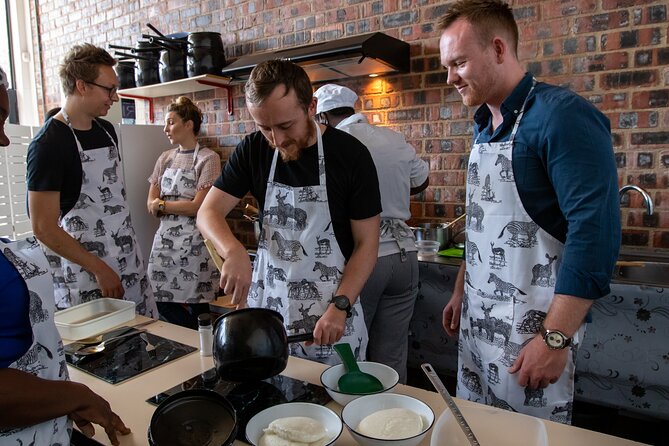
At $57.51 per person, this is not the cheapest meal in Cape Town. But you are paying for more than dinner. The price covers roughly two and a half hours of instruction, cultural background, drinks, starter snacks, the cooking session, a full meal, and a final tea or coffee.
The value is strongest if you want a personal food experience rather than a restaurant visit. You are also getting several dishes instead of one plate, plus the chance to take part in preparing them.
The price is less compelling if you are an advanced cook searching for technical training. The class is aimed more at basic cooks and curious eaters. You may leave with recipes and new ideas, but not with a professional-level lesson in culinary technique.
Because the group is capped at 10, the fee also buys a more intimate setting. That matters here. The hosts can speak with you directly, and you have a better chance to contribute to the meal.
Who should book this experience?
I would recommend it most strongly to:
- First-time visitors who want an introduction to African food and cooking.
- Couples and families who enjoy sharing a meal after a hands-on activity.
- Small groups looking for a social evening outside the main tourist areas.
- Beginners who prefer friendly guidance over advanced kitchen work.
- Vegetarians and vegans, provided they confirm the suitable menu option.
- Anyone who values conversation, food history, and hospitality as much as the finished dishes.
Families can also find a lot to enjoy here. Children as young as 11 and 14 took part in one group and enjoyed trying unfamiliar foods and eating with their hands. Still, parents should decide if their children will enjoy a two-and-a-half-hour cooking and meal session.
You may want to choose another class if you need a highly technical lesson, a formal chef-led demonstration, or a tightly timed itinerary with several Cape Town sights in the same afternoon.
Timing, transport, and cancellation
Plan for about two hours and 30 minutes from start to finish. The class begins and ends at Pahari African Restaurant, so allow extra time to reach Salt River before the start time.
Mobile tickets make access simple, and confirmation is provided when you book. Public transportation is available nearby. For rideshare trips, use the complete address, 121 Cecil Road, Salt River, Cape Town, 7925, South Africa.
Free cancellation is available if you cancel at least 24 hours before the start time. Cancellations or changes made within 24 hours are not accepted for a refund, and cut-off times follow Cape Town local time.
Should you book the Authentic African Cuisine Cooking Experience?
Book it if you want food to be your way into Cape Town culture. The best parts are the welcoming hosts, the chance to help make several traditional dishes, the clear attention to food history, and the shared meal at the end.
Go in expecting a friendly beginner-level cooking class, not a demanding culinary workshop. With its small group size, included drinks and food, vegetarian and vegan options, and personal approach from Caleb and Florence, the $57.51 price is reasonable for a two-and-a-half-hour cultural meal.
If you want an easy, social way to try sadza, chakalaka, peanut vegetables, stews, and beans, this is a strong choice. If you mainly want advanced cooking skills, spend your money elsewhere.
FAQ
Where does the cooking experience take place?
It takes place at Pahari African Restaurant, 121 Cecil Road, Salt River, Cape Town, 7925, South Africa.
How long does the activity last?
The experience lasts approximately two hours and 30 minutes.
What dishes will I learn to prepare?
The menu includes sadza, also called mealie pap, meaty beef bones with green vegetables, chicken stew, green vegetables with peanut butter, chakalaka, and sugar beans.
Are vegetarian and vegan options available?
Yes. Vegetarian and vegan options are available.
Are drinks and food included?
Yes. The experience includes African drinks, alcoholic beverages, snacks, lunch, dinner, and a final coffee or tea.
How many people can join the class?
The activity has a maximum of 10 participants.
Can I cancel for a full refund?
Yes, if you cancel at least 24 hours before the experience start time. Cancellations or changes made less than 24 hours before the start time are not refunded.
Just added around the world
- Cooking, Farming and Waterfall In Vietnam Countryside★ 3.0 · 6 reviews
- Busan Tailored Korean cooking class (Vegan OK)with market tour★ 5.0 · 66 reviews
- Korean cooking class in Haeundae, Busan★ 5.0 · 92 reviews
- Private Argentine Cooking Class and Tango Lesson in Buenos Aires★ 5.0 · 37 reviews
- Cooking Class with dinner/lunch in Ulcinj Montenegro★ 5.0 · 8 reviews
- BA: Empanadas and Alfajores Cooking Experience in Palermo★ 5.0 · 112 reviews
- Hungarian Home Cooking Class with Chef Marti★ 5.0 · 30 reviews
- Budapest Market Tour & Home Cooking Class with local Chef & Guide★ 5.0 · 23 reviews
Cooking Classes, compared.
Half-Day Thai Cooking Class at Organic Farm in Chiang Mai
Read our review →
Florence: Pasta Cooking Class with Unlimited Wine
Read our review →
3 in 1 Cooking Class near Navona: Fettuccine, Ravioli & Tiramisu
Read our review →
Hanoi Cooking Class: Culture, Local Market & Meaning CSR Impact
Read our review →
5 Traditional Dishes Hanoi Cooking Class with Market Trip
Read our review →
Cooking Class and Lunch at a Tuscan Farmhouse with Local Market Tour from Florence
Read our review →
Chiang Mai: Cooking Class, Market & Thai Herbs Garden Tour
Read our review →Browse the lists this tour appears in