
Review · CAPE TOWN
Cape Town: Authentic African Cuisine Cooking Experience
Cape Town’s Pahari African Restaurant offers more than a meal. You cook one from the ground up, starting with Sadza, the mealie-meal staple, then adding chicken stew, chakalaka, sugar beans, and beef bones with green vegetables. Florence and Caleb explain how these dishes traveled through families and changed over time.
I like the small-group setting, limited to 10 people, and the chance to eat what you help prepare at a shared table. I also like the generous cultural context, from local ingredients to African drinks and traditional hand-eating. The main consideration is that there is no dessert, and hotel pickup is not included.
Key points
- Cook five substantial African dishes: Prepare Sadza, beef bones with greens, chicken stew, chakalaka, and sugar beans.
- Meet hosts with family cooking traditions: Florence learned from her mother, and she and Caleb have worked in food service for two decades.
- Try more than the main meal: African juice, beer, tea or coffee, and starter snacks are included.
- Expect a communal meal: You sit down together and may eat by hand, as is common in many African homes.
- Vegetarian and vegan choices are available: Tell the hosts about your needs when arranging the experience.
- Plan for a two-and-a-half-hour visit: The class takes place in a separate room beside Pahari African Restaurant.
Cooking African Food at Pahari African Restaurant
The cooking class takes place at Pahari African Restaurant in Cape Town’s Western Cape. When you arrive, ask for Florence. The class uses a separate room beside the restaurant, giving the session a more private feel than a standard restaurant meal.
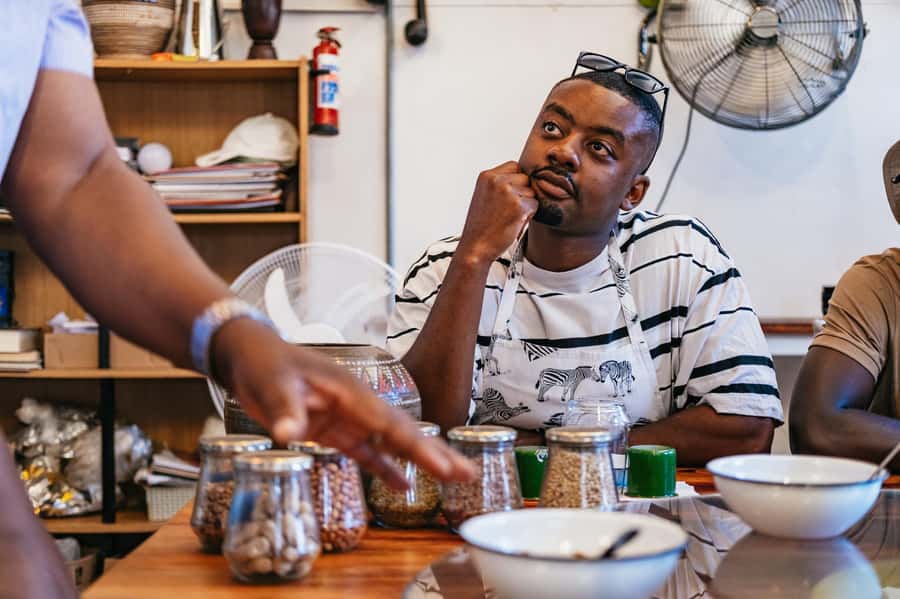
That setting matters. You are not simply ordering a plate and listening to a short explanation. You take part in the preparation, then eat with the hosts and the other people in the group. With a maximum of 10 participants, there is room for each person to contribute rather than watch from the edge.
Florence and Caleb bring a family connection to the food. Florence learned to cook from her mother, with recipes passed down through generations. She and her husband have also spent two decades in food service. That combination gives the class a useful balance: family cooking knowledge, plus long experience serving food to people from different cultures.
The instruction is in English. If you want to ask questions about ingredients, cooking methods, or customs, you can do so throughout the session.
A few more cooking classes around the world worth a look
- Half-Day Thai Cooking Class at Organic Farm in Chiang Mai
★ 5.0 · 19,087 reviews - Florence: Pasta Cooking Class with Unlimited Wine
★ 4.9 · 10,285 reviews - 3 in 1 Cooking Class near Navona: Fettuccine, Ravioli & Tiramisu
★ 5.0 · 7,376 reviews
A Welcome With African Drinks and Snacks
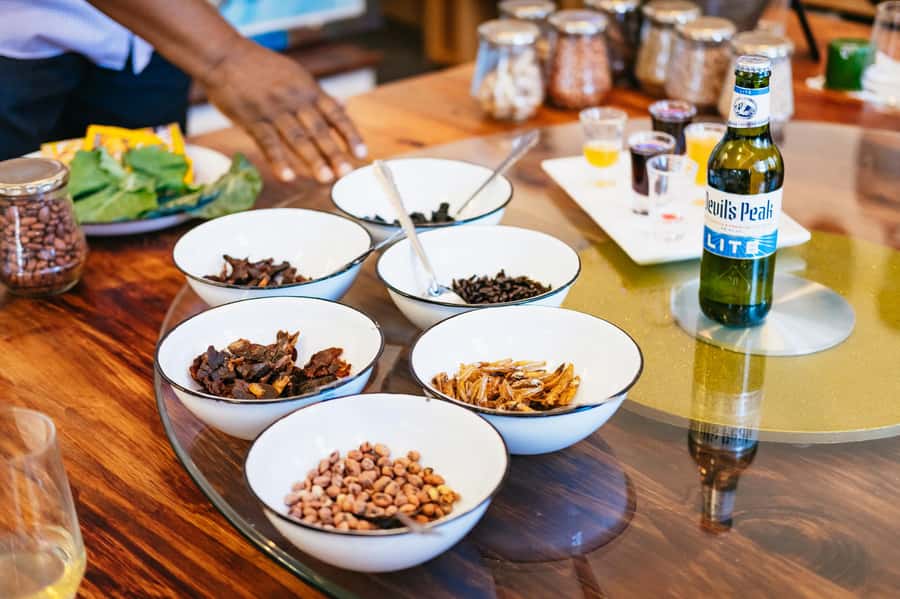
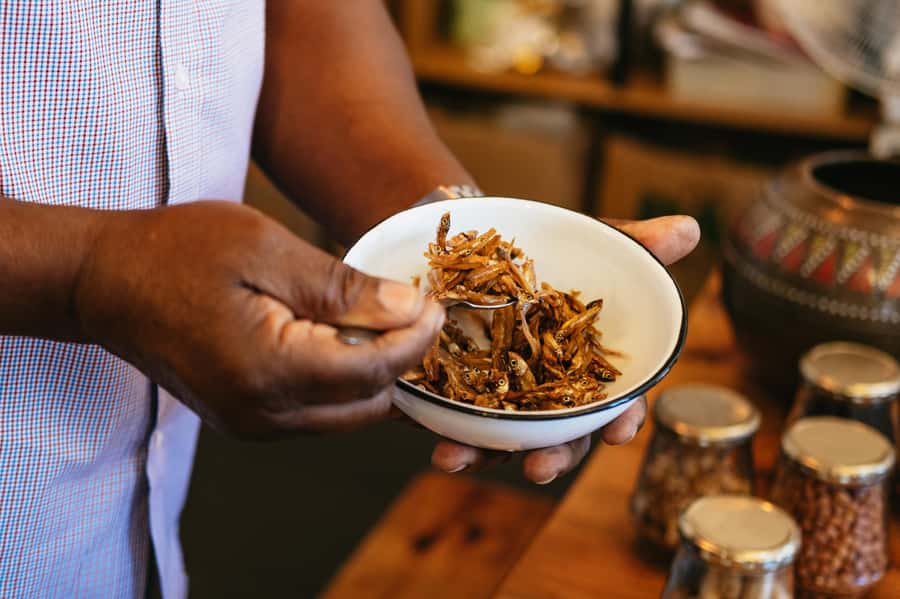
The class begins with a choice of African drinks and small starter snacks. African juice, African beer, and later tea or coffee are included in the price. This gives you a first taste of the region’s food culture before the main cooking begins.
The starter course may be the most surprising part for some people. One family group described trying caterpillars and termites among the snacks, and found them better than expected. These items are not just a novelty for the table. They show how broad the idea of African food can be, especially when you move beyond the restaurant dishes most visitors already know.
You do not need to arrive with a strong appetite for unusual food, but it helps to come with an open mind. The experience is designed around tasting and learning, not around a narrow, familiar menu. If you prefer to stay with more recognizable flavors, the main dishes include stews, beans, vegetables, and mealie meal.
Learning the Story Behind Sadza and Other Staples
Before or during the cooking, Caleb explains the background of African cuisine, including ingredients, food customs, and the way recipes have changed as they passed from one generation to the next. This is one of the strongest parts of the class because it places each dish in a wider setting.
Sadza, also called pap in parts of southern Africa, is made from ground mealie meal. It forms the base of the meal and is served with other dishes. You learn how this simple staple is prepared and how it fits into an African home meal.
The recipes are not presented as museum pieces. Food changes with families, places, available ingredients, and personal taste. The explanation helps you understand why a dish can be traditional while still having many versions.
You also hear about the origins of the ingredients, with an emphasis on food that is local and organic when possible. That detail helps connect the cooking to everyday food choices rather than presenting African cuisine as a fixed list of exotic dishes.
Preparing Five Main Dishes Step by Step
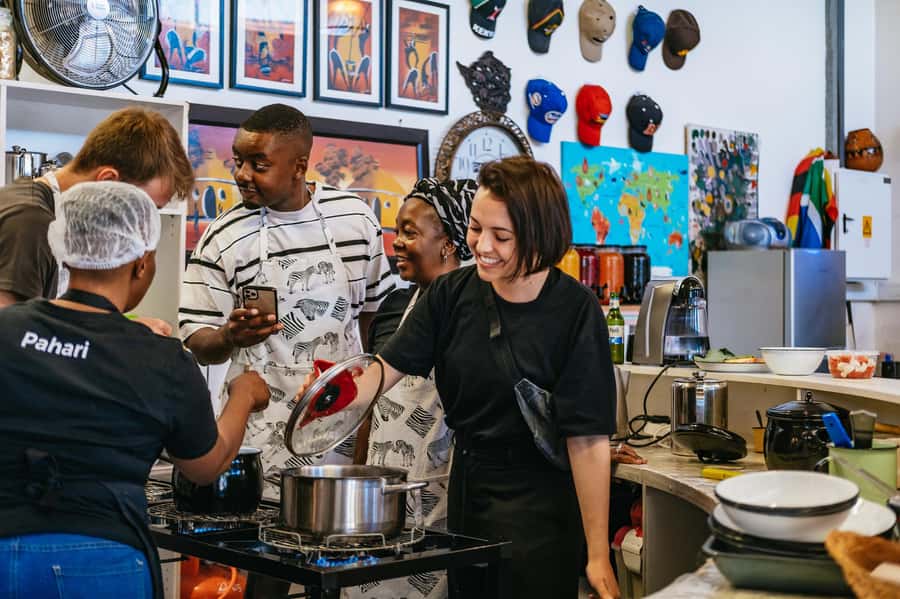
The central part of the 150-minute class is hands-on cooking. Florence, her cooking assistant, and the other hosts guide you through the dishes step by step. Everyone has a chance to contribute, so expect to stir, mix, season, or help with preparation rather than simply stand behind a counter.
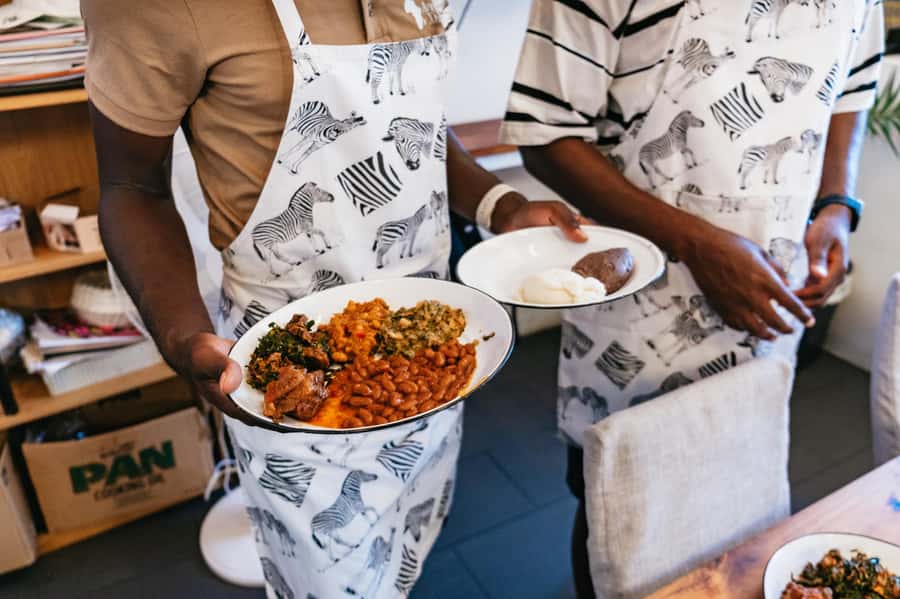
The menu includes:
- Sadza, made from ground mealie meal
- Meaty beef bones mixed with green vegetables
- Chicken stew
- Chakalaka
- Sugar beans
This is a hearty meal, with starch, meat, vegetables, and legumes on the same table. It is also a useful menu for understanding how different textures and flavors work together. Sadza provides the mild, filling base. The stews and vegetables bring seasoning and moisture, while beans add another substantial element.
Chakalaka is especially useful for showing how vegetables and spice can shape a meal. The class presents it alongside the other dishes, so you can see how it works as part of a shared spread rather than as an isolated side dish.
The beef bones with greens add a more traditional, home-style quality. This is not a polished tasting menu with tiny portions. You are helping prepare food meant to be shared and enjoyed as a full meal.
The hosts are also prepared for different diets. Vegetarian and vegan options are available, though the supplied menu specifically lists beef and chicken for the standard meal. Tell the hosts about your dietary needs when booking so they can prepare the right version.
Same place, a different menu:
- Florence: Pasta & Tiramisu Cooking Class with Unlimited Wine
★ 4.9 · 6,708 reviews - Florence: Pasta Cooking Class with Unlimited Wine
★ 5.0 · 6,413 reviews - Hanoi Cooking Class: Culture, Local Market & Meaning CSR Impact
★ 5.0 · 5,147 reviews - 5 Traditional Dishes Hanoi Cooking Class with Market Trip
★ 5.0 · 4,890 reviews
Eating Together, Often by Hand
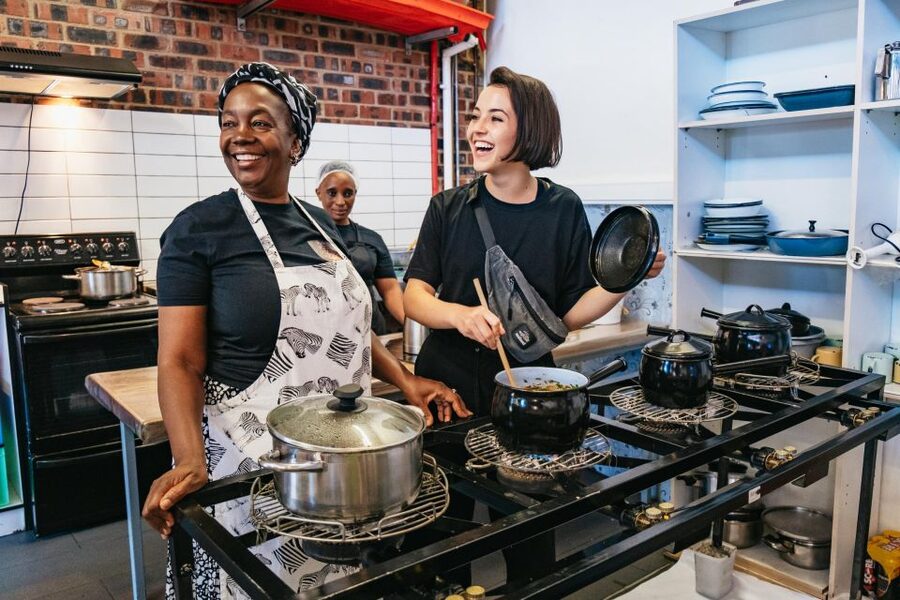
Once the food is ready, you sit down and eat together with the hosts. The communal meal is not an extra add-on. It is the natural payoff to the cooking, and it reflects the way food is often shared in an African home.
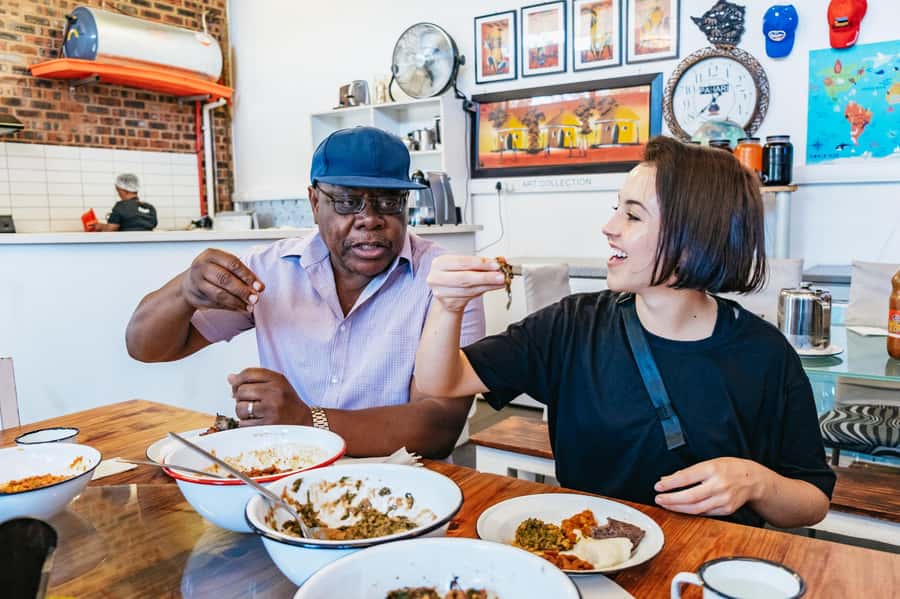
You may be encouraged to eat with your hands instead of using a knife and fork. That can feel awkward at first, particularly with stews and Sadza, but it is part of the cultural lesson. You are not being asked to perform a trick. You are being shown another way to handle food, share a table, and take part in the meal.
I like this part because it turns the class into a social experience. You are not rushing away after the last chopping task. You have time to talk with Florence, Caleb, and the other participants while eating the food you helped make.
The meal can also work well for families, friends, colleagues, and solo visitors who enjoy meeting people. The experience is private in the sense that it takes place in a separate room, but the group format means you may be cooking with people from other countries.
One small drawback is the lack of dessert. If you expect a sweet final course, you will not find one listed here. The experience ends with an African hot drink instead, which keeps the focus on the main meal and the culture surrounding it.
The Final Cup of African Tea or Coffee
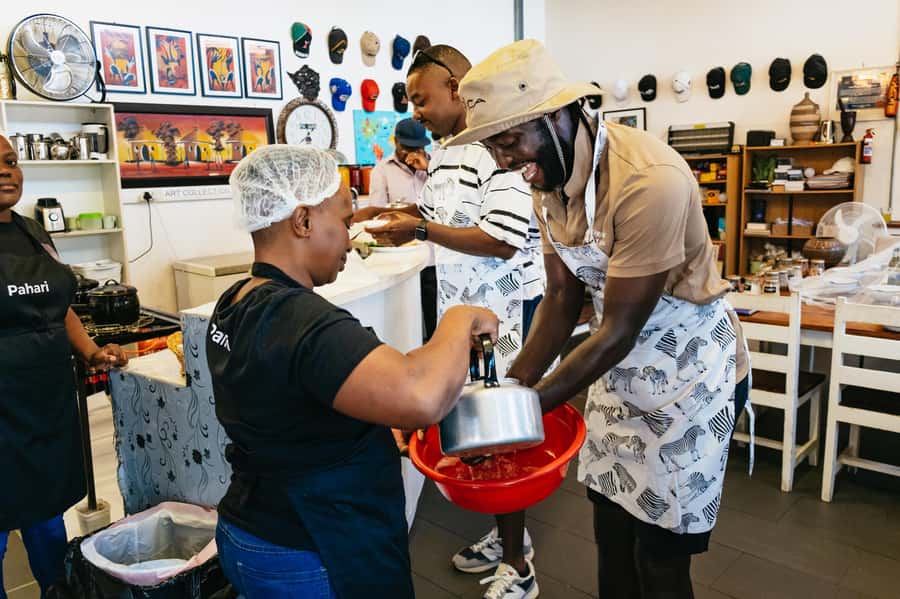
After the meal, the hosts serve African tea or coffee. It is a simple ending, but it gives the session a clear final stage rather than stopping as soon as the plates are cleared.
This is also a good time to ask any last questions about the food. You can request an easy-to-follow recipe so you can try the dishes at home. That recipe is a real benefit for anyone who wants the class to continue after leaving Cape Town.
Do not expect to recreate every detail perfectly on your first attempt. Ingredients and cooking equipment at home may differ, and family recipes rarely transfer without adjustment. Still, having a written guide makes Sadza, chakalaka, beans, and the stews much less mysterious.
Is $71 a Fair Price?
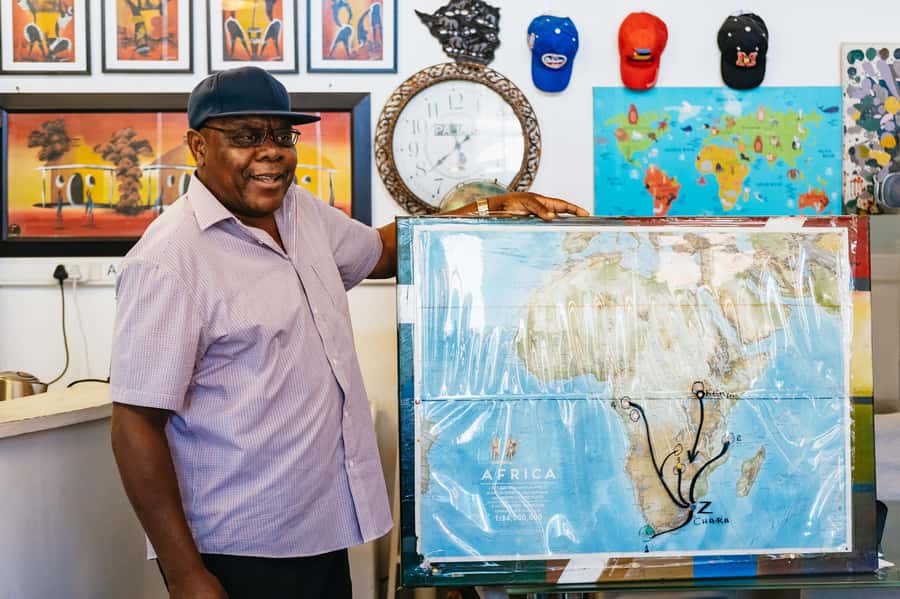
At $71 per person, the class is not the cheapest meal in Cape Town. It is also more than you would pay for a basic restaurant lunch. The value comes from the combination of food, instruction, drinks, cultural explanation, and time with the hosts.
You receive a full meal rather than a tasting plate. African juice, beer, and tea or coffee are included, as are the starter snacks. You also get two and a half hours of guided activity, not just a short demonstration.
For me, the price makes the most sense if you would otherwise pay for both a restaurant meal and a separate cultural activity. Here, the two are combined. The class also gives you a recipe and a practical understanding of how the dishes are prepared.
The value is less clear if you are looking only for a quick lunch or if you already have several food experiences planned. The class takes a significant part of an afternoon or evening, and the meal itself is the main reward rather than a side stop between major sights.
Timing, Group Size, and Practical Details
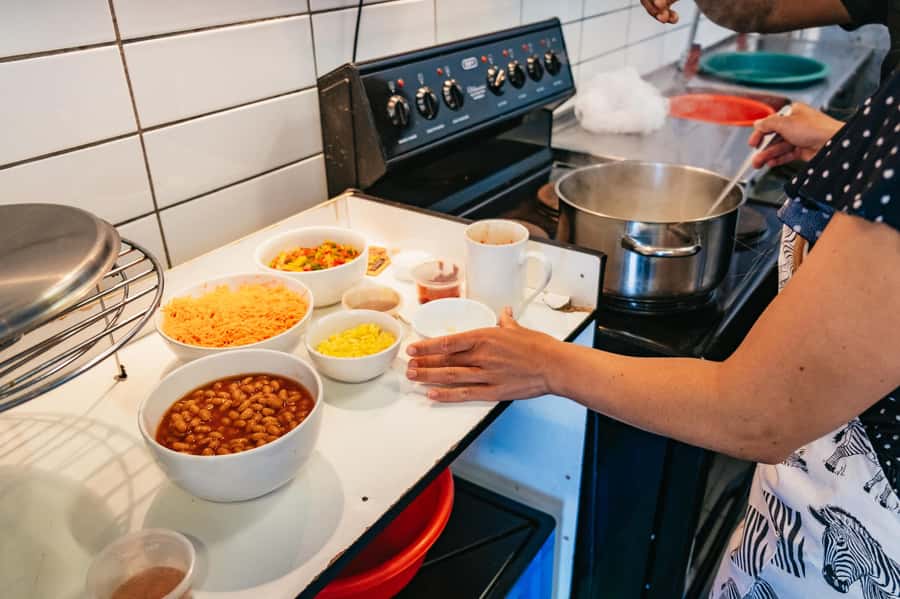
The experience lasts 150 minutes. That is long enough for the food story, hands-on preparation, shared meal, and final drink without turning the class into a full-day commitment.
The group is limited to 10 people. A smaller group usually makes it easier to ask questions and get a turn with the cooking. It also means the class may feel more personal than a large demonstration.
You must make your own way to Pahari African Restaurant. Hotel pickup and drop-off are not included. The meeting point is straightforward: arrive at the restaurant and ask for Florence.
English is the teaching language. If you need vegetarian or vegan food, arrange that in advance. The experience offers free cancellation up to 24 hours before the start time, and you can reserve now and pay later, which helps if your Cape Town schedule is still moving around.
Who Will Enjoy This Cooking Class?
I would recommend this class to you if food is one of the ways you like to understand a place. It suits people who want conversation, practical participation, and a meal with local character rather than a passive restaurant visit.
It is also a good match for families and groups of friends. Everyone can take part, and the shared meal gives the experience a social rhythm. Work groups may also find it useful because the cooking creates an easy reason to talk and cooperate.
Solo visitors can fit in well, particularly if they enjoy meeting people. The maximum group size keeps the class from feeling anonymous.
You should think twice if you dislike communal dining, hands-on preparation, unfamiliar ingredients, or eating with your hands. The class is meant to be friendly and accessible, but it is still a cultural cooking experience, not a formal Western cooking school.
Should You Book the Pahari African Cooking Experience?
Book it if you want a substantial meal, a family-based introduction to African cooking, and time with hosts who enjoy sharing food and culture. Florence and Caleb bring personal experience to the class, and the menu gives you more than one dish to understand and taste.
The strongest reasons to go are the hands-on format, the small group, the communal meal, and the chance to try snacks and drinks you may not encounter in an ordinary Cape Town restaurant. The recipe also gives you something practical to take home.
Skip it if your schedule is tight, you want hotel transport, or you need a dessert-focused cooking class. For most food-curious visitors, though, $71 is a reasonable price for 150 minutes of cooking, eating, and cultural conversation in one place.
FAQ
Where does the cooking experience take place?
It takes place in a separate room adjacent to Pahari African Restaurant in Cape Town’s Western Cape. Arrive at the restaurant and ask for Florence.
How long does the experience last?
The cooking experience lasts 150 minutes, or two and a half hours.
What food will I cook?
You will learn to prepare Sadza, meaty beef bones with green vegetables, chicken stew, chakalaka, and sugar beans.
Are drinks included?
Yes. African juice and African beer are included, along with African tea or coffee at the end of the experience.
Are vegetarian and vegan options available?
Yes. Vegetarian and vegan options are available. Arrange your dietary preference when booking.
What language is the class taught in?
The instructor teaches the class in English.
Is hotel pickup included?
No. Hotel pickup and drop-off are not included. You must make your own way to Pahari African Restaurant.
Just added around the world
- Korean cooking class in Haeundae, Busan★ 5.0 · 92 reviews
- Cooking, Farming and Waterfall In Vietnam Countryside★ 3.0 · 6 reviews
- Busan Tailored Korean cooking class (Vegan OK)with market tour★ 5.0 · 66 reviews
- Private Argentine Cooking Class and Tango Lesson in Buenos Aires★ 5.0 · 37 reviews
- Hungarian Home Cooking Class with Chef Marti★ 5.0 · 30 reviews
- Cooking Class with dinner/lunch in Ulcinj Montenegro★ 5.0 · 8 reviews
- BA: Empanadas and Alfajores Cooking Experience in Palermo★ 5.0 · 112 reviews
- Budapest Market Tour & Home Cooking Class with local Chef & Guide★ 5.0 · 23 reviews
Cooking Classes, compared.
Half-Day Thai Cooking Class at Organic Farm in Chiang Mai
Read our review →
Florence: Pasta Cooking Class with Unlimited Wine
Read our review →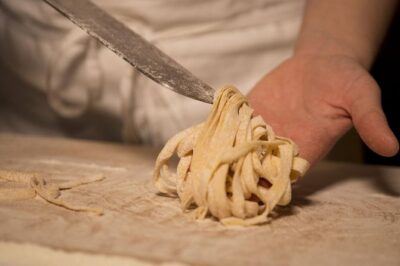
3 in 1 Cooking Class near Navona: Fettuccine, Ravioli & Tiramisu
Read our review →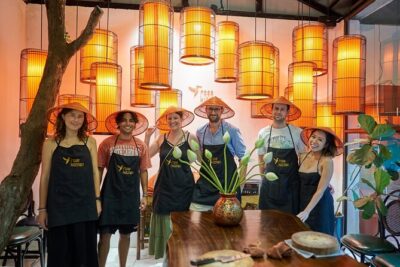
Hanoi Cooking Class: Culture, Local Market & Meaning CSR Impact
Read our review →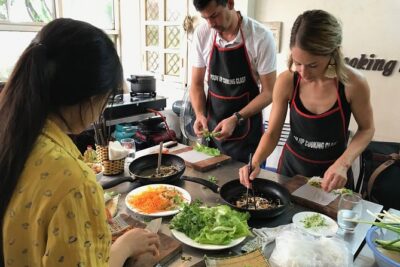
5 Traditional Dishes Hanoi Cooking Class with Market Trip
Read our review →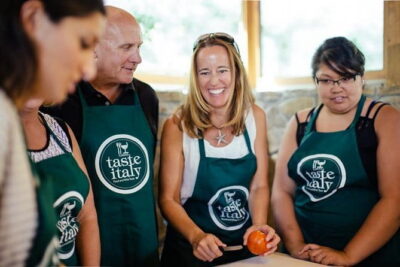
Cooking Class and Lunch at a Tuscan Farmhouse with Local Market Tour from Florence
Read our review →
Chiang Mai: Cooking Class, Market & Thai Herbs Garden Tour
Read our review →Browse the lists this tour appears in