
Review · MOROCCAN
Rabat: Authentic Moroccan Cooking Class with Expert Chefs
Moroccan cooking is built on small details, and this class lets you handle them yourself: preserved lemon, fermented butter, spice blends, pastry, and bread dough. I especially like the chance to make a complete meal, from starter through dessert, and the small group limit of 10 makes it easier to ask questions. The main consideration is that the class may be taught in French with English translation, rather than in English alone.
I also like that you eat what you prepare, then leave with recipes rather than just a full stomach. Chef Loubna, Chef Najat, Hannane, and Fatimah are among the instructors connected with the classes, with assistants such as Malak and Oumaima helping with translation and organization. Wear cooking clothes and shoes you can stand in, since the spices may follow you back to your hotel.
Key points at a glance
- A full Moroccan menu: Prepare a starter, main dish, bread or pastry, and dessert rather than one isolated recipe.
- Real local ingredients: Preserved lemon and fermented butter can appear in dishes such as lemon chicken tagine.
- Small groups: The class is limited to 10 people, with some sessions much smaller.
- French and English support: Classes are available in Arabic, English, and French, with a translator when needed.
- A meal and mint tea included: Sit down after cooking to eat the food you made and hear Moroccan stories.
- Useful take-home value: You receive recipes and practical tips for making the dishes again at home.
What the three hours in Rabat are really like
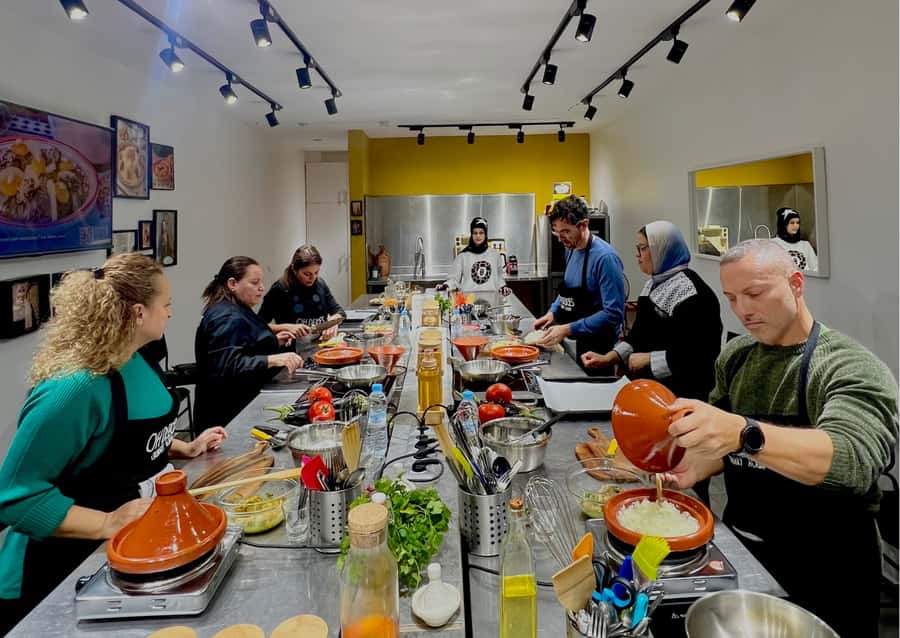
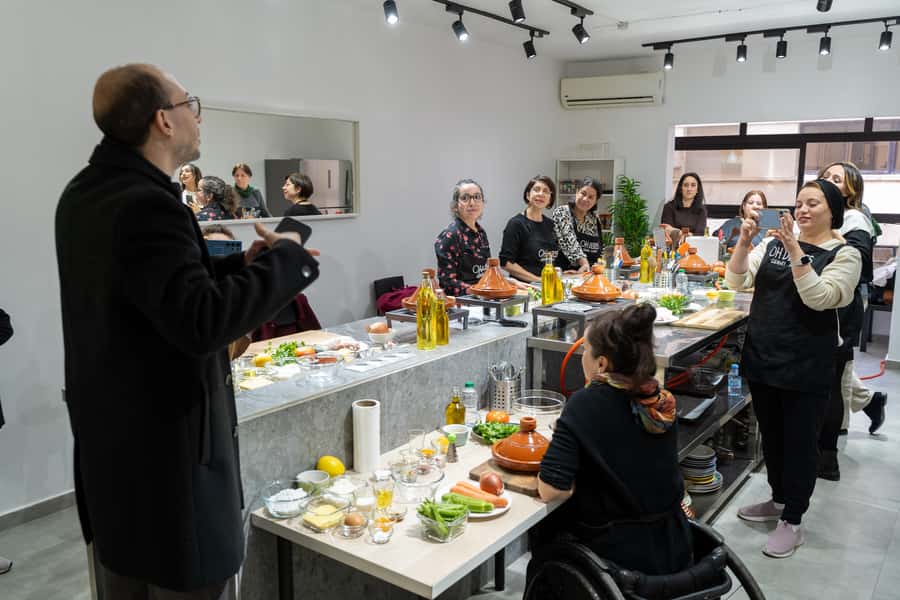
This is not a demonstration where you sit quietly while a chef does all the work. At OhDelices Culinary Academy, you take part in preparing a complete Moroccan meal. The class is designed for beginners, but experienced home cooks can still learn from the handling of spices, pastry, sauces, and bread.
The exact menu can change. Participants may be asked what they would like to cook, although the final selection can depend on the rest of the group and the ingredients available. That flexibility is useful, but it means you should not assume every dish listed in the description will appear in your session.
A typical class moves through a starter, main course, and dessert. Tagine, couscous, pastilla, msemen, traditional breads, and sweet Moroccan pastries are all part of the cooking repertoire. You may work on a lemon chicken tagine, eggplant starter, beef tagine, or another selection chosen for the group.
The pace is practical rather than rushed. You learn how ingredients are treated, not simply which ingredients go into a pot. That distinction matters in Moroccan food. The taste often depends on the order of cooking, the balance of sweet and savory flavors, and the handling of spices more than on a long list of ingredients.
More Moroccan Cooking Classes in Morocco:
- Marrakech: Moroccan Cooking Class with Pickup
★ 4.6 · 1,862 reviews - Marrakech: Traditional Moroccan Cooking Class & Market Visit
★ 4.8 · 1,861 reviews - Marrakesh: Moroccan Dishes Cooking Class with a Local Chef
★ 5.0 · 1,615 reviews
Entering OhDelices Culinary Academy
The meeting point is at a building next to the Goethe Center building. Transportation to the studio is not included, so you need to make your own way there. The location detail is simple, but I would still allow enough time to find the entrance, especially if this is one of your first activities in Rabat.
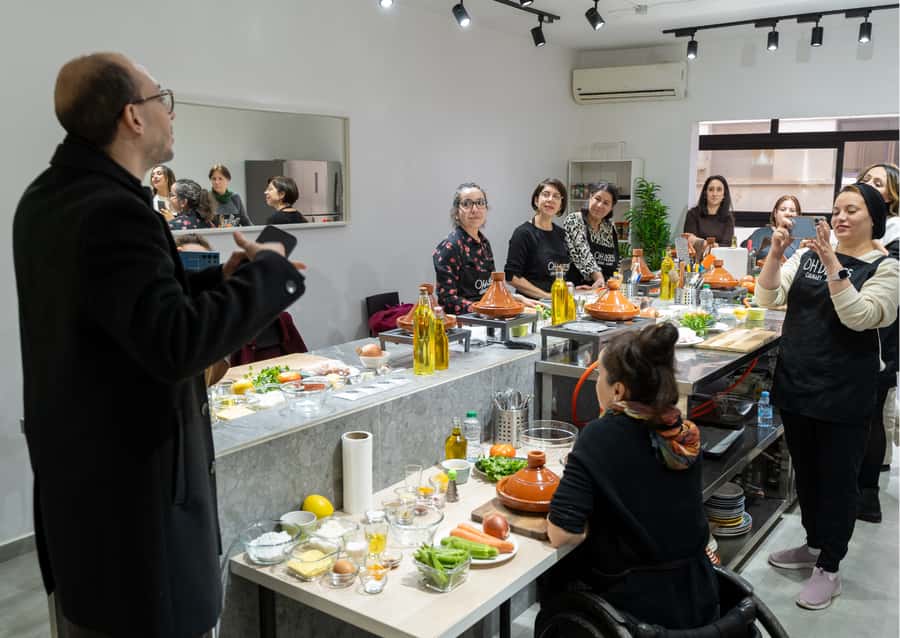
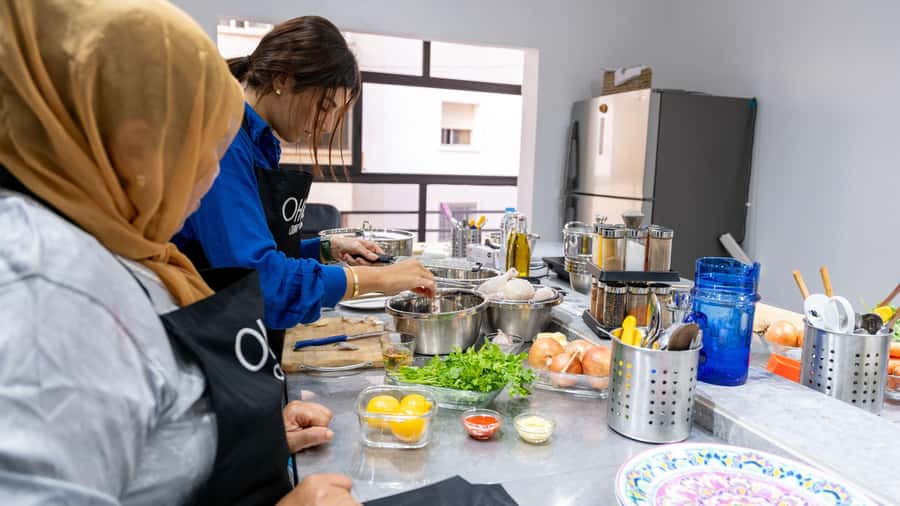
The cooking space is designed for hands-on instruction. All ingredients and equipment are provided, so you do not need to bring knives, utensils, or specialty products. Comfortable clothing is a good idea, and comfortable shoes are specifically requested.
The class is wheelchair accessible. Smoking, vaping, alcohol, drugs, and weapons are not allowed, and bare feet are not permitted. Those rules are ordinary for a food-preparation setting, but the clothing point deserves attention: spice aromas can cling to fabric, so avoid wearing something you plan to use for an important evening afterward.
The group limit is 10 people. That is a useful size for a cooking class. You can see the work surface, follow the chef, and ask for help without being lost in a large crowd. Smaller sessions can feel more like cooking with a local family, while a full group may give you more chances to compare techniques with people from other countries.
Learning Moroccan spices one step at a time
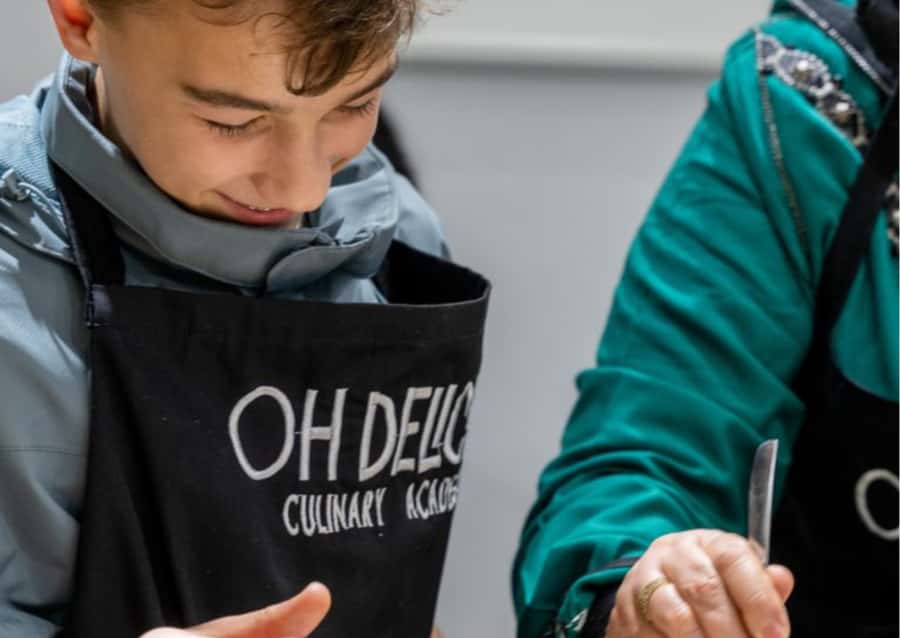
The best part of the class is not simply learning that Moroccan dishes use spices. You get to see how those spices are combined and why they matter. The emphasis is on building flavor carefully rather than throwing everything into a pot at once.
A dish such as lemon chicken tagine gives you a good example. Preserved lemon brings a sharp, salty note that is different from fresh lemon juice. Fermented butter adds another layer that many home cooks outside Morocco may not have used before. These are the kinds of ingredients you might not encounter in a standard restaurant meal or a basic cooking lesson.
The class also gives you a practical way to understand Moroccan spice blends. You may learn how seasonings are used with meat, vegetables, couscous, pastry, or bread, and how the same spice can behave differently depending on when it is added.
I would pay close attention to the chef’s small gestures here. The valuable information may be as simple as how much liquid to use, when to cover a dish, or how to tell when onions and spices have cooked enough. Recipes help later, but these visual and practical clues are what make it easier to repeat the meal at home.
From starter to tagine and dessert
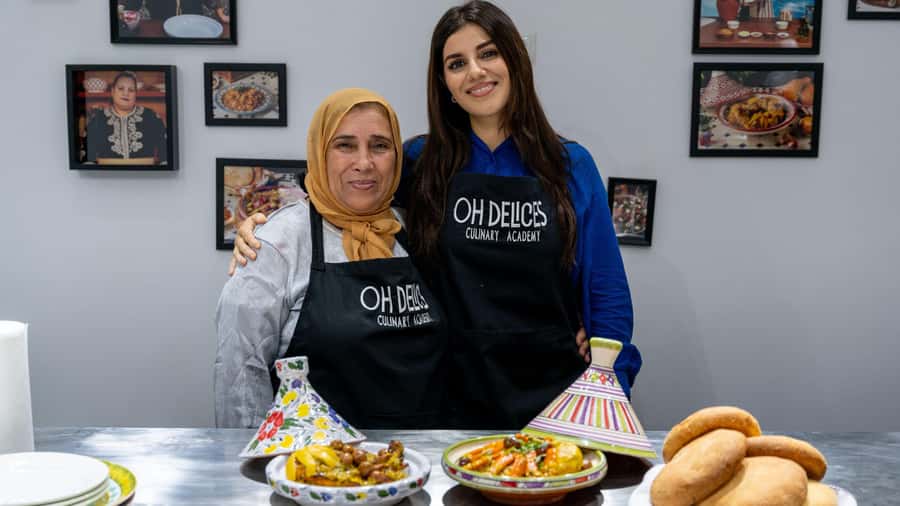
The menu is meant to feel like a full Moroccan meal. You might begin with an eggplant starter or another vegetable preparation, then move to tagine, couscous, or a beef dish before finishing with a pastry or sweet dessert.
An eggplant starter is a good example of how the class can broaden your idea of Moroccan food. Eggplant can be soft, smoky, savory, and heavily seasoned, and it shows how vegetables are treated as a serious part of the meal rather than a side dish added at the last minute.
Tagine is likely to be the centerpiece for many groups. The name refers both to the dish and to the conical cooking vessel associated with it. In a class, you can pay attention to how the ingredients are layered, how the sauce develops, and how preserved ingredients change the final flavor.
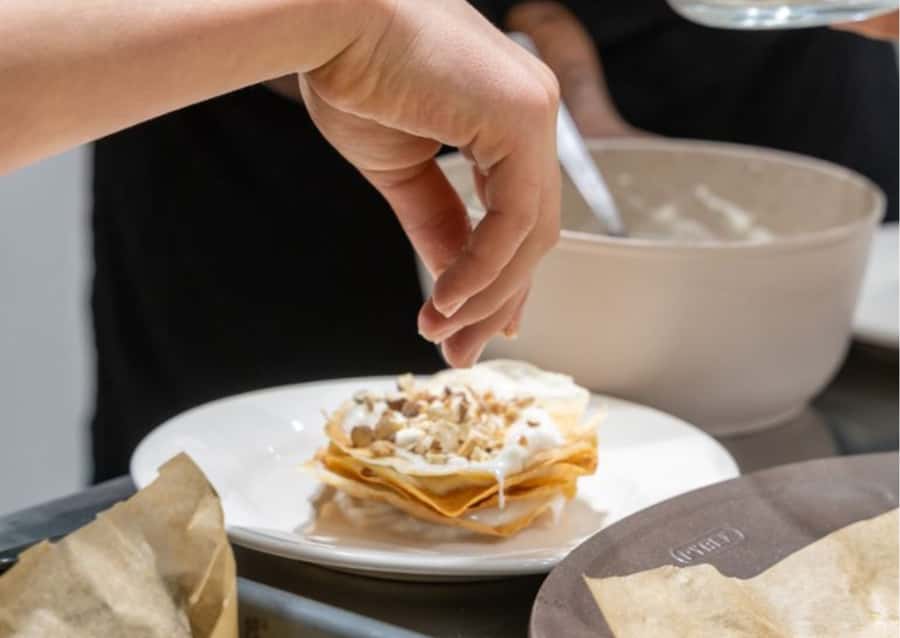
Pastilla brings a different skill set. Its pastry requires a lighter touch, and its combination of savory filling with sweet notes shows the contrast that makes Moroccan cooking so distinctive. Msemen and other traditional breads add another hands-on element, since dough texture and shaping matter as much as the ingredients.
The class may not cover every one of these dishes in a single session. Three hours is enough for a substantial meal, but not for a full survey of Moroccan cuisine. Think of the menu as a selected tour through Moroccan cooking rather than a master class in every regional specialty.
More Hands-On Workshops in Morocco:
- Moroccan Cooking Class & Marrakech Market Visit with Chef Khmisa
★ 5.0 · 1,504 reviews - Half-Day Cooking Class with Local Chef Laila in Marrakech
★ 5.0 · 952 reviews - Marrakech: Moroccan Cooking Class with a Local Family
★ 4.9 · 668 reviews - Marrakech: Moroccan Cuisine Cooking Class in Local Home
★ 4.8 · 508 reviews
Cooking with Chef Loubna, Chef Najat, and the support team
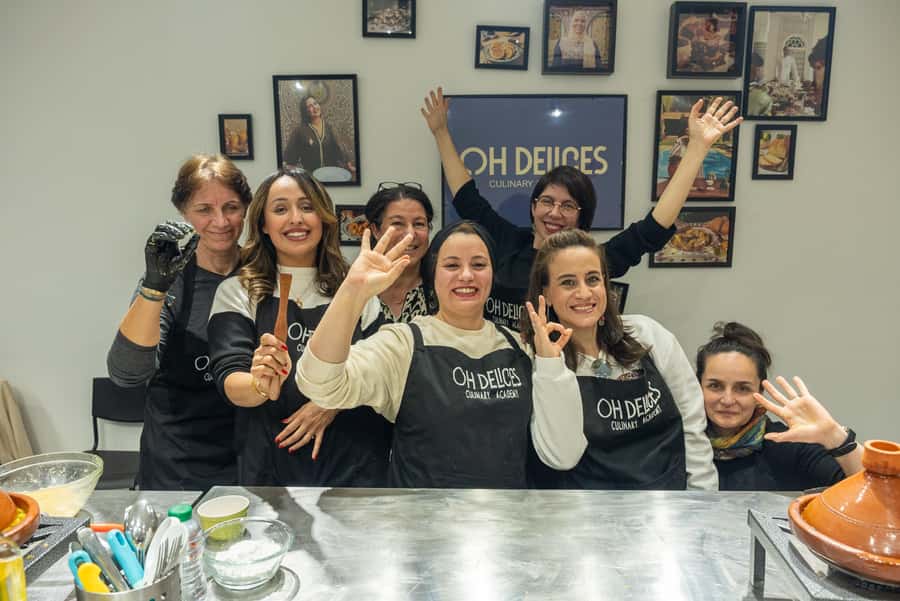
The instructors vary by session. Chef Loubna is described as an experienced Moroccan chef, and Chef Najat leads some classes as well. Hannane and Fatimah also help create and manage the cooking experience.
Language support is built into the format. The class is offered in Arabic, English, and French, and sessions may use a translator. Malak and Oumaima have assisted with English or French communication in different classes.
This arrangement should work well for most people, but it is worth understanding before you book. If the chef is speaking French and an assistant is translating into English, instructions may take a little longer to reach everyone. The benefit is that you can still ask questions and follow the class without needing to speak French.
The translation can also add a friendly, social quality to the session. You are not only learning measurements and cooking steps. You can ask about ingredients, family customs, and the place of a dish in Moroccan food culture. The stories are part of what turns the class into a cultural activity rather than a basic recipe lesson.
Sitting down to eat what you made
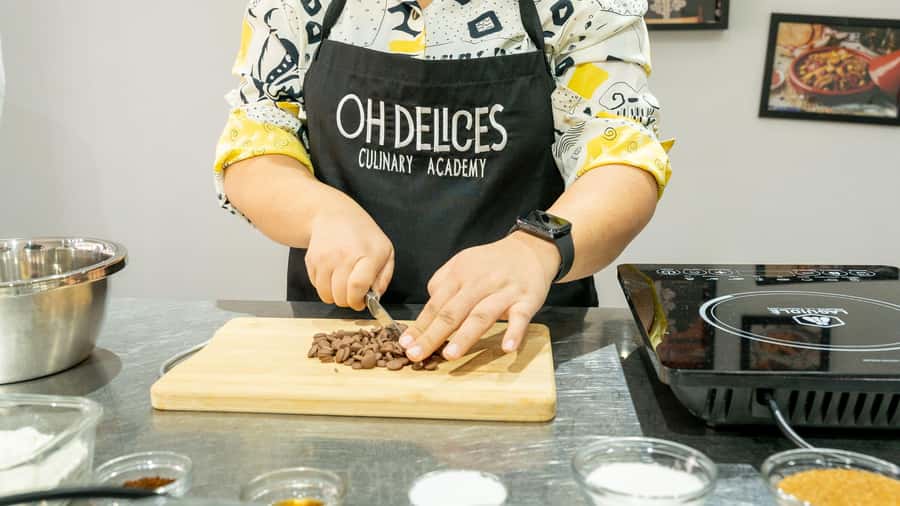
After the cooking, you sit down for the meal. This is an important part of the experience because you can taste the results with the cooking steps fresh in your mind. You know which spice went into the sauce, how the bread was shaped, and how the pastry was handled.
Moroccan mint tea is included. Tea gives the meal a natural finish and adds another familiar part of Moroccan hospitality. The class also includes stories and conversation, so the final meal is not just a quick tasting before everyone leaves.
The meal is described as generous enough to leave you full. Keep that in mind when planning the rest of your day. A three-hour cooking class followed by a complete meal is best treated as a main activity, not a short stop between other sightseeing plans.
There is also a social benefit. You cook alongside other people, share tasks, and compare the results. Couples can work together, families can divide up the preparation, and solo visitors have an easy setting for meeting people without needing to arrange a separate group activity.
What the $65 price buys you
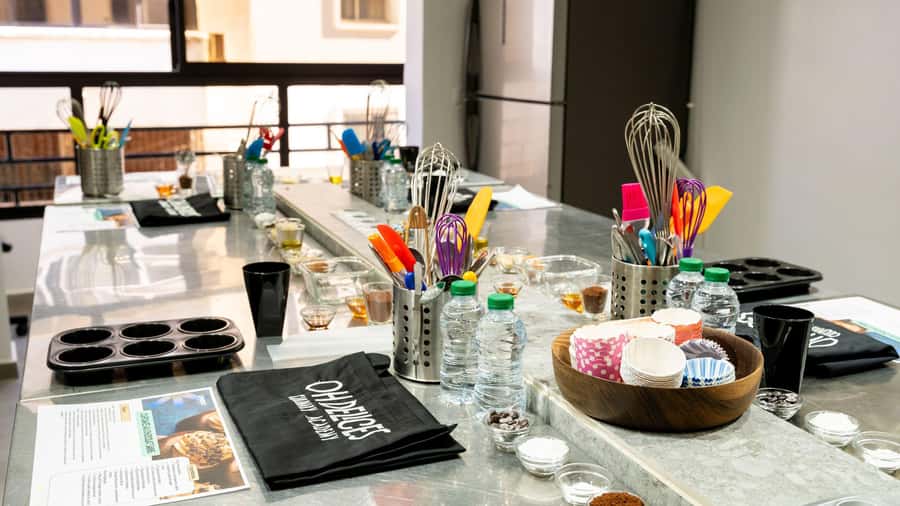
At $65 per person, the price is reasonable for a three-hour class that includes ingredients, equipment, professional instruction, the meal, mint tea, and recipes. You are paying for both the food and the access to techniques that would be difficult to learn by simply eating at a restaurant.
The value is strongest if you want an active cultural experience. A restaurant meal might cost less, but it would not show you how preserved lemon works, how a tagine is assembled, or how Moroccan bread and pastries are shaped. A private class could offer more personal attention, but this experience uses a small shared group rather than a one-to-one format.
Transportation is not included. That is the main extra cost to consider, along with any snacks or drinks you buy before or after the class. Because the cooking produces a full meal, you probably do not need to plan another substantial meal immediately afterward.
The reserve-now-and-pay-later option can help if your Rabat schedule is still changing. Free cancellation is available up to 24 hours in advance for a full refund. Check the available starting times before committing, since the class lasts three hours and the schedule can affect the rest of your day.
Who should book this class
I would recommend it to anyone who wants more than a sightseeing checklist in Rabat. It works especially well for people who enjoy food, want a local activity early in a trip, or like bringing practical skills home from a holiday.
It is also a good choice for first-time cooks. The class is designed for all skill levels, and the chef and assistants provide help throughout. You do not need to know how to make tagine or handle pastry before arriving.
Families can benefit from the hands-on format, though adults should consider how comfortable younger children are with a three-hour cooking session. Couples and small groups will find it easy to share the work, and solo participants can join a social activity without needing to organize one.
I would be more cautious if you want a fixed menu or a class taught entirely in English by one instructor. The dishes may change according to the group, and translation may be part of the session. That is not a serious flaw, but it is useful to know in advance.
Also consider your clothing. Spice aromas can stay on fabric for hours. If you are taking the class on your first night in Rabat, pack a change of clothes or choose something you do not mind smelling like cumin, herbs, and cooked onions.
Should you book the Rabat cooking class?
Book it if you want to understand Moroccan food by making it, not just ordering it. The combination of a complete meal, unusual local ingredients, recipe sheets, mint tea, and a small group gives the $65 price solid value.
The class is especially worthwhile early in your stay. You can recognize dishes on restaurant menus afterward, ask better questions, and perhaps recreate part of the meal at home. Just allow for a changing menu, possible French instruction with translation, and lingering spice smells.
If you prefer a tightly scripted tour with guaranteed dishes and private attention, this may not be the right fit. For most people seeking a friendly, useful, and genuinely hands-on Rabat activity, it is a strong choice.
FAQ
How long does the cooking class last?
The class lasts three hours.
How much does the class cost?
The price is $65 per person.
Where does the cooking class take place?
It takes place at OhDelices Culinary Academy in Rabat. The building is next to the Goethe Center building.
What dishes can I learn to prepare?
The class can include Moroccan dishes such as tagine, couscous, msemen, pastilla, traditional breads, savory starters, and sweet desserts. The exact menu can change according to the group.
Is a meal included after the cooking?
Yes. You eat the meal prepared during the class, and Moroccan mint tea is included.
Are ingredients and cooking equipment provided?
Yes. All ingredients and cooking equipment are included.
What languages are available?
The experience is available in Arabic, English, and French. Classes may use a translator, and English and French sessions are available with translation support.
Is the class wheelchair accessible?
Yes, the class is wheelchair accessible. You should also wear comfortable clothing and shoes suitable for cooking.
Just added around Morocco
- Rabat: Cooking Class in a Family Home★ 5.0 · 27 reviews
- From Marrakech: Ouzoud Waterfalls Guided Hike and Boat Trip★ 4.9 · 75 reviews
- Marrakech: 3-Hour Open-Air Moroccan Cooking Course★ 4.9 · 74 reviews
- Moroccan Food Cooking Class with a Local Chef in Marrakech★ 4.7 · 6 reviews
- Moroccan Food Cooking Class with a Local Chef in Marrakech★ 4.7 · 90 reviews
- Edgy 8 Dish Private, Fusion Cooking Class, Menu Plan, Market★ 4.9 · 31 reviews
- Moroccan cooking class in Marrakech with berber chef★ 5.0 · 16 reviews
- Marrakesh: Private Cooking Class & Local Market Shopping★ 4.7 · 15 reviews
Moroccan Cooking Classes, compared.
Marrakech: Moroccan Cooking Class with Pickup
Read our review →
Marrakech: Traditional Moroccan Cooking Class & Market Visit
Read our review →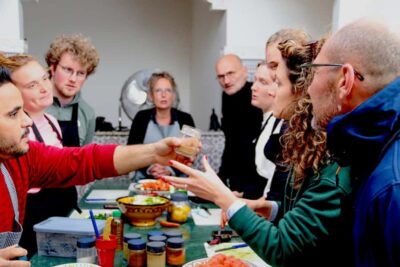
Marrakesh: Moroccan Dishes Cooking Class with a Local Chef
Read our review →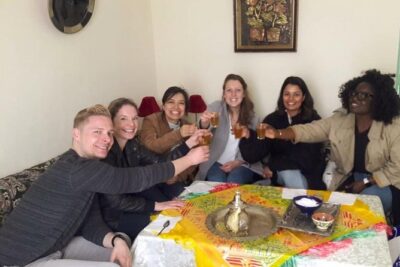
Moroccan Cooking Class & Marrakech Market Visit with Chef Khmisa
Read our review →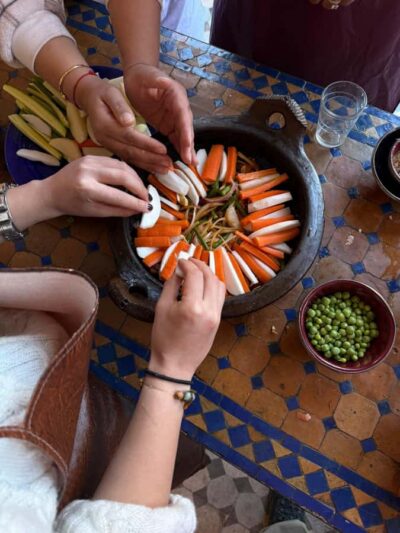
Marrakech: Moroccan Cooking Class with a Local Family
Read our review →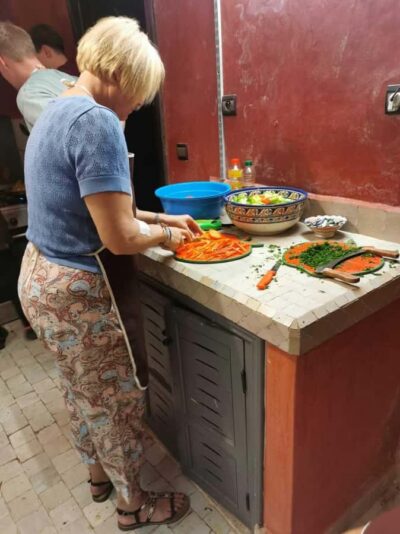
Marrakech: Moroccan Cuisine Cooking Class in Local Home
Read our review →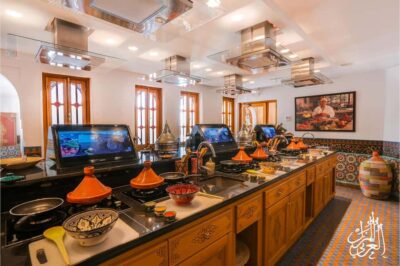
Marrakech: Moroccan Cooking Workshop at La Maison Arabe
Read our review →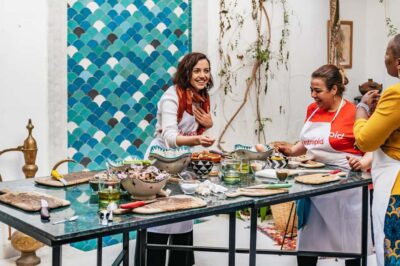
Marrakech: Tajine Cooking Class in a Traditional Riad
Read our review →Browse the lists this tour appears in