
Review · SEOUL
Seoul: Royal Seoul Cooking Class in a 100-Year-Old Hanok
A 100-year-old hanok tucked behind the Insadong IBIS Ambassador Hotel is the setting for this small Korean cooking class. Inside, Chef Park, sometimes identified as Ricky, guides no more than six participants through royal-style dishes before serving the meal on handcrafted bangjja bronzeware. It is a rare chance to cook in a real historic home rather than a standard demonstration kitchen.
I like two things right away: the small class size, which gives you room to ask questions, and the practical recipes, which are simple enough to repeat at home. The chef also adds Korean food history and cultural context, so you learn why the dishes matter, not just how to prepare them. One consideration: the class is advertised as two hours, but it may run longer, so do not schedule a tight appointment afterward.
Key points at a glance
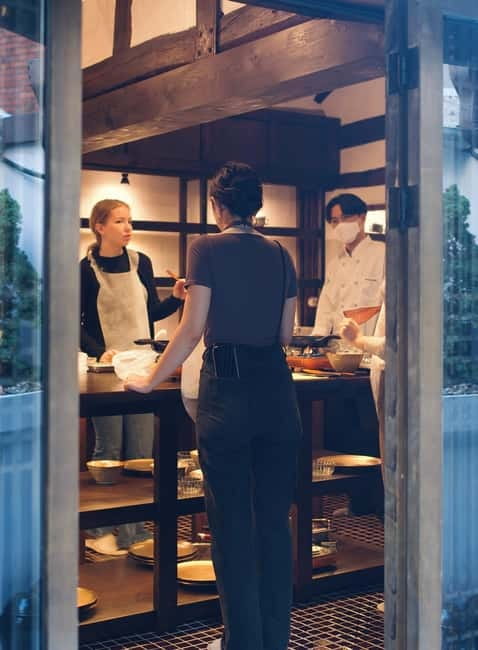
- Historic setting: Cook and dine inside a carefully restored 100-year-old hanok in central Seoul.
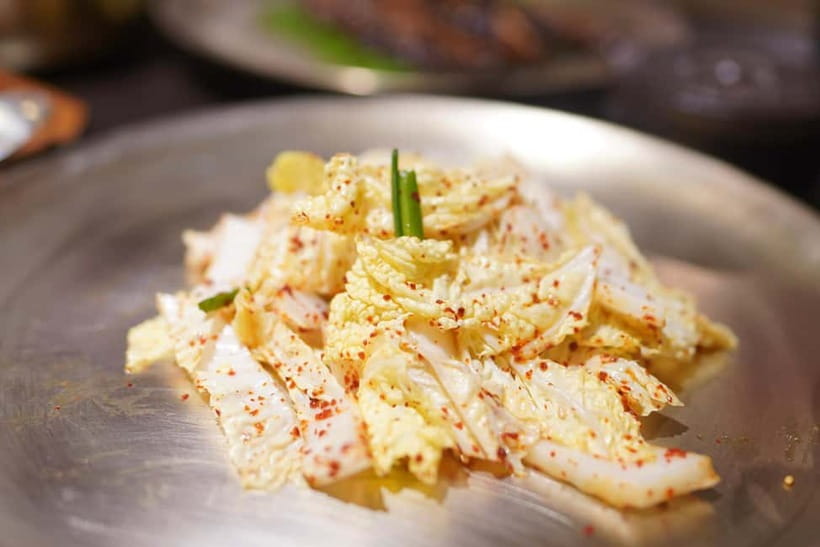
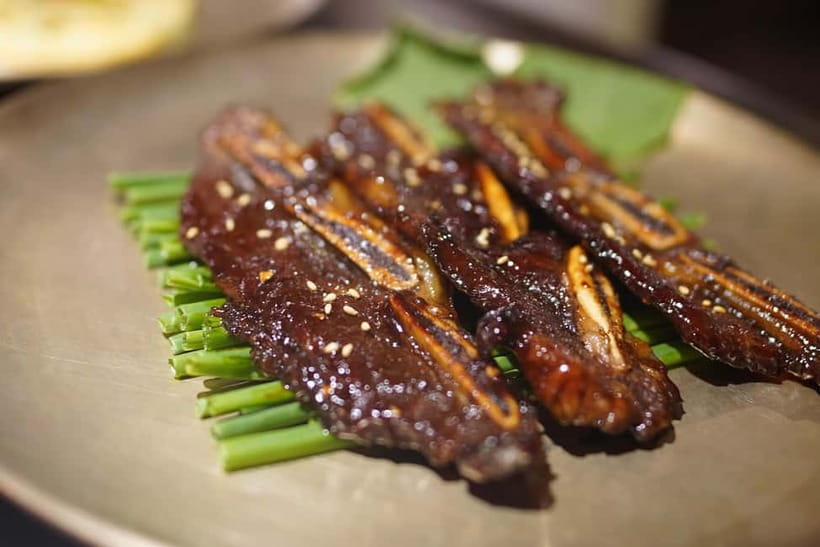
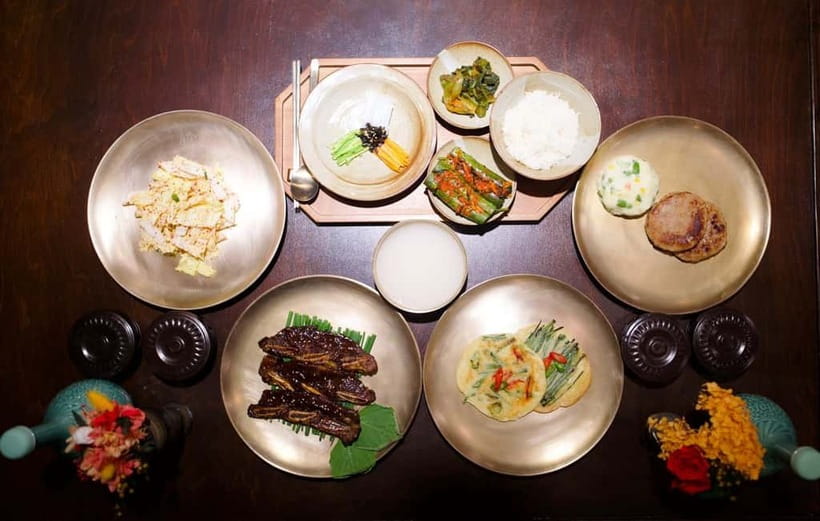
- Four Korean dishes: Prepare LA Galbi, fresh kimchi, haemul pajeon, and tangpyeongchae.
- Default main course: LA Galbi uses beef ribs. Request dak galbi or a vegetarian menu when booking.
- Personal instruction: The English-speaking chef works with a maximum of six participants.
- Traditional tableware: Your finished meal is served on bangjja bronzeware, with makgeolli and Korean desserts.
- Useful location: The class is near Insadong and close to the palace area, making it easy to pair with sightseeing.
A hanok kitchen behind Insadong
Seoul can feel all glass, signs, traffic, and polished shopping streets. This class takes you a few steps away from that city rush and into a traditional Korean home. The address is 25 Samil-daero 32ga-gil, Jongno-gu, Seoul, directly behind the Insadong IBIS Ambassador Hotel.
Take care with that meeting point. Seoul has several IBIS hotels, and this experience uses the one in Insadong. The Korean address is 서울시 종로구 삼일대로 32가길 25. Having the address ready on your phone is sensible, especially if you are arriving by taxi or using a map app.
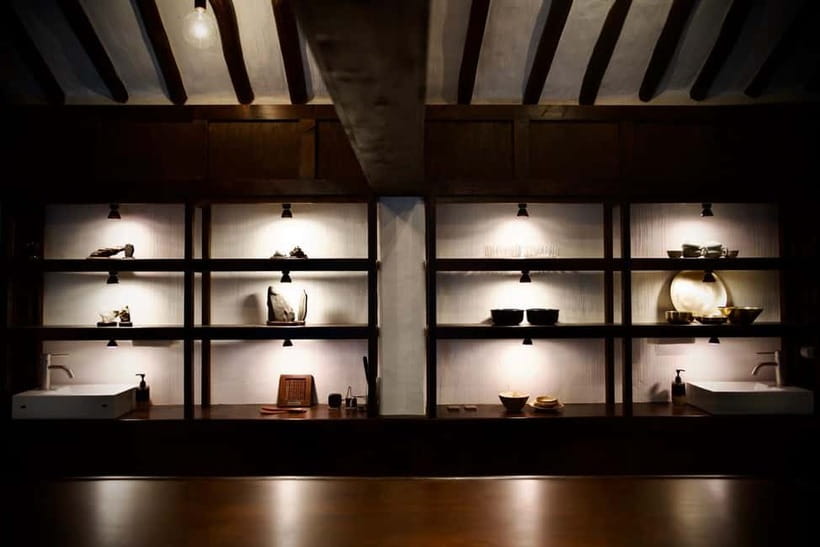
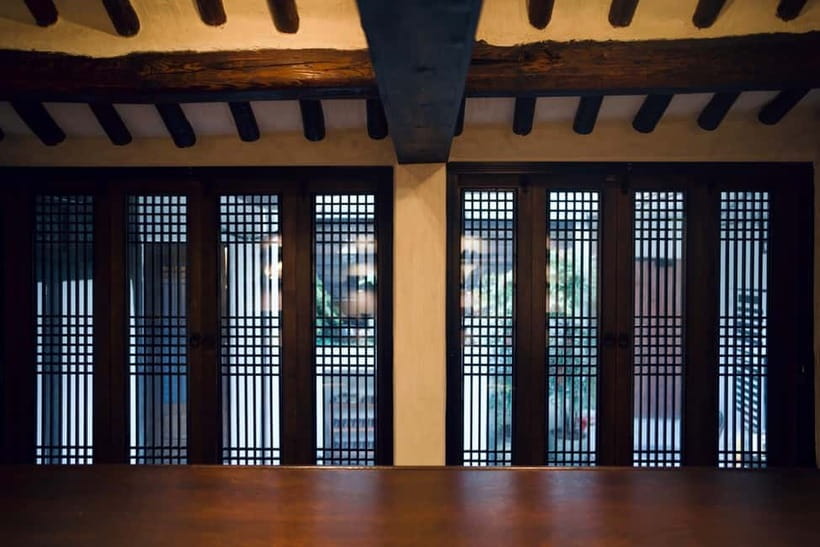
The hanok is more than a backdrop for photographs. It gives the class a quieter, more personal feel. The building has been restored and adapted for cooking, while retaining its traditional character. You get the pleasure of eating in an old Seoul home without giving up the comfort of a clean, organized cooking space.
The location also works well in a sightseeing plan. You can combine the class with Insadong, nearby traditional streets, and one of Seoul’s palace areas. The class itself does not include a palace visit or a walking tour, though some participants have received extra local suggestions or a short local orientation from the host.
More Hands-On Workshops in the world:
- Half-Day Thai Cooking Class at Organic Farm in Chiang Mai
★ 5.0 · 19,087 reviews - Florence: Pasta Cooking Class with Unlimited Wine
★ 4.9 · 10,285 reviews - 3 in 1 Cooking Class near Navona: Fettuccine, Ravioli & Tiramisu
★ 5.0 · 7,376 reviews
What you cook in two hours
The standard menu centers on four dishes: LA Galbi, fresh kimchi, haemul pajeon, and tangpyeongchae. That is a smart spread because it introduces different Korean cooking methods and textures rather than giving you four versions of the same thing.
LA Galbi is the main dish, made with beef ribs. The flavor is likely to be the centerpiece of the meal, and the class presents it as part of Korean royal cuisine. If you prefer chicken, ask for dak galbi when you book. A vegetarian option is also available by advance request. Do not assume the menu will change automatically at the class.
Fresh kimchi gives you a hands-on look at one of Korea’s best-known foods. The class uses fresh ingredients and portions them in advance, which keeps the work moving and makes the recipe easier to follow. This is especially helpful if you are new to Korean cooking or want to remember the proportions later.
Haemul pajeon is a seafood and green onion pancake. It adds a simple pan-cooking technique to the class and gives you something crisp and savory alongside the main dish. Participants with cooking experience can still find useful details here, while beginners are not left behind.
Tangpyeongchae rounds out the menu with a lighter dish. Preparing several courses helps you see how Korean meals balance stronger flavors with fresh, delicate, and varied textures. You are not simply preparing one recipe, eating it, and leaving. The format gives you a small picture of how several dishes work together at the table.
The class is built for ordinary home cooks, not just people who already know their way around a kitchen. Instructions are clear and patient, and the recipes are intended to be made again at home. That matters if you want more than a pleasant afternoon. You can take away techniques and dishes that are realistic for a home kitchen.
Chef Park’s teaching style
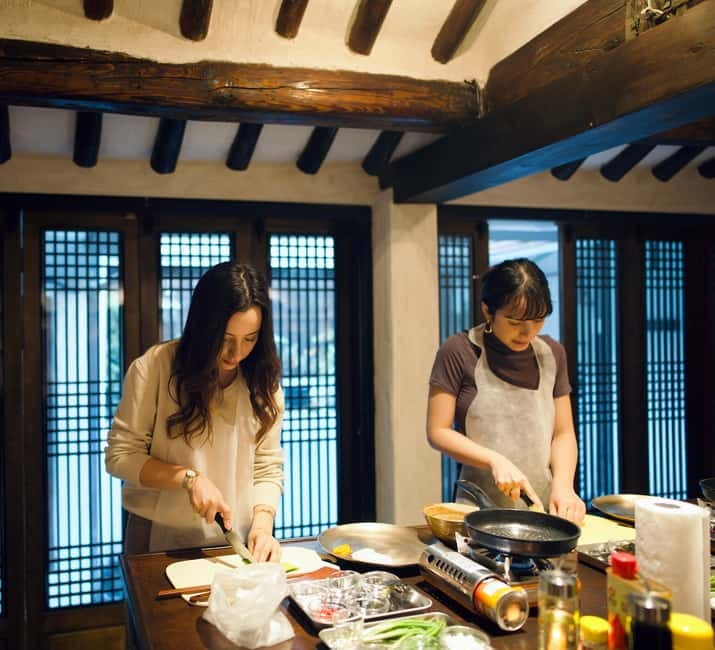
The English-language instruction is led by Chef Park, with some experiences referring to him as Ricky. The consistent picture is of a warm, patient host who explains each step clearly and makes time for conversation. He is also described as a culinary-trained chef and certified instructor.
The small format is the key. With no more than six participants, the chef can check each person’s progress instead of speaking to a crowded room. If you have never cooked before, you can ask for help without holding up a large class. If you already cook, you have more space to ask about ingredients, methods, and Korean food traditions.
The teaching goes beyond recipes. Chef Park explains the background of the dishes, the story of the hanok, and links between Korean food and broader culture and history. This adds substance to the cooking, but it also means the pace may feel more relaxed than a tightly timed technical workshop.
That relaxed pace is part of the appeal for couples and solo participants. You are cooking beside a few other people, sharing the meal, and talking as the class unfolds. The setting is social without feeling like a large group event.
Dining like royalty on bangjja bronzeware
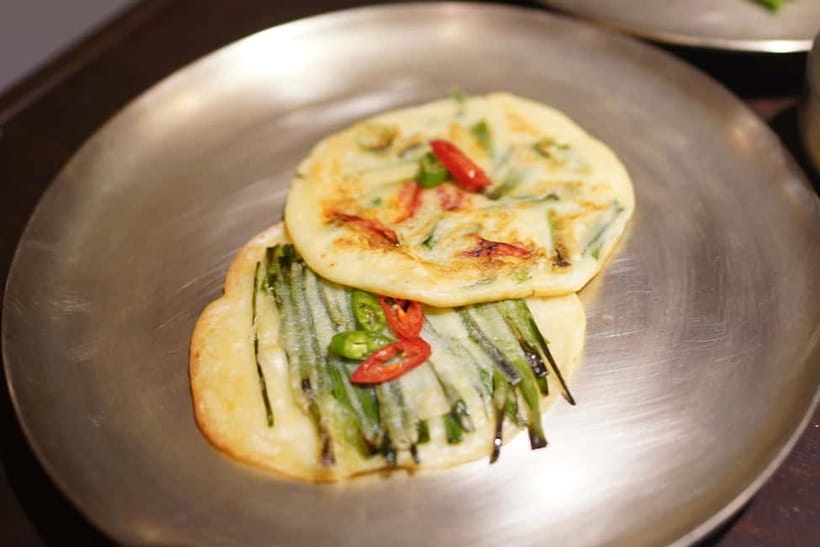
After the cooking, you sit down to eat what you prepared. The food is served on bangjja bronzeware, traditional Korean metal tableware that gives the meal a distinct visual and tactile quality. It is a small detail, but it changes the feeling of the final course. You are not simply eating at the nearest worktable with disposable plates.
The dining portion is important because it lets you see the dishes as a complete Korean meal. The beef ribs, kimchi, pancake, and tangpyeongchae each play a different role. You also get a glass of freshly brewed makgeolli, followed by an assortment of traditional Korean desserts.
The menu is substantial enough that you should arrive ready to eat. Several people have found the portions filling, and the class combines cooking, tasting, conversation, and cultural explanation. That is one reason the experience can take longer than the stated two hours.
The meal is not a formal palace banquet, and the class should not be sold as one. Instead, it gives you a taste of royal cuisine within a warm home setting, with the chef explaining the dishes as you prepare and eat them. That balance feels more useful than a purely theatrical presentation.
A few more cooking classes around the world worth a look
- Florence: Pasta & Tiramisu Cooking Class with Unlimited Wine
★ 4.9 · 6,708 reviews - Florence: Pasta Cooking Class with Unlimited Wine
★ 5.0 · 6,413 reviews - Hanoi Cooking Class: Culture, Local Market & Meaning CSR Impact
★ 5.0 · 5,147 reviews - 5 Traditional Dishes Hanoi Cooking Class with Market Trip
★ 5.0 · 4,890 reviews
How much value do you get for $96?
At $96 per person, this is not a budget meal or a quick market snack. You are paying for more than the ingredients. The price covers a private-feeling setting, a certified English-speaking chef, hands-on instruction, a four-dish meal, makgeolli, desserts, and the chance to eat from bangjja bronzeware in a historic hanok.
The value is strongest if you want an activity that combines food and culture. A standard Seoul meal may cost less, but it will not teach you how to make the dishes or give you the same personal contact with a chef. A large cooking class may also be cheaper, but the six-person limit gives this experience a more attentive feel.
The value is weaker if your main goal is to eat as much Korean food as possible for the lowest price. You will spend two hours or more cooking, and you must be comfortable following instructions and taking part. This is an activity, not simply a restaurant reservation.
I think the price makes sense for a first visit to Seoul, especially for a couple or a solo visitor who wants a social evening with a clear cultural focus. It also works well as a special occasion activity, including a honeymoon or birthday, since the setting feels more personal than a standard group tour.
Who should book this class?
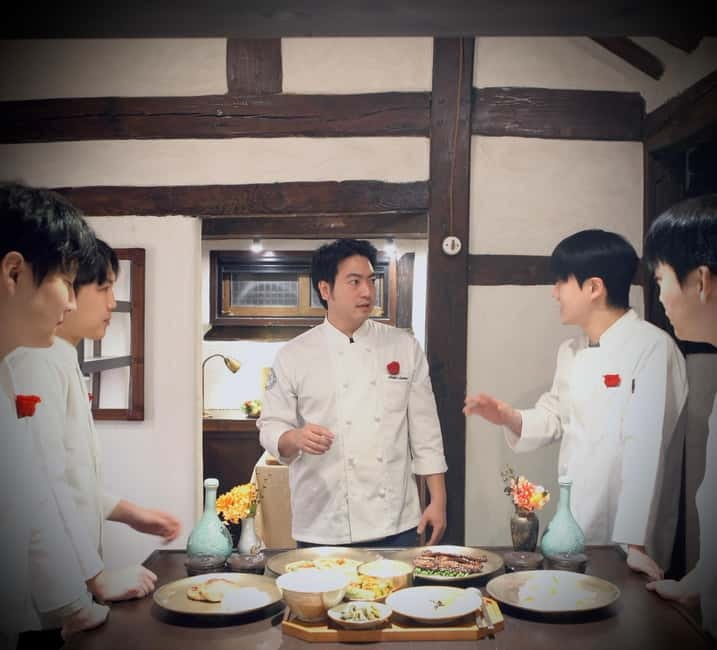
This is a good choice for beginners. You do not need professional cooking skills, and the dishes are designed to be manageable with clear guidance. The format also suits people who want recipes they can try again at home.
It works particularly well for couples. You cook together, share the final meal, and get a relaxed setting rather than a crowded group outing. Solo visitors can also fit in comfortably because the class is small and conversation is part of the experience.
Families with older children may enjoy it, but children under 10 are not permitted. The activity is better suited to teenagers and adults who can follow cooking instructions and stay involved for the full session.
Food restrictions need attention before you book. Tell the provider about allergies or dietary needs in advance. The menu can be adjusted in some cases, and a vegetarian version or chicken dak galbi must be requested ahead of time. The default main dish is beef LA Galbi.
Timing, comfort, and practical limits
The listed duration is two hours, but allow extra time. One participant found the class ran beyond that estimate, and the cooking and meal naturally take longer when the chef includes cultural explanations and conversation. I would not book a show, reservation, or airport transfer immediately afterward.
The class is conducted in English. The maximum group size is six, which is a major advantage if you want personal instruction. It also means spaces may be limited, so check the available start times before planning the rest of your day.
Wear something comfortable for cooking. The supplied information does not specify an apron, clothing rules, or accessibility arrangements, so ask the provider if you have a particular mobility or clothing concern. The hanok setting may have traditional features that are less predictable than a modern commercial kitchen.
Cancellation is flexible: you can cancel up to 24 hours in advance for a full refund. You can also reserve now and pay later, which helps if your Seoul schedule is still shifting.
How this compares with a regular Seoul food tour
A food tour takes you from place to place and lets you sample dishes prepared by others. This class gives you a slower, more focused look at a few dishes and asks you to help make them. I would choose the class if you want skills, conversation, and a sit-down meal in one place.
It is also different from a professional cooking school. The recipes are approachable, the tone is friendly, and the goal is not to test your technique. You are there to learn, eat well, and understand more about Korean food.
The hanok creates another difference. You are not just visiting a restaurant with traditional decoration. You are cooking and dining in a historic home, which gives the setting a stronger sense of place. For many people, that setting will be as memorable as the food.
The tradeoff is that you will not sample a wide range of street food, regional specialties, or restaurant dishes. If you want ten small tastings across Seoul, choose a food walk instead. If you want to understand four dishes and make them yourself, this class is the better fit.
Should you book the Royal Seoul Cooking Class?
Book it if you want a hands-on introduction to Korean food in a calm, intimate setting. The combination of a restored hanok, a six-person class, clear English instruction, practical recipes, bangjja tableware, makgeolli, and dessert gives the $96 price a solid purpose.
I would especially recommend it for first-time visitors, couples, solo visitors, and anyone who wants to recreate Korean dishes at home. Chef Park’s patient teaching style suits beginners, while the cultural explanations give experienced cooks something beyond basic instructions.
Think twice if you need a strictly timed two-hour activity, have not arranged your dietary request in advance, or mainly want the cheapest possible meal. For everyone else, this is a thoughtful way to spend part of a Seoul day, with food you make yourself and a setting you will not find in an ordinary cooking studio.
FAQ
Where is the Korean cooking class held?
It is held at 25 Samil-daero 32ga-gil, Jongno-gu, Seoul, directly behind the Insadong IBIS Ambassador Hotel.
Which IBIS hotel should I use as the landmark?
Use the Insadong IBIS Ambassador Hotel. Seoul has several IBIS hotels, so make sure you are going to the Insadong location.
How long does the activity last?
The advertised duration is two hours. You should allow extra time because the cooking and meal may run longer.
What language is the class taught in?
The class is taught in English.
How many people can join?
The class is limited to six participants.
What dishes will I prepare?
The standard menu includes LA Galbi, fresh kimchi, haemul pajeon, and tangpyeongchae.
Is the main dish beef?
Yes. The default menu uses LA Galbi, which is made with beef ribs.
Can I request chicken or vegetarian food?
Yes. Request dak galbi or a vegetarian option when booking.
Are drinks and dessert included?
Yes. The experience includes a glass of freshly brewed makgeolli and assorted traditional Korean desserts.
Are children allowed?
Children under 10 are not suitable for this activity.
Can I cancel for a refund?
You can cancel up to 24 hours in advance for a full refund. Reserve now and pay later is also available.
Just added around the world
- Salzburg: Dinner Cooking Class and Music★ 4.9 · 48 reviews
- Sambo cooking class★ 5.0 · 3 reviews
- Samarkand: Village Tour with Plov Cooking Class & Home Visit★ 5.0 · 29 reviews
- Samarkand: Cooking class with local family★ 5.0 · 3 reviews
- Samarkand: Uzbek Cooking Class in a Village Home★ 5.0 · 22 reviews
- Salento: Authentic Cooking Experience with Fresh Pasta and Local Products★ 5.0 · 8 reviews
- Salerno: Private Cooking Class at a Local’s Home★ 4.9 · 12 reviews
- Sal Island: Catxupa Cooking Class with a local family★ 4.7 · 72 reviews
Cooking Classes, compared.
Half-Day Thai Cooking Class at Organic Farm in Chiang Mai
Read our review →
Florence: Pasta Cooking Class with Unlimited Wine
Read our review →
3 in 1 Cooking Class near Navona: Fettuccine, Ravioli & Tiramisu
Read our review →
Hanoi Cooking Class: Culture, Local Market & Meaning CSR Impact
Read our review →
5 Traditional Dishes Hanoi Cooking Class with Market Trip
Read our review →
Cooking Class and Lunch at a Tuscan Farmhouse with Local Market Tour from Florence
Read our review →
Chiang Mai: Cooking Class, Market & Thai Herbs Garden Tour
Read our review →Browse the lists this tour appears in