
Review · FARM & COUNTRYSIDE
Samarkand: Village Tour with Plov Cooking Class & Home Visit
The best part of this eight-hour outing is not simply learning to cook plov. It is the chance to sit in a rural Uzbek home, help prepare lunch, and see daily life beyond Samarkand’s famous monuments. You may shop for ingredients at a local bazaar, cook over a live fire, meet a welcoming family, and talk about customs that rarely appear in a city sightseeing tour.
I especially like the family meal, where the food becomes a reason to share stories rather than just a dish to photograph. I also like the mix of activities: guides such as Asrorbek, Javokhir, Bekjon, and Eshkuvatov add cultural background, while the village walk, garden visits, farmland, and occasional craft or livestock activities keep the day grounded in ordinary life.
The main consideration is the pace. This is a relaxed rural day, not an action-packed excursion, and the drive can take about 40 to 60 minutes each way. Also confirm transport and accessibility before booking, since the information provided says both that transport is included and that village transport is not, and it gives conflicting wheelchair guidance.
Key details at a glance
- Shop before you cook: The day may begin at a local bazaar, where you help choose ingredients and snacks for the plov.
- Cook over a real fire: You can help prepare Samarkand-style plov, non bread, and salads in a village home or farm setting.
- Meet a local family: The home visit gives you time for conversation, food, and a look at rural customs.
- Go beyond the kitchen: Depending on the day, you might walk through gardens and fields, see livestock, explore traditional homes, or play local games.
- Expect a personal guiding style: English-speaking guides including Asrorbek, Javokhir, Bekjon, and Eshkuvatov have been praised for explaining culture clearly and keeping conversation easy.
- Budget about a full day: The $59 price covers an eight-hour experience, but confirm exactly what is included before paying.
Why this is more than a cooking class
Samarkand is famous for its grand Islamic architecture, tiled monuments, and long place in Central Asian history. Those sights deserve your time. But after a day or two among domes and courtyards, you may want to see how people live now.
This experience gives you that change of scale. Instead of looking at Uzbek culture from behind a museum label, you enter a family setting and take part in an ordinary social ritual: preparing and sharing food. The cooking matters, but the conversations around it matter just as much.
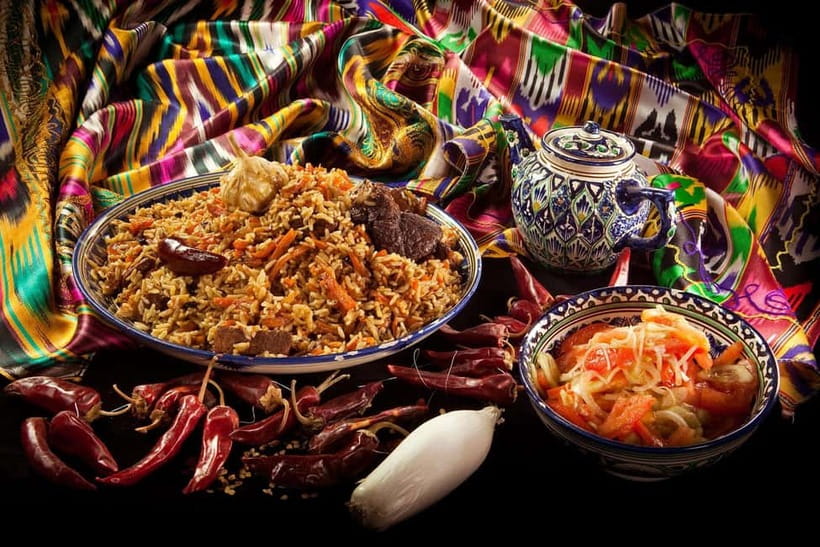
Plov, also called osh, is a central Uzbek dish made with rice and usually prepared in a large cooking vessel. Here, you do not simply sit down to a finished plate. You may help buy the ingredients, watch the preparation, learn the cooking order, and see the dish cooked in a traditional way over a fire.
That hands-on approach makes the meal easier to remember. You see how ingredients become lunch, and you learn why cooking is often a group activity in Uzbek homes.
More Farm Cooking Classes in the world:
- Half-Day Thai Cooking Class at Organic Farm in Chiang Mai
★ 5.0 · 19,087 reviews - Cooking Class and Lunch at a Tuscan Farmhouse with Local Market Tour from Florence
★ 5.0 · 4,831 reviews - Chiang Mai: Authentic Cooking Class with Market & Farm Visit
★ 4.9 · 4,546 reviews
Leaving Samarkand for the village
Hotel pickup in Samarkand is offered, and several guides have handled the transfer themselves. The drive to the village takes around 40 minutes according to several detailed accounts, though another account describes a journey closer to an hour. Allow flexibility, since the timing depends on the village and the stops made along the way.
The road trip is part of the experience rather than dead time. Your guide may explain rural customs, local history, farming, and the way homes are built. You may also see people going about their daily routines as the city gives way to smaller settlements and open farmland.
For a group of five or fewer, pickup is described as taking place at your hotel. Larger groups may be directed to a meeting point, so check your confirmation email carefully. The transport has received strong marks overall, with 87 percent of ratings giving it a perfect score.
One practical point: the details supplied for this activity conflict on transport. One section says transportation to the village is included, while another says it is not. I would ask the operator to confirm whether the $59 price includes both directions, hotel pickup, and any driver costs.
The bazaar stop and choosing ingredients
A local market stop can be one of the most useful parts of the day. Rather than treating plov as a mysterious finished dish, you see the ingredients before they reach the cooking pot.
You may help select rice, vegetables, spices, and other items, along with snacks for the road or for the family table. This gives you a simple lesson in local food shopping and lets you see a market used by residents rather than a place designed for sightseeing.
The stop may be brief. The stated itinerary includes only a seven-minute break, photo stop, visit, shopping, and sightseeing entry, while the detailed descriptions suggest a more useful market visit. Do not expect a long, leisurely market tour every time. The purpose is mainly to gather what you need for lunch.
Still, I like this practical start. It gives the cooking class a clear beginning and lets you take part in a task that would otherwise happen out of sight.
Cooking plov over a live fire
At the family home or farm, you are welcomed with snacks before the main cooking begins. Hosts have included warm and engaging women who teach the traditional method, with some sessions led by an older family member described as a grandmother or the household’s master cook.
The cooking may take place in a barn, outdoor area, or another working space near the home. Several accounts describe plov prepared over a live fire, which gives the class a strong sense of place. This is not a polished studio kitchen with ingredients measured into neat bowls. It is closer to being shown how a family actually prepares a generous meal.
You can expect to learn the basic sequence of cooking the rice dish and to hear about family techniques and special ingredients. The exact recipe will vary by household, but the central lesson is the care involved in building flavor and cooking the rice properly.
The class can also include making non, the round Uzbek bread served with meals. Fresh salads and other staples may be prepared alongside the plov. If you enjoy food demonstrations, this is the part where you should stay engaged and ask questions. Your guide can translate and explain details that would otherwise pass too quickly.
Do not expect to spend all eight hours cooking. The preparation is one part of a slower day that includes driving, conversation, eating, and exploring the village.
More Hands-On Workshops in the world:
- Florence: Pasta Cooking Class with Unlimited Wine
★ 4.9 · 10,285 reviews - 3 in 1 Cooking Class near Navona: Fettuccine, Ravioli & Tiramisu
★ 5.0 · 7,376 reviews - Florence: Pasta & Tiramisu Cooking Class with Unlimited Wine
★ 4.9 · 6,708 reviews - Florence: Pasta Cooking Class with Unlimited Wine
★ 5.0 · 6,413 reviews
Sitting down at the family table
Once the food is ready, you share a traditional meal with your hosts. This is the emotional center of the experience. The table becomes a place to talk about family life, food, work, customs, and differences between Uzbekistan and your home country.
Several guides have been praised for keeping these conversations moving. Javokhir, described as a curious and lively young guide, has helped explain Uzbek culture while inviting discussion about European and other customs. Asrorbek has been noted for being friendly and helpful, while Bekjon has been described as informative and funny. Eshkuvatov has helped explain village history and local life in a way that made a solo visitor feel more comfortable in Uzbekistan.
The meal is generally described as generous, so arrive hungry. You may eat plov, freshly made bread, salads, and snacks gathered earlier in the day. In some cases, the welcome has included drinks that are not part of the formal inclusions, so do not assume every extra item will be supplied.
This part requires a little cultural openness. A home visit is not a quick restaurant stop. You may spend several hours eating and talking, with pauses that feel unhurried. If you need constant activity, the pace could seem slow. If you want time to connect with people, it is a major strength.
Walking through village homes, fields, and gardens
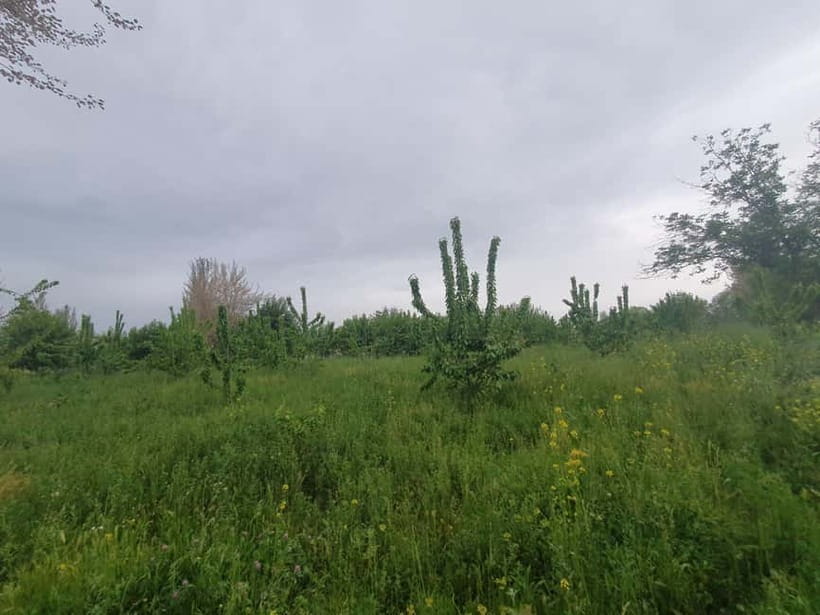
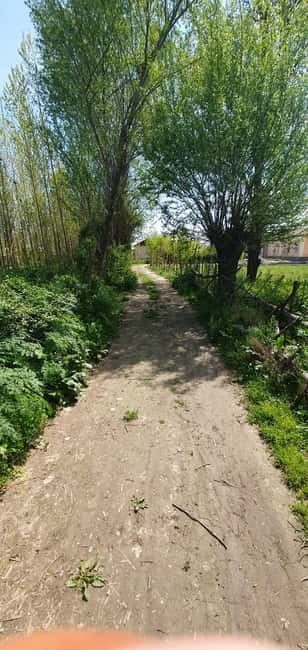
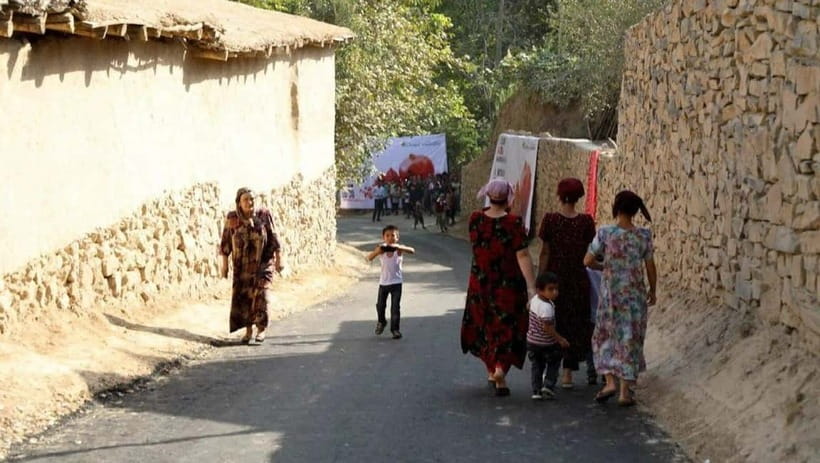
After lunch, you may take a village walk lasting around 30 minutes, though the exact route can vary. Guides can explain the shape and materials of traditional houses and point out how the community uses its surrounding land.
The walk may include gardens, farmland, livestock, and mountain views in the distance. One account describes visiting cotton fields near harvest season, while another mentions the chance to milk a cow. These are not guaranteed parts of every outing, but they show the kind of everyday activity that can arise during the visit.
You might also explore traditional crafts, play local games, or see how the village lives alongside its animals and crops. These optional details make the tour feel less scripted. At the same time, you should understand that the experience does not promise a fixed list of farm activities.
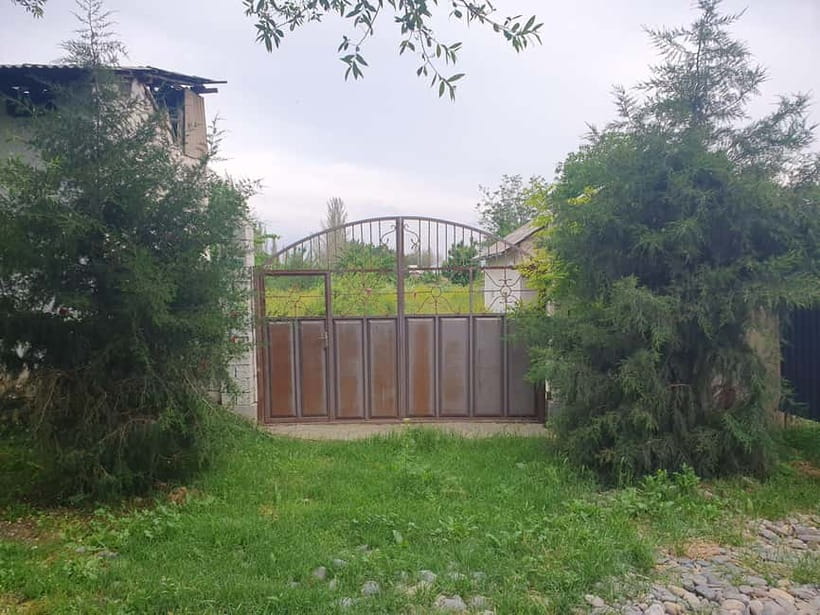
The village itself is the attraction. You are not being taken to a major monument or a formal open-air museum. The interest comes from seeing homes, paths, fields, and family routines as they are.
Cultural moments that cannot be scheduled
One of the most memorable possibilities is an invitation into a local gathering. A few outings have included contact with a wedding or a pre-wedding event, such as women preparing household items for a bride and groom.
You should treat this as a bonus, not a promised feature. Private ceremonies depend on the date and on the family’s wishes. If something like this happens, follow your guide’s lead and be respectful about photography and participation.
A short folk performance may also be arranged at the end of the day, with local musicians playing traditional Uzbek instruments. The wording describes this as optional, so it may not occur on every departure.
These unscheduled or optional moments are valuable because they show how village culture works in real time. They also explain why a flexible attitude helps. You are booking a structured day, but not every minute will follow a rigid sightseeing timetable.
The guides make a real difference
The experience depends heavily on the guide. The strongest descriptions repeatedly point to clear English, good manners, cultural explanations, and an easy ability to keep conversation going.
Asrorbek has handled hotel pickup and explained Uzbek life during the drive. Javokhir has been praised for answering questions and comparing Uzbek customs with European ways of life. Bekjon brings humor to the cooking process, while Eshkuvatov has helped visitors understand village history and feel at ease.
Small groups can make a difference. One account describes only two people on the tour, which allowed for easy conversation and plenty of questions. Group size is not fixed in the information provided, so ask if that matters to you.
An English-speaking guide is included. That is particularly useful during the home visit, where translation can help both sides move beyond simple greetings and food instructions.
Is $59 good value?
At $59 per person, this is a fair price for an eight-hour outing if the advertised elements are included: transport, guiding, market stop, home visit, cooking class, and a full traditional meal.
You are paying for more than ingredients. The cost also covers the time of the local hosts, the guide, the driver, and the organization needed to arrange a private family visit. A restaurant meal and a short city tour would cost less, but they would not provide the same access to rural life.
The value is strongest if you want cultural contact and a slower day. It is weaker if your main goal is to visit major sights, cover many locations, or spend most of the day actively moving.
Ask about the transport contradiction before booking. Also ask what happens with larger groups, since groups above five may be sent to a meeting point instead of receiving the same pickup arrangement.
Who should book this day?
I would recommend it to couples, solo visitors, families, and anyone who wants a human-scale break from Samarkand’s monuments. It can be especially useful early in a Uzbekistan trip, since the guide and family visit may help you feel more comfortable with local customs.
Food lovers will get the most obvious reward, but you do not need advanced cooking skills. The class is about participation and learning, not producing restaurant-quality food on your own.
It also suits people who enjoy conversation. You may spend long stretches sitting, eating, and talking. That slower rhythm was exactly right for some people after several weeks of fast-paced sightseeing.
I would hesitate if you have significant mobility problems. The supplied information says the activity is wheelchair accessible in one place, but elsewhere says it is not suitable for wheelchair users or people with mobility impairments. Village paths, homes, fields, and cooking areas may not be easy to manage. Get a direct answer before booking.
Wear comfortable shoes, bring a hat, sunscreen, water, and a camera. Water is provided, and smoking indoors is not allowed. Alcohol and drugs are prohibited.
Should you book the Samarkand village tour?
Book this if you want to spend a day as a welcomed visitor in a rural home, not just look at Uzbekistan from a bus window. The strongest parts are the bazaar shopping, live-fire cooking, homemade non, long family meal, and conversations with guides who can explain what you are seeing.
Skip it if your Samarkand schedule is very tight or you prefer a fast-moving sightseeing day. The drive and relaxed meal take time, and the optional music, farming, craft, and ceremony elements are not guaranteed.
For most visitors with an open schedule, I think the $59 price is sensible, provided you confirm what transport includes. The monuments may be what bring you to Samarkand, but a shared plate of plov in a village home may be what you remember longest.
FAQ
How long does the Samarkand village tour last?
The experience lasts eight hours, including travel between Samarkand and the village, the guided visit, cooking class, meal, and return journey.
Is hotel pickup included?
Hotel pickup in Samarkand is offered. For groups larger than five, you may be directed to a meeting point, so check the pickup instructions sent by the operator.
Is transportation to the village included in the price?
The supplied details are inconsistent. One section says transportation is included, while another says transportation to the village is not included. Confirm this directly before booking.
Is the tour conducted in English?
Yes. The activity includes a live English-speaking guide.
What food will I prepare?
You can expect to help prepare Samarkand-style plov, fresh non bread, salads, and other local staples. The meal is shared with the host family.
What should I bring?
Bring comfortable walking shoes, a sun hat, sunscreen, and a camera. Water is provided, though you may bring your own.
Is the activity suitable for wheelchair users?
The supplied information gives conflicting guidance. One section describes the activity as wheelchair accessible, while another says it is not suitable for wheelchair users or people with mobility impairments. Confirm the conditions with the operator before booking.
Just added around the world
- Salzburg: Dinner Cooking Class and Music★ 4.9 · 48 reviews
- Sambo cooking class★ 5.0 · 3 reviews
- Samarkand: Cooking class with local family★ 5.0 · 3 reviews
- Samarkand: Uzbek Cooking Class in a Village Home★ 5.0 · 22 reviews
- Salento: Authentic Cooking Experience with Fresh Pasta and Local Products★ 5.0 · 8 reviews
- Salerno: Private Cooking Class at a Local’s Home★ 4.9 · 12 reviews
- Sal Island: Catxupa Cooking Class with a local family★ 4.7 · 72 reviews
- Barcelona: Paella Seafood Master Cooking Class with Sangria★ 5.0 · 73 reviews
Farm & Countryside Cooking Classes, compared.
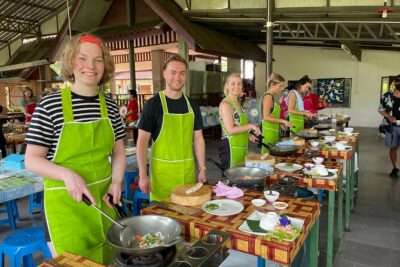
Half-Day Thai Cooking Class at Organic Farm in Chiang Mai
Read our review →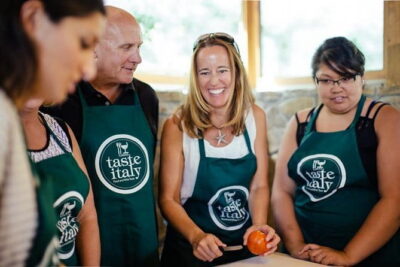
Cooking Class and Lunch at a Tuscan Farmhouse with Local Market Tour from Florence
Read our review →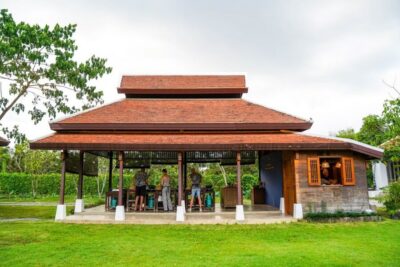
Chiang Mai: Authentic Cooking Class with Market & Farm Visit
Read our review →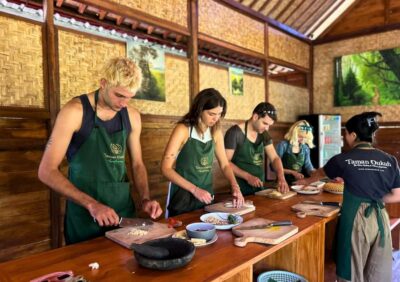
Ubud: Balinese Cooking Class at an Organic Farm
Read our review →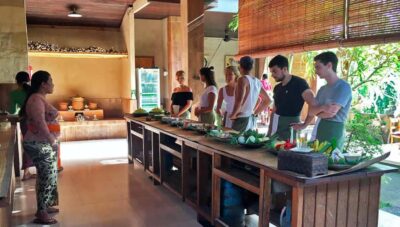
Ubud: Authentic Cooking Class in a Local Village
Read our review →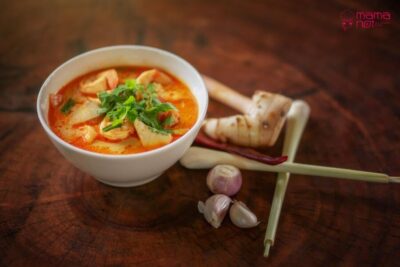
Chiang Mai: Cooking Class with Organic Farm at Mama Noi
Read our review →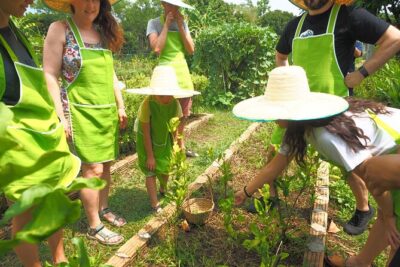

Hands-On Cooking Class & Farmhouse Tour on the Amalfi Coast
Read our review →Browse the lists this tour appears in