
Review · HOME
Samarkand: Cooking class with local family
The best part of this Samarkand outing is the move from public market to private kitchen. You start among bazaar stalls, then join Navruz, Guli, and their family at home to prepare Uzbek food from scratch. I like that the cooking is tied to daily life, not treated as a quick demonstration. I also like the chance to talk about customs, family routines, and the past while lunch takes shape.
The main thing to consider is the five-hour schedule. The family meal is the heart of the day, but the bazaar and craft stops add several more layers, so this is not a slow, all-day food course. Dress modestly, skip alcohol, and expect a warm family setting rather than a polished cooking school.
Key points at a glance
- Cook with a real family: Navruz and Guli welcome you into their home, with parents also part of the visit.
- Shop before you cook: The local bazaar gives you a look at everyday buying and selling in Samarkand.
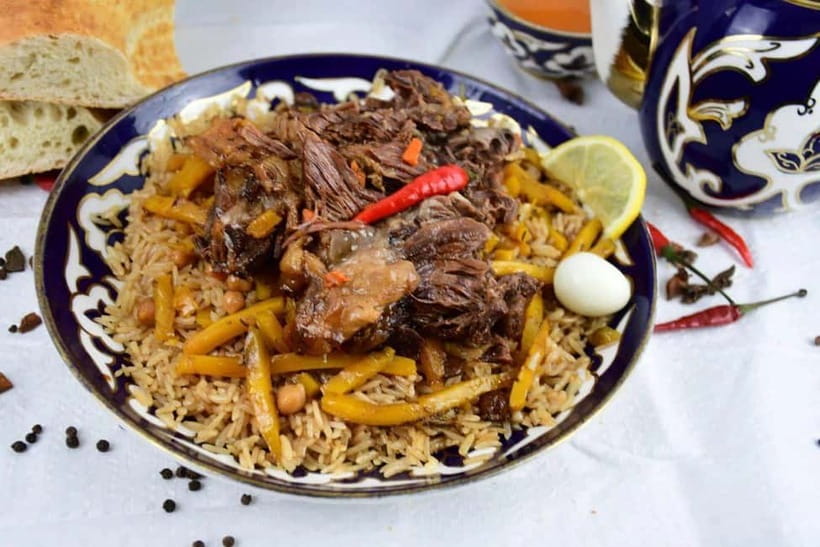
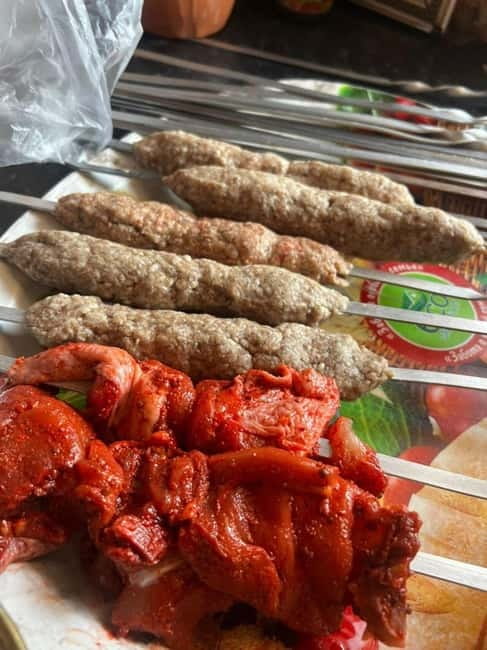
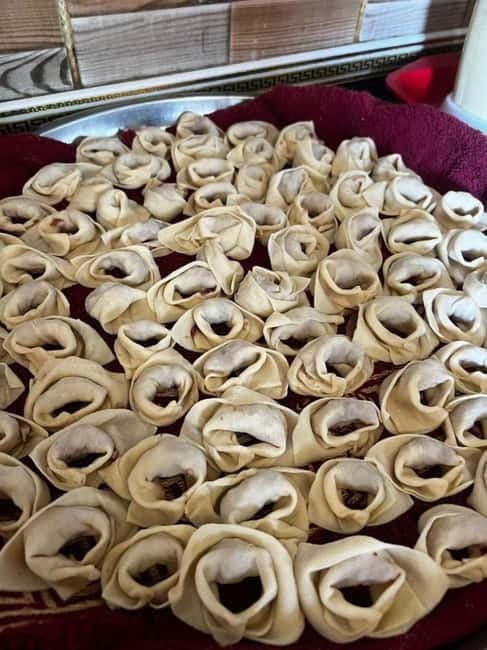
- Make Uzbek staples: The menu can include plov, shashlik, and samsa, prepared together from the beginning.
- Add craft stops: Konigil paper production, an oil meal visit, and pottery are included in the planned outing.
- Private and flexible: The tour is for a private group, with an air-conditioned vehicle and lunch included.
- Good language coverage: You can book with a guide speaking English, Korean, Russian, Uzbek, or Tajik.
Why the bazaar is the right place to begin
A cooking lesson makes more sense after you have seen where food enters local life. At the Samarkand bazaar, you can walk through the stalls, watch vendors serve their regular customers, and get a feel for the ingredients and habits behind Uzbek meals.
This is not simply a shopping stop. The market helps you read the rest of the day. Plov is not just rice on a plate. It is part of a food culture built around rice, meat, carrots, oil, patience, and shared meals. Samsa and shashlik also make more sense when you have first seen the ingredients and the way food is handled in a market setting.
You should allow yourself to look rather than rush. The five-hour timetable has several parts, so the market visit will not be an unlimited food tour. Still, it is a useful opening because it puts you among local shoppers before you enter a family home.
More Home Cooking Classes in the world:
- Khmer Cooking Class at a Local’s Home in Krong Siem Reap
★ 5.0 · 2,731 reviews - Local Home Korean Cooking Class & Market Adventure in Seoul
★ 5.0 · 1,024 reviews - Marrakech: Moroccan Cooking Class with a Local Family
★ 4.9 · 668 reviews
From market produce to a family kitchen
After the bazaar, the tour moves into the home of a local family. This is where the experience becomes more personal than a standard restaurant class. Navruz brings you to his home, where Guli, his wife, and his parents take part in the cooking and conversation.
You will prepare traditional Uzbek dishes together. The planned menu includes plov, shashlik, and samsa, though the exact amount of hands-on work for each dish may depend on the day and the family’s plan. You can expect to help with the basic process rather than simply watch a cook work.
Plov is the obvious centerpiece. Uzbek plov is a serious household dish, often linked to celebrations, family gatherings, and hospitality. A useful lesson here is not only how to combine ingredients, but also how food fits into social life. You get to see why preparation takes time and why a shared meal matters.
Shashlik brings a different cooking style, centered on grilled meat. Samsa adds a pastry element, with a savory filling enclosed in dough. Together, these dishes give you a broad introduction to Uzbek home cooking: rice, grilled food, and baked or pastry-based food in one session.
I like the fact that the cooking happens in a home rather than an anonymous teaching kitchen. You get a better sense of how people live, what they serve, and how food is passed from one generation to the next. The tradeoff is that a family home may feel less controlled than a purpose-built class. If you want exact measurements, printed recipes, and a formal chef-led lesson, this may feel informal.
Conversation, customs, and the welcome at home
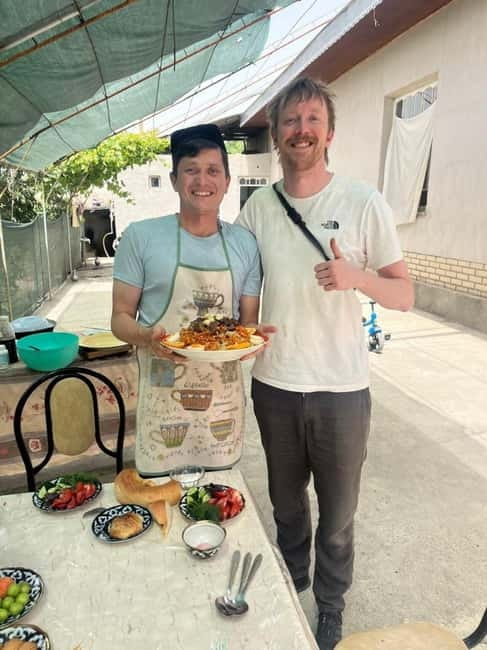
The family visit is not only about recipes. You may talk about Uzbek customs, local traditions, family life, and the history of Uzbekistan. Navruz is also described as a guide who explains these subjects during the day, while Guli makes sure the cooking is clear and easy to follow.
That division can be useful. Navruz can give the wider setting, while Guli helps with the practical side of preparing the food. If you are cooking in a language that is not your own, clear instruction matters. The tour can be arranged with English, Korean, Russian, Uzbek, or Tajik language support.
The family setting also gives the day its strongest human element. You may share stories, laugh together, or play a game of chess. These small moments can tell you more about ordinary life than another pass through a monument.
You should still remember that this is a hosted cultural visit, not a private family afternoon with no schedule. The family is welcoming you as part of an organized activity, and the day has several planned stops. Bring curiosity, but also respect the home. Modest clothing is required, and tight clothing and short skirts are not allowed.
What makes the food lesson worth the price
At $65 per person, this is not the cheapest way to eat in Samarkand. You could spend far less on a restaurant meal. The value comes from the combination of a private guide, transport, a market visit, hands-on cooking, lunch, and time with a family.
The price looks stronger if you want more than a recipe. You are paying for access to a home, conversation about customs, and a full half-day that connects food with local life. An air-conditioned vehicle is included, which matters when you are moving between the bazaar, the house, and craft stops.
It is also a private group experience. That usually means you avoid the crowd and pace of a large class, though the supplied details do not specify the maximum group size. If you are traveling with family or friends and want a shared activity, the private format may make the $65 cost easier to justify.
The value is less clear if your only goal is to learn precise cooking technique. The information provided does not promise a recipe booklet, a professional kitchen, or a formal certificate. Choose this for the setting, the people, and the meal as much as for the cooking itself.
More Hands-On Workshops in the world:
- Half-Day Thai Cooking Class at Organic Farm in Chiang Mai
★ 5.0 · 19,087 reviews - Florence: Pasta Cooking Class with Unlimited Wine
★ 4.9 · 10,285 reviews - 3 in 1 Cooking Class near Navona: Fettuccine, Ravioli & Tiramisu
★ 5.0 · 7,376 reviews - Florence: Pasta & Tiramisu Cooking Class with Unlimited Wine
★ 4.9 · 6,708 reviews
Konigil paper and the craft side of the day
The outing also includes a stop at the Konigil paper factory. The paper-making site is connected with very old local craft traditions, and the visit gives the day a useful change of pace after several hours centered on food.
Paper production lets you see Samarkand through making rather than monuments. The point is not simply to buy a souvenir. You get a look at a craft process and at the kind of skilled work that has helped shape the city’s cultural identity.
The itinerary also lists an oil meal and pottery workshop. The details of the oil meal stop are not specified, so you should not expect a particular demonstration or product unless the guide confirms it. Pottery adds another practical craft to the schedule and keeps the tour from becoming only a cooking class.
One account of the outing also included a famous rug-making place, where rugs are made by hand. Since the planned information specifically names paper, oil meal, and pottery, treat the rug visit as a possible addition rather than a guaranteed stop. Ask Navruz what is scheduled on your date if the craft portion is especially important to you.
A five-hour plan with several moving parts
Five hours is enough for a satisfying introduction, but it is not enough for every stop to receive a long visit. You may spend part of the day traveling between locations, and the exact balance between bazaar, cooking, meal, and workshops can change.
The most important part is the home cooking. If you want the most from the tour, focus your attention there. Ask questions, take part in the preparation, and watch how the family handles the food. The bazaar and craft visits work best as supporting pieces.
Lunch is included, so the meal you help prepare is part of the value. Bottled water is also provided. The air-conditioned vehicle gives you a comfortable way to move around the Samarqand Region, especially if the day is warm.
Starting times depend on availability. You should check the time offered for your date, particularly if you have timed visits to Samarkand’s other sights. The tour is long enough to occupy a substantial part of the day, so avoid placing an important fixed appointment too close to it.
Clothing, conduct, and what to bring
The rules are stricter than they are at an ordinary sightseeing stop because you enter a family home. Short skirts and tight clothing are not allowed. Nudity, alcohol, and drugs are prohibited, and alcoholic drinks cannot be carried in the vehicle. Red wine is specifically listed as not allowed.
The simplest approach is respectful, modest clothing and a willingness to follow the family’s lead. The supplied information does not specify footwear rules, photography rules, or whether you need to bring any cooking equipment. Ask the guide if those details matter to you.
You do not need to pay for lunch or bottled water separately. The vehicle is air-conditioned, but it is still sensible to carry any personal items you need during a five-hour outing.
Who will get the most from this Samarkand tour
I would recommend this to you if you have already seen the main sights, or if you want one day that feels different from a standard city tour. It is especially well suited to people who care about food, family life, and practical crafts.
Families and small private groups should find the format appealing. The home setting gives children and adults something to do together, though young children may not have the patience for every conversation or workshop stop. Food-focused visitors will appreciate preparing several Uzbek staples instead of only tasting them.
It is also a good choice if you want language support. English, Korean, Russian, Uzbek, and Tajik are available, which gives you a better chance of asking questions and following the cooking clearly.
I would think twice if you dislike entering private homes, prefer a formal culinary school, or want a fast list of major Samarkand sights. The day is social and informal. Its strength is contact with people, not a long catalogue of landmarks.
Booking and cancellation details
The tour costs $65 per person and lasts five hours. Lunch, bottled water, and an air-conditioned vehicle are included. You can reserve now and pay later, which helps if your Samarkand schedule is still changing.
Free cancellation is available up to 24 hours in advance for a full refund. The tour is led by Navruz, with Guli playing an important role in the home cooking and explanation. Confirm the exact guide, starting time, and craft stops when you book, especially if you hope to see the rug-making site as well as the listed paper and pottery stops.
Should you book this family cooking class?
Book it if you want Samarkand to feel like a lived-in city rather than a line of monuments. The strongest reasons are the local bazaar, the chance to cook in Navruz and Guli’s home with their family, and the way food opens a conversation about Uzbek customs and daily life.
Skip it if you want a highly structured chef’s course or a full day devoted only to cooking. The schedule includes several craft visits, and the family format may be more conversational than technical.
For most visitors, $65 is a fair price for a private half-day that includes transport, lunch, and access to a local household. I would book it early in a short Samarkand stay, then keep the rest of the day free enough to enjoy the meal without watching the clock.
FAQ
How long does the Samarkand cooking class last?
The activity lasts five hours.
How much does the experience cost?
The price is $65 per person.
Is lunch included?
Yes. Lunch and bottled water are included.
Is transportation included?
Yes. An air-conditioned vehicle is included.
Is this a private tour?
Yes. It is offered for a private group.
Which dishes can I learn to cook?
The cooking can include plov, shashlik, and samsa.
Who leads the experience?
The experience provider is Navruz. Guli also takes part in the home cooking and helps explain the dishes.
Which languages are available?
Guides are available in English, Korean, Russian, Uzbek, and Tajik.
What other places are included?
The activity includes a local bazaar, the Konigil paper factory, an oil meal stop, and a pottery workshop. A rug-making visit may also be included, but it is not listed as a guaranteed stop in the main activity details.
What clothing is not allowed?
Short skirts and tight clothing are not allowed. Alcohol and drugs are prohibited, and alcoholic drinks are not allowed in the vehicle. Red wine is also specifically listed as not allowed.
Can I cancel the booking?
Yes. You can cancel up to 24 hours in advance for a full refund.
Do I have to pay when I reserve?
No. Reserve now and pay later is available.
Just added around the world
- Salzburg: Dinner Cooking Class and Music★ 4.9 · 48 reviews
- Sambo cooking class★ 5.0 · 3 reviews
- Samarkand: Village Tour with Plov Cooking Class & Home Visit★ 5.0 · 29 reviews
- Samarkand: Uzbek Cooking Class in a Village Home★ 5.0 · 22 reviews
- Salento: Authentic Cooking Experience with Fresh Pasta and Local Products★ 5.0 · 8 reviews
- Salerno: Private Cooking Class at a Local’s Home★ 4.9 · 12 reviews
- Sal Island: Catxupa Cooking Class with a local family★ 4.7 · 72 reviews
- Barcelona: Paella Seafood Master Cooking Class with Sangria★ 5.0 · 73 reviews
Home Cooking Classes, compared.
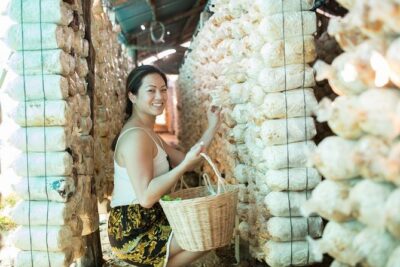
Khmer Cooking Class at a Local’s Home in Krong Siem Reap
Read our review →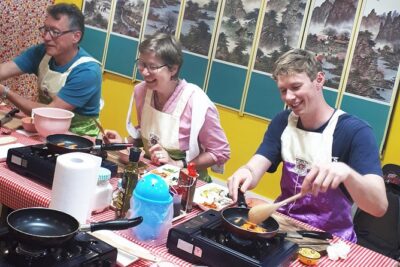
Local Home Korean Cooking Class & Market Adventure in Seoul
Read our review →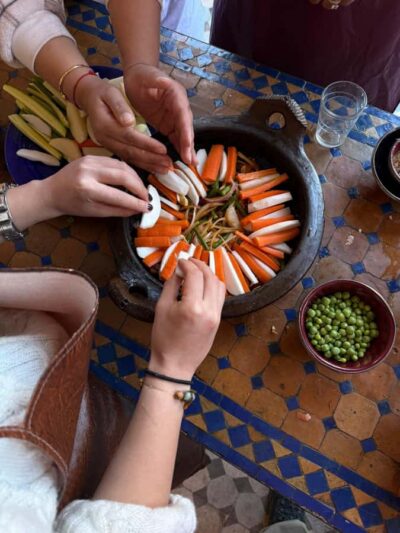
Marrakech: Moroccan Cooking Class with a Local Family
Read our review →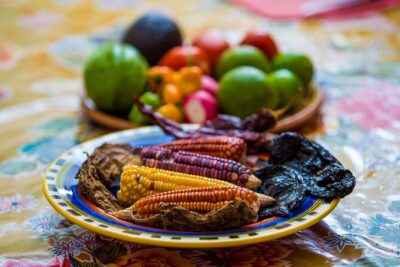
Mexican Cooking from Scratch in a Local Home in Tulum
Read our review →
Pastamama, Home Cooking Classes at Grace’s Home
Read our review →
Marrakech: Moroccan Cuisine Cooking Class in Local Home
Read our review →
Hoi An: Traditional Cooking Class & meal with Local Family
Read our review →
Browse the lists this tour appears in