
Review · SAN SEBASTIAN
San Sebastian: Authentic Basque Cooking Class
The best part of this San Sebastian experience is that you do not cook in a polished demonstration studio. You walk into a working restaurant kitchen, where a professional chef teaches you Basque dishes that locals actually recognize and eat. You prepare five recipes, sit down to enjoy them, and leave with the recipes and your apron.
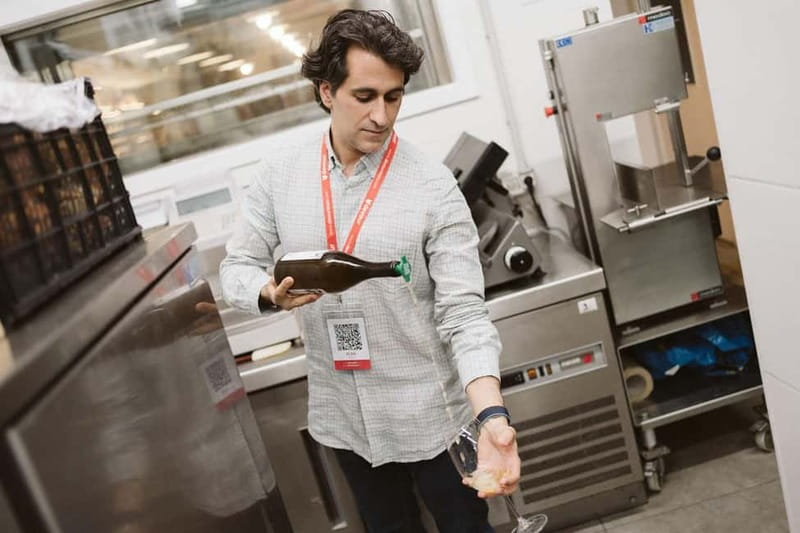
I especially like the small group, limited to 10 people, and the pairing of each dish with a local drink. The cider-pouring lesson is a nice touch, and the chef’s practical trick for turning a potato omelet with an ordinary plate is the kind of useful souvenir you can take home. The main drawback is value: at $164 per person, this is expensive for a 2.5-hour class, particularly if you want a long period of hands-on cooking rather than guided demonstration.
Key points at a glance
- Five Basque dishes in one sitting: Prepare a Gilda, potato omelet, cod pil pil, piquillo peppers, and burnt cheesecake.
- A real restaurant kitchen: Cook inside a historic, family-run restaurant in San Sebastian’s Old Town.
- Local drinks included: Expect Basque cider, red and white wine, and ice apple cider with the food.
- Small, social group: The class has no more than 10 participants, giving you a fair chance to participate.
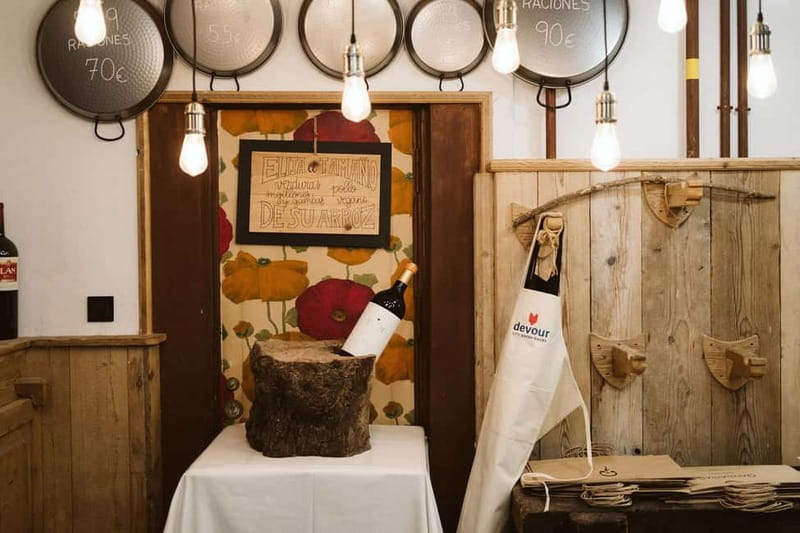
- Useful take-home extras: You receive the recipes and your apron after the class.
- A full meal, not a tasting: Plan to leave well fed, even if the cooking itself is not strenuous.
Cooking Basque Food in a Real San Sebastian Kitchen
San Sebastian is one of Europe’s great food cities, but its food culture is not limited to formal restaurants and expensive tasting menus. Much of the local pleasure comes from simple ingredients handled well: potatoes, eggs, peppers, cod, olive oil, cider, and cheese.
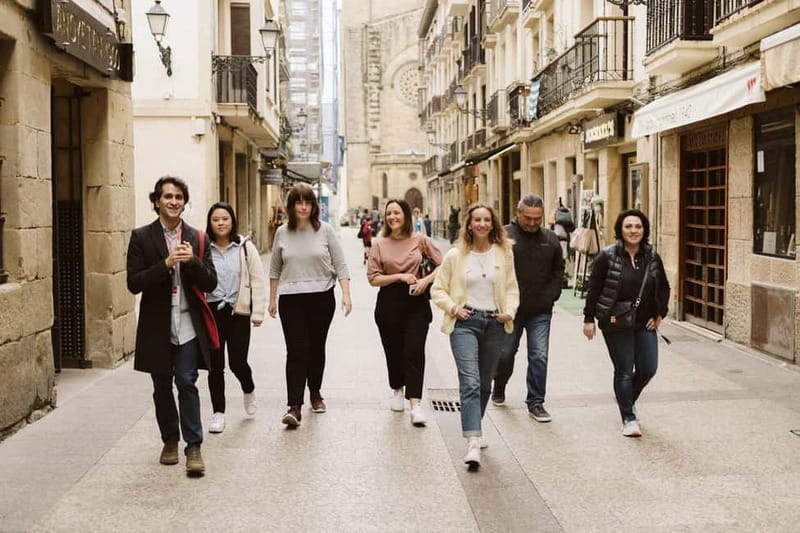
This class gives you a practical introduction to that style of cooking. You meet your English-speaking guide at De Biteri Plaza, in front of San Ignatius church, then walk into the Old Town. The meeting point is easy to identify because the guide carries a red bag or Devour Tours sign.
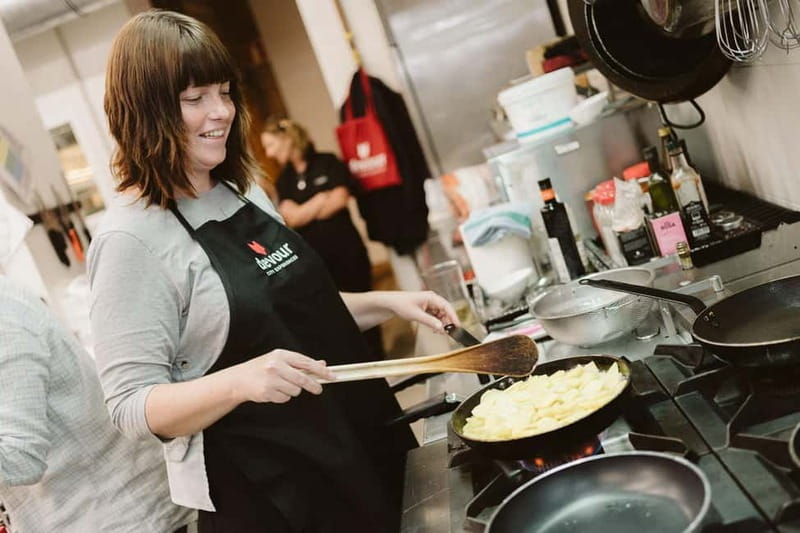
From there, you enter a historic family-run restaurant whose kitchen is reserved for your group. That setting matters. You are not simply watching a chef prepare food behind a counter. You see how the dishes are assembled in a professional kitchen and take part at a level suited to your confidence.
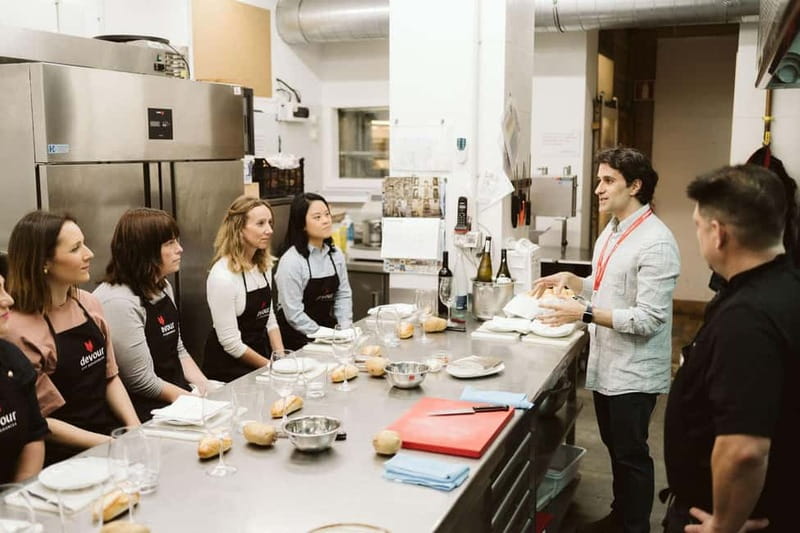
The group size makes a real difference. With 10 people or fewer, the chef can explain techniques clearly and offer help without turning the class into a queue for one cooking station. Some people can take a more active role, while others can watch, ask questions, and join in when they feel ready.
More Hands-On Workshops in Spain:
- Barcelona Paella Cooking Class with Market Visit, Tapas & Sangria
★ 5.0 · 2,531 reviews - Spanish Cooking Class Paella Tapas and Sangria in Madrid
★ 5.0 · 1,340 reviews - Paella Cooking Class, Wine Tasting & Central Market in Valencia
★ 5.0 · 1,150 reviews
Five Dishes That Explain Basque Cooking
The class menu covers several familiar Basque favorites, and each dish teaches a different lesson. The food is substantial enough to count as a full meal, so you should not plan a large dinner afterward.
Gilda pintxo
The Gilda is a classic pintxo built around simple, sharp flavors. It traditionally combines ingredients such as olives, anchovies, and pickled peppers, creating a salty, briny bite with a little heat.
It is a good place to begin because it shows how Basque cooking often relies on balance rather than long preparation. You learn that a small bite can have plenty of character when the ingredients are chosen carefully.
Potato omelet
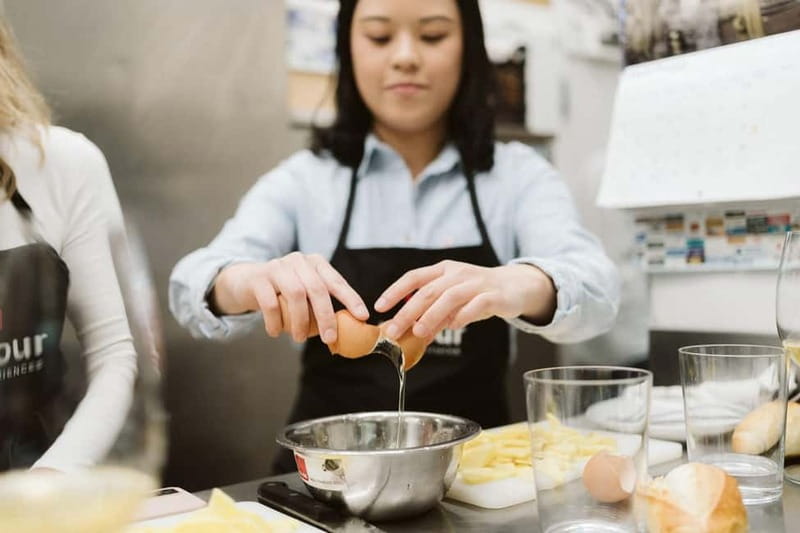
The tortilla de patatas is one of Spain’s best-known dishes, but making a good one takes more care than its short ingredient list suggests. The chef explains the handling of the potatoes and eggs, then demonstrates the famous turn.
One particularly handy tip is that you do not need a special tortilla-flipping tool. A regular plate and a quick wrist action can do the job. I like this part because it turns a dish that can seem intimidating into something you can realistically attempt at home.
The tortilla was a favorite for some class participants, and it is easy to see why. It is warm, familiar, filling, and a good test of timing.
A few more cooking classes around Spain worth a look
- Barcelona: Paella Cooking Experience & Boqueria Market Tour
★ 4.8 · 3,661 reviews - Barcelona Interactive Spanish Cooking Experience
★ 4.5 · 2,155 reviews - Paella Cooking Class in Madrid with Bottomless Wine Pairing
★ 5.0 · 985 reviews - Seville: Spanish Cooking Class with Dinner
★ 4.9 · 900 reviews
Codfish in pil pil sauce
Cod in pil pil sauce introduces one of the more distinctive techniques of Basque cooking. The sauce is built from cod, olive oil, and the natural gelatin released during cooking. The goal is a smooth, emulsified sauce rather than a watery oil mixture.
This is where a professional chef earns the class fee. Small changes in heat and movement affect the sauce, and the chef can show you what to look for. You will not leave ready to run a restaurant, but you will understand the basic idea and the reason the dish works.
Piquillo peppers
The red piquillo peppers bring sweetness and color to the meal. They may be served stuffed, and menu versions have included beef-filled peppers, though the exact preparation can vary.
This dish shows how Basque cooks use a strong local ingredient as both a container and a main flavor. The peppers are not treated as a garnish. They are part of the dish’s structure, and the filling gives you another useful technique to repeat at home.
Basque burnt cheesecake
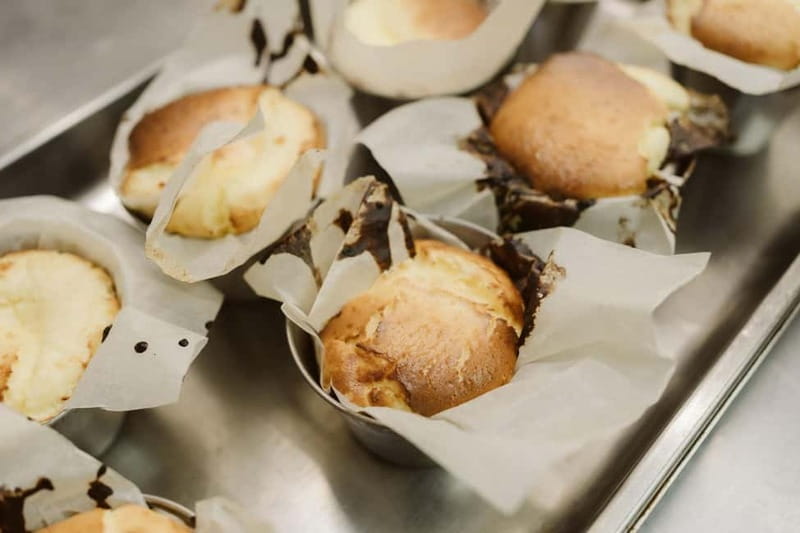
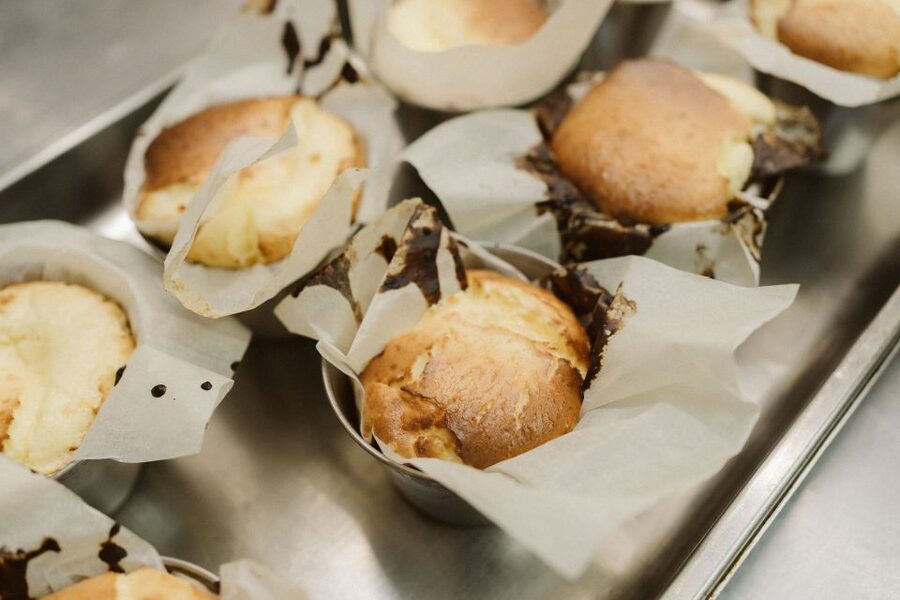
The final dish is the famous Basque burnt cheesecake, known for its dark top and soft center. It looks less formal than a classic baked cheesecake, which is part of its appeal.
The chef explains how to get the contrast between the browned surface and creamy middle. This is a fitting end to the class because the result feels special, but the method is not packed with unnecessary fuss.
The Drinks Are Part of the Lesson
The drinks are not an optional add-on. Each course comes with a selected pairing, including Basque cider, red wine, white wine, and ice apple cider.
The Basque cider is especially useful because you learn how to pour it. The traditional pour adds air to the drink and is a small piece of local food culture that you would probably miss at a standard restaurant meal.
Ice apple cider is less familiar to many visitors. It is made from the natural juices of frozen apples and offers a different style of fermented drink from regular cider. The red and white wines round out the meal and give you a chance to see how the same food changes with a different drink.
Non-alcoholic options are available, and the class can adapt for pregnant participants. If you do not drink, you should mention this when booking or at the start of the class so the hosts can plan the pairings.
What the Chef and Guide Add
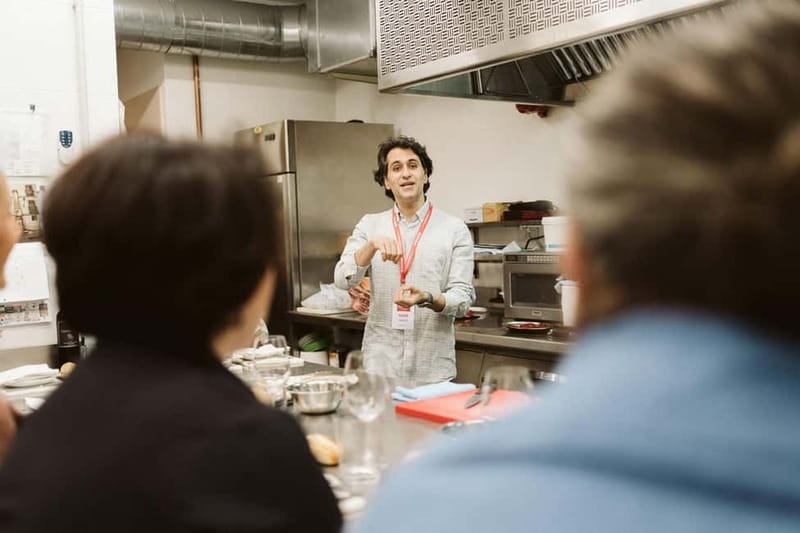
You have two hosts: a professional chef handles the cooking, while a local guide explains the food, customs, and San Sebastian setting.
That division works well. The chef can focus on technique, timing, and kitchen safety. The guide can explain why the dishes matter and keep the class moving in clear English. Past sessions have included guides such as Mila, Silvia, and Hector, and chefs including Natalia. The exact team is not guaranteed, but the format remains the same.
The teaching style is relaxed rather than formal. You can participate as much or as little as you wish, which makes the class suitable for first-time cooks. At the same time, experienced home cooks should pick up useful details, particularly with the tortilla, pil pil sauce, and cheesecake.
I would not book this class expecting a technical culinary course. You are unlikely to spend a long stretch chopping, stirring, and cooking independently. The chef demonstrates many steps, then brings the group into the process. For some people, that balance is ideal. If you want every dish to be cooked entirely by you, the experience may feel more like a cooking demonstration.
A Social Evening in the Old Town
The small group gives this class a friendly, informal feel. You share a kitchen, a table, and several courses with people who already have one thing in common: an interest in food.
The class encourages conversation and participation, but you are not forced into a performance. That makes it a good choice for solo visitors, couples, and families with older teenagers, though the experience is not suitable for children.
The group can be especially enjoyable when you are early in your San Sebastian stay. You get an introduction to local ingredients, a few food terms, and ideas for what to order during the rest of your visit. It also gives you a social evening without requiring you to spend the night at a formal restaurant table.
The entire experience takes place inside the pedestrian Old Town after the initial meeting. You need to walk at a moderate pace to reach the restaurant, and the class itself is conducted standing up. Wear comfortable shoes. There is a closed space where you can leave belongings, but bringing only what you need will make the evening easier.
Is $164 a Fair Price?
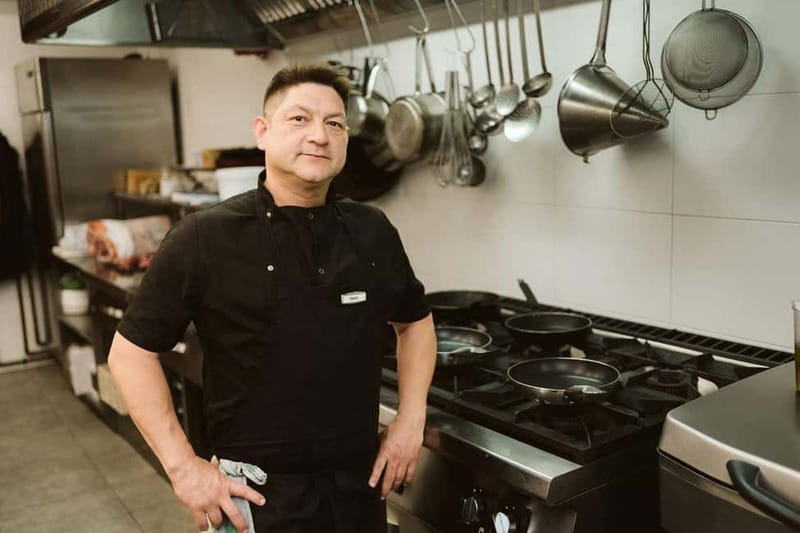
At $164 per person, this is not a cheap cooking lesson. You are paying for the chef, the guide, the private kitchen setting, five dishes, several drink pairings, a full meal, an apron, and recipes to take home.
The meal alone makes the price easier to understand. You are not preparing one dish and then buying your own dinner afterward. The food and drinks are included, and many people leave completely full.
The small group also supports the price. A class of 10 allows more direct contact with the chef than a large workshop, and the two-host format means you receive both cooking instruction and local context.
Still, value depends on your expectations. If you mainly want to eat excellent Basque food, a restaurant meal may cost less and require no work. If you want to learn several recipes, meet other food-focused people, and take home practical instruction, the class offers more than a meal.
The only clear caution is the amount of actual cooking. One participant felt the class involved more demonstration than expected. That is a fair concern, and I would keep it in mind before booking. The experience is hands-on, but it is guided hands-on cooking, not an independent kitchen session.
Who Should Book This Class?
I would recommend it to people who enjoy food as part of travel, even if they are not serious cooks. Beginners can follow the instructions, and experienced cooks can watch the techniques and ask questions.
It is particularly well suited to:
- Couples who want an evening activity beyond a restaurant dinner
- Solo visitors who enjoy meeting a small group
- Home cooks interested in Spanish and Basque recipes
- People who want a full meal with local drink pairings
- Visitors who value cultural background alongside cooking instruction
The class is not suitable for vegetarians, vegans, or people following a kosher diet. It can accommodate pescatarians, gluten-free diets that are not related to celiac disease, non-alcoholic preferences, and pregnancy.
It is also not suitable for wheelchairs, strollers, or people with mobility impairments. Since the class is standing up, anyone who needs regular seating should consider a different food experience.
Practical Details Before You Go
Arrive 15 minutes early at De Biteri Plaza, 1, 20001 Donostia, Gipuzkoa, in front of San Ignatius church. Look for the guide with a red bag or Devour Tours sign.
The tour lasts 2.5 hours and is conducted in English. Hotel pickup and drop-off are not included, and the Old Town meeting area is pedestrian-only, so you reach the restaurant on foot.
Bring water and wear comfortable shoes. You will have a place to leave belongings, but avoid carrying more than necessary.
You can cancel up to 24 hours before the start time for a full refund, and the reserve-now, pay-later option keeps payment flexible. Starting times vary, so check the available slot when you book.
Should You Book the San Sebastian Cooking Class?
Book it if you want to understand Basque food by making it, eating it, and hearing the stories behind it. The small group, professional chef, local guide, drink pairings, and take-home recipes give the experience real substance.
Skip it if your priority is maximum hands-on cooking or the lowest possible food cost. At $164, the class asks you to pay for instruction, atmosphere, drinks, and a full meal. For a food-focused visit to San Sebastian, that combination can be worth it. For a quick, budget-friendly activity, it is harder to justify.
FAQ
Where does the San Sebastian cooking class meet?
The meeting point is De Biteri Plaza, 1, 20001 Donostia, Gipuzkoa, in front of San Ignatius church. The guide will be holding a red bag or Devour Tours sign.
How long does the cooking class last?
The experience lasts 2.5 hours.
How many people can join the class?
The group is limited to 10 participants or fewer.
What dishes will I prepare?
The menu includes a Gilda pintxo, potato omelet, codfish in pil pil sauce, red piquillo peppers, and Basque burnt cheesecake.
Are drinks included?
Yes. Drink pairings include Basque cider, red and white wine, and ice apple cider made from the natural juices of frozen apples.
Is this a full meal?
Yes. The class includes the five dishes you prepare and the drink pairings, and it is intended to serve as a full meal.
Is the class suitable for beginners?
Yes. The techniques are explained step by step, and the class is adaptable for different cooking abilities. You can participate as much or as little as you prefer.
Can dietary requirements be accommodated?
The class can adapt for pescatarians, gluten-free diets that are not celiac, non-alcoholic options, and pregnant participants. It is not recommended for vegetarian, vegan, or kosher diets.
Is the class accessible for wheelchairs or strollers?
No. The experience takes place in a pedestrian Old Town area, requires walking at a moderate pace, and is conducted standing up. It is not suitable for wheelchairs, strollers, or people with mobility impairments.
Just added around Spain
- A Coruña: Local Market Shopping and Cooking Workshop★ 5.0 · 16 reviews
- Authentic Basque Cooking Class in San Sebastian Old Town★ 4.5 · 87 reviews
- Basque Cooking Experience: Market Tour & Hands-On Class English★ 5.0 · 144 reviews
- Local Cooking Class in San Sebastian★ 5.0 · 44 reviews
- Sevilla: Rooftop Paella Cooking Class & 30-minute expert Q&A★ 5.0 · 198 reviews
- Paella Cooking Class in Malaga★ 5.0 · 209 reviews
- Madrid: 10 Tapas 2.5-Hour Cooking Class★ 4.7 · 222 reviews
- La Boqueria Market and Paella Cooking Class in Barcelona★ 5.0 · 229 reviews
Cooking Classes, compared.
Half-Day Thai Cooking Class at Organic Farm in Chiang Mai
Read our review →
Florence: Pasta Cooking Class with Unlimited Wine
Read our review →
3 in 1 Cooking Class near Navona: Fettuccine, Ravioli & Tiramisu
Read our review →
Hanoi Cooking Class: Culture, Local Market & Meaning CSR Impact
Read our review →
5 Traditional Dishes Hanoi Cooking Class with Market Trip
Read our review →
Cooking Class and Lunch at a Tuscan Farmhouse with Local Market Tour from Florence
Read our review →
Chiang Mai: Cooking Class, Market & Thai Herbs Garden Tour
Read our review →Browse the lists this tour appears in