
Review · TAORMINA
Taormina: Cannolo Cooking Class with Completion Certificate
The best part of this Taormina class is that you make the cannoli shells yourself, rather than simply watching a pastry chef work. You knead the dough by hand, shape the shells, fry them, prepare fillings, and eat the results. Chef Carmelo is often praised for his humor and patience, while Francesca, Paolo, Maurizio, and other instructors have also led lively sessions.
I like the hands-on format and the generous tasting. Past classes have produced so many cannoli that people had plenty to take away, and the coffee, wine, limoncello, and soft drinks make the class feel social rather than purely instructional. The main drawback is timing: 1.5 hours can feel tight, especially if you want a slow pastry lesson instead of a fast, cheerful workshop.
Key points to know before booking
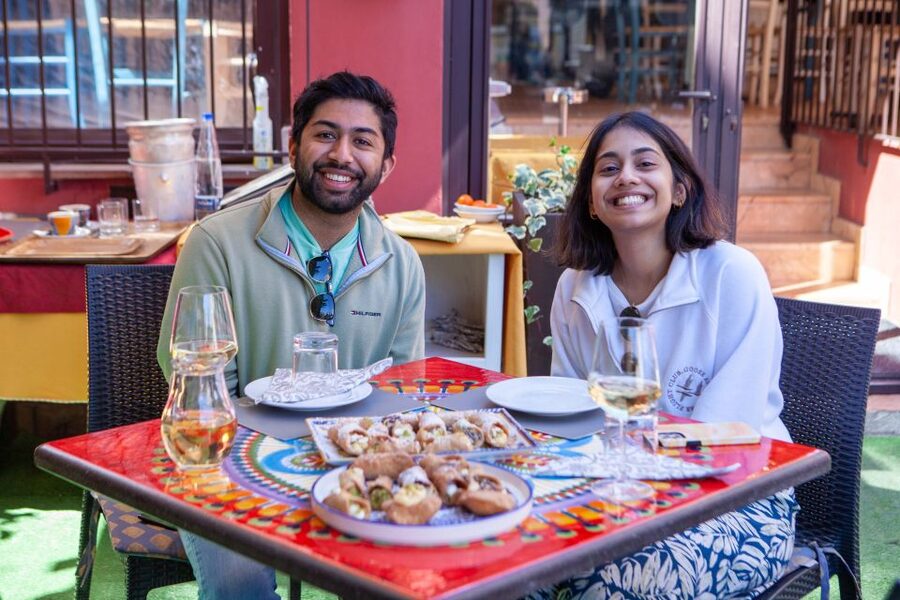
- You make the shells from scratch: Knead the dough, shape it around the traditional form, and fry it into the crisp cannolo shell.
- Several fillings are covered: You learn about the classic ricotta filling as well as custard.
- Expect a generous batch: Some sessions have produced around 15 cannoli per person, far more than most people can eat at once.
- The location is easy to find: Meet at the restaurant beside the Porta Messina Arch in Taormina.
- Drinks are part of the class: Coffee, water, wine, limoncello, and soft drinks are included. Extra alcohol costs more.
- You leave with a certificate: A completion certificate is included, and recipes have been sent by email after some classes.
Making Sicilian cannoli beside Porta Messina
This is a compact pastry lesson in a central Taormina restaurant, right beside the Porta Messina Arch. That location matters. Porta Messina marks the northern entrance to the pedestrian center, so you can fit the class neatly around a walk along Corso Umberto, a visit to the Greek Theatre, or lunch in town.
The class lasts 1.5 hours. That is long enough to take part in every main stage, but it is not a leisurely half-day cooking school. You should arrive ready to work, not expecting a long lecture on Sicilian food.
The language of instruction is Italian or English. The chefs use a practical, lively style, with clear demonstrations followed by your own attempt. Carmelo receives especially strong praise for making the steps easy to follow while keeping the room laughing. Francesca has also been singled out for patience and warmth, while Paolo and Maurizio have led sessions with a similar mix of instruction and humor.
Because the chefs can change, the exact personality of the class will vary. That is worth keeping in mind if you are booking because of one particular instructor. The dependable feature is the practical cannolo-making format.
More Hands-On Workshops in Italy:
- Florence: Pasta Cooking Class with Unlimited Wine
★ 4.9 · 10,285 reviews - 3 in 1 Cooking Class near Navona: Fettuccine, Ravioli & Tiramisu
★ 5.0 · 7,376 reviews - Florence: Pasta & Tiramisu Cooking Class with Unlimited Wine
★ 4.9 · 6,708 reviews
Kneading the dough by hand
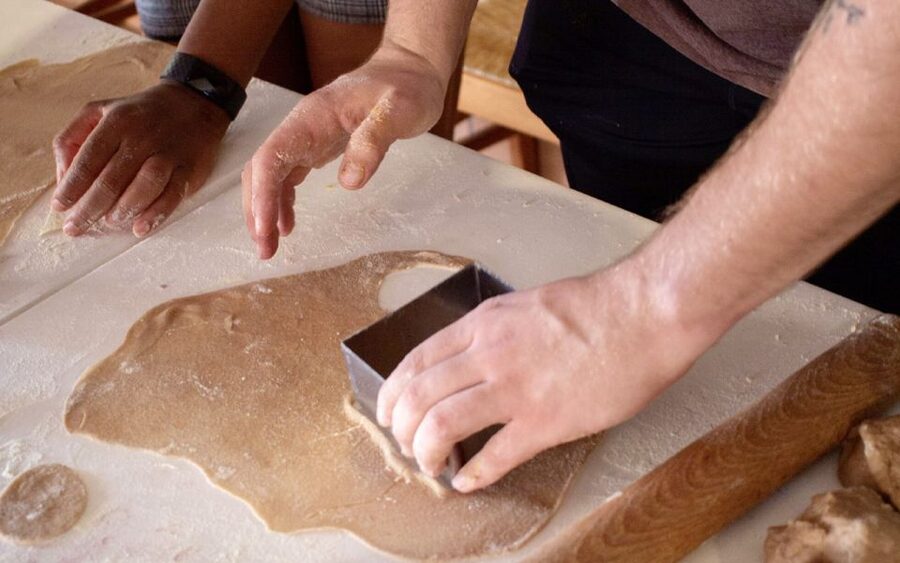
The first real task is preparing the cannolo shell. You work the dough with your hands, rather than beginning with a ready-made pastry sheet. This is the part that gives the class its value for anyone who wants to understand how cannoli are actually made.
The shell must be thin enough to become crisp, but sturdy enough to hold its shape and support the filling. You learn how the dough is handled and how it is formed into the familiar tube. Expect a bit of trial and error. Your first shells may not look like perfect bakery specimens, and that is part of the fun.
The class is not aimed at professional pastry training. It gives you a useful working method, basic pastry confidence, and the chance to see how small changes in shaping affect the finished cannolo. If you enjoy cooking with your hands, this stage is more rewarding than a demonstration where you only watch.
Wear comfortable clothes and comfortable shoes. You are working in a restaurant setting, and the activity involves handling dough and moving through several stages. The supplied advice does not call for any special equipment, so you can leave the pastry tools at home.
Frying the shells into their familiar shape
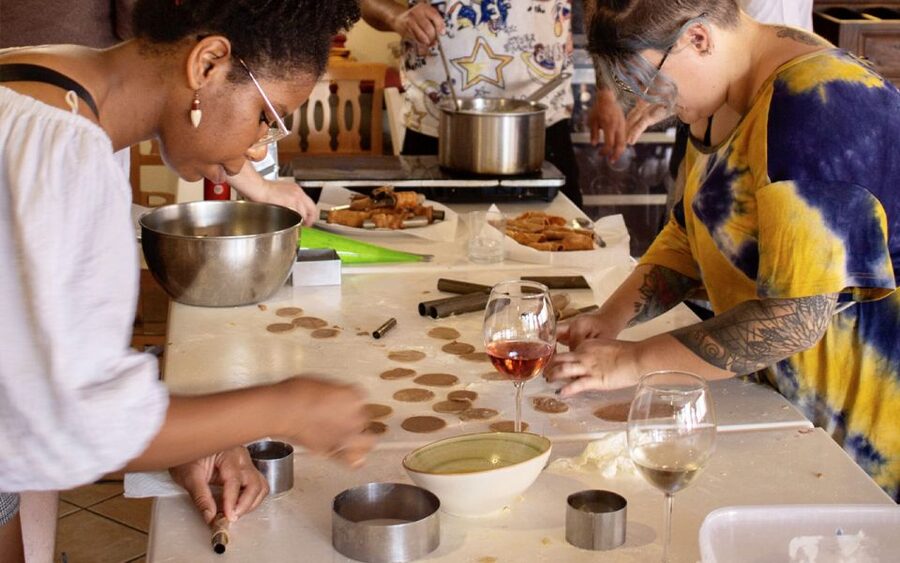
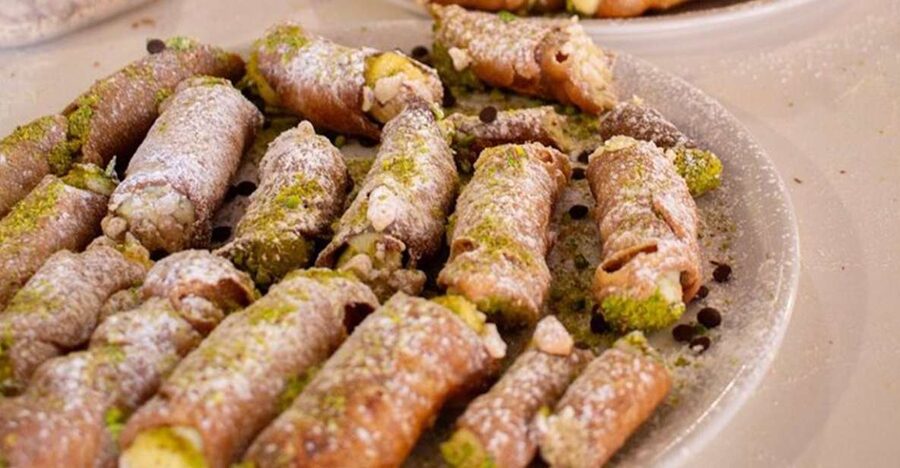
Once the dough is prepared, you shape it into the distinctive cannolo form and fry it. This is the most visually satisfying step, since flat pieces of dough become the crisp tubes associated with Sicilian pastry.
The frying stage also explains why cannoli are best filled close to serving time. A crisp shell and a creamy filling should contrast with each other. Fill too early, and the shell can lose some of its crunch. The class gives you a chance to see that process rather than treating the cannolo as a finished object that simply appears on a plate.
You should expect the chef to supervise the more technical parts of the cooking. The activity is hands-on, but it is still a guided restaurant class. Children can take part, and one family found the format worked well for a five-year-old. Families with older children, including ages eight and eleven, have also enjoyed being involved in every step.
The class is therefore a good fit for mixed-age groups, couples, and friends. It is less suited to anyone who dislikes messy handwork or wants a quiet, highly formal lesson.
Comparing ricotta and custard fillings
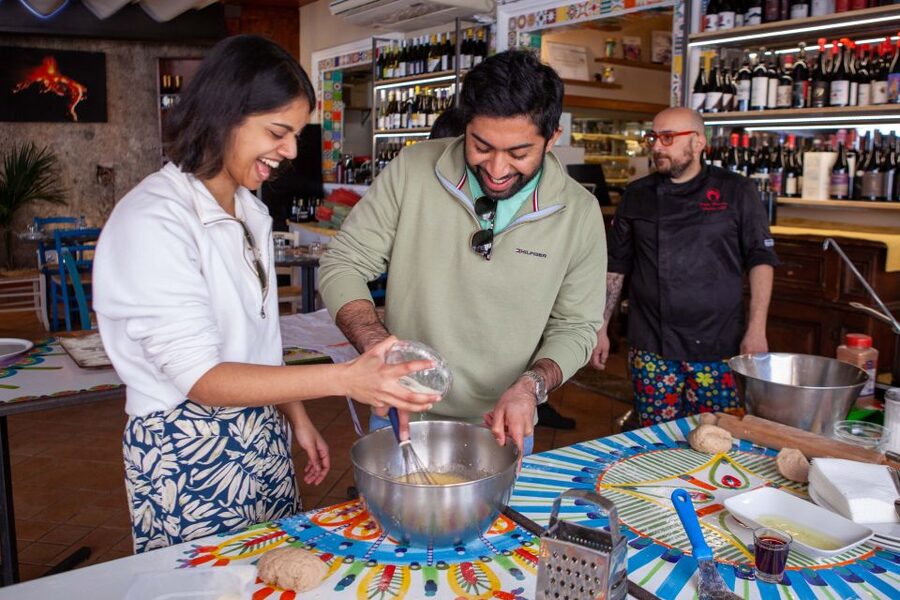
The filling stage adds variety. You see how the traditional sweet ricotta mixture is prepared, then learn about custard as another option. That comparison gives you a better feel for the range of cannoli you may find in Sicily.
Ricotta is the classic reference point, and it gives the dessert its familiar creamy, gently sweet character. Custard offers a different texture and flavor. Preparing both also makes the class more useful at home, since you can choose which filling best suits your own kitchen and ingredients.
The chef explains the process as you work, and you have the chance to fill the shells yourself. This is where the class becomes more than a tasting. You are not simply handed one finished cannolo. You see the components, assemble them, and learn how the parts fit together.
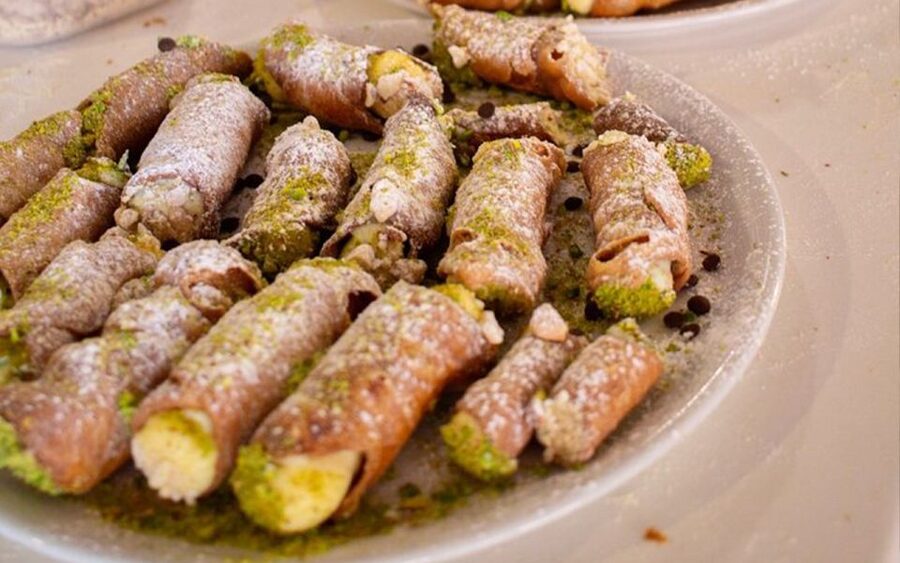
Some sessions have produced an unexpectedly large number of pastries, with around 15 cannoli per person. That sounds excessive until you remember that the class is making shells in batches and testing different fillings. You may eat several during the session and still have enough to carry away, though the exact amount will depend on the group and the day.
A few more cooking classes around Italy worth a look
- Florence: Pasta Cooking Class with Unlimited Wine
★ 5.0 · 6,413 reviews - Cooking Class and Lunch at a Tuscan Farmhouse with Local Market Tour from Florence
★ 5.0 · 4,831 reviews - Rome Cooking Class: Make Pasta and 3 Spritz Cocktails
★ 5.0 · 2,937 reviews - Rome: 3-in-1 Fettuccine, Ravioli, and Tiramisu Cooking Class
★ 4.9 · 2,704 reviews
Coffee, wine, limoncello, and a final tasting
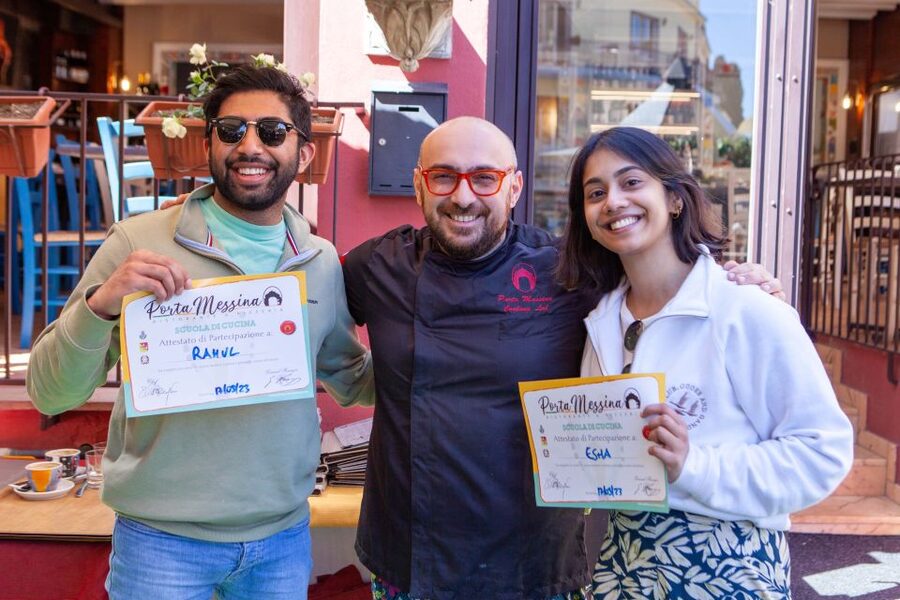
At the end, you sit down with the cannoli you have made. Coffee, water, wine, limoncello, and soft drinks are included, creating a relaxed finish after the practical work.
The wine is a particularly pleasant touch for adults. It turns the end of the class into a small Sicilian food break, rather than a quick taste before everyone leaves. Limoncello adds another local flavor, while coffee works well with the sweet pastry.
Extra alcohol is not included, so keep that distinction in mind if you plan to order more drinks. The listed refreshments are enough to accompany the tasting, but this is not an open bar.
The final snack is generous by all accounts. You may find yourself eating cannoli for breakfast or brunch, especially if you choose a morning session. Several classes have left people with more pastries than they could finish immediately, which is a welcome benefit but also a practical issue. Ask about taking leftovers with you if you cannot eat them all during the class.
Why the 1.5-hour schedule matters
The short format is both a strength and a weakness. At 1.5 hours, the class fits easily into a day of sightseeing. You can take it in the morning, explore Taormina afterward, or schedule it before another meal without giving up half a day.
The tradeoff is pace. One person found the class rushed and felt that two hours would have allowed more breathing room. The concern is understandable. You are kneading, shaping, frying, preparing fillings, filling the shells, and tasting them within a tight window.
Most people will see the quick rhythm as part of the fun. The chefs keep the activity moving, and humor helps prevent it from feeling like a technical exam. If you want detailed notes on pastry chemistry or time to repeat every stage several times, this class may feel brief.
If you prefer a lively introduction to one Sicilian dessert, the length works well. I would treat it as a focused food activity, not a complete pastry course.
Group atmosphere and the changing chefs
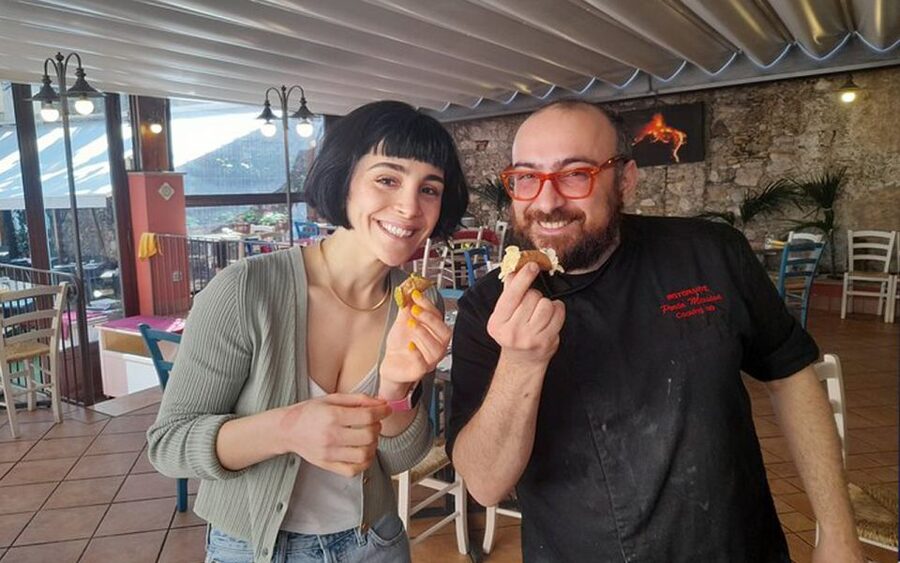
The class has been described as small in some sessions, including groups of four and seven. That can make a real difference. A smaller group gives you more room to work and makes it easier for the chef to correct your technique.
Group size is not presented as a fixed private-class feature, so do not assume you will have the restaurant to yourself. The experience depends partly on the people booked for your time. That can be a plus when everyone is happy to work together, taste the results, and share a few laughs.
The instructors are a major part of the appeal. Carmelo is repeatedly associated with warmth, jokes, clear explanations, and close attention. Francesca has guided classes with a friendly, patient manner, while Maurizio is known for keeping the lesson entertaining and offering useful tips. Paolo and Giovanni have also led sessions praised for careful teaching.
Since instructors may vary, the tone can change from one date to another. Still, the repeated pattern is clear: this is designed as a friendly group activity, not a silent technical workshop.
A good choice for families and food-focused visitors
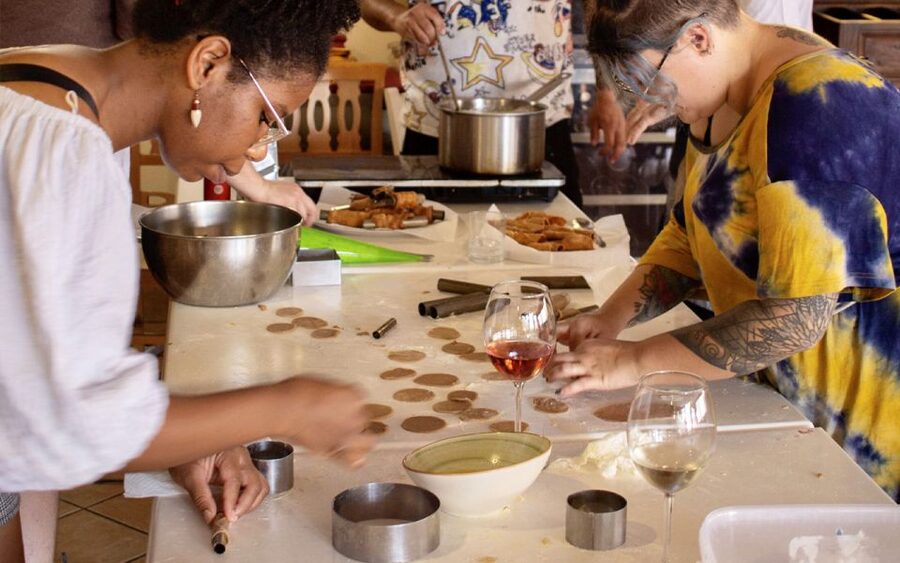
I would recommend this class to families because the work is tactile and easy to understand. Children can knead dough, help shape the shells, and fill the pastries under supervision. The final tasting gives them an immediate reward for taking part.
It also suits couples and friends looking for something more memorable than another restaurant meal. You spend time making a local specialty, then eat it with drinks in the same setting. That creates a shared activity without requiring advanced cooking skills.
Food-focused visitors will appreciate the connection to Sicilian pastry traditions. You learn why the shell matters, how fillings change the dessert, and how the finished cannolo comes together. You also leave with ideas you can try at home.
I would be more cautious if you are looking for a full meal. Cannoli, coffee, and drinks are included, but this is not a broad Sicilian cooking course or a substitute for lunch. Another consideration is that the class centers on one dessert. If you want pasta, arancini, or a wider menu, the same restaurant has been associated with other cooking classes, but they are separate activities.
Is the certificate useful?
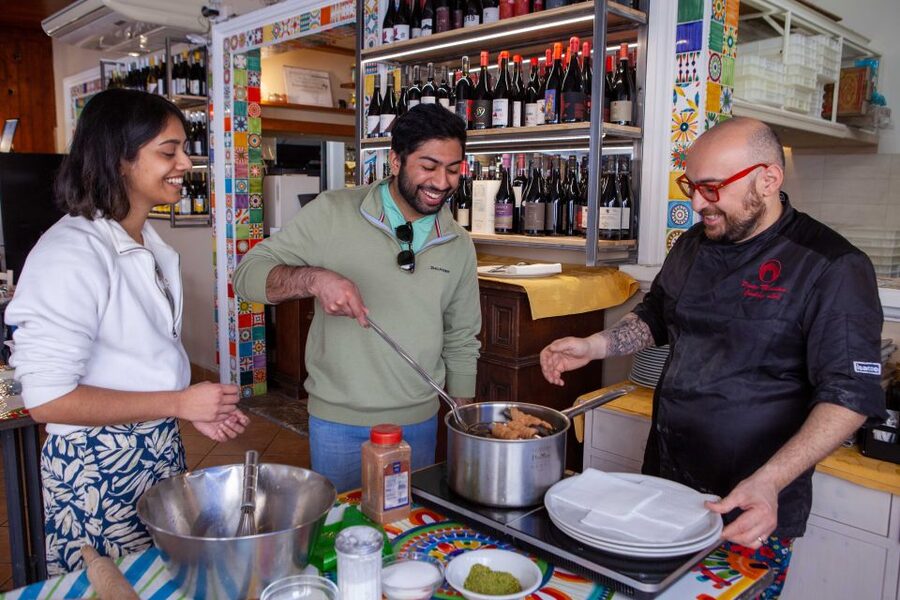
The official completion certificate is included. It is a small souvenir rather than a professional qualification, but it gives the class a pleasant finishing touch.
For children, the certificate can make the activity feel like a real achievement. For adults, it is a lighthearted reminder of the afternoon and an easy addition to a travel folder. Its value is sentimental, not practical, so do not book the class for the certificate alone.
The more useful souvenir may be the technique, the recipe information that has been sent by email after some sessions, and the memory of making a large batch of cannoli in Taormina.
Price and overall value at $77
At $77 per person, this is not a cheap snack stop. You are paying for instruction, ingredients, restaurant space, drinks, the final tasting, and the activity itself.
The value improves if you take part fully and receive a generous batch of cannoli. A class that produces enough for you to eat several and take more away feels better priced than a short demonstration followed by one small sample. Coffee, wine, limoncello, water, and soft drinks are already included, so you do not need to add the cost of the standard drinks.
The price is harder to justify if you want an extended lesson or a full meal. The 1.5-hour schedule is efficient, but one person felt two hours would have been more suitable. I would book it for the social, hands-on experience and the chance to learn a Sicilian specialty, not as a bargain way to get dessert.
Free cancellation up to 24 hours before the start and the option to reserve now and pay later make the booking less risky. Starting times vary, so check availability against your sightseeing plans.
Should you book the Taormina cannolo class?
Book it if you want a cheerful, practical food activity in central Taormina. It is especially suitable for families, couples, first-time cooking-class participants, and anyone who likes the idea of making a large batch of cannoli rather than simply ordering one from a pastry shop.
The class is a strong choice if you value a friendly chef, clear instruction, local drinks, and a tasting at the end. Carmelo may lead your session, but other chefs such as Francesca, Maurizio, Paolo, or Giovanni can also teach the class.
Skip it if you want a slow, technical pastry course, a full lunch, or a private lesson guaranteed to last several hours. For everyone else, $77 buys a compact and sociable introduction to one of Sicily’s best-known sweets, with enough hands-on work to make the final cannoli feel like your own.
FAQ
Where does the cannolo cooking class meet?
The meeting point is the restaurant beside the Porta Messina Arch in Taormina.
How long does the class last?
The class lasts 1.5 hours.
How much does the experience cost?
The listed price is $77 per person.
Which languages are available?
The class is offered in Italian and English.
What will I make during the class?
You will knead the cannolo dough, shape and fry the shells, prepare fillings, stuff the shells, and taste the finished cannoli.
Which fillings are included in the lesson?
The class covers the traditional ricotta filling and custard.
Are drinks included?
Yes. Water, wine, limoncello, soft drinks, and a coffee break are included. Extra alcohol is not included.
Is the final cannoli tasting included?
Yes. You taste the cannoli you prepare during the class, and the activity includes a final snack.
Do I receive a certificate?
Yes. An official completion certificate is included.
What should I wear?
Wear comfortable shoes and comfortable clothes.
Can I cancel the booking?
You can cancel up to 24 hours in advance for a full refund.
Can I reserve now and pay later?
Yes. The activity offers a reserve-now-and-pay-later option.
Just added around Italy
- Verona: Pasta and Tiramisu Cooking Class with Fine Wine★ 4.8 · 633 reviews
- Siena: Small group Cooking Class in Chianti Farmhouse★ 5.0 · 162 reviews
- 3-hour Tuscan Cooking Class with Wine & Oil Tasting★ 4.5 · 36 reviews
- Italian Cooking Class and Wine Tasting in Tuscany★ 5.0 · 30 reviews
- Truffle Hunting and Cooking Class★ 4.5 · 26 reviews
- Cooking Class in a Secret Courtyard – Culurgiones (Sardinian Pasta)★ 4.5 · 55 reviews
- Cagliari Cooking Class: Sardinian Ravioli, Wine & Local Flavors★ 5.0 · 20 reviews
- Alghero Home Cooking Pasta Class at a Farmhouse with Wine★ 5.0 · 130 reviews
Cooking Classes, compared.
Half-Day Thai Cooking Class at Organic Farm in Chiang Mai
Read our review →
Florence: Pasta Cooking Class with Unlimited Wine
Read our review →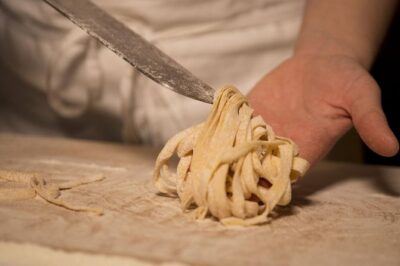
3 in 1 Cooking Class near Navona: Fettuccine, Ravioli & Tiramisu
Read our review →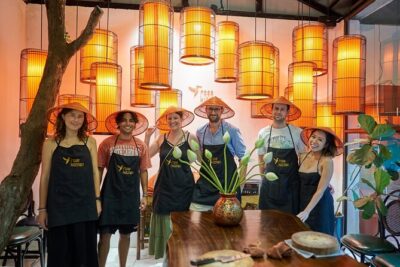
Hanoi Cooking Class: Culture, Local Market & Meaning CSR Impact
Read our review →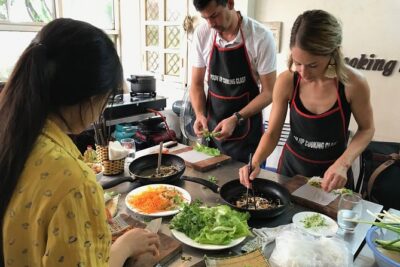
5 Traditional Dishes Hanoi Cooking Class with Market Trip
Read our review →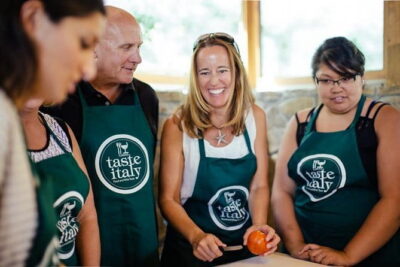
Cooking Class and Lunch at a Tuscan Farmhouse with Local Market Tour from Florence
Read our review →
Chiang Mai: Cooking Class, Market & Thai Herbs Garden Tour
Read our review →Browse the lists this tour appears in