
Review · HOME
Home Cooking Class by Auntie K
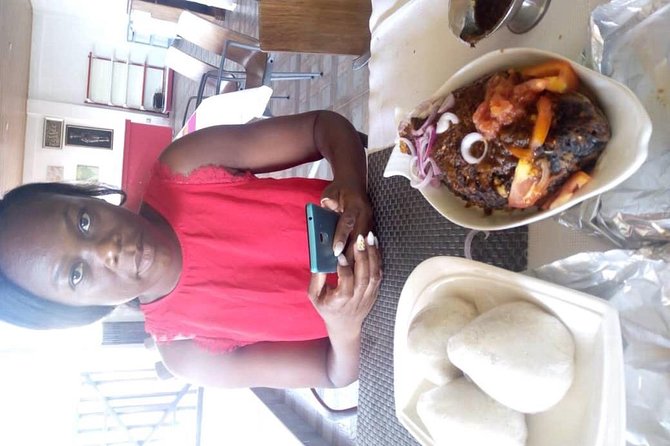
Ghanaian cooking gets personal here: you work in Auntie K’s home, prepare local dishes, and then sit down together to eat. The optional market visit gives you a useful look at everyday ingredients, while charcoal cooking and hand-ground spices add a traditional touch. This is less like a polished cooking studio and more like being welcomed into a family kitchen.
I like the personal, private format, since your group sets the pace and can discuss spice levels or dietary needs. I also like the food itself: jollof rice, kelewele, grilled fish, chicken, goat soup, fufu, banku, okra stew, and other dishes may appear depending on the menu.
The main caution is that the hands-on element can vary. Some sessions involve plenty of chopping, seasoning, sorting beans, and pounding fufu. Others have felt more like a demonstration, with Auntie K doing most of the cooking. Ask about the day’s menu and your role before booking.
Key points to know before you book
- Cook in a real Accra home: The class takes place at Auntie K’s home, sometimes outdoors in a front yard rather than in a formal teaching kitchen.
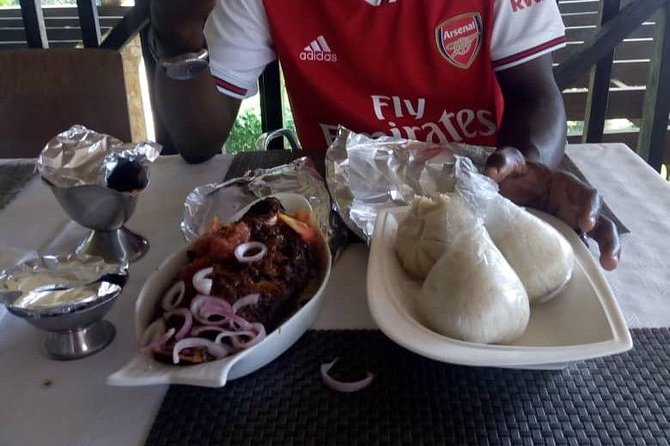
- Expect a large Ghanaian meal: Jollof rice, kelewele, soup, fufu, grilled fish, chicken, and vegetables have all featured in different sessions.
- The market visit is optional: You may shop for ingredients before cooking, an appealing extra if you want more contact with daily Accra life.
- Traditional methods are part of the lesson: You may grind spices with a pestle and mortar and cook over a charcoal stand.
- Plan on three to six hours: The pace depends on the menu and group size, so do not schedule a tight afternoon afterward.
- The price reflects time and food: At $89 per person, this is good value if you want a long, private food experience, but less so if you expect a tightly structured professional cooking school.
Cooking Ghanaian food in Auntie K’s home
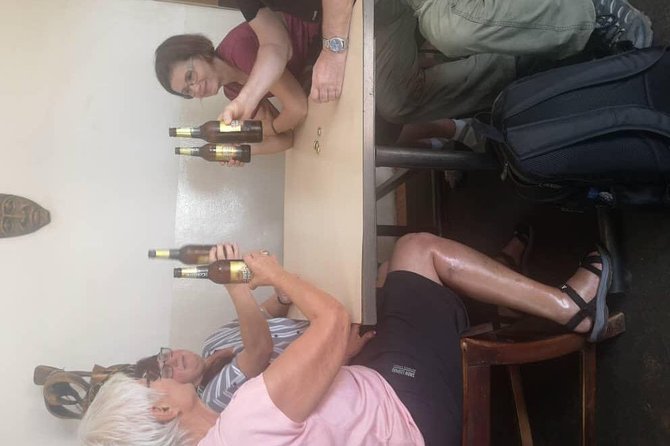
The appeal begins with the setting. You meet at Club 69 on La Crescent in Accra’s Osu area, then take part in a private session connected with Auntie K and her family. The atmosphere is informal and social, with Auntie K, relatives, assistants, and sometimes other people moving through the home or yard.
That informality is part of the charm. You are not standing in a staged studio with identical workstations. You are seeing how food is prepared in a Ghanaian household, with conversation and family warmth mixed into the lesson.
It also creates the experience’s biggest uncertainty. A few people have expected every dish to be prepared by the group, step by step, only to find themselves watching Auntie K cook. If active participation is important to you, confirm what you will personally prepare before the class begins.
The private format helps. Only your group takes part, so you can ask questions without competing with a large crowd. Auntie K and her assistants, including Deborah, Auntie Mary, Nicole, and members of her family, have helped with different sessions. The exact team may vary, but the family-led character is central to the experience.
More Home Cooking Classes in the world:
- Khmer Cooking Class at a Local’s Home in Krong Siem Reap
★ 5.0 · 2,731 reviews - Local Home Korean Cooking Class & Market Adventure in Seoul
★ 5.0 · 1,024 reviews - Marrakech: Moroccan Cooking Class with a Local Family
★ 4.9 · 668 reviews
The optional market visit in Accra
You can arrange to meet at the market and help buy the ingredients before heading into the cooking session. This is not required, but I consider it one of the better additions if you want to understand the food beyond the finished plate.
At a market, ingredients are not just items on a recipe card. They connect the cooking to daily life in Accra. You get a chance to see what goes into the meal, ask about local produce, and understand how a menu is built from what is available.
The market option also changes the timing. The session may already run from three to six hours, and a shopping stop can make the day longer. That is not a problem if you are treating this as a main activity, but it matters if you have a museum visit, beach plan, or airport transfer later.
The description says the ingredients may be bought for the cooking class, and one account describes shopping for the meal at the market before cooking. Since the visit is optional, confirm the meeting plan when you book. Do not assume it is included in the $89 price or automatically part of every departure.
What you may cook: jollof, kelewele, and more
The menu is not presented as one fixed set of dishes. That is useful for a private class, since it leaves room for dietary requests and group preferences. It also means you should not book expecting one guaranteed list of recipes.
Jollof rice is a likely highlight. Ghanaian jollof is cooked with seasoned rice and a tomato-based mixture, and it is one of the dishes most closely associated with the class. You may also prepare kelewele, spicy seasoned plantains that are sweet, hot, and deeply satisfying.
Other meals described from the experience include:
- Goat soup with fufu
- Grilled chicken
- Grilled or fried fish
- Sauteed vegetables
- Banku
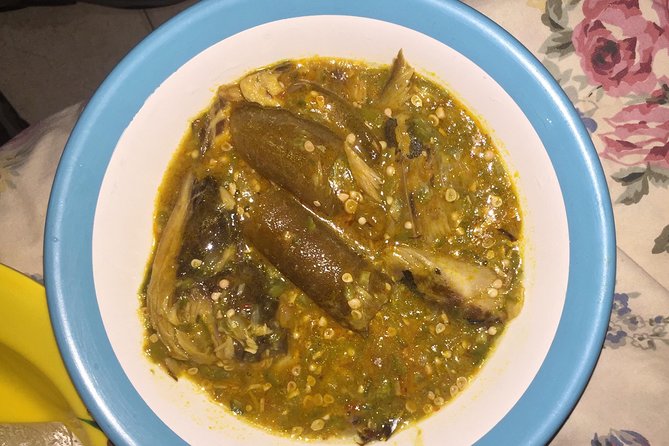
- Okra and fish stew
- Fried turkey wings
- Soup and dessert
The range matters. This is not simply a rice lesson followed by a small tasting plate. You may end up with several dishes and a generous lunch. Bring a serious appetite. Portions have been described as plentiful, and there may be enough to take back for later.
The menu can also be adjusted. Auntie K has prepared lower-spice meals and accommodated dietary restrictions for different groups. Still, you should communicate your needs in advance. Ghanaian food often gets its character from peppers, seasoning, stock, and cooking fats, so a dietary request may affect preparation from the start.
Pestle, mortar, charcoal, and real work
The most distinctive part of the class is the method. Instead of relying only on a blender, you may grind vegetables and spices with a pestle and mortar. That takes more effort, but it shows how texture and flavor are built by hand.
Cooking over a charcoal stand adds another layer. You may need to help manage the heat, and the pace is slower than using a modern indoor stove. One account specifically describes using a fan with the charcoal stand, which gives you a sense of the practical work involved.
Fufu can also be physical. Rolling and pounding it is not a quick garnish task, and one menu description warns that you need to roll up your sleeves. If you want a passive food tour, this may feel like too much work. If you want to understand how a traditional dish is made, it is exactly the sort of task that makes the meal memorable.
The class can also teach skills beyond the listed recipes. Seasoning techniques, ginger preparation, spice combinations, and general kitchen habits come up during the cooking. Take notes if you hope to recreate the dishes at home. At least one person returned home and successfully made the fried turkey wings, which suggests the lessons can be practical when you pay attention.
More Hands-On Workshops in the world:
- Half-Day Thai Cooking Class at Organic Farm in Chiang Mai
★ 5.0 · 19,087 reviews - Florence: Pasta Cooking Class with Unlimited Wine
★ 4.9 · 10,285 reviews - 3 in 1 Cooking Class near Navona: Fettuccine, Ravioli & Tiramisu
★ 5.0 · 7,376 reviews - Florence: Pasta & Tiramisu Cooking Class with Unlimited Wine
★ 4.9 · 6,708 reviews
A cooking class or a cooking demonstration?
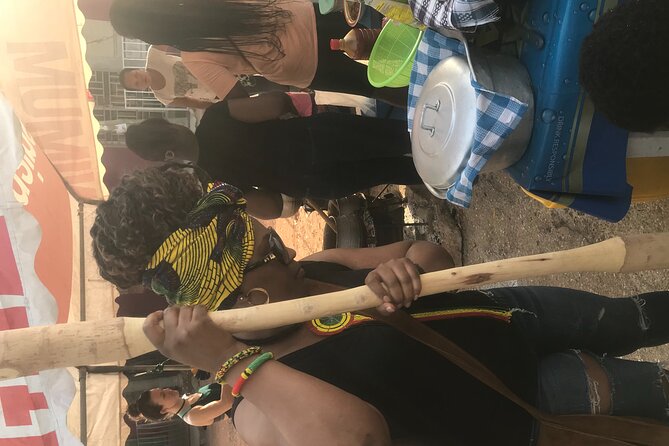
This is the most important question to settle before paying. The activity is described as hands-on, and some sessions clearly are. You may peel vegetables, chop ingredients, sort beans, prepare food, pound fufu, season meat, and help with the final cooking.
But the experience is not always equally active. In some sessions, the group has mainly watched Auntie K prepare the dishes after doing limited prep work. That does not make the food or hospitality less worthwhile, but it changes what you are buying.
I would think of this as a flexible home cooking experience rather than a formal culinary course. You are likely to learn by watching, asking questions, handling ingredients, and joining in where appropriate. You are not guaranteed a personal burner, printed recipe packet, or carefully divided station.
If you want detailed instruction for every recipe, ask three questions ahead of time:
- Which dishes will we make?
- What steps will participants do themselves?
- Will recipes or measurements be provided?
Those answers will help you decide if the format suits you. The class is a strong choice for cultural contact, food, and conversation. It may disappoint someone who wants a technical lesson with precise quantities and total control of every pot.
The meal is the payoff
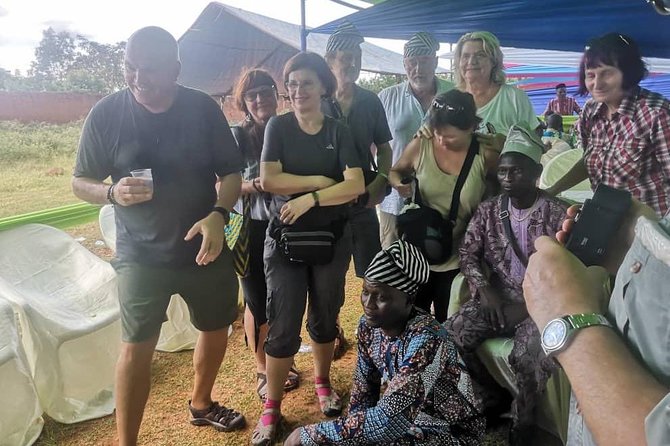
After the work, you sit down to eat what the group has prepared. Lunch is included, and the meal is a central part of the experience, not a small sample at the end.
This shared table is where the class feels most like a home visit. You have spent time preparing the food, so the jollof, plantains, fish, soup, or stew carry more meaning than dishes ordered from a restaurant menu. Conversation continues while you eat, and the host’s warmth is as important as the recipes.
The food has received especially strong praise. Kelewele is a recurring favorite, and the jollof rice is often singled out. The meal can be generous enough that you may want to avoid a large breakfast beforehand.
The lunch also makes the price easier to assess. You are paying for several hours of hosting, ingredients, instruction, cultural conversation, and a substantial meal. At $89 per person, it is not the cheapest way to eat in Accra. But for a private half-day activity with food included, it compares well with other personal experiences, especially if your group values time with a local family.
The value drops if you only want a quick tasting or if you spend most of the session sitting and watching. In that case, a restaurant meal plus a shorter food walk may suit you better.
Timing, meeting point, and practical details
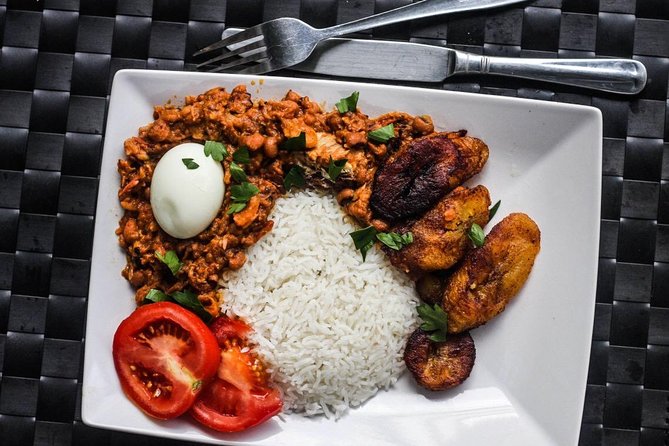
The stated duration is about five hours, but the actual range is three to six hours. A small menu, a prepared kitchen, and an efficient group may keep things moving. A larger group, a market visit, or a slower cooking pace can extend the day.
The listed meeting point is Club 69, Osu La Crescent, Accra. The activity returns to the meeting point at the end. Public transportation is nearby, and mobile tickets are accepted.
The listed operating hours are Monday through Saturday, from 9:00 AM to noon, for the stated availability period. Because the class itself may continue for several hours, confirm the precise start time and meeting instructions before setting out.
This experience requires good weather. That matters because some of the cooking may happen outdoors, including charcoal cooking in a yard. If poor weather cancels the activity, you are offered another date or a full refund.
Service animals are allowed. The experience is private, so only your group participates, although the home setting may include normal household activity and people coming and going. That is worth knowing if you are looking for a quiet, polished venue.
Free cancellation is available up to 24 hours before the start time. Changes or cancellations made less than 24 hours ahead are not accepted for a refund.
Who will enjoy this Accra cooking experience
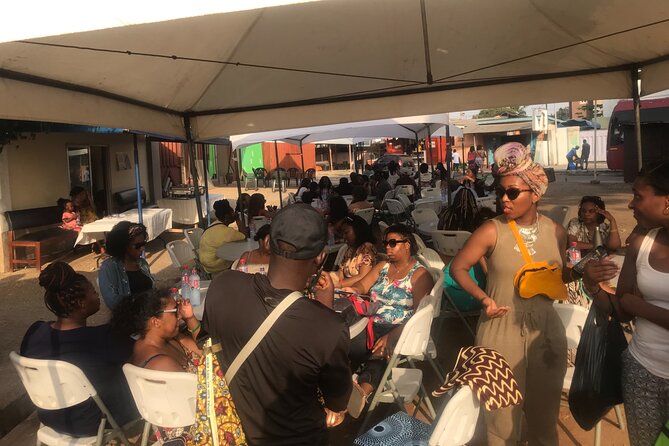
I would recommend this to you if food is one of the main reasons you travel. It suits solo visitors, couples, families, and small private groups who enjoy conversation and do not mind a relaxed pace.
It is also a good fit if you want to learn about Ghana through everyday cooking rather than a formal lecture. The spices, cooking methods, dishes, family setting, and market option all give you useful cultural context without separating food from daily life.
Families may appreciate the warm, informal atmosphere, though the time commitment and charcoal cooking could be tiring for young children. People with dietary restrictions should contact the host in advance, since adjustments are possible but need planning.
I would hesitate if you want a sleek cooking school, fixed recipes, exact timings, or a guarantee that every participant will cook every dish. I would also avoid placing this on a day when you have a hard evening deadline. The pace can be leisurely, and good food may take longer than expected.
Should you book Auntie K’s cooking class?
Book it if you want a generous Ghanaian meal, personal contact, and a home setting where cooking is tied to conversation and family life. The best version of the experience includes a market visit, active prep, charcoal cooking, hand-ground spices, and a long meal at the end.
Before booking, confirm the menu, market plan, and how hands-on your group will be. That one conversation can prevent the main disappointment. At $89, this is a fair choice for a private half-day in Accra, particularly when you value authenticity and a substantial meal more than polished instruction.
If that sounds like your kind of afternoon, Auntie K’s class is a strong addition to an Accra visit. Come hungry, leave room in your schedule, and be ready to work a little.
FAQ
Where does the cooking class meet?
The listed meeting point is Club 69 Osu La Crescent, La Crescent, Accra, Ghana. The activity ends back at the meeting point.
How long does the experience last?
The class usually takes between three and six hours, with an approximate stated duration of five hours. The exact length depends on the group size, menu, and pace.
Is the market visit included?
The market visit is optional. You may meet up and shop for ingredients before the cooking class, but you should confirm the arrangement when booking.
What food might I cook?
Possible dishes include jollof rice, kelewele, soup, dessert, goat soup with fufu, grilled chicken, fish, sauteed vegetables, banku, okra and fish stew, and fried turkey wings. The menu can vary.
Is the class private?
Yes. This is a private activity, and only your group participates.
Can dietary needs be accommodated?
Dietary requests have been accommodated, including lower spice levels and different dietary restrictions. Share your needs before the class so the menu can be planned properly.
What happens if I need to cancel?
You can cancel at least 24 hours before the start time for a full refund. Cancellations or changes made less than 24 hours ahead are not accepted for a refund. If poor weather causes the activity to be canceled, you are offered another date or a full refund.
Just added around the world
- Private Cape Malay Cooking Class in Cape Town with a Local Family★ 5.0 · 24 reviews
- Private Moroccan Cooking Class in Casablanca with a Local Expert★ 5.0 · 12 reviews
- Cooking Class and Wine Pairing in Capri★ 5.0 · 57 reviews
- South African Cooking in Cape Town with Local Chef Richard★ 4.5 · 10 reviews
- Langa Township and Bokaap Cooking Class Half Day Tour★ 5.0 · 4 reviews
- Private Authentic Mexican Cooking Class in Cancun with Alberto★ 5.0 · 3 reviews
- Private Authentic Cape Malay Cooking Class in Manenberg with Locals★ 5.0 · 5 reviews
- Cape Town Shore Excursion| South African Cooking & Port Transfers★ 5.0 · 3 reviews
Home Cooking Classes, compared.
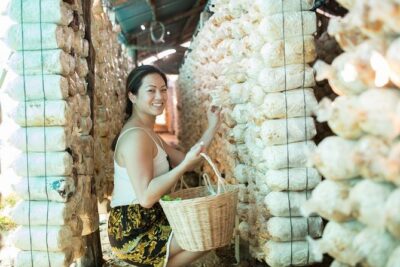
Khmer Cooking Class at a Local’s Home in Krong Siem Reap
Read our review →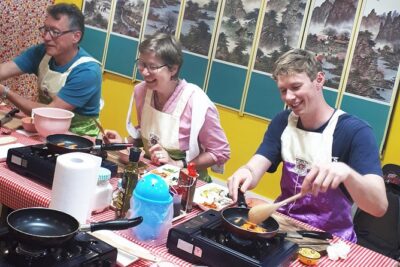
Local Home Korean Cooking Class & Market Adventure in Seoul
Read our review →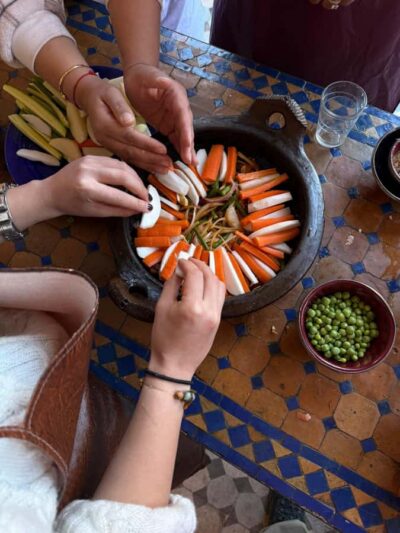
Marrakech: Moroccan Cooking Class with a Local Family
Read our review →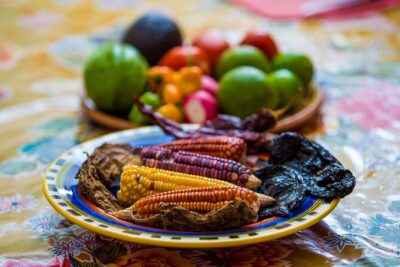
Mexican Cooking from Scratch in a Local Home in Tulum
Read our review →
Pastamama, Home Cooking Classes at Grace’s Home
Read our review →
Marrakech: Moroccan Cuisine Cooking Class in Local Home
Read our review →
Hoi An: Traditional Cooking Class & meal with Local Family
Read our review →
Browse the lists this tour appears in