
Review · ITALY
Cagliari: Cooking Class
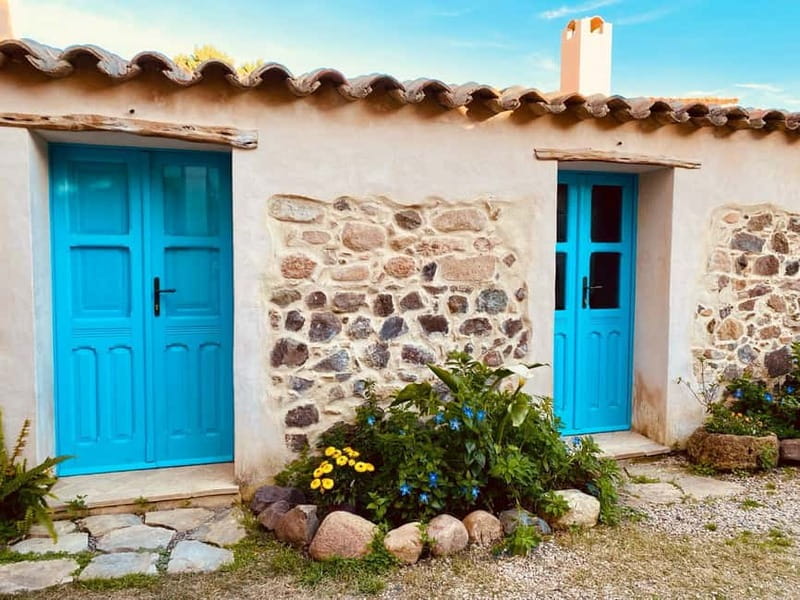
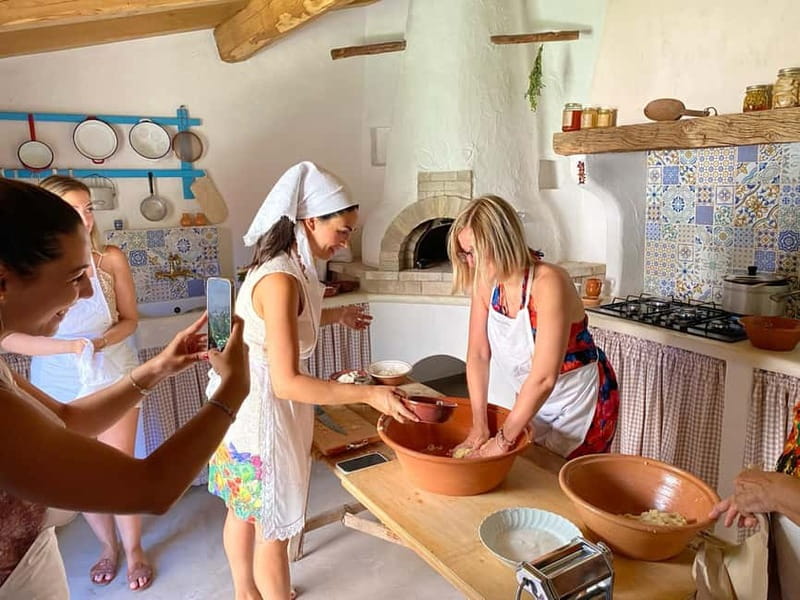
The best part of this Sardinian cooking class is its setting: you work inside a typical Campidanese house, not a hotel kitchen or a large school. You’ll prepare culurgiones, malloreddus, and local sweets, then eat what you made with wine and stories about Sardinian food and family life. I especially like the private format and the seasonal menu, which keeps the meal tied to what is available locally.
I also like that the class is built around a real family visit rather than a quick demonstration. The main consideration is timing: the standard schedule runs from 10 am to about 1 pm, but the listed duration can range from three to eight hours. Children under three and people with gluten intolerance cannot join, so check those points before booking.
Key points to know before booking
- Traditional home setting: Cook and eat in a Campidanese house near Pula.
- Private group format: The class is reserved for your family or group, making it more personal than a shared food tour.
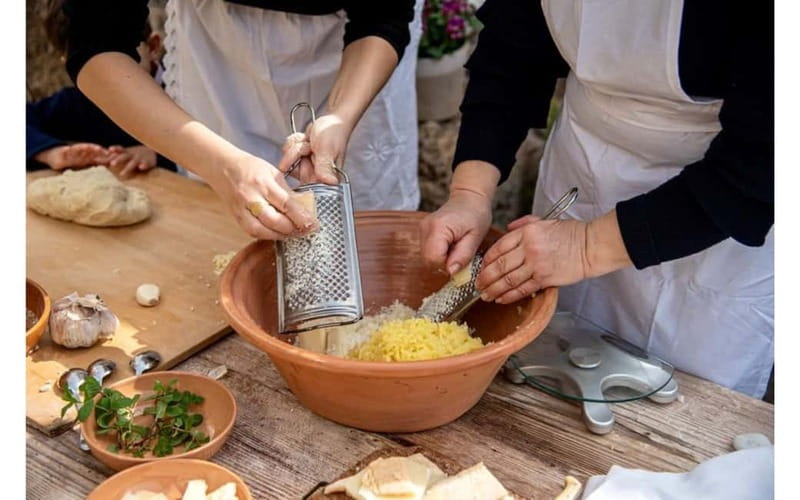
- Hands-on Sardinian dishes: Prepare pasta such as culurgiones and malloreddus, along with traditional sweets.
- Seasonal lunch: The menu changes with the seasons and local market supply.
- Optional pickup: Hotel pickup and return are available from Cagliari or Chia when you choose the pickup option.
- Languages and flexibility: Hosts can welcome you in English, Italian, Spanish, French, or Portuguese.
Cooking Sardinia in a Campidanese home
This experience gives you a useful look at Sardinian food through the work that goes into it. You are not simply served a plate of pasta and told its name. You help shape the dough, prepare the meal, and sit down to eat it with the people hosting you.
The setting matters. Campidanese homes are tied to the agricultural plain around southern Sardinia, and the house gives the class a sense of place that a modern cooking studio cannot easily copy. You should expect a domestic environment with the warmth and small quirks of a family home, rather than a polished restaurant classroom.
The class is private, so you do not have to keep pace with a room full of strangers. That works well for couples, families with older children, or a small group of friends who want to ask questions and take their time. It also lets the hosts shape the pace around your group, though the basic plan remains a morning of cooking followed by lunch.
The activity provider is Bitan Daily Tours. No individual host names are provided, so you should not expect a named chef-led workshop. The emphasis is on the household, the food, and the conversation rather than on a celebrity instructor.
More Hands-On Workshops in Italy:
- Florence: Pasta Cooking Class with Unlimited Wine
★ 4.9 · 10,285 reviews - 3 in 1 Cooking Class near Navona: Fettuccine, Ravioli & Tiramisu
★ 5.0 · 7,376 reviews - Florence: Pasta & Tiramisu Cooking Class with Unlimited Wine
★ 4.9 · 6,708 reviews
From dough to culurgiones and malloreddus
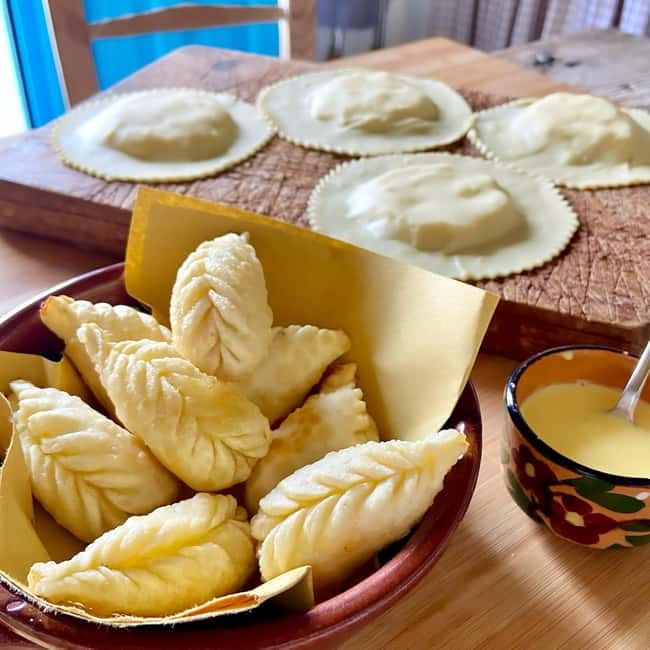
The cooking centers on fresh pasta, with culurgiones and malloreddus named as examples. These are two good choices for a Sardinian class because they show different sides of the island’s pasta tradition.
Culurgiones are filled pasta, often recognized by their carefully sealed, decorative edge. Making them takes more handwork than simply cutting ribbons of dough. You will likely spend time learning how to portion, fill, fold, and close each piece. The shapes may not come out perfectly, and that is part of the fun. One account of the class describes pasta shapes that looked more like dinosaurs than corn ears, a reminder that the kitchen welcomes enthusiasm more than precision.
Malloreddus are small ridged pasta pieces, often associated with southern Sardinia. Their shape gives sauce something to cling to, and forming them by hand helps you understand why handmade pasta feels different from a packet bought at a shop.
The exact menu is not fixed. The lunch changes with the seasons and what is available at the local market. That is a plus if you want food that reflects the time of year, but it means you should not book expecting a guaranteed list of every dish. Culurgiones and malloreddus are named possibilities, not a promise that both will appear at every session.
The class also includes traditional Sardinian sweets. Pane e Saba receives a special mention in one account of the meal. This sweet preparation is made with cooked grape must, and it gives the class a chance to move beyond pasta into Sardinia’s less familiar dessert traditions.
A three-hour morning with lunch at 1 pm
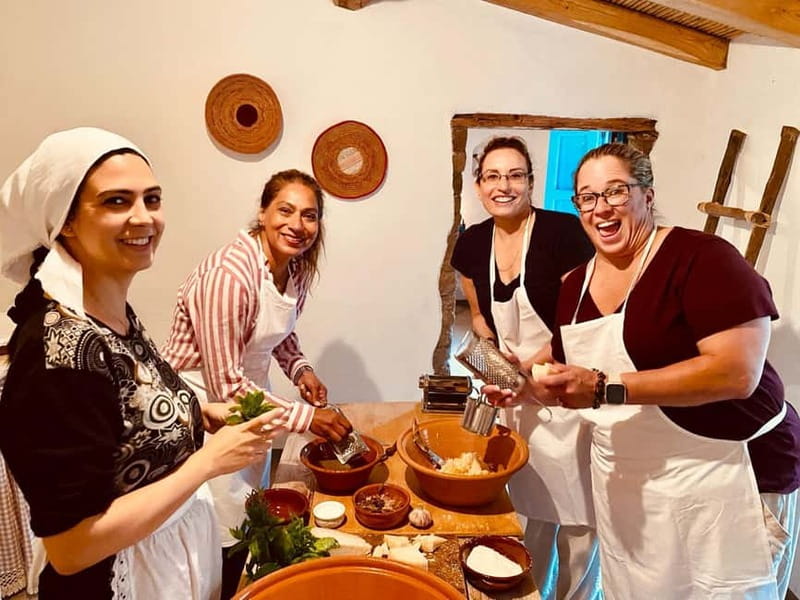
The regular rhythm begins at 10 am. The cooking portion leads into lunch at around 1 pm, when you eat the dishes you have prepared with wine and conversation. For most people, this makes a satisfying half-day plan rather than a quick activity squeezed between sightseeing stops.
The three-hour schedule is long enough for a proper meal but short enough to fit into a day near Pula or Cagliari. If your booking shows a longer duration, check the available time and transfer details carefully. The published duration can range from three to eight hours, so the total time may depend on the selected option and pickup arrangements.
I would avoid scheduling another fixed appointment immediately afterward. Cooking classes often run on kitchen time, and a private home meal is better enjoyed without watching the clock. The food is part of the experience, but so are the stories and the unhurried conversation around the table.
Wine and food are included. That improves the value because the meal is not an extra cost at the end of the class. It also means you should think of the booking as a food-and-culture outing, not just a lesson in pasta technique.
Why the private format changes the experience
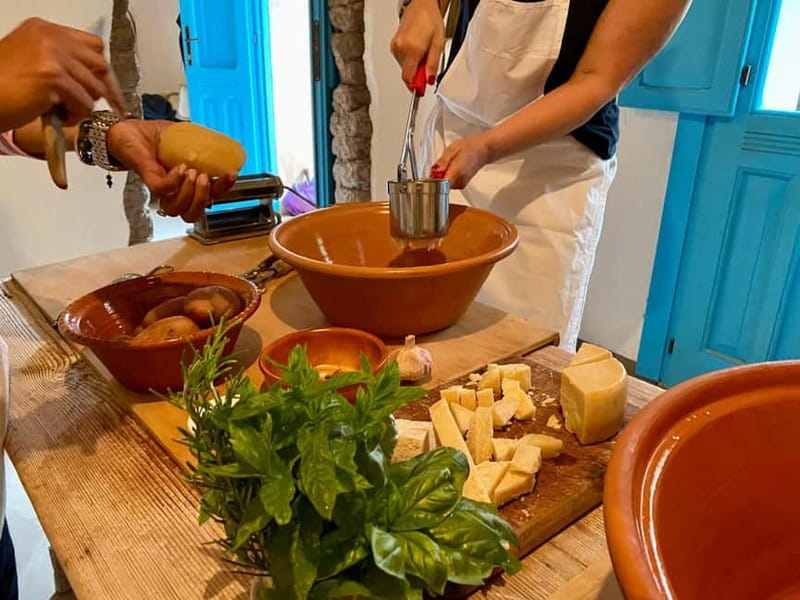
A private group is the main reason to consider this class over a standard cooking school. You share the experience only with your own family or friends, which can make the kitchen work less intimidating. You can ask basic questions, repeat a technique, or laugh at uneven pasta without feeling watched by a large class.
The format also suits people who want conversation. The hosts share stories about their heritage while you cook and eat. That human element is one of the strongest parts of the experience, especially if you are looking for a connection to Sardinian life rather than a formal recipe lesson.
There is a practical tradeoff. Private activities generally offer less of the social mix you get in a shared class. If meeting other visitors is important to you, this will feel more contained. If you prefer a quiet outing with your own group, the same feature becomes a clear advantage.
The class is best for people who enjoy participating. You should be ready to handle dough, shape pasta, and follow guidance in the kitchen. If you only want to sit back and sample local food, a food tasting may suit you better.
A few more cooking classes around Italy worth a look
- Florence: Pasta Cooking Class with Unlimited Wine
★ 5.0 · 6,413 reviews - Cooking Class and Lunch at a Tuscan Farmhouse with Local Market Tour from Florence
★ 5.0 · 4,831 reviews - Rome Cooking Class: Make Pasta and 3 Spritz Cocktails
★ 5.0 · 2,937 reviews - Rome: 3-in-1 Fettuccine, Ravioli, and Tiramisu Cooking Class
★ 4.9 · 2,704 reviews
Meeting in Pula, with pickup from Cagliari or Chia
The host is in Pula, and the meeting instructions are sent through WhatsApp after you provide your number. That makes it important to use a number you will check during your Sardinia trip. The exact directions are not fully listed in advance, so do not wait until the last moment to confirm how you will reach the house.
Pickup is optional. Hotel pickup and return are included only when you select the pickup option, with service listed for Cagliari or Chia. If you choose pickup, wait in your hotel lobby ten minutes before the scheduled time.
If you arrange your own way to Pula, the activity ends back at the meeting point. This is worth noting when planning a car day or connecting it with other stops. The experience is not described as a city-center Cagliari activity, so allow time for the trip to Pula and confirm the meeting details before setting your schedule.
The location can be a strength if you are staying near Pula or exploring the southern coast. It is less convenient if you are based elsewhere in Sardinia and have only a short window. The optional transfer helps, but you should still check the pickup choice and total duration when booking.
Seasonal food and the value of the meal
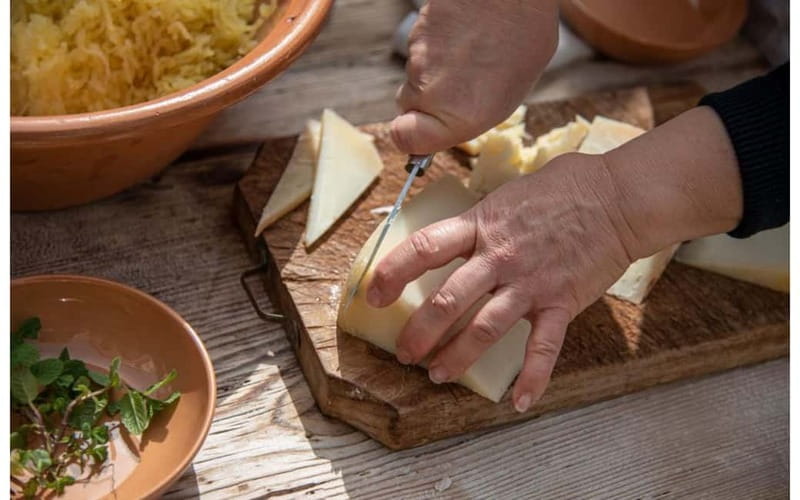
The changing menu is more than a nice phrase. It means your lunch depends on the season and local market supply, so the class can offer a fresher sense of place than a fixed menu used all year. You may find that the dishes differ from one visit to another.
That flexibility has one drawback: you cannot plan around a specific dessert or pasta shape unless the host confirms it. I see this as a fair exchange for food that follows local availability, but it matters to anyone booking because of one particular dish.
The value comes from several parts bundled together: instruction, ingredients, the cooking activity, lunch, drinks, private hosting, and the home setting. No price is provided here, so I cannot judge the exact cost. As a general decision, the experience makes the most sense when shared by a couple, family, or small group that values a private meal and personal attention. A solo visitor may find the private pricing harder to justify unless the intimate setting is the main goal.
You also avoid paying separately for a restaurant meal that may not include any explanation. Here, the food becomes part of the lesson, and the hosts’ stories add context that a standard lunch would not provide.
What the food stories add
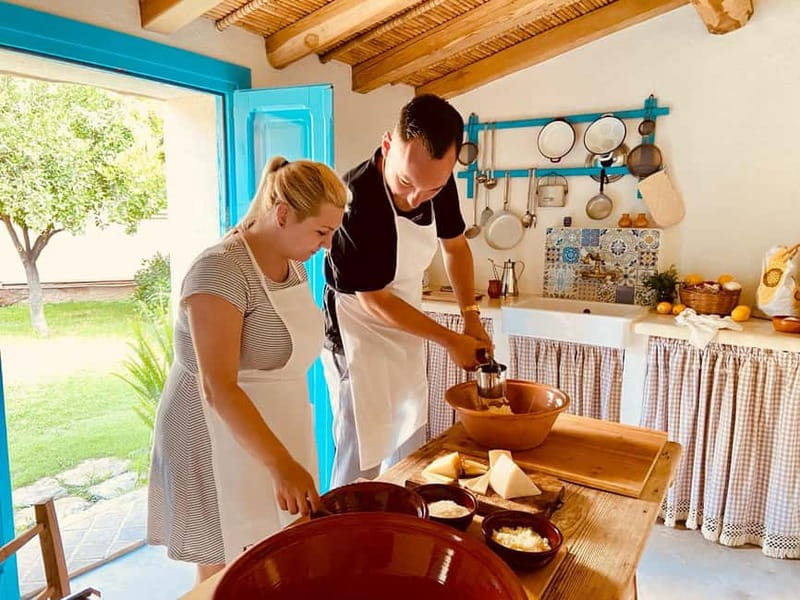
The cooking is not presented as a technical course alone. The hosts connect the dishes to Sardinian heritage and the pleasure of eating together. That can be especially meaningful if you have already seen Sardinia’s beaches and archaeological sites and want a closer look at everyday culture.
The mood appears warm and informal. The account describing the class praises the food, atmosphere, company, and stories, while another focuses on the hosts’ love for each other, their heritage, and food. Those details point to an experience led by personal connection rather than a rigid series of cooking demonstrations.
You should still keep expectations sensible. The available information does not promise a farmhouse tour, a market visit, a recipe booklet, or a professional kitchen certificate. The known experience is focused: come to the home, cook pasta and sweets, eat lunch, drink wine, and hear stories.
That focus is a strength. You are less likely to spend the day moving between several arranged stops, and more likely to spend real time with the people hosting you.
Who should book this Sardinian cooking class
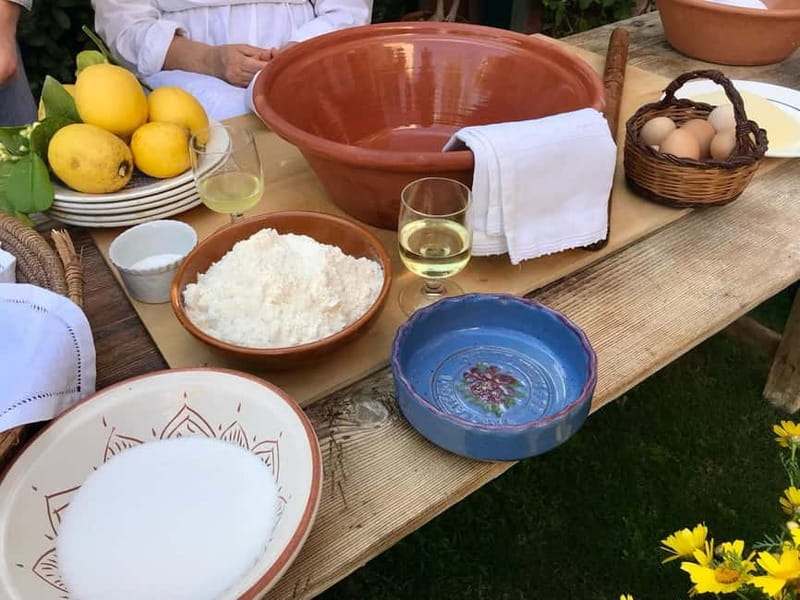
I would recommend this for couples, families with children over three, and small groups of friends who want a private cultural activity near Pula. It is also a good choice for anyone who considers food one of the best ways to understand a place.
The class suits you if you enjoy hands-on work and do not need every dish to be announced in advance. It is particularly appealing if you want to learn fresh pasta shapes and then eat the result in the same home.
I would be cautious if you have gluten intolerance. The experience is listed as unsuitable for people with gluten intolerance, even though other dietary restrictions and allergies may be accommodated when you notify the host at booking. You should provide those details early rather than assume a change can be made on the day.
It is also not suitable for children under three. Younger children may find a several-hour cooking session difficult even apart from the formal age restriction.
The language range is helpful for international visitors. Hosting is available in English, Italian, Spanish, French, and Portuguese, giving many groups a comfortable way to follow the instructions and talk with the family.
Cancellation and planning details
You can cancel up to 24 hours before the activity for a full refund. After that deadline, bookings cannot be changed or canceled, including for health reasons, so check your plans before the cutoff.
Pets are not allowed. The activity is private, and pickup is optional, so make sure your booking reflects the group size and transport choice you actually need.
The class has a top rating from seven submitted ratings, with the strongest praise focused on the food, atmosphere, charming hosts, beautiful setting, and the stories shared over the meal. The repeated practical message is simple: the cooking is enjoyable, but the personal welcome is what makes the time feel special.
Should you book it?
Book this class if you want a personal Sardinian food experience rather than a standard restaurant meal or a large cooking workshop. The Campidanese house, private format, handmade pasta, seasonal lunch, wine, and family stories give you several hours of direct contact with local life.
Skip it if you need a guaranteed menu, dislike hands-on cooking, have gluten intolerance, or are staying far from Pula without enough time for the journey. For everyone else, especially a small group near Cagliari, Chia, or Pula, this looks like a thoughtful way to spend a morning and lunch in Sardinia.
FAQ
Where does the cooking class take place?
The class takes place in a typical Campidanese house in Pula, Sardinia.
How long does the experience last?
The listed duration ranges from three to eight hours. The standard cooking schedule begins at 10 am, with lunch around 1 pm. Check the available option for the exact timing.
What food will I prepare?
The class includes fresh pasta and traditional Sardinian sweets. Possible pasta dishes include culurgiones and malloreddus, but the menu changes with the seasons and local market offerings.
Is lunch included?
Yes. You eat the food prepared during the class, and food and drinks are included.
Is wine included?
Yes. Wine is included with the meal.
Is the class private?
Yes. The activity is arranged for a private group, such as your family or personal group of friends.
Is hotel pickup available?
Yes, hotel pickup and drop-off are available from Cagliari or Chia when you select the pickup option.
How do I receive the meeting instructions?
You should provide your WhatsApp number. The host will send the information needed to reach the meeting point in Pula.
Can children attend?
Children under three cannot attend. The activity is suitable only for children who meet the age requirement.
Can people with dietary restrictions participate?
The host may accommodate dietary restrictions or allergies if you notify them when booking. The class is not suitable for people with gluten intolerance.
Just added around Italy
- Catania: Private Cooking Class at a Local’s Home★ 4.9 · 9 reviews
- Catania: Cooking class set in a sea front historic villa★ 5.0 · 5 reviews
- Ceglie Messapica: Orecchiette Pasta Making Class with Meal★ 4.8 · 6 reviews
- Cagliari Home Cooking Class: Pasta, Wine & Sardinian Flavors★ 4.9 · 61 reviews
- Cagliari: Pasta Cooking Class with 3-Course Dinner★ 5.0 · 96 reviews
- Cagliari: Sardinian Cooking Class with Meal and Drinks★ 5.0 · 56 reviews
- Bologna: Pasta Secrets Cooking Class with Local Expert★ 4.1 · 8 reviews
- Bologna: Pasta & Tiramisu Cooking Class at a Local’s Home★ 4.9 · 67 reviews
Cooking Classes, compared.
Half-Day Thai Cooking Class at Organic Farm in Chiang Mai
Read our review →
Florence: Pasta Cooking Class with Unlimited Wine
Read our review →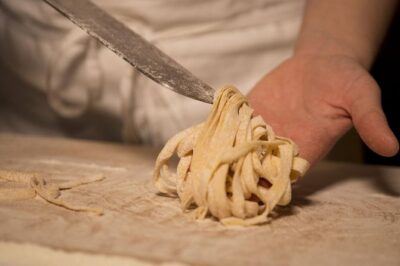
3 in 1 Cooking Class near Navona: Fettuccine, Ravioli & Tiramisu
Read our review →
Hanoi Cooking Class: Culture, Local Market & Meaning CSR Impact
Read our review →
5 Traditional Dishes Hanoi Cooking Class with Market Trip
Read our review →
Cooking Class and Lunch at a Tuscan Farmhouse with Local Market Tour from Florence
Read our review →
Chiang Mai: Cooking Class, Market & Thai Herbs Garden Tour
Read our review →Browse the lists this tour appears in