
Review · COLOMBO
Cooking Class Sri Lanka with Locals
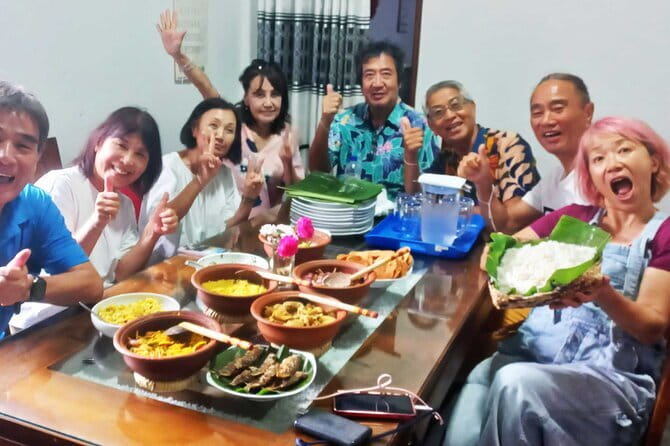
Sri Lankan cooking begins before you reach the stove. With Anu and Danuka, you first visit a local market, choose produce, and learn how everyday ingredients become a family meal. Back at their Colombo home, you cook traditional dishes with coconut and natural spices, then sit down to eat what you made.
I like the market visit, because it gives you a practical way to understand Sri Lankan food instead of simply watching a demonstration. I also like the family setting, with Anu and Danuka joined by Danuka’s mother, turning the class into a personal meal rather than a restaurant lesson.
The main point to consider is transport after the class. Pickup is included, but drop-off is not, so you will need a taxi, Uber, or PickMe from the home. Timing is flexible, but you should confirm the start time when booking.
Key points to know before you book
- A market trip comes first: Shop for fresh fruit and vegetables with your local hosts before cooking.
- You cook in a real Colombo home: Anu, Danuka, and Danuka’s mother lead the class in their family kitchen.
- Coconut is central: You learn why coconut plays such an important role in Sri Lankan food.
- The menu is hands-on: You help prepare traditional dishes rather than only watching a chef work.
- Lunch and dinner are included: The meal is part of the experience, not an extra purchase.
- Pickup is included, drop-off is not: Plan your return ride using a taxi, Uber, or PickMe.
A Colombo food lesson that starts at the market
This four-hour experience offers a useful change from the usual cooking class format. You do not begin with neatly measured ingredients waiting on a counter. You start by going to a local market with your hosts and choosing the produce that will become your meal.
That first stop matters. A market shows you the everyday building blocks of Sri Lankan cooking: fresh vegetables, fruit, coconut, and spices. You can ask how to choose ingredients, see what local shoppers buy, and sample some of the fruit before cooking begins.
I like this approach because it connects the finished dish to the shopping. When you later taste the food, you know where the ingredients came from and why they were selected. It also gives the class a stronger sense of place than a lesson held in a cooking studio designed mainly for visitors.
The market can be busy and practical rather than polished. That is part of the point, but it may not suit you if you prefer a quiet, carefully staged food tour. You should also expect the class to follow local routines, not a strict timetable that runs to the minute.
More Hands-On Workshops in Sri Lanka:
- Ella: Traditional Sri Lankan Cooking Class
★ 4.9 · 788 reviews - Organic cooking class sigiriya (kumara & family)
★ 5.0 · 650 reviews - Sri Lanka Cooking Class with Granny
★ 5.0 · 587 reviews
Choosing ingredients with Anu and Danuka
Anu and Danuka guide the market visit and cooking session. Their role goes beyond giving instructions. They explain how to pick fruit and vegetables and connect the ingredients with the traditions of Sri Lankan food.
This is especially helpful if you are unfamiliar with the produce. You may recognize some items but not know how to judge freshness or how they are used in a home kitchen. The market visit gives you a chance to ask those questions before you start preparing the meal.
The experience also includes time to sample local fruit. That small detail adds variety to the outing and helps you notice the difference between seeing ingredients on a stall and tasting them at their best.
You should not expect a formal culinary course with technical certificates or restaurant-level training. The value is more personal. You are learning how a local family cooks, shops, and thinks about food.
Entering a real local home in Colombo
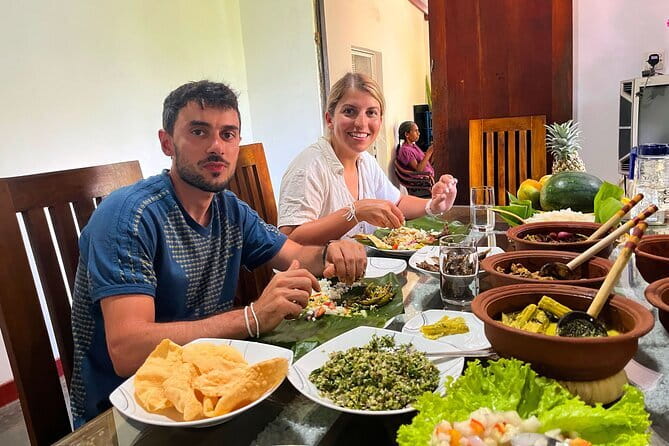
After the market, you go to Danuka’s family home. Anu and Danuka, along with Danuka’s mother, guide you through the preparation of traditional dishes.
The family setting is the heart of the activity. You are not simply standing behind a chef in a commercial kitchen. You are welcomed into a home described as clean and hygienic, with the hosts preparing food in a familiar family environment.
That setting can make the class feel more relaxed and direct. You can ask questions as you work, see how ingredients are handled in an ordinary kitchen, and gain a better sense of food as part of daily life.
A private format is available, meaning only your group participates. This is useful for couples, families, or friends who want to set their own pace. It also gives you more room to ask about ingredients, spice levels, and cooking methods than you might get in a large shared class.
The private format does not mean the experience is silent or formal. It is a home visit as well as a cooking lesson, so you should be comfortable with a more personal style of hospitality.
Why coconut matters so much
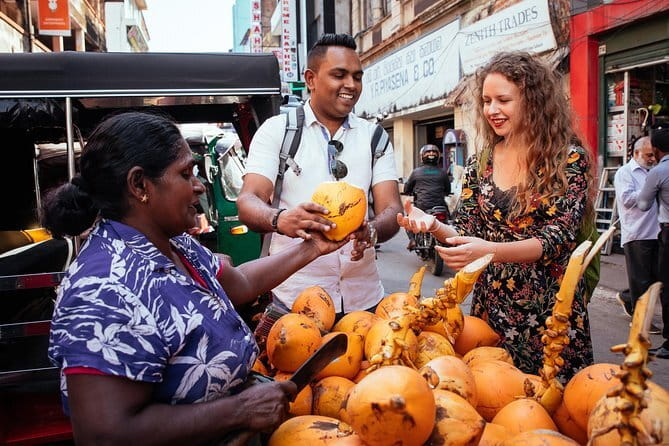
One of the most useful lessons is the role of coconut in Sri Lankan cuisine. The ingredient is not treated as a minor garnish. It can shape the texture, flavor, and character of a dish.
You learn how coconut acts as a foundation for many recipes and why it is often described as the lifeblood of Sri Lankan cooking. That idea helps explain why so many local dishes taste different from similar food elsewhere in South Asia.
The lesson also challenges the idea that more ingredients always create better food. The hosts explain that less can be better, allowing a few fresh ingredients to do the work instead of covering everything with heavy seasoning.
I find that kind of lesson more useful than a long list of recipes. Once you understand the role of coconut and the value of restraint, you can better understand the food you order in Sri Lankan restaurants and the dishes you try to recreate at home.
A few more cooking classes around Sri Lanka worth a look
- Kandy Village Cooking Class
★ 5.0 · 536 reviews - Sea waves sri lankan cooking class
★ 5.0 · 467 reviews - Ella: Sri Lankan Cooking Class with Neranji at Homestay
★ 5.0 · 276 reviews - Ella : Cooking class with amazing Spice Garden Tour
★ 5.0 · 239 reviews
Natural spices and hands-on cooking
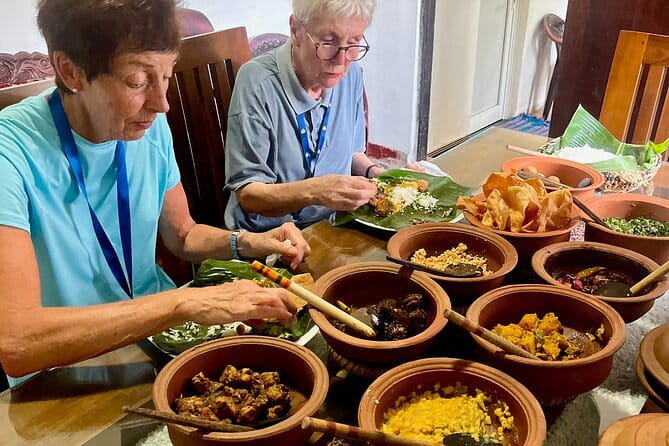
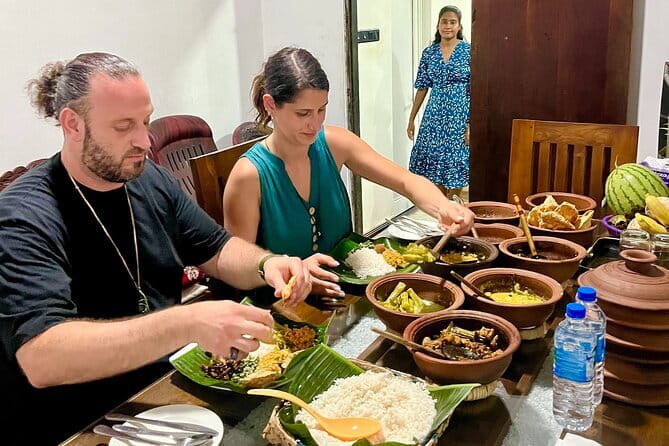
The class focuses on traditional dishes prepared with local spices and no artificial additives. You take part in the process, rather than sitting back while the family does all the work.
The exact menu is not fixed in the information provided, so you should not book expecting a named list of dishes. Instead, expect the food to reflect the available ingredients and the hosts’ traditional cooking style.
That flexibility can be a strength. The market visit gives the hosts a natural way to work with fresh produce, and you get a meal connected to the day’s shopping. It also means you should ask about the planned menu before the class if specific dishes are important to you.
You will likely handle several stages of preparation, from working with vegetables to using spices and coconut. The experience is designed to teach through doing, so wear clothing you are comfortable cooking in and be ready to participate.
The class is suitable for curious beginners because the focus is on local methods and explanation, not prior kitchen training. More experienced cooks may enjoy the chance to compare Sri Lankan techniques with their own.
Lunch, dinner, and the meal you helped make
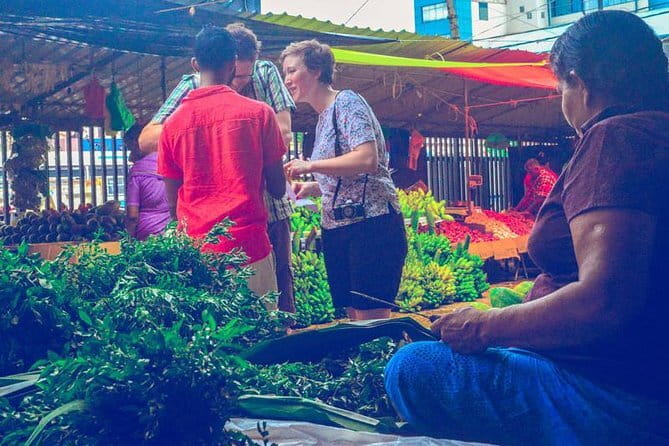
Lunch and dinner are included, although the meal period depends on the time you select. Since clients can choose their preferred timing, you should confirm whether your booking is arranged around lunch or dinner.
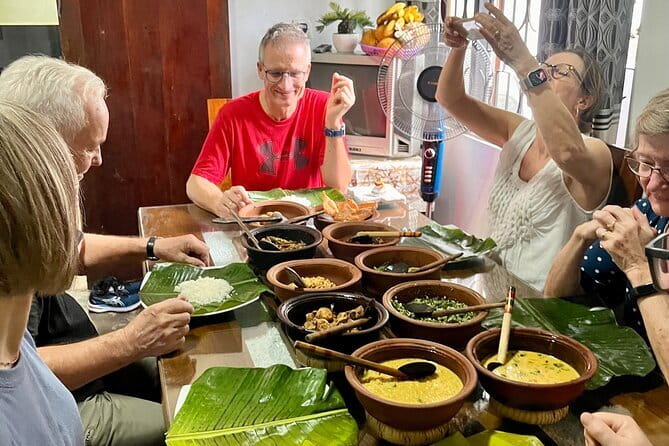
Eating the finished food is an important part of the class. You do not just learn how dishes are prepared and then leave. You sit down to enjoy the meal connected to the work you have done.
This also gives the experience a social quality. Food becomes a reason to talk about family customs, local ingredients, and Sri Lankan culinary traditions. Anu and Danuka can explain the dishes in the context of their home and culture.
The meal may be generous and family-style rather than carefully plated. That is a benefit if you want an authentic home experience, but less so if you are looking for a polished restaurant presentation or a formal tasting menu.
What the $40 price includes
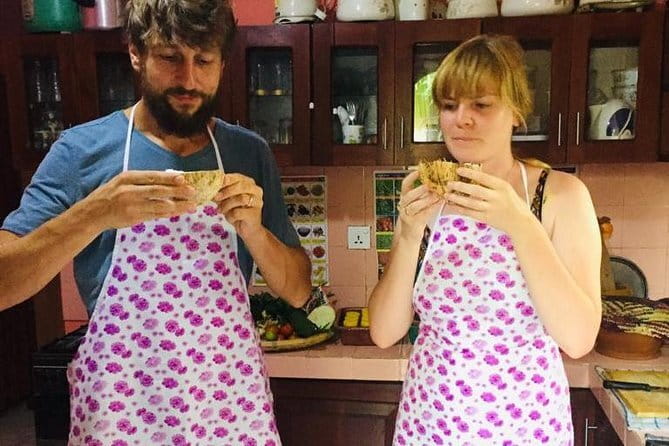
At $40 per person, the experience offers good value if you want more than a cooking demonstration. Your price covers about four hours, the market visit, hands-on instruction, the home meal, and pickup in an air-conditioned vehicle.
Lunch and dinner are both listed as included, which gives the experience practical value for your day. You are paying for food, transport to the activity, instruction, and time with a local family rather than only for kitchen access.
The private format also helps explain the price. Only your group participates, so the class can be more personal and flexible than a large group session. Group discounts are available, making it worth checking the total cost if you are booking with friends or family.
You should remember that the price does not include drop-off. That is a small but important extra step. After the class, you can use a taxi, Uber, or PickMe, and the hosts are happy to help arrange a ride.
Pickup and timing in practical terms
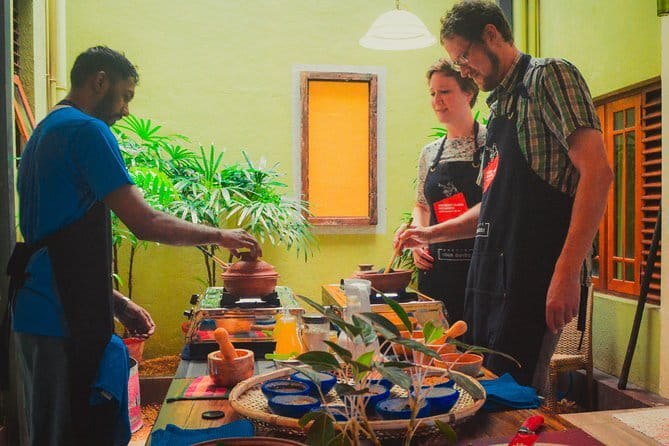
Pickup is offered and is included in the experience. The vehicle is air-conditioned, which is useful in Colombo’s warm weather, especially after walking through a market and spending time cooking.
The class lasts approximately four hours. That is long enough for the market visit, preparation, cooking, and meal without turning the activity into an all-day commitment.
Clients can select their preferred timing for the activity. This flexibility makes it easier to fit the class into a Colombo itinerary, but do not assume every time is automatically available. Confirm the start time when you book.
The home is near public transportation, and mobile tickets are accepted. These details make the activity easy to add to a city stay, even if you do not have a private car.
Who will enjoy this cooking class most
I would recommend this experience to you if food is one of your main ways of understanding a country. The market visit and family kitchen provide more context than a standard class held in a hotel.
It is also a good choice for couples, families, and small groups. A private activity gives you space to work at your own speed and ask questions without competing with a large class.
Beginners should feel comfortable. The focus is on familiar local guidance, fresh ingredients, and hands-on preparation. You do not need to arrive with professional cooking skills.
This may not be the best fit if you want a fixed menu, a formal culinary school atmosphere, or guaranteed transportation back to your hotel. It is also less suitable if you prefer a short tasting stop rather than a four-hour activity.
The experience has a 5 out of 5 rating from 101 reviews, with 100 percent recommending it. Those figures suggest strong satisfaction, particularly with the personal nature of the class, the market visit, and the chance to cook in a real home.
Booking, cancellation, and weather notes
You receive confirmation at the time of booking. Free cancellation is available if you cancel at least 24 hours before the start time.
Cancellations made less than 24 hours in advance are not refunded, and changes inside that period are not accepted. The cut-off follows local time in Colombo, so check the time carefully if you are booking from another country.
The experience requires good weather. If poor weather causes cancellation, you can choose another date or receive a full refund.
Since the timing is flexible, contact Hellow Travel if you need to clarify the pickup point, meal time, menu, or return transport before committing.
Should you book Cooking Class Sri Lanka with Locals?
Book it if you want a personal food experience that connects the market, the kitchen, and the family table. The strongest features are the visit to choose ingredients, the guidance from Anu and Danuka, the role of Danuka’s mother, and the lesson in how coconut shapes Sri Lankan cuisine.
The $40 price is fair for roughly four hours with pickup, food, instruction, and a private group format. Just plan your own ride after the class and confirm the menu and start time in advance.
If you want Sri Lankan food explained through daily life rather than presented as a staged performance, this is a strong Colombo choice. If you prefer a formal cooking school, a fixed menu, or door-to-door transport, choose another activity.
FAQ
How long does the cooking class last?
The activity lasts approximately four hours.
Where does the cooking class take place?
The cooking session takes place in a real local home in Colombo.
Who leads the cooking class?
Anu and Danuka lead the experience, with guidance from Danuka’s mother.
Does the experience include a market visit?
Yes. You visit a local market with the hosts to choose fresh ingredients and sample local fruit.
Are lunch and dinner included?
Yes. Lunch and dinner are listed as included, depending on the timing selected for your activity.
Is pickup included?
Yes. Pickup is included in an air-conditioned vehicle.
Is drop-off included?
No. Drop-off is not included. You can use a taxi, Uber, or PickMe, and the hosts can help arrange it.
Is this a private activity?
Yes. Only your group participates.
Can I cancel for a full refund?
Yes, if you cancel at least 24 hours before the experience starts. Poor-weather cancellations offer a different date or a full refund.
Just added around Sri Lanka
- Galle: Cooking Class at a Local Home and Market Tour★ 5.0 · 47 reviews
- Vegan Cooking Class Colombo with Market Tour★ 5.0 · 9 reviews
- Private Traditional Sri Lankan Cooking Class in Kandy with Hotel Transfers★ 5.0 · 115 reviews
- Sri Lanka Cooking Class with Granny★ 5.0 · 587 reviews
- Cooking With Village Family★ 5.0 · 104 reviews
- Organic Cooking Class sigiriya home Kitchen(Kumara & family)★ 5.0 · 116 reviews
- Colombo Cooking Class★ 5.0 · 151 reviews
- Market Tour and Hands-On Cooking Class Colombo★ 5.0 · 140 reviews
Cooking Classes, compared.
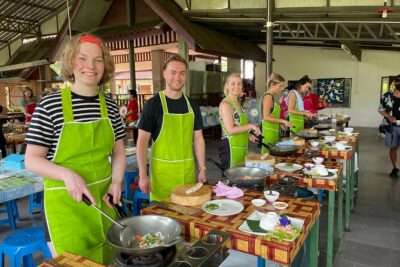
Half-Day Thai Cooking Class at Organic Farm in Chiang Mai
Read our review →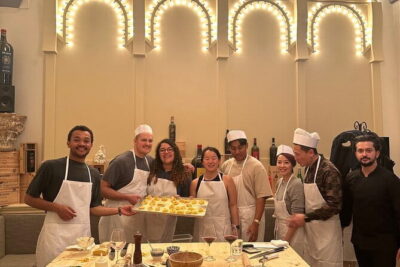
Florence: Pasta Cooking Class with Unlimited Wine
Read our review →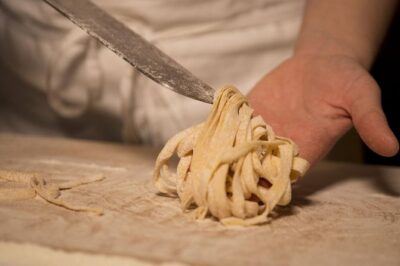
3 in 1 Cooking Class near Navona: Fettuccine, Ravioli & Tiramisu
Read our review →
Hanoi Cooking Class: Culture, Local Market & Meaning CSR Impact
Read our review →
5 Traditional Dishes Hanoi Cooking Class with Market Trip
Read our review →
Cooking Class and Lunch at a Tuscan Farmhouse with Local Market Tour from Florence
Read our review →
Chiang Mai: Cooking Class, Market & Thai Herbs Garden Tour
Read our review →Browse the lists this tour appears in