
Review · SRI LANKA
Ella Sri Lanka Cooking Class Experience
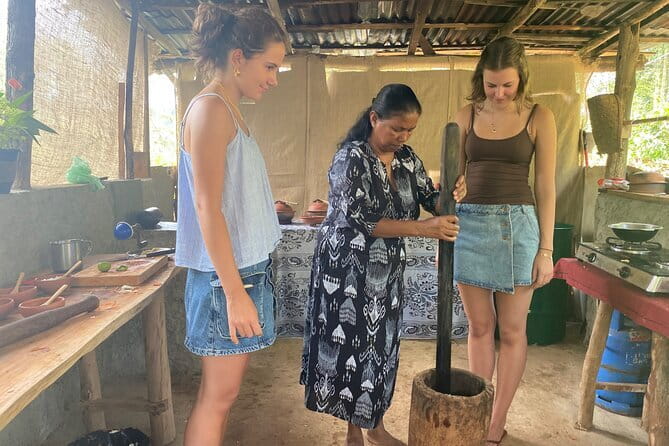
The best part of this Ella cooking class is its setting: you cook in a local family home, using clay pots and a traditional stove, with the hills around you. I like the warm mother-and-daughter team, Irosha and her mum, and the way the class turns everyday ingredients into several proper Sri Lankan dishes. I also like that the recipes are simple enough to try again at home.
The main thing to consider is the food. You may cook and eat a large meal, often several curries with rice and accompaniments, so eat only a small breakfast beforehand. The activity is also not recommended if you have food allergies, and the open-air class depends on good weather.
Key points to know before booking
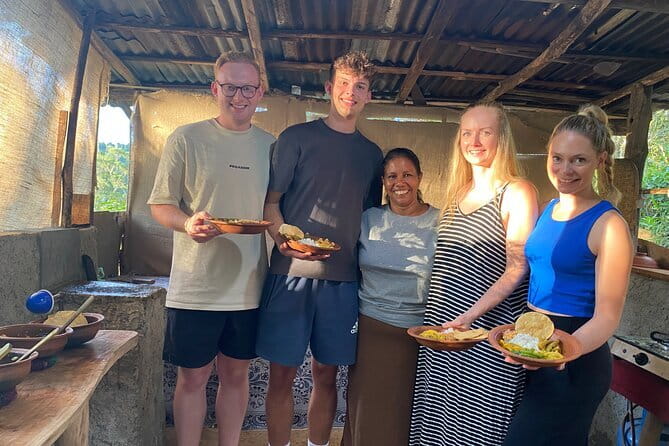
- Cook with Irosha and her mother: The mother-daughter team leads the class in a friendly family setting.
- Use traditional equipment: Clay pots and a traditional stove add genuine local character to the cooking.
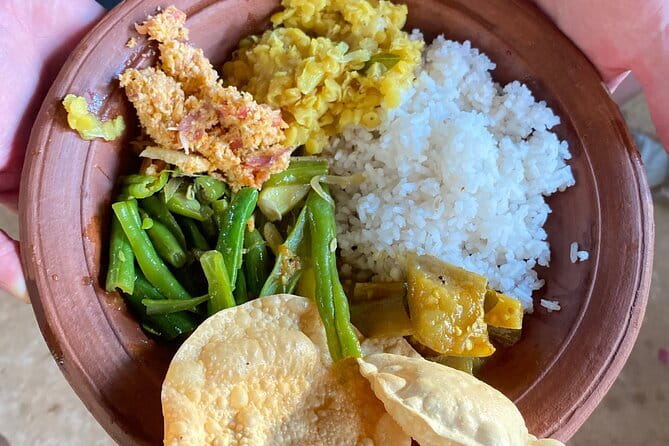
- Prepare a full Sri Lankan spread: Dishes can include dhal, potato, mango, jackfruit, beans, cabbage, eggplant, coconut sambol, rice, and pappadums.
- Walkable Ella location: The Spice Lodge is on Passara Road, a short walk from Ella’s main street and near Little Adam’s Peak.
- Private group format: Only your group participates, which makes it easier to ask questions and take part in the cooking.
- Budget-friendly food experience: At $25 per person, the class includes the instruction, meal, bottled water, and an English-speaking guide.
Cooking in a family home near Ella’s hills
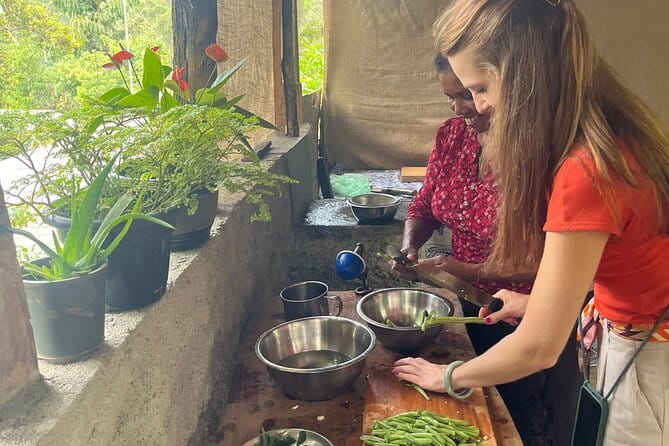
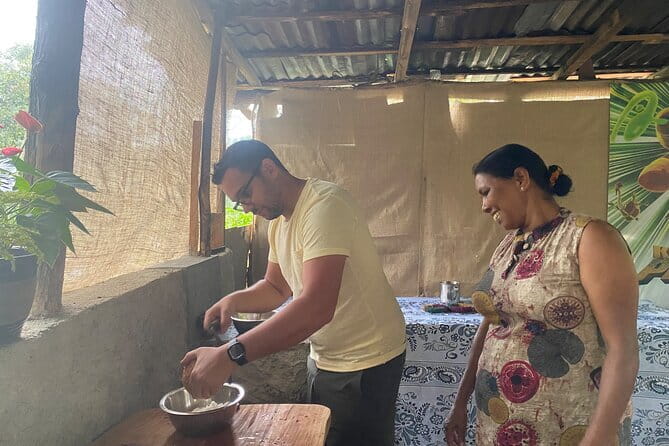
This is not a polished hotel demonstration where you sit at a safe distance and watch someone else cook. You are given ingredients, shown the basic methods, and involved in preparing the food. The setting at The Spice Lodge feels personal, with the class taking place in an outdoor kitchen at a local family property.
Irosha handles much of the explanation in English, while her mother demonstrates the practical side of the cooking. That division works well. You get clear guidance on what to do, plus the hands-on example of someone who cooks these dishes as part of daily life.
The class lasts about two hours, although some descriptions from the experience suggest that the actual cooking can move quickly once the ingredients are ready. You may prepare five or more dishes in a short period. That sounds ambitious, but Sri Lankan curries are often built from a shared set of ingredients and cooking methods, so one lesson can teach you several related techniques.
The surroundings matter here. You are cooking outdoors, with Ella’s hills in view, rather than inside a closed classroom. The setting gives the meal a stronger sense of place, though you should remember that outdoor activities are affected by rain and changing weather.
More Hands-On Workshops in Sri Lanka:
- Ella: Traditional Sri Lankan Cooking Class
★ 4.9 · 788 reviews - Organic cooking class sigiriya (kumara & family)
★ 5.0 · 650 reviews - Sri Lanka Cooking Class with Granny
★ 5.0 · 587 reviews
What you may cook, from coconut sambol to dhal
The exact menu can vary, but the class commonly includes a generous vegetarian spread. Possible dishes include rice, coconut sambol, dhal, potato curry, mango curry, cabbage curry, green beans, eggplant, jackfruit, and pappadums.
That list gives you a useful picture of Sri Lankan cooking. You are not learning one signature dish and going home. You are learning how several small dishes work together: something creamy, something spicy, something sweet or sour, something mild, and something crisp.
Coconut sambol is one of the simplest and most useful recipes to take home. It adds fresh coconut flavor and heat to rice and curry, and it requires far less cooking than the main dishes. The class also covers pappadums, giving you a quick side dish to serve with a future curry meal.
Dhal is another practical lesson. It is filling, inexpensive, and common in Sri Lankan home cooking. Potato, cabbage, beans, mango, eggplant, and jackfruit show how the same curry style can work with very different textures.
The recipes are designed to be quick and manageable. You learn time-saving methods and how a short list of ingredients can create strong flavor. That makes this class more useful than a complicated cooking show recipe that you admire once and never make again.
The traditional stove and clay pots
The cooking equipment gives the class much of its charm. You use traditional clay pots and a traditional stove rather than relying only on modern kitchen appliances.
Clay pots are not just decorative here. They connect the food to the way Sri Lankan dishes are traditionally prepared, and they make the class feel less like a standard tourist activity. You can see the cooking process directly, from the ingredients and spices to the finished curries.
There is a practical trade-off. A traditional setup may feel less controlled than a modern kitchen, and outdoor cooking is not the right choice for everyone. If you want a highly polished class with exact measurements and a professional demonstration kitchen, this may feel informal. If you want to see how a local family prepares food, the informality is part of the appeal.
The class also aims to keep the recipes uncomplicated. You are shown how to cut and season the ingredients yourself, rather than simply watching the hosts do every task. That makes the lesson more useful once you return home.
Little Adam’s Peak and the location in Ella

Little Adam’s Peak View Point appears as the listed stop for the experience. The Spice Lodge is also described as being close to Little Adam’s Peak, so the class can fit neatly into a day built around that popular Ella sight.
The location is practical for anyone staying near Ella’s main street. The lodge is on the Third Mile Post of Passara Road, and the property is described as a short walk from the center. It is also near public transportation.
Do not treat the cooking class as a full sightseeing tour of Ella. The listed experience has one viewpoint stop, and the main activity is the meal preparation. Its value comes from combining food with the setting, not from covering several attractions by vehicle.
If you plan your day carefully, you may be able to visit Little Adam’s Peak before or after cooking. The viewpoint is a natural pairing because both activities are in the same general area. Build in enough time for the walk and the cooking session rather than assuming you can rush from one to the other.
The hill setting can also mean steps and an uphill approach. One description notes some steps up the hill. That is worth keeping in mind if you have limited mobility or are carrying luggage, even though the activity is close to central Ella.
A few more cooking classes around Sri Lanka worth a look
- Kandy Village Cooking Class
★ 5.0 · 536 reviews - Sea waves sri lankan cooking class
★ 5.0 · 467 reviews - Ella: Sri Lankan Cooking Class with Neranji at Homestay
★ 5.0 · 276 reviews - Ella : Cooking class with amazing Spice Garden Tour
★ 5.0 · 239 reviews
Eating the meal you prepared
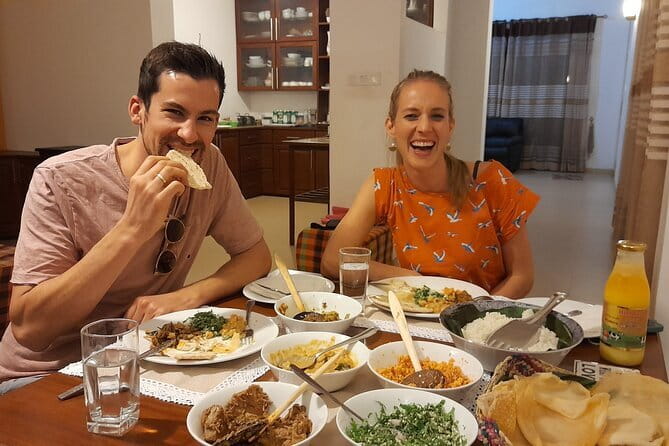
The meal is not a small tasting plate. You may finish with enough food to feed a large group, especially if the menu includes rice, several curries, dhal, sambol, and pappadums.
That is why I would keep breakfast light. A small meal beforehand gives you energy for the class without leaving you too full when the food is served. An evening class may be easier for some people, but you should still arrive hungry enough to enjoy the result.
The open-air meal is a key part of the experience. After preparing the food, you eat in the same scenic setting, surrounded by Ella’s hills and greenery. You are not just collecting recipes. You are seeing how the dishes fit together as a complete Sri Lankan meal.
The food also seems to be the strongest part of the experience. The class has received a perfect rating from 89 reviews, with 100 percent recommending it. The repeated praise focuses on the flavor, the personal setting, the hosts, and the fact that the dishes are practical to repeat at home.
That does not mean every dish will suit every palate. Sri Lankan food can include strong spices and heat, and the menu is based on local cooking rather than bland international food. If you enjoy trying several vegetable curries at once, this is a good match. If you are a very cautious eater, ask about the menu before booking.
A private class with a personal feel
This is a private activity, so only your own group participates. That makes a real difference in a cooking class. You can ask Irosha to repeat a step, take a closer look at the ingredients, or get more help with a technique without competing with a large group.
The family format is another reason to choose this experience. Irosha and her mother are not presented as a large commercial team. The class centers on their home, their kitchen, and their way of preparing the food.
I like that the activity can suit several types of groups. Couples can treat it as a relaxed food-focused outing. Families can share tasks around the cooking area. Solo visitors can still take part in a private class rather than being placed in a large group.
The private format may also explain the higher personal attention, but it does not turn the class into a formal chef training session. Expect a warm, practical lesson rather than a certificate, restaurant placement, or advanced culinary course.
Dietary needs and food allergies
The available information says that normal, vegetarian, vegan, and some other dietary preferences can be accommodated. You should provide those details when booking or confirm them directly with the provider.
The class is specifically not recommended for travelers with food allergies. That warning deserves attention. Sri Lankan dishes often use several spices and shared ingredients, and an informal family kitchen may not be able to guarantee the strict separation needed for serious allergies.
If you avoid meat, this class appears especially suitable. The vegetarian menu can include rice, coconut sambol, potato curry, mango curry, cabbage curry, dhal, and pappadums. You still get a complete meal, not a reduced substitute.
For any allergy or unusual restriction, do not assume that a note on the booking is enough. Ask the provider before you commit. The experience provider is Ella Sri Lanka Mom’s Kitchen Cooking Class, and the guide is listed as English-speaking.
Is $25 good value?
At $25 per person, this is a strong value if you want both a meal and a cultural activity. You receive about two hours of instruction, a substantial meal, bottled water, and an English-speaking guide. The class also includes the use of the cooking space and ingredients.
A restaurant meal in Ella might cost less, but it would not teach you how to prepare the dishes or introduce you to a local family kitchen. A more formal cooking school could cost more while giving you a less personal setting.
The best value comes if you use the recipes later. The class focuses on quick methods and a manageable selection of ingredients, so you have a realistic chance of repeating the food at home. Recipes are shared afterward, which makes the $25 fee more useful than a meal you simply remember.
There are limits. Tips are not included, and you should keep a little extra money for that if you feel the hosts have given you a good experience. Transportation is also not listed as included, though the meeting point is close to central Ella and near public transportation.
Timing, weather, and what to bring
The class takes approximately two hours and ends back at The Spice Lodge. Confirmation is provided at booking, and the experience uses a mobile ticket, so you can keep the booking details on your phone.
Plan on arriving ready to cook. Wear clothes and shoes you do not mind using around spices, food preparation, and an outdoor stove. The supplied details do not promise protective equipment or a fully enclosed kitchen, so practical clothing is sensible.
Good weather is required. If rain or other poor weather forces cancellation, you are offered another date or a full refund. If your own plans change, cancel at least 24 hours before the start time for a full refund. Cancellations within 24 hours are not refunded, and late changes are not accepted.
The class is near public transportation, but transport from your accommodation is not included in the price. Check your route to The Spice Lodge, Third Mile Post, Passara Road, Ella 90090, before setting out.
Who should book this Ella cooking class?
I would choose this for anyone who wants more than a restaurant meal in Sri Lanka. It suits you if you like local food, small-scale experiences, hands-on activities, and a generous vegetarian feast.
It is also a good choice if you are staying in Ella and want to pair a food activity with Little Adam’s Peak. The short walk from the main street makes it easier to fit into a busy day of sightseeing.
You should think twice if you dislike strong flavors, want a fully formal cooking school, have serious food allergies, or need a weatherproof indoor activity. The class is personal and traditional, but that also means it is less standardized than a commercial kitchen session.
Should you book it?
Yes, if your idea of a good Ella activity includes cooking, eating, and meeting a local family. The strongest reasons are the mother-and-daughter hosts, the clay pots and traditional stove, the scenic outdoor kitchen, and the useful range of recipes.
Book it hungry, but not starving. Confirm dietary needs ahead of time, allow for a little hill walking, and keep your schedule flexible in case of rain. At $25 per person, this is one of the better-value ways to connect a Sri Lankan meal with the place where it is made.
FAQ
How long does the cooking class last?
The experience lasts approximately two hours.
Where does the class begin?
The class begins at The Spice Lodge, Third Mile Post, Passara Road, Ella 90090, Sri Lanka.
Where does the activity end?
The activity ends back at the meeting point at The Spice Lodge.
Is the class private?
Yes. Only your group participates in the activity.
Is an English-speaking guide included?
Yes. An English tour guide is included.
Is bottled water included?
Yes. Bottled water is included.
What food might I prepare?
The menu can include rice, coconut sambal, dhal, potato curry, mango curry, cabbage curry, green beans, eggplant, jackfruit, and pappadums.
Can vegetarian or vegan diets be accommodated?
The experience information says normal, vegetarian, vegan, and some other dietary preferences can be accommodated. Confirm your needs when booking.
Is the class suitable for people with food allergies?
No. The activity is not recommended for travelers with food allergies.
Can I cancel for a full refund?
Yes, if you cancel at least 24 hours before the start time. Cancellations within 24 hours are not refunded, and changes made within 24 hours are not accepted.
Just added around Sri Lanka
- Traditional Cooking Small-Group Class in Unawatuna★ 5.0 · 14 reviews
- Authentic Sri Lankan Cooking Class in Mirissa★ 5.0 · 22 reviews
- Galle Fort cooking class★ 5.0 · 60 reviews
- Galle Unawatuna Cooking Class★ 5.0 · 142 reviews
- Authentic Sinhalese Cooking Class in Colombo with a Local Family★ 5.0 · 9 reviews
- 3 hour cooking experience★ 5.0 · 8 reviews
- Market Tour and Cooking Class from Colombo★ 5.0 · 5 reviews
- Cooking class in Srilanka★ 5.0 · 8 reviews
Cooking Classes, compared.
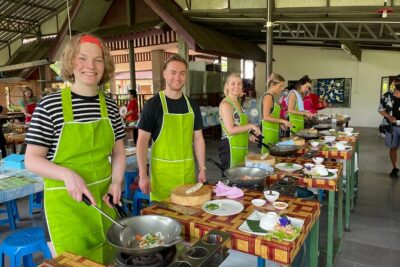
Half-Day Thai Cooking Class at Organic Farm in Chiang Mai
Read our review →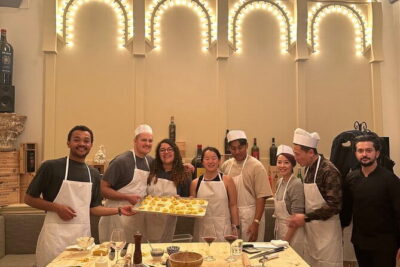
Florence: Pasta Cooking Class with Unlimited Wine
Read our review →
3 in 1 Cooking Class near Navona: Fettuccine, Ravioli & Tiramisu
Read our review →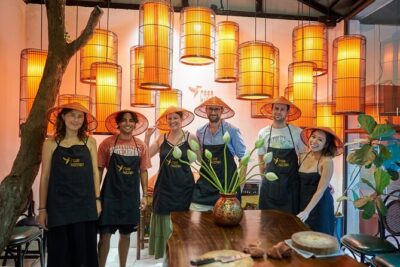
Hanoi Cooking Class: Culture, Local Market & Meaning CSR Impact
Read our review →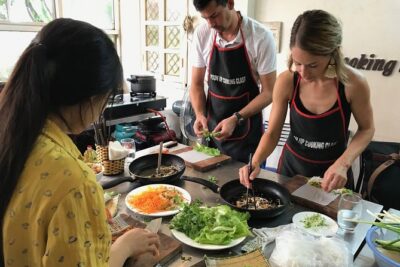
5 Traditional Dishes Hanoi Cooking Class with Market Trip
Read our review →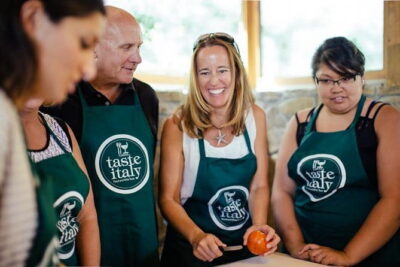
Cooking Class and Lunch at a Tuscan Farmhouse with Local Market Tour from Florence
Read our review →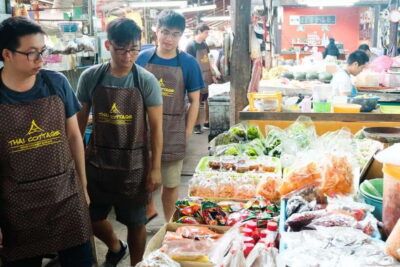
Chiang Mai: Cooking Class, Market & Thai Herbs Garden Tour
Read our review →Browse the lists this tour appears in