
Review · SRI LANKA
Galle Fort cooking class
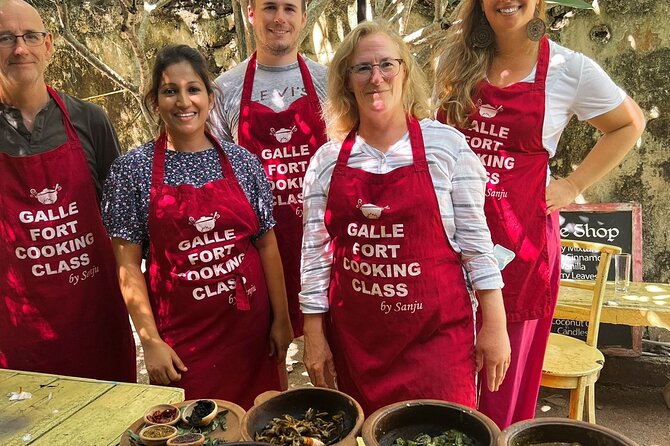
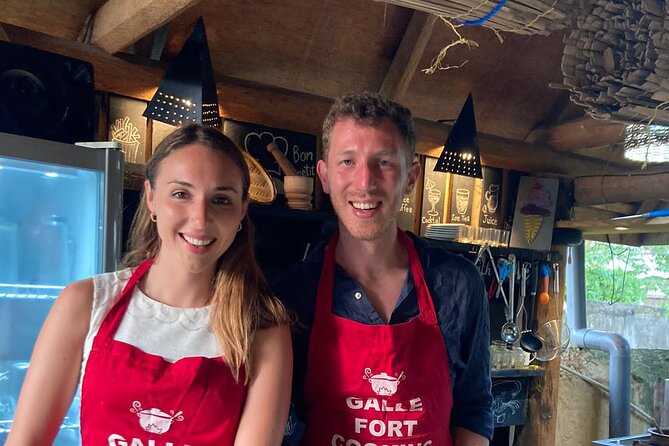
The best part of this Galle Fort cooking class is that you do not simply watch a chef work. Sanju puts you to work, guiding you through six Sri Lankan curries in the back garden of a restaurant, then serving the food you helped prepare. One dish is seafood, and the others include a generous range of vegetable curries.
I like the private format, which gives your group Sanju’s full attention, and the useful recipe book you take home. I also like the link to the family spice shop, run by Sanju’s husband, where you can find the curry powders used in Sri Lankan cooking. The main consideration is the timing: this is an approximately 90-minute class, so the pace is fairly brisk, especially if everyone wants to chop, stir, and ask questions.
Key points at a glance
- Six curries in about 90 minutes: You prepare a full Sri Lankan meal, including one seafood dish.
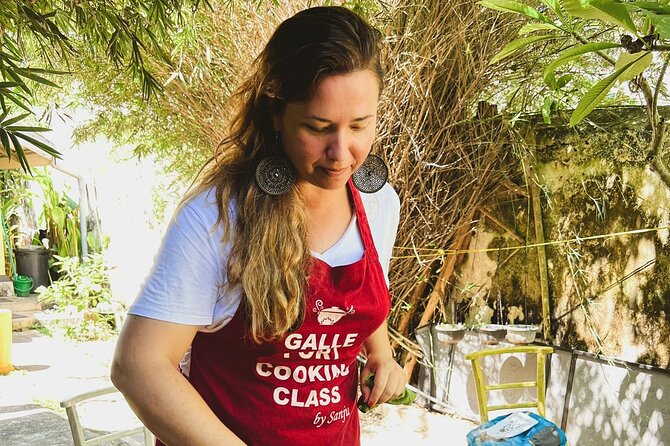
- A genuinely hands-on class: You chop vegetables, handle spices, and take part in the cooking rather than only watching.
- Sanju teaches privately: Only your group participates, so the class can feel relaxed and personal.
- Cooking takes place outdoors: The back garden adds a pleasant setting, though the class depends on good weather.
- You eat what you cook: The curries are served with rice at the restaurant after the preparation.
- Recipes and spices extend the experience: You receive a recipe book, and Sanju’s husband runs a nearby spice shop.
Six curries, one compact lesson
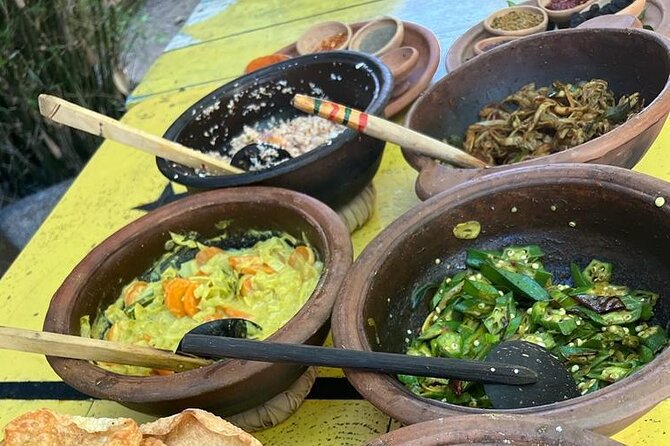
Sri Lankan food is often described simply as curry, but that word covers a wide range of tastes, textures, and cooking methods. This class gives you a useful introduction in a short period, with six different curries prepared as part of one meal.
The format is practical. Sanju demonstrates the traditional way of making healthy Sri Lankan curries, then has you join in with the preparation. You might chop vegetables, measure spices, stir a pot, and help bring each dish together. The class is not built around a polished cooking show. Its value comes from seeing how a local meal is assembled.
The exact dishes can vary, but the experience includes several vegetable curries and one seafood curry. Prawn curry appears in the meal described by several participants, along with pumpkin curry and other vegetable dishes. That range matters because Sri Lankan cooking is not one-note. A meal can include creamy, earthy, sweet, spicy, and fragrant dishes side by side.
You also get a look at how spices shape each curry. Sri Lankan cooking uses spice blends in ways that go far beyond adding heat. The class helps you see how different powders and seasonings give each dish its own character. You can also ask for the heat level to be adjusted to suit your group, a useful touch if you enjoy the flavor of curry but do not want a mouth-burning meal.
More Hands-On Workshops in Sri Lanka:
- Ella: Traditional Sri Lankan Cooking Class
★ 4.9 · 788 reviews - Organic cooking class sigiriya (kumara & family)
★ 5.0 · 650 reviews - Sri Lanka Cooking Class with Granny
★ 5.0 · 587 reviews
Sanju’s private teaching style
Sanju is the instructor, and the private setup is one of the strongest reasons to choose this experience. You are not competing with a large group for a turn at the chopping board. Only your own party takes part, which makes it easier to ask questions and get individual help.
The teaching style is patient and participatory. Families can divide tasks among adults and children, and people with little cooking experience can follow along without feeling out of place. You should expect Sanju to explain the ingredients and methods as you work, rather than hand you a strict set of instructions and leave you to manage alone.
A private class is also useful if your group has different interests. One person might want to focus on spices, another on the seafood dish, and another on learning how to make the vegetable curries. With no unrelated participants at the table, the pace can feel more natural.
Still, the class lasts only about an hour and a half. Six curries in that time means you will not receive a long lesson on every ingredient or a full cooking-school curriculum. Think of it as a lively introduction to Sri Lankan home-style cooking, not a professional chef-training session.
A garden behind the restaurant
The cooking takes place in the back garden of a restaurant at 34 Middle Street, inside Galle Fort. That setting gives the class a more local feel than a hotel demonstration room. You are cooking outdoors, close to the restaurant where the finished meal will be served.
I like this arrangement because the lesson leads naturally into lunch or dinner. You prepare the food, then sit down and eat it in the same setting. There is no awkward gap between the final stir of the pot and the meal itself.
The outdoor location is also the main practical point to watch. The experience requires good weather, so poor conditions can lead to a new date or a full refund. If you are planning around a tight Galle schedule, keep that possibility in mind and avoid placing the class just before an important departure.
The garden itself is part of the charm, but it is not a reason to book if you want air-conditioned comfort or a formal culinary studio. This is a simple, open-air setting suited to an informal lesson.
From chopping board to finished meal
The class begins at the meeting point on Middle Street. Since the activity starts and ends there, you do not need to arrange a separate transfer between a market, kitchen, and restaurant. The location is near public transportation, which makes it practical if you are already staying in or around Galle Fort.
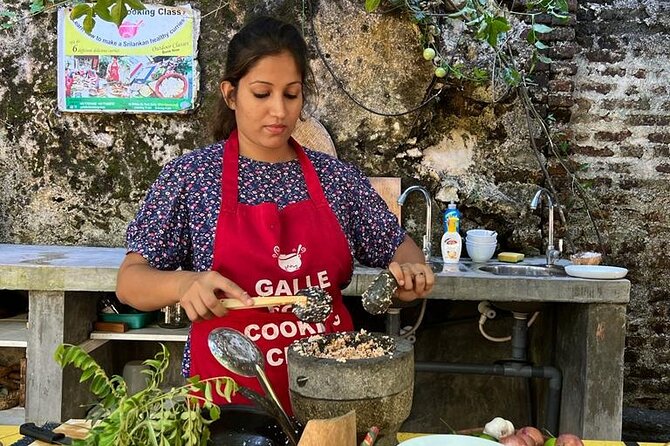
Once the cooking starts, you will work through the ingredients and spices for the different curries. The main appeal is the amount of participation. You are not just taking notes while someone else does all the work. You can expect to help prepare vegetables, work with spices, and take part in the cooking itself.
The seafood curry adds a useful change of pace. Sri Lanka is an island with a strong seafood tradition, and including one seafood dish shows how the same spice ideas work with a different main ingredient. If you prefer vegetables, the class still gives you plenty to eat, with several vegetable curries included.
After the cooking, the food is served with rice. This is a large quantity of food for a short class, so arrive hungry. The meal is not a token tasting. You sit down to eat the curries you have just made, which makes the cooking lesson feel like a complete experience rather than a demonstration followed by a small sample.
A few more cooking classes around Sri Lanka worth a look
- Kandy Village Cooking Class
★ 5.0 · 536 reviews - Sea waves sri lankan cooking class
★ 5.0 · 467 reviews - Ella: Sri Lankan Cooking Class with Neranji at Homestay
★ 5.0 · 276 reviews - Ella : Cooking class with amazing Spice Garden Tour
★ 5.0 · 239 reviews
Why the recipe book matters
The recipe book is a small but useful part of the package. Many cooking classes are enjoyable in the moment, then difficult to recreate once you get home. Here, you have written recipes to take with you, including instructions for several Sri Lankan dishes.
That makes the experience more valuable for anyone who wants to continue cooking after the holiday. You can use the book to remember the basic curry methods, compare the different dishes, and build a Sri Lankan meal at home.
The recipes also help compensate for the short lesson. You may not have time to discuss every detail while six curries are being prepared, but you can refer back to the instructions later. If you want to get the most from the class, write down any personal tips Sanju gives you, especially about spice quantities and how to adjust the heat.
The spice shop connection
Sanju’s husband runs a spice shop, and it is worth making time to look around. The connection is practical rather than decorative. You get to see the powders and spice blends that help create the flavors used in the class, and you can buy ingredients to try the recipes at home.
You do not need to purchase anything to enjoy the cooking lesson. But if you have been trying to find proper curry powders in Sri Lanka, this is a convenient place to start. It also gives you a clearer sense of the ingredients behind the food you have just cooked.
I would treat the shop as an optional extension, not a sales pitch built into the class. The important part is that you learn how the spices are used. Buying a small amount afterward can help you keep the memory of the meal alive in your own kitchen.
Is $30 good value?
At $30, this is a strong value if you want both a cooking lesson and a substantial meal in Galle Fort. You are paying for a private class, six curries, a seafood dish, the food itself, instruction, and a recipe book. The private format matters here because the price is not for a large group demonstration with little personal contact.
The value is also better for couples, families, or small groups who will actively take part. A person who only wants to eat Sri Lankan food can find a cheaper restaurant meal. But if you want to understand how the food is made and leave with recipes, the class gives you more than lunch.
The short duration keeps the activity easy to fit into a Galle itinerary. You do not need to give up half a day, and the meeting point is also the end point. On the other hand, anyone seeking a slow, detailed culinary workshop may find 90 minutes too brief for six dishes.
Who will enjoy this most?
This class suits curious eaters, home cooks, couples, and families. Children can take part in the preparation, and the private format makes it easier to include everyone. It also works well for people who want a cultural activity that is active but not physically demanding.
You do not need advanced cooking skills. The focus is on basic preparation, traditional methods, spices, and enjoying the finished meal. Beginners should feel comfortable, while experienced cooks will have a chance to compare Sri Lankan methods with what they already know.
It is especially useful if you have a few days in Galle and want more than the fort’s architecture and cafés. The class connects food, family, and local ingredients in a direct way. It gives you something practical to remember and repeat after you leave Sri Lanka.
You may want to skip it if you dislike seafood, though the seafood dish is only one part of a meal that includes several vegetable curries. You should also think twice if you need a fully indoor activity, since the class takes place in a garden and can be canceled or rescheduled because of bad weather.
Practical details before booking
The meeting point is Galle Fort cooking class, 34 Middle Street, Galle 80000, Sri Lanka. The activity ends back at the same location. It is near public transportation, and a mobile ticket is available.
The duration is approximately one hour and 30 minutes, though eating the completed meal can make the overall visit feel longer. Plan your schedule with a little breathing room rather than booking a tight connection immediately afterward.
Confirmation is normally received at booking. If you book within 12 hours of the start time, confirmation may arrive as soon as possible, depending on availability.
Free cancellation is available if you cancel at least 24 hours before the start time. Cancellations made less than 24 hours ahead are not refunded, and late changes are not accepted. If poor weather causes the activity to be canceled, you can choose another date or receive a full refund.
Should you book the Galle Fort cooking class?
Book it if you want a hands-on introduction to Sri Lankan food rather than another restaurant meal. The combination of six curries, a seafood dish, a private teacher, a garden setting, and a recipe book gives you plenty for $30.
The best reason to go is Sanju’s personal teaching. You cook with her, eat the results, and can continue the experience through the recipes and local spices. The main limit is the compact schedule, so do not expect a long professional course.
If you are staying in Galle for a few days, this is an easy activity to fit in and one of the better ways to connect with local food. Arrive hungry, allow for the outdoor setting, and book at least 24 hours ahead if you want the cancellation option.
FAQ
Where does the Galle Fort cooking class take place?
The class takes place at 34 Middle Street, Galle 80000, Sri Lanka, in the back garden of a restaurant inside Galle Fort.
How long does the cooking class last?
The class lasts approximately one hour and 30 minutes.
How many dishes will I prepare?
You will prepare six different Sri Lankan curries, including one seafood dish.
Is the class private?
Yes. This is a private activity, and only your own group participates.
Who teaches the class?
The class is taught by Sanju, who guides you through the preparation and cooking.
Do I eat the food I prepare?
Yes. After cooking, you eat the curries you made, served with rice at the restaurant.
Is seafood included?
Yes. The class includes one seafood curry. Prawn curry is included in some versions of the meal.
Do I receive recipes to take home?
Yes. A recipe book or recipe leaflet is included for you to take home.
Can I buy Sri Lankan spices after the class?
Yes. Sanju’s husband runs a spice shop, where you can look at and buy curry powders and other spices.
What happens if the weather is poor?
The class requires good weather. If it is canceled because of poor weather, you will be offered another date or a full refund.
Just added around Sri Lanka
- Traditional Cooking Small-Group Class in Unawatuna★ 5.0 · 14 reviews
- Authentic Sri Lankan Cooking Class in Mirissa★ 5.0 · 22 reviews
- Galle Unawatuna Cooking Class★ 5.0 · 142 reviews
- Ella Sri Lanka Cooking Class Experience★ 5.0 · 89 reviews
- Authentic Sinhalese Cooking Class in Colombo with a Local Family★ 5.0 · 9 reviews
- 3 hour cooking experience★ 5.0 · 8 reviews
- Market Tour and Cooking Class from Colombo★ 5.0 · 5 reviews
- Cooking class in Srilanka★ 5.0 · 8 reviews
Cooking Classes, compared.
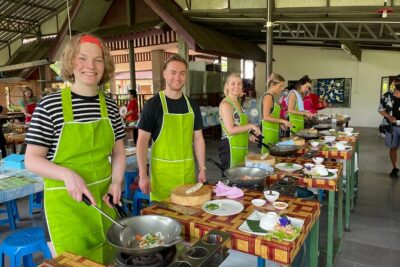
Half-Day Thai Cooking Class at Organic Farm in Chiang Mai
Read our review →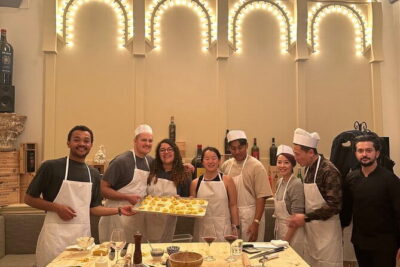
Florence: Pasta Cooking Class with Unlimited Wine
Read our review →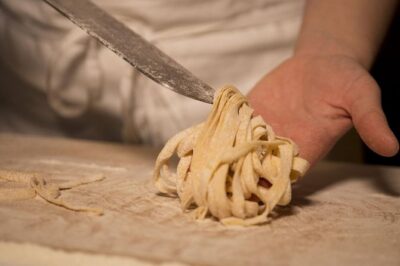
3 in 1 Cooking Class near Navona: Fettuccine, Ravioli & Tiramisu
Read our review →
Hanoi Cooking Class: Culture, Local Market & Meaning CSR Impact
Read our review →
5 Traditional Dishes Hanoi Cooking Class with Market Trip
Read our review →
Cooking Class and Lunch at a Tuscan Farmhouse with Local Market Tour from Florence
Read our review →
Chiang Mai: Cooking Class, Market & Thai Herbs Garden Tour
Read our review →Browse the lists this tour appears in