
Review · SRI LANKA
Cooking Class and Market Visit in Negombo
Sri Lankan cooking makes the market the first part of the meal. In Negombo, you start by choosing produce, spices, and possibly the day’s fish before heading to a home kitchen for curries, sambols, and rice. Host Shashi guides the experience, and the private format keeps the focus on your group.
I like the direct link between shopping and cooking. You see an ingredient at the market, then learn what it does in the pot. I also like the chance to prepare dishes such as tuna curry or devilled prawn curry, rather than simply watching someone else cook. The main consideration is timing: the market visit lasts about 30 minutes, while most of the hands-on work comes later in the 90-minute class.
Key points at a glance
- Market-to-table format: Choose fresh produce, fruit, vegetables, spices, and seafood before cooking.
- Private experience: Only your group takes part, which makes it easier to ask questions and work at your own pace.
- Host Shashi: Communication is handled by an experienced local host who guides the market visit and cooking session.
- Sri Lankan home cooking: Prepare a full meal with coconut-based curries, sambols, rice, and possible fish or prawn dishes.
- Convenient Negombo pickup: Hotel pickup and return transport are offered, with morning and evening pickup windows.
- Three-hour food lesson: The schedule includes market time, short drives, and about 90 minutes in the kitchen.
Why the market visit matters in Negombo
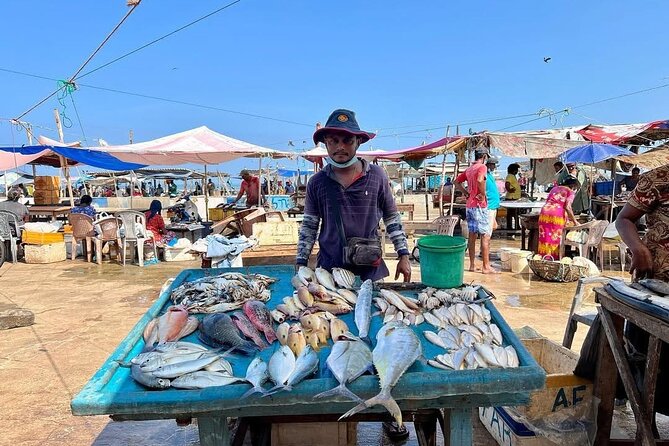
Many cooking classes begin with ingredients already laid out on a counter. This one begins at the Negombo Vegetable Market, where food still has its daily rhythm. You spend about 15 minutes driving from your pickup point, then roughly 30 minutes walking through the market.
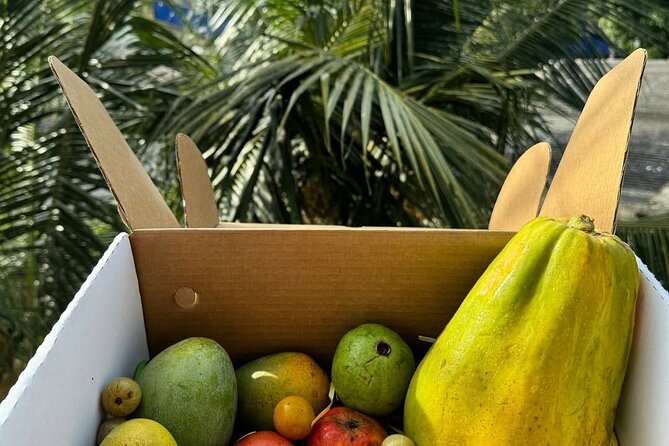
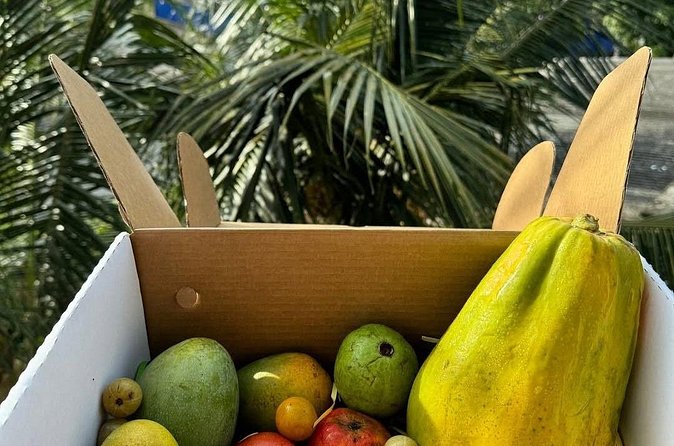
The visit gives you a practical look at what Sri Lankan cooks actually use. You can expect displays of fruit, vegetables, and island spices, with vendors selling the raw materials that later shape the meal. The schedule specifically allows time to choose fresh produce and the day’s catch, and the cooking experience has included tuna and prawns.
That connection is useful. You are not just memorizing a recipe. You learn that Sri Lankan food depends on choices made before the cooking starts: which fish looks right, which vegetables are available, and how much chili or coconut might suit the dish.
The market portion is short, so do not expect a long guided food walk or a detailed history lesson at every stall. It is better understood as a focused shopping trip. You get a taste of local food culture, then move on to the kitchen while the ingredients are fresh.
The market may also be livelier than some visitors expect. Vendors, produce, fish, and strong cooking smells are part of the setting. If you prefer a quiet, polished food tour, this may feel rough around the edges. If you want to see where lunch begins, that is exactly the point.
More Market Tour Cooking Classes in Sri Lanka
- Market Tour and Hands-On Cooking Class Colombo
★ 5.0 · 140 reviews - Galle: Cooking Class at a Local Home and Market Tour
★ 5.0 · 47 reviews - Colombo Cooking Experiance with Explore Market
★ 4.7 · 33 reviews
From fresh produce to coconut curry
After the market, you drive about 10 minutes to the cooking location. The session takes place in a Sinhalese home, giving the class a more personal feel than a large commercial cooking school.
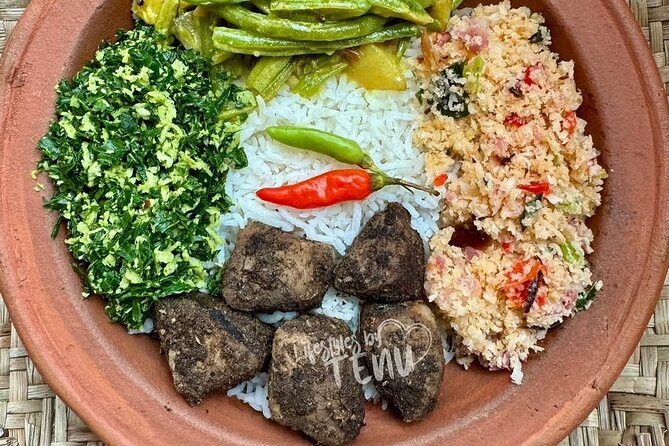
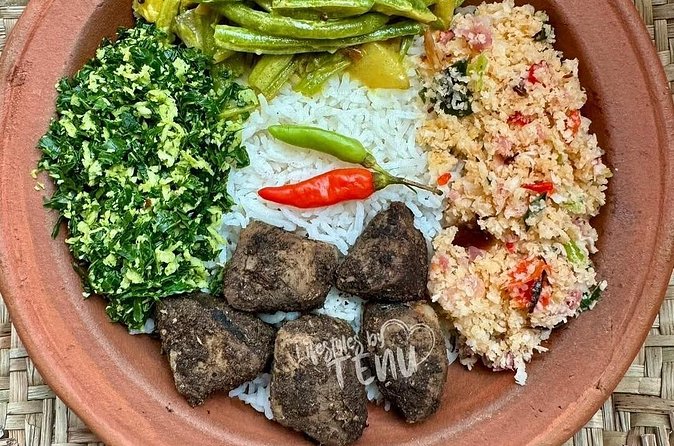
You can expect to prepare a full Sri Lankan meal rather than a single signature dish. The menu centers on the building blocks of the island’s home cooking: rice, coconut, vegetables, seafood, spices, and sambols. The exact dishes can vary, but the supplied details include coconut-based curries, spicy sambols, fish such as tuna, devilled prawns, jackfruit curry, and fragrant rice.
The work takes about 90 minutes. That is enough time to learn the basic sequence of a meal, though it is not a full professional chef course. You may chop, season, mix, and cook under guidance, with the focus on useful home techniques rather than formal culinary theory.
Sri Lankan food can look simple on the plate, but several flavors often work together. Curry leaves, cinnamon, chili, fresh herbs, coconut, and other spices build the taste in layers. The class helps you see how those ingredients fit together instead of treating curry powder as a single shortcut.
The word spicy deserves a little care here. Sri Lankan food can be hot, but heat is only one part of the flavor. A coconut curry may soften the chili, while a sambol adds a sharper kick. Ask about spice levels if you need to, especially if your group has different preferences.
The dishes you may prepare
The experience description allows for several possible dishes, not one fixed menu. That is a strength if you want to cook with ingredients chosen that day, but it also means you should not book expecting a guaranteed dish unless the provider confirms it.
Fish and seafood: Negombo is associated with seafood, and the class may use fish from the market or prepare devilled prawns. The tuna curry mentioned in the experience gives you a good sense of what to expect: a strongly seasoned dish where the quality of the fish matters as much as the sauce.
Coconut curries: Coconut is one of the main pillars of Sri Lankan cooking. You learn how it brings body and balance to a curry, especially alongside chili and aromatic spices.
Sambols: These are served as a sharp, fresh counterpoint to rice and curry. They help explain why a Sri Lankan meal is not just one pot of food, but a collection of textures and flavors on the plate.
Jackfruit curry: Jackfruit gives the class a chance to show how a tropical ingredient can become the center of a substantial curry. It is also a useful option for anyone interested in vegetable-based Sri Lankan cooking.
Rice: Rice anchors the meal. Cooking it properly is less flashy than making a curry, but it is essential if you want to recreate the meal at home.
The class is especially useful if you want recipes you can repeat. You leave with more than a list of ingredients. You see how a market purchase becomes a meal, and you get a better feel for the balance between coconut, spice, salt, and fresh produce.
Host Shashi and the private format
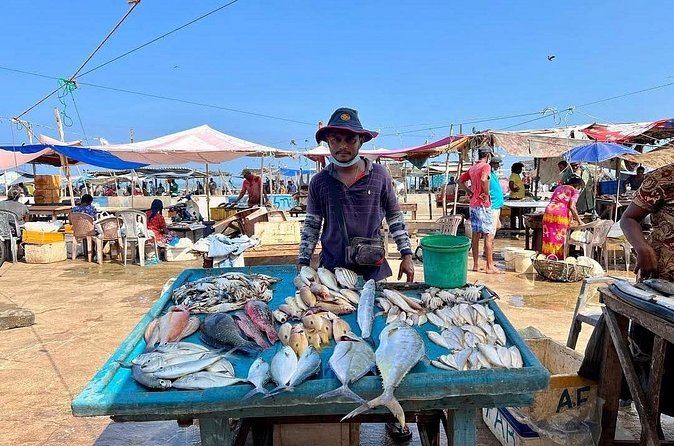
Shashi is named as the host connected with the experience. Communication is described as clear, which matters for a class involving several steps, unfamiliar ingredients, and local food terms.
Because this is a private activity, only your group participates. That changes the feel of the class. You do not have to compete with a large table of cooks for attention, and you can ask about a particular dish or ingredient without holding up strangers.
The private format is also a good match for mixed groups. One person may want to understand the spices, another may care about seafood, and someone else may simply want to eat. The group can share the work without being locked into a large class schedule.
There is a tradeoff. A private class usually costs more per person than joining a large group, and the $70 price reflects that personal format. For the fee, you are paying for the market visit, local transport, instruction, ingredients, and a meal prepared by your group. I consider that fair for people who value direct contact and a tailored pace, though budget cooks may find it expensive compared with eating at a local restaurant.
Same place, a different menu:
- Ella: Traditional Sri Lankan Cooking Class
★ 4.9 · 788 reviews - Organic cooking class sigiriya (kumara & family)
★ 5.0 · 650 reviews - Sri Lanka Cooking Class with Granny
★ 5.0 · 587 reviews - Kandy Village Cooking Class
★ 5.0 · 536 reviews
Choosing the morning or evening pickup
Pickup is offered from Negombo hotels, with stated windows of 11:00 am to noon and 6:00 pm to 7:00 pm. Since the experience lasts about three hours, the morning option should carry you into the afternoon, while the evening option leads into a later dinner.
Confirm the exact pickup time when booking. The listed windows are broad, and your own schedule is easier to manage once you know when the vehicle will arrive.
The morning departure suits you if you want a food activity before other sightseeing or if you prefer cooking earlier in the day. The evening departure may work better if you have spent the morning resting, arriving from the airport, or exploring Negombo.
The published timing includes about 15 minutes to the market, 30 minutes there, 10 minutes to the cooking location, 90 minutes cooking, and 15 minutes back to Negombo. Allowing for pickup and transitions, plan on roughly three hours overall.
Hotel pickup and return are practical advantages in Negombo. You do not need to arrange separate transport between the market, home kitchen, and hotel. Still, keep your schedule flexible around the pickup window rather than booking a tight connection immediately afterward.
What the $70 price delivers
At $70 per person, this is not the cheapest way to eat Sri Lankan food. A restaurant meal will cost less, and you can visit a market on your own for very little. The value comes from combining several pieces in one short outing.
You receive a guided market visit, transport, ingredient selection, a private cooking class, and the chance to eat what you prepare. The personal guidance is the part you cannot easily replicate by following a recipe online.
I would especially consider the price reasonable for a couple, family, or small group that wants an activity everyone can share. You are not just paying for lunch. You are paying to understand how Sri Lankan home cooking is built.
The value is less clear if you are mainly looking for a long market tour or advanced culinary training. The market portion lasts only about 30 minutes, and the cooking portion lasts about 90 minutes. This is a compact cultural activity, not a full-day food course.
Group discounts are available, although the amount is not specified. If you are traveling with several people, ask about the discount before booking. Since the activity is private, a larger group may also make the per-person cost more attractive.
Who will enjoy this class most
I would recommend this experience to you if food is one of the main reasons you travel. It gives you a direct look at ingredients, local shopping, and home cooking without requiring a full day.
It also suits curious beginners. You do not need to arrive with serious cooking skills. The point is to learn the process, handle unfamiliar ingredients, and understand the flavors well enough to try them again at home.
Families may appreciate the private setup, especially if children or less confident cooks need extra help. The market visit gives younger participants something visual to do before the longer kitchen session.
Seafood fans have a particular reason to consider it. The menu can include fish or prawns, and the tuna and devilled prawn dishes give the class a clear Negombo connection.
Vegetarians should ask about the menu before booking. Jackfruit curry and vegetable dishes are mentioned, but seafood is also an important part of the possible meal. The available information does not promise a vegetarian menu.
This is less suitable if you want a fixed dish list, a long historical tour, or a highly formal kitchen lesson. It is also not the right pick if you dislike strong spices, market settings, or hands-on food preparation.
Practical details before you book
Confirmation is provided at the time of booking, and the activity is near public transportation. Even with hotel pickup available, give the provider your correct Negombo accommodation details and confirm the pickup hour.
The experience is listed as operating Monday through Sunday during the published period from December 5, 2025, through February 25, 2027. The broad opening-hours listing runs from midnight to 11:30 pm, but the practical pickup periods are the morning and evening windows given above.
Mobile tickets make access simple, and free cancellation is available if you cancel at least 24 hours before the start time. Changes or cancellations inside that 24-hour period are not accepted for a refund, with cutoffs based on local time.
Wear clothing you do not mind using in a kitchen, and arrive ready to participate. The best part of this activity is not watching the host work while you sit back. It is handling ingredients, asking questions, and noticing how the separate dishes come together.
Should you book the Negombo cooking class?
Book it if you want a compact, private food experience that connects a local market with a real Sri Lankan meal. The strongest reasons are the market-to-kitchen format, the chance to cook fish, prawns, curries, and sambols, and the personal guidance from Shashi.
Skip it if your main aim is a cheap meal, a long market tour, or advanced chef training. At $70, the value depends on how much you want the instruction and private setting.
For most food-focused visitors staying in Negombo, I would put this near the top of the short-list. Confirm the pickup time, ask about the exact menu and spice level, and check vegetarian needs in advance. If those details suit your group, you will leave with a meal in your stomach and a clearer idea of how to make Sri Lankan food at home.
FAQ
Where does the cooking class take place?
The experience begins in Negombo, includes a visit to the Negombo Vegetable Market, and continues at a Sinhalese home for the cooking session.
How long does the experience last?
It lasts approximately three hours, including pickup, drives, the market visit, cooking, and return transport.
Is hotel pickup available in Negombo?
Yes. Pickup is offered from Negombo hotels, with stated pickup windows from 11:00 am to noon and from 6:00 pm to 7:00 pm.
How long is the market visit?
The market visit lasts about 30 minutes, after an approximately 15-minute drive from the pickup point.
How long is the cooking class?
The cooking session lasts about one hour and 30 minutes, following an approximately 10-minute drive from the market.
Is this a private activity?
Yes. Only your group participates in the activity.
What food will I cook?
The meal may include coconut-based curries, sambols, rice, fish, prawns, vegetables, or jackfruit curry. Tuna curry and devilled prawn curry are among the dishes associated with the experience.
How much does the experience cost?
The listed price is $70 per person. Group discounts are available, but the discount amount is not specified.
Can I cancel for a full refund?
Yes, if you cancel at least 24 hours before the experience start time. Cancellations or changes made less than 24 hours in advance are not eligible for a refund.
More Hands-On Workshops in Sri Lanka
- Ella: Traditional Sri Lankan Cooking Class
★ 4.9 · 788 reviews - Organic cooking class sigiriya (kumara & family)
★ 5.0 · 650 reviews - Sri Lanka Cooking Class with Granny
★ 5.0 · 587 reviews - Kandy Village Cooking Class
★ 5.0 · 536 reviews
More Shopping Trips in Sri Lanka
- Colombo: Local Market Tour & Cooking Demo with Lunch
★ 4.6 · 3 reviews - Hanoi Cooking Class: Culture, Local Market & Meaning CSR Impact
★ 5.0 · 5,147 reviews - 5 Traditional Dishes Hanoi Cooking Class with Market Trip
★ 5.0 · 4,890 reviews - Cooking Class and Lunch at a Tuscan Farmhouse with Local Market Tour from Florence
★ 5.0 · 4,831 reviews
Just added around Sri Lanka
- Oleena cooking class★ 5.0 · 3 reviews
- Cooking Classes in Sri Lanka★ 5.0 · 110 reviews
- Half-Day Negombo City Tour with Ayurvedic Massage & Local Lunch★ 5.0 · 87 reviews
- Sri Lankan cooking class with Nilu Kandy( FREE PICKUP & Drop)★ 5.0 · 45 reviews
- Srilankan Cooking class by FFL kandy★ 5.0 · 50 reviews
- Kandyan Hut Cooking Class★ 5.0 · 4 reviews
- Private Market Visit and Cooking Class with Private Transfers from Kandy Hotels★ 5.0 · 3 reviews
- Kandy Budget Cooking Class★ 5.0 · 7 reviews
Cooking Classes with a Market Tour, compared.
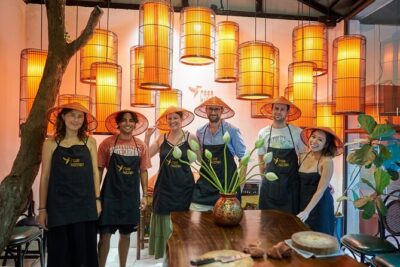
Hanoi Cooking Class: Culture, Local Market & Meaning CSR Impact
Read our review →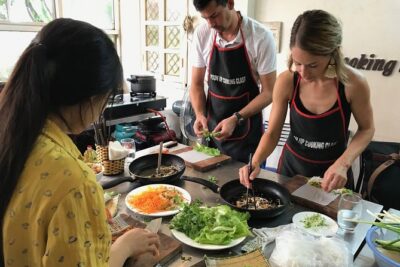
5 Traditional Dishes Hanoi Cooking Class with Market Trip
Read our review →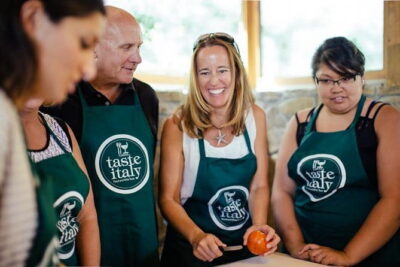
Cooking Class and Lunch at a Tuscan Farmhouse with Local Market Tour from Florence
Read our review →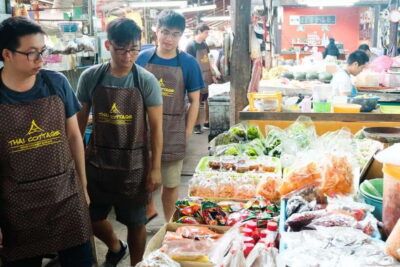
Chiang Mai: Cooking Class, Market & Thai Herbs Garden Tour
Read our review →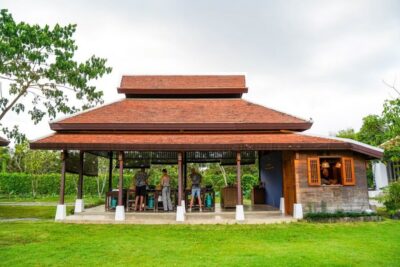
Chiang Mai: Authentic Cooking Class with Market & Farm Visit
Read our review →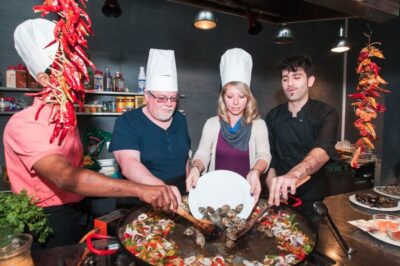
Barcelona: Paella Cooking Experience & Boqueria Market Tour
Read our review →
Cooking Class Hoi An:Local Market, Basket Boat, Fishing & Cooking
Read our review →
Hoi An Cooking Class(Market,BasketBoat Crabfishing&Cooking Class)
Read our review →Browse the lists this tour appears in