
Review · ITALIAN
MaMa Florence- Tuscan Cooking Class in Florence
The best part of this Florence cooking class is that you do more than watch a chef work. In a group capped at 15 people, you get hands-on time with pasta, sauces, and classic Tuscan dishes, then eat what you have made. The menu changes with the season, so the class feels tied to local cooking rather than fixed to a restaurant script.
I like the clean, professional kitchen and the patient teaching style described for the chef. I also like that the three-and-a-half-hour session includes prosecco, two glasses of Italian wine, and a full meal with dishes such as filled ravioli, chicken, meatballs, vegetables, and tiramisu.
The main thing to consider is the changing menu. You may make four courses with a pasta and main dish, or several pasta shapes without a separate main course. Anyone with an allergy must email ahead of booking, and gluten-free flour may be used for everyone if one participant cannot eat gluten.
Key points to know before booking
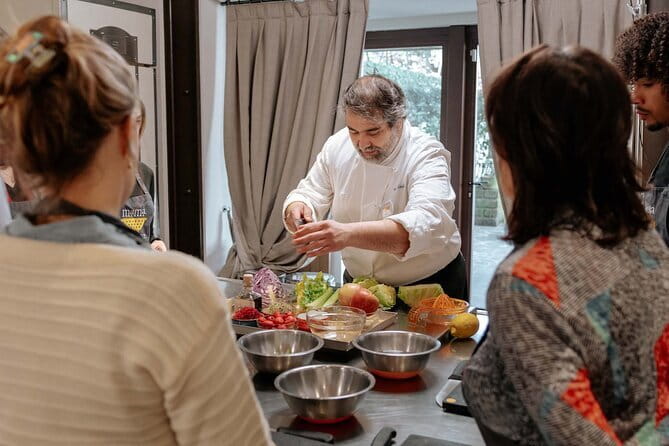
- A small class of up to 15: You should have room to ask questions and get practical help rather than simply watch a demonstration.
- The menu changes: Seasonal ingredients guide the meal, but you cannot count on one exact set of dishes.
- Pasta is central: You might make filled ravioli or tortelli, fresh tagliatelle, or several pasta shapes.
- Wine is part of the meal: Expect a prosecco tasting and two glasses of Italian wine, with no alcohol served to anyone under 18.
- Allergies need advance notice: Special food needs cannot be handled reliably without an email before booking.
- You return to the starting point: The class begins and ends at MaMa Florence Cooking Classes & Events on Viale Francesco Petrarca.
Making Tuscan food instead of just watching
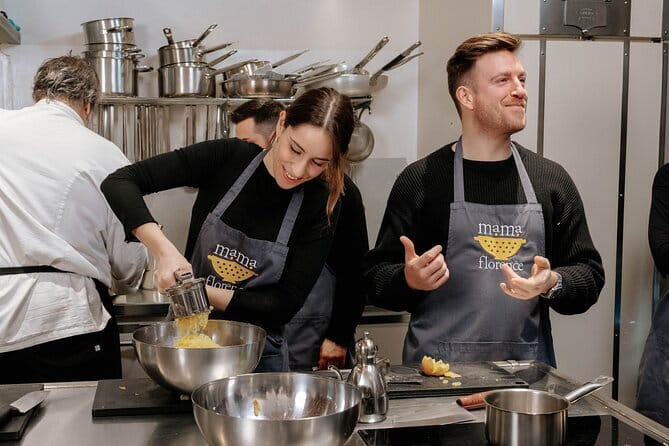
Many food classes in Florence are really demonstrations with a token stirring session. This one is designed around participation. The chef guides you through each stage, from working with ingredients to shaping pasta and finishing sauces.
That difference matters. You are not only collecting a meal. You are learning small techniques you can repeat at home, such as how to handle fresh pasta dough, shape filled pasta, and pair a seasonal sauce with the dish in front of you.
The teaching is in English, which keeps the class practical for international visitors. The chef also explains the cultural background of Tuscan cooking, so the food is placed in context rather than treated as a set of disconnected recipes. You can ask questions as you work, and the reported teaching style is patient and encouraging.
I would still keep expectations realistic. A class with as many as 15 participants cannot give you private instruction at every moment. The small-group size is a good compromise, but you may share work surfaces and wait briefly while the chef helps another person.
More Italian Cooking Classes in Florence:
- Cooking Class and Lunch at a Tuscan Farmhouse with Local Market Tour from Florence
★ 5.0 · 4,831 reviews - Tuscan Cooking Class and Dinner in Florence
★ 4.5 · 732 reviews - Florence: Cooking Class at a Tuscan Farm & Local Market Tour
★ 4.9 · 354 reviews
Arriving at Viale Francesco Petrarca
The meeting point is MaMa Florence Cooking Classes & Events at Viale Francesco Petrarca, 12, in Florence. The location is near public transportation, which helps if you are staying outside the center or do not want to walk the entire way.
Plan enough time to arrive without rushing. Cooking classes work best when you enter ready to listen and take part, not when you are still trying to find the address at the start time. Your confirmation arrives when you book, so keep those meeting details available.
The activity lasts about three hours and 30 minutes and ends back at the same meeting point. That makes it easy to plan the rest of your day. You could schedule the class as a substantial midday meal, or leave the afternoon open for Florence sightseeing. Since the session includes cooking, eating, and drinks, I would not pair it with a tightly timed museum reservation immediately afterward.
The setting itself is part of the appeal. One family described the kitchen as beautiful and the garden as attractive, while also noting that the class worked well for adults and children together. The supplied information does not promise garden time as a formal part of the program, so treat it as a pleasant feature of the venue rather than a scheduled stop.
The opening: seasonal ingredients and Tuscan food culture
The chef begins by introducing the dishes and the ingredients used in the class. Since the menu is seasonal, the exact produce and sauce can change. That is useful if you want to understand the way Tuscan home cooking adapts to what is available, but it means you should not book expecting a guaranteed dish on the sample menu.
A likely starter is the chef’s seasonal salad. This may sound modest next to handmade ravioli or tiramisu, but it gives the class a chance to show a basic Tuscan idea: good ingredients do not need much fuss. You will also see how a meal is built in courses, with vegetables and lighter flavors balancing the pasta and main dish.
The chef discusses the history and cultural meaning of Tuscan cuisine during the work. I value this part because food makes more sense when you know why certain preparations matter. The class is not only about following instructions. It connects the dough, sauces, vegetables, and desserts to everyday regional cooking.
Pasta making: ravioli, tortelli, or tagliatelle
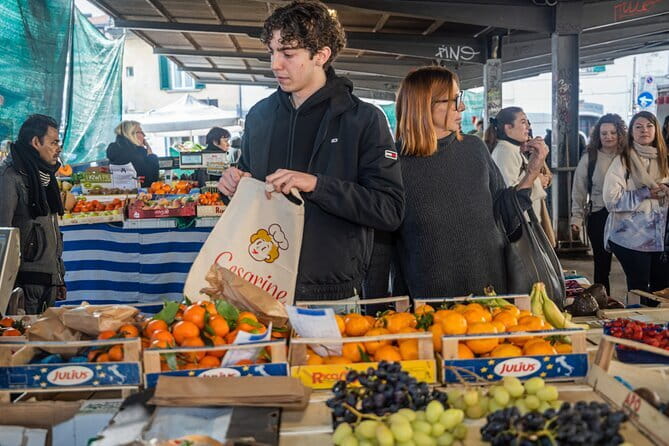
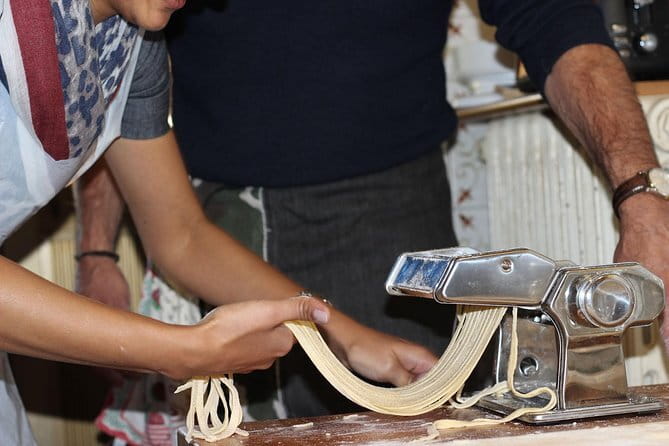
Pasta is the heart of the experience. One possible menu includes fresh filled ravioli or tortelli with a seasonal sauce. Another version features fresh egg tagliatelle, also served with a seasonal sauce. You might instead work on different pasta shapes and not have a separate main dish.
That variation is worth noting before you pay. If your main goal is to learn filled pasta, ask about the current menu when possible. If you mainly want a practical introduction to fresh pasta, the changing format should not be a problem. The class promises recipes and techniques you can recreate at home, even though the exact pasta shape is not fixed.
Filled pasta also makes the session more hands-on. You need to work carefully and understand how to combine dough, filling, and sauce without losing the shape. Tagliatelle offers a different lesson, with attention to cutting and serving long strands. Both options teach useful skills, but they are not the same experience.
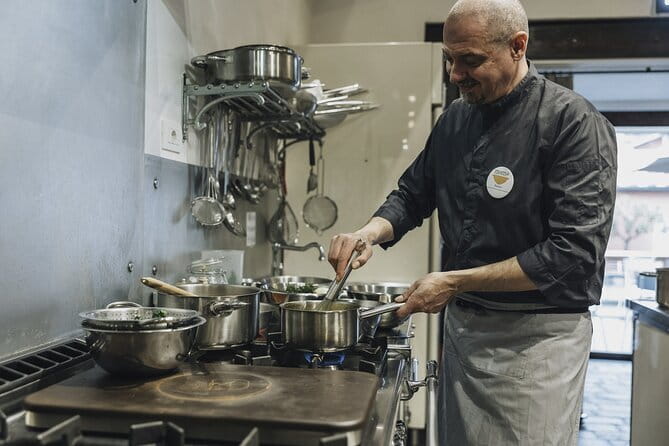
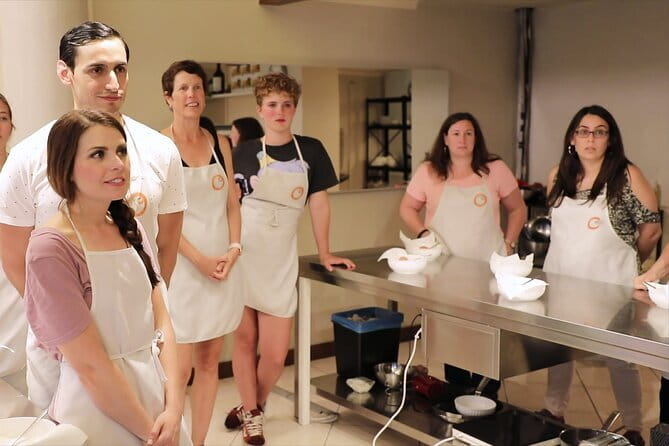
The kitchen is described as professional and clean, which is reassuring when you are handling dough and shared ingredients. A clean work area also helps beginners focus on technique rather than worry about whether they are in the way.
More Hands-On Workshops in Florence:
- Florence: Pasta Cooking Class with Unlimited Wine
★ 4.9 · 10,285 reviews - Florence: Pasta & Tiramisu Cooking Class with Unlimited Wine
★ 4.9 · 6,708 reviews - Florence: Pasta Cooking Class with Unlimited Wine
★ 5.0 · 6,413 reviews - Pastamania – Florence Pasta Making Class
★ 5.0 · 3,050 reviews
Main courses with a Tuscan feel
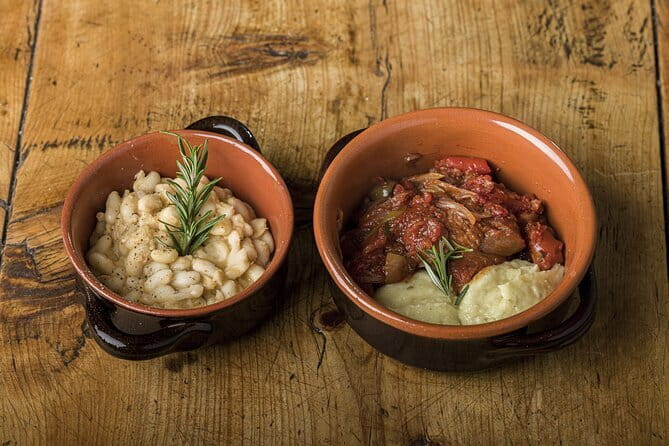
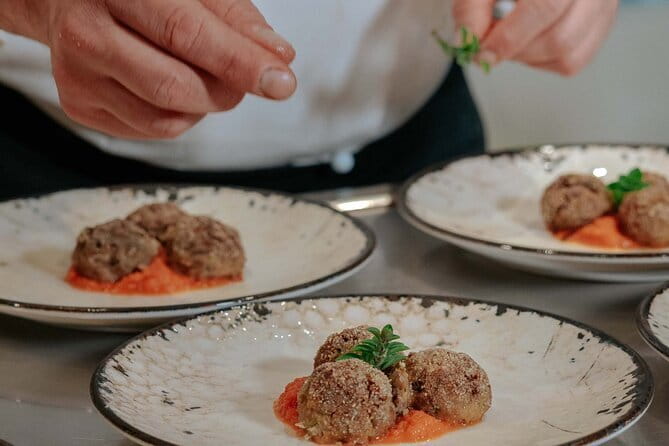
When the menu includes a separate main course, you might prepare hunter chicken, MaMa’s meatballs, or a chickpea torte with roasted eggplant and vegetables. These choices give the class more range than a pasta-only lesson.
Hunter chicken offers a lesson in a familiar rustic preparation, while meatballs are an approachable dish for cooks who want something easy to repeat at home. The chickpea torte with roasted eggplant and vegetables provides a meat-free direction, though the menu does not promise that this option will appear on your date.
The class may instead focus on several pasta shapes and omit a separate main dish. This is not a flaw, but it changes the value depending on your goals. A pasta enthusiast may prefer more time with dough and shaping. Someone seeking a broad Tuscan meal might prefer the four-course format.
Because the menu is seasonal, the class has a more natural feel than a fixed cooking show. Still, I recommend viewing the sample menu as a guide, not a contract. You are paying for the instruction, the meal, and the chance to work with Tuscan recipes, not for one guaranteed combination of courses.
Tiramisu and the meal at the table
MaMa’s tiramisu is the likely dessert. Ending with tiramisu makes sense for a class because it is familiar, shareable, and gives you a sweet recipe to take home. The exact preparation is not described, so do not expect a detailed pastry course. The emphasis remains on the full meal.
After the cooking is finished, you sit down and eat the results. This final meal is important. It lets you taste how the separate parts work together and gives the chef a chance to discuss the food in a relaxed setting.
Drinks are included in the experience. You get a prosecco tasting and two glasses of fine Italian wine. That adds a social, adult touch and helps the session feel like a meal rather than a school lesson. Anyone under 18 cannot have alcohol, so families should keep that rule in mind.
The drinks also add value to the $203.05 price, but they should not be the main reason you book. If you do not drink alcohol, the class can still make sense because the cooking instruction, food, and recipes remain the core offering. The supplied details do not specify nonalcoholic alternatives, so ask ahead if that matters to you.
What the $203.05 price really covers
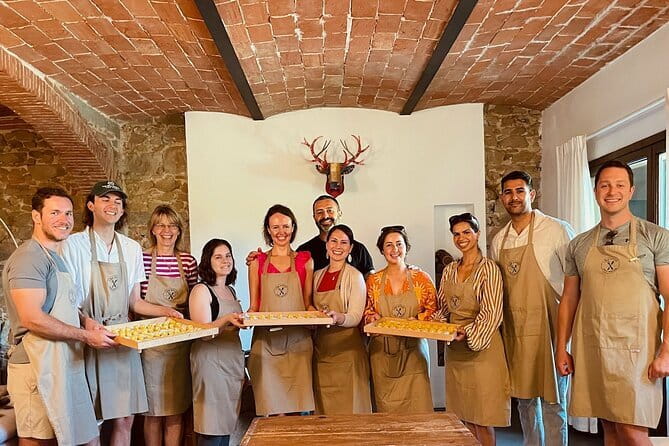
At $203.05 per person, this is not a budget activity. Florence offers cheaper ways to eat, and you could buy a good meal for less. The price is easier to justify if you want a full cooking lesson, a meal, drinks, a professional kitchen, and a small-group format in one booking.
You are also paying for time. Three and a half hours gives the chef room to explain methods, let you practice, and serve several courses. A short pasta demonstration would cost less, but it would not give you the same amount of work or the same meal afterward.
The group limit matters here. Fifteen people is not a private class, but it is small enough to make questions possible. The strongest praise focuses on the chef’s patience, clear English, advice, clean kitchen, and enjoyable food. Those details support the idea that the value comes from the teaching environment, not only from the ingredients.
Families and food-focused couples may find the price worthwhile. Solo participants can also fit in well, especially if they enjoy meeting others around a shared meal. If you only want to eat Tuscan food and do not care about cooking, use your money on a restaurant instead.
Allergies, gluten, and other practical concerns
Food requirements need attention before you book. You must email ahead with any allergies or special needs. The provider says it cannot accommodate special requirements without notice, and showing up without advance notice can mean being turned away without a refund.
Gluten is especially important. If one participant in the class has a gluten allergy, the group might use gluten-free flour for the pasta course. That protects the class format, but it may affect everyone’s pasta-making experience. Ask for the current arrangement if gluten-free cooking is central to your decision.
The class is offered in English. The alcohol rule is clear: no alcohol for anyone under 18. Other dietary needs are not guaranteed, so do not assume vegetarian, vegan, dairy-free, or other substitutions are available unless you receive confirmation in advance.
You can cancel for a full refund up to 24 hours before the local start time. Cancellations or changes made inside that 24-hour window are not refunded or accepted. The class also requires a minimum number of participants. If the provider cancels because that minimum is not met, you receive a different option or a full refund.
Who will get the most from this class
I would recommend this experience to a first-time cook who wants guidance without a private lesson price. The chef’s patient approach and English instruction make it suitable for people who want to ask basic questions without feeling awkward.
It also fits food lovers who want more than a restaurant meal. You learn recipes, handle ingredients, and eat the finished dishes in the same place. The class works particularly well for couples, families, and small groups who enjoy doing an activity together.
Experienced home cooks may still enjoy the session, especially if fresh pasta or Tuscan recipes are new to them. If you already make pasta often, the value will depend on the menu and the chef’s regional tips. Ask what dishes are planned if you want something beyond beginner instruction.
I would be cautious about booking if your schedule is packed, your diet requires strict substitutions, or you need a guaranteed dish. The menu changes, and food restrictions require advance planning. Also remember that a group of up to 15 will feel social rather than intimate.
Should you book MaMa Florence Cooking School?
Book it if you want a hands-on Florence food experience with a proper meal at the end. The strongest reasons are the English-speaking chef, the clean professional kitchen, the patient instruction, and the chance to practice pasta rather than simply watch it being made.
The price is fair for a three-and-a-half-hour lesson with several courses, prosecco, and two glasses of wine, though it is a poor fit if you only want an inexpensive lunch. Check the menu if a specific dish matters, and email well before booking about every allergy or dietary concern.
For food lovers who want to carry a piece of Tuscany home in the form of recipes and practical skills, this is a solid choice. For everyone else, Florence has plenty of ways to eat well without spending $203.05 on a cooking class.
FAQ
How long does the MaMa Florence cooking class last?
The class lasts approximately three hours and 30 minutes.
Where does the class begin?
It begins at MaMa Florence Cooking Classes & Events, Viale Francesco Petrarca, 12, 50124 Firenze FI, Italy.
Where does the activity end?
The class ends back at the meeting point on Viale Francesco Petrarca.
What language is the class offered in?
The class is offered in English.
How many people can join the class?
The activity has a maximum of 15 participants.
Is the menu always the same?
No. The menu can change. You might prepare four courses including pasta and a main dish, or several pasta shapes without a separate main dish.
Can the class accommodate food allergies?
You must email ahead with any allergies or special food requirements. If a participant has a gluten allergy, the group might use gluten-free flour for the pasta course. Arriving without advance notice can result in being turned away without a refund.
Is alcohol included, and can minors drink it?
The experience includes a prosecco tasting and two glasses of Italian wine. Alcohol is not allowed for anyone under 18.
What is the cancellation policy?
You can cancel up to 24 hours before the local start time for a full refund. Cancellations or changes made less than 24 hours before the start are not accepted or refunded.
Just added around Florence
- Traditional Cooking Class in Florence Countryside with Fabio★ 5.0 · 62 reviews
- The Cooking Lab – Authentic Food Experience★ 5.0 · 113 reviews
- 5 Hours Truffle Hunt Experience with Cooking Class★ 5.0 · 54 reviews
- Florence Pizza & Tiramisù Cooking Class: Small Group Experience★ 5.0 · 10 reviews
- Tuscan Pasta Masterclass Small-Group Cooking Experience★ 5.0 · 17 reviews
- Cooking class and home made pasta in Florence with LA VIVANDIERA!★ 5.0 · 5 reviews
- Vegetarian cooking class in the Florentine Hills 6 guests max★ 5.0 · 21 reviews
- Semi Private Cooking Class in Private Villa with Optional Market Visit and Transfer from Florence★ 5.0 · 4 reviews
Italian Cooking Classes, compared.
Cooking Class and Lunch at a Tuscan Farmhouse with Local Market Tour from Florence
Read our review →
Naples: Neapolitan Pizza and Tiramisù Making Class
Read our review →
Rome Pasta Making Class with Italian Sauces and Wine Included
Read our review →
Milan: Italian Cooking Class with Food and Wine
Read our review →
Florence: Cooking Class at a Tuscan Farm & Local Market Tour
Read our review →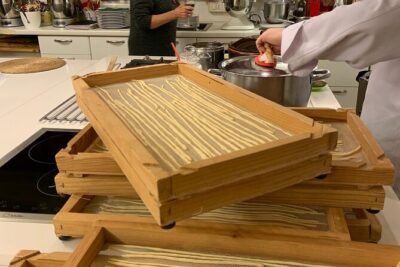
Browse the lists this tour appears in