
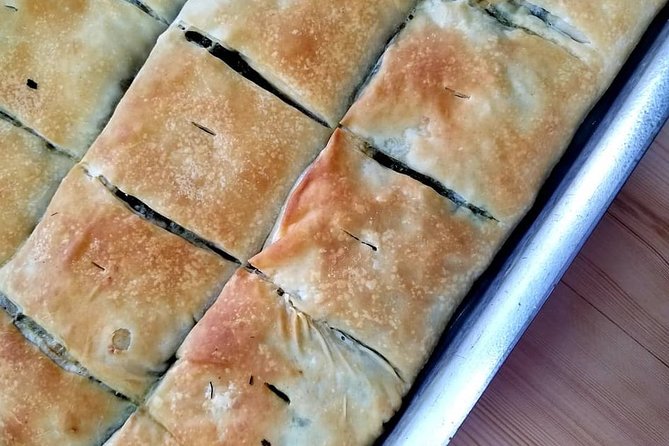
Review · ALBANIA
Cooking Class
Gjirokaster’s food is best understood with your hands busy. At Edua restaurant in the medieval bazaar, you learn to prepare qifqi riceballs, OSA pasta with lamb, and hasude dessert, using recipes passed down through the family. Then you sit down and eat the meal you made.
I like the private format, which gives you room to work at your own pace, and I like the mix of cooking, local folklore, mountain spices, and tea. The chance to take home the written recipes and what you cooked adds real value.
The main caution is organization. The meeting address has caused confusion, and some bookings have not reached the restaurant in time. Contact Edua.gjirokaster before you arrive, and allow flexibility if your schedule is tight.
Key points at a glance
- Cook three traditional dishes: The planned menu includes qifqi, OSA pasta with lamb, and hasude, a walnut and butter dessert.
- Work in a private setting: Only your group takes part, so the class feels personal rather than like a large demonstration.
- Find the class in the old bazaar: The activity begins at Edua restaurant on Rruga Gjin Shpata, in the heart of Gjirokaster’s medieval market area.
- Expect family-style teaching: The chef may not speak English, but a family member can translate and help explain the process.
- Plan for variable timing: The class is sold as about two hours, though some sessions have lasted closer to one hour.
- Check the arrangements first: The address shown online has been reported as incorrect, and drinks may not always be included despite booking information.
Cooking Gjirokaster’s oldest recipes
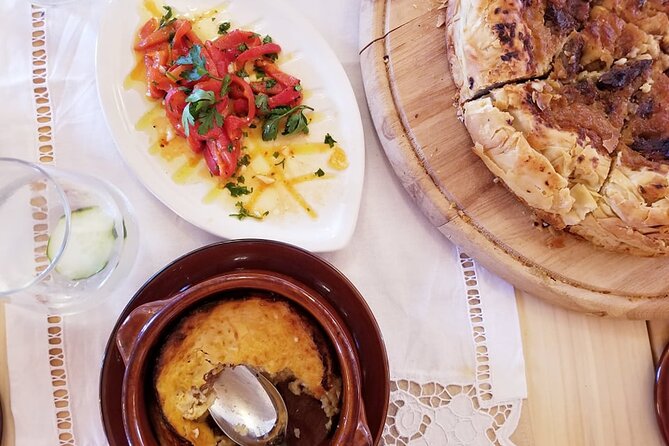
This class is not a polished culinary school with rows of stainless-steel workstations. It is a small local experience built around family cooking in the bazaar. You enter with the sleeves rolled up, learn by watching and doing, and finish at the table with food that has a direct connection to Gjirokaster.
That setting matters. Gjirokaster’s stone streets and Ottoman-era bazaar are a large part of the town’s appeal, but food gives you a more intimate way to understand the place. Recipes carry local habits, available ingredients, and family memory. Here, the cooking is tied to stories about tradition, spices, teas, and the customs of the surrounding mountains.
You are not simply shown a finished plate. The goal is to prepare the dishes yourself, with guidance through the steps. The recipes are described as some of the oldest typical foods of Gjirokaster, and the host shares a secret ingredient inherited through the family.
The class is offered in English, with translation support when needed. That distinction is useful. The chef may not speak English directly, so some instructions can be demonstrated first and explained by another family member. You should expect hands-on teaching rather than a long formal lecture.
More Hands-On Workshops in Albania:
- Tirana: Traditional Cooking Class with Wine & Raki Tasting
★ 5.0 · 284 reviews - Cooking Classes and Traditional food tasting in Tirana
★ 5.0 · 282 reviews - Traditional Albanian Cooking Class in Tirana & Raki Tasting
★ 5.0 · 266 reviews
Meeting at Edua in the medieval bazaar
The activity starts at Rruga Gjin Shpata in Gjirokaster, near public transportation and inside the medieval bazaar. The open-door restaurant is intended to be easy to spot, but the address attached to the booking has created problems for some people.
I would contact Edua.gjirokaster before the class, especially if you are arriving on a tight schedule. One person reached the area and found that the restaurant did not know about the booking, while another message received an initial reply but no useful follow-up. In both cases, the class was eventually arranged, but only after waiting and returning later.
This is not a reason to dismiss the experience. It is a reason to treat the meeting details seriously. Save the restaurant name, confirm the location, and keep your booking confirmation available on your phone. The class ends where it begins, so you do not need to arrange a second pickup point.
The bazaar is a good place for the activity. You can pair it with a walk through the old market streets, but do not assume that the class will start immediately after you arrive unless the restaurant has confirmed the time. Flexibility is helpful here.
Starting with qifqi riceballs
The sample menu begins with qifqi, one of Gjirokaster’s signature foods. These are riceballs, usually shaped and cooked as a savory starter. The dish is simple in appearance, but it offers a good introduction to the way local cooking turns basic ingredients into something distinct.
You learn the preparation step by step, including how the mixture is handled and formed. The process is practical and accessible, so you leave with a dish you can reasonably try again at home. That is one of the class’s strengths: the recipes are traditional, but they are not presented as impossible restaurant tricks.
The starter also sets the tone for the meal. You may enjoy traditional appetizers and drinks during the session, while the host explains local customs and the use of regional spices and teas. The details about mountain herbs are part of the experience, not just a side note. You learn that ingredients can serve both flavor and household purpose.
Because the class is private, you can ask questions or repeat a technique without holding up a large group. If you are cooking with children or with someone who is new to the kitchen, this relaxed pace can be especially useful.
Preparing OSA pasta with lamb
The main dish is traditional OSA pasta with lamb meat. This is the most distinctive part of the menu for many people because it combines handmade pasta with a local meat preparation rather than relying on a familiar restaurant version of pasta.
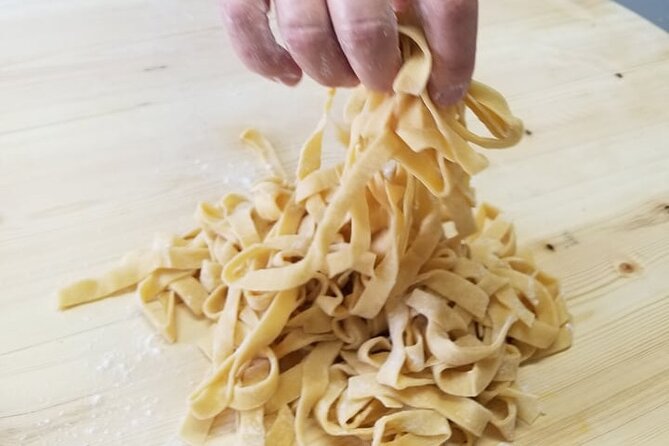
The class includes artisanal pasta work, so you can expect to handle the dough and see how the pasta is shaped or prepared. The available information does not give a full ingredient list or exact cooking method, but the teaching is described as hands-on and clear. One session focused on making OSA and was praised for its interesting method and good instruction.
This is where the class offers more than a meal. You are learning a regional food that you might not recognize from a standard Albanian menu. The dish connects the town’s cooking to home kitchens, where pasta is not necessarily bought ready-made and where lamb remains an important traditional ingredient.
The private format helps here. Handmade pasta can involve several small steps, and the instructor can correct your technique as you work. You should not expect a professional cooking-school certificate or a detailed culinary theory lesson. You should expect to leave knowing how to make a tasty local dish that is realistic to repeat at home.
A few more cooking classes around Albania worth a look
- Berat Cooking Class
★ 4.9 · 131 reviews - Traditional Albanian Cooking Class in Tirana with Raki Tasting
★ 5.0 · 125 reviews - Tirana Cooking Class – Traditional Albanian Recipes
★ 5.0 · 33 reviews - The secrets of Albanian cuisine: cooking lesson in Tirana
★ 5.0 · 21 reviews
Finishing with hasude dessert
Dessert is hasude, made with starch, butter, and walnuts. It is a modest pantry dessert, but that is exactly what makes it useful as a lesson in local cooking. You see how a few ingredients can be combined into something soft, rich, and satisfying.
The dessert also gives the class a complete shape. You do not stop after one recipe or leave with only a technique. The planned meal moves from qifqi to a pasta and lamb main course, then to something sweet.
The advertised class includes three dishes, but it is worth confirming this when you arrive. One person was taught the OSA pasta and then was told the session had ended, without preparing the starter and dessert. That may have been a communication or scheduling problem, but it shows why a quick check of the menu is sensible.
If you want the full experience, ask the host to confirm that qifqi, OSA, and hasude are all included. That small question can prevent disappointment, especially if you have booked specifically to learn more than one dish.
Eating what you prepare
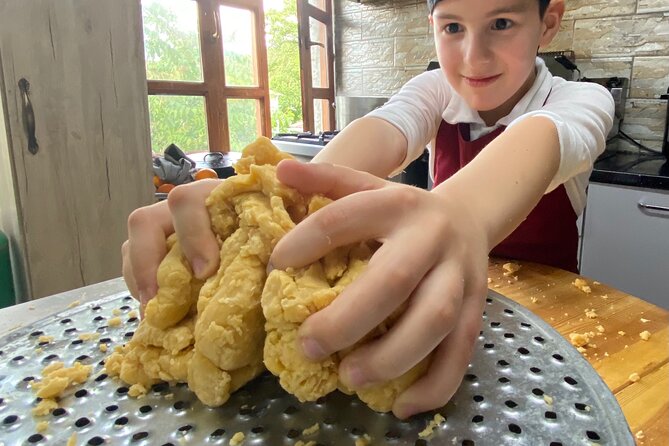
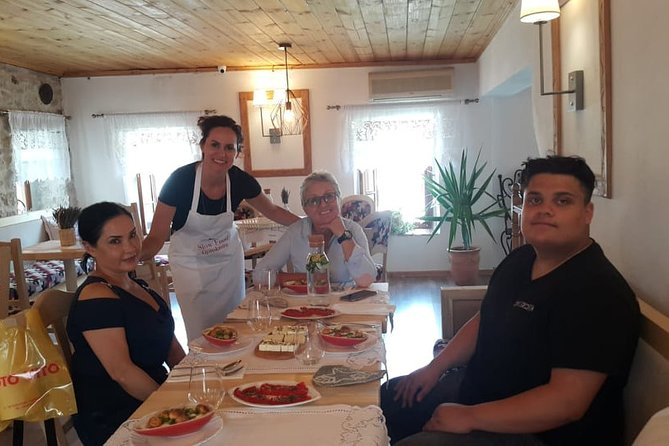
At the end, you eat the food you have cooked. This is more satisfying than receiving a separate restaurant meal because you know how each dish was made and where you had a hand in the process.
The meal is also a chance to slow down and talk. The class includes local history and folklore, along with traditional appetizers and various drinks. The food becomes a starting point for learning about family customs and the place itself.
You should clarify the drinks before ordering. One booking stated that drinks were included, but a participant was later asked to pay separately for a glass of wine and a beer. The safest approach is to ask what is included in the $54.19 price before accepting anything beyond the cooking menu.
The food itself is the stronger part of the value. You receive instruction, a private session, a prepared meal, written recipes, and what you cooked to take home. If the class runs for the full two hours and covers all three dishes, the price is easier to justify. If it lasts closer to one hour and covers only one recipe, the value is weaker.
What the private format means
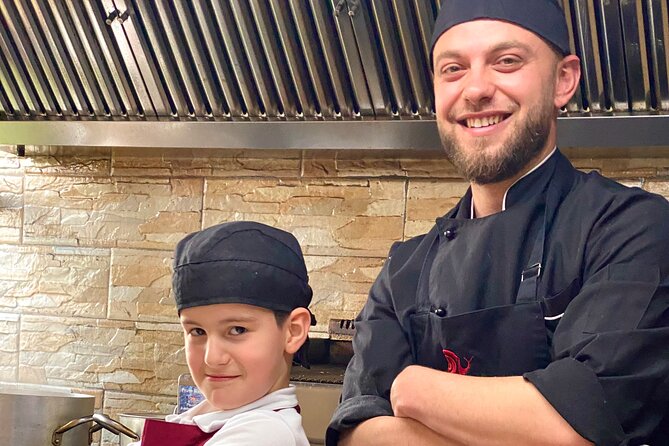
This is a private activity, so only your group participates. That gives you several practical benefits. You can ask for clarification, work without strangers watching, and spend more time on a step that gives you trouble.
It also means the experience depends heavily on the host’s preparation and communication. In a large scheduled class, another instructor might take over if there is confusion. Here, the family-operated nature is part of the charm, but it can also create a less formal system.
The warm welcome is one of the most praised aspects of the experience. The teaching may be partly through gestures and demonstration, but the family makes an effort to translate and involve you. One participant found the chef’s smile especially memorable even though they did not share a common language.
That kind of contact is valuable if you want a personal introduction to Gjirokaster’s food. It may frustrate you if you prefer exact timings, printed instructions during the class, or a fully fluent English-speaking chef. You receive the written recipes afterward, which helps fill in the gaps.
Price, timing, and practical value
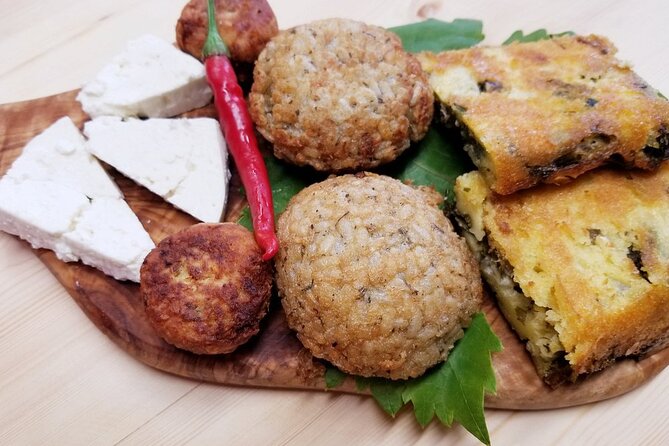
The cost is $54.19 per person, and the planned duration is about two hours. For a private cooking session that includes a meal, recipes, and local food discussion, this can be fair value, particularly for a couple or small group that wants a personal activity.
Albanian food is generally less expensive than food in many Western European destinations, so you should not compare the price only with the cost of eating qifqi or pasta in a restaurant. You are also paying for the instruction, the preparation, the private setting, and the time of the family hosting you.
The calculation changes if the class is much shorter than expected. Some sessions have taken about an hour, and one person prepared only the OSA pasta. Confirm the length and menu before starting if value is a major concern.
The class is often reserved well ahead, with an average booking time of about 32 days. That suggests you should not leave it until the last minute if the date matters to you. Confirmation is normally sent when you book, unless you are booking within one day of the activity. Last-minute bookings depend on availability.
Free cancellation is available until 24 hours before the start time. After that, the amount paid is not refunded, and changes are not accepted. Keep the local time in mind when deciding whether to alter your plans.
Who will enjoy this class most
I would recommend this experience to you if you enjoy learning through food rather than simply ordering a famous dish. It suits people who want a private activity, families looking for something participatory, and cooks who like recipes they can repeat at home.
It is also a good match for a short stay in Gjirokaster. In two hours, you get a meal, a cultural conversation, and an introduction to dishes that may be unfamiliar. The location in the bazaar makes it easy to combine with time in the old town.
You may want to choose something else if you need a tightly scheduled class with guaranteed English instruction from the chef, a professional kitchen setup, or a precise start and finish. The communication problems are real, and the class may not always follow the advertised order.
People with service animals can take part, and the meeting place is near public transportation. No other accessibility details are provided, so contact the host directly if you need specific arrangements.
Should you book the Edua cooking class?
Book it if you want a friendly, local food experience and can allow a little flexibility. The strongest reasons are the private setting, the family recipes, and the chance to eat what you prepare. Qifqi, OSA pasta with lamb, and hasude give you a fuller taste of Gjirokaster than a standard restaurant lunch.
Before booking or arriving, confirm the exact meeting point, the start time, the three-dish menu, and which drinks are included. If Edua confirms everything and you are comfortable with hands-on instruction that may involve translation, the class offers a memorable and useful introduction to Gjirokaster’s cooking.
If strict timing matters more than personal contact, think twice. The food and hospitality are the clear strengths, while organization is the main weakness.
FAQ
Where does the cooking class begin?
The class begins at Rruga Gjin Shpata in Gjirokastër, at Edua restaurant in the medieval bazaar. The activity ends back at the same meeting point.
What dishes will I learn to cook?
The sample menu includes qifqi riceballs as a starter, traditional OSA pasta with lamb meat as the main course, and hasude for dessert. Confirm the full menu when you arrive.
Is the class private?
Yes. Only your group participates in the activity.
Is the cooking class offered in English?
The experience is offered in English. The chef may not speak English directly, but a family member can translate and help with the teaching.
How long does the class last?
The planned duration is approximately two hours. Some sessions have lasted closer to one hour, so confirm the timing if your schedule is tight.
Can I cancel for a full refund?
Yes. You can cancel at least 24 hours before the experience start time for a full refund. Cancellations or changes made less than 24 hours in advance are not accepted for a refund.
Just added around Albania
- Cooking Class: Preparing Traditional Albanian LAKROR in ksamil★ 5.0 · 9 reviews
- Vegetarian Cooking Class @Teta Marjeta★ 5.0 · 11 reviews
- Family Mandarin Farming Tour with Traditional Cooking Lunch★ 4.5 · 9 reviews
- Gourmet Lunch Farm Tour with Cooking Class★ 4.5 · 8 reviews
- The secrets of Albanian cuisine: cooking lesson in Tirana★ 5.0 · 21 reviews
- Tirana Cooking Class – Traditional Albanian Recipes★ 5.0 · 33 reviews
- Gjirokastër: Traditional Albanian Vegetarian Cooking Class★ 4.4 · 17 reviews
- Cook Like a Local – Authentic Cooking Class in Gjirokastra★ 3.2 · 4 reviews
Cooking Classes, compared.
Half-Day Thai Cooking Class at Organic Farm in Chiang Mai
Read our review →
Florence: Pasta Cooking Class with Unlimited Wine
Read our review →
3 in 1 Cooking Class near Navona: Fettuccine, Ravioli & Tiramisu
Read our review →
Hanoi Cooking Class: Culture, Local Market & Meaning CSR Impact
Read our review →
5 Traditional Dishes Hanoi Cooking Class with Market Trip
Read our review →
Cooking Class and Lunch at a Tuscan Farmhouse with Local Market Tour from Florence
Read our review →
Chiang Mai: Cooking Class, Market & Thai Herbs Garden Tour
Read our review →Browse the lists this tour appears in