
Review · INDIA
Bake Bread With 80 Years Old Baker In Majorda
The best part of this Majorda experience is its setting: a working village bakery where an 80-year-old baker still makes Goan bread by hand. You shape poee, watch it go into a traditional oven, and eat it hot, with wood smoke and fresh bread in the air.
I like the hands-on work and the local story. You do not just taste poee, you help make it. I also like the connection to Goa’s Portuguese past, plus the stop at Majorda railway station. The main drawback is space. One session became crowded inside the bakery, with some waiting in the heat, so confirm the group size and bring water.
Key points to know before you book

- An 80-year-old baker leads the food story: You see a traditional method rather than a polished cooking demonstration.
- You make poee by hand: The session includes shaping the bread and watching it bake in a wood-fired oven.
- The Portuguese link is central: Learn how pao reached Goa and why the village baker, or poder, still matters.
- You visit Majorda railway station: This adds a local stop beyond the bakery itself.
- You make a Goan-Italian snack: Turn your poee into a panino with a playful Italian touch.
- You need your own vehicle: This is not a walking activity, and transport between two places is not provided.
A village bakery instead of a staged cooking class
This is the sort of food experience I prefer when I want to understand a place. You are not simply shown a finished loaf and handed a recipe card. You enter a rustic bakery while bread is being made, then see how the work depends on touch, timing, heat, and habit.
The bakery uses a traditional mud oven heated with burning wood. That matters because the oven is part of the flavor and the atmosphere. You can expect the smell of smoke and baking dough, the sight of bread going into the oven, and the pleasure of breaking open a loaf while it is still hot.
The baker is 80 years old, and his work is tied to a family tradition that has continued for three generations. The point is not speed. It is the quiet skill of someone who has made this bread for much of his life.
Soul Travelling provides a guide to explain the process. Guides named in past sessions include Fenosha, Atul, Medore, Tavanya, and Karan. Your assigned host may differ, but the guide’s role is important: translating the bakery’s daily work into a story about Goa, food, and local life.
More Baking Classes in India:
- Lisbon: Pastel de Nata Baking Class
★ 4.9 · 2,106 reviews - Group Tour: Garni, Symphony of Stones, Geghard, Lavash Baking
★ 5.0 · 1,042 reviews - Paris Croissant Small-Group Baking Class with a Chef
★ 5.0 · 910 reviews
Why poee matters in Goa
Pao is one of Goa’s most familiar breads, and poee is a related style with a distinct place in the local food scene. The experience explains how breadmaking came to Goa through the Portuguese and how it became part of everyday Goan cooking rather than remaining a foreign import.
The word poder refers to the traditional Goan baker. In many Goan communities, the poder was once a familiar morning presence, delivering bread from house to house. This activity uses the bakery visit to explain that role and the practical importance of fresh bread in local life.
You also learn that breadmaking is not only about ingredients. The baker must understand dough, heat, texture, and the behavior of the oven. The old method gives you a better sense of why local bread can taste different from factory-made bread, even when the ingredient list seems simple.
I like this context because it keeps the food from becoming a quick photo stop. A piece of poee becomes a small lesson in Goa’s cultural mixture. Portuguese influence, village routine, wood-fired baking, and modern tourism all meet in one short visit.
Shaping your own poee
The hands-on part is the heart of the activity. You get to make your own poee rather than only watch the baker work. The exact amount of time each person has may depend on the group, but the experience includes shaping the dough and preparing it for the oven.
Do not expect a formal professional baking lesson with individual workstations. This is a working bakery, and the space can be tight. One session had more people than the bakery could comfortably hold, which led to waiting and time spent in the heat.
That is the main practical concern. The advertised maximum is described as either eight or ten participants in the available information, so the exact number may vary. A smaller group will give you more room and more direct contact with the baker. If you are booking mainly for the hands-on part, ask about the expected group size before paying.
Still, the setting gives the activity its character. A polished studio would be easier, but it would not show you how bread is made in a real local bakery. You may need to be patient, share space, and watch from the side while others take their turn.
Watching the bread enter the wood-fired oven
After shaping, you watch the poee bake in the traditional oven. This is where the activity becomes sensory rather than merely instructional. The smell of wood smoke mixes with the aroma of dough, and the wait gives you a clear sense of how much skill is involved in getting the bread right.
The oven is an old-style mud structure, not a modern electric appliance. You can watch the bread go in and later see it come out ready to eat. The experience is designed around that contrast: simple materials, practiced hands, and a result that is best enjoyed immediately.
The first bite is part of the lesson. Fresh poee has a soft center, and the bread is served hot from the oven. You may want to let it cool slightly before eating, but the appeal is precisely that it has not been sitting in a display case or sealed in plastic.
Snacks are included, but bottled water is not. Since the bakery can be hot and there may be waiting time, bring your own water. The operator includes a first-aid and medical kit, but that does not replace ordinary preparation for a warm afternoon.
Same place, a different menu:
- Pink City Cooking Class
★ 5.0 · 452 reviews - Five Course Cooking Class & Meal
★ 5.0 · 250 reviews - AI Tour – Cook, Talk, Dine & more with locals at their Delhi Home
★ 5.0 · 238 reviews - Veg and Non veg : Private Cooking Class in Delhi home (7 meal)
★ 5.0 · 226 reviews
Turning poee into a panino
The experience adds a light Italian twist by having you turn poee into your own panino. This connects Goa’s Portuguese food history with the Italian restaurant that serves as the meeting point, Da Tita by Magic Italy.
It is a playful finish rather than a second full cooking class. You work with the bread you have just seen made, then give it a panino-style treatment. That makes the activity especially appealing if you enjoy food experiences that mix demonstration, tasting, and a small amount of creative work.
The panino element also keeps the session from being only historical. You learn where the bread came from, see how it is produced, and then use it in a familiar modern format. I like that balance. You respect the local tradition without treating it as something frozen in the past.
The Majorda railway station stop
The itinerary includes a visit to Majorda railway station. This is a modest local stop, not a major monument or an extended sightseeing visit. Its value is in widening your view of the area beyond the bakery.
Because the activity is built around two locations, you need your own vehicle. It is not a walking trail, and transport between the meeting point, bakery, and station is not included. The activity begins at Da Tita by Magic Italy in Calata, Girim, Goa, at 2:00 pm, then ends back at the same meeting point.
That arrangement works best if you are driving yourself or have a private car arranged. It is less convenient if you are relying on public transport or hoping to join a walking tour from a nearby hotel. Ask for clear directions and allow enough time to reach the meeting point before the afternoon start.
The station visit may appeal most to people who like ordinary places and local movement rather than a packed list of major sights. It is a reminder that the bakery is part of a living community, not a set built only for visitors.
Guides who shape the experience
The guide can make a big difference here because the bakery itself is informal. You need someone to explain what you are seeing, keep the activity moving, and help connect the bread to Goa’s past.
Fenosha has been described as lively, kind, and helpful during the bread session. Atul has also led a poee experience, and Medore has hosted a family visit that included baking bread and seeing the old oven. Other sessions have featured Tavanya and Karan.
Do not assume you will receive a particular guide unless the operator confirms it. What you can reasonably expect is a Soul Travelling host who handles the group and provides the background about poee, the poder, and the Portuguese connection.
The best guides here do more than explain ingredients. They help you notice the baker’s technique, understand why the oven matters, and meet the local people with respect. That human contact is one of the strongest reasons to choose this over a standard food tasting.
Is the $22.35 price good value?
At $22.35 per person, this is fairly priced if you value access to a working local bakery and a hands-on activity. The price includes the guided tour, snacks, all fees and taxes, a small Soul Travelling gift, and a first-aid kit.
You are paying for more than bread. The fee covers the guide, the local connection, the baking activity, the station visit, and the chance to eat the finished poee. It is not a full meal, however, and bottled water is not included. You should budget for your own transport and any food or services not named in the inclusions.
The value is strongest for people who enjoy cultural detail and direct participation. If you only want to eat Goan bread, you can likely do that more cheaply at a bakery. If you want to understand how it is made, meet the baker, shape the dough, and see the wood oven, the added cost makes more sense.
The average booking time is seven days in advance, so do not leave it until the last morning if your dates are fixed. Free cancellation is available up to 24 hours before the 2:00 pm start time. Cancellations or changes made later are not accepted for a refund.
Who will enjoy this most?
I would choose this experience if you like food with a story, small local encounters, and activities where the setting matters as much as the finished product. It suits couples, families, and curious solo visitors who do not mind a little heat, shared space, and an informal pace.
It is also a good choice for anyone who has already seen Goa’s beaches and wants a different side of the state. The bakery, the old oven, the village setting, and the railway station offer a break from the usual coastal schedule.
Families should find the shaping and baking appealing, though younger children may need help in a warm, crowded bakery. The activity includes hot bread and a traditional oven, so close attention is sensible.
I would hesitate if you need a tightly timed, air-conditioned class or guaranteed one-on-one instruction. The bakery is small, and the experience works best when you accept that it is a real working place rather than a purpose-built school.
My verdict on the Majorda bread experience
Book this if you want to meet local people, make poee with your own hands, and taste bread straight from a wood-fired oven. The strongest features are the elderly baker, the old method, the Portuguese-Goan food story, and the chance to see a side of Majorda that a normal sightseeing plan could miss.
Before booking, confirm the expected group size and transport plan. Bring water, arrive ready for an informal setting, and allow the full three and a half hours even though some sessions may run closer to two or three.
For a low-cost, personal introduction to Goan bread, this is a good pick. It is not polished, and that is part of the point. You come away with more than a snack: you understand why poee still matters.
FAQ
How long does the bread-making experience last?
The listed duration is approximately three hours and thirty minutes. Some sessions may take closer to two or three hours, so you should keep the afternoon open.
Where does the activity begin?
It begins at Da Tita by Magic Italy, an Italian restaurant and pizzeria at Calata, Girim, Goa 403713, India. The activity ends back at the same meeting point.
What time does the experience start?
The scheduled start time is 2:00 pm.
Do I need my own transportation?
Yes. This is not a walking activity, and you visit two places. You are asked to bring your own vehicle.
What will I make during the session?
You will take part in making poee, a type of Goan bread, and watch it bake in a traditional oven. You will also make your own panino using poee.
Is food included?
Snacks are included. Full meals and bottled water are not included unless specifically stated otherwise.
How many people can join the activity?
The available information gives a maximum of eight in one description and a maximum of ten in another. Confirm the expected group size when booking, especially if having room for hands-on work is important to you.
Just added around India
- Traditional Hyderabadi Cooking Class in a Local Home★ 5.0 · 4 reviews
- Chef Kamal’s Indian Cooking Classes★ 5.0 · 8 reviews
- Culinary Experiences by Fierce Kitchens (Cooking class)★ 5.0 · 18 reviews
- Private Market Visit and Cooking Class in Goa with a Local Family★ 5.0 · 11 reviews
- Traditional Indian Cooking Class in Goa, Anjuna [vegetarian]★ 4.5 · 39 reviews
- Private tour to learn Traditional Indian Art, craft & Cooking★ 5.0 · 4 reviews
- Traditional Chettinad Cooking Class in a Local Home near Chennai★ 4.5 · 12 reviews
- Chennai Super Market Tour and Cooking Class with a Fun Local★ 5.0 · 9 reviews
Baking & Bread Classes, compared.

Group Tour: Garni, Symphony of Stones, Geghard, Lavash Baking
Read our review →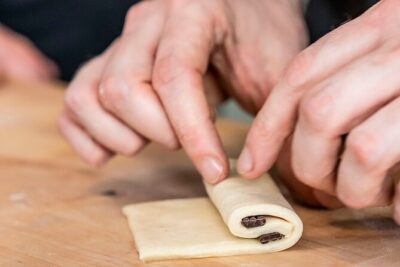
Paris Croissant Small-Group Baking Class with a Chef
Read our review →
Garni & Geghard Small-Group Day Trip with Lavash Baking
Read our review →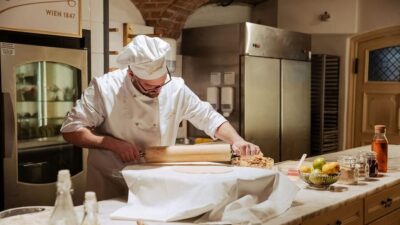
Vienna: Gerstner KuK Hofzuckerbäcker Baking Show & Tasting
Read our review →
Yerevan: Garni, Geghard, Symphony of Stones & Lavash Baking
Read our review →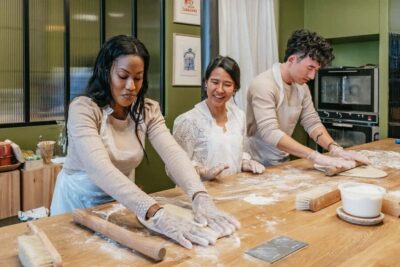
Paris: French Croissant Baking Class with a Chef
Read our review →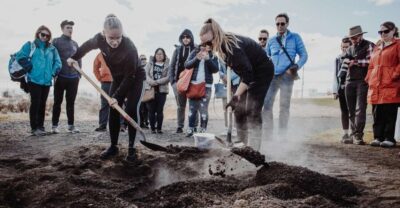
Laugarvatn Fontana: Geothermal Bread-Baking Experience
Read our review →Browse the lists this tour appears in