Review · CHIANG MAI
Chiang Mai: Evening Cooking Class and Local Market Visit
Chiang Mai’s best cooking lesson starts before the stove. You visit a local market, see the herbs and vegetables used in Thai kitchens, then head to Galangal Cooking Studio to prepare four dishes of your choice. The food is the main event, but the market visit gives the class a useful local setting.
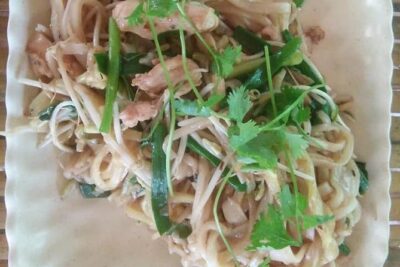
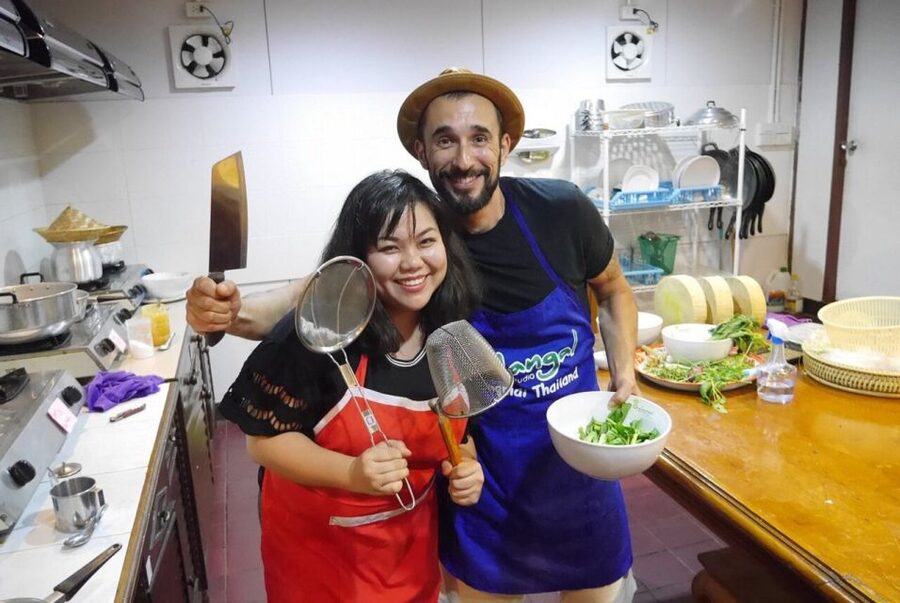
I like the freedom to choose from familiar favorites such as pad Thai, tom yum, green curry, khao soi, and som tam. I also like the careful help from instructors such as New, Aoy, and Oi, who explain ingredients clearly and adjust dishes for vegetarian, vegan, halal, gluten-free, and allergy needs.
The one catch is the pickup window. Drivers collect people from several parts of Chiang Mai between about 3:15 and 3:45 PM, and traffic can cause delays. The class also produces a lot of food, so arrive hungry and allow the full evening.
Key points at a glance
- Choose your own menu: Pick one dish from each group: stir-fry, soup, appetizer, and curry or curry paste.
- Start at a real market: See fresh produce and Thai ingredients before cooking with them.
- Visit an organic garden: Walk among herbs and vegetables and learn how some ingredients are grown.
- Learn in comfort: The indoor kitchen and air-conditioned dining room are useful during Chiang Mai’s hot weather.
- Bring the meal home twice: Eat your cooking at the school and receive a PDF recipe book for later.
- Good value at $28: The price includes transfers, ingredients, equipment, drinks, instruction, and the market visit.
Why this Chiang Mai cooking class works so well
For $28 per person, this is a lot of evening for the money. You are not simply shown how Thai food is made. You choose dishes, prepare them yourself, sit down to eat, and receive recipes to try again at home.
The class lasts up to five hours, though smaller groups may finish earlier than the advertised 4:00 to 8:30 PM schedule. That flexibility can be welcome, but do not treat the five hours as a guarantee of a late finish. The actual length depends partly on group size.
The activity is especially useful if you want more than a restaurant meal. A plate of khao soi tells you what the finished dish tastes like. Making the curry paste shows you how the flavor is built, and a market visit helps put unfamiliar ingredients into context.
The strong point is the teaching style. New is frequently mentioned by name in the feedback, along with Aoy and Oi. The useful pattern is clear: instructors explain each step, help keep the group moving, remember students’ needs, and offer substitutions when seafood, meat, gluten, or other ingredients are a problem.
You do not need to be an experienced cook. The recipes are taught in manageable stages, and the cooking is presented as hands-on but not intimidating. That makes the class suitable for couples, families with older children, solo visitors, and people who rarely cook.
More Market Tour Cooking Classes in Chiang Mai
- Chiang Mai: Cooking Class, Market & Thai Herbs Garden Tour
★ 4.9 · 4,824 reviews - Chiang Mai: Authentic Cooking Class with Market & Farm Visit
★ 4.9 · 4,546 reviews - Chiang Mai: Cooking Class with Market and Pickup
★ 4.9 · 1,365 reviews
The 3:15 to 3:45 PM hotel pickup
Pickup is included from hotels in Chiang Mai’s Old City, Santitham, and parts of Huay Kaew Road between Kad Suan Kaew and Maya Shopping Mall. Service also covers some addresses around Nimman, Sirimongkrajan Road, Wat Ket Road, Chang Phueak, Chang Khlan, and Chang Moi.
The word some matters. Several of these areas are large, and not every street is included. The operator checks your accommodation address and tells you if you need to make your own way to the school or market.
Plan to wait in your hotel lobby 5 to 10 minutes before the scheduled collection time. The driver may arrive before 3:45 PM, and traffic or multiple pickup points can make the vehicle late. The driver waits no more than five minutes after the agreed time, so do not wander off for coffee.
Transport has been a major strength of the experience. Pickup is often by a traditional red truck, the shared local vehicle familiar throughout Chiang Mai. It is practical rather than luxurious, but it saves you the trouble of finding the school at the start of the evening.
If your hotel is outside the service area, you can still join by arranging transport to the cooking school or market. The operator provides the arrival details and address.
A local market before the cooking begins
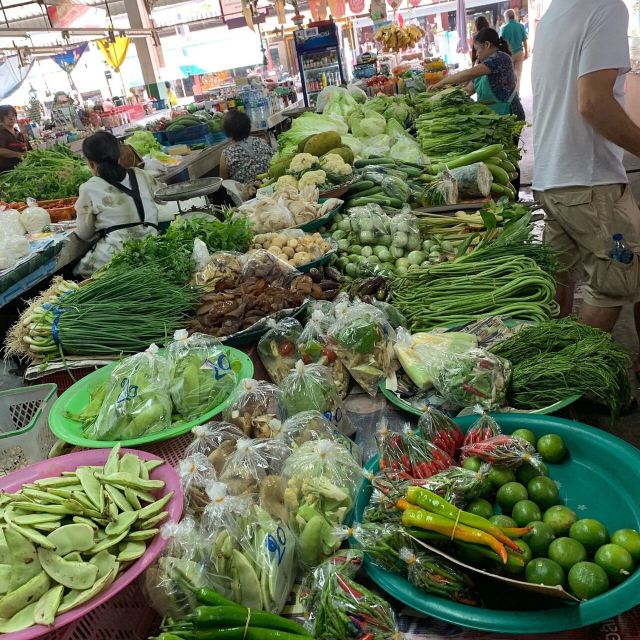
The market visit gives the class a useful first chapter. You see the vegetables, herbs, and other produce before preparing them in the kitchen. The guide explains what the ingredients are and how they fit into the selected dishes.
The amount of market time can vary. It is described as a market tour depending on interest, and the visit is generally brief rather than a full food tour. You may have time to walk around and look at local products, but this is not the place to expect an extended tasting route or a long shopping session.
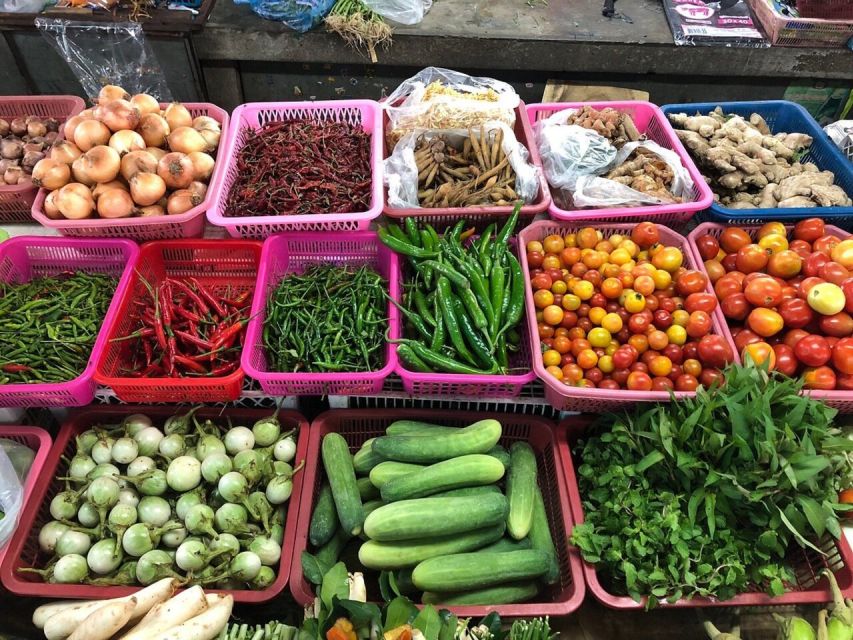
That shorter format is sensible for an evening class. The market visit adds local context without taking up the time needed to cook and eat. I would pay attention to the small details here: the shape of Thai eggplants, the herbs used in curry pastes, and the difference between ingredients you recognize and those you have never handled.
The market also helps if you plan to recreate the recipes later. A recipe can tell you to use basil, lime, chili, or coconut milk. Seeing the ingredients in their local setting makes them easier to recognize when you shop at home.
The organic garden and the Thai ingredient lesson
After the market, you visit an organic garden and walk among cultivated herbs and vegetables. This is a simple stop, but it connects the food on your plate with the plants behind it.
The garden is not presented as a major sightseeing attraction. Its value comes from the explanation. Thai cooking depends on fresh aromatics, herbs, chilies, and vegetables, and the garden gives you a chance to see how some of these are grown.
I would treat this as a learning stop rather than a photo stop. Listen to the guide’s explanation of the plants you will use, then notice how much of Thai flavor comes from fresh ingredients rather than complicated technique.
The sequence works well: market, garden, kitchen. You first see the ingredients for sale, then see some of them growing, and finally use them in a dish.
More Market Tour Cooking Classes in Thailand
- Evening Cooking Class in Organic Farm with Local Market Tour
★ 5.0 · 394 reviews - Cooking Morning Class Chiang Mai Visit Organic Garden and Market
★ 5.0 · 211 reviews - Phuket Thai Cooking Class with Market Tour Option
★ 5.0 · 2,665 reviews - Bangkok: Hands-on Thai Cooking Class and Market Tour
★ 4.9 · 1,614 reviews
Choosing four dishes from the menu
You normally select one dish from each of four groups. The exact choices can be discussed around your preferences, dietary needs, and the class setup.
Stir-fried dishes
Options include:
- Pad Thai, fried noodles in the Thai style
- Pad See Ew, stir-fried fresh noodles with chicken
- Kai Pad Med Mamuang Him Ma Pan, chicken with cashew nuts
- Pad Kaphao Kai, minced chicken with holy basil
Pad Thai is the obvious choice if you want a classic dish that is easy to recognize at home. Pad See Ew gives you a different noodle style, while the chicken and cashew dish is a good pick if you prefer a milder, savory plate. Pad Kaphao Kai introduces the strong fragrance of holy basil.
Soups
The soup choices include:
- Tom Yum Kung, hot and sour prawn soup
- Tom Kha Kai, chicken in coconut milk
- Tom Kha Je, vegetarian or vegan coconut soup
- Tom Zap Kai, hot and sour chicken soup
Tom yum gives you sharp, hot, sour flavors. Tom kha is softer and creamier because of the coconut milk. If you do not eat meat, Tom Kha Je provides a direct substitute rather than leaving you with a reduced menu.
Appetizers
You can choose from:
- Som Tam, green papaya salad
- Por Pia Thod, spring rolls
- Larb Kai, chicken salad
- Yam Woon Sen, glass noodle salad
Som tam is a good choice if you want to learn how Thai salads balance sour, spicy, salty, and sweet notes. Spring rolls offer a more familiar starting point, while the noodle salad gives you another texture and a lighter style of dish.
Curry and curry paste
The curry choices are the most useful part of the class if you want a recipe you can repeat at home. Options include Massaman curry, green curry, Panang curry, khao soi, red curry, yellow curry, and dry red curry.
You may also make curry paste from scratch. That is a worthwhile lesson because prepared paste can hide the work behind a Thai curry. Grinding and combining the ingredients shows why fresh aromatics matter.
Khao soi deserves special attention because it is closely tied to Chiang Mai. This northern Thai noodle dish gives the class a strong local connection, and several people specifically selected it along with pad Thai.
Cooking four dishes in an air-conditioned kitchen
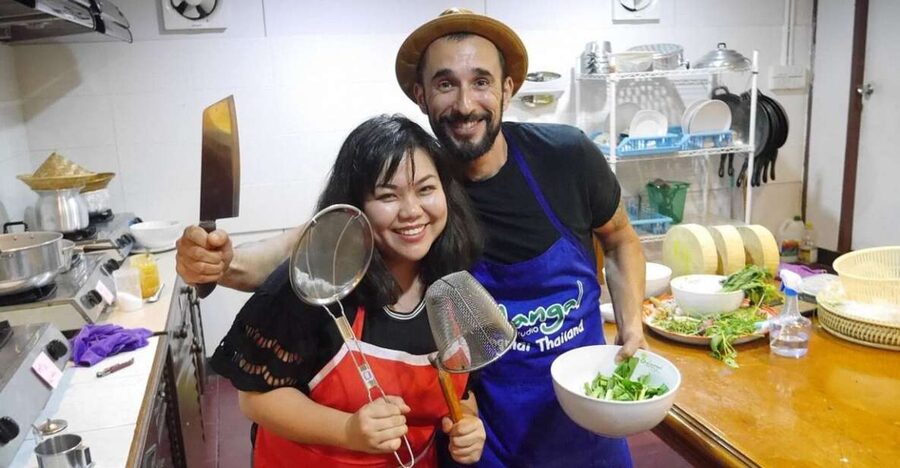
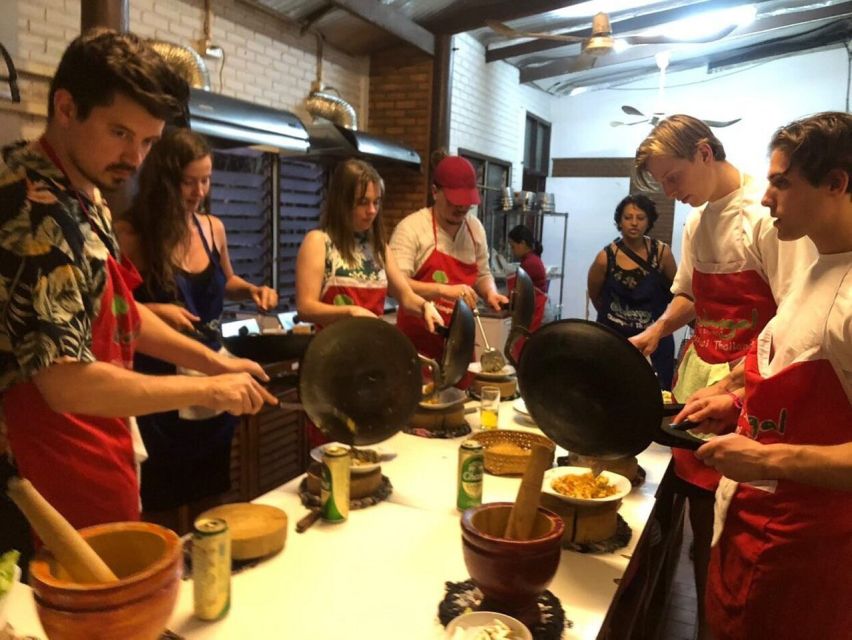
Once your menu is chosen, the class moves into the indoor kitchen. You receive the ingredients, equipment, and cooking instructions, then prepare each dish with guidance from the instructor.
The cooking is practical rather than theatrical. You chop, mix, stir, season, and assemble your own food. The instructor explains the role of each ingredient and helps you keep pace with the rest of the class.
The air conditioning matters. Chiang Mai can be hot, and cooking over a stove while handling chilies and curry ingredients is more pleasant in a cool room. The air-conditioned dining room also makes the final meal more comfortable.
The class is usually shared with other people, with larger groups reaching about 10 to 12 participants. Smaller groups may finish sooner and can feel more personal. One useful sign of the school’s flexibility is that a one-person class has gone ahead when the student could not change dates.
Do not expect a professional chef’s course. You learn home-style Thai cooking, not restaurant management or advanced knife work. That is exactly why the class suits most visitors. The dishes are explained in a way that makes them seem possible to repeat, even if you are not a confident cook.
The meal is part of the lesson
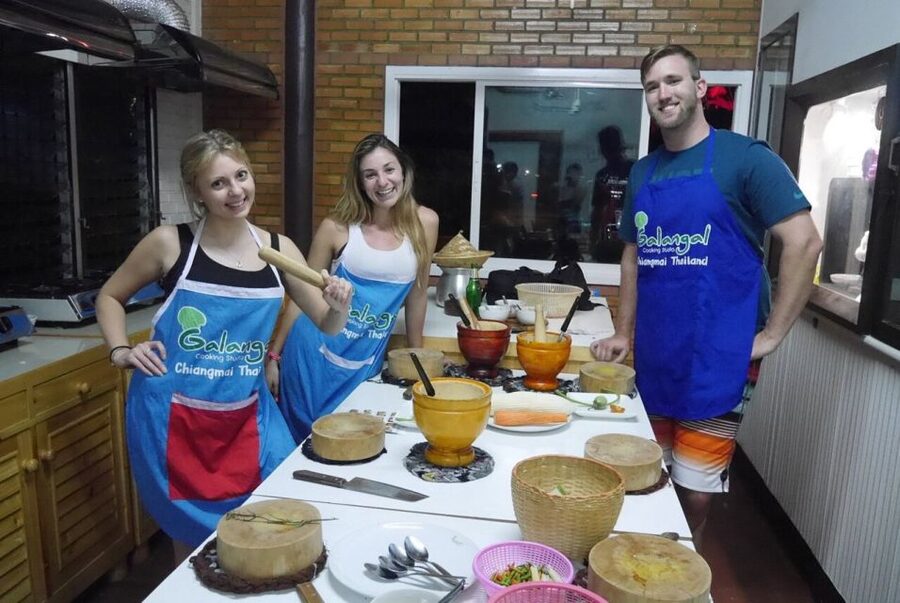
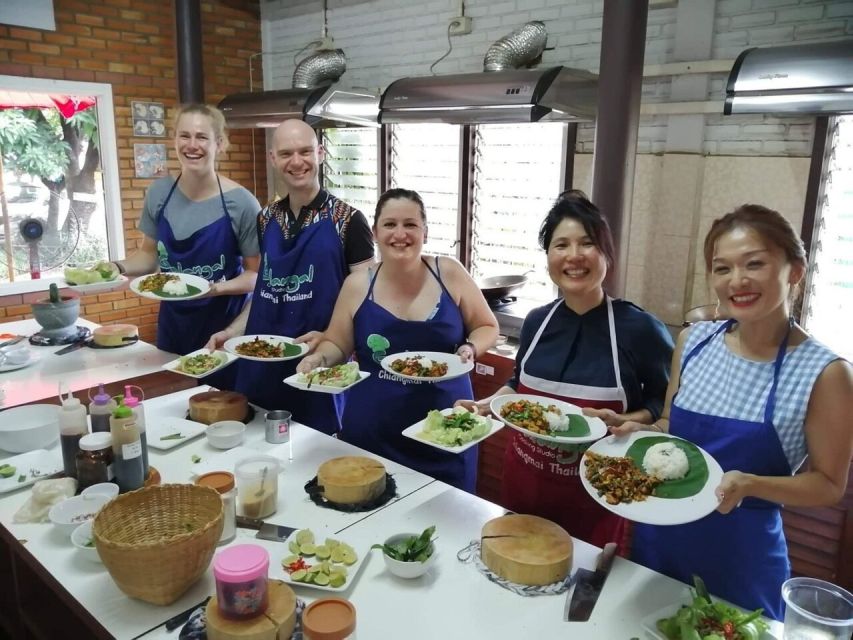
The best reward comes at the dining table. You eat the dishes you have prepared, usually with the rest of the group. Since you select from several categories, the meal gives you a broad taste of Thai cooking in one sitting.
The portions add up. Four dishes per person can leave you very full, especially after sampling soup, noodles, curry, salad, and an appetizer in one evening. Have a light lunch or leave room during the day. The advice to arrive with an empty stomach is practical, not decorative.
If you cannot finish everything, leftovers may be packed for you. That is useful, though you should follow the school’s advice about taking food away and storing it safely.
Water, tea, and coffee are included. Alcohol is not part of the activity, and smoking is not allowed indoors. Drugs are prohibited.
Dietary needs and substitutions
This class is unusually flexible for a fixed-menu activity. Vegetarian, vegan, halal, and gluten-free options are available, and substitutions can be made for allergies or dislikes.
Tell the operator about your requirements when booking and remind the instructor at the start. Do not wait until a dish is already being prepared. The menu includes seafood, chicken, fish sauce, noodles, coconut milk, chilies, and other ingredients that may need adjustment.
The choice-based format helps. You are not locked into one set menu, so the instructor can guide you toward suitable alternatives. For example, Tom Kha Je is specifically listed as vegetarian or vegan, and ingredients can be altered for people who cannot eat seafood.
The class is taught in English. Cooking instructions and the recipe material are also provided in English.
Is $28 good value?
Yes, especially if you would otherwise pay separately for transport, a meal, and a cooking lesson. The price includes hotel pickup and drop-off within the service area, the market and garden visits, ingredients, equipment, instruction, water, tea, coffee, and a PDF recipe book.
The four-dish format is the key value. Many short cooking lessons focus on one or two recipes. Here you work across stir-fry, soup, appetizer, and curry, then eat what you make.
The main limitation is that the market tour is not a long guided market experience. If your priority is shopping, street food, or a detailed food walk, this class may feel cooking-heavy. If your priority is learning several dishes and eating a full meal, the balance is much better.
Observers can attend, but they pay separately: 500 Thai baht for an adult observer and 350 baht for a child aged 6 to 12. This is worth knowing if one person in your group wants to watch without cooking.
Who should book this evening class?
I would choose it for:
- First-time visitors who want a friendly introduction to Thai food
- Couples looking for a shared evening activity
- Families with children old enough to take part
- Vegetarians, vegans, and people with clearly stated dietary restrictions
- Anyone who wants to learn khao soi or curry paste
- Visitors staying in the Old City, Santitham, or covered areas near Nimman
- People who prefer a practical activity to another restaurant meal
It may be less suitable if you dislike group activities, need a tightly fixed finish time, or want a long market tour. The class can finish earlier with a small group, and pickup times can shift with traffic, so leave room in your evening schedule.
The activity is listed as wheelchair and stroller accessible, with infant seats available for pickup. It is near public transport as well. Personal medication should be brought if needed. The note about altitude sickness does not fit this lowland city activity, but the listed restriction says it is not suitable for people with altitude sickness.
Practical booking advice
Book at least a day ahead if you want a particular date, but same-day booking may work when space remains. The activity allows cancellation up to 24 hours before the start for a full refund, and you can reserve now and pay later.
Check the pickup address carefully. If your hotel is outside the service area, arrange your own ride and confirm where you must meet the group.
Wear clothes you can cook in, keep your hands free, and bring medication. Most important, arrive hungry. Four Thai dishes, even small portions, make this a full meal rather than a quick demonstration.
Should you book it?
Book this class if you want a well-priced, hands-on introduction to Thai food with transport included. The strongest combination is the market visit, the choice of four dishes, the patient teaching from instructors such as New and Aoy, and the recipe book that lets you continue at home.
Skip it if you want a serious culinary course or a long market exploration. For most visitors, though, this is a smart Chiang Mai evening: you learn what you are eating, prepare it yourself, and finish with dinner already on the table.
FAQ
How long does the Chiang Mai cooking class last?
The activity is advertised as five hours. The larger-group schedule runs roughly from 4:00 to 8:30 PM, while smaller groups may finish earlier.
What dishes can I cook?
You choose one dish from each category: stir-fry, soup, appetizer, and curry or curry paste. Choices include pad Thai, pad see ew, tom yum kung, tom kha, som tam, spring rolls, green curry, Massaman curry, Panang curry, red curry, yellow curry, and khao soi.
Is hotel pickup included?
Yes. Pickup and drop-off are included for hotels in the Old City, Santitham, covered parts of Huay Kaew Road, and some areas around Nimman, Sirimongkrajan Road, Wat Ket Road, Chang Phueak, Chang Khlan, and Chang Moi.
What time should I wait for pickup?
Wait in your hotel lobby 5 to 10 minutes before the scheduled pickup time. Pickup takes place between about 3:15 and 3:45 PM, and traffic or several pickup points can cause delays.
Can vegetarians and people with food allergies join?
Yes. Vegetarian, vegan, halal, and gluten-free options are available. Substitutions can also be made for allergies, but you should provide your dietary information when booking and discuss it with the instructor.
Does the price include food and cooking equipment?
Yes. The $28 price includes all ingredients, equipment, cooking instructions, water, tea, coffee, and the meal you prepare.
Do I receive the recipes afterward?
Yes. You receive a PDF recipe book so you can try the dishes again at home.
More Hands-On Workshops in Chiang Mai
- Half-Day Thai Cooking Class at Organic Farm in Chiang Mai
★ 5.0 · 19,087 reviews - Thai and Akha Cooking Class in Chiang Mai
★ 5.0 · 4,358 reviews - Chiang Mai: Cooking Class with Organic Farm at Mama Noi
★ 4.9 · 1,151 reviews - Cooking Class with Organic Farm in Chiang Mai at Mama Noi
★ 5.0 · 502 reviews
More Shopping Trips in Chiang Mai
- Hanoi Cooking Class: Culture, Local Market & Meaning CSR Impact
★ 5.0 · 5,147 reviews - 5 Traditional Dishes Hanoi Cooking Class with Market Trip
★ 5.0 · 4,890 reviews - Cooking Class and Lunch at a Tuscan Farmhouse with Local Market Tour from Florence
★ 5.0 · 4,831 reviews - Barcelona: Paella Cooking Experience & Boqueria Market Tour
★ 4.8 · 3,661 reviews
Just added around Chiang Mai
- Cooking Morning Class Chiang Mai Visit Organic Garden and Market★ 5.0 · 211 reviews
- Tomyumthai Cooking Class in Chiang Mai★ 5.0 · 234 reviews
- Benny’s Home Cooking Chiang Mai★ 5.0 · 328 reviews
- Evening Cooking Class in Organic Farm with Local Market Tour★ 5.0 · 394 reviews
- We Cook Thai Home Garden Cooking School★ 4.9 · 378 reviews
- Cooking Class with Organic Farm in Chiang Mai at Mama Noi★ 5.0 · 502 reviews
- Chiang Mai: HALF-DAY COOKING COURSE at a Thai Cooking Farm★ 4.9 · 705 reviews
- Full Day Thai Cooking at Farm (Chiang Mai)★ 5.0 · 1,127 reviews
Cooking Classes with a Market Tour, compared.
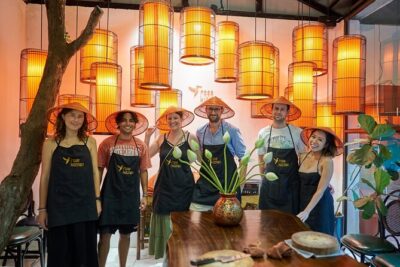
Hanoi Cooking Class: Culture, Local Market & Meaning CSR Impact
Read our review →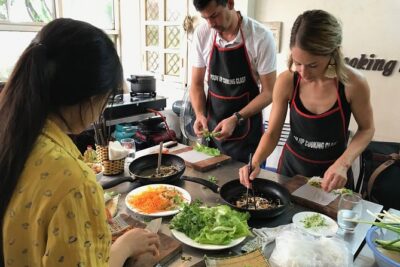
5 Traditional Dishes Hanoi Cooking Class with Market Trip
Read our review →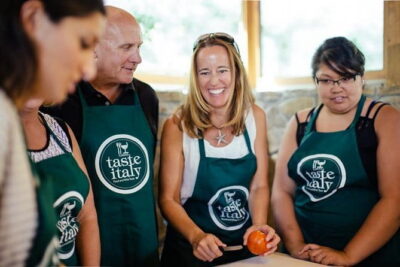
Cooking Class and Lunch at a Tuscan Farmhouse with Local Market Tour from Florence
Read our review →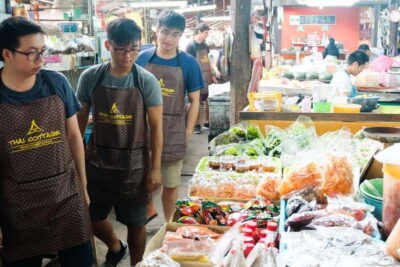
Chiang Mai: Cooking Class, Market & Thai Herbs Garden Tour
Read our review →
Chiang Mai: Authentic Cooking Class with Market & Farm Visit
Read our review →
Barcelona: Paella Cooking Experience & Boqueria Market Tour
Read our review →
Cooking Class Hoi An:Local Market, Basket Boat, Fishing & Cooking
Read our review →