
Review · CHIANG RAI
Chiang Rai: Jungle Adventure-Group Trekking & Bamboo Cooking
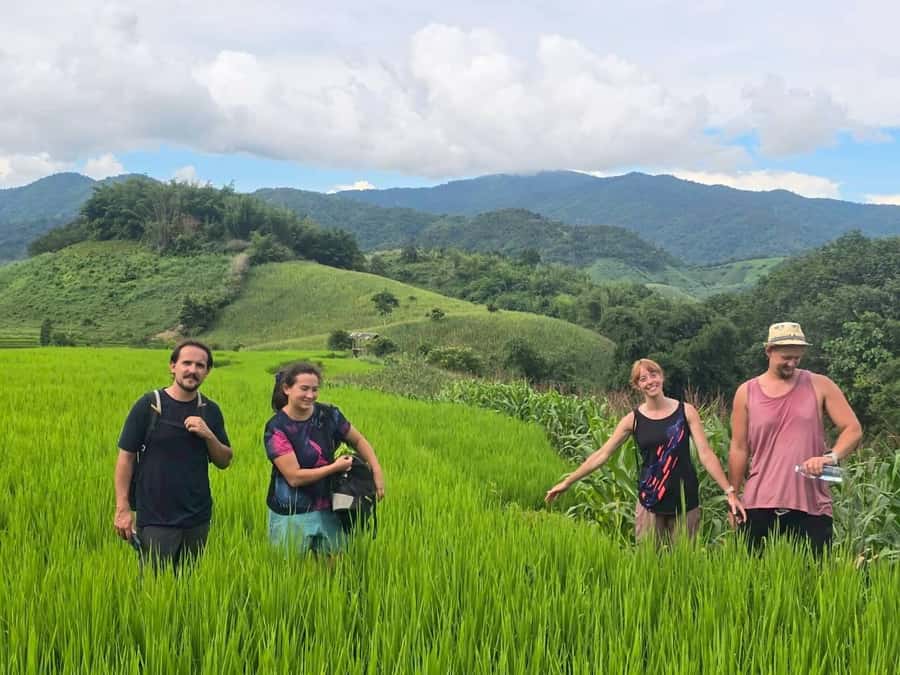
Chiang Rai’s best day outdoors is less about ticking off sights and more about learning how to use the forest. You’ll walk from Pa Soert Hot Spring through bamboo groves, rice fields, farmland, and hill villages, then help turn bamboo into plates, chopsticks, spoons, and a hot lunch. Guides such as Wat, James, and Mo add plenty of jokes and local knowledge along the way.
I like the bamboo cooking stop, which feels far more hands-on than a standard picnic, and the chance to meet Lahu, Akha, and Chinese communities along a rural trail. The waterfall swim and final hot spring soak also give the day a useful rhythm: work hard, cool off, then relax.
The main catch is the 10 to 12 kilometers of walking, including steep, rocky, slippery, and muddy sections. This is not a gentle stroll, particularly in wet weather, and you’ll need good shoes, water, and a fair level of fitness.
Key points to know before you book
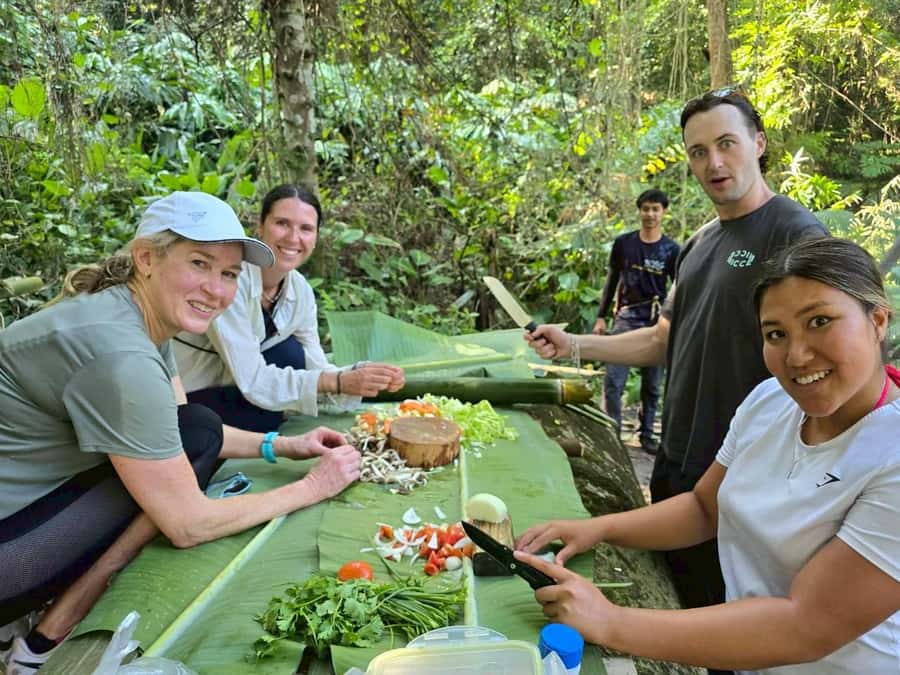
- Bamboo lunch with handmade tools: Food is cooked in bamboo, while guides make chopsticks, spoons, cups, plates, and sometimes walking sticks along the route.
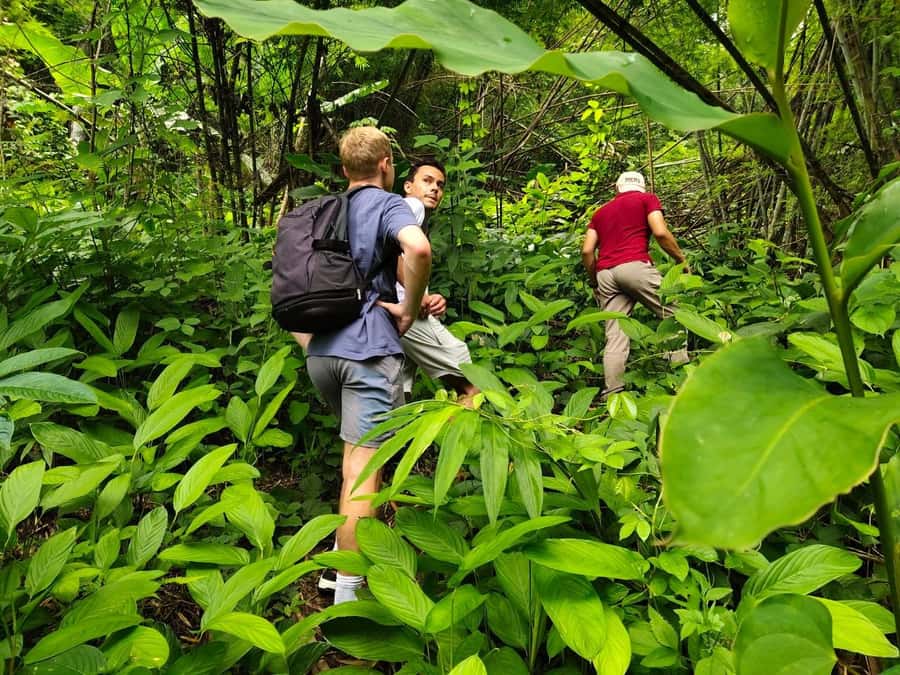
- A real five-hour trek: Expect hills, small river crossings, uneven ground, and regular rest stops rather than a flat nature walk.
- Hill villages and working countryside: The route passes Lahu, Akha, and Chinese communities, farms, rice fields, and tea-growing country.
- Cold waterfall swim: Bring swimwear and a towel for a refreshing dip after the hike.
- Hot springs at the finish: Mineral water provides a welcome recovery stop before the return drive.
- Good value at $80: Transport, water, lunch, insurance, and an English-speaking guide are included, but admission to the swimming pool costs extra.
Why this Chiang Rai trek feels different
Many Chiang Rai day trips focus on temples, viewpoints, or quick photo stops. This one puts the trail at the center of the day. You spend hours moving through the countryside, with the guide pointing out plants, explaining village life, and showing how bamboo can become useful kitchenware.
That practical angle is the tour’s strongest idea. Bamboo is not just scenery here. It becomes a cooking pot, a spoon, chopsticks, a cup, a plate, and sometimes a small souvenir. Guides have made rings, walking sticks, and name-decorated cups for people on the trail. Those small pieces of craft make the day feel personal without turning it into a formal workshop.
The mood is also a major part of the outing. The guides are known for a playful style, and names such as Wat, James, Mo, Sammy, and Tom appear among the guiding team. You should expect friendly banter, jokes, and plenty of interaction rather than a quiet, solemn walk through the forest.
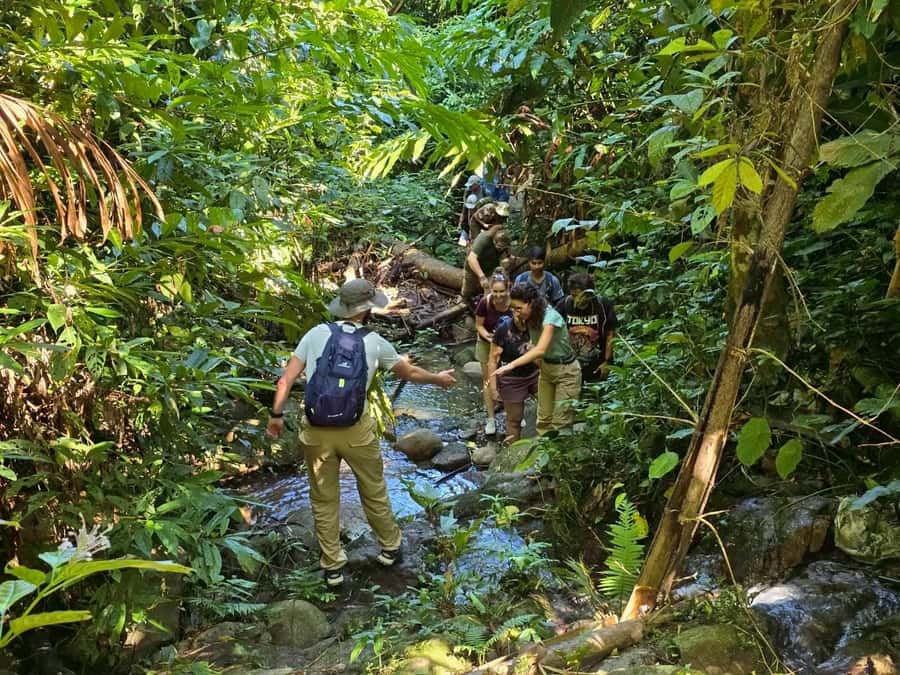
The route is not designed for people who want to stay on a smooth path. You may cross small streams, climb stony slopes, and negotiate muddy ground. The pace includes stops to catch your breath, look at plants, take photographs, and rest in villages, but the total distance still adds up.
A few more cooking classes around Thailand worth a look
- 1 Day Trekking Group Tour With Bamboo Cooking / Chiang Rai
★ 5.0 · 51 reviews
A 9 a.m. start from central Chiang Rai
Pickup is included from the operator’s office to hotels within 3 kilometers of downtown Chiang Rai. You should be ready in your hotel lobby at 9 a.m. The group returns to the same meeting point after the day.
That central pickup area is convenient, though you need to check your hotel’s exact location before booking. The transport is part of the value, since arranging a private ride to the rural trailhead would add cost and planning.
The drive also marks a clear change of setting. Chiang Rai quickly gives way to farms, hills, and smaller settlements. You are not simply being taken to a marked attraction, then returned to town. The day moves through a working rural area, and the changing scenery helps explain why this trip takes most of the day.
Group size can be small, though the exact number is not fixed. A smaller group makes a difference on a narrow path and gives you more time to ask questions or get help on tricky ground. Families, couples, and solo participants are all suited to the social format, provided everyone can handle the walking.
Pa Soert Hot Spring and the first climb
The route begins around Pa Soert Hot Spring, then heads toward tea-growing country and the forest. This opening section gives you a taste of the day’s mix: warm mineral water nearby, cultivated land ahead, and a trail that soon becomes more rugged.
Do not expect the hot spring at the beginning to replace the final soak. The schedule uses the spring area as the starting point, while the more relaxing hot spring stop comes after the hike. That order works well. You get the effort out of the way before settling into warm water later.
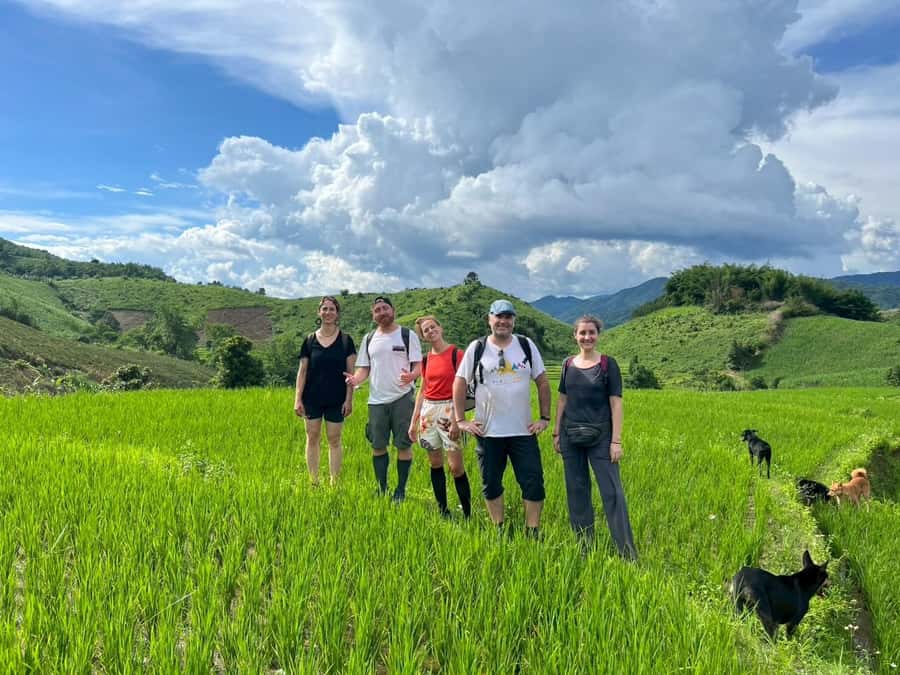
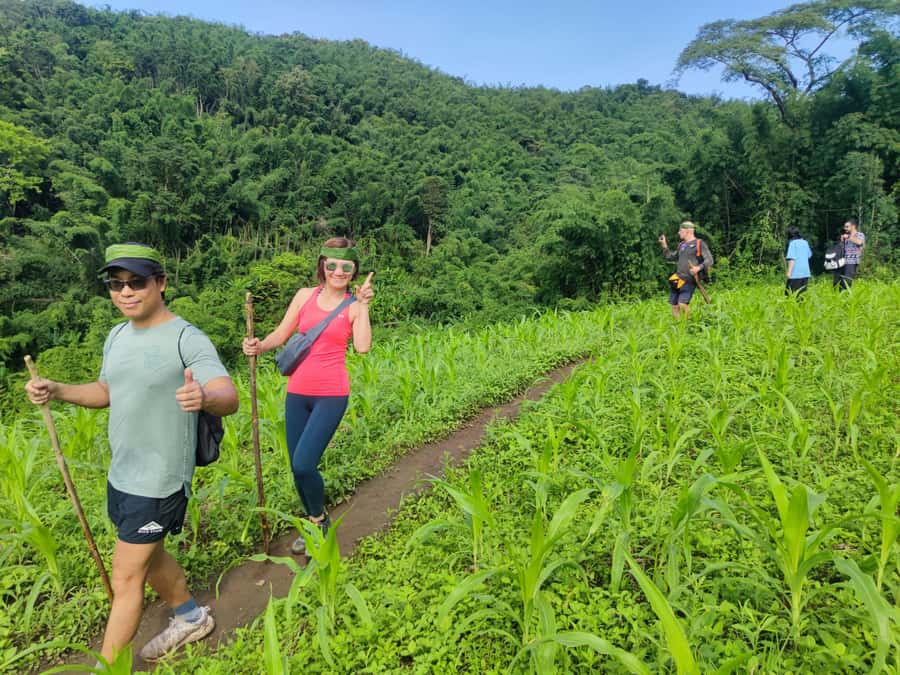
The initial path leads through tea plantation areas, farmland, and rice fields. These sections are useful because they show how much of northern Thailand’s countryside is shaped by farming. The route is not only forest. You move between open fields, planted areas, villages, and thicker bamboo.
The season matters. During the dry season, the ground may be easier underfoot. During the rainy season, mud can turn slopes into a slip-and-slide course. Wear shoes with a firm grip, and choose clothing that can handle dirt. Long sleeves and long trousers also help protect against scratches and insects.
Bamboo forest, streams, and hill-country views
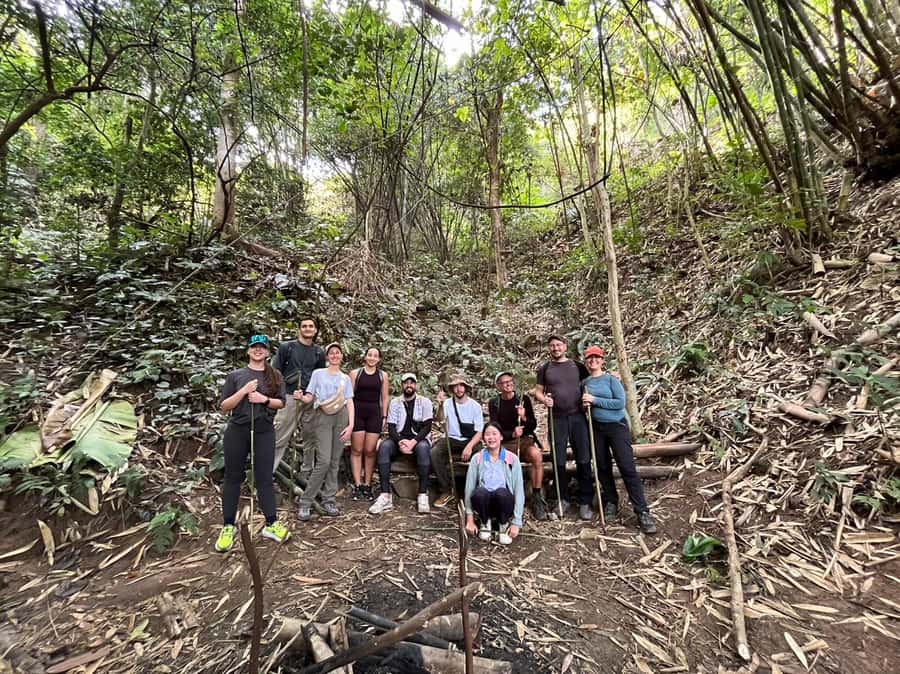
The bamboo forest is where the tour’s character really develops. Your guide may stop to identify bamboo and other plants, explain their uses, or cut and shape pieces into simple tools. You might watch a spoon take form during a rest stop, then use handmade utensils at lunch a few hours later.
The route includes uneven ground, short steep hills, and small river crossings. One section can be strenuous, particularly for people who do not hike often. The guide usually builds in breaks, but the rest stops do not remove the need for basic fitness.
I would rate this as moderate to challenging rather than easy. One person in their late fifties found it manageable with regular walking at home, while other participants described the hills as tough. The most accurate advice is simple: if you can comfortably spend several hours walking on rough ground, you have a good chance of enjoying it. If your idea of exercise is a flat city walk, choose a gentler outing.
The views are a reward for the work. You see forest, fields, mountain country, and village surroundings rather than one single lookout. At points, the route opens toward wide rural views, and the mountain-top lunch setting can be especially striking.
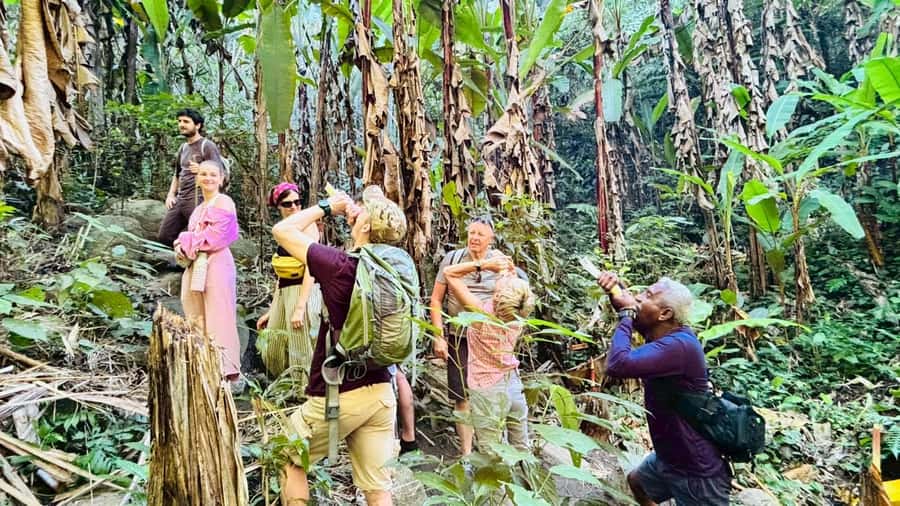
Guides also help make the walking feel less repetitive. They explain plants, local life, and the communities along the route. You may learn about lemongrass and several types of bamboo, taste fruit picked along the way, or stop to watch a small piece of bamboo craft being made.
Same place, a different menu:
- Half-Day Thai Cooking Class at Organic Farm in Chiang Mai
★ 5.0 · 19,087 reviews - Chiang Mai: Cooking Class, Market & Thai Herbs Garden Tour
★ 4.9 · 4,824 reviews - Chiang Mai: Authentic Cooking Class with Market & Farm Visit
★ 4.9 · 4,546 reviews - Thai and Akha Cooking Class in Chiang Mai
★ 5.0 · 4,358 reviews
Lahu, Akha, and China Village encounters
The day passes through or near Lahu, Akha, and Chinese village areas. These stops provide a look at communities with different backgrounds and traditions, but you should keep your expectations realistic. This is a countryside trek with village contact, not a staged cultural show or a long museum-style visit.
Your guide is the link between the trail and the people who live along it. Guides such as Wat have built friendly relationships in the area, which can make encounters feel relaxed. You may see people working, farming, or sharing food, and the guide can explain something about local life.
That is valuable because the cultural part is woven into the walk rather than separated into a formal presentation. At the same time, the exact interaction can change from day to day. A village visit is not a guarantee of a performance, a shopping stop, or a set activity.
Be respectful with photographs and follow the guide’s lead. The appeal here is the chance to see ordinary rural life, not to treat the villages as scenery.
Bamboo cooking on the mountain
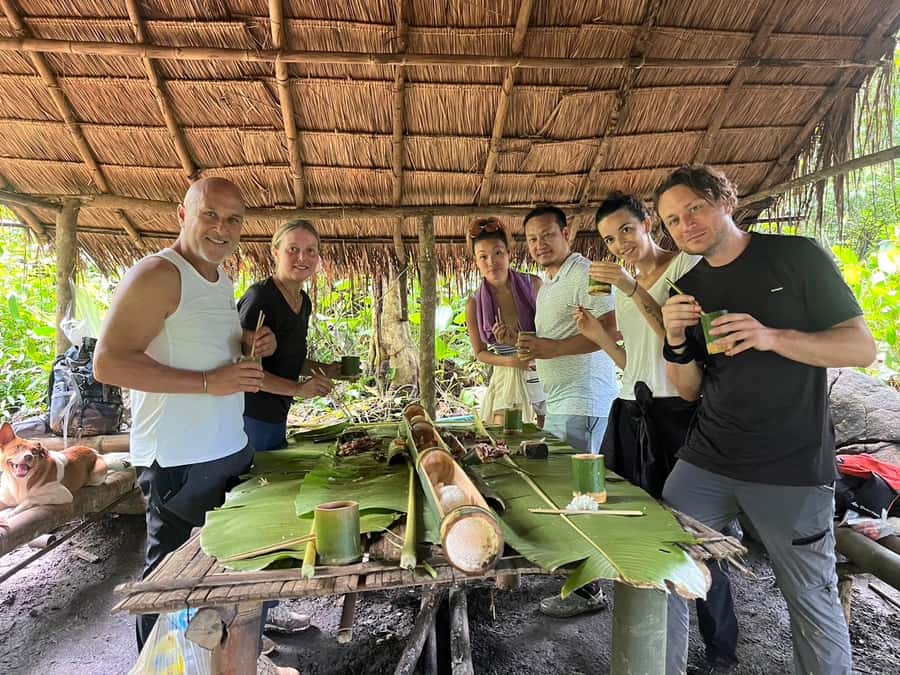
Lunch is the heart of the trip. In a forest or mountain setting, the team prepares a meal using bamboo and an open fire. The food is generally simple, fresh, and tasty, with dishes such as banana soup mentioned by participants. The cooking process matters as much as the meal itself.
You may help with small tasks, but the guides do most of the preparation. This is important to understand if you expect a full cooking class. You are taking part in a practical demonstration and shared meal, not spending the entire lunch period preparing every dish yourself.
The handmade serving pieces make the stop memorable. Bamboo chopsticks, bamboo spoons, leaf plates, and cups can all be produced on the trail. Guides have also made small souvenirs, including bamboo rings and cups with names written in Thai.
The food can be affected by the weather. In very damp conditions, the full bamboo cooking routine may not be possible. On one such occasion, lunch was served with a guide’s family instead, with a memorable view from the house. That is a useful sign of flexibility, though anyone booking specifically for the cooking should understand that wet weather can change the plan.
Bring snacks even though lunch is included. Five hours of walking, heat, and hills can leave you hungry before the meal or on the return journey.
Waterfall swim after the hard work
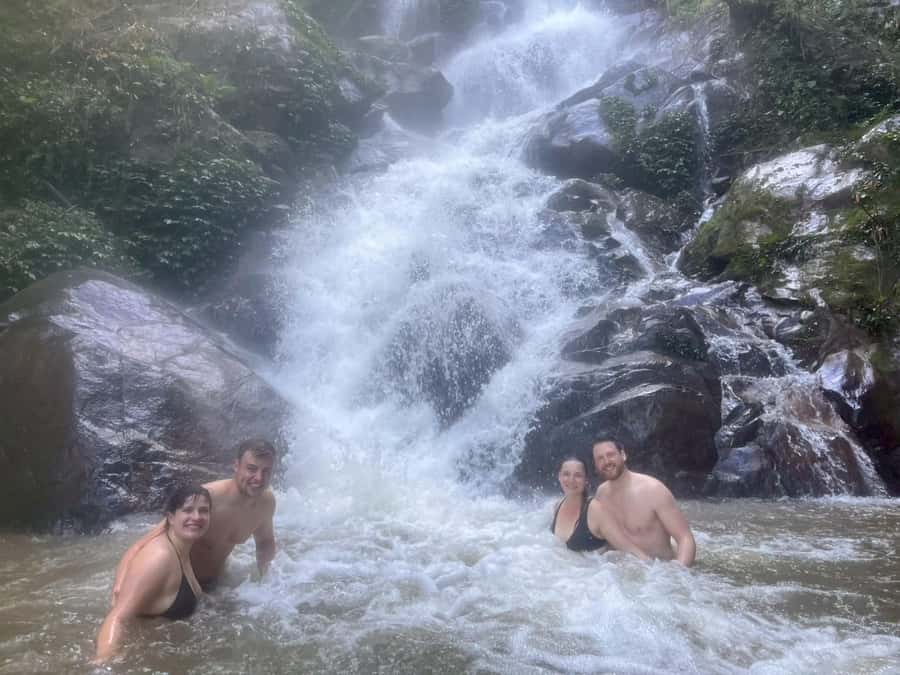
The waterfall comes at a good point in the day. After the forest path, hills, and heat, a swim offers a proper reset. The water can be cold, but that is part of the appeal after a strenuous walk.
Pack swimwear and a towel where you can reach them. Do not bury them under everything else in the vehicle or your day bag. You may also want a dry change of clothes for the ride back.
The waterfall is not only a swimming stop. It adds a change of pace and gives you time to enjoy the setting without walking. If you do not want to swim, you can still rest and take in the surroundings, but the tour’s description is built around a refreshing dip.
Water and heat deserve serious attention. Carry enough to stay hydrated, and drink regularly instead of waiting until you feel thirsty. Around 2 liters was suggested by one participant, and that is sensible for a long, warm hike. A complimentary bottle is provided, but you may need more than that depending on the weather and your own needs.
The final hot spring soak
The hot spring finish is one of the smartest features of the schedule. A warm mineral soak feels far better after the active part of the day than it would at the start, when you still have hills ahead.
Admission to the swimming pool is not included. The stated price is 100 THB for adults and 40 THB for children. Confirm with the guide how payment works on the day, and keep some Thai baht available.
This final stop is more about recovery than sightseeing. You can loosen tired legs, cool down after the walk, and spend a quieter part of the afternoon before returning to Chiang Rai. The timing also means you do not have to choose between a demanding hike and a relaxing finish.
Is $80 a fair price?
At $80 per person, the tour is not the cheapest way to see the countryside, but it includes a full day of guiding and transport. You receive pickup and return within the central Chiang Rai area, an English-speaking guide, a bottle of water, bamboo lunch, and travel insurance.
The value comes from the combination. A simple hike would not include the village route, bamboo craft, cooked lunch, waterfall, hot spring, and transport. A private version of this day would likely cost more, while a cheaper group trip might offer less time on the trail or a more basic meal.
You should add the swimming pool admission fee and budget for snacks, extra water, and any personal purchases. At 4.9 from 166 ratings, the tour has a strong record, but the physical demands matter more than the number. Paying for an activity you cannot comfortably complete is poor value.
Who should book this day?
I would choose this tour if you want a break from Chiang Rai’s temples and are happy to spend much of the day outdoors. It suits active couples, families with older children, solo participants, and friends who enjoy a social group setting.
It is especially good for you if you like practical experiences. Making a cup, spoon, or chopsticks from bamboo gives you something to do, not just something to photograph. The guides’ humor also helps if you are joining alone.
Think carefully if you have back problems, are pregnant, or use a wheelchair. The tour is not suitable for those conditions. It is also a poor fit if you dislike mud, uneven ground, cold water, or long walks.
Children can join, but the parents need to judge the distance and terrain for themselves. The guides have paid special attention to younger participants on some outings, yet the route remains a long trek with steep sections.
Book up to 24 hours ahead for a full refund if your plans change. You can also reserve now and pay later, which is useful when you are still adjusting your Chiang Rai schedule.
What to pack for a comfortable day
Bring hiking shoes with reliable grip. Sports shoes may work in dry weather, but muddy slopes call for something more secure.
Pack swimwear, a towel, snacks, hiking trousers or other sturdy long trousers, sportswear, sunscreen, and insect repellent. Long clothing helps with bamboo scratches and insects, while a light change of clothes is useful after the waterfall.
Carry plenty of water. The included bottle is helpful, but it should not be your only supply for a five-hour walk in warm conditions. Keep your phone and valuables protected from rain and splashes, especially during the wet season.
My verdict: book it if the walking is the point
Book this Chiang Rai jungle day if you want a proper outdoor adventure with a strong human touch. The best parts are the guides, the changing countryside, and the bamboo lunch, where a useful local material becomes part of nearly everything you eat with.
Skip it if you want a short, polished sightseeing trip or if 10 to 12 kilometers sounds excessive. For everyone else, the waterfall, village route, handmade tools, and hot spring create a full and varied day for the price. Just wear grippy shoes, carry more water than you think you need, and expect to come back tired, dirty, and pleased with yourself.
FAQ
How long does the Chiang Rai jungle trek take?
The walking portion takes about five hours, with a total distance of approximately 10 to 12 kilometers. The full activity lasts one day because it also includes transport, lunch, village areas, the waterfall, and the hot spring.
What time is hotel pickup?
Pickup begins at 9 a.m. You should wait in your hotel lobby at that time.
Where does pickup operate?
Pickup and return are provided for hotels within 3 kilometers of downtown Chiang Rai. The return is to the same meeting point.
Is lunch included?
Yes. A bamboo cooking lunch is included, along with a complimentary bottle of water.
What is special about the bamboo lunch?
Food is cooked in bamboo, and the guides make handmade items such as chopsticks, spoons, cups, plates, and sometimes walking sticks. The cooking activity may be adjusted during very damp weather.
Do I need to bring swimwear?
Yes. Swimwear and a towel are recommended for the waterfall visit.
Is the waterfall water warm?
No temperature is specified, but it can be fairly cold. The swim is intended as a refreshing break after the hike.
Is the hot spring admission included?
No. The listed admission cost is 100 THB for adults and 40 THB for children.
Is the hike suitable for beginners?
The hike is described as moderate, with steep, rocky, slippery, and sometimes muddy sections. It is not suitable for absolute beginners or anyone unprepared for about 10 to 12 kilometers of walking.
Which languages are available?
The tour is conducted in English with a live English-speaking guide.
Just added around Thailand
- Riverside Thai Cooking Class in Khao Lak with Market Tour★ 5.0 · 140 reviews
- Krabi: Evening Thai Cooking Class at Ya’s Cookery★ 4.9 · 125 reviews
- Krabi: Traditional Thai Cooking Class★ 4.8 · 175 reviews
- Private Thai Home Cooking Lesson (since 2004)★ 5.0 · 52 reviews
- Koh Samui: Thai Cooking Class with Samui Local Family★ 5.0 · 131 reviews
- Chiang Rai:Lanna Home Cooking Class at Give Green Farm House★ 5.0 · 61 reviews
- 1 Day Trekking Group Tour With Bamboo Cooking / Chiang Rai★ 5.0 · 51 reviews
- Half-Day Thai Cooking Class with organic ingredients★ 5.0 · 96 reviews
Cooking Classes, compared.
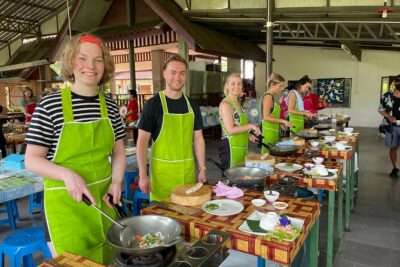
Half-Day Thai Cooking Class at Organic Farm in Chiang Mai
Read our review →
Florence: Pasta Cooking Class with Unlimited Wine
Read our review →
3 in 1 Cooking Class near Navona: Fettuccine, Ravioli & Tiramisu
Read our review →
Hanoi Cooking Class: Culture, Local Market & Meaning CSR Impact
Read our review →
5 Traditional Dishes Hanoi Cooking Class with Market Trip
Read our review →
Cooking Class and Lunch at a Tuscan Farmhouse with Local Market Tour from Florence
Read our review →
Chiang Mai: Cooking Class, Market & Thai Herbs Garden Tour
Read our review →Browse the lists this tour appears in