
Review · JAIPUR
Pink City Cooking Class
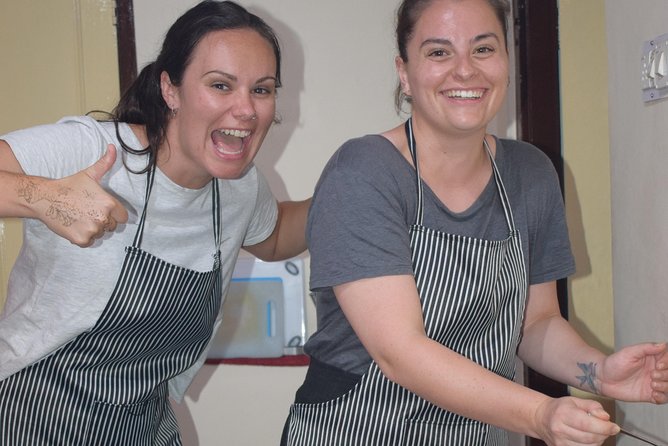
In a Jaipur home kitchen, Chef Dimple and Bunty turn a meal into a practical lesson in Indian food and family life. You may prepare several vegetarian dishes, including dal, paneer curry, roti, rice, pakoras, and masala chai, then sit down to eat what you made. I like the hands-on format and the use of produce from the hosts’ own farm. The warm welcome and easy conversation add a personal touch that a restaurant meal cannot match.
I also like the clear focus on food you can repeat at home. You receive an electronic recipe collection after the class, and the cooking is explained step by step rather than left to watch from the side. The main consideration is that the menu can vary, spice levels are adjusted to the group, and the three-hour session may feel long if you want only a quick demonstration.
Key points at a glance
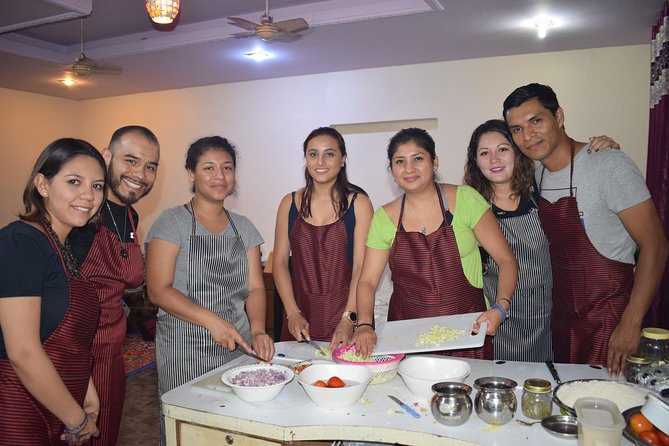
- Cook in a real home kitchen: The class takes place at 17-A Manu Marg near Amer Road, not in a formal culinary school.
- Learn from Dimple and Bunty: Dimple leads the food side, while Bunty is praised for patient explanations and cultural conversation.
- Expect several vegetarian dishes: Possible recipes include dal, paneer curry, chapati, roti, jeera rice, pakoras, and masala chai.
- Use fresh farm produce: Vegetables and masala come from the hosts’ own farm, with filtered water used for cooking.
- Eat what you prepare: The class ends with a full meal in the home’s dining area.
- Good value at $27.90: For about three hours of instruction, food, bottled water, and recipes, the price is reasonable.
A Jaipur cooking class built around participation
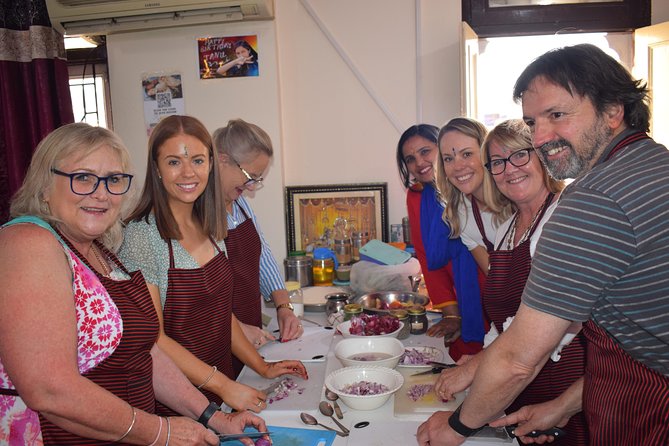
The Pink City Cooking Class is not simply a demonstration where you sit with a cup of chai and watch someone else work. The stated aim is to let you prepare the food yourself, with Chef Dimple guiding each step in a home-style kitchen.
That distinction matters. Indian cooking can look complicated when you first see several pots, spices, dough, and vegetables on the counter. A practical class breaks the process into smaller jobs. You might learn how spices are combined, how a curry base develops, how dough is handled, or how rice and lentils fit into a larger meal.
I would think of the class as a friendly introduction to everyday vegetarian cooking rather than advanced chef training. It is designed for different skill levels, so you do not need to arrive with much kitchen experience. If you already cook Indian food, you may still pick up useful techniques and ideas for dishes you have not made before.
The session lasts about two to three hours, with the full tour description listing roughly three hours. That gives enough time to cook several dishes, ask questions, eat, and talk. It is best suited to an afternoon or evening when you are happy to make the class one of your main activities rather than squeezing it between several sightseeing stops.
More Hands-On Workshops in India:
- Five Course Cooking Class & Meal
★ 5.0 · 250 reviews - Veg and Non veg : Private Cooking Class in Delhi home (7 meal)
★ 5.0 · 226 reviews - Indian Cooking Class in an Authentic Local Home – Learn 6 Dishes
★ 5.0 · 195 reviews
Meeting Dimple and Bunty at their Jaipur home
You meet at 17-A, Manu Marg, Amer Road, Govind Nagar West, Brahampuri, Jaipur. The class returns to this same point, so there is no second drop-off location to arrange.
The setting is part of the appeal. Instead of entering a commercial restaurant, you are welcomed into a conventional home and kitchen. The dining and cooking spaces are described as spacious and clean, and the kitchen is kept tidy during the session. For me, that makes the experience feel more connected to daily life in Jaipur.
Dimple brings warmth and care to the class, while Bunty takes an active role in teaching and explaining. His approach is described as clear and patient, with time for questions about food and Indian culture. You should expect a social lesson as much as a cooking lesson. Conversation is part of the experience, and that can help you understand how food fits into family life in Jaipur.
The group can include up to 15 people. That is still a manageable size for a shared class, though the feel will differ depending on how many people book. A small group usually gives you more direct time at the counter, while a fuller group can bring a livelier social side. The provided information does not promise a private class, so book with the expectation that you may cook alongside other people.
From masala and vegetables to a complete meal
The exact menu can change, but the dishes prepared in the class have included several useful staples of North Indian and Rajasthani cooking. You might work on dal, paneer curry, chapati or roti, jeera rice, pakoras, and masala chai.
That is a good mix for a first lesson. Dal teaches you how lentils can form the base of a satisfying meal. Paneer curry introduces a different texture and a sauce built around spices and vegetables. Rice and flatbread show two basic ways to complete the plate, while pakoras bring in a crisp snack or starter. Masala chai finishes the meal with a familiar Indian drink made in the home kitchen.
You should not expect every dish to appear in every class. The menu is presented as flexible, and the hosts offer different classes for different levels. If you have a strong preference, contact Pink City Cooking Class before booking to ask what will be prepared on your date.
The food is vegetarian, which makes this a useful choice if you avoid meat or want to learn more about India’s large vegetarian food tradition. It also keeps the focus on vegetables, lentils, paneer, spices, rice, bread, and tea. The hosts say they get their vegetables and masala from their own farm, adding a direct connection between ingredients and the finished meal.
Learning spice, dough, rice, and chai
A good cooking class should help you understand what to do at home, not just let you copy a recipe once. Here, the teaching is designed around simple instructions and direct practice.
You may handle several parts of the meal yourself. Reviews of the class describe participants making roti, preparing rice, mixing dishes, and working through recipes rather than simply watching. Bunty’s teaching style is especially suited to beginners because the steps are explained in a patient, clear way.
Flatbread is often one of the more useful lessons. Making dough and shaping roti requires a little feel, and written instructions alone may not tell you what the dough should look like. A demonstration followed by your own attempt gives you a better chance of repeating it later.
Chai also adds a small but memorable lesson. It is easy to treat masala chai as a drink you order in a café, but preparing it in a home kitchen shows how spices, tea, milk, and sweetness come together. It is a simple part of the class, yet it gives the meal a pleasant rhythm while the main dishes cook.
The hosts also adjust the spice level to suit the group. That is helpful if you are cautious with heat, though you should remember that spice is more than chilli. Ask questions about the spices being used so you understand the flavor, not just the amount of heat.
More City Tours in India:
- Rome: Fettuccine Pasta Cooking Class in Rome’s City Center
★ 4.8 · 2,414 reviews - Small-group Mekong Floating Market Day Trip from Ho Chi Minh City
★ 5.0 · 886 reviews - Mexican Cooking Class with Food Market Visit in Mexico City
★ 5.0 · 506 reviews - Rome: Hands-On Pasta & Gelato Cooking Class in the City’s Heart
★ 5.0 · 250 reviews
Fresh ingredients and a clean cooking space
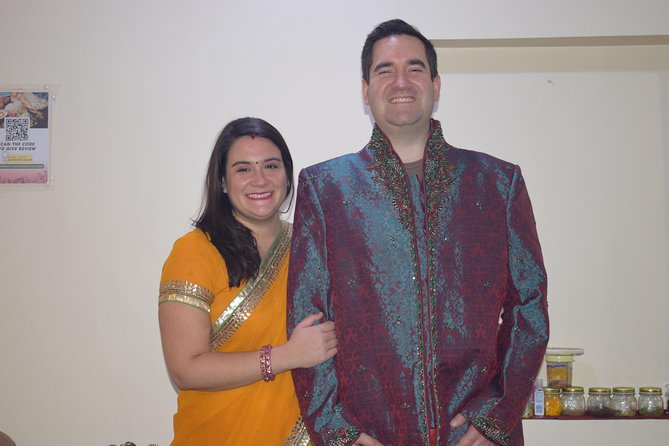
The hosts use produce and masala from their own farm, filtered water for cooking, and bottled water for people attending the class. These details are practical rather than flashy, but they help you feel comfortable in a hands-on kitchen setting.
Cleanliness is another important part of the experience. The cooking area is described as spotlessly clean and kept clean during the session. That matters when several people are preparing food together, especially in a class that includes dough, vegetables, sauces, and shared work surfaces.
You should still tell the hosts about food allergies, dietary restrictions, or ingredients you avoid before cooking begins. The supplied information confirms that the class is vegetarian and that spice levels can be adjusted, but it does not promise substitutions for every allergy or preference.
The food is served after you finish preparing it. That makes the meal more satisfying than a sample tasting because you have seen the ingredients change at each stage. It also gives you a chance to compare the result with what you might produce in your own kitchen later.
Culture and conversation beyond the recipes
The class offers more than a list of dishes. The hosts also introduce Indian culture and life in Jaipur through conversation and the setting itself.
That cultural side is best understood through the ordinary details. You are in a family home, sharing a meal prepared in a familiar kitchen, and talking with people who cook this food as part of daily life. It is not a formal history lesson, and that is fine. The value comes from the casual exchange while you chop, stir, shape bread, and drink chai.
Bunty has been praised for spending time discussing Indian food and culture, while Dimple’s hospitality helps create a relaxed mood. Some classes may feel especially social if you share the meal with other people from different countries. The cooking gives everyone an easy subject to talk about.
The experience can also offer a glimpse of hospitality beyond the planned menu. One account describes being invited to an Indian celebration after the class. You should not book expecting that to happen, since it is not listed as a regular part of the activity, but it shows how a home-based experience can sometimes lead to a less scripted evening.
What the $27.90 price includes in practical terms
At $27.90 per person, this is a fair price for a roughly three-hour activity. You are paying for instruction, ingredients, the meal you prepare, bottled water, and a recipe e-book or electronic recipe collection for later use.
The recipe material improves the value. A cooking class is easy to forget if you leave with only a full stomach. Having the recipes means you can try the dishes again at home, even if your first attempt at roti or curry is not quite as smooth as the one made in Jaipur.
The class also saves you from paying separately for a substantial lunch or dinner during that period. It is not just a short snack lesson. You prepare several dishes and eat them afterward, which makes the price easier to justify for people who want both an activity and a meal.
The value is less clear if you want a polished professional demonstration with a fixed menu, formal equipment, or advanced culinary theory. This experience is built around a home kitchen, personal instruction, and shared food. That is its strength, but it also means the format is informal and the menu is not guaranteed in detail.
Timing, transport, and a few useful cautions
The address is near public transportation, which helps if you are moving around Jaipur without a private car. You receive a mobile ticket, and confirmation is provided when you book. Allow enough time to reach Manu Marg, since a cooking class is not the right place to arrive late and miss the opening steps.
The activity ends back at the meeting point. That makes it easier to plan an evening afterward, though you will need to arrange your own onward transport from the class.
The group limit is 15 people. Ask about the expected group size if that affects your decision, since a near-full class and a small class can feel quite different.
Free cancellation is available if you cancel at least 24 hours before the start time. Changes or cancellations made inside that window are not refunded. The activity also needs good weather and a minimum number of bookings. If the provider cancels for either reason, you are offered another date or experience, or a full refund.
Who will enjoy this class most
I would recommend it to you if you want to learn by doing, enjoy meeting local hosts, or are looking for an evening that feels more personal than restaurant dining. It suits beginners, couples, solo people, families, and anyone interested in vegetarian Indian food.
It is also a smart choice for people who want recipes they can use after returning home. The combination of dal, curry, rice, bread, snacks, and chai gives you several building blocks rather than a single specialty dish.
You may want to choose another activity if you dislike group cooking, need a fully fixed menu, or prefer a quick food tasting with little participation. The class is also not presented as a meat-focused lesson, so it will not suit someone specifically seeking chicken, lamb, or seafood recipes.
Should you book Pink City Cooking Class?
Yes, if you want a warm, hands-on introduction to vegetarian Jaipur cooking at a reasonable price. The strongest reasons to book are the home setting, the chance to cook several dishes yourself, Dimple and Bunty’s personal teaching, fresh farm ingredients, and the recipe collection you can use later.
Before booking, contact the hosts if you need a particular menu, have food allergies, or want to know the likely group size. If you are comfortable with a flexible menu and a social three-hour session, this is a worthwhile way to spend part of your time in Jaipur. You leave with a meal, a few practical techniques, and a better sense of how food fits into everyday Indian hospitality.
FAQ
Where does the Pink City Cooking Class take place?
The class meets at 17-A, Manu Marg, Amer Road, Govind Nagar West, Brahampuri, Jaipur, Rajasthan 302002, India.
How long does the cooking class last?
The experience lasts approximately three hours, with the activity description giving a range of about two to three hours.
What kind of food do you prepare?
The class focuses on vegetarian Indian cuisine. Possible dishes include dal, paneer curry, chapati, roti, jeera rice, pakoras, and masala chai.
Who teaches the class?
Chef Dimple leads the cooking experience, and Bunty also teaches and talks with participants about Indian food and culture.
Are the ingredients sourced locally?
The hosts say they use vegetables and masala from their own farm. Filtered water is used for cooking, and bottled water is provided for people attending.
Do you receive recipes afterward?
Yes. A recipe e-book or electronic recipe collection is provided so you can prepare the dishes at home.
How many people can join the class?
The activity has a maximum of 15 people.
Can you cancel for a full refund?
Yes, if you cancel at least 24 hours before the scheduled start time. Cancellations or changes made less than 24 hours beforehand are not refunded.
Just added around India
- Small Group Authentic Mumbai Virtual Cooking Class with Dessert★ 5.0 · 15 reviews
- Private Vegetarian Indian Cooking Class in Mumbai★ 5.0 · 17 reviews
- Indian Curry 5-Hour Cooking Classes In Mumbai★ 5.0 · 22 reviews
- Mumbai: Indian Cooking Class & Cultural Delights★ 5.0 · 38 reviews
- New Delhi: Traditional Indian Cooking Class & Market Visit★ 5.0 · 32 reviews
- Pondicherry: Indian Cooking Class with Market Visit★ 4.7 · 18 reviews
- Authentic Indian Cooking Classes at Palolem Beach Road Goa★ 5.0 · 132 reviews
- Indian Cooking Class in an Authentic Local Home – Learn 6 Dishes★ 5.0 · 195 reviews
Cooking Classes, compared.
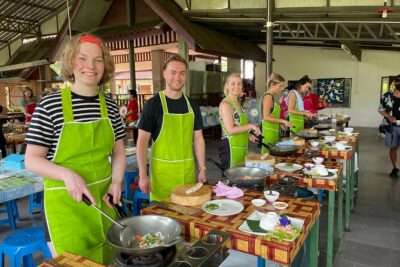
Half-Day Thai Cooking Class at Organic Farm in Chiang Mai
Read our review →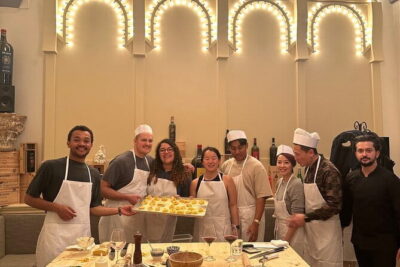
Florence: Pasta Cooking Class with Unlimited Wine
Read our review →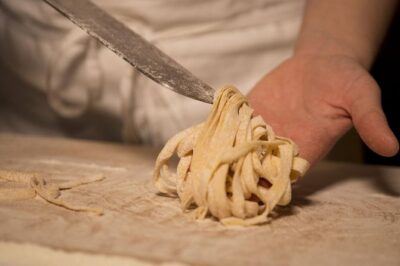
3 in 1 Cooking Class near Navona: Fettuccine, Ravioli & Tiramisu
Read our review →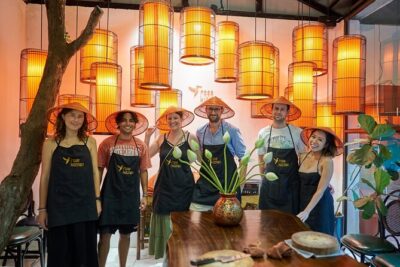
Hanoi Cooking Class: Culture, Local Market & Meaning CSR Impact
Read our review →
5 Traditional Dishes Hanoi Cooking Class with Market Trip
Read our review →
Cooking Class and Lunch at a Tuscan Farmhouse with Local Market Tour from Florence
Read our review →
Chiang Mai: Cooking Class, Market & Thai Herbs Garden Tour
Read our review →Browse the lists this tour appears in