
Review · INDIA
Authentic Bengali Cooking Class in a Local Kolkata Home
The best part of this Kolkata experience is that you do not just watch a demonstration. You work beside Zinnia in her small home kitchen, learning the building blocks of Bengali cooking before sitting down to eat what you prepared. That makes the meal feel personal, not like a restaurant class built for a crowd.
I especially like the introduction to panch phoran, the five-seed Bengali spice blend, and the chance to make luchi, those puffed fried breads, by hand. I also like that Zinnia can adjust the lesson for vegetarian diners. The main consideration is space: this is a home kitchen, so it will feel intimate rather than polished or spacious.
Key points at a glance
- Learn the five flavors of panch phoran: Cumin, brown mustard, fenugreek, nigella, and fennel form a key Bengali spice blend.
- Cook in Zinnia’s Kolkata home: You see how a local family lives while working in a private kitchen.
- Make more than one dish: The class covers luchi, prawns in mustard gravy, tomato and dates chutney, and other Bengali favorites.
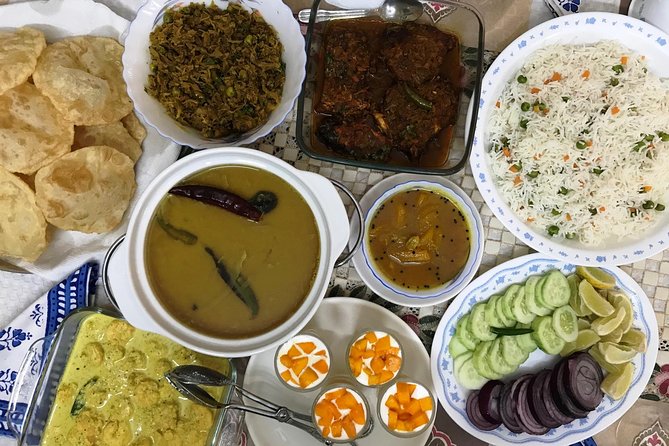
- Share a full home meal: The food may include fish or mutton curry, dal, rice, vegetables, chutney, and paayesh.
- Choose a morning or afternoon session: The total experience lasts about two to three hours, including the meal.
- Plan for a small, personal setting: The class is private for your group, with beer, tea, coffee, and water included.
Cooking Bengali Food in Zinnia’s Kolkata Kitchen
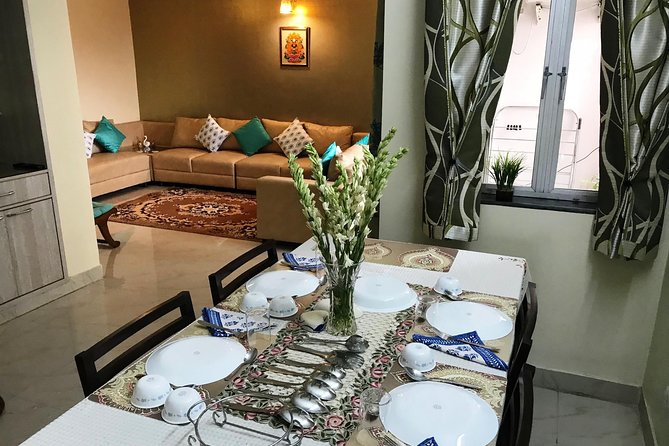
Food can be one of the best ways to understand Kolkata, and this class gives you more than a plate of finished dishes. You begin with ingredients, techniques, and the reasons behind them. Then you eat at the same table where a local family shares meals.
The cooking portion lasts about one hour. The full visit takes roughly two to three hours because the meal and conversation follow the preparation. Since this is a private activity, your group does not need to keep pace with strangers or follow a fixed demonstration designed for a large audience.
That private format matters in a home kitchen. You can ask why mustard oil is used, how mustard seeds become a paste, or how a dish changes with the season. You also have room to tell Zinnia what you want to learn. One particularly useful detail is that she adapted the lesson for a guest who wanted to focus on Bengali vegetarian cooking. If you have a clear interest, say so when booking.
The setting is intentionally ordinary. You are not visiting a restaurant kitchen or a cooking school with rows of workstations. You are entering a small Kolkata home, where the cooking area is part of family life. I see that as a strength for anyone who wants personal contact, though diners who expect a large, fully equipped culinary studio may find the surroundings simple.
More Hands-On Workshops in India:
- Pink City Cooking Class
★ 5.0 · 452 reviews - Five Course Cooking Class & Meal
★ 5.0 · 250 reviews - Veg and Non veg : Private Cooking Class in Delhi home (7 meal)
★ 5.0 · 226 reviews
Panch Phoran and the Logic of Bengali Flavor
The lesson opens with an introduction to Indian spices, with special attention to panch phoran. This blend combines cumin, brown mustard, fenugreek, nigella, and fennel. The seeds are used together, but each brings a different note, so the mixture gives Bengali food a distinct character without relying on a long list of ground spices.
This is the sort of detail that makes a cooking class useful after your holiday ends. You are not only copying a recipe. You are learning one of the flavor patterns that helps identify Eastern Indian food. If you cook at home, you can use the explanation to understand why a dish smells and tastes different when whole seeds are added at the right stage.
Zinnia also explains the role of mustard oil. In Bengali food, it is not just a cooking fat. Its strong flavor is part of the dish itself, especially in seafood and mustard-based sauces. You learn how mustard seeds are ground into a paste, which connects the ingredient in its whole form with the sharp sauce on your plate later.
I like this opening because it gives context without turning the class into a lecture. You handle the ingredients and then see where they go. For some people, the most memorable part of the visit may be this short lesson rather than the finished meal.
Rolling Luchi and Preparing Mustard Prawns
After the spice introduction, you learn to roll dough and fry luchi. These puffy flatbreads are made from dough and cooked in hot oil, where they swell into light, round breads. They are a practical match for dal, curry, and chutney because they can be torn and used to scoop up food.
Luchi looks simple, but rolling and frying it takes some care. The dough needs to be shaped evenly, and the frying step requires attention. You will be working under Zinnia’s guidance, not simply watching her make every bread herself. If your first luchi is less than perfect, that is part of the fun of a hands-on class.
You also prepare shorshe chingri, prawns in mustard gravy. This dish brings together two important parts of the lesson: seafood, which is strongly associated with Bengali cooking, and mustard, which gives the sauce its sharp, distinctive taste. The class provides a chance to see how a small number of familiar ingredients can make a sauce with plenty of character.
The tomato and dates chutney adds a sweeter finish to the cooking sequence. Chutney is not treated as an afterthought here. It has a place in the meal and helps balance the savory dishes. Making it from scratch also gives you another technique to take home, especially if you enjoy serving something sweet and tangy with a larger meal.
A Bengali Meal at the Family Table
Once the cooking is finished, you sit down with Zinnia and, when they are at home, her family. The meal may include some of the dishes prepared during the class, along with additional Bengali home cooking. Possible dishes include shorshe maach, fish cooked in mustard sauce; kosha maangsho, a slow-cooked mutton curry; aaloo posto, potatoes with poppy seeds; begun bhaaja, fried eggplant; and cholar dal.
Rice or flatbread accompanies the meal, and the tomato and dates chutney returns to the table. Dessert is likely to be paayesh, a Bengali rice pudding commonly served for special occasions and family celebrations. This final course gives the meal a clear Bengali shape, moving from savory food to a familiar home dessert.
The menu changes with the season, so you should not book expecting every dish listed above. That flexibility is sensible in a private home. It allows Zinnia to cook with ingredients available at the time and to shape the meal around your preferences, including a vegetarian request.
The meal is the point where the experience shifts from lesson to social visit. You are no longer standing over a work surface. You are sharing food, talking, and seeing how a Kolkata family eats at home. A previous guest described the evening as welcoming and said the family made the person feel included. That fits the design of the experience: the family setting is not decoration, it is part of the meal.
Still, the family may not always be present. The description says they join when at home, so you should think of the meal as hosted by Zinnia first, with family participation depending on the day. That is worth knowing if meeting the whole household is your main reason for booking.
A few more cooking classes around India worth a look
- Indian Cooking Class in an Authentic Local Home – Learn 6 Dishes
★ 5.0 · 195 reviews - Private Guided Cooking Workshop Experience in Jodhphur
★ 5.0 · 158 reviews - Authentic Indian Cooking Classes at Palolem Beach Road Goa
★ 5.0 · 132 reviews - Jaipur Market Tour & Vegetarian Rajasthani Home Cooking Class
★ 5.0 · 113 reviews
Beer, Tea, and the Pace of the Visit
Your meal includes one or two glasses of local beer, as well as tea, coffee, and water. The beer gives the visit a relaxed dinner feel, while tea and coffee make sense with a long conversation and the sweet paayesh.
This is not a quick class followed by a rushed tasting. The stated duration is two to three hours, and that allows time for cooking, eating, and talking. I would keep the rest of your schedule reasonably open. The class has a social rhythm, and pressing to leave immediately after the last dish would miss part of its value.
Morning and afternoon options are available. A morning booking can fit well with a lunch meal, while an afternoon session can lead into dinner. Since the experience begins in Kolkata and does not include hotel pickup, you need to arrange your own way to the starting point. The booking information identifies the start location as Kolkata, but it does not give a more detailed public meeting address here, so confirm the exact directions before setting out.
The mobile ticket is convenient, but it does not replace checking the meeting instructions. This is a private home visit, not a landmark with a large entrance desk. Give yourself enough time to find the address and contact the host if needed.
What $66 Buys You
At $66 per person, this is not the cheapest way to eat in Kolkata. You can find a less expensive meal in the city. The value comes from combining instruction, ingredients, a private setting, a full home-cooked lunch or dinner, drinks, and personal time with Zinnia.
I think the price makes the most sense for two types of people. First, it suits anyone who genuinely wants to learn Bengali cooking rather than simply sample it. Second, it works for people who place a high value on meeting a local host in a private home. If you only want a large plate of regional food, a restaurant will cost less and require less time.
The private format also affects the value. You receive attention from one host instead of sharing a demonstration with a large group. You can request vegetarian food and ask for an emphasis on particular dishes. That kind of adjustment is harder to provide in a standard group class.
The meal itself includes several courses and may include mutton, fish, lentils, vegetables, chutney, rice or bread, and dessert. Drinks are included as well. Because the menu changes, the exact value will depend partly on what is served on your date, but the experience is not limited to one recipe and a small tasting portion.
Vegetarian Diners and Food Preferences
Vegetarian cooking is available, but you must request it when booking. The same applies to allergies, dietary restrictions, and cooking preferences. Do not wait until you arrive. Early notice gives Zinnia a fair chance to plan the ingredients and menu.
The vegetarian option can include dishes such as aaloo posto, begun bhaaja, cholar dal, rice, flatbread, and tomato and dates chutney, though the menu may vary. These are not token side dishes. They are established parts of Bengali home cooking and can make a satisfying meal on their own.
If you eat meat or seafood, you may find fish in mustard sauce, mutton curry, or prawns in the meal. The listed dishes are examples rather than a promise of every item. Seasonal changes and personal requests shape the final menu.
I would also tell the host if you want to spend more time on bread, spice blends, vegetarian food, or a particular technique. The experience is private and personalized, so a short note before the class can make the lesson more useful.
Who Will Enjoy This Home Cooking Class
This experience suits curious eaters who want a direct connection to Kolkata food. It is also a good choice for couples, families, or small groups who prefer a private activity and enjoy sitting down for a long meal.
I would recommend it to:
- People who want to cook Bengali food at home after returning from India
- Diners interested in mustard-based sauces, seafood, lentils, and regional spices
- Vegetarians who arrange their menu in advance
- Visitors who prefer local homes to formal cooking schools
- Anyone who enjoys conversation as much as the food itself
It may be less suitable if you need a fast activity, dislike home visits, or want a highly polished professional kitchen. The small kitchen is part of the experience, but it also means the setting may feel close and informal. You should be comfortable with that before booking.
Families should also consider the hands-on nature of the class. The experience is private, which helps, but the supplied details do not specify a minimum age or child-focused format. If you are bringing children, ask the provider about suitability before paying.
Booking Timing, Cancellation, and Practical Details
This class is often booked about 14 days ahead, so I would not leave it until the last minute if it is important to your Kolkata plans. Confirmation is provided when you book, and you receive a mobile ticket.
Free cancellation is available if you cancel at least 24 hours before the local start time. Changes or cancellations made inside that 24-hour window are not accepted for a refund. Keep the local time in mind if you are booking from another country.
Hotel pickup and drop-off are not included. You need to make your own way to the Kolkata starting point, and you should request precise home directions before the class. Taxes, fees, ingredients, the meal, and the included drinks are covered in the stated price.
The experience is operated by Traveling Spoon. Its small scale and private format make it different from a standard city tour. You are paying for access to a person, a home kitchen, and a meal prepared together, not for transportation or a sightseeing route.
Should You Book Zinnia’s Bengali Cooking Class?
I would book this if you want to understand Bengali food from the inside out. The panch phoran lesson, mustard paste, handmade luchi, prawns in mustard gravy, family meal, and paayesh give the visit a clear sense of place. The warm family setting is the strongest reason to choose it.
I would skip it if your priority is low cost, a spacious professional kitchen, or a fixed menu with no seasonal changes. For everyone else, $66 is fair for a private cooking lesson and substantial home meal, especially when you request a vegetarian menu or a particular cooking focus in advance.
Choose the morning or afternoon slot that leaves room for conversation. Confirm the home directions, disclose all food restrictions, and arrive ready to work with your hands. If you do that, this is a thoughtful way to spend several hours in Kolkata, with recipes and food memories you can carry home.
FAQ
Where does the cooking class take place?
The class takes place in Zinnia’s local home in Kolkata, India. The listed starting point is Kolkata, Kolkata District, West Bengal.
How long does the experience last?
The full experience lasts approximately two to three hours. The hands-on cooking portion lasts about one hour, followed by the home-cooked meal.
Is the class private?
Yes. This is a private activity, and only your group participates.
What dishes might I prepare?
The cooking class includes luchi, shorshe chingri, which is prawns in mustard gravy, and tomato and dates chutney. Other Bengali dishes may be part of the meal.
What food might be served after the class?
The meal may include fish in mustard sauce, mutton curry, potatoes with poppy seeds, fried eggplant, lentils, rice, flatbread, chutney, and paayesh rice pudding. The menu can change with the season.
Is a vegetarian meal available?
Yes. Vegetarian meals are available by request. You should advise the provider when booking.
Are drinks included?
Yes. The inclusions cover one or two glasses of local beer, plus tea, coffee, and water.
Is hotel pickup included?
No. Hotel pickup and drop-off are not included.
Can I cancel for a full refund?
Yes, if you cancel at least 24 hours before the experience start time. Cancellations or changes made less than 24 hours before the start are not refunded.
Just added around India
- Learn to Cook Authentic Bengali Food in a Local Home★ 5.0 · 11 reviews
- Traditional Bengali Cooking Class in Kolkata in a Local Home★ 5.0 · 8 reviews
- Cooking experience in Authentic Bengali House with Lunch/Dinner★ 5.0 · 4 reviews
- Private Traditional Home Cooking Class in Kochi with Archana★ 5.0 · 6 reviews
- Kerala Cooking Class with Charming Freeda in her Kochi Home★ 5.0 · 8 reviews
- Jasmin Villa Homestay Cookery Class★ 5.0 · 20 reviews
- Hands-on Authentic Keralite Cooking Class – Learn, Cook, Eat & Enjoy!★ 4.5 · 29 reviews
- Private Cooking Class in Jodhpur With Pick Up & Drop Off★ 5.0 · 84 reviews
Cooking Classes, compared.
Half-Day Thai Cooking Class at Organic Farm in Chiang Mai
Read our review →
Florence: Pasta Cooking Class with Unlimited Wine
Read our review →
3 in 1 Cooking Class near Navona: Fettuccine, Ravioli & Tiramisu
Read our review →
Hanoi Cooking Class: Culture, Local Market & Meaning CSR Impact
Read our review →
5 Traditional Dishes Hanoi Cooking Class with Market Trip
Read our review →
Cooking Class and Lunch at a Tuscan Farmhouse with Local Market Tour from Florence
Read our review →
Chiang Mai: Cooking Class, Market & Thai Herbs Garden Tour
Read our review →Browse the lists this tour appears in