
Review · PORTUGAL
Hands-On Bolo do Caco Baking Class with a Madeiran Family
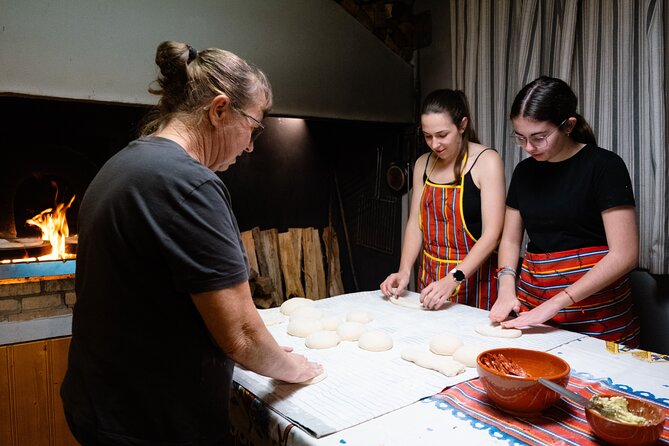
Bolo do Caco is not just bread in Madeira. It is a warm, chewy part of island life, and this small class lets you make it in a family kitchen rather than watch a polished cooking show. I like the hands-on work and the chance to hear family stories as the dough becomes dinner. The mountain setting adds a calm sense of place.
I also like that the group is capped at five people, so you should get real attention at the counter. The main consideration is that this is a working family home, not a formal school, so you should expect an informal visit with limited space and a relaxed pace.
Key points
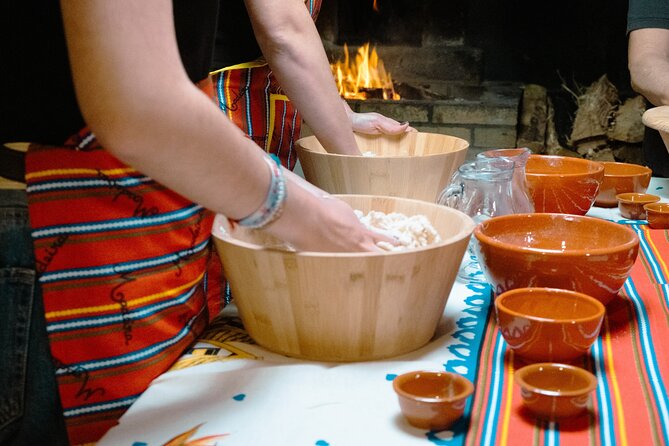
- Make Bolo do Caco by hand: Knead, shape, and cook Madeira’s best-known bread yourself.
- Learn from family experience: A family member with more than 40 years of bread-making practice leads the baking.
- Eat the results at the table: Warm bread comes with garlic butter, Portuguese cheese, and chouriço.
- Keep the group tiny: A maximum of five people makes this a personal class rather than a large demonstration.
- Enjoy a mountain setting: The family home offers a quieter view of Madeira than a busy restaurant.
- Bring the family: Children and babies are welcome, with room for them to play without getting in the way.
Why Bolo do Caco belongs in your Madeira plans
Madeira’s traditional bread is a simple food with a strong local identity. Bolo do Caco is known for its round shape and soft center, and it is often served warm with garlic butter. Here, you do not simply taste it after someone else has made it. You take part in the process from dough to table.
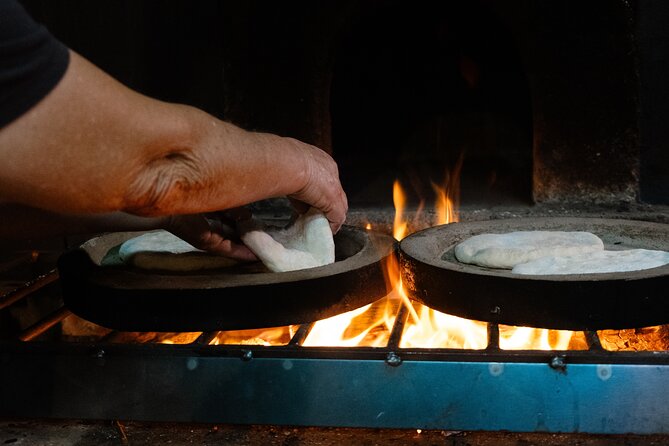
That matters because food traditions make more sense when you handle the ingredients and watch the cooking method. You will knead the dough, shape it by hand, and see it cook on a hot stone. The class gives you a direct connection to a food you are likely to encounter elsewhere on the island.
I like this kind of activity after a few days of sightseeing. It slows the day down and gives you a reason to sit, talk, and notice how a family shares its food. It also avoids the distance that can come with a standard cooking demonstration, where you watch from the edge of a room and leave with a recipe but little sense of the people behind it.
More Baking Classes in Portugal:
- Lisbon: Pastel de Nata Baking Class
★ 4.9 · 2,106 reviews - Pasteis de Nata Baking Class from Lisbon
★ 5.0 · 248 reviews - Lisbon: Pasteis de Nata Baking Class
★ 5.0 · 134 reviews
Arriving at a family home near Lombo do Alho
The class begins at Travessa do Lombo do Alho, 9360, Portugal, and finishes at the same meeting point. You should allow enough time to find the address without rushing, since the information provided does not include hotel pickup or transport to the home.
This is a family residence, and that shapes the whole visit. You are not entering a restaurant with a host stand or a classroom with rows of workstations. You are being welcomed into a private kitchen and treated more like a friend than a customer.
That personal setting is one of the class’s main strengths. It also means you should arrive ready for a less formal setup. Wear comfortable clothes that can handle flour and hands-on cooking. The home is family-friendly, but you should still keep an eye on very young children during the food preparation.
Learning the story behind the bread
The first part of the class explains the background and cultural meaning of Bolo do Caco. This is useful because the bread is not presented as an isolated recipe. You learn why it matters on Madeira and how it fits into the island’s food traditions.
The family connection gives this introduction extra weight. The main guide’s mother has more than 40 years of bread-making experience, so the lesson is rooted in repeated practice rather than a short course learned for visitors. That does not mean you should expect a technical baking lecture. The tone is likely to be conversational, with stories and practical advice woven into the cooking.
Tonia and her aunt are also named as warm and accommodating hosts, so you may meet more than one member of the family during the visit. The available details do not spell out exactly who leads each section, but you can expect the family to share the experience rather than rely on a single scripted presenter.
Kneading and shaping your own loaf
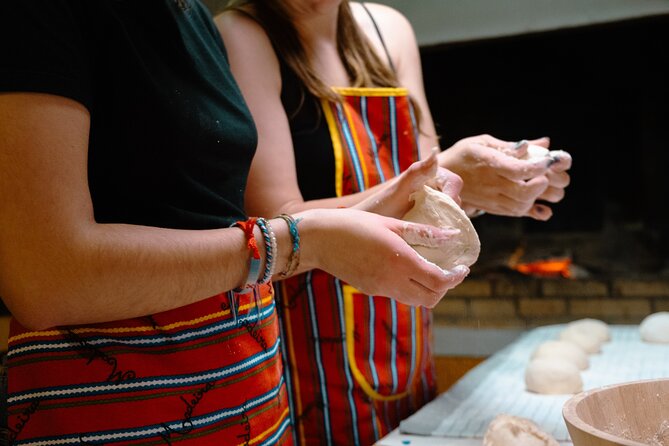
Once the introduction is over, you roll up your sleeves. The hands-on part is the heart of the class: you knead the dough and shape it yourself rather than simply watching the family work.
Kneading is a useful part of a bread class because it shows how the dough feels at each stage. You will have to pay attention to its texture and handle it with care. Shaping also gives you a better sense of how an everyday local bread is made at home.
This is a good fit if you like practical activities. It may be less appealing if you prefer a polished meal with no mess or effort. The class specifically asks you to wear comfortable clothes, which is a small but useful warning that flour, dough, and kitchen work are part of the deal.
The group limit of five should help here. In a larger class, you might spend much of the session waiting for a turn. With so few people, you have a better chance to ask questions and get help with the dough. The activity is offered in English, so the instruction and conversation should be accessible to English-speaking participants.
More Hands-On Workshops in Portugal:
- Porto: Pastel de Nata Cooking Class with Grandma’s Recipe
★ 5.0 · 1,565 reviews - Porto: Pastel de Nata Pastry-Making Workshop
★ 4.9 · 1,542 reviews - Porto: Pastel de Nata Cooking Class with Port Wine – Sé
★ 4.8 · 888 reviews - Lisbon: Traditional Portuguese Cooking Class
★ 4.9 · 592 reviews
Watching the bread cook on hot stone
The shaped bread is cooked on a hot stone, an especially interesting step because it connects the finished loaf to the older home-style method being taught. You get to see the bread change as it cooks, while the kitchen fills with the smell of fresh bread.
The hot stone is also part of the experience’s sense of place. You are not only learning a list of ingredients. You are seeing a cooking method that belongs to the family’s way of making the bread.
Safety details are not provided, so you should follow the host’s instructions closely around the hot surface. The activity is suitable for children and babies, but young children should have a separate adult watching them while the bread is being cooked.
Sitting down with garlic butter and Madeiran specialties
When the bread is ready, everyone gathers around the table to eat it. It is paired with garlic butter, Portuguese cheese, and chouriço, giving you several ways to try the warm bread.
The garlic butter is an important part of the meal because it shows how Bolo do Caco is commonly enjoyed, not just how it is made. Cheese and chouriço turn the bread into a fuller shared snack, and the table setting gives the class a natural ending rather than stopping as soon as the cooking is finished.
I like this format because the meal is tied directly to your work. You make the bread, wait while it cooks, and then eat it while it is fresh. That simple sequence makes the food more memorable than a tasting plate brought out without explanation.
The setting also matters. The meal takes place with the mountains as a backdrop, adding a quiet Madeiran feel without needing a separate sightseeing stop. The focus remains on food and family, but the view helps you remember that this is a home visit on the island, not a generic cooking course.
What the three-hour length means for your day
The class lasts about three hours. That is long enough for an introduction, hands-on preparation, cooking, and a shared meal without turning the activity into an all-day commitment.
You should plan it as a main part of your schedule rather than a quick stop between attractions. The bread needs time to prepare and cook, and the social side of the visit is part of its value. Rushing away immediately after the food is served would miss some of what makes the class personal.
Since the activity ends back at the meeting point, you are responsible for planning your onward transport. No pickup service is listed. The mobile ticket makes carrying your booking information simple, but you should still check the meeting address and local start time before setting out.
A small class with a clear family feel
The maximum group size is five people. This is a strong advantage if you want conversation, close instruction, and a quieter visit. It also means the class may fill quickly, so you should not treat it like a large attraction with many daily places.
The family setting is central to the experience. You should expect laughter, stories, and the smell of bread in the kitchen. You should not expect a formal restaurant service or a large production with several stations and a professional team.
That distinction helps you decide if the class suits you. I would choose it for a couple, a small family, or a few friends who want a local food activity with real contact. I would not choose it if you want a highly structured cooking lesson, a broad menu, or a full meal with many courses.
Children and babies are welcome, and there is space for them to play without disrupting the class. That makes the activity more practical for families than many small food workshops. Still, because this is a home kitchen with hot cooking equipment, adults should remain responsible for children throughout.
Who will get the most from this Madeira activity
This class is a good match for you if you enjoy food, small groups, and direct contact with local people. It also suits anyone who wants an activity with a clear result: at the end, you have made and eaten a traditional bread with familiar Madeiran accompaniments.
It is especially useful for visitors who have already seen the main sights and want a slower afternoon or morning. The class offers cultural context without asking you to spend a full day at a museum or formal tour.
Families can also consider it, thanks to the welcome for children and babies. Couples and solo visitors may appreciate the easy social setting, since the shared table gives the visit a natural way to connect with the hosts and the rest of the small group.
The main drawback is its informal nature. Details such as the exact recipe, kitchen layout, ingredient list, and transport arrangements are not provided. If you need a precise culinary curriculum or clear hotel-to-door service, this may feel too loose. If you value a friendly home visit more than polished presentation, that same informality is a benefit.
Value, booking, and cancellation
No tour price is provided, so I cannot judge the exact cost against other Madeira cooking classes. The value should be measured by what is included: about three hours of instruction, a very small group, family hosting, the bread-making activity, and food shared at the end.
You are paying for more than a snack. You are also paying for time with a local family, practical instruction, and a meal in a private home with mountain views. That can be worthwhile if authentic contact matters more to you than a long menu or a formal venue.
The booking is confirmed at the time of reservation, and the activity offers free cancellation up to 24 hours before the start time. Cancel at least 24 hours ahead for a full refund. Cancellations or changes made within 24 hours are not accepted for a refund, and the cut-off follows local time.
Service animals are allowed. Since the class takes place in a family home, you may want to make sure the booking details and any needs are clear before arrival.
Should you book the Bolo do Caco class?
Book this class if you want to make a food central to Madeira’s daily culture, meet a family in their home, and share a simple meal after working with your hands. The tiny group, the family member with decades of bread-making experience, and the hot-stone cooking give it a clear sense of purpose.
Think twice if you want a formal culinary school, a large menu, or included transportation. For everyone else, this is a strong choice for a quiet, personal food experience, especially if you are comfortable with a relaxed family setting and willing to arrive in comfortable clothes ready to knead.
FAQ
How long does the Bolo do Caco baking class last?
The activity lasts approximately three hours.
Where does the class begin?
It begins at Travessa do Lombo do Alho, 9360, Portugal.
Where does the activity finish?
The activity ends back at the original meeting point.
Is the class offered in English?
Yes. The experience is offered in English.
How many people can join the class?
The activity has a maximum of five participants.
Who teaches the bread-making session?
A family member whose mother has more than 40 years of bread-making experience guides the session. Tonia and her aunt are also part of the welcoming family experience.
What will I make during the class?
You will knead and shape Bolo do Caco, Madeira’s traditional bread, then watch it cook on a hot stone.
What food is served with the bread?
The freshly cooked bread is served with garlic butter, Portuguese cheese, and chouriço.
Are children and babies allowed?
Yes. Children and babies are welcome, and there is space for them to play without disrupting the activity.
Are service animals allowed?
Yes. Service animals are allowed.
What should I wear?
Wear comfortable clothes because you will take part in the bread-making process.
Can I cancel for a full refund?
Yes, if you cancel at least 24 hours before the experience start time. Cancellations or changes made less than 24 hours ahead are not accepted for a refund.
Just added around Portugal
- Private Portuguese Home Cooking Class in Lisbon with Defne★ 5.0 · 4 reviews
- Private Traditional Portuguese Cooking Class in Lisbon with Paula★ 5.0 · 50 reviews
- Lisbon Portuguese Cooking Class★ 5.0 · 23 reviews
- Private Portuguese Cooking Class in Lisbon with Paulo and Family★ 5.0 · 10 reviews
- Portuguese Home Cooking Class in Lisbon with Local Mom, Cristina★ 5.0 · 12 reviews
- Portuguese Vegetarian Cooking Workshop in Lisbon★ 5.0 · 13 reviews
- Portuguese ‘Petiscos’ Cooking Class★ 5.0 · 31 reviews
- Market Tour and Portuguese Cooking Class in Lisbon with Cristina★ 5.0 · 4 reviews
Baking & Bread Classes, compared.
Group Tour: Garni, Symphony of Stones, Geghard, Lavash Baking
Read our review →
Paris Croissant Small-Group Baking Class with a Chef
Read our review →
Garni & Geghard Small-Group Day Trip with Lavash Baking
Read our review →
Vienna: Gerstner KuK Hofzuckerbäcker Baking Show & Tasting
Read our review →
Yerevan: Garni, Geghard, Symphony of Stones & Lavash Baking
Read our review →
Paris: French Croissant Baking Class with a Chef
Read our review →
Laugarvatn Fontana: Geothermal Bread-Baking Experience
Read our review →Browse the lists this tour appears in