
Review · MARRAKECH
Authentic Amazigh Cooking Class at Saida
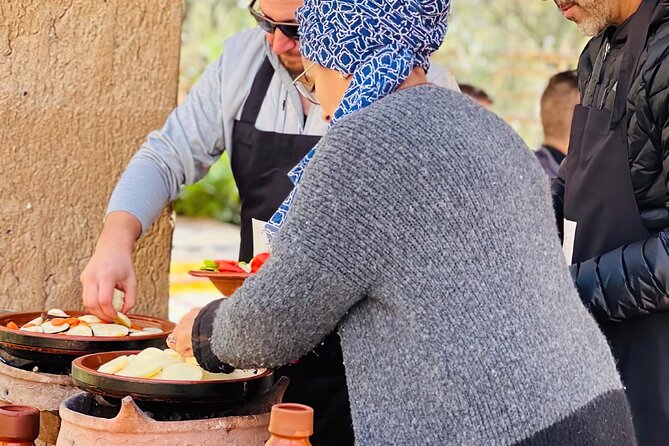
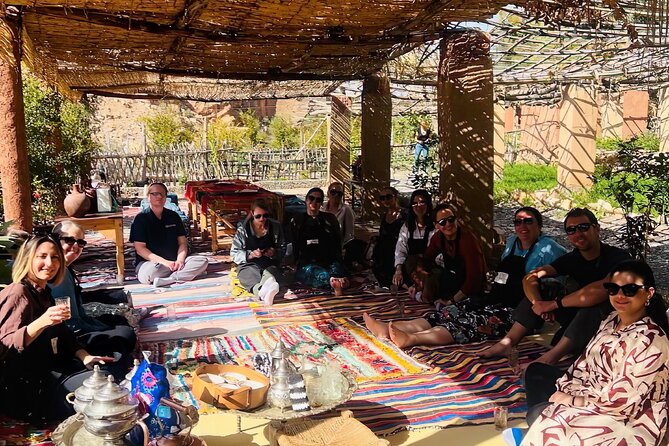
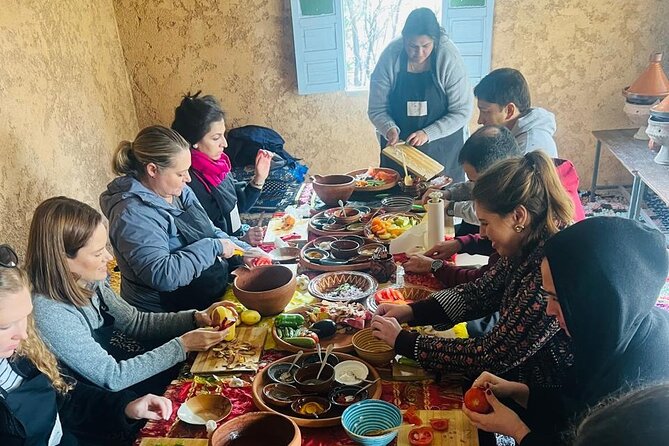
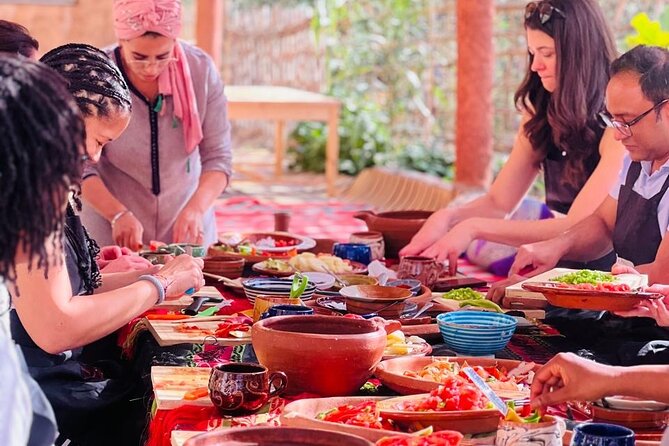
The best part of this day is the setting: you leave Marrakech behind and cook in Saida’s traditional Amazigh home at the foot of the Atlas Mountains. She teaches you to make tagine and tea, then shares a meal made with local ingredients, including produce from the garden when available.
I like the personal welcome from Saida and her family, and I like that the cooking class supports a real local project tied to women’s independence and carpet making. The main drawback is the long day and limited group size, so this is less suited to anyone wanting a quick class close to Marrakech.
Key points at a glance
- Saida’s mountain home: Cook and eat in a traditional village setting rather than a city restaurant.
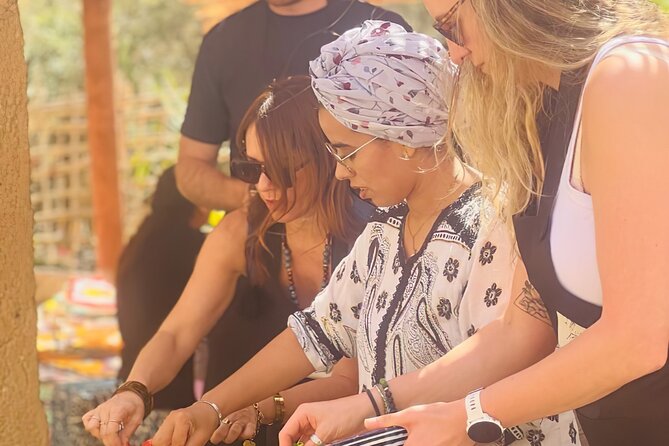
- Hands-on Amazigh cooking: Prepare tagine and tea, with chicken and vegetables among the dishes described.
- A family welcome: Saida and her brother host the day, with Aziz available for a village visit.
- Women’s craft work: Learn about a carpet cooperative where local women preserve traditional skills.
- Optional stops: Ask the driver about Lake Lalla Takerkoust and a women’s argan oil cooperative.
- Small-group format: The maximum is six people, which suits a more personal cooking lesson.
Leaving Marrakech for Saida’s Atlas village
This experience gives you a useful change of pace from Marrakech. Instead of spending the day among souks, traffic, and packed sights, you travel by air-conditioned vehicle toward the mountains and spend time with Saida in her home community.
Pickup is offered, and the stated start time is 9 a.m. The drive itself forms an important part of the day. You are not simply being taken to a cooking studio. You are heading to a traditional home at the foot of the Atlas Mountains, where the setting helps explain the food, the family life, and the local work you will encounter.
The total outing lasts about seven and a half hours. That makes this a full-day commitment, not a short activity to squeeze between visits to the Bahia Palace and the souks. I would leave the rest of your schedule open, especially since optional stops can add interest to the return journey.
The group maximum is six people. That matters here. A cooking lesson works better when you can see what is happening, ask questions, and take part without waiting behind a large crowd. The small size also fits the family-home setting.
More Hands-On Workshops in Marrakech:
- Marrakech: Moroccan Cooking Class with Pickup
★ 4.6 · 1,862 reviews - Marrakech: Traditional Moroccan Cooking Class & Market Visit
★ 4.8 · 1,861 reviews - Marrakesh: Moroccan Dishes Cooking Class with a Local Chef
★ 5.0 · 1,615 reviews
Cooking tagine in a traditional home
Saida is the heart of the experience. She grew up in a mountain village and became one of the first women in her community to work in tourism. Her work now links cooking, family income, and support for her village.
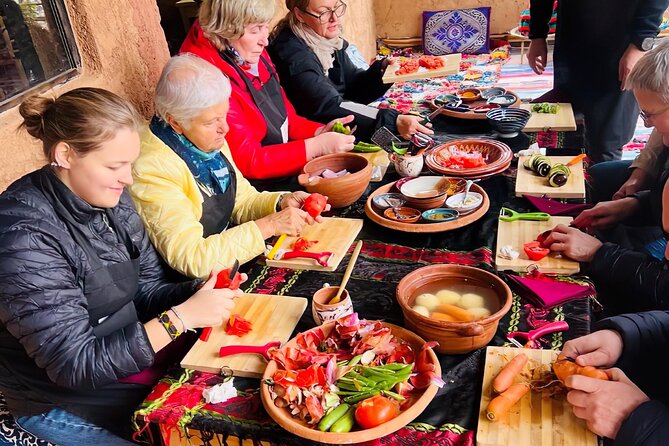
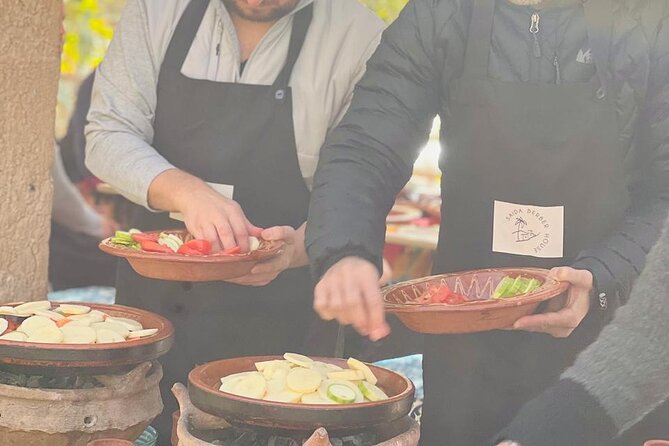
The class centers on Amazigh food, with tagine as the main dish. The details provided describe a chicken and vegetable tagine, though the exact menu may depend on the day and available ingredients. You will work with fresh, local products rather than simply watching a chef prepare lunch in advance.
That difference is worth paying for. A restaurant meal gives you a taste of Moroccan cooking. Here, you get a practical look at how the meal comes together. You can learn how the ingredients are prepared, how the tagine is assembled, and how the dish is cooked before sitting down to eat it.
An apron is provided, so you do not need to bring cooking clothes. Bottled water is also included. The information does not give a detailed lesson schedule or say how much time you spend preparing each part, so you should expect a relaxed household lesson rather than a formal culinary school session.
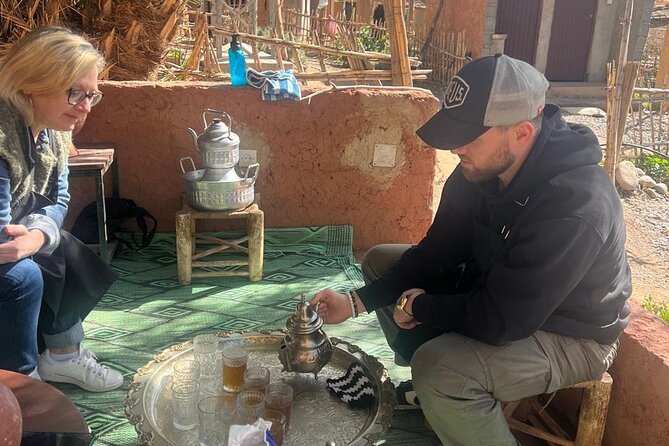
Tea is another part of the day. One account describes learning to prepare Moroccan tea as well as tagine. That small addition gives the class a broader feel, since tea is part of ordinary hospitality and not just another recipe on a lesson plan.
You may also help prepare bread. The details available about the experience point to cooking classes, bread, tea, and a full meal. It is best to think of the food lesson as a window into daily Amazigh life, not only as a chance to copy a recipe.
A garden lunch with local flavor
Once the cooking is complete, you eat what you have helped prepare. Lunch is included in the price, which makes the cost easier to judge, particularly since transport, bottled water, and the apron are also covered.
The meal can include vegetables from the garden. Fresh pomegranate picked from a garden tree has also been described as part of the food served. That kind of detail gives the lunch a clear sense of place. It is not just Moroccan food in a generic setting. The ingredients connect the meal to the home and the village around it.
You should keep your expectations sensible. This is a family home, not a polished restaurant with a printed menu and a choice of courses. That is part of its appeal, but it also means the food may be simple and seasonal. If you want a highly structured class, exact measurements, or a professional kitchen, this may feel informal.
For me, the value lies in the link between cooking and conversation. You can eat the tagine, drink tea, and understand more about the people who prepared it. The day is designed around hospitality, and Saida’s family welcome is one of its strongest features.
Meeting Saida and learning about Amazigh life
The cooking is only one part of the outing. Saida’s story adds real meaning to the visit. She entered tourism to improve her life, help her family, and support people in her village. Her work gives you a direct connection to a local initiative rather than a standard sightseeing stop.
You also get a look at village life away from Marrakech. The experience is suited to you if you want to see how a host family lives and works, and if you prefer time spent with people to a checklist of monuments.
Saida’s brother is involved in welcoming visitors. Aziz may also accompany you for a visit around the small village of Amizmiz, according to the details provided. The exact village walk is not laid out as a fixed part of the program, so ask your driver or host on the morning of the visit if it is available and how much time it will take.
This is one point where the flexible nature of the day can work in your favor. You can ask questions and take interest in the place around you. It can also mean that the schedule feels less precise than a tightly timed bus tour.
A few more cooking classes around Marrakech worth a look
- Moroccan Cooking Class & Marrakech Market Visit with Chef Khmisa
★ 5.0 · 1,504 reviews - Half-Day Cooking Class with Local Chef Laila in Marrakech
★ 5.0 · 952 reviews - Marrakech: Moroccan Cooking Class with a Local Family
★ 4.9 · 668 reviews - Marrakech: Moroccan Cuisine Cooking Class in Local Home
★ 4.8 · 508 reviews
Carpet making and support for local women
The visit to Saida’s Berber carpet cooperative adds an important second theme. Talented craftswomen continue traditional carpet-making skills, and Saida’s project helps support women’s autonomy.
You may see how this work fits into the wider community. The material does not specify a full demonstration, the length of the visit, or whether a purchase is expected, so do not assume a formal workshop. You can, however, expect the cooperative to explain the role of carpet making and the women involved.
If you are considering buying a carpet, ask clear questions about the price, size, materials, and shipping before agreeing to anything. The cooperative is presented as a way to support local women, but you should still make buying decisions at your own pace.
I like this part because it keeps the tour from becoming only a cooking activity. You see two practical ways local women are building income: tourism and craft work. That context makes the food lesson more meaningful.
Optional Lake Lalla Takerkoust stop
You can ask the driver to stop at Lake Lalla Takerkoust. This is not described as a guaranteed included stop, so make the request early in the day and confirm how it fits the schedule.
The lake offers a scenic pause between the city and the mountain village. If you enjoy taking photographs or simply want a quiet break from sitting in the vehicle, it can be a useful addition. It may also make the seven-and-a-half-hour day feel more varied.
The tradeoff is time. Every optional stop leaves less time for cooking, the village, or the cooperative. If the class is your main reason for booking, I would treat the lake as a bonus rather than the focus.
Ask whether the stop is possible before setting off. Since the experience is arranged around a small group and local hosts, the day may depend on timing, weather, and the wishes of the people in the vehicle.
Optional argan oil cooperative visit
A women’s argan oil cooperative may also be visited if you are interested. The purpose is to show how this traditional product is made and to support local women.
Again, this is an optional possibility rather than a stated fixed stop. You should ask the driver about it at the beginning of the day. If you have already visited an argan cooperative elsewhere in Morocco, you may prefer to spend more time at Saida’s home and the carpet project.
If you have not seen argan production before, the stop can add useful context. It shows another way women organize work and earn income through local products. Just keep in mind that the experience is already full, and adding every possible stop could make the schedule feel rushed.
Is $114.86 a fair price?
At $114.86 per person, this is not the cheapest cooking class in Marrakech. The price is easier to justify when you count what is included: pickup, an air-conditioned vehicle, lunch, bottled water, and an apron, along with the cooking lesson and village visit.
You are also paying for a full day rather than a two-hour kitchen session. Transport to the Atlas area can be a major part of the cost, and the small maximum of six people gives the activity a more personal scale.
The strongest value comes from the combination of food and community contact. You cook with Saida, eat in her home, learn about her family’s work, and visit a women’s cooperative. If you only want to learn a few Moroccan recipes, a cheaper city class may suit you better.
I would also consider the value of the setting. You could eat tagine anywhere in Marrakech. Here, the meal is connected to a mountain village, a garden, and the people who prepared it. That connection is the reason to choose this experience.
Who will enjoy this day most?
This outing is a good fit for you if you:
- Want an authentic home-based cooking experience outside Marrakech.
- Prefer a small group, with a maximum of six people.
- Care about meeting local families and supporting women’s work.
- Enjoy flexible days with optional scenic and cultural stops.
- Want to learn tagine and tea preparation, then eat the finished meal.
- Have enough time for a full day away from Marrakech.
It may not suit you if you want a fast, highly polished cooking class with a fixed menu and exact timetable. It is also less suitable if you dislike long vehicle journeys, family-home settings, or plans that may change around weather and local timing.
The experience requires good weather. If poor weather causes cancellation, you can receive a different date or a full refund. The provider also requires a minimum number of participants, so a cancellation for that reason brings the same choice of another date or experience, or a refund.
You can cancel for a full refund up to 24 hours before the 9 a.m. start time. Changes or cancellations made inside that period are not accepted for a refund.
Practical advice before you go
Wear clothes you can cook in comfortably. An apron is supplied, but it is still wise to avoid anything you would worry about around food, oil, or spices.
Start with a clear plan for the optional stops. Tell the driver if Lake Lalla Takerkoust or the argan oil cooperative matters to you, then ask how much time each stop will take. That helps protect the cooking lesson from being squeezed by too many additions.
Keep some flexibility around the menu. The main dish is tagine, and chicken with vegetables is described, but seasonal ingredients and household cooking may shape the final meal. The appeal is learning from Saida, not receiving a standardized restaurant menu.
Bring your appetite and curiosity. The food, family welcome, village setting, and women’s cooperative all work together. If you treat the day as a social and cultural visit with cooking at its center, you are more likely to enjoy its relaxed style.
Should you book Saida’s cooking class?
Book it if you want a personal day in the Atlas foothills, a hands-on lesson in Amazigh cooking, and a chance to support Saida’s work with local women. The combination of tagine, tea, garden produce, family hospitality, and traditional carpet making gives the outing more substance than a standard cooking class.
Skip it if you need a short activity in Marrakech or a tightly controlled culinary course. The seven-and-a-half-hour schedule, optional stops, and home-based format require patience.
For the right person, the price buys more than lunch and a recipe. It buys time with Saida and her family, a look at village life, and a direct way to connect your meal with local work.
FAQ
What time does the experience start?
The stated start time is 9 a.m.
Is pickup from Marrakech offered?
Yes. Pickup is offered, and transport is provided in an air-conditioned vehicle.
What food will I learn to prepare?
The class focuses on Amazigh cooking, including tagine and tea. Chicken and vegetable tagine is specifically described.
Is lunch included?
Yes. Lunch, bottled water, and an apron for the cooking class are included.
Can I visit Lake Lalla Takerkoust?
You can ask the driver to stop at Lake Lalla Takerkoust. The stop is described as an option, not a guaranteed part of the schedule.
How far in advance can I cancel for a full refund?
You can cancel up to 24 hours before the experience start time for a full refund. Cancellations made less than 24 hours beforehand are not refunded.
Just added around Marrakech
- Vegetarian and vegan cooking class★ 4.5 · 35 reviews
- Moroccan Cooking Class with Market Visit and Meal★ 4.5 · 18 reviews
- Moroccan cooking class with maket in the Medina of Marrakech★ 5.0 · 173 reviews
- Morocco’s Top Cooking Classes For Authentic berber Cuisine in the Atlas Mountain★ 3.5 · 8 reviews
- Cooking class with transfer★ 5.0 · 22 reviews
- Shared 4 Hours Cooking Class in Marrakesh★ 5.0 · 49 reviews
- Cooking course with genuine Berber Family at Atlas Mt★ 5.0 · 10 reviews
- 3 Hour Moroccan Cooking Class in Marrakech★ 5.0 · 41 reviews
Cooking Classes, compared.
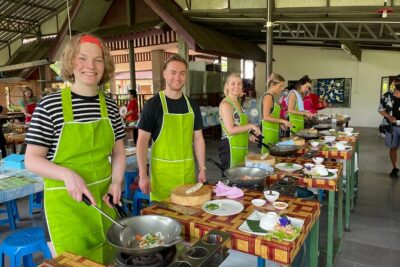
Half-Day Thai Cooking Class at Organic Farm in Chiang Mai
Read our review →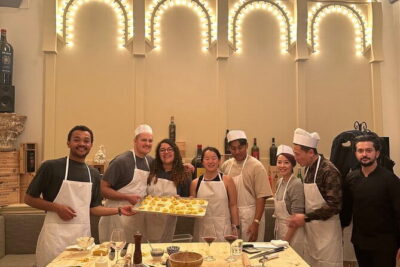
Florence: Pasta Cooking Class with Unlimited Wine
Read our review →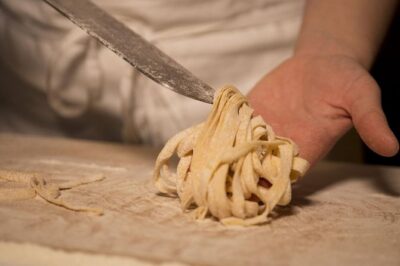
3 in 1 Cooking Class near Navona: Fettuccine, Ravioli & Tiramisu
Read our review →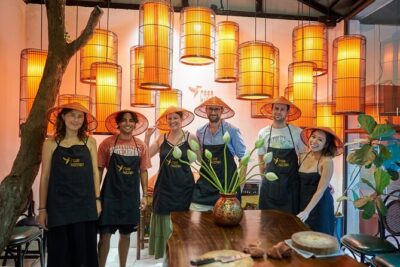
Hanoi Cooking Class: Culture, Local Market & Meaning CSR Impact
Read our review →
5 Traditional Dishes Hanoi Cooking Class with Market Trip
Read our review →
Cooking Class and Lunch at a Tuscan Farmhouse with Local Market Tour from Florence
Read our review →
Chiang Mai: Cooking Class, Market & Thai Herbs Garden Tour
Read our review →Browse the lists this tour appears in