
Review · MARRAKECH
cooking classe
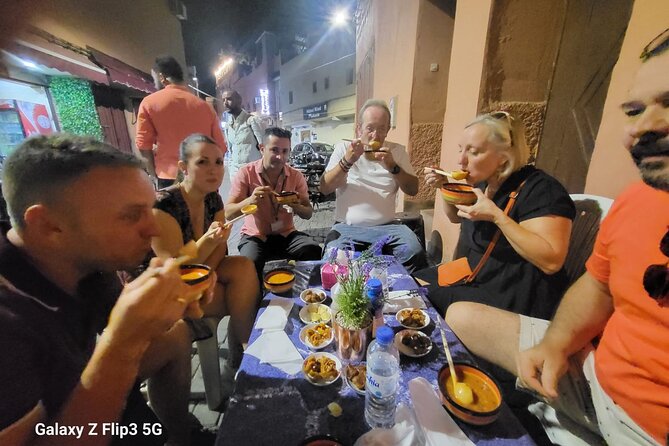
The best part of this Marrakech cooking class is that you do not just eat Moroccan food, you help make it in a local home. You choose tagine, couscous, or pastilla, learn cooking tips and family-style methods, then sit down with the group to eat what you prepared.
I like the small maximum of 10 people, which should make the lesson easier to follow, and I like the recipe card because it gives you a real chance to repeat the meal at home. The main drawback is that the class lasts about four hours, so it takes a substantial part of your day and may feel long if you only want a quick food tasting.
Key points at a glance
- Three main dishes: Choose between tagine, couscous, or pastilla for the central dish.
- A meal you help prepare: Eat your own cooking with the rest of the group after the lesson.
- Local-home setting: Share stories and traditional cooking tips in a more personal setting than a restaurant.
- Small group size: The class accepts a maximum of 10 people.
- Useful take-home recipe: A recipe card helps you recreate the dish after returning home.
- Flexible language choice: Classes are available in Arabic, French, English, and Spanish.
A Four-Hour Taste of Moroccan Home Cooking
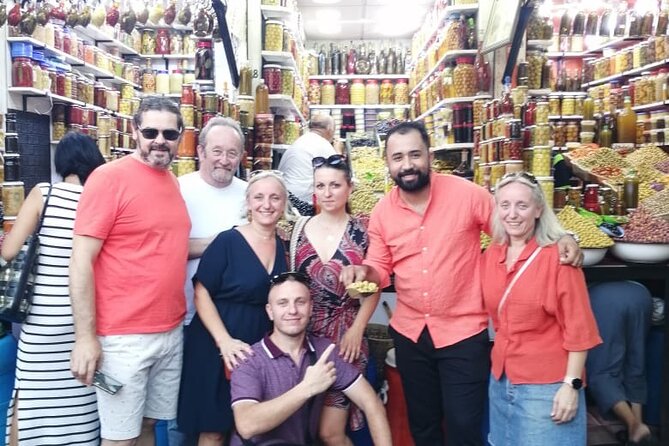
This experience begins at 10:00 a.m. and runs for about four hours. That timing matters in Marrakech. It gives you a morning and early afternoon activity rather than a rushed lesson squeezed between sightseeing stops.
The setting is a local home, where the focus is on food, conversation, and practical cooking. You are not simply watching a chef work behind a counter. You take part in preparing the meal, learn traditional tips, and share stories as the class moves along.
The exact flow may vary, but you can expect the day to follow a simple pattern: meet your host or food guide, discuss the dishes, prepare your chosen main course, work through dessert, and eat together. The supplied information does not give a detailed minute-by-minute schedule, so you should not expect a fixed restaurant-style menu or a formal kitchen demonstration with every course listed in advance.
That looser format can be a plus. Moroccan cooking is built around methods that are easier to understand when you see them in a home setting. It also means you should arrive ready to participate rather than simply sit back and take pictures.
A few more cooking classes around Marrakech worth a look
- Marrakech: Moroccan Cooking Class with Pickup
★ 4.6 · 1,862 reviews - Marrakech: Traditional Moroccan Cooking Class & Market Visit
★ 4.8 · 1,861 reviews - Marrakesh: Moroccan Dishes Cooking Class with a Local Chef
★ 5.0 · 1,615 reviews
Choosing Between Tagine, Couscous, and Pastilla
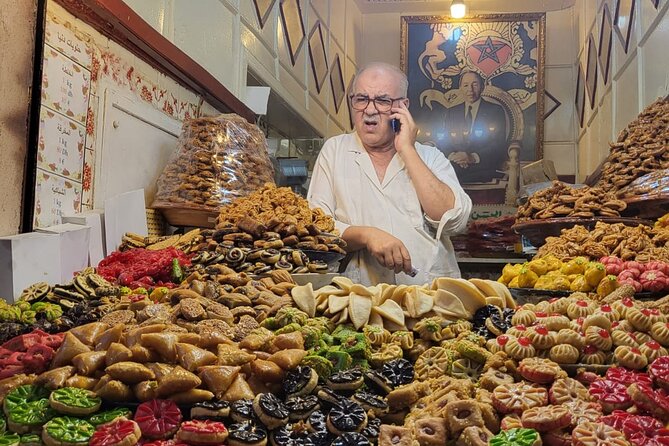
Your most important decision comes at the start: which main dish do you want to make?
Tagine is the obvious choice if you want to learn about one of Morocco’s best-known meals. The name refers both to the dish and to the distinctive covered cooking vessel used for many preparations. A class focused on tagine should appeal to you if you want a practical, recognizable recipe to try again at home.
Couscous gives you a different look at Moroccan cooking. It is a familiar dish to many people, but the preparation method can be quite different from the quick versions made in many home kitchens outside North Africa. Choose it if you are especially interested in the techniques behind a traditional staple.
Pastilla is the less obvious choice, and that may be exactly why you choose it. It is a layered Moroccan dish that brings a different texture and style to the class. If you want something that feels less predictable than tagine, pastilla could be the most interesting option.
The information provided does not specify the fillings, ingredients, or exact recipes for each choice. That is worth keeping in mind if you have allergies, dietary restrictions, or a strong preference for meat or vegetarian food. Ask about the available preparation before the lesson begins.
The class also includes dessert. The stated experience covers Moroccan food from main meals through the sweet course, while comments about the food mention pastries along with couscous and tagines. You should have a fuller meal than a single-dish workshop, though the exact dessert is not listed.
Why Cooking in a Home Changes the Experience
A local home gives the lesson a personal feel that a professional cooking school may not provide. You can hear stories, pick up old cooking tips, and see how food is discussed in an ordinary domestic setting. That is useful because Moroccan cuisine is not just a set of ingredients. It is also about how meals are prepared, shared, and explained.
I like this format for anyone who wants a cultural activity with a clear purpose. You are not visiting a home simply to observe it. You are there to cook, eat, and learn something you can use later.
The setting also keeps the class connected to daily life in Marrakech. A restaurant can show you the finished plate, but a cooking lesson shows you the work behind it. You get a better sense of how several dishes fit into one meal and how a host passes cooking advice from one person to another.
There is a tradeoff. A home-based class may feel less polished than a commercial kitchen. You may not get the same level of equipment, presentation, or tightly timed service that you would find in a restaurant-led demonstration. For many people, that is part of the appeal. If you prefer a highly structured lesson, it is worth setting expectations before you book.
A Small Group Makes the Lesson Easier to Follow
The class is limited to 10 people. That is a useful number for a hands-on activity. You should have a better chance to see what is happening, ask questions, and take part in the preparation than you would in a large group.
A small group also makes the shared meal more sociable. After cooking, you eat your creations with the rest of the class. This creates a natural end to the lesson and gives you time to compare the different main dishes.
The group size does not guarantee private instruction. Ten people can still mean some waiting, especially if everyone is working on different tasks. Your experience may also depend on how many people choose each menu option and how actively the guide manages the kitchen.
Still, the limit is well suited to this type of activity. You are cooking, not simply listening to a lecture, and smaller groups generally work better when everyone needs a turn.
Same place, a different menu:
- Moroccan Cooking Class & Marrakech Market Visit with Chef Khmisa
★ 5.0 · 1,504 reviews - Half-Day Cooking Class with Local Chef Laila in Marrakech
★ 5.0 · 952 reviews - Marrakech: Moroccan Cooking Class with a Local Family
★ 4.9 · 668 reviews - Marrakech: Moroccan Cuisine Cooking Class in Local Home
★ 4.8 · 508 reviews
The Guide and Language Options
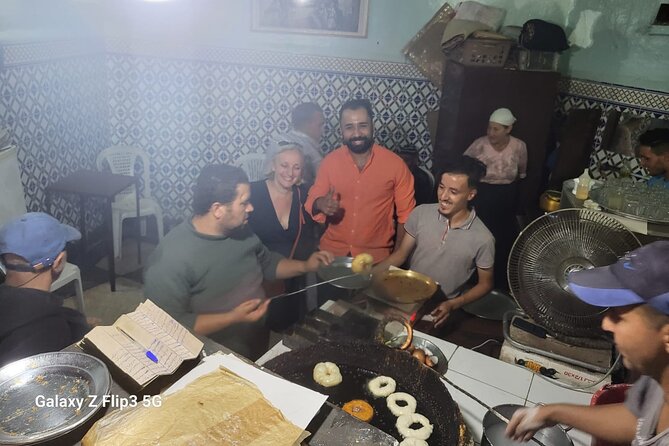
Classes are offered in Arabic, French, English, and Spanish. This is one of the most useful practical details, especially for a cooking class where timing, measurements, and technique need to be clear.
If you book in English, confirm that the selected session is taught in English. The same applies to the other languages. The available language list is broad, but the information does not say that every departure offers all four languages at once.
One food guide named in the experience feedback is Mehdi. If he is leading your session, you can expect a guide who has been described as professional and generous with practical help. One specific detail connected with him is that he bought water and tea when requested. That is a small touch, but it matters during a four-hour food activity.
You may or may not have Mehdi for your date, so do not book solely on the assumption that he will be present. The provider is Menara Trip, and the guide assigned to your session may vary.
The clearest praise for the instruction concerns explanation and food quality. The cooking guidance is designed to help you understand what you are doing, not just copy a series of silent motions. That makes the recipe card more useful after you leave.
Eating What You Cook
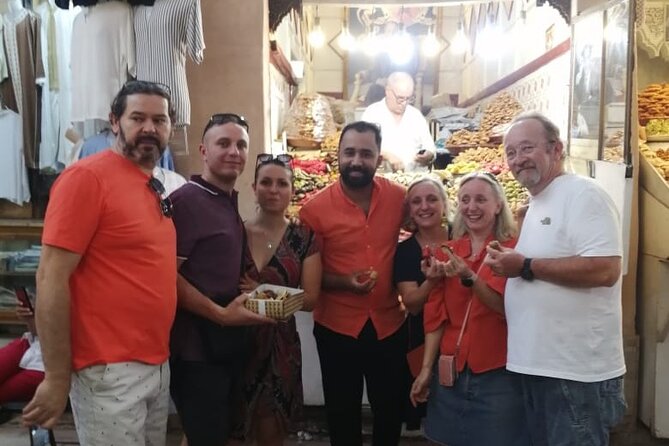
The meal at the end is more than a convenient finish. It lets you see how the preparation worked and gives the class a shared reward.
You eat your creations with the group, which means the final meal should include the dish you selected and the food prepared by others. If people choose different mains, you may get a chance to taste more than one style of Moroccan cooking, although the exact sharing arrangement is not stated.
The food is the strongest part of this experience. Comments connected with the class describe excellent dishes and a broad introduction to Moroccan cuisine, including couscous, tagines, pastries, and other foods. That makes the class appealing if you want more than a single recipe.
Keep your expectations practical. This is a cooking course with a meal, not a full-day food tour through Marrakech. You are not promised visits to markets, restaurant tastings, or a long list of separate stops. The value comes from learning, preparing, and eating in one place.
The Recipe Card Is Worth More Than a Souvenir
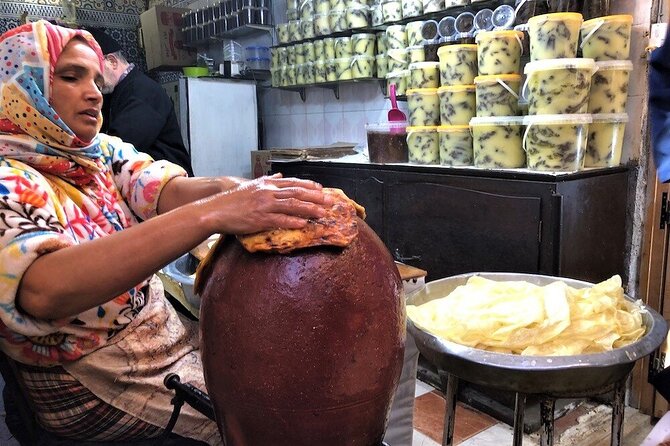
Many cooking classes end with a pleasant meal and little you can use later. This one includes an easy-to-use recipe card, which is a real benefit.
The card should help you remember the method once you return home. That is especially useful for tagine and couscous, dishes that may seem simple when you watch someone else prepare them but become harder to reproduce without written guidance.
You will still need to pay attention during the lesson. A recipe card cannot capture every small adjustment, such as how a mixture should look or when a dish is ready. Take notes if the guide explains a technique that is not fully written down.
The recipe also gives the class a longer life. You can cook the dish for friends or family, tell them about learning it in Marrakech, and turn a holiday meal into something you repeat at home.
Is $40.65 a Fair Price?
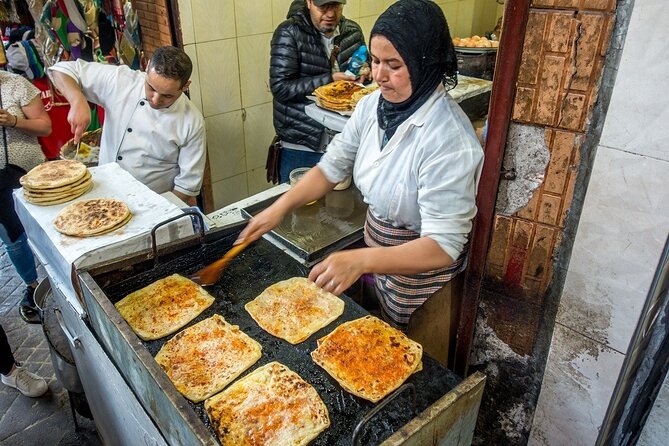
At $40.65 per person, this is reasonably priced for a four-hour activity that includes instruction, ingredients for the class meal, dessert, and the food you prepare. Pickup is offered, which may add value if getting across Marrakech feels awkward or time-consuming.
The strongest value comes from the combination of experiences. You receive a cultural activity, a hands-on lesson, and a meal. You also leave with a recipe card rather than only a memory of what you ate.
I would compare this price with the cost of a good meal and a separate guided activity in Marrakech. If you would otherwise spend money on lunch and a food-focused excursion, the class can make practical sense.
The price may feel less attractive if you are not interested in cooking or if you mainly want to sample many finished dishes. In that case, a food tour may offer more variety and less time in one place. This class is aimed at participation, not fast tasting.
Pickup is offered, but the details of the pickup area and any extra cost are not provided. Check those points when booking rather than assuming that every Marrakech address is covered.
Timing, Booking, and Cancellation
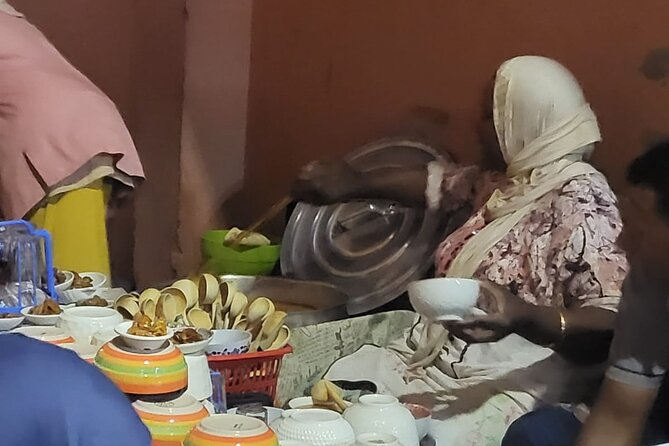
The start time is 10:00 a.m., and the activity lasts about four hours. Plan for the experience to take up your morning and continue into the early afternoon. Avoid placing a tight sightseeing appointment immediately afterward.
This class is commonly booked about six days ahead. That is a useful planning clue, especially if you are visiting during a busy period or need a particular language. Booking earlier is sensible if you want to coordinate it with other Marrakech plans.
Confirmation is provided at the time of booking. The activity accepts mobile tickets, so you do not need to print a paper voucher.
Free cancellation is available if you cancel at least 24 hours before the local start time. Cancellations or changes made within 24 hours are not refunded. The class also requires a minimum number of participants. If that minimum is not reached and the activity is canceled, you are offered another date or experience, or a full refund.
Service animals are allowed, the meeting point is near public transportation, and most people can participate. If you have food allergies, mobility concerns, or other needs, contact the provider before the day of the class because the general participation note does not explain kitchen access or menu adjustments.
Who Will Get the Most from This Class?
I would recommend this experience to you if food is one of your main reasons for visiting Morocco. It gives you enough time to learn rather than simply watch, and the recipe card helps carry the experience beyond Marrakech.
It also suits families, couples, and solo visitors who enjoy meeting people around a shared meal. The maximum of 10 keeps the group small enough for conversation without promising a private lesson.
Choose it if you want a slower morning and a local-home setting. The class is less suitable if you want to cover several Marrakech sights in a few hours, prefer a short tasting, or dislike participating in food preparation.
It can also work well near the beginning of your visit. Once you understand a little about tagine, couscous, or pastilla, you may notice those dishes differently in restaurants during the rest of your stay.
Should You Book This Marrakech Cooking Class?
Book it if you want to do more than order Moroccan food. The combination of a local home, a choice of three main dishes, dessert, a shared meal, multilingual instruction, and a recipe card gives you a useful four-hour introduction to Moroccan cooking.
The class earns its strongest marks for the quality of the food, clear guidance, and the personal care associated with guide Mehdi when he leads the session. Just remember that guide assignments and exact menu details may vary.
Skip it if your priority is a quick food tour, a large number of tastings, or a tightly scripted professional kitchen demonstration. For everyone else, $40.65 is a fair price for a hands-on meal you can attempt again at home.
FAQ
What dishes can I choose to prepare?
You can choose one main dish from tagine, couscous, or pastilla. The class also includes dessert.
How long does the cooking class last?
The experience lasts approximately four hours and starts at 10:00 a.m.
Will I eat the food I prepare?
Yes. After the cooking lesson, you eat your creations with the rest of the group.
What languages are available?
Classes are available in Arabic, French, English, and Spanish.
How many people can join the class?
The activity has a maximum of 10 participants.
Is pickup available?
Yes, pickup is offered. The supplied details do not specify the pickup area or whether an additional fee applies.
Can I cancel for a refund?
Yes, you can receive a full refund if you cancel at least 24 hours before the experience start time. Cancellations or changes made less than 24 hours before the start are not refunded.
Just added around Marrakech
- Moroccan Cooking Class with Market Visit and Meal★ 4.5 · 18 reviews
- Morocco’s Top Cooking Classes For Authentic berber Cuisine in the Atlas Mountain★ 3.5 · 8 reviews
- Cooking class with transfer★ 5.0 · 22 reviews
- Moroccan cooking class with maket in the Medina of Marrakech★ 5.0 · 173 reviews
- Shared 4 Hours Cooking Class in Marrakesh★ 5.0 · 49 reviews
- Cooking course with genuine Berber Family at Atlas Mt★ 5.0 · 10 reviews
- Moroccan Cooking Class with chef Mama Nouzha★ 5.0 · 4 reviews
- 3 Hour Moroccan Cooking Class in Marrakech★ 5.0 · 41 reviews
Cooking Classes, compared.
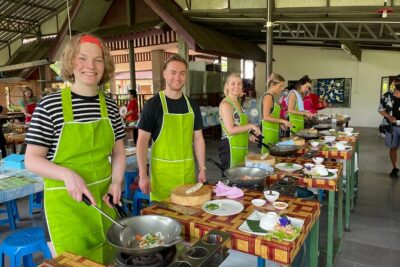
Half-Day Thai Cooking Class at Organic Farm in Chiang Mai
Read our review →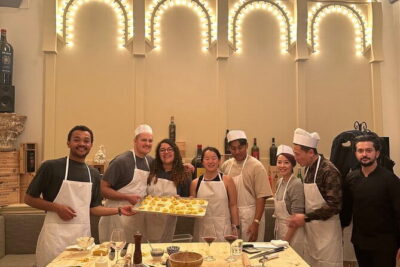
Florence: Pasta Cooking Class with Unlimited Wine
Read our review →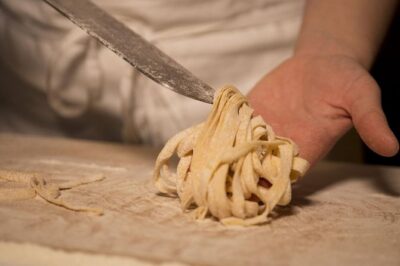
3 in 1 Cooking Class near Navona: Fettuccine, Ravioli & Tiramisu
Read our review →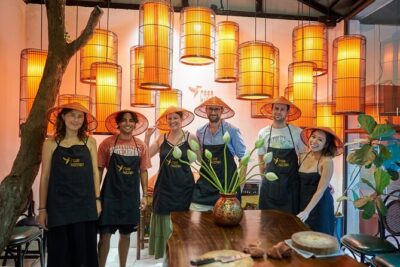
Hanoi Cooking Class: Culture, Local Market & Meaning CSR Impact
Read our review →
5 Traditional Dishes Hanoi Cooking Class with Market Trip
Read our review →
Cooking Class and Lunch at a Tuscan Farmhouse with Local Market Tour from Florence
Read our review →
Chiang Mai: Cooking Class, Market & Thai Herbs Garden Tour
Read our review →Browse the lists this tour appears in